
A small Kitashirakawa patisserie with Tabelog Sweets WEST 100 recognition in 2023, Patisserie TATSUHITO SATOI belongs to Kyoto’s quieter sweets circuit rather than the department-store dessert parade. The appeal is format as much as pastry: cakes, bread and café service in a compact counter setting, with a take-out culture that suits the university-side rhythm of Sakyo Ward.
Pearl is the En Primeur Club membership app — saves, bookings, and concierge access live there. Same editors, same standards.
- Address
- フラット北白川, 1F, 2 Kitashirakawa Oiwakecho, Sakyo Ward, Kyoto, 606-8224, Japan
- Phone
- +81 75-285-1171
- Website
- tatsuhitosatoi.com
 Saves & bookings on Pearl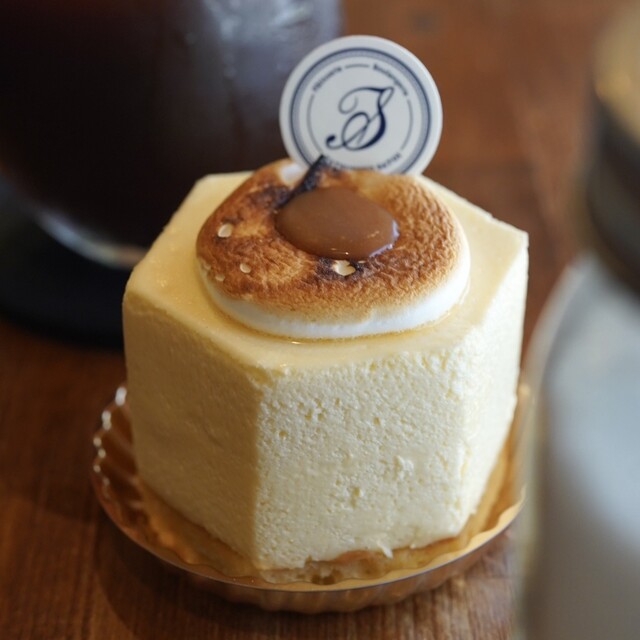
Kitashirakawa moves at a different tempo from Kyoto’s station corridors and temple approach streets. Around the university side of Sakyo Ward, pastry shops feel less like tourist trophies than daily infrastructure: a morning purchase, a small counter stop, a box carried home before dinner. Patisserie TATSUHITO SATOI fits that register. The compact, counter-led room is quiet in the way Kyoto’s serious sweets addresses often are, with visual emphasis on the case rather than the room.
Kyoto’s dessert culture has two strong poles: the older wagashi tradition, tied to tea, seasonality and formality, and the city’s long affection for French-style pâtisserie, absorbed into everyday life without losing precision. This shop sits on the second side of that divide, but the neighbourhood matters. In Kitashirakawa, the pleasure is not a grand dessert salon; it is the small-scale discipline of cakes, bread and café service operating at local frequency.
French pastry in a Kyoto neighbourhood that rewards restraint
The useful way to read the shop is through Kyoto’s broader sweets map. Visitors often make the city’s dessert scene a wagashi-only story, missing how deeply pâtisserie has settled into residential Kyoto. The format here is practical rather than ceremonial: cakes and bread, take-out service, a few seats, and an audience including solo customers and families. That says more about contemporary Kyoto than another temple-side sweet stop built around a queue.
Tabelog selected Patisserie TATSUHITO SATOI for its Sweets WEST 100 list in 2023, placing it in a regional sweets conversation, not just a neighbourhood one. The listed categories are cake, bread and café, and Kyoto’s stronger pastry addresses often work across those boundaries. One customer may arrive for a cake box and leave with bread; another may use the same shop for a short café pause. The range is focused enough to feel narrow, broad enough to function as a local sweets address.
There is a lineage note worth keeping in proportion. The patisserie is associated with Satoi-san, described as having supported Yuji Ajiki from the beginning. That credential gives context without needing to become biography. Kyoto has always absorbed outside technique into smaller civic rituals; here, French pastry craft is filtered through compact service, modest scale and objects made to travel well.
How it compares with Kyoto's sweets and casual dining circuit
For travellers building a Kyoto eating day, the comparison is less with formal restaurants than with the city’s short-stop culture. Ajari Mochi Honpo Kyogashi Tsukasa Mangetsu Honten works from the wagashi side, while Ryokujuan Shimizu belongs to the confectionery tradition at a slightly higher everyday spend. Aburi Mochi Honke Nemoto Kazariya, another historic sweets reference, shows how Kyoto can make one format feel culturally dense. Patisserie TATSUHITO SATOI operates differently: not as temple ritual, not as souvenir counter alone, but as a neighbourhood pâtisserie with award-list recognition.
That distinction helps because Kyoto visitors often over-plan formal meals and under-plan pastry stops. A day might have a structured lunch at Nakazen or Droit, a casual detour to Pizzeria da Ciro, then a sweets stop without the same emotional or financial commitment. In that pattern, a compact patisserie can carry more weight than its size suggests. It gives the itinerary a local pause, not another reservation-driven event.
The same logic applies beyond restaurant hierarchy. Guides tend to separate categories too cleanly: restaurants, bars, hotels, experiences. In practice, the city is stitched together by smaller transitions: coffee before a gallery, sweets after a bus ride, bread bought for the next morning. For broader planning, see Our full Kyoto restaurants guide, Our full Kyoto hotels guide, Our full Kyoto bars guide, Our full Kyoto wineries guide and Our full Kyoto experiences guide.
What the format tells you before you order
The category signals are clear. This is not a tasting-menu dessert counter or a hotel patisserie built around display architecture. It is a small shop where take-out is part of the experience and counter seating keeps the room close to the work. That scale changes expectations. The pleasure is in selection, timing and restraint: choosing a few items rather than turning the visit into a full afternoon production.
Shaved ice and parfait service is listed for a narrower daytime window than the shop’s general opening span, giving the sweets program a seasonal-café rhythm without making the whole operation depend on it. That matters in Kyoto, where summer heat changes café use, and shaved ice can shift a patisserie from cake-box errand to sit-down pause. Treat those items as part of the daytime pattern rather than guaranteed late-day purchases.
Payment and access details also point to a local operating style. Credit cards and electronic money are not accepted, while QR payments are listed, and there is no dedicated parking. Those are not minor inconveniences; they shape how the shop works. It suits pedestrians, bus users and visitors already moving through northeast Kyoto rather than anyone expecting a hotel-lobby transaction.
For a Kyoto itinerary, the patisserie works as a counterpoint to more formal meals and louder casual stops. Nearby planning can include 3TOKU6MI Shijo karasuma ten, 551蓬莱, [ki:] or Abbesses, depending on how much structure the day needs. For a sweets-led comparison, Aburi Mochi Honke Nemoto Kazariya shows Kyoto’s older confectionery grammar, while this address shows how French pâtisserie has become part of the city’s daily fabric.
The wider Japan and overseas dining index can pull the itinerary elsewhere: -Grilled beef Sukiyaki- KAMAKURA TANUKIAN 鎌倉 たぬき庵 in Kamakura,. 鮪と炭火焼き うお炭 秋葉原店 in Tokyo,.cafe in Osaka,.know in Kumamoto, (Shoku) Vietnam in Kawasaki, [Curry Senmon Ten] Maruyama Kyoju. in Sapporo, Jōdo Saké Bar in Los Angeles and Onigiri Time in Pasadena. Against that field, Patisserie TATSUHITO SATOI is valuable for a narrower reason: it captures the quiet, high-functioning pastry culture serious Kyoto eating depends on between headline meals.
In Context: Similar Options
Nearby venues at a similar price tier for orientation.
| Venue | Cuisine | Price | Awards | Notes |
|---|---|---|---|---|
| Patisserie TATSUHITO SATOIThis venue — the venue you are viewing | French Patisserie | $$ | , | |
| Briant Kitayama honten | Bakery café and casual French bistro | $$ | , | Kita |
| grains de vanille | French-style patisserie & café | $$ | , | Nakagyō |
| ラ ブッシュ | 薪焼き自然派フレンチ | $$$ | , | Ohara |
| Bäckerei Perkeo Alt Heidelberg | Traditional German bakery & café | $$ | , | Sakyō |
| Gion Morikou | Kyoto‑style Cantonese (Chinese) | $$ | , | Higashiyama |
Continue exploring
More in Kyoto
Restaurants in Kyoto
Browse all →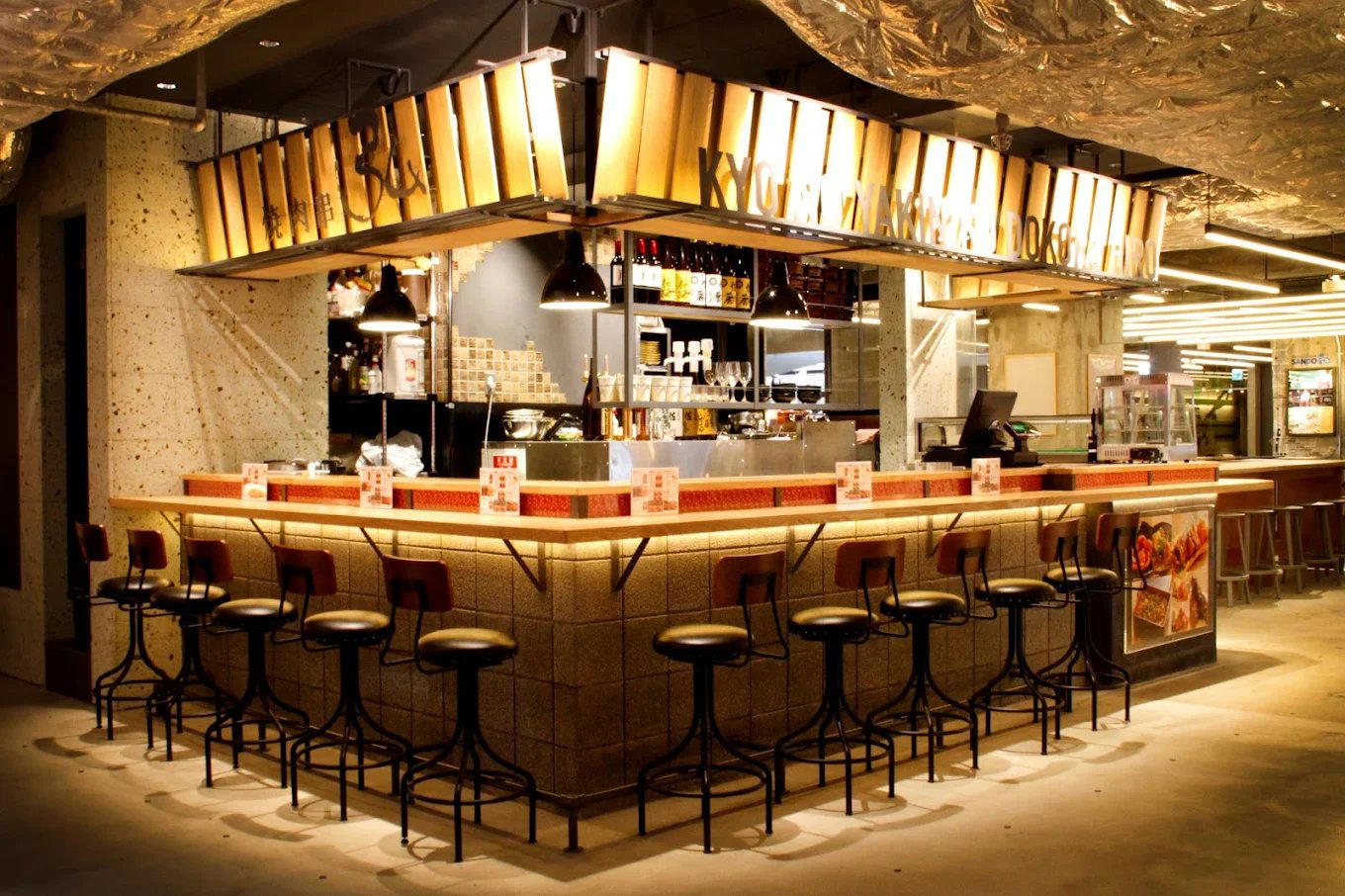
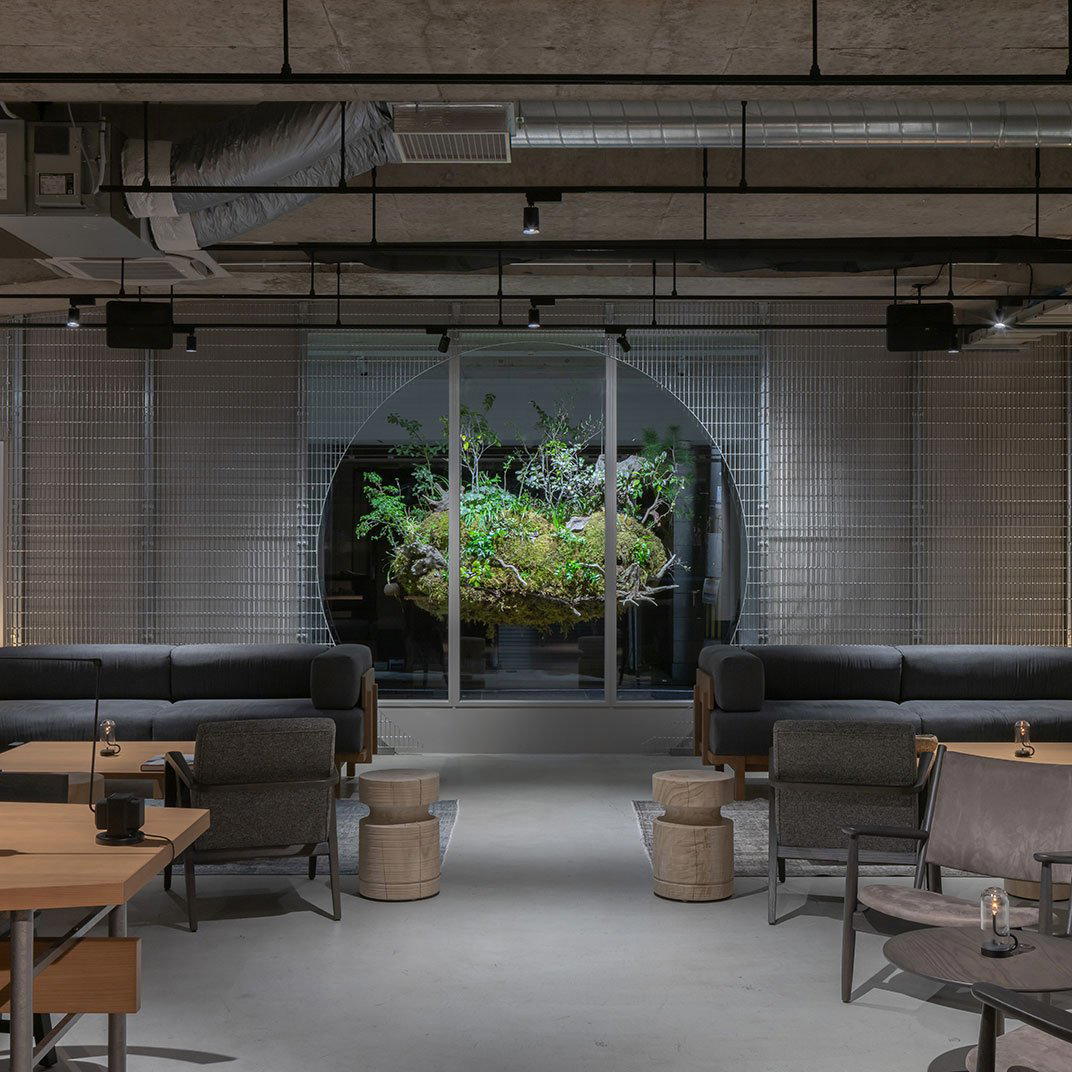
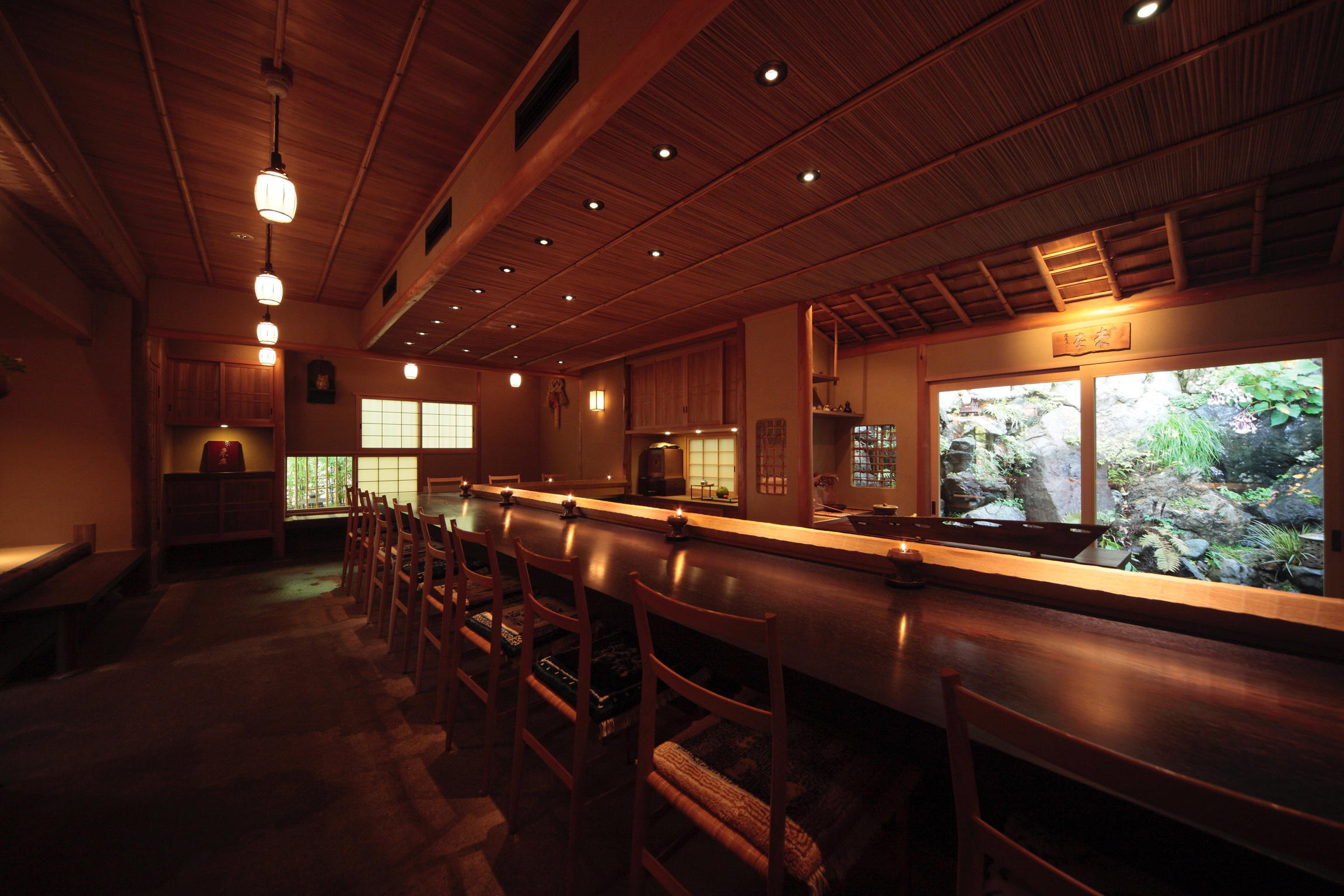
Bars in Kyoto
Browse all →
Hotels in Kyoto
Browse all →
Wineries in Kyoto
Browse all →
At a Glance
- Cozy
- Quiet
- Classic
- Hidden Gem
- Solo
- Family
- Casual Hangout
- Standalone
Small and intimate with a quiet, refined patisserie atmosphere suited to dessert stops rather than long dining.