Graham's Kitchen
Graham's Kitchen occupies a residential address on Hemonystraat in Amsterdam's De Pijp district, operating at a remove from the city's more visible fine-dining circuit. The format and cuisine type place it among Amsterdam's neighbourhood-rooted restaurant tier, where the room and cooking carry the weight rather than institutional recognition or hotel backing.
Pearl is the En Primeur Club membership app — saves, bookings, and concierge access live there. Same editors, same standards.
- Address
- Hemonystraat 38, 1074 BS Amsterdam, Netherlands
- Phone
- +31203642560
- Website
- grahamskitchen.amsterdam
- Directions
- Get directions
 Saves & bookings on Pearl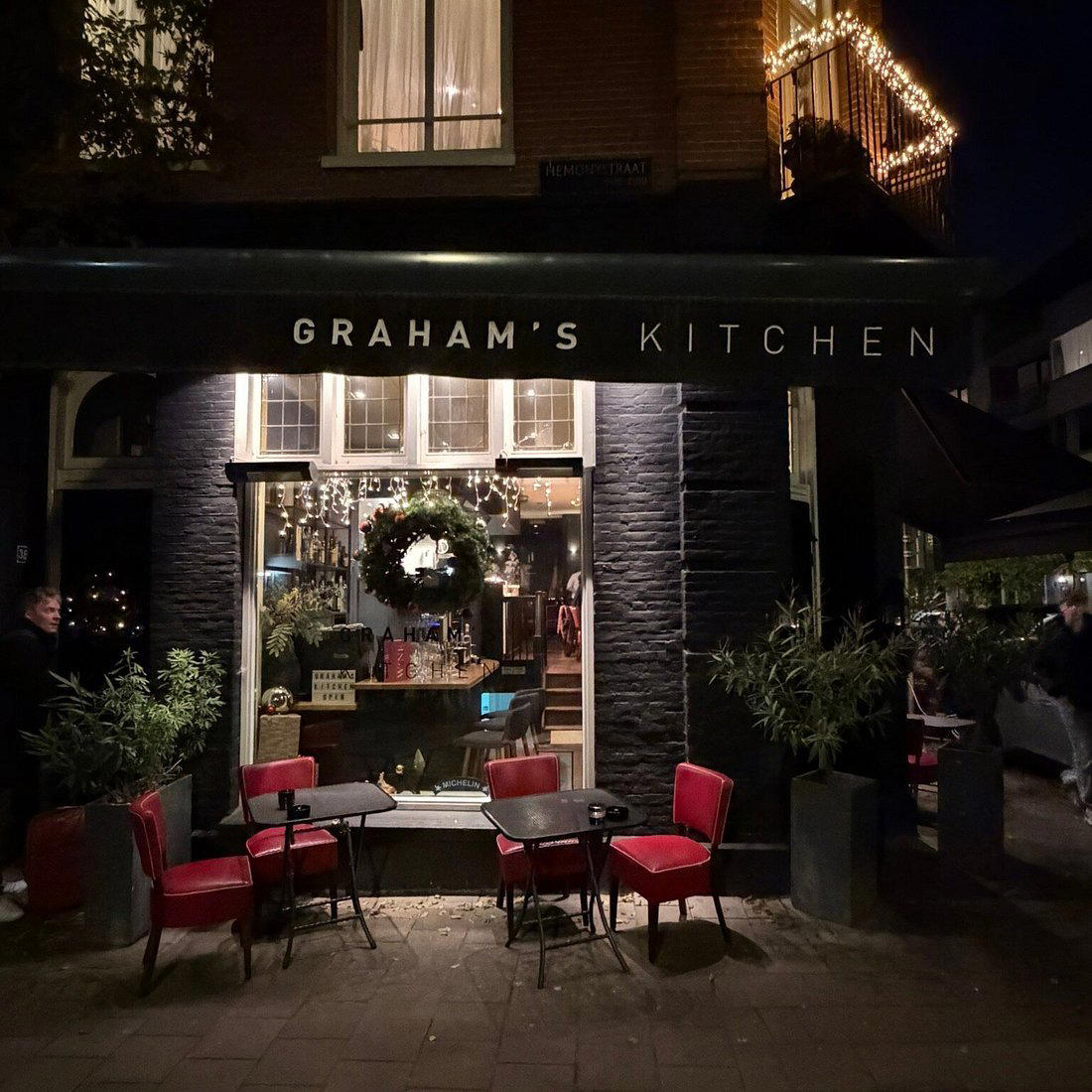
De Pijp and the Quiet End of Amsterdam's Dining Spectrum
Amsterdam's serious restaurant scene has long organised itself around two poles: the canal-belt institutions with international recognition, and a looser set of neighbourhood addresses where the cooking is the point and the setting deliberately understated. Hemonystraat sits in the second category. The street runs through De Pijp, one of the city's densest and most food-conscious districts, where the density of small independents has historically made it harder, not easier, for any single address to hold sustained attention. That compression is the context for Graham's Kitchen at number 38.
De Pijp's dining character has shifted measurably over the past decade. What was once a neighbourhood of affordable international kitchens and market-adjacent lunch spots has acquired a tier of more considered cooking, with operators choosing the area precisely because its residential density supports a regular local clientele rather than tourist foot traffic. Graham's Kitchen's Hemonystraat address positions it inside that evolution rather than outside it.
Where Graham's Kitchen Sits in Amsterdam's Competitive Map
Amsterdam's formal fine-dining tier is relatively concentrated. Ciel Bleu, Flore, Spectrum, and Vinkeles occupy the €€€€ bracket with Michelin recognition and formats that require advance planning and occasion framing. Below that, a middle tier of €€€ addresses like Bistro de la Mer operates with classical technique at more accessible price points. The restaurant operates as a neighbourhood proposition rather than a destination-dining exercise, serving a local radius that returns regularly rather than a visitor audience that arrives once.
That positioning has parallels across the Netherlands. Outside Amsterdam, addresses like Aan de Poel in Amstelveen and De Bokkedoorns in Overveen demonstrate that serious cooking does not require a city-centre address or institutional award infrastructure. Further afield, De Librije in Zwolle and 't Nonnetje in Harderwijk have built nationally recognised programs in cities with smaller populations than Amsterdam's De Pijp alone. The Dutch dining model has always accommodated this geographic dispersal: recognition follows cooking quality, not postcode.
The Evolution Question: Neighbourhood Kitchens and What They Become
The trajectory of neighbourhood restaurants in Amsterdam follows a pattern visible in other dense European cities. A kitchen opens with a local brief, builds a regular clientele, and then faces a choice: consolidate around what works, or push toward a format that attracts a broader audience and, eventually, institutional attention. Addresses like Brut172 in Reijmerstok and De Groene Lantaarn in Staphorst made the second choice from unexpected geographic positions. De Nieuwe Winkel in Nijmegen built a plant-forward program that attracted international attention without leaving its city. The question for any De Pijp address is which path it is on.
The restaurant's Hemonystraat presence, suggests a kitchen still operating primarily for its immediate neighbourhood rather than a wider destination audience. That is not a criticism: particularly consistent cooking in any city happens at exactly this scale, where the absence of press infrastructure and award campaigns allows the kitchen to develop without performance pressure. The comparable international case is instructive. Restaurants like Le Bernardin in New York City began as focused propositions before accumulating recognition over time; the arc from local address to documented excellence is rarely rapid.
The Dutch Context: Technique, Produce, and the Regional Tradition
Dutch fine dining has undergone its own evolution over the past fifteen years. The country's agricultural depth, particularly in vegetables, dairy, and North Sea seafood, has given kitchens a credible local-produce argument that was less visible in an earlier generation of cooking that leaned heavily on French classical frameworks. Addresses like De Lindehof in Nuenen and De Lindenhof in Giethoorn demonstrate the range of approaches that Dutch kitchens apply to regional ingredients. De Treeswijkhoeve in Waalre has built a long-standing program around southern Dutch ingredients specifically.
At the city level, Amsterdam's kitchen culture has absorbed influences from the Netherlands' colonial history and its position as a trading and immigration hub, producing a dining scene that is more internationally oriented than most comparably sized European cities. This makes pure Dutch-regional cooking less dominant in Amsterdam than in provincial cities, and creates space for neighbourhood kitchens with less defined culinary identities to operate without needing to anchor to a national tradition. For international comparison, the technical ambition visible at Atomix in New York City illustrates how a kitchen can build a distinct identity around a specific culinary lineage while operating in a cosmopolitan market. Amsterdam's neighbourhood tier faces a similar identity question.
Planning a Visit: What to Know Before You Go
The restaurant is at Hemonystraat 38, 1074 BS Amsterdam, in De Pijp. The address is accessible by tram from the city centre, with several lines stopping near Ferdinand Bolstraat, a short walk from Hemonystraat. De Pijp is a dense, walkable neighbourhood, and the street itself is residential rather than commercial, meaning the restaurant operates without the foot traffic that canal-belt venues rely on for walk-in business. Booking in advance is advisable for any visit, particularly at weekends when De Pijp's dining options draw both neighbourhood residents and visitors from elsewhere in the city. Current hours are Tue to Sat, 6 to 9:30 PM.
Reputation First
Comparable venues nearby, for context on price, style, and recognition.
| Venue | Cuisine | Price | Notes |
|---|---|---|---|
| Graham's KitchenThis venue — the venue you are viewing | Modern European with British Twist | $$$ | Not listed |
| BUFFET van Odette | Modern European Bistro | $$$ | Weteringbuurt |
| PRESSROOM | Modern European Bistro | $$$ | Spuistraat Noord |
| Prins & Aap | French-Dutch Gastropub | $$$$ | Felix Meritisbuurt |
| tHUIS aan de AMSTEL | Dutch European Café | $$$ | Amstelkwartier Noord |
| Helling 7 | Modern European Wood-Fired Grill | $$$ | Cornelis Douwesterrein |
Continue exploring
More in Amsterdam
Restaurants in Amsterdam
Browse all →
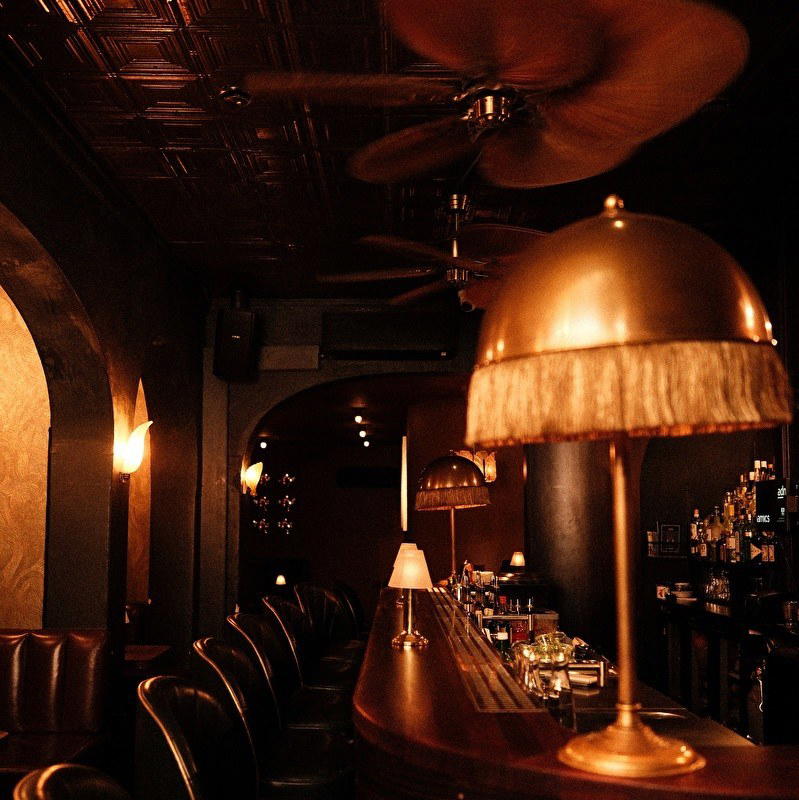
Bars in Amsterdam
Browse all →
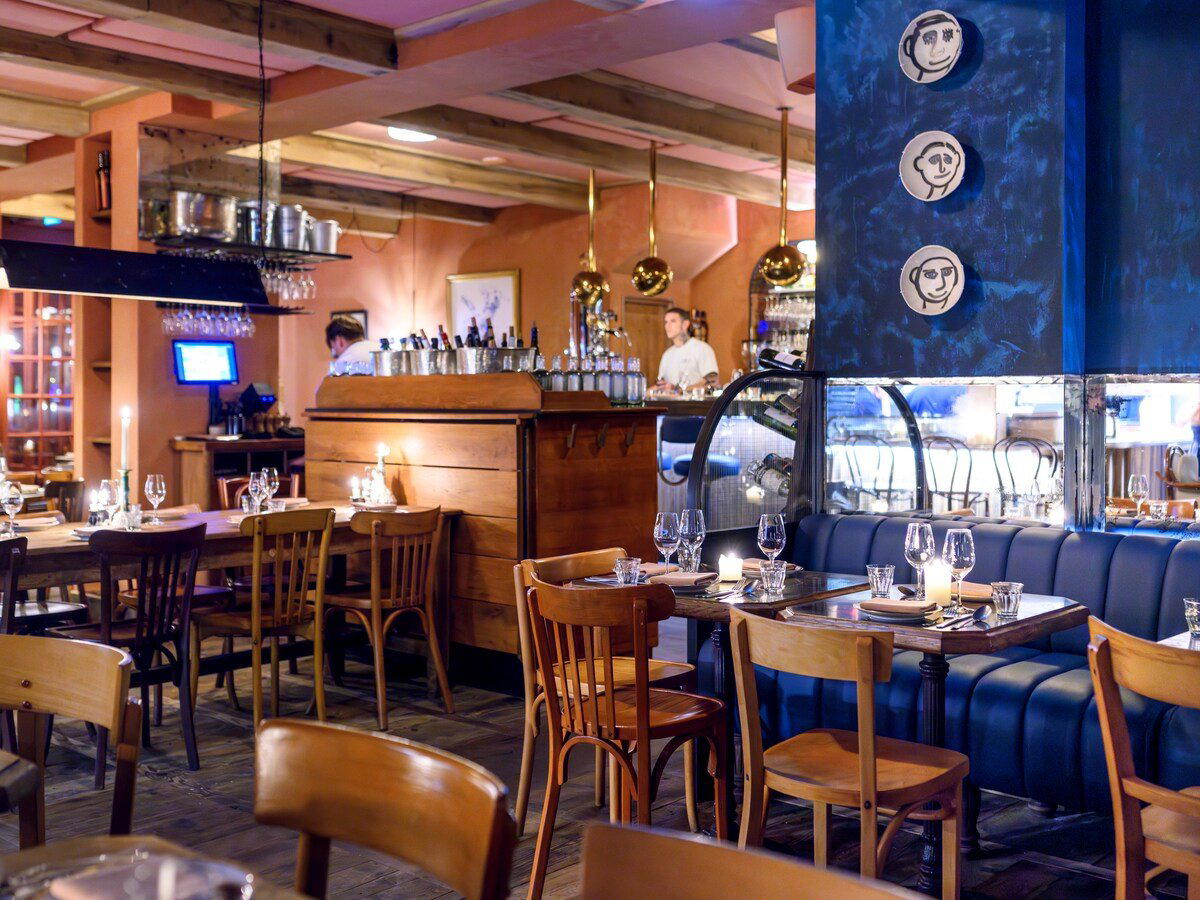
Hotels in Amsterdam
Browse all →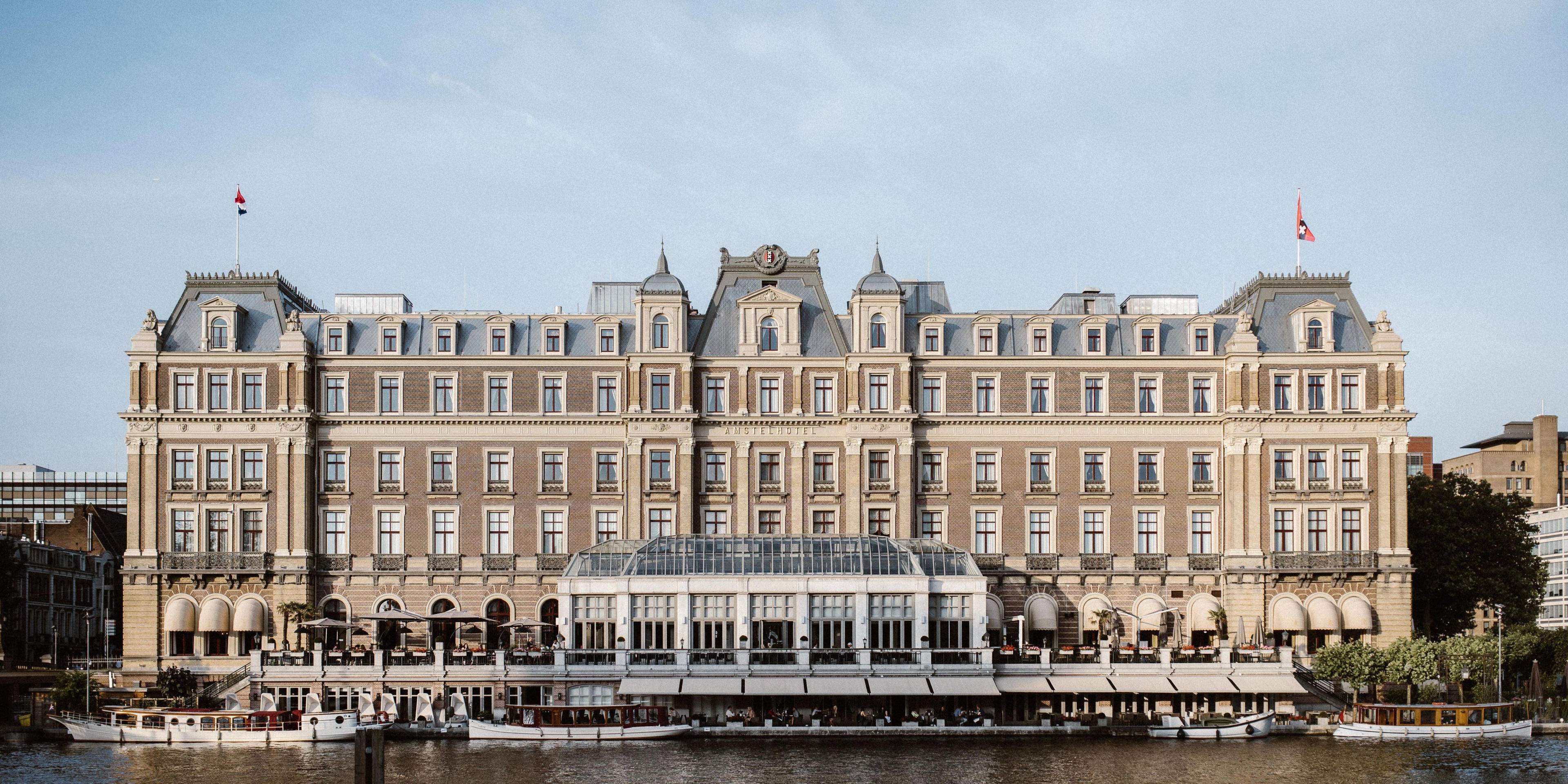

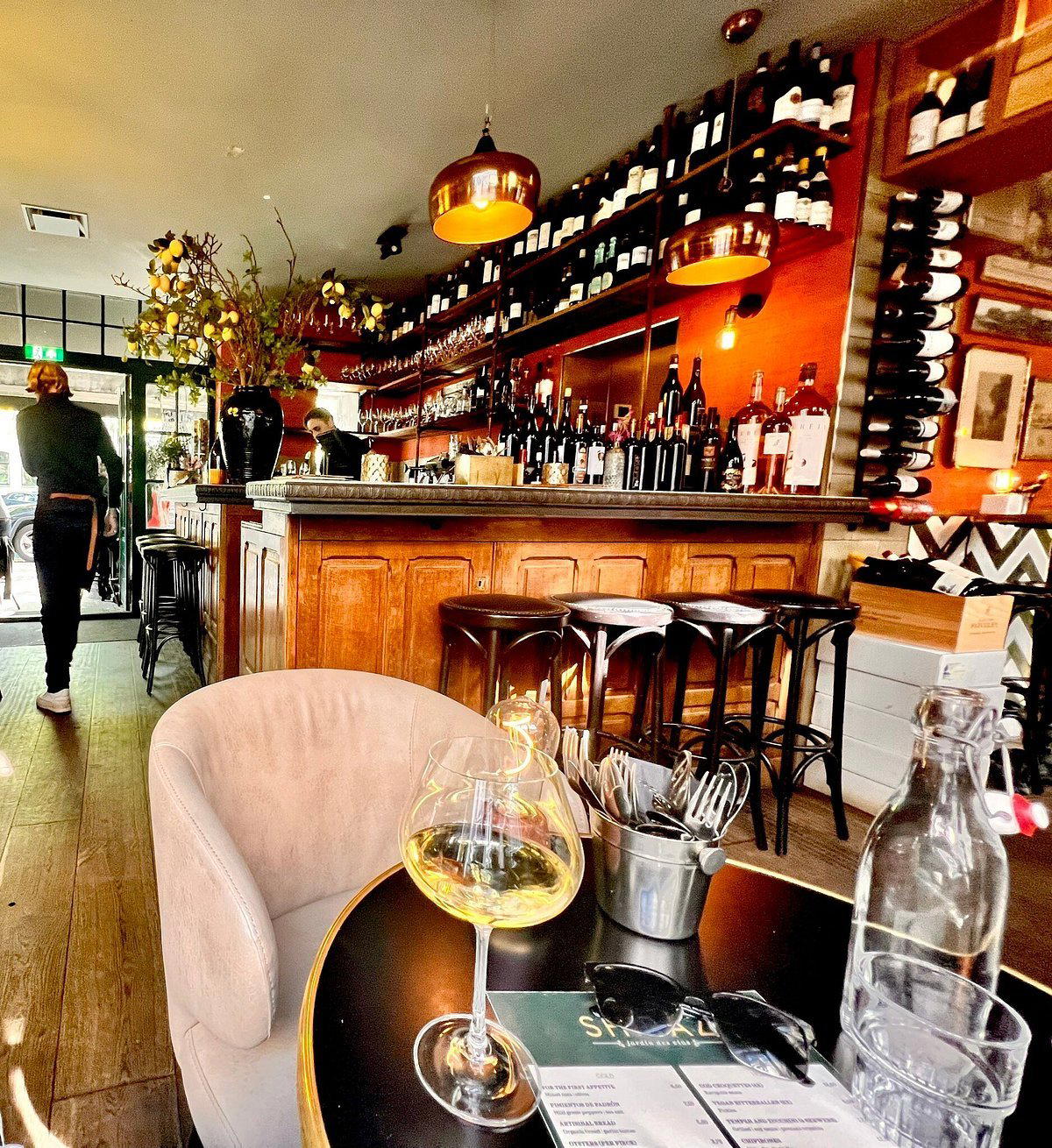
Wineries in Amsterdam
Browse all →
At a Glance
- Cozy
- Modern
- Intimate
- Date Night
- Special Occasion
- Open Kitchen
- Extensive Wine List
- Local Sourcing
Current opening hours
- Monday
- Closed
- Tuesday
- 6–9:30 PM
- Wednesday
- 6–9:30 PM
- Thursday
- 6–9:30 PM
- Friday
- 6–9:30 PM
- Saturday
- 6–9:30 PM
- Sunday
- Closed
Hours can change for holidays and private events. Last verified .
Cozy and relaxed atmosphere with an open kitchen.