On Brüsseler Strasse in Cologne's Belgian Quarter, Grabz occupies a stretch of the city where casual neighbourhood dining and serious kitchen ambition sit closer together than elsewhere in Germany. The address puts it within walking distance of the area's most engaged restaurant crowd, and the Belgisches Viertel's reputation for independent, quality-conscious venues provides a useful frame for what to expect inside.
Pearl is the En Primeur Club membership app — saves, bookings, and concierge access live there. Same editors, same standards.
- Address
- Brüsseler Str. 43, 50674 Köln, Germany
- Phone
- +4915168477661
- Website
- instagram.com
- Directions
- Get directions
 Saves & bookings on Pearl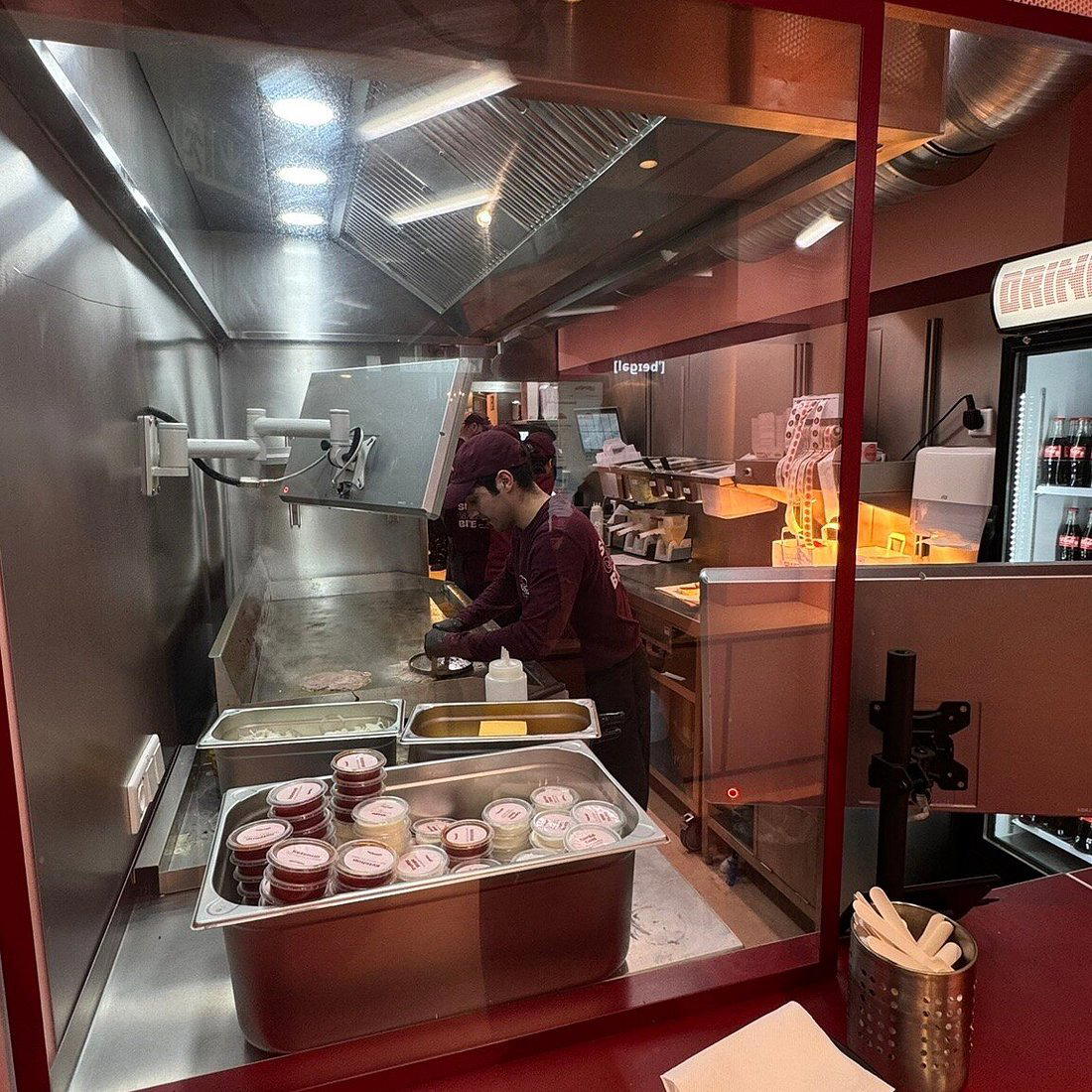
The Belgian Quarter and What It Asks of a Restaurant
Brüsseler Strasse cuts through Cologne's Belgisches Viertel at the point where the neighbourhood transitions from weekend brunch territory into something with more culinary conviction. The street is lined with independent operators, few of them playing to tourist traffic, most of them dependent on a local clientele that returns often enough to notice when quality slips. That is a demanding audience, and the restaurants that endure on this strip tend to earn their place through consistency rather than spectacle. Grabz, at number 43, operates inside that framework: a neighbourhood address, a neighbourhood crowd, and the quiet pressure that comes with both.
The Belgian Quarter has spent the better part of a decade positioning itself as Cologne's most interesting postcode for independent dining. It is not the city's fine dining corridor, that argument belongs to venues such as Ox & Klee, La Cuisine Rademacher, and La Société in their respective brackets, but it is where Cologne residents with real interest in food tend to eat without occasion. The neighbourhood's density of independently run kitchens means the competitive pressure is horizontal rather than hierarchical, and it keeps standards meaningfully high at the mid-tier.
Atmosphere First: What the Address Signals
Approaching Brüsseler Strasse 43, the physical cues are those of a considered neighbourhood room rather than a destination project. The Belgian Quarter's architecture runs to early twentieth-century residential blocks with ground-floor retail conversions, and the dining rooms that work leading here tend to use that inherited scale: moderate ceiling heights, a certain acoustic intimacy, windows that look onto a street with enough pedestrian life to feel connected rather than isolated. The sensory register is warm rather than austere, the kind of room where the ambient noise of other tables is present but not oppressive, where the light in the evening shifts the space into something more deliberately composed than it appears at lunch.
This is a different register from the hush of Cologne's formal fine dining tier, where venues like Vendôme in Bergisch Gladbach or, further afield, Waldhotel Sonnora in Dreis ask for a kind of reverent attention. Grabz operates closer to the register of a serious bistro, somewhere that does not require ceremony but rewards attention. That distinction matters when calibrating expectations: this is not a tasting-menu occasion, but it is also not a place where the kitchen is coasting.
Cologne's Independent Mid-Tier: The Category Context
Germany's restaurant scene has developed a coherent mid-tier between the neighbourhood Gasthäuser of an earlier era and the Michelin-starred houses that anchor the country's fine dining identity. In Cologne specifically, this category sits between approachable French bistro formats, Le Moissonnier Bistro occupies that end of the spectrum, and the more ambitious modern cooking that venues like maiBeck represent. The Belgian Quarter's version of this tier leans independent, format-flexible, and responsive to a clientele that eats out frequently and does not want to be surprised in the wrong direction.
Across Germany, the independent mid-tier has been one active category for format experimentation over the past five years. The shift toward shorter menus, more direct supplier relationships, and a looser approach to cuisine categories, less committed to French or Italian or Japanese as fixed identities, has been visible from Berlin's CODA Dessert Dining to Munich's JAN. Grabz's position in the Belgisches Viertel places it inside that broader current, though the specific form it takes is leading assessed on the ground rather than at a distance.
What the Address Implies About Booking and Timing
Restaurants on Brüsseler Strasse that have built a loyal local following tend to run at consistent occupancy through the week, with Friday and Saturday evenings the tightest windows. The Belgian Quarter's dining crowd is early by German standards, tables turn from 19:00 rather than the 20:00 or later that applies in some of Cologne's more formal addresses. The practical implication is that walk-in availability on weekend evenings is limited, and that a reservation made the same week is more reliable for Tuesday through Thursday than for the weekend. For visitors coming specifically for dinner, planning a few days ahead is the sensible posture.
The neighbourhood itself rewards arrival before dinner: Brüsseler Platz, a short walk from number 43, is one of Cologne's better outdoor gathering points in the warmer months, and the surrounding blocks have enough independent wine bars and coffee spots to make an early evening before dinner worth the time. The Belgian Quarter is walkable from the Rudolfplatz U-Bahn station, which connects directly to the main rail hub at Köln Hauptbahnhof in under ten minutes.
Placing Grabz in the Wider German Conversation
Cologne sits at a geographical midpoint in the German dining conversation, close enough to Düsseldorf and the wider NRW region to benefit from that broader food culture, but distinct in character from the Bavarian formality of Munich or the self-conscious ambition of Berlin. The city's serious restaurants have tended to operate without the international profile of equivalents in Hamburg (see Restaurant Haerlin) or the Rhine-Mosel corridor (where Schanz in Piesport and Victor's Fine Dining by Christian Bau in Perl anchor the high end), but that relative quietness has allowed a neighbourhood-focused dining culture to develop that serves residents rather than arriving food tourists.
The Belgian Quarter is one concentrated expression of that culture in Cologne. A venue operating there, at a specific street number, on a street with an established dining identity, inside a neighbourhood that has spent years building its food reputation, is already positioned inside a meaningful context. Whether Grabz fully inhabits or exceeds that context is the kind of judgment that requires a visit rather than a view from the outside. What the address makes clear is that the bar is set by the neighbourhood itself, and that bar is not low. For broader reference points beyond Germany, venues like Le Bernardin in New York City or Atomix demonstrate how sustained neighbourhood-level commitment and formal recognition can coexist, even if Grabz operates at a different scale and format entirely. The full picture of Cologne's dining range is mapped in our complete Cologne restaurants guide.
Similar Picks
Comparable venues nearby, for context on price, style, and recognition.
| Venue | Cuisine | Price | Notes |
|---|---|---|---|
| GrabzThis venue — the venue you are viewing | Smashburgers | $$ | Not listed |
| Boring Burger Köln | Smash Burgers | $$ | Altstadt/Nord |
| Freddy Schilling – Die Hamburger Manufaktur | Handmade American Burgers | $$ | Neustadt/Süd |
| Raph's BBQ Deli | American BBQ Deli | $$ | Altstadt/Süd |
| Chum Chay | Vegetarian Vietnamese | $$ | Altstadt/Nord |
| Jim & June | New York-Style Tapas | $$ | Neustadt/Süd |
Continue exploring
More in Cologne
Restaurants in Cologne
Browse all →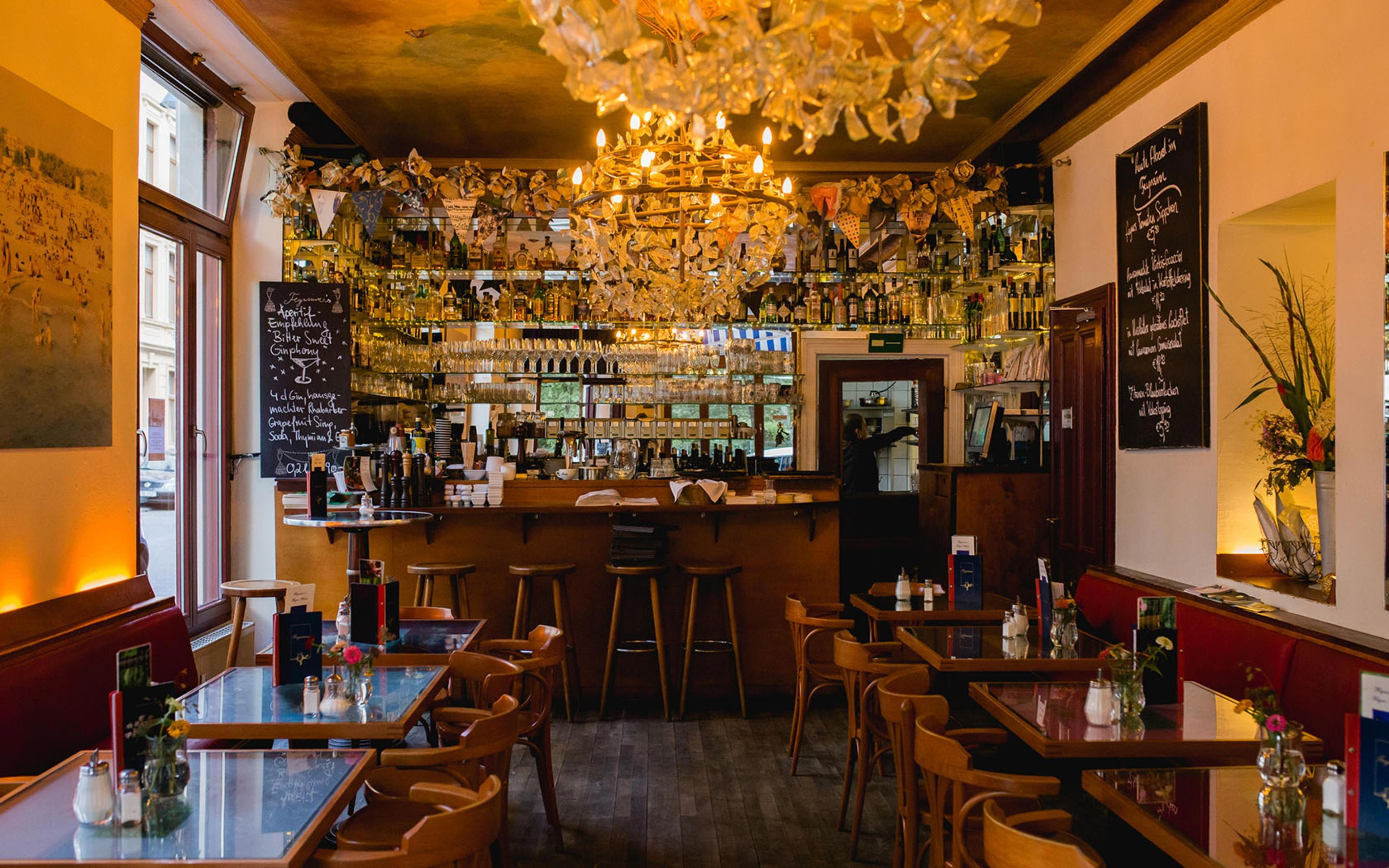
Bars in Cologne
Browse all →
Hotels in Cologne
Browse all →

At a Glance
- Lively
- Trendy
- Casual Hangout
- Late Night
- Local Sourcing
Current opening hours
- Monday
- 11:11 AM–11:30 PM
- Tuesday
- 11:11 AM–11:30 PM
- Wednesday
- 11:11 AM–11:30 PM
- Thursday
- 11:11 AM–11:30 PM
- Friday
- 11:11 AM–3 AM
- Saturday
- 11:11 AM–3 AM
- Sunday
- 11:11 AM–11:30 PM
Hours can change for holidays and private events. Last verified .
Casual fast food atmosphere focused on quick, flavorful burgers and fries.