
Golden Tiger puts Kumagaya’s ramen culture into the serious regional conversation: a counter-seating shop recognized in Tabelog’s Ramen EAST “Tabelog 100” 2025 selection. The draw is not ceremony but focus, with ramen and tsukemen treated as compact, ingredient-driven formats rather than casual afterthoughts.
Pearl is the En Primeur Club membership app — saves, bookings, and concierge access live there. Same editors, same standards.
- Address
- Japan, 〒360-0042 Saitama, Kumagaya, Honcho, 2 Chome−116 1F
- Phone
- +81485015859
- Website
- instagram.com
 Saves & bookings on Pearl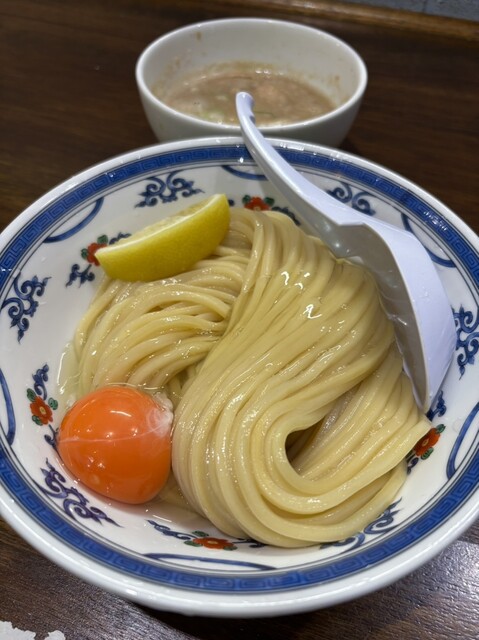
The first read is functional, not theatrical: a compact ramen room with counter seating, a meal-ticket machine, and the quick choreography of serious noodle shops across Japan. In Kumagaya, a city many travelers know as a northern Saitama rail junction, that format matters. Ramen here is not a long dinner; it is a short, high-pressure exchange between broth, noodles, tare, temperature, and timing.
Golden Tiger sits in the ramen and tsukemen category, a more precise label than “noodle shop.” Ramen asks the kitchen to balance a finished bowl; tsukemen separates noodles and dipping broth, making texture and concentration easier to judge. In both formats, sourcing and preparation carry the argument. Wheat character, broth extraction, seasoning depth, and fat management are the meal’s structure, not background detail.
Kumagaya ramen, judged by concentration rather than ceremony
Saitama’s noodle culture has long been shaped by commuter towns, station-side eating, and independent shops where value and technical specificity must coexist. Kumagaya sharpens that dynamic. The city sits on major rail lines, drawing office workers, local regulars, solo diners, and travelers passing through northern Saitama. A counter-only rhythm fits that crowd, stripping away fine-dining theatre and leaving the kitchen exposed to repeat judgment.
The Tabelog Ramen EAST “Tabelog 100” 2025 selection places Golden Tiger in a large, competitive eastern-Japan ramen field rather than a local-only shortlist. That recognition matters because ramen awards differ from haute cuisine awards: they reward consistency, queue culture, specialist identity, and precise delivery of a narrow format. A Tabelog score of 3.71 also signals a shop beyond neighborhood convenience and into destination consideration for noodle-focused diners.
The ingredient question is central because ramen is one of Japan’s clearest examples of low-price cooking with high technical expectation. Broth may look simple, but the category depends on extraction and restraint: animal bones, dried seafood, aromatics, soy seasoning, salt seasoning, miso, rendered oils, and noodle hydration all pull in different directions. Tsukemen intensifies the logic. A dipping broth can carry more density, so the noodle itself must justify attention through chew, thickness, and temperature control.
That is why the meal-ticket system is more than logistics. It speeds ordering and narrows the interaction to decisions that matter: ramen or tsukemen, additions or restraint, speed or lingering. In shops at this level, the format discourages browsing and rewards diners who understand that a bowl is assembled to be eaten in sequence, not photographed into paralysis.
Why tsukemen changes the sourcing conversation
Tsukemen has a different critical grammar from ramen. With noodles served separately from dipping broth, wheat has nowhere to hide, and texture becomes evidence. The broth must be concentrated enough to season each pull of noodles without turning blunt or salty. That split makes the style especially useful for judging sourcing discipline: noodle quality, broth density, and seasoning balance are isolated rather than submerged in one soup.
Golden Tiger’s Kumagaya position is interesting for that reason. The city is not Tokyo, where specialist ramen counters can live off national attention and constant food-media traffic. A serious shop outside the capital has to make sense to locals first, then pull in noodle pilgrims. Price sensitivity remains part of the culture even as recognition rises, creating a sharper test of value: technical cooking must fit the everyday mechanics of a ramen meal.
For travelers building a wider Kumagaya food map, this is the noodle stop to compare with smaller-format local addresses, not formal dining rooms. boulangerie Matsuoka and Kuma Tamaya sit in the same city’s low-price band, making the comparison useful: Kumagaya’s casual food culture is compact and price-conscious, not thin. For broader planning, Our full Kumagaya restaurants guide gives the dining frame, while Our full Kumagaya hotels guide, Our full Kumagaya bars guide, Our full Kumagaya wineries guide, and Our full Kumagaya experiences guide help sort the rest of the city around the meal.
A counter meal for diners who care about noodle detail
The critical case for the restaurant is strongest for diners who value specialization over breadth. Ramen and tsukemen shops are not built to solve every dining need; they are built around turnover, focus, and a limited set of variables controlled repeatedly. Counter seating reinforces that culture. Solo dining is not a compromise here, but one of the natural ways to eat this food.
The 2018 opening gives the shop meaningful operating history in a category where early attention often fades. Recognition in the 2025 Tabelog Ramen EAST selection suggests sustained relevance rather than a new-shop spike. That matters in ramen, where small changes in noodle supplier, broth extraction, or seasoning can quickly shift a bowl’s identity. Consistency is a credential.
For readers traveling across Japan, the comparison should be categorical rather than literal. A ramen counter in Kumagaya differs from sukiyaki in Kamakura, seafood grilling in Tokyo, cafe culture in Osaka, or sake-led dining in Los Angeles. Understand the format before judging ambition. See how other compact or specialist Japanese dining formats read in context through -Grilled beef Sukiyaki- KAMAKURA TANUKIAN 鎌倉 たぬき庵 in Kamakura, . 鮪と炭火焼き うお炭 秋葉原店 in Tokyo.cafe in Osaka.know in Kumamoto, (Shoku) Vietnam in Kawasaki, [Curry Senmon Ten] Maruyama Kyoju. in Sapporo, [ki:] in Kyoto, #肉といえば松田 奈良本店 in Kashihara, and 1/3 HAMBURGER FACTORY in Kanazawa. Outside Japan, Jōdo Saké Bar in Los Angeles and Onigiri Time in Pasadena show how Japanese formats change when translated for American dining habits.
The editorial read is clear: this is a Kumagaya ramen address for diners who care about bowl mechanics, not a long-form restaurant experience. Its appeal lies in the discipline of a narrow format, the regional credibility of a 2025 Tabelog Ramen EAST “Tabelog 100” selection, and the way ramen and tsukemen expose ingredient decisions at a price tier with little room for wasted movement.
A Quick Peer Check
Comparable venues by cuisine and price in the same metro.
| Venue | Cuisine | Price | Notes |
|---|---|---|---|
| Golden TigerThis venue — the venue you are viewing | Ramen & Tsukemen Shop | $ | Not listed |
| boulangerie Matsuoka | French‑style bakery & sandwich shop | $ | Miyacho, Kumagaya |
| Kuma Tamaya | Kumagaya-style Udon Stand | $ | Kumagaya Station |
| Drive-in Ippei (ドライブイン一平) | Japanese Curry & Tonkatsu Diner | $ | 小城市 |
| ラーメン亭「十五夜」 | Japanese Ramen | $ | Kushiro |
| Human beings everybody noodles (人類みな麺類) | Traditional Shoyu Ramen | $ | Nishinakajima, Yodogawa-ku |
Recognition history
Dated appearances from independent guides and award organizations, with the underlying list record or original source where available.
Tabelog 100 #66 · No. 66
Tabelog · Tabelog 100 - Ramen - EAST - 2025
Continue exploring
More in Kumagaya
Restaurants in Kumagaya
Browse all →

Bars in Kumagaya
Browse all →



Hotels in Kumagaya
Browse all →

Wineries in Kumagaya
Browse all →
At a Glance
- Solo
- Casual Hangout
- Late Night
- Standalone
Current opening hours
- Monday
- 11 AM–2 PM, 6–9 PM
- Tuesday
- 11 AM–2 PM, 6–9 PM
- Wednesday
- 11 AM–2 PM, 6–9 PM
- Thursday
- 11 AM–2 PM, 6–9 PM
- Friday
- 11 AM–2 PM, 6–9 PM
- Saturday
- 11 AM–2 PM, 6–9 PM
- Sunday
- 11 AM–2 PM, 6–9 PM
Hours can change for holidays and private events. Last verified .
Simple counter-style ramen shop focused on efficient service and high-quality noodles rather than elaborate decor, attracting ramen fans who queue for rich tsukemen and TKM bowls.