
Tabelog 100 #62
Our verdict
GohGan occupies a specific position in Fukuoka's serious dining tier, a Hakata Ward address that draws the kind of attention usually reserved for Osaka or Kyoto rooms. The booking experience here reflects the broader shift in Japan's regional fine dining scene, where limited capacity and concentrated demand have made planning as much a part of the meal as the food itself. For visitors calibrating a Fukuoka itinerary around table access, this is a venue that rewards advance research.

Pearl is the En Primeur Club membership app, where members save venues, book tables and use the concierge.
The menu
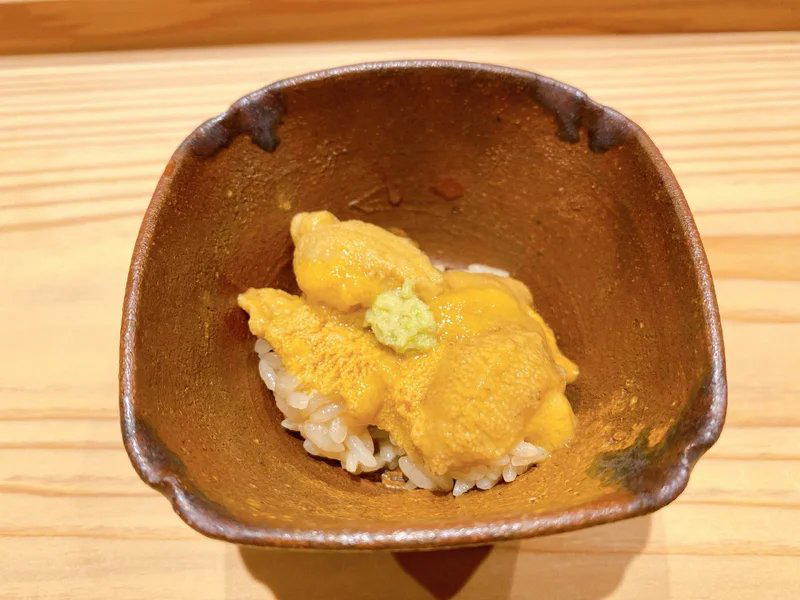
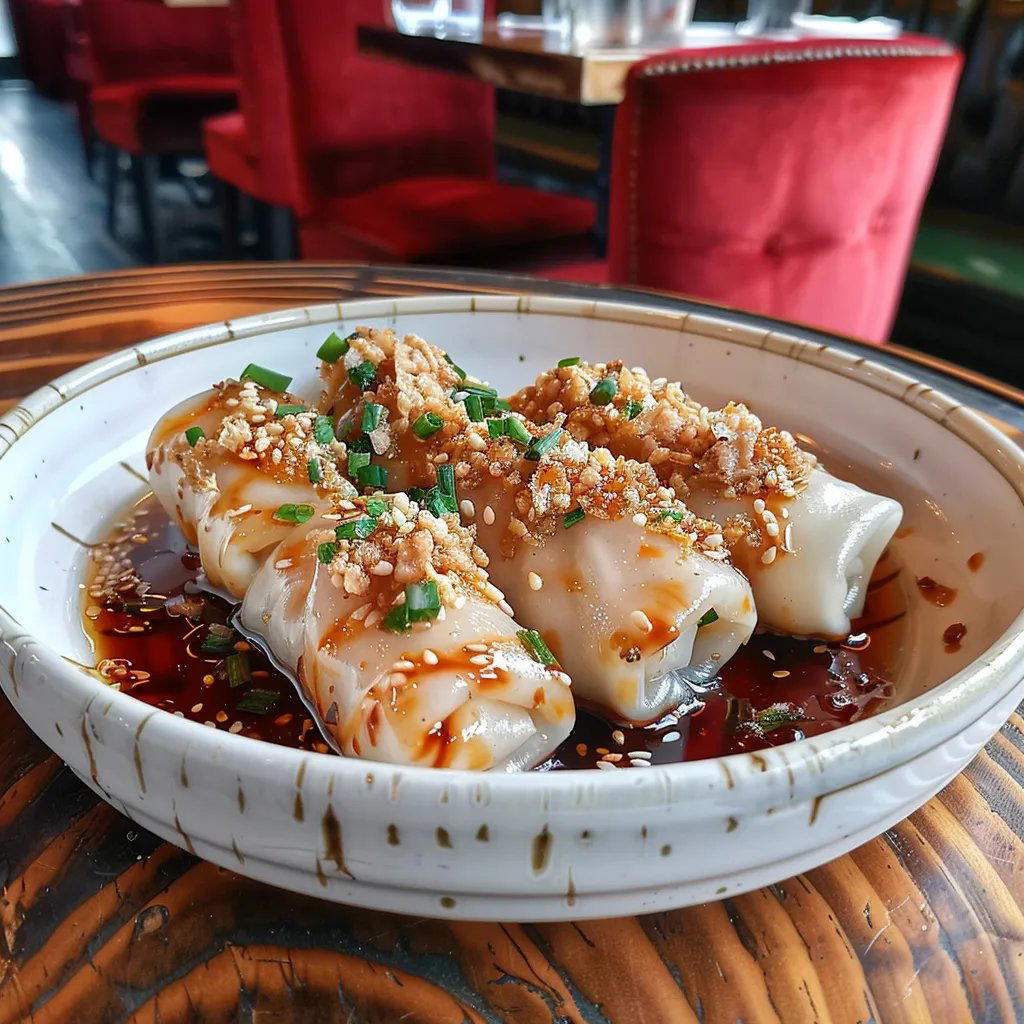
What to order
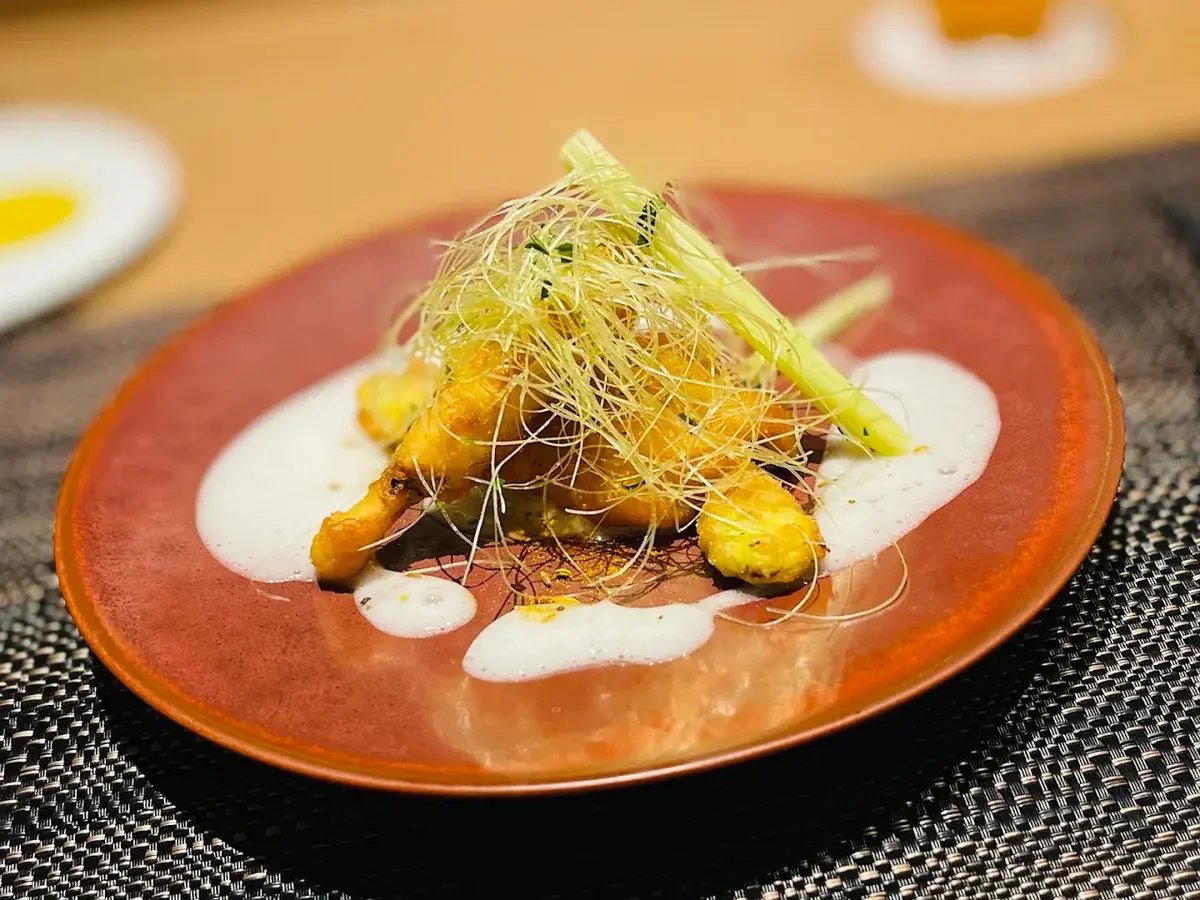
- Roasted Japanese Black Beef
- Spicy Crab Curry
- Seasonal Sashimi
Fukuoka's Fine Dining and the Logistics That Define It
There is a particular kind of restaurant that exists at the intersection of regional ambition and national recognition, rooms outside Tokyo, Kyoto, or Osaka that have quietly accumulated the kind of following that makes booking them a project in itself. Fukuoka has several such addresses, and GohGan in Hakata Ward's Sumiyoshi district is one of the more discussed entries in that tier. The city's position as a gateway between Japan's main island and the continent has long shaped its food culture: Hakata ramen, mentaiko, and the izakaya circuit around Nakasu are well documented. What receives less coverage is the cluster of serious, low-capacity dining rooms that have developed alongside that street-food reputation, rooms where the cooking runs closer in ambition to what you might find at Gion Sasaki in Kyoto or HAJIME in Osaka.
GohGan sits inside that Fukuoka cohort. Its Sumiyoshi address places it slightly removed from the tourist circuits of Canal City and Tenjin, which in practice means the room draws a clientele that has sought it out specifically rather than stumbled upon it. That self-selecting dynamic is common to the better dining rooms in Japan's secondary cities: the effort required to find and book them functions as a filter, and the crowd inside tends to reflect it.
The Booking Reality for Visitors From Abroad
Across Japan's serious dining tier, from Harutaka in Tokyo to comparable rooms in Fukuoka, the structural challenge for international visitors is consistent. These restaurants are not built around walk-in trade, and many do not maintain English-language booking infrastructure. The result is a gap between the restaurant's reputation and a foreign traveler's ability to secure a table through conventional means.
For GohGan specifically, visitors planning from outside Japan should build in significantly more lead time than they would for a comparable European restaurant. The general approach that works across similar Fukuoka rooms, hotel concierge assistance, specialist reservation services, or direct contact through a Japanese-speaking intermediary, applies here. Arriving in Fukuoka without a confirmed booking and expecting to secure a seat at short notice is unlikely to succeed. The rooms in this tier book sequentially from a pool of returning Japanese guests and word-of-mouth referrals; foreign visitors enter that queue later and with less visibility.
The practical implication: if GohGan is a priority on a Fukuoka itinerary, it should anchor the trip dates rather than fill a gap in an already-set schedule. This is the pattern that experienced Japan travelers apply to high-demand rooms, and it is as relevant here as it would be when planning around any other tightly allocated dining experience in the country. Venues such as akordu in Nara and Abon in Ashiya operate within similar booking dynamics, where access is structured around a known and returning clientele rather than open availability.
Fukuoka's Wider Dining Tier and Where GohGan Fits
Understanding GohGan requires some sense of what surrounds it in Fukuoka's serious dining ecosystem. The city's best-known fine dining room internationally is Goh (French), which has drawn consistent coverage for its approach to French technique applied to Kyushu produce. At the other end of the format spectrum, Chikamatsu (Sushi) represents the precision counter model that Fukuoka shares with its larger peers. Rooms like Asago and Bekk occupy adjacent positions in the city's mid-to-upper tier. And for visitors who want to offset a serious dinner with something more direct, Beef Taigen offers a completely different register within the same city.
GohGan operates in a space where format, access, and reputation converge. It is the kind of address that appears on lists compiled by Japanese dining enthusiasts and food media, and that recognition, rather than a formal award structure, is often how serious dining rooms in Fukuoka first enter the broader conversation. The comparison set is not local only: rooms with similar profiles in other regional Japanese cities, such as aki nagao in Sapporo, affetto akita in Akita, or Aji Arai in Oita, show how Japan's regional fine dining tier has developed into a genuinely distributed national scene rather than a Tokyo-centric hierarchy.
The international analog is also worth noting. The logistical planning that GohGan requires from an overseas visitor is not categorically different from what serious diners put into securing a table at Le Bernardin in New York City or Lazy Bear in San Francisco, the difference is linguistic and infrastructural rather than one of demand intensity.
Planning Around a Fukuoka Dining Itinerary
For visitors building a broader Fukuoka food itinerary, the practical advice is to treat the high-demand rooms as fixed points and fill the remaining meals around them. Fukuoka rewards this approach: the city's ramen shops, seafood markets, and izakaya circuit are flexible enough to absorb last-minute decisions, while rooms like GohGan are not. The full Fukuoka restaurants guide covers the breadth of the city's dining options across formats and price tiers, and is a useful reference for building out the rest of a trip once the priority reservations are confirmed.
Timing matters in another sense as well. Fukuoka's food culture shifts seasonally, with autumn and spring representing the periods of heaviest domestic travel within Japan. Booking attempts during Golden Week or the autumn foliage season will encounter more competition from Japanese travelers, which compresses the already-limited availability at serious rooms. Winter and early summer tend to offer slightly more access, though this varies by venue and year.
For visitors who reach Fukuoka without a GohGan reservation, the city's alternative serious dining options remain genuinely strong. The rooms listed above cover enough range in format and cuisine that a Fukuoka dining itinerary built around three or four of them, without GohGan specifically, would still represent a serious engagement with what the city offers. That is, ultimately, the nature of Fukuoka's dining scene: deep enough that a single missed booking does not collapse the trip, but concentrated enough at the leading that the rooms worth planning around are worth planning around carefully. Venues like Ajidocoro in Yubari District and Akakichi in Imabari demonstrate how Japan's regional dining culture extends well beyond any single city or room, adding useful context for travelers building multi-city itineraries across Kyushu and beyond.
Frequently asked questions
What's GohGan's location?
GohGan is located at Japan, 〒812-0018 Fukuoka, Hakata Ward, Sumiyoshi, 1 Chome−4−17 010BUILDING1F, Fukuoka.
How does GohGan fit into Fukuoka's fine dining scene compared to other Hakata Ward restaurants?
GohGan occupies the Sumiyoshi area of Hakata Ward, one of the more concentrated pockets of serious dining in Fukuoka outside the immediate city-centre circuit. Fukuoka as a whole is underrepresented on the international radar relative to its actual dining depth, which means rooms at this tier attract strong domestic demand without the same global tourist traffic that pressures Tokyo or Kyoto reservations. That local-first dynamic shapes both the booking window required and the tone of service you should expect.
What should I order at GohGan?
The restaurant sits in Hakata Ward's Sumiyoshi district, and the format at this tier in Japan typically means you follow the chef's selection rather than ordering à la carte. Confirm the current menu structure directly when booking, as course content shifts by season.
What's the best way to book GohGan?
International visitors targeting Fukuoka's serious dining tier should initiate contact at least two to three months in advance. Arriving without a reservation at this level is not a realistic option.
A Quick Peer Check
Comparable venues nearby, for context on price, style, and recognition.
| Venue | Cuisine | Price | Awards | Notes |
|---|---|---|---|---|
| GohGanThis venue (the venue you are viewing) | Asian French Fusion | $50–100 | Tabelog 100 #62 | Not listed |
| SESSION | Modern Cantonese Course Dining | $30–50 | Tabelog 100 #69 | Chūō |
| AKAMIYACOWSI | Steakhouse / Yakiniku | $50–100 | Tabelog 100 #4 | Chūō |
| Teppanyaki Rikaen | Teppanyaki & A5 Wagyu | $50–100 | Tabelog 100 #37 | Hakata |
| Nishishin Hatsuki Honten | Traditional Wagyu Shabu-shabu & Sukiyaki | $50–100 | Tabelog 100 #46 | Sawara |
| NONOKA RESTAURANT | Modern Innovative French Fusion | $100–150 | Tabelog Bronze #327 · We're Smart World 4 Radishes | Yame |
Recognition history
Dated appearances from independent guides and award organizations, with the underlying list record or original source where available.
Tabelog 100 #62 · No. 62
Tabelog · Tabelog 100 - Innovative / Creative cuisine - 2025
Continue exploring
More in Fukuoka
Restaurants in Fukuoka
All restaurants in Fukuoka →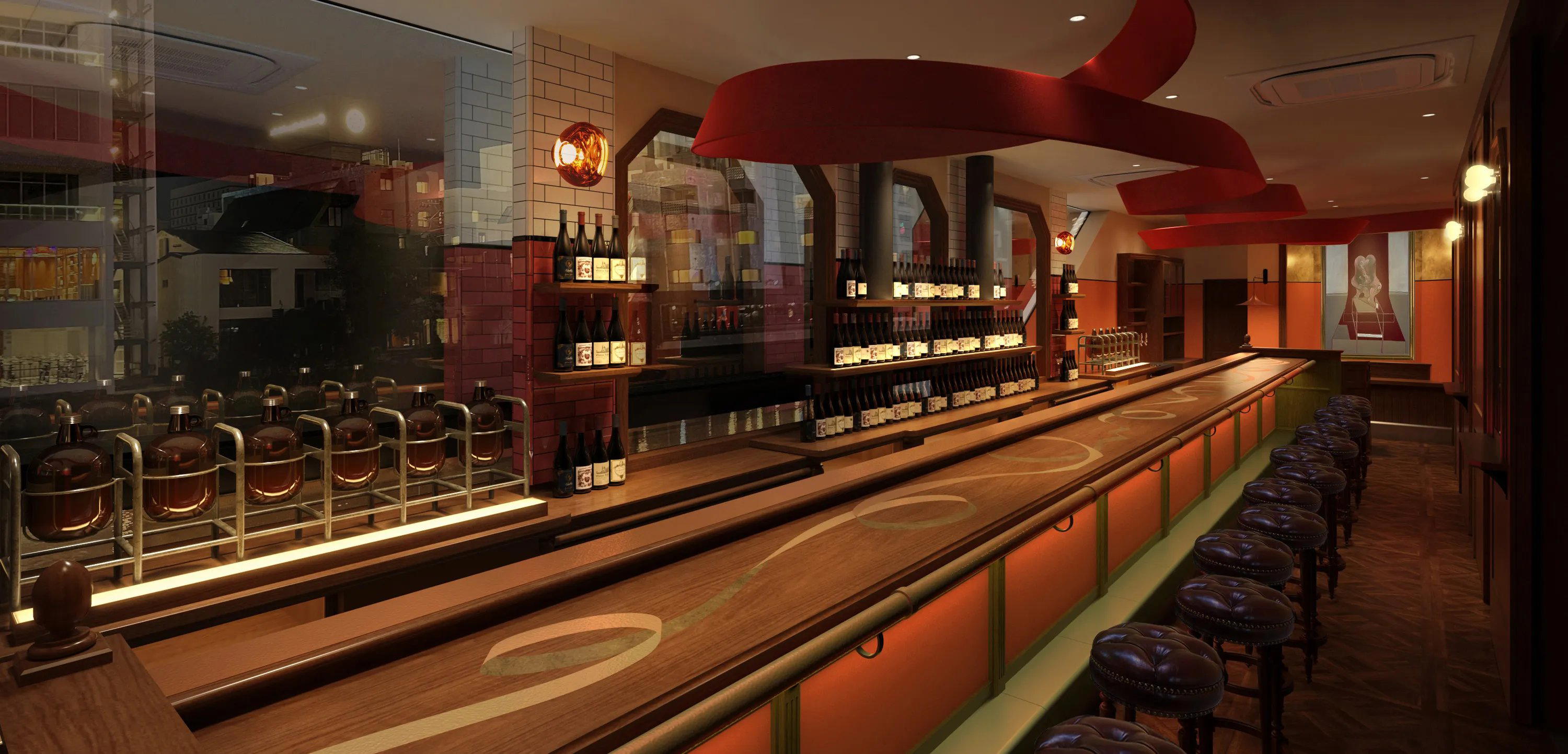
Details
- Modern
- Elegant
- Cozy
- Sophisticated
- Date Night
- Special Occasion
- Business Dinner
- Open Kitchen
- Waterfront
- Terrace
- Sake Program
- Waterfront
- Street Scene
- A La Carte
- Omakase
- Tasting Menu
Current opening hours
- Monday
- Closed
- Tuesday
- 5–10 PM
- Wednesday
- 5–10 PM
- Thursday
- 5–10 PM
- Friday
- 5–10 PM
- Saturday
- 12–3 PM, 5–10 PM
- Sunday
- 12–3 PM, 5–10 PM
Hours can change for holidays and private events. Hours as of .
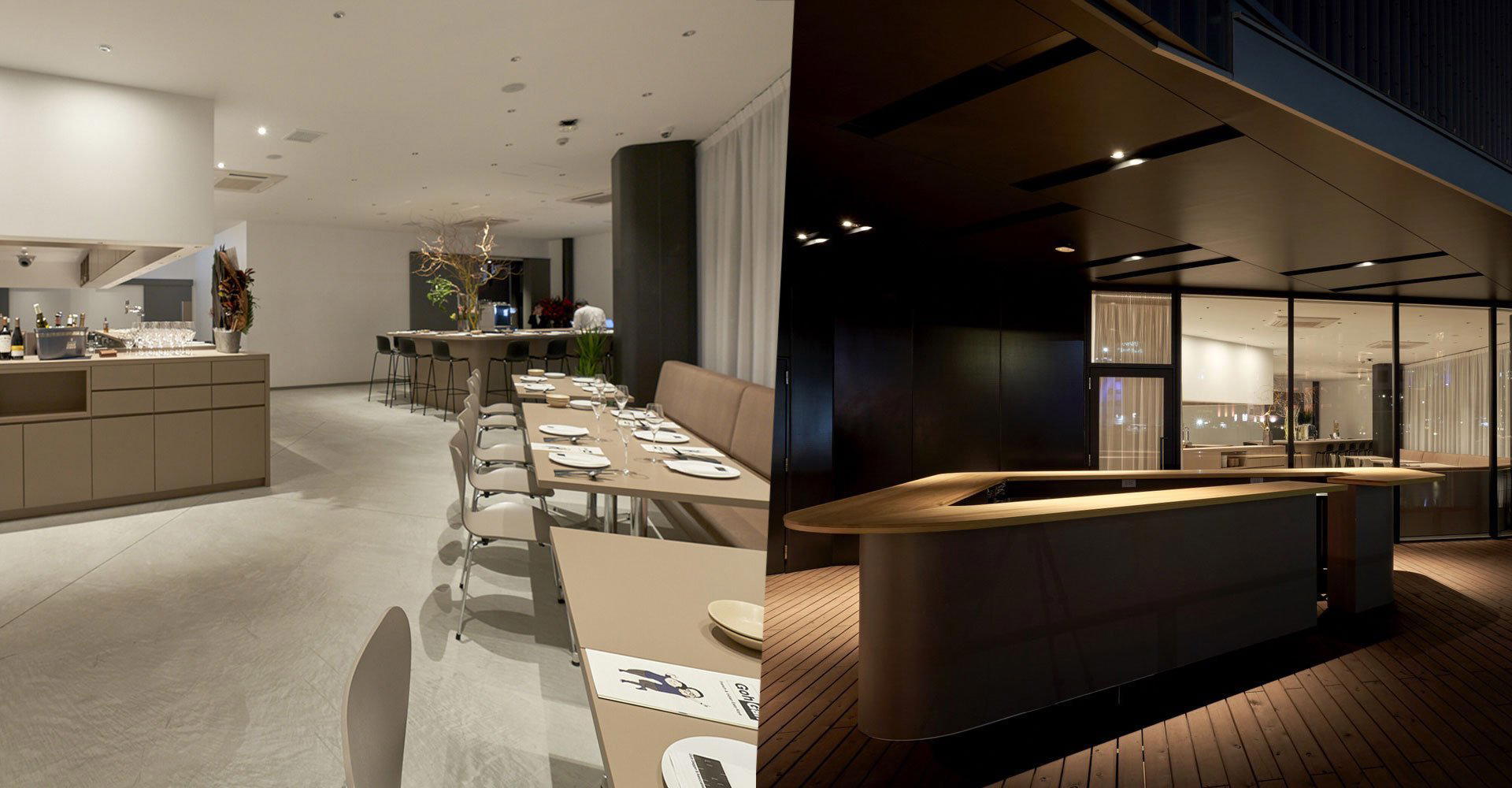
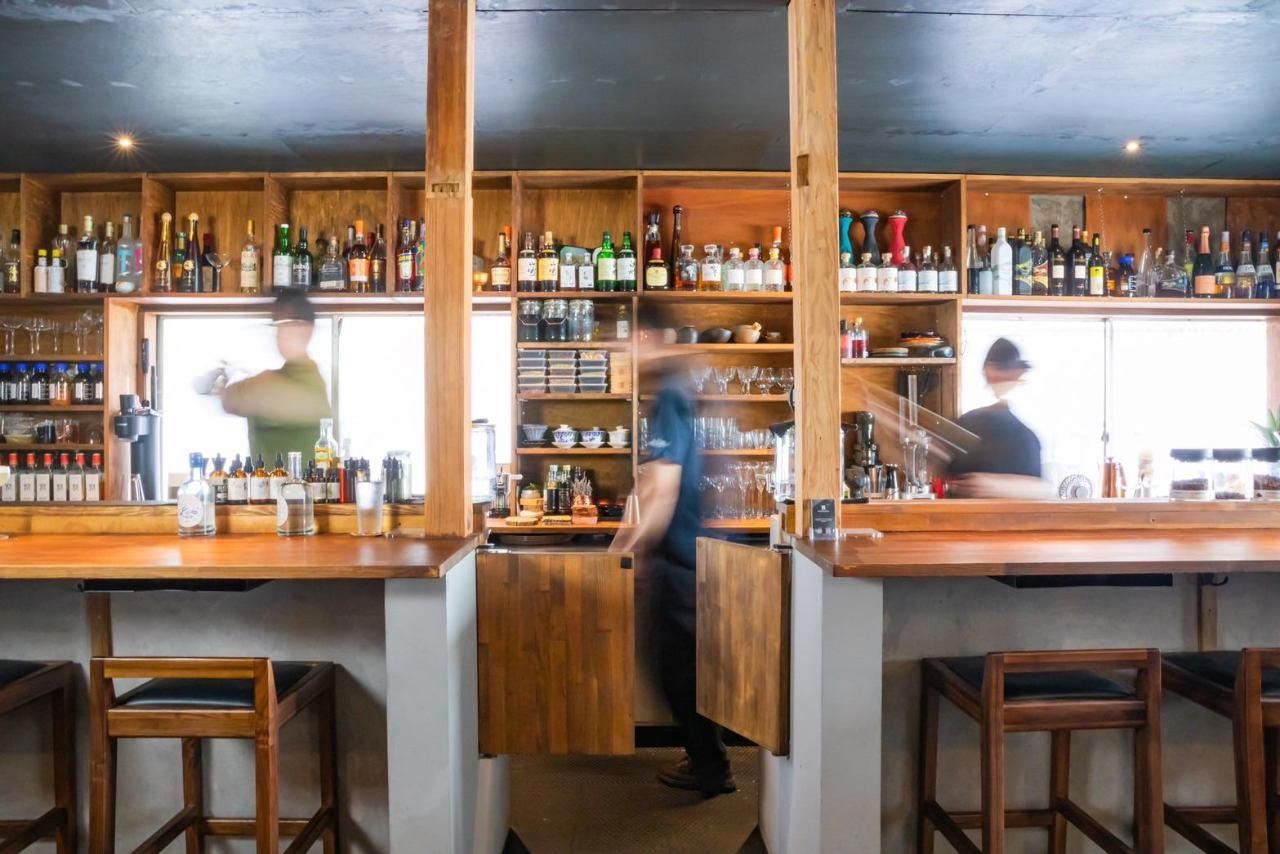
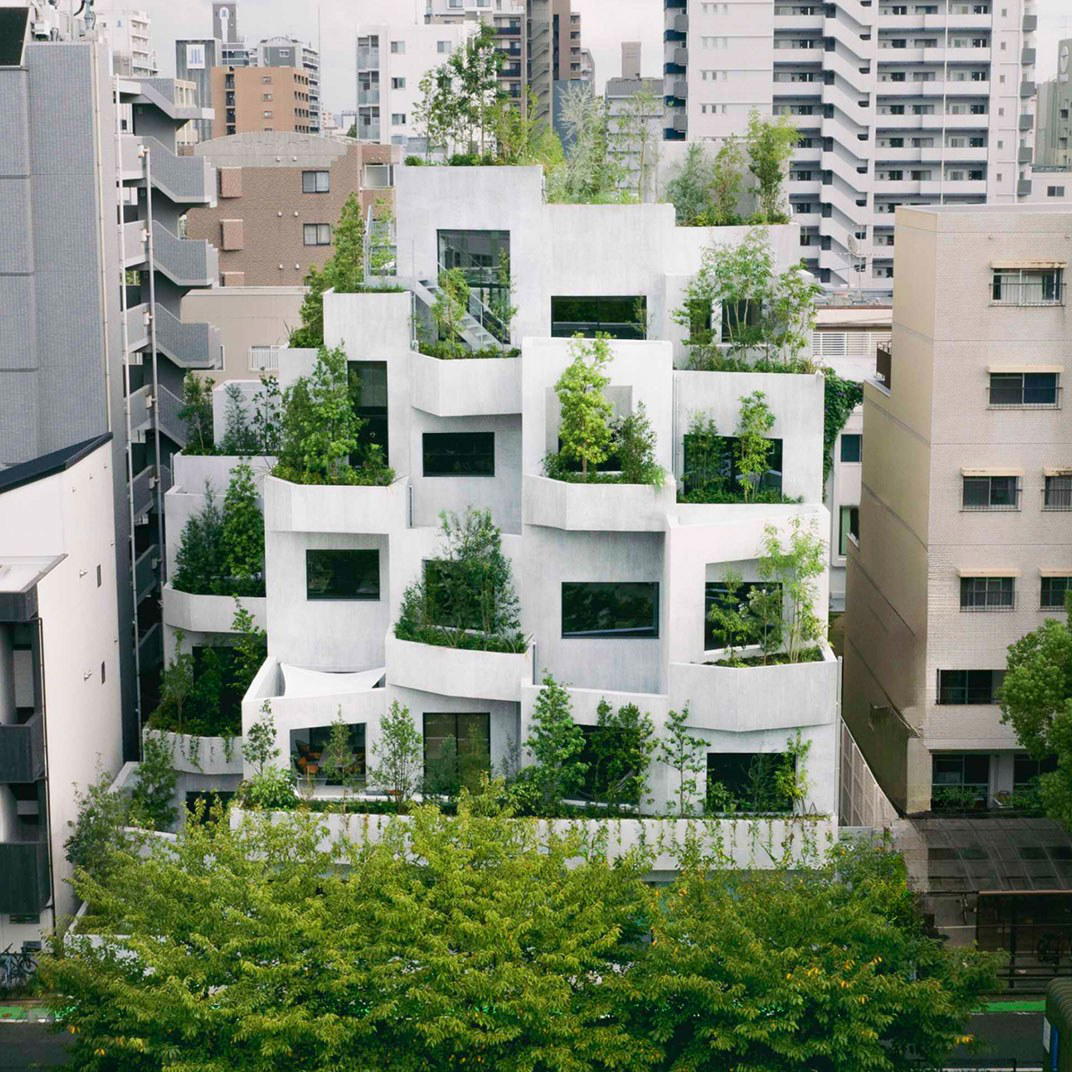
Pared-back dining space resembling an elegant city apartment with pale wood open kitchen, floor-to-ceiling windows, and terrace overlooking the river; cozy and high-quality atmosphere.