On Johannisstraße in Cologne's northern city centre, Gogi Matcha occupies a distinct position in the neighbourhood's growing range of specialty food and drink venues. The name suggests a crossover between Korean-inflected flavour and Japanese matcha culture, a pairing that reflects how Cologne's mid-market café and casual dining scene has moved well beyond conventional categories in recent years.
Pearl is the En Primeur Club membership app — saves, bookings, and concierge access live there. Same editors, same standards.
- Address
- Johannisstraße 47, 50668 Köln, Germany
- Phone
- +4922172024255
- Website
- instagram.com
- Directions
- Get directions
 Saves & bookings on Pearl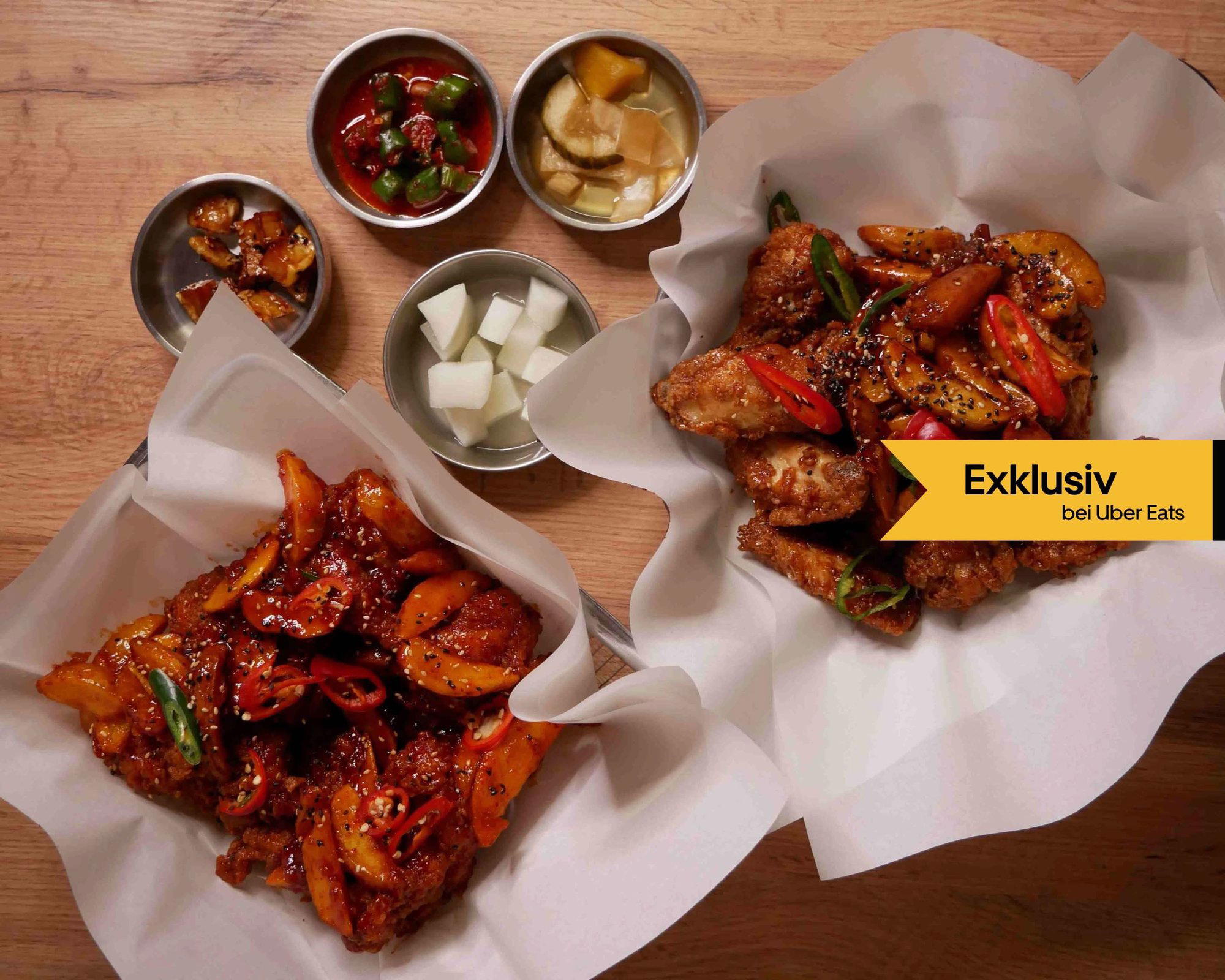
Where the Room Does the Talking
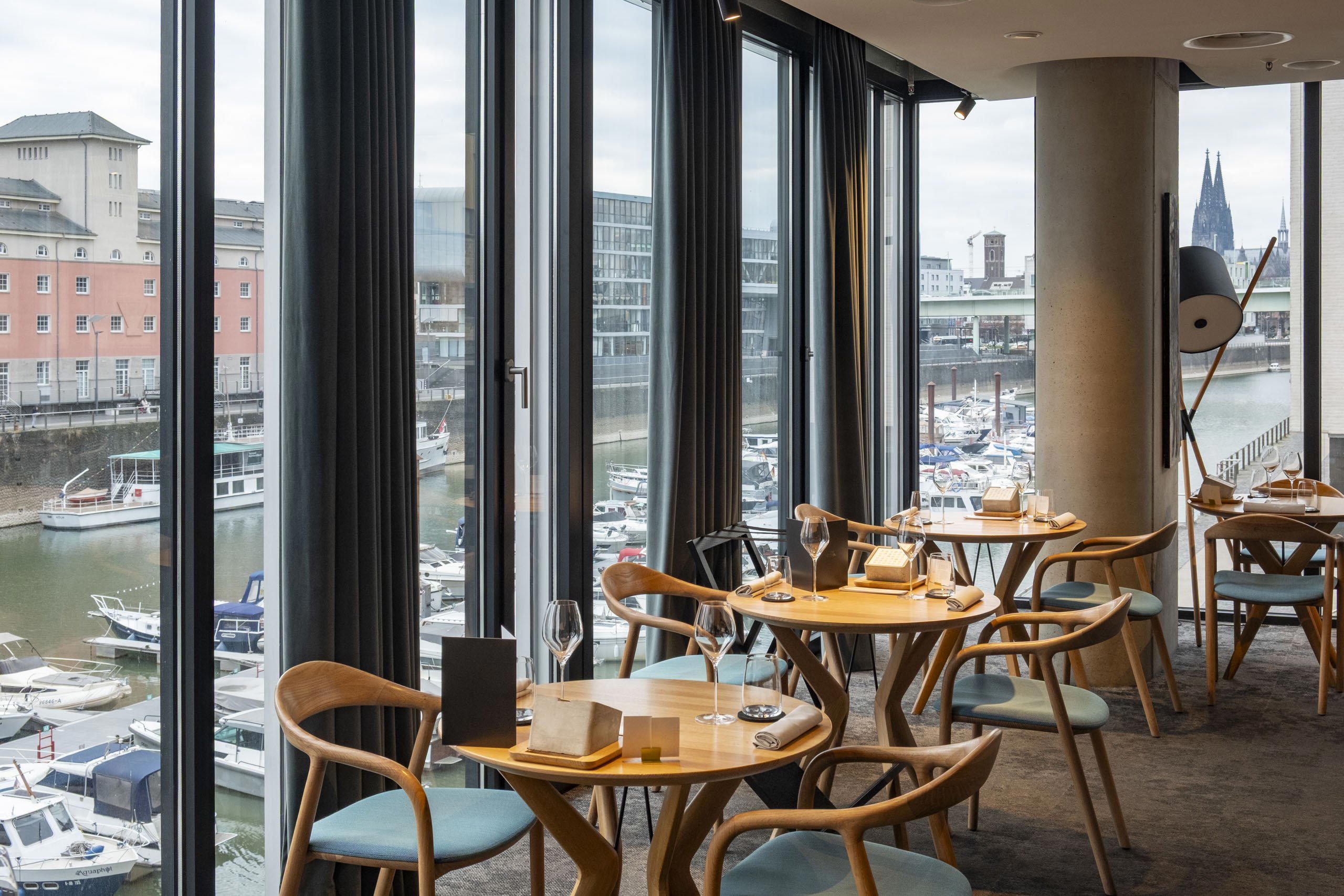
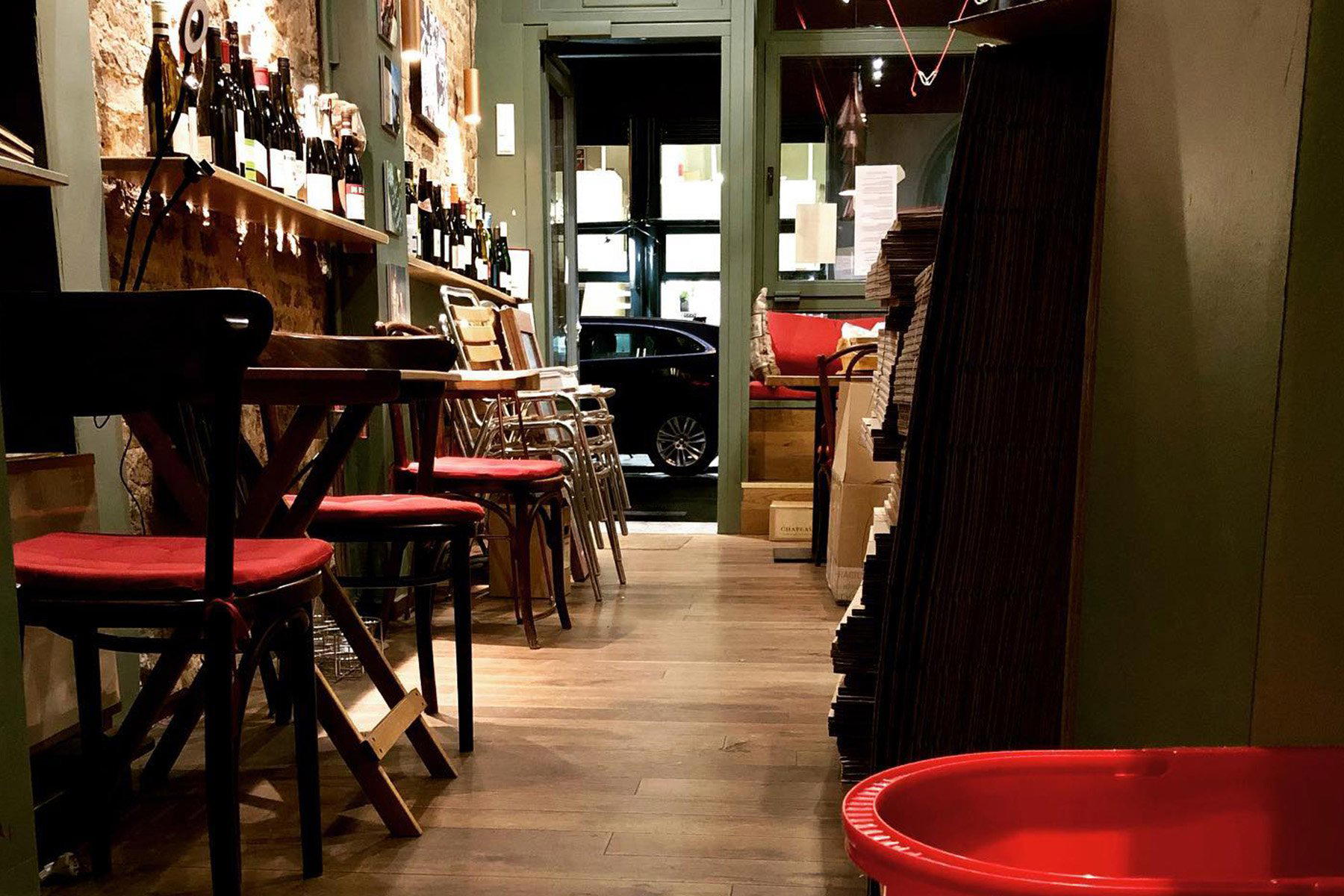
Johannisstraße sits on the northern edge of Cologne's inner city. The street runs through a mixed-use corridor where residential buildings give way to small businesses, and where the city's dining and café culture tends to surface in less scripted ways than in the more tourist-heavy zones further south. It is in this context that Gogi Matcha, at number 47, makes its first impression: through physical space before anything else.
In many European cities, the café-restaurant hybrid has undergone a deliberate design evolution over the past decade. The spatial experience at a venue shapes how guests read the food and drink before a single item arrives, and in Cologne's current scene, that relationship between interior logic and offer has become increasingly precise.
Gogi Matcha's name sets up an immediate frame of reference. The combination of gogi (the Korean word for meat, commonly associated with grilled meat culture) and matcha (the Japanese powdered green tea now embedded in specialty café menus across Europe) suggests a deliberate positioning across two distinct culinary traditions. This kind of cross-referencing is not accidental in a city where specialty food operators have increasingly looked east for both flavour logic and design vocabulary.
Cologne's Mid-Tier Café Scene and Where This Fits
Cologne's restaurant scene is easier to read at the leading and bottom than in the middle. At the upper end, venues like Ox & Klee (Modern Cuisine), La Cuisine Rademacher (Modern French), and La Société (Modern Cuisine) operate in the €€€€ tier with formats structured around tasting menus and formal service. At the casual end, the city has a dense network of traditional Kölsch taverns and neighbourhood kitchens. The more interesting question is what occupies the space between these two poles, and how specialty operators in that mid-tier differentiate through space, concept, and offer.
Venues like Le Moissonnier Bistro (French) and maiBeck (Modern Cuisine) demonstrate how Cologne rewards operators who commit to a legible identity. The city's dining public has proven willing to support venues with a clear point of view, provided the execution backs it up. A concept built around Korean-Japanese crossover, if executed with precision in both the kitchen and the room, sits in a part of the market with relatively few direct competitors.
The Korean-Japanese Pairing as a Design Principle
The cultural pairing embedded in Gogi Matcha's name is worth taking seriously as a design argument, not just a branding choice. Korean barbecue culture is built around communal, tactile, high-heat cooking at the table. Matcha culture, in its more considered Japanese expression, is associated with stillness, precision, and ceremony. These are not obvious bedfellows, and the tension between them is exactly what makes the concept interesting from a spatial standpoint.
Across Germany's specialty food scene, the operators who have managed to hold conceptual tension in their rooms rather than resolving it into generic comfort have produced particularly durable formats. Venues like CODA Dessert Dining in Berlin have demonstrated that unconventional category definitions, when supported by serious technique and a coherent physical environment, can develop sustained recognition. At the Michelin end of the German market, venues including Schwarzwaldstube in Baiersbronn, Aqua in Wolfsburg, Vendôme in Bergisch Gladbach, JAN in Munich, Victor's Fine Dining by Christian Bau in Perl, ES:SENZ in Grassau, Schanz in Piesport, Waldhotel Sonnora in Dreis, and Restaurant Haerlin in Hamburg have each built identity around a specific and consistent spatial-culinary logic. The lesson at every tier is the same: the room and the concept need to be in conversation, not competition.
Internationally, operators such as Le Bernardin in New York City and Lazy Bear in San Francisco have shown how strongly a defined physical environment reinforces a culinary identity, even where the formats are entirely different.
What to Know Before You Go
Comparison Snapshot
Comparable venues nearby, for context on price, style, and recognition.
| Venue | Cuisine | Price | Notes |
|---|---|---|---|
| Gogi MatchaThis venue — the venue you are viewing | Korean | $$ | Not listed |
| Bulgogi Haus | Authentic Korean BBQ | $$ | Weidenpesch |
| Chum Chay | Vegetarian Vietnamese | $$ | Altstadt/Nord |
| Shima Bistro | Creative Japanese Fusion | $$ | Neustadt/Nord |
| Qing Tian | Chinese Hand-Pulled Noodles | $$ | Ehrenfeld |
| Bethlehem | Lebanese & Middle Eastern | $$ | Neuehrenfeld |
Continue exploring
More in Cologne
Restaurants in Cologne
Browse all →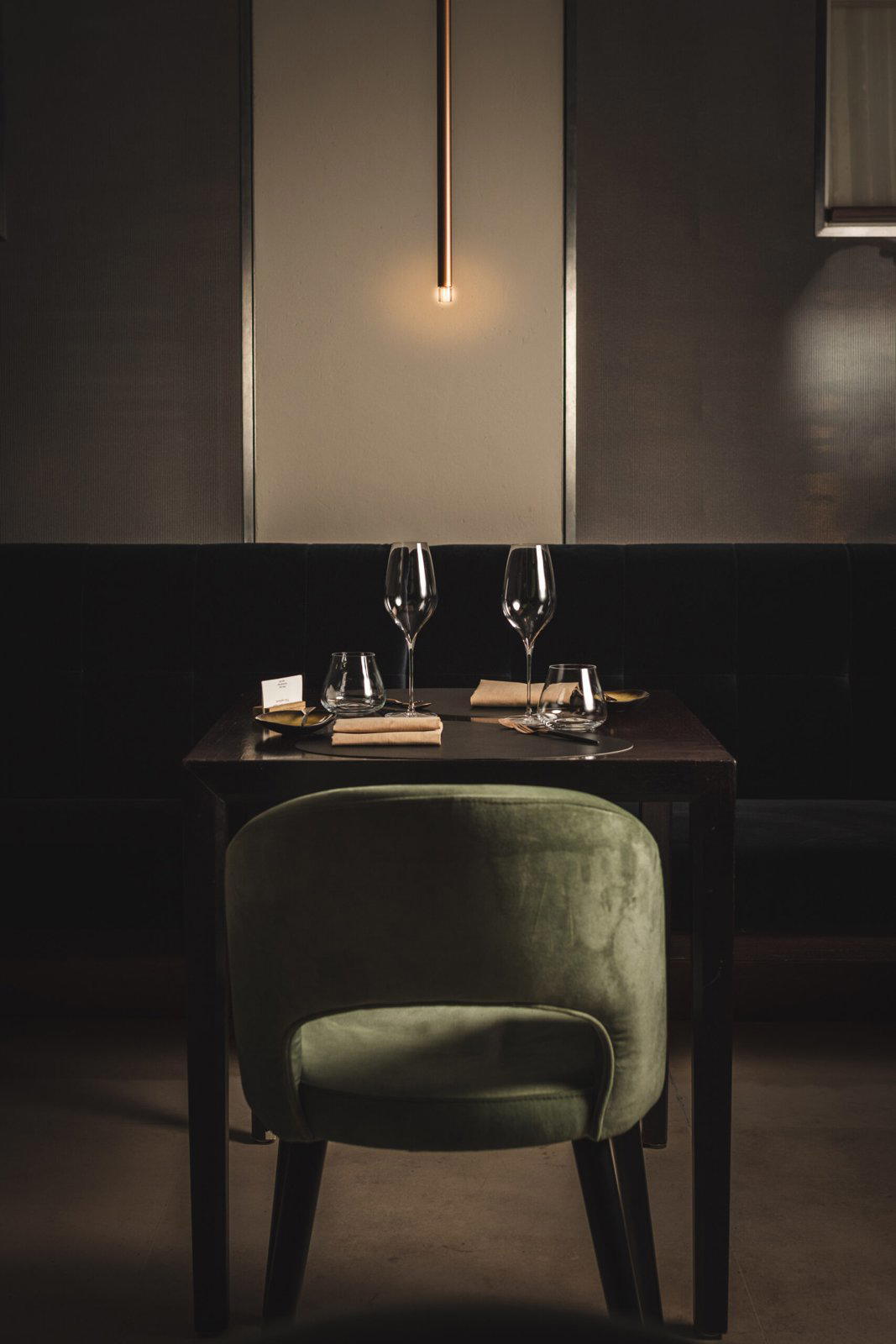
Bars in Cologne
Browse all →
Hotels in Cologne
Browse all →

At a Glance
- Trendy
- Modern
- Casual Hangout
- After Work
- Standalone
- Sake Program
Current opening hours
- Monday
- 5–10:30 PM
- Tuesday
- 5–10:30 PM
- Wednesday
- 5–10:30 PM
- Thursday
- 5 PM–12:30 AM
- Friday
- 5 PM–12:30 AM
- Saturday
- 5 PM–12:30 AM
- Sunday
- 5–10:30 PM
Hours can change for holidays and private events. Last verified .
Relaxed and welcoming with comfortable interior, though can feel crowded and busy.