Bulgogi Haus on Neusser Strasse sits within Cologne's broader Korean dining presence, where marinated beef and communal table grills define the format. The address places it in the city's northern residential corridors rather than the tourist-heavy Altstadt, drawing a neighbourhood crowd that knows what it wants. Korean barbecue in this mould is built on sourcing, fire management, and the depth of a marinade rather than fine-dining theatrics.
Pearl is the En Primeur Club membership app — saves, bookings, and concierge access live there. Same editors, same standards.
- Address
- Neusser Str. 654, 50737 Köln, Germany
- Phone
- +491775147920
- Website
- bulgogi-haus.de
- Directions
- Get directions
 Saves & bookings on Pearl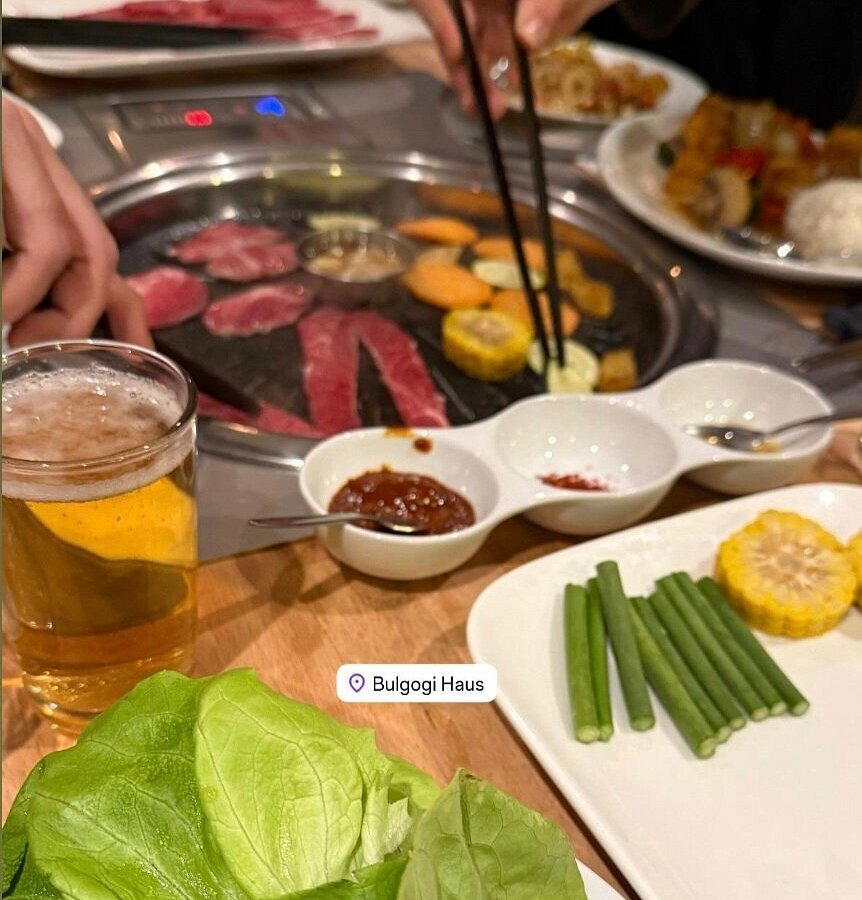
Where Cologne's Korean Barbecue Scene Lands
Korean barbecue occupies a specific position in German cities: it rarely chases the fine-dining bracket, and it rarely needs to. The format is self-contained, social, and anchored in a set of techniques, marination time, charcoal versus gas, the quality of the cut, that determine the ceiling of any given kitchen. Cologne's Korean dining options are concentrated enough to form a genuine scene, one that sits apart from the city's modern European tier represented by places like Ox & Klee and La Cuisine Rademacher. Bulgogi Haus, addressed at Neusser Strasse 654 in the 50737 postal district, sits north of the Altstadt in a residential stretch that does not traffic in tourist footfall. That location is itself a signal: the kitchen is not performing for passing trade.
The Ingredient Logic Behind Bulgogi
The word bulgogi translates roughly as fire meat, and the dish is built on a marinade of soy, sesame oil, pear or apple juice, garlic, and sugar applied to thinly sliced beef, traditionally ribeye or sirloin, before cooking at high heat. The sourcing decisions embedded in that formula matter more than they might appear. Pear, for instance, acts as a natural tenderiser through enzymatic action, which means the quality of the fruit and the length of marination are direct determinants of texture. Beef cut selection is equally consequential: the intramuscular fat distribution in ribeye responds differently to a tabletop grill than a leaner cut would, and the margin between a good and a mediocre result is narrow.
This is worth establishing because Korean barbecue in Europe often collapses into a generic category where all examples read as equivalent. They are not. The sourcing chain for Korean aromatics in a German city, gochujang, doenjang, sesame, involves either specialist importers or substitution decisions that affect the final dish in measurable ways. A kitchen in Cologne's residential north, operating for a regular neighbourhood audience rather than occasional visitors, faces different sourcing pressures than one positioned near a university district or a Korean commercial corridor. That context shapes what ends up on the grill.
The Setting: Residential, Untheatrical
Neusser Strasse is a long arterial road running through Cologne's Nippes and surrounding districts, lined with the kind of neighbourhood infrastructure, bakeries, pharmacies, small restaurants, that serves residents rather than visitors. A Korean barbecue restaurant in this context functions as a local institution rather than a destination draw. The absence of an Altstadt address removes some of the pressure to perform visually, and Korean barbecue formats tend not to require that performance: the theatre is built into the format itself, with diners managing their own grill, assembling their own ssam wraps, and moving through banchan that precede and accompany the main protein.
That communal, participatory structure is worth noting for first-time visitors to the format. A bulgogi meal is not a sequence of courses delivered from kitchen to plate in the European sense. The pacing is lateral rather than linear: multiple dishes arrive at roughly the same time, the grill runs throughout, and the meal expands or contracts depending on the group's appetite and engagement. For those accustomed to the tighter sequencing of Cologne's modern European restaurants, the tasting menu cadence you find at La Société or Le Moissonnier Bistro, this is a structural shift, not just a cuisine shift.
Korean Barbecue in a German City: The Wider Pattern
Germany's Korean dining scene has expanded significantly since the early 2010s, tracking the broader European uptake of East Asian cuisines beyond Chinese and Japanese. Berlin and Frankfurt carry the largest Korean restaurant populations, but Cologne and Düsseldorf both sustain enough regular Korean dining to constitute genuine local scenes rather than isolated novelties. Düsseldorf, with its established Japanese commercial and residential community, also holds a significant Korean presence along Immermannstrasse and surrounding blocks, a reference point for the kind of Korean dining density that Cologne approximates at smaller scale.
Within Cologne specifically, the contrast between Korean and the city's high-end German and European dining is stark. maiBeck and the broader modern cuisine tier operate in a different register entirely, one shaped by tasting menus, wine pairing, and formal service. Korean barbecue operates by different metrics: generosity of portion, quality of marination, the efficiency of the ventilation over the grill, the depth of the banchan selection. These are not lesser standards, they are different standards, and the leading Korean barbecue kitchens in European cities are as technically demanding in their domain as any tasting menu kitchen in theirs. For context on Germany's highest-achieving kitchens in the European fine-dining tradition, the comparison set includes places like Vendôme in Bergisch Gladbach, Schwarzwaldstube in Baiersbronn, and Aqua in Wolfsburg. Bulgogi Haus is not in that conversation, it is in a different, equally legitimate one.
Planning Your Visit
Neusser Strasse 654 is accessible by Cologne's tram network, with stops along the Neusser Strasse corridor connecting to the city centre. The residential district character means parking is more feasible here than in the Altstadt, and the surrounding streets carry standard Cologne residential parking arrangements. Bulgogi Haus recommends reservations. It is open Tue to Thu 6 to 10 PM, Fri and Sat 5 to 11 PM, and Sun 5 to 10 PM; it is closed on Monday.
A Credentials Check
Comparable venues nearby, for context on price, style, and recognition.
| Venue | Cuisine | Price | Notes |
|---|---|---|---|
| Bulgogi HausThis venue — the venue you are viewing | Authentic Korean BBQ | $$ | Not listed |
| District 10 | Vietnamese Street Food & Asian Fusion | $$ | Neustadt/Nord |
| Bei Oma Kleinmann | Traditional German Schnitzel House | $$ | Neustadt/Süd |
| Ritter Wülfing | Modern Fusion Tapas & Pintxos | $$ | Neustadt/Nord |
| Mandala Brunch | Vegan Asian Fusion Brunch | $$ | Neustadt/Nord |
| Café Schmitz | Traditional German Café | $$ | Neustadt/Nord |
Continue exploring
More in Cologne
Restaurants in Cologne
Browse all →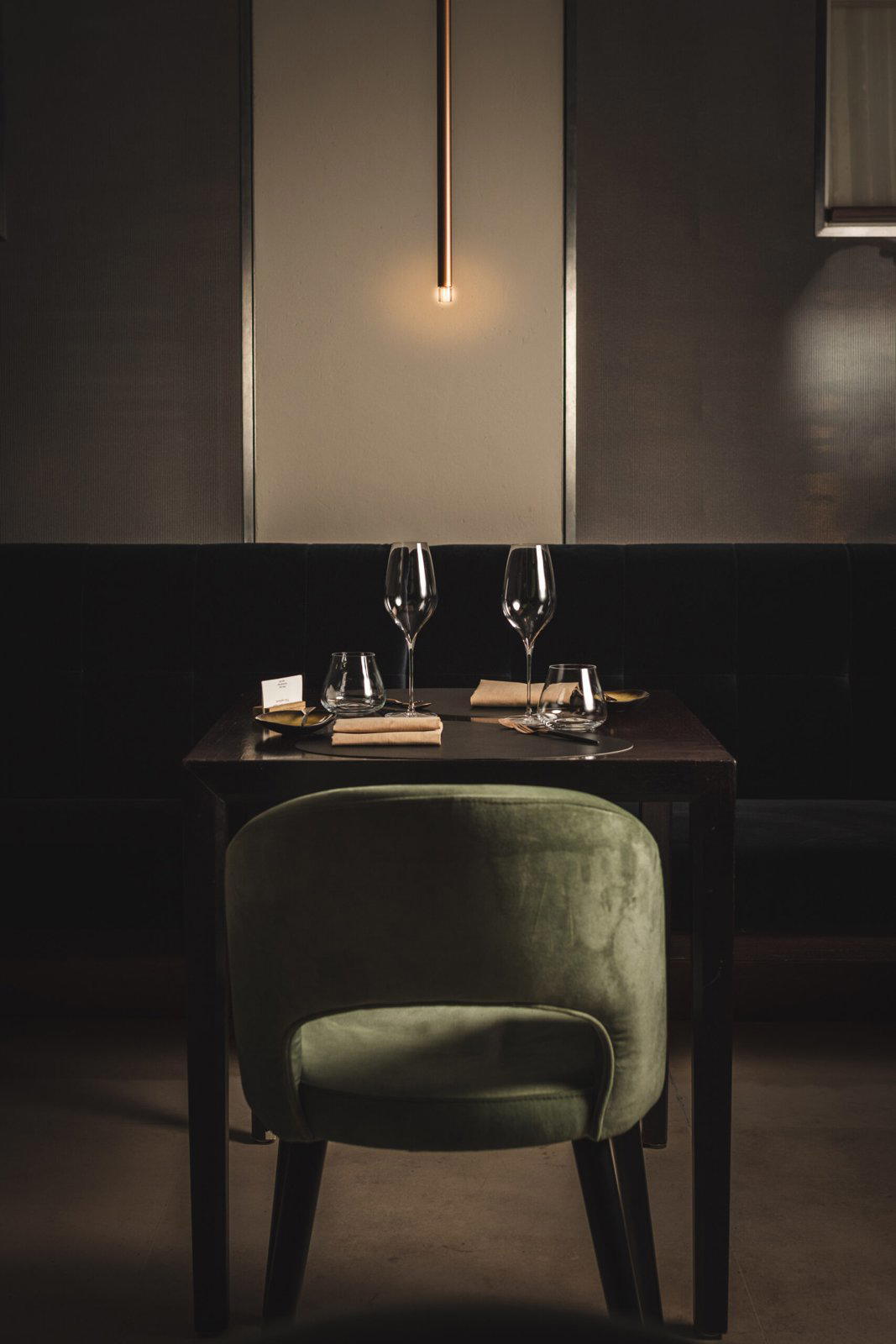
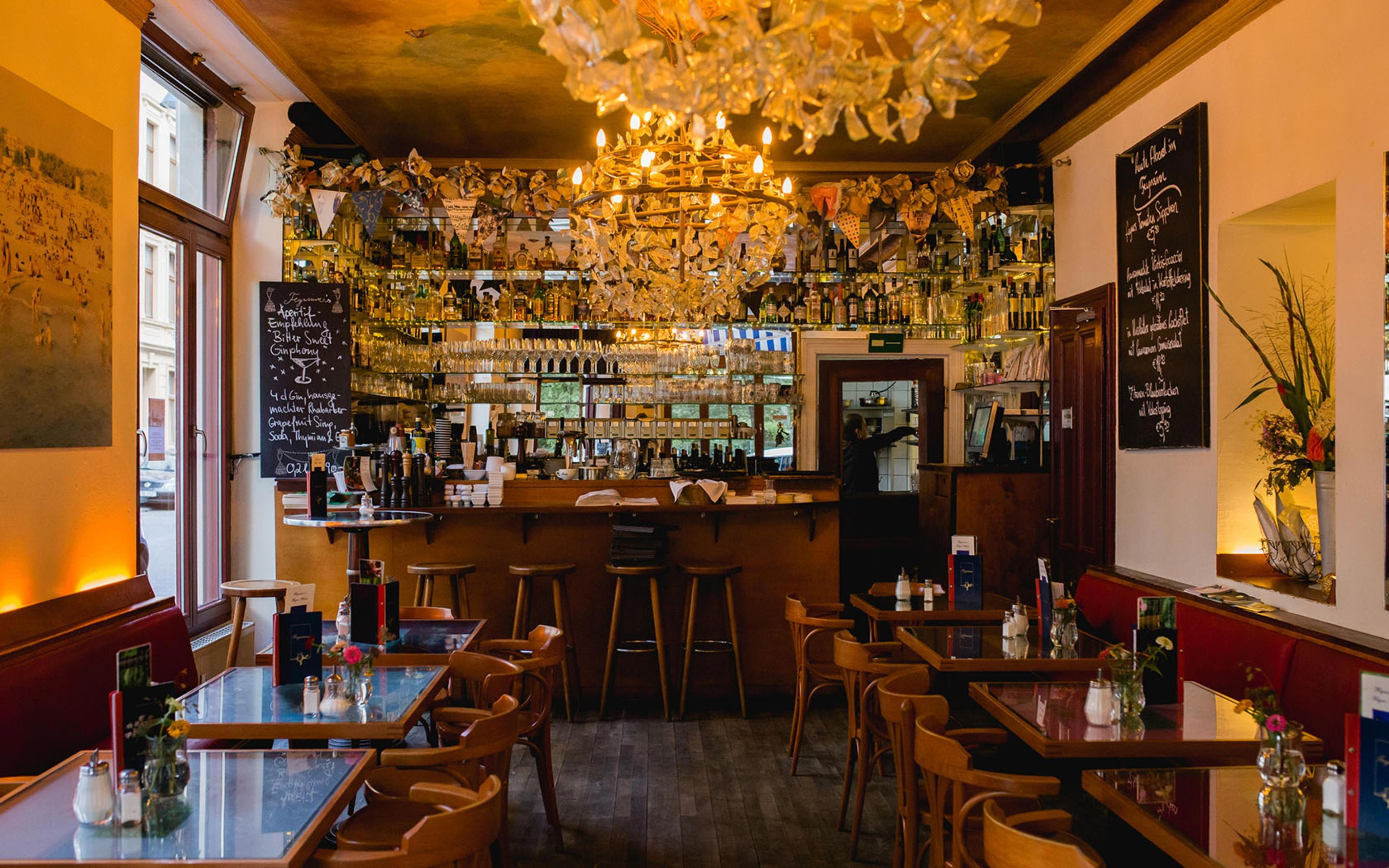
Bars in Cologne
Browse all →

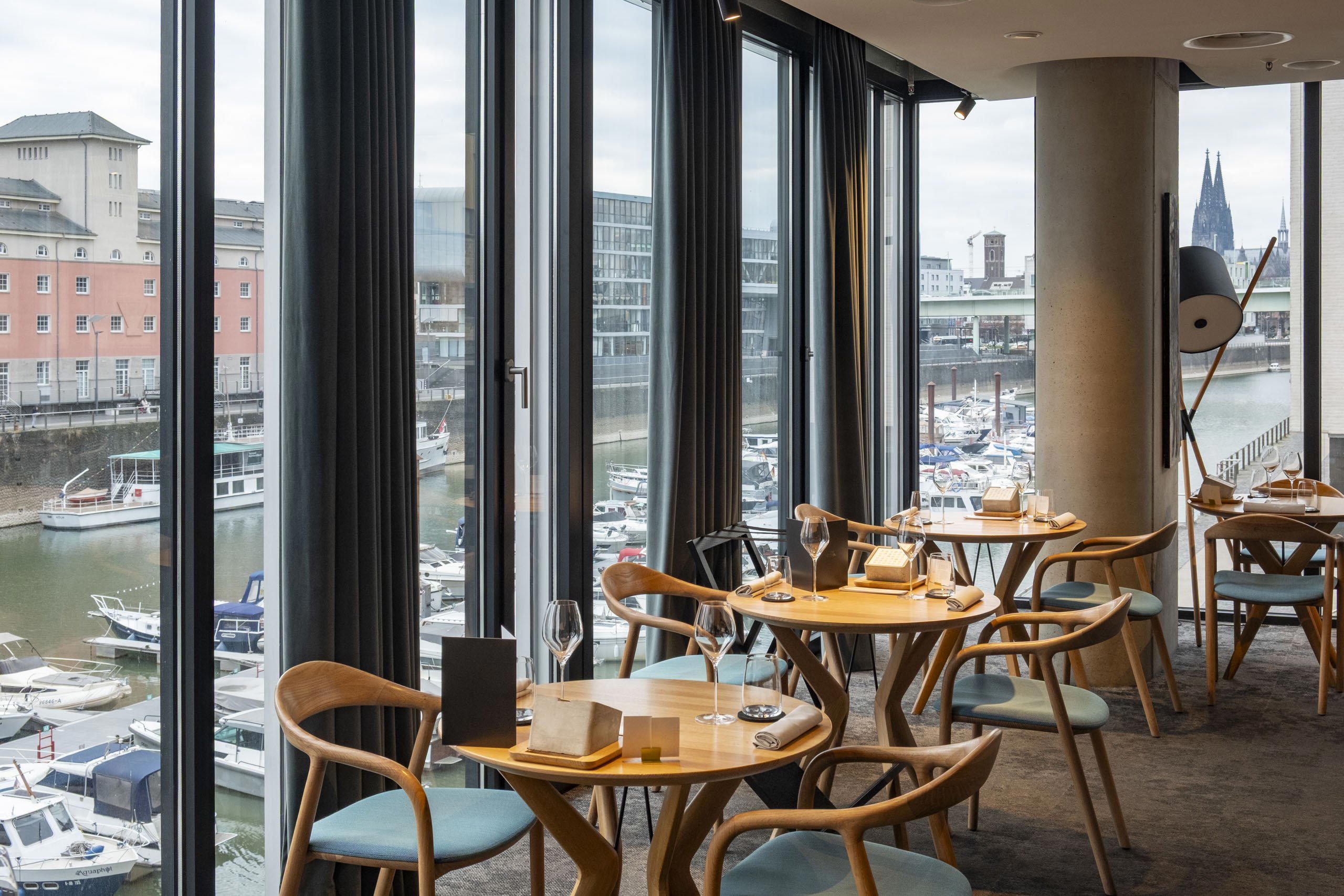
Hotels in Cologne
Browse all →

At a Glance
- Lively
- Cozy
- Trendy
- Group Dining
- Family
- Casual Hangout
- Open Kitchen
Current opening hours
- Monday
- Closed
- Tuesday
- 6–10 PM
- Wednesday
- 6–10 PM
- Thursday
- 6–10 PM
- Friday
- 5–11 PM
- Saturday
- 5–11 PM
- Sunday
- 5–10 PM
Hours can change for holidays and private events. Last verified .
Laid-back and welcoming with an efficient, lively atmosphere focused on communal grilling and fresh banchan buffet.