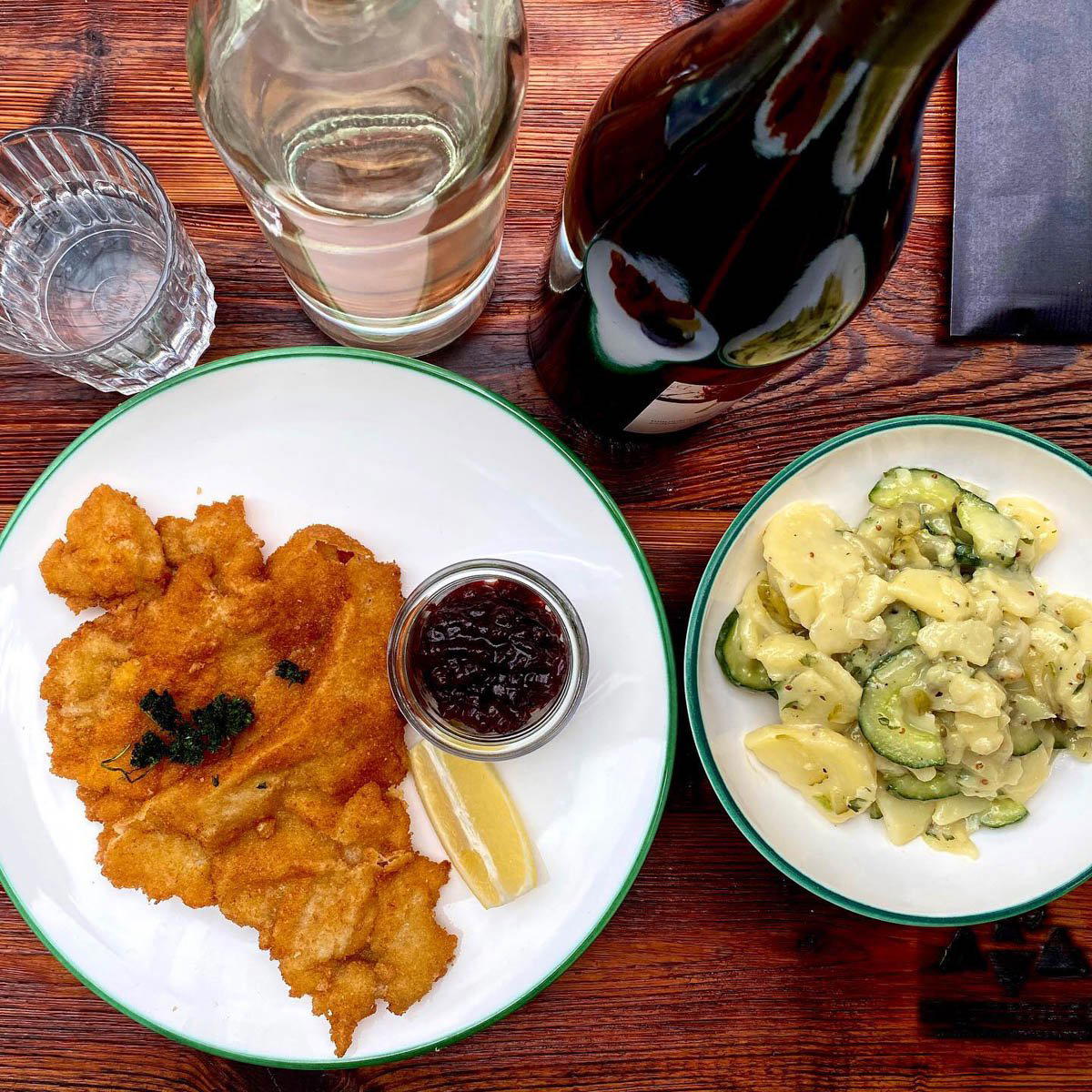
Glaserei pairs Mediterranean Grill Bar cooking with an open kitchen, natural wine, and a street-scene view for conversational dinner plans.
Pearl is the En Primeur Club membership app — saves, bookings, and concierge access live there. Same editors, same standards.
- Address
- Mehringdamm 49, 10961 Berlin, Germany
- Phone
- +493044013987
- Website
- instagram.com
- Directions
- Get directions
 Saves & bookings on Pearl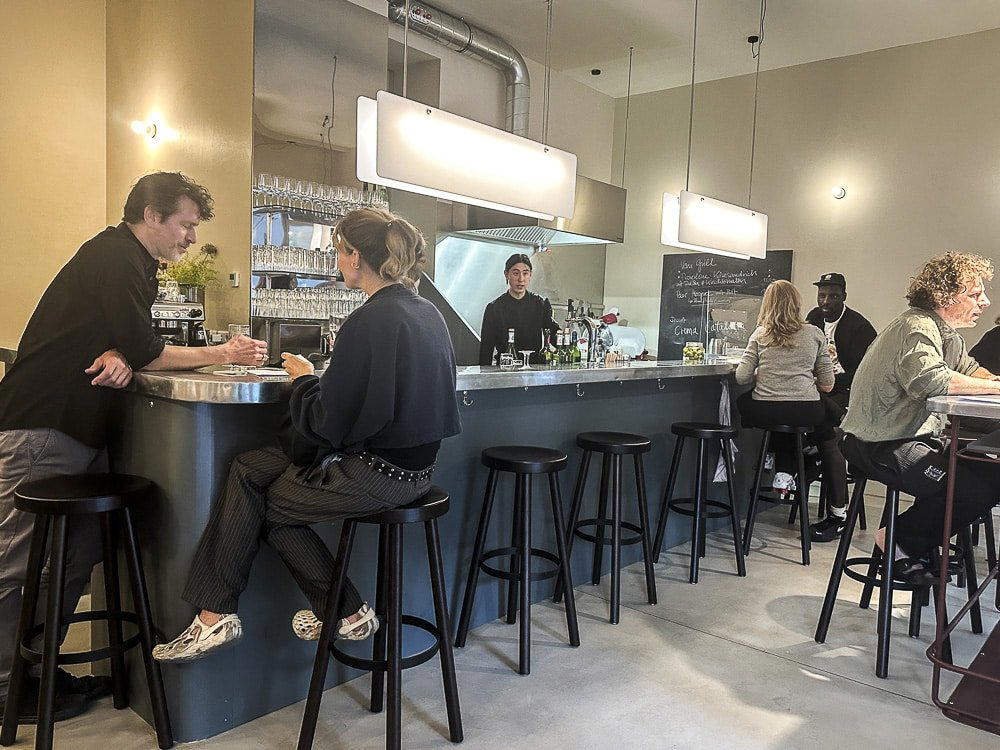
A Glassworks Turned Dining Room in Kreuzberg
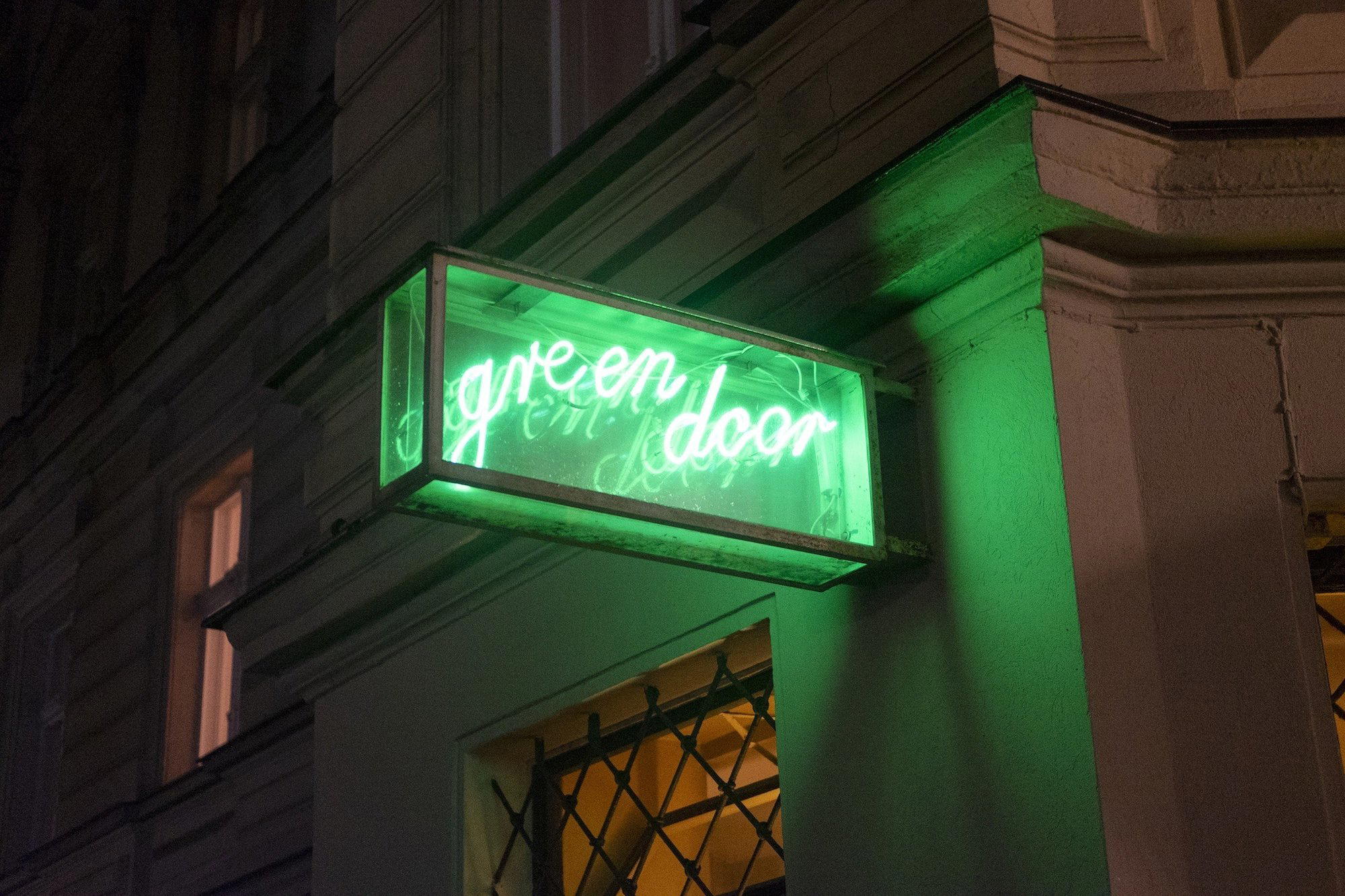
Mehringdamm sits at the commercial spine of Kreuzberg, a stretch that mixes Turkish grocers, record shops, and old-Berlin Kneipen with a growing cluster of destination restaurants that have little interest in the neighbourhood's tourist circuit. The address at number 49 places Glaserei in a section of the street that rewards foot traffic over instinct. The name itself signals the physical history of the space, Glaserei means glazier's workshop in German, and the industrial character of the room reflects that lineage without turning it into a theme.
In Berlin's dining scene, the relationship between converted industrial space and fine or near-fine dining has become its own category. Former factories, print shops, and workshops have become the physical containers for some of the city's most considered cooking. What distinguishes the better examples from the merely aesthetic is whether the architecture does real work, whether the space affects how you receive the food and company, or whether exposed brick and steel beams simply signal credibility. Glaserei belongs to a tradition of spaces where the room has a prior identity that the current use acknowledges rather than erases.
Kreuzberg's Fine Dining Position in the Berlin Context
Berlin's highest-decorated restaurants cluster in Mitte and around the government quarter: Rutz on Chausseestrasse, FACIL inside the Mandala Hotel, Restaurant Tim Raue near Checkpoint Charlie. Kreuzberg operates differently. The neighbourhood's dining identity has historically been built around affordability and diversity rather than formal tasting menus, but that picture has shifted. Nobelhart & Schmutzig on Friedrichstrasse proved that a radically local, anti-luxury formal format could earn serious recognition, and CODA Dessert Dining built a two-Michelin-star programme around a dessert-led menu in a compact Neukölln space. These examples reset expectations about where Berlin's serious cooking happens.
Glaserei occupies the Kreuzberg end of Mehringdamm, which places it geographically and conceptually in a neighbourhood that has absorbed enough creative restaurant energy to support a destination dining proposition without requiring the guest to cross the Spree. For readers building a Berlin itinerary around dining, the Kreuzberg-Neukölln corridor now represents an alternative circuit to Mitte, one with different architecture, different street-level energy, and a dining culture that tends toward intimacy.
The Space as Editorial Subject
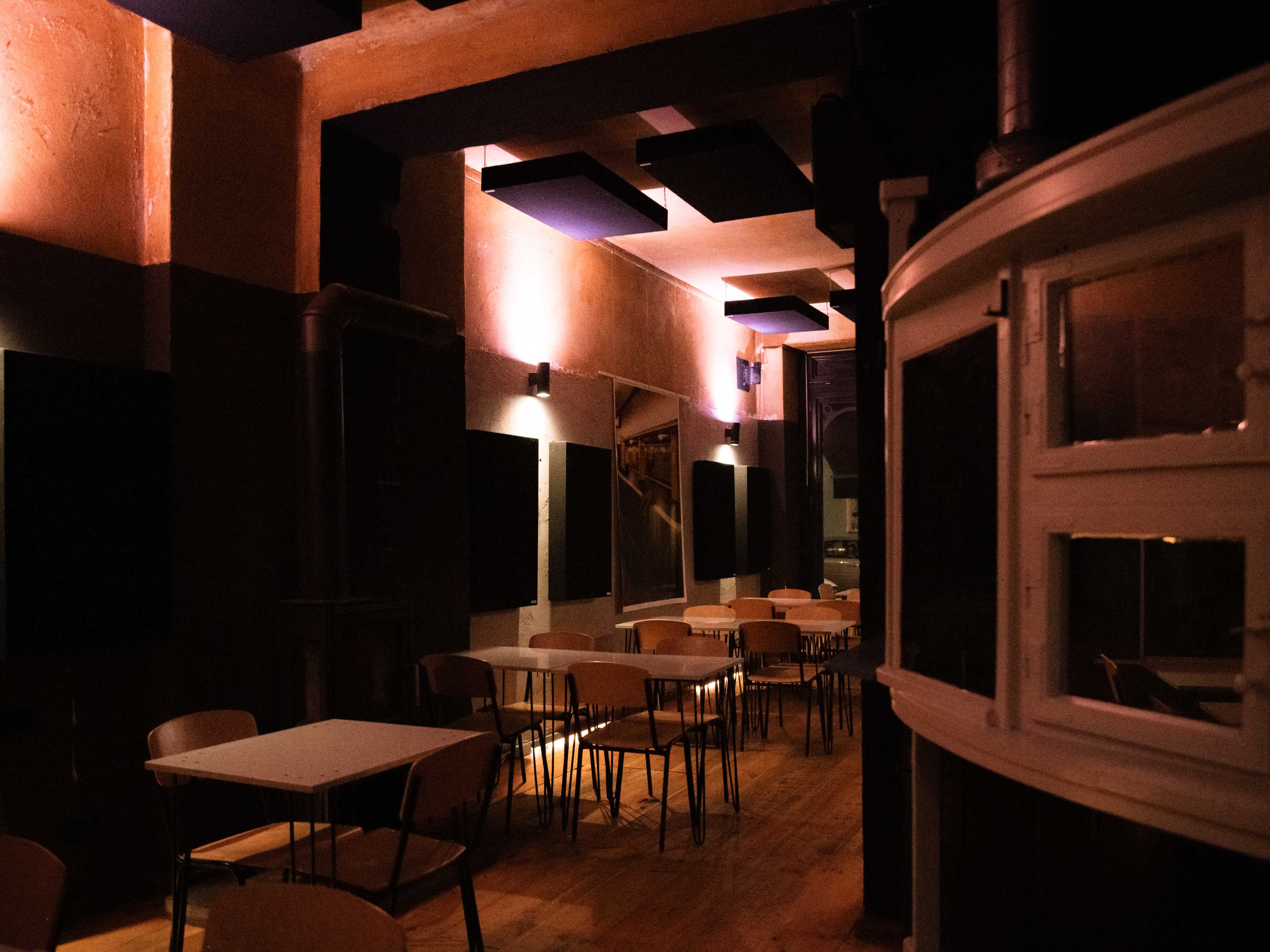
The editorial angle that matters most for a venue called Glaserei in a former artisan workshop on Mehringdamm is the architecture of attention. Glaziers' workshops were built for precision work in natural light, high ceilings, generous fenestration, surfaces that could be kept clear and clean. Those structural properties translate well into dining environments where the physical conditions encourage focus on the table rather than on noise or distraction. Some of Germany's converted-space restaurants, from urban Kreuzberg addresses to rural dining rooms like Waldhotel Sonnora in Dreis or Schwarzwaldstube in Baiersbronn, all share that quality: the room creates conditions for the meal rather than competing with it.
In a city where dining spaces sometimes prioritise industrial aesthetic over acoustic management, a room that uses its original structure purposefully is not a given. The design tradition in Berlin's more serious restaurants has moved in recent years toward restraint, fewer decorative gestures, more attention to light, material, and seat count. Nobelhart & Schmutzig's counter configuration is the extreme example: a single bar wrapping the kitchen, no tables, no visual noise. Glaserei's workshop provenance suggests a different spatial grammar but potentially a similar discipline in how the room is used.
Placing Glaserei in Germany's Broader Restaurant Map
Berlin has fewer Michelin-recognized restaurants than some of Germany's other major dining cities. Munich has JAN and a deep bench of starred houses. The Rhineland delivers Vendôme in Bergisch Gladbach and Victor's Fine Dining by Christian Bau in Perl. The Moselle and its surrounds produce Schanz in Piesport and Bagatelle in Trier. The Bavarian Alps have ES:SENZ in Grassau, and Hamburg holds Restaurant Haerlin. Even Aqua in Wolfsburg carries three stars from a city few visitors would otherwise prioritise for dining.
Berlin's relative position is partly a structural reality of how the city's dining economy developed, lower price points, higher turnover culture, a population that historically prized accessibility over formal ceremony. But the past decade has seen a genuine shift, with a smaller number of Berlin restaurants building the kind of programme that earns sustained critical attention. Glaserei's Kreuzberg address places it in the part of the city where that shift has been most pronounced at the neighbourhood level, as opposed to the flag-planting in Mitte that characterised Berlin's earlier fine-dining moment.
For international comparison, the model of a technically focused restaurant in a converted artisan space, where the design communicates craft without performing it, has parallels in cities like San Francisco, where Lazy Bear built its identity around communal format in an unconventional room, or New York, where Le Bernardin represents the opposite discipline: a room designed for invisibility, where nothing competes with the plate. Glaserei, by its industrial heritage, sits closer to the former tradition, spaces that make the physical context visible rather than neutral.
Planning a Visit
Mehringdamm 49 is reachable via U-Bahn at Mehringdamm station (U6/U7), a major interchange that puts Kreuzberg within ten minutes of most central Berlin addresses. The street is walkable from Bergmannstrasse and Viktoriapark. For readers building a dinner-focused Berlin evening, the neighbourhood offers enough bar and coffee culture before and after a meal to support a longer stay without requiring a taxi back to Mitte.
| Venue | Neighbourhood | Format | Price Tier | Closest Reference |
|---|---|---|---|---|
| Glaserei | Kreuzberg | Contact venue | Converted workshop space | |
| Nobelhart & Schmutzig | Friedrichshain-Kreuzberg border | Counter / tasting menu | €€€€ | Michelin-starred, radical local sourcing |
| CODA Dessert Dining | Neukölln | Tasting menu (dessert-led) | €€€€ | Two Michelin stars |
| Rutz | Mitte | Tasting menu | €€€€ | Two Michelin stars |
| FACIL | Mitte | Tasting menu | €€€€ | Two Michelin stars |
Cuisine Lens
Comparable venues nearby, for context on price, style, and recognition.
| Venue | Cuisine | Price | Notes |
|---|---|---|---|
| GlasereiThis venue — the venue you are viewing | Mediterranean Grill Bar | $$ | Not listed |
| Monte Mente Restaurant | Modern Mediterranean Pizza & Pasta | $$ | Tiergarten |
| Lu Liba | Mediterranean-Lebanese Fusion | $$$ | Tiergarten |
| Gon 80 | Authentic Vietnamese | $$ | Kreuzberg |
| Café Wintergarten | European Café Classics | $$ | Tiergarten |
| Lokal | Modern German | $$ | Mitte |
Continue exploring
More in Berlin
Restaurants in Berlin
Browse all →
Bars in Berlin
Browse all →
Hotels in Berlin
Browse all →

At a Glance
- Trendy
- Cozy
- Lively
- Modern
- Casual Hangout
- Group Dining
- After Work
- Open Kitchen
- Natural Wine
- Street Scene
Current opening hours
- Monday
- Closed
- Tuesday
- 5:30 PM–12 AM
- Wednesday
- 5:30 PM–12 AM
- Thursday
- 5:30 PM–12 AM
- Friday
- 5:30 PM–1 AM
- Saturday
- 5:30 PM–1 AM
- Sunday
- 5:30 PM–12 AM
Hours can change for holidays and private events. Last verified .
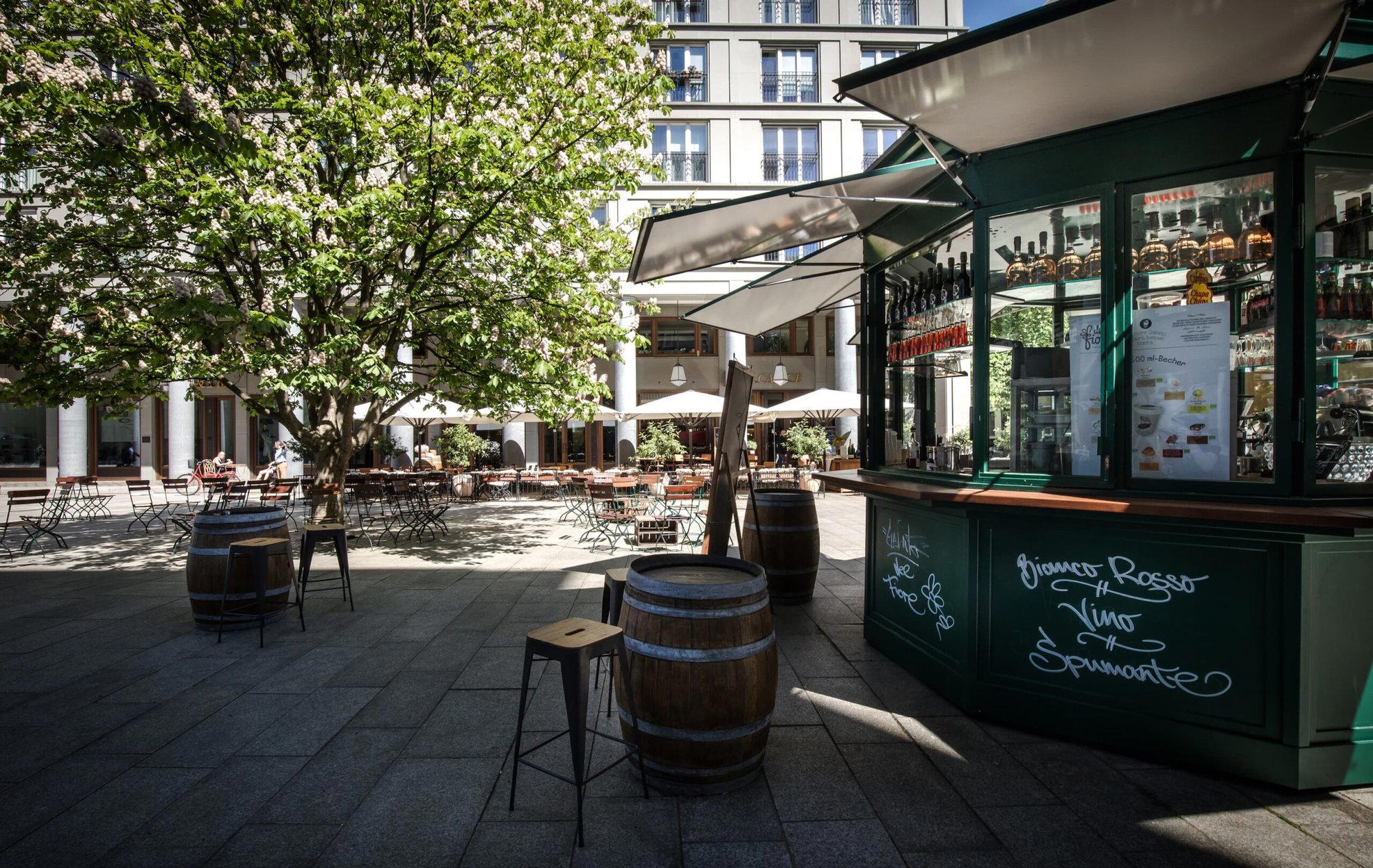
Casual and unpretentious with big city flair, featuring a large zinc counter, bar stools, and a relaxed neighborhood atmosphere like a Marseille bar in Kreuzberg.