
Tabelog 100 #1
Our verdict
A 12-seat sushi counter in Gion with Tabelog Sushi WEST 100 recognition in 2025, 2022, and 2021, plus a Tabelog Award Bronze from 2019. The appeal is value at Kyoto’s serious sushi tier: counter seating, fish-focused Edomae craft, sake and wine support, and a format that suits solo diners as much as small groups.

Pearl is the En Primeur Club membership app, where members save venues, book tables and use the concierge.

The menu
What to order
- Edomae nigiri omakase
- Aged tuna nigiri
- Seasonal uni sushi
- Toro nigiri
Kyoto changes register quickly: lanterns, narrow lanes, quiet hospitality, then the compressed focus of a sushi meal where the room matters because there is little to hide behind. Kyoto’s high-end sushi culture need not be read as a Tokyo clone; its pacing is often understood through local expectations of seasonality, restraint, and close attention to detail. In that setting, Gion Sushi Tadayasu belongs to the serious Kyoto sushi conversation, not the casual tourist-facing category.
The value question is not whether sushi in Kyoto can be inexpensive; at this level it usually cannot. The sharper question is what the tariff buys against Kyoto peers. In the local orbit, Riki Chan Gion ten sits as a different point of comparison, while Japanese dining rooms such as Gion Matayoshi compete through broader cuisine rather than sushi-focused grammar. Sushi Matsumoto gives Kyoto another dedicated sushi reference point, but the decision is about format: a focused sushi meal, a clear category, and recognition in the 2025 Tabelog Hyakumeiten list.
A Kyoto restaurant built around sushi, not theatre
Kyoto luxury dining often rewards ceremony: careful pacing, attentive service, and sequences closer to seasonal composition than appetite. Sushi compresses that ambition into fewer variables. Rice, seafood, temperature, pacing, and the handwork behind each piece carry the weight. Tadayasu’s public signals point to this narrower discipline: sushi as the category and a restaurant proposition built around that focus rather than menu sprawl.
That matters in Kyoto, where a premium setting can blur culinary substance with atmosphere. A sushi meal makes the economics visible: there is limited room for distraction between guest and craft, and a higher-stakes exchange than a casual stop. Diners pay for focus, not breadth. The old assumption that sushi is only a quick or informal meal does not apply here; in Kyoto’s premium tier, it can sit squarely inside a planned itinerary.
The restaurant’s recognition gives the proposition external weight. Its 2025 Tabelog Hyakumeiten listing, with a published score of 3.73 and stated budget bands of Dinner: JPY 30,000 - JPY 39,999; Lunch: JPY 10,000 - JPY 14,999, places it inside a documented regional sushi conversation rather than relying on atmosphere alone. Tabelog’s Japan-based audience makes that listing a useful signal for travellers separating polish from durable local approval.
What the spend buys in Kyoto sushi
At this tier, value is measured through density, not quantity. A diner pays for narrow specialization, a focused restaurant experience, and an occasion that can compete in a city where kaiseki, tempura, beef, and other premium formats chase the same dinner budget. Kyoto sushi at this level sits outside casual city dining: it is a planned meal, not a spontaneous stop between temples.
The useful comparison is not an easy lunch queue or department-store sushi bar, but other premium Kyoto formats. A fine-dining room such as SUI Fine Dining Restaurant asks diners to read the city through a composed modern lens. A bar such as Finlandia Bar belongs to the after-dinner economy, where the spend and purpose are different from a full meal. Tadayasu sits in the meal-as-main-event bracket, with a more direct sushi focus than many multi-course dining rooms.
That focus makes the restaurant’s value easier to understand. Sushi is one of Japan’s strongest formats for concentrated dining because the meal is organised around sequence, timing, and the immediate relationship between preparation and eating. For visitors building a Kyoto itinerary around meals, this can matter as much as recognition: one serious sushi booking can define an evening more clearly than a broader, less specialised dinner.
For wider Kyoto eating, the contrast is instructive. Other Kyoto dining rooms speak to the city’s more casual restaurant circuit, while comfort-food stops sit in a different register. Kyoto’s dining map also stretches beyond traditional Japanese categories, and older local food culture often lives outside expensive tasting formats. For the broader map, use Our full Kyoto restaurants guide alongside Our full Kyoto hotels guide, Our full Kyoto bars guide, Our full Kyoto wineries guide, and Our full Kyoto experiences guide.
How to place it in a Japan itinerary
A serious sushi meal in Kyoto changes a trip’s rhythm. Tokyo remains the obvious sushi reference point, but Kyoto gives the genre a different surrounding culture: slower streets, older hospitality codes, and a dining public fluent in seasonal restraint. That does not make the sushi gentler or less exacting; it makes the meal feel less like a benchmark chase and more like a city-specific decision.
Travellers comparing Japanese dining across regions should treat this as a Kyoto anchor, not a universal sushi answer. Other cities and regions frame value through different traditions, ingredients, price points, and levels of formality. Even Japanese-leaning rooms overseas underline the same point: context defines value, and a Kyoto sushi booking should be judged against the role it plays in a Kyoto itinerary rather than against every possible sushi experience elsewhere.
The cleanest read on Gion Sushi Tadayasu is this: choose it when the meal should be about Kyoto sushi at a recognized restaurant, not when the evening calls for a broader or more casual dining format. Its 2025 Tabelog Hyakumeiten recognition, sushi category, and published budget bands give it a clear place in the city’s premium dining hierarchy. The proposition is focused rather than expansive, and that focus is the reason to care.
Frequently asked questions
Is Gion Sushi Tadayasu more mid-range or high-end?
Pricing at Gion Sushi Tadayasu is listed as Dinner: JPY 30,000 - JPY 39,999; Lunch: JPY 10,000 - JPY 14,999.
When can I go to Gion Sushi Tadayasu?
Check directly with Gion Sushi Tadayasu for current opening times and booking availability.
What's Gion Sushi Tadayasu's location?
Kyoto.
What has Gion Sushi Tadayasu built its reputation on?
The restaurant is defined by a focus on sushi, backed by selection for the 2025 Tabelog Hyakumeiten list. Its published Tabelog score is 3.73, with listed budget bands of Dinner: JPY 30,000 - JPY 39,999; Lunch: JPY 10,000 - JPY 14,999, giving travellers a documented signal for placing it within Kyoto’s premium sushi landscape.
Recognition, Side-by-Side
Comparable venues at a glance for context.
| Venue | Cuisine | Price | Awards | Notes |
|---|---|---|---|---|
| Gion Sushi TadayasuThis venue (the venue you are viewing) | Traditional Edomae Omakase Sushi | $150–200 | Tabelog 100 #1 | Not listed |
| 祇園 さゝ木 | Modern Kaiseki | $300–500 | 3 Michelin Stars · La Liste Top Restaurants | 祇園四条 |
| 美山荘 | Traditional Japanese摘草料理 (Mountain Vegetable Kaiseki) | $150–200 | Not listed | 花脊 (Hanase) |
| é£¯ç° | Classical Kaiseki | $300–500 | La Liste Top Restaurants · Tabelog Gold #9 | Nakagyō |
| SUI Fine Dining Restaurant | Modern Japanese Omakase | Not listed | Not listed | Higashiyama |
| Yoshizen | Kappo Kaiseki | $100–150 | Not listed | Higashiyama |
Recognition history
Dated appearances from independent guides and award organizations, with the underlying list record or original source where available.
Tabelog 100 #1 · No. 1
Tabelog · Tabelog 100 - Sushi - WEST - 2025
Continue exploring
More in Kyoto
Restaurants in Kyoto
All restaurants in Kyoto →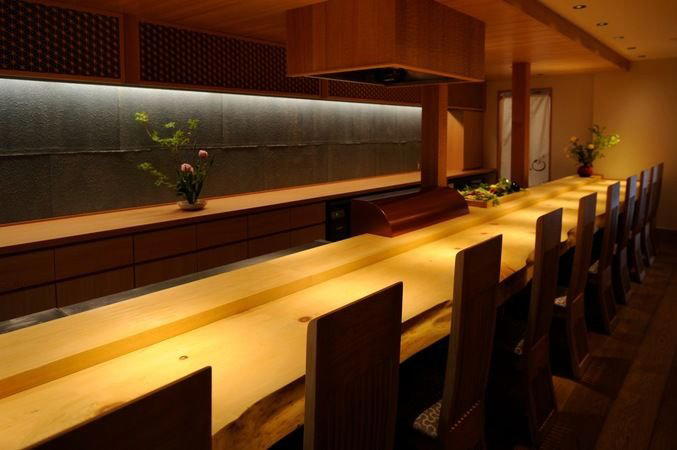
Bars in Kyoto
All bars in Kyoto →
Hotels in Kyoto
All hotels in Kyoto →
Wineries in Kyoto
Browse all →
Details
- Elegant
- Intimate
- Sophisticated
- Classic
- Date Night
- Special Occasion
- Business Dinner
- Solo
- Celebration
- Chefs Counter
- Standalone
- Historic Building
- Design Destination
- Sake Program
- Beer Program
- Local Sourcing
- Sustainable Seafood
- Omakase
- Counter Dining
- Tasting Menu
- Set Menu
- Sake
- Beer
- Pescatarian Friendly
Current opening hours
- Monday
- 12–1:30 PM, 6–9 PM
- Tuesday
- 12–1:30 PM, 6–9 PM
- Wednesday
- 12–1:30 PM, 6–9 PM
- Thursday
- 12–1:30 PM, 6–9 PM
- Friday
- 12–1:30 PM, 6–9 PM
- Saturday
- 12–1:30 PM, 6–9 PM
- Sunday
- 12–1:30 PM, 6–9 PM
Hours can change for holidays and private events. Hours as of .
A small, quietly elegant wooden counter space with a dignified, minimalist design where guests sit close to the chef and watch each piece of Edomae sushi prepared in a calm, focused atmosphere.