


Kyoto Iida belongs to the city’s high-discipline kaiseki tier, where seasonality, dashi, tableware, and pacing matter as much as luxury signals. Recognition from Tabelog, La Liste, and Opinionated About Dining places it in a narrow competitive bracket for diners comparing Kyoto kaiseki at serious expense.
Pearl is the En Primeur Club membership app — saves, bookings, and concierge access live there. Same editors, same standards.
- Address
- 120-1 Fukunagacho, Nakagyo Ward, Kyoto, 604-8084, Japan
- Phone
- +81 75-231-6355
- Website
- kccu700.gorp.jp
- Directions
- Get directions
 Saves & bookings on Pearl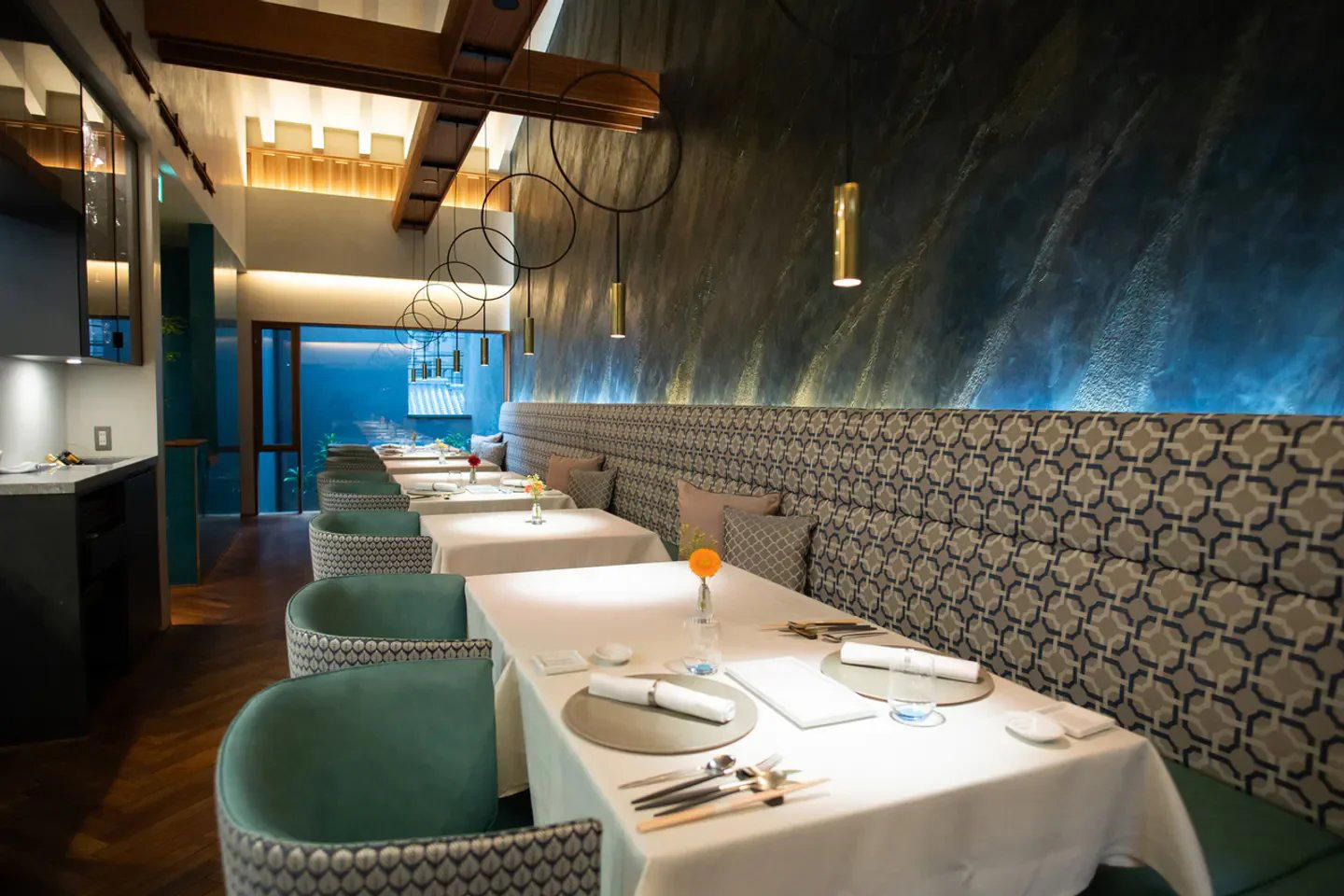
Kyoto kaiseki announces itself quietly: a small entrance, controlled room, hush of a counter, and timing seemingly fixed before a guest sits. Kyoto Iida fits that grammar. The interest is not spectacle but compression: a city’s argument about season, water, rice, broth, lacquer, ceramics, and restraint reduced to a handful of seats.
For searches around “kyoto iida,” the useful frame is not just a restaurant name but its place in Kyoto’s kaiseki hierarchy. The city has many polished Japanese dining rooms; fewer operate where Japanese user-led rankings and international lists shape demand. Iida carries a Tabelog Award Gold distinction for 2026, a Tabelog score of 4.60 in that award cycle, La Liste recognition at 93 points for 2026, and number 59 on Opinionated About Dining’s 2026 Japan ranking. Those signals do not describe dinner, but they identify the competitive shelf.
Kyoto kaiseki judged through dashi, produce, and restraint
Kaiseki in Kyoto is often misread by visitors as an expensive sequence of small plates. At this level, the form is stricter: seasonality, temperature, vessel choice, and the accumulated force of dashi matter more than luxury ingredients. Craft lies in calibration: when bitterness appears, aroma fades, and broth carries the meal’s center without calling attention to itself.
That discipline explains why Kyoto kaiseki can feel less immediately demonstrative than sushi or tempura at similar spend. A sushi counter directs attention to fish quality and rice temperature; kaiseki asks the diner to read context. Spring vegetables, summer river fish, autumn mushrooms, winter roots, New Year symbolism, and the city’s tea-culture inheritance sit behind the format. The pleasure is intellectual as much as sensory, and guests expecting maximalism may miss the point.
Iida’s recognition places it among Kyoto restaurants where raw material is not treated as isolated luxury. The cuisine category is Japanese cuisine and kaiseki, but the more useful distinction is the Kyoto school’s preference for sequence over declaration. Chef Shinichi Iida’s name is a credential inside that system, not the whole story. The meal belongs to a civic tradition where the chef’s hand organizes season and supplier rather than dominating them.
Comparisons within Kyoto matter. Ankyu, Doujin, Yamagishi, Shokudou Ogawa, and Yukifuran Sato occupy related kaiseki territory, but each attracts a different diner by tolerance for formality, appetite for classicism, and interest in counter intimacy. Iida suits travelers wanting the city’s seasonal language at a severe level of focus, not a broader Japanese fine-dining sampler.
A small-room format changes how the meal reads
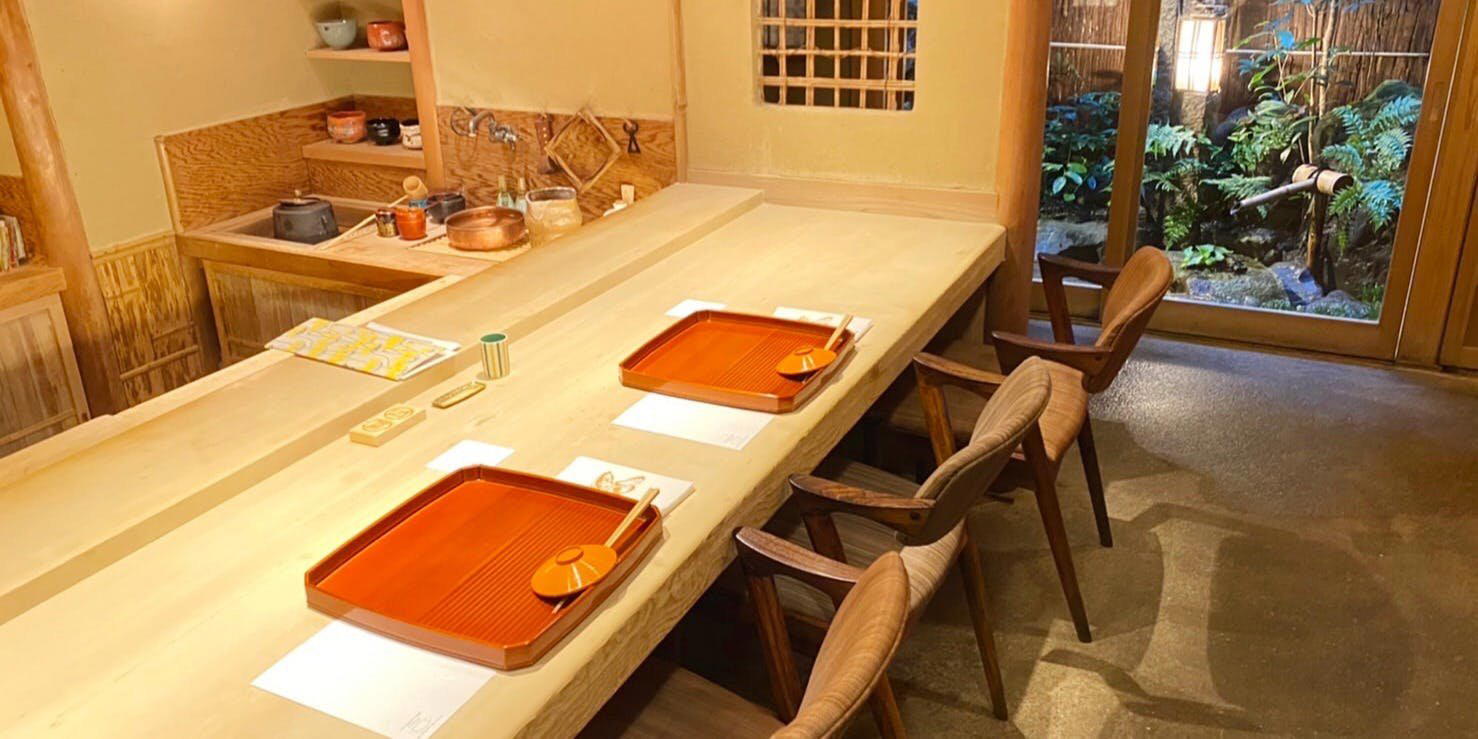
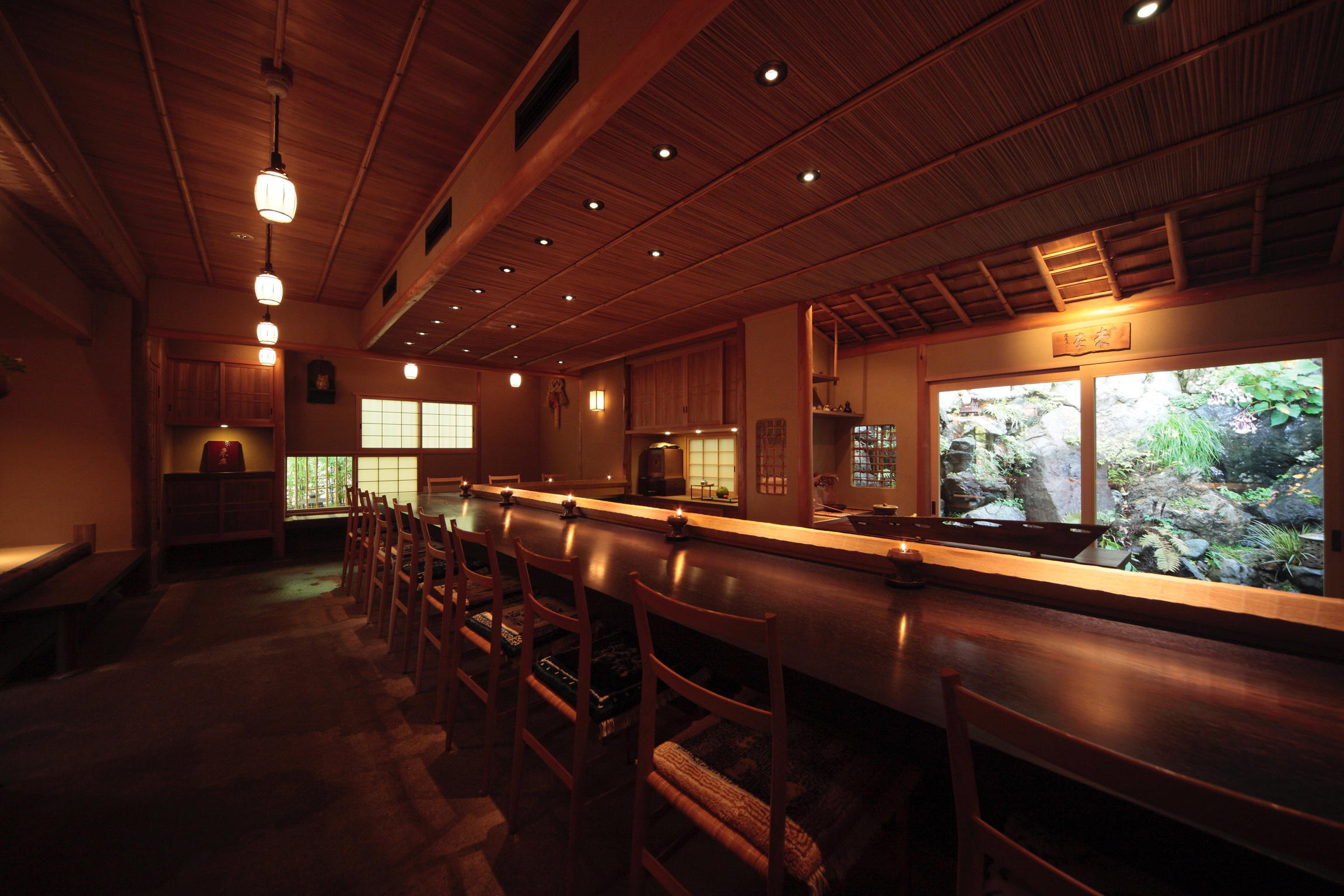
Kyoto’s serious counters are not neutral containers. A small room makes every transition visible: the setting of a bowl, the pause before a course, the order of vessels. In a large dining room, kaiseki can feel ceremonial from a distance. At a compact counter, the structure becomes more exacting because the diner notices how little margin the format allows.
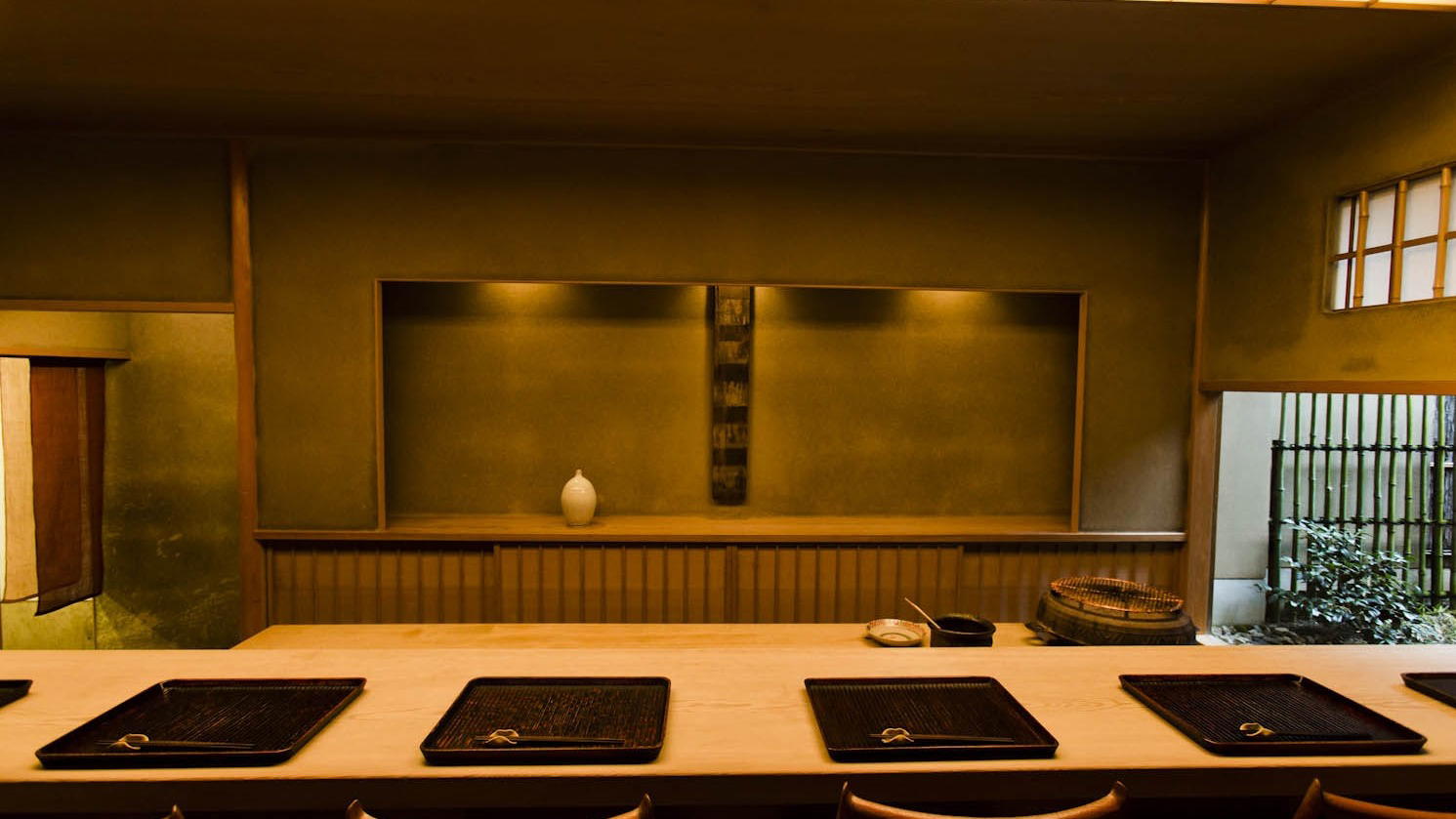
Iida’s seating, split between counter and tatami room, matters for that reason. Counter seats suit diners who want to watch sequence and service rhythm; tatami seating shifts the social register and can feel more private. Neither makes the meal casual. Kyoto kaiseki at this level asks for attention, and the room’s scale rewards diners prepared to meet the cuisine halfway.
The beverage frame is traditional rather than baroque. Sake and wine are both listed, aligning with high-end kaiseki’s two audiences: domestic diners with deep sake vocabulary and international guests accustomed to wine pairing logic. The stronger editorial bet is to let food lead. In Kyoto, beverage ambition should support broth, rice, seasonal vegetables, and grilled or simmered courses, not become a separate performance.
Recognition also shapes expectations. Tabelog Gold history running from a Silver award in 2017 to repeated Gold awards from 2018 through 2026 suggests sustained domestic approval, not a single-year spike. Selection for Tabelog’s Japanese cuisine WEST 100 in 2021, 2023, and 2025 reinforces that. OAD placements in 2023, 2024, 2025, and 2026 add an international dining-community lens. For travelers, the practical meaning is clear: this is not an experimental unknown, but a high-demand Kyoto kaiseki address with multiple external signals.
How to place it in a Kyoto dining itinerary
Kyoto dining works better with contrast. A kaiseki dinner of this seriousness should not be treated as one premium booking among many in a compressed weekend. Pair it with temple-heavy days, tea-focused experiences, or a lighter counter meal so the cuisine has space. The format rewards diners arriving curious about season and craft, not trophy chasing between trains.
Travelers should read Iida alongside the wider city. Our full Kyoto restaurants guide maps the broader dining field, while our full Kyoto hotels guide helps with neighborhood positioning. For evenings after a formal meal, our full Kyoto bars guide is the cleaner reference; for cultural pacing around meals, use our full Kyoto experiences guide. The city is not a winery destination like Burgundy or Napa, but our full Kyoto wineries guide collects relevant regional entries as they develop.
Readers comparing Japanese cuisine beyond Kyoto can use Tokyo kaiseki references such as Ajihiro and Akasaka Asada to see how capital-city formality differs from Kyoto’s older seasonal codes. Broader Japan listings, from KAMAKURA TANUKIAN in Kamakura to 鮪と炭火焼き うお炭 秋葉原店 in Tokyo.cafe in Osaka.know in Kumamoto, (Shoku) Vietnam in Kawasaki, and [Curry Senmon Ten] Maruyama Kyoju. in Sapporo, show how broad the country’s restaurant taxonomy becomes once the kaiseki lens is removed.
The editorial read is simple: Iida is for diners who value Kyoto kaiseki as disciplined seasonal language, not merely a luxury dinner category. The awards and scores justify attention; the city context explains why the meal asks for concentration. In a market crowded with polished Japanese restaurants, that distinction matters.
The Quick Read
Side-by-side context: comparable cuisine and price.
| Venue | Cuisine | Price |
|---|---|---|
| IidaThis venue — the venue you are viewing | Kaiseki | Not listed |
| Yamagishi | Kaiseki | ¥¥¥ |
| Shokudou Ogawa | Kaiseki | Not listed |
| Doujin | Kaiseki | Not listed |
| Yukifuran Sato | Kaiseki | Not listed |
| Ankyu | Kaiseki | Not listed |
Recognition history
Dated appearances from independent guides and award organizations, with the underlying list record or original source where available.
La Liste Top Restaurants
La Liste
Opinionated About Dining Top Restaurants in Japan Ranked #59
Opinionated About Dining
Tabelog Gold #9
Tabelog
La Liste Top Restaurants
La Liste
Opinionated About Dining Top Restaurants in Japan Ranked #37
Opinionated About Dining
Tabelog Gold
Tabelog
Tabelog 100 #23 · No. 23
Tabelog · Tabelog 100 - Japanese cuisine - WEST - 2025
Opinionated About Dining Top Restaurants in Japan Ranked #71
Opinionated About Dining
Opinionated About Dining Top Restaurants in Japan Ranked #69
Opinionated About Dining
Continue exploring
More in Kyoto
Restaurants in Kyoto
Browse all →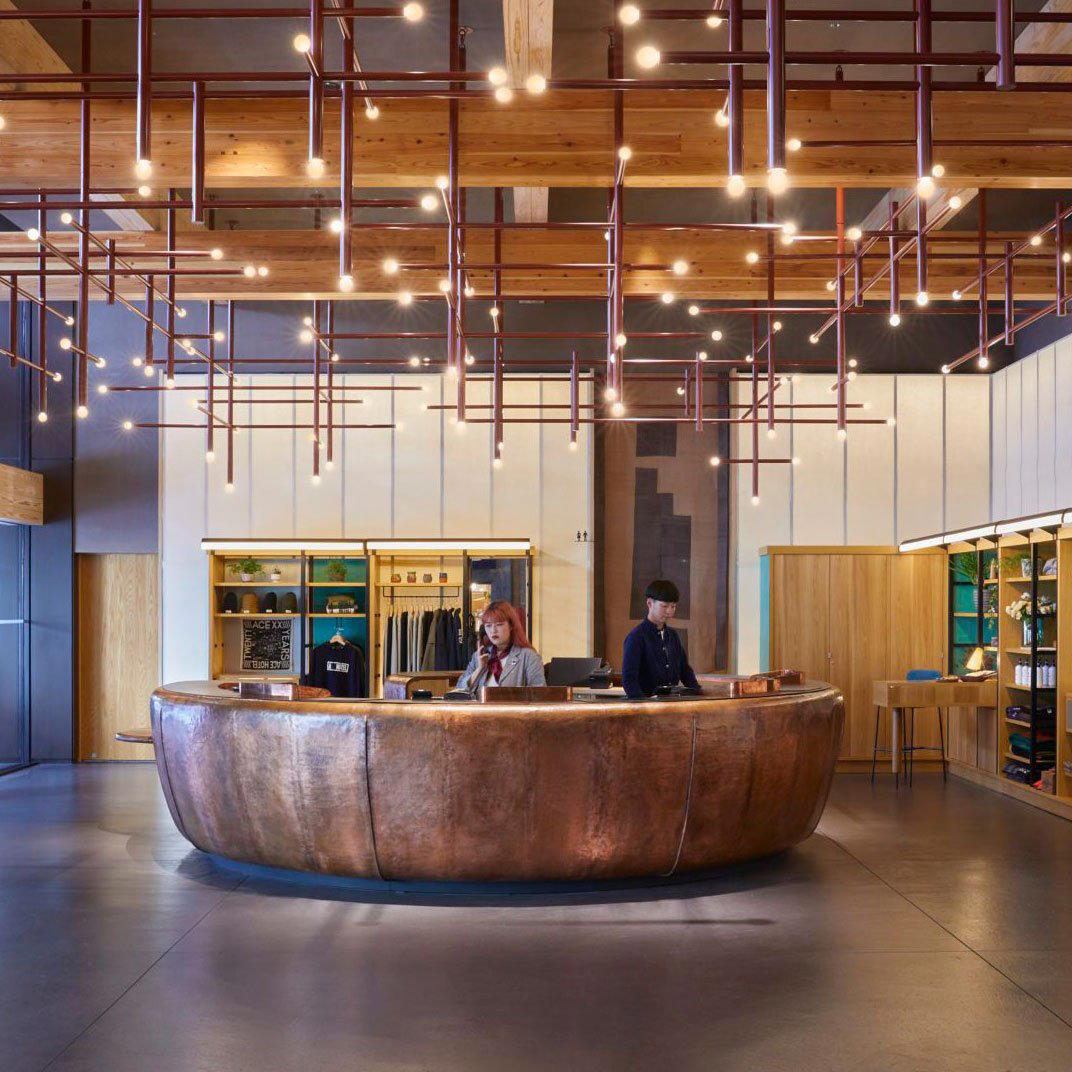
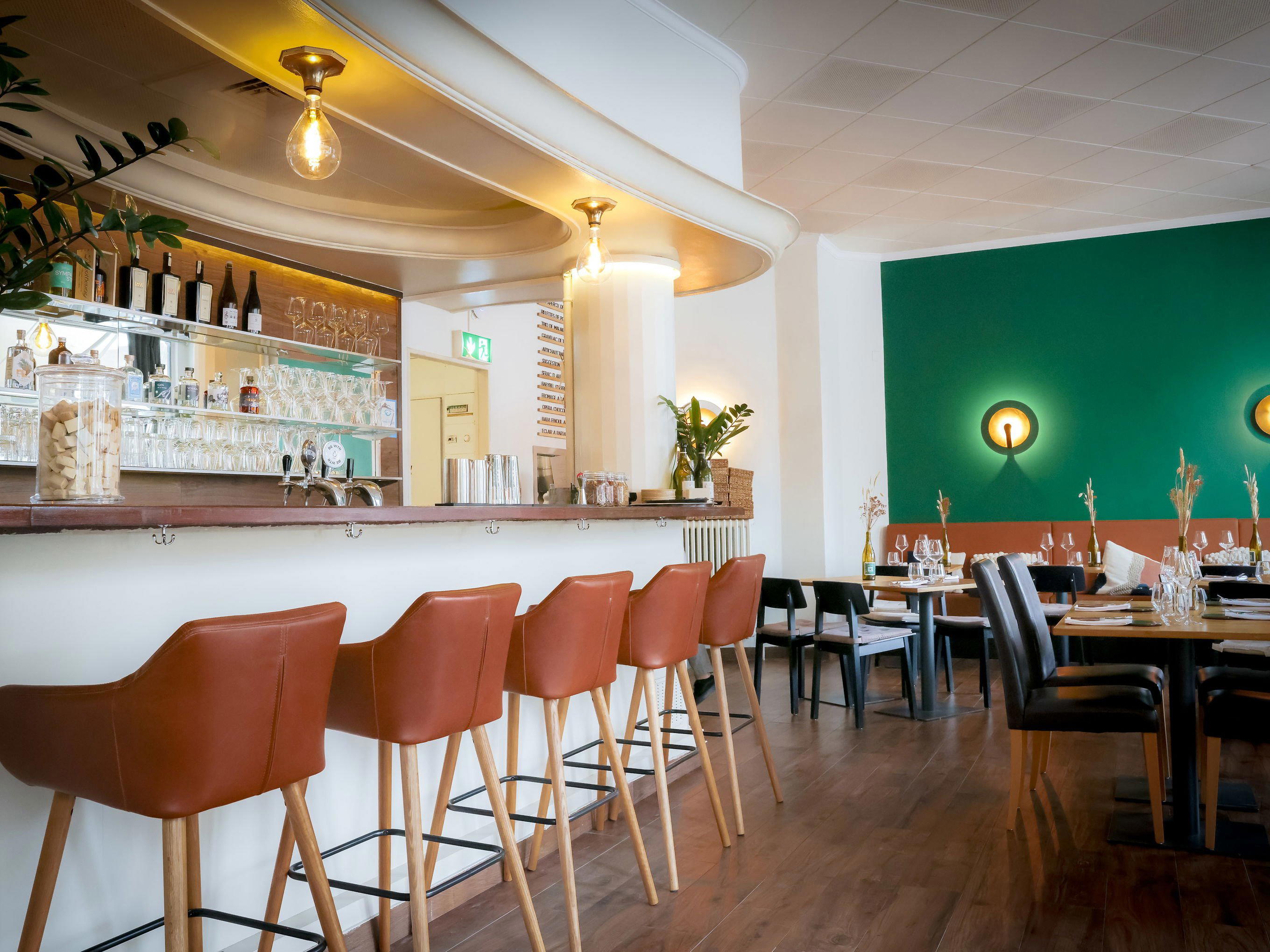
Bars in Kyoto
Browse all →
Hotels in Kyoto
Browse all →
Wineries in Kyoto
Browse all →
At a Glance
- Elegant
- Intimate
- Sophisticated
- Quiet
- Classic
- Special Occasion
- Date Night
- Chefs Counter
- Private Dining
- Historic Building
- Sake Program
Current opening hours
- Monday
- 6–8 PM
- Tuesday
- 6–8 PM
- Wednesday
- 6–8 PM
- Thursday
- 6–8 PM
- Friday
- 6–8 PM
- Saturday
- 6–8 PM
- Sunday
- 6–8 PM
Hours can change for holidays and private events. Last verified .
Serenely lit interiors in traditional wooden architecture with a tranquil, meticulously designed space evoking high-quality relaxation and cultural depth.
Know Before You Go
- Reservations
- Essential
- Dress code
- Smart casual
- Getting there
- 120-1 Fukunagacho, Nakagyo Ward, Kyoto, 604-8084, Japan