Our verdict
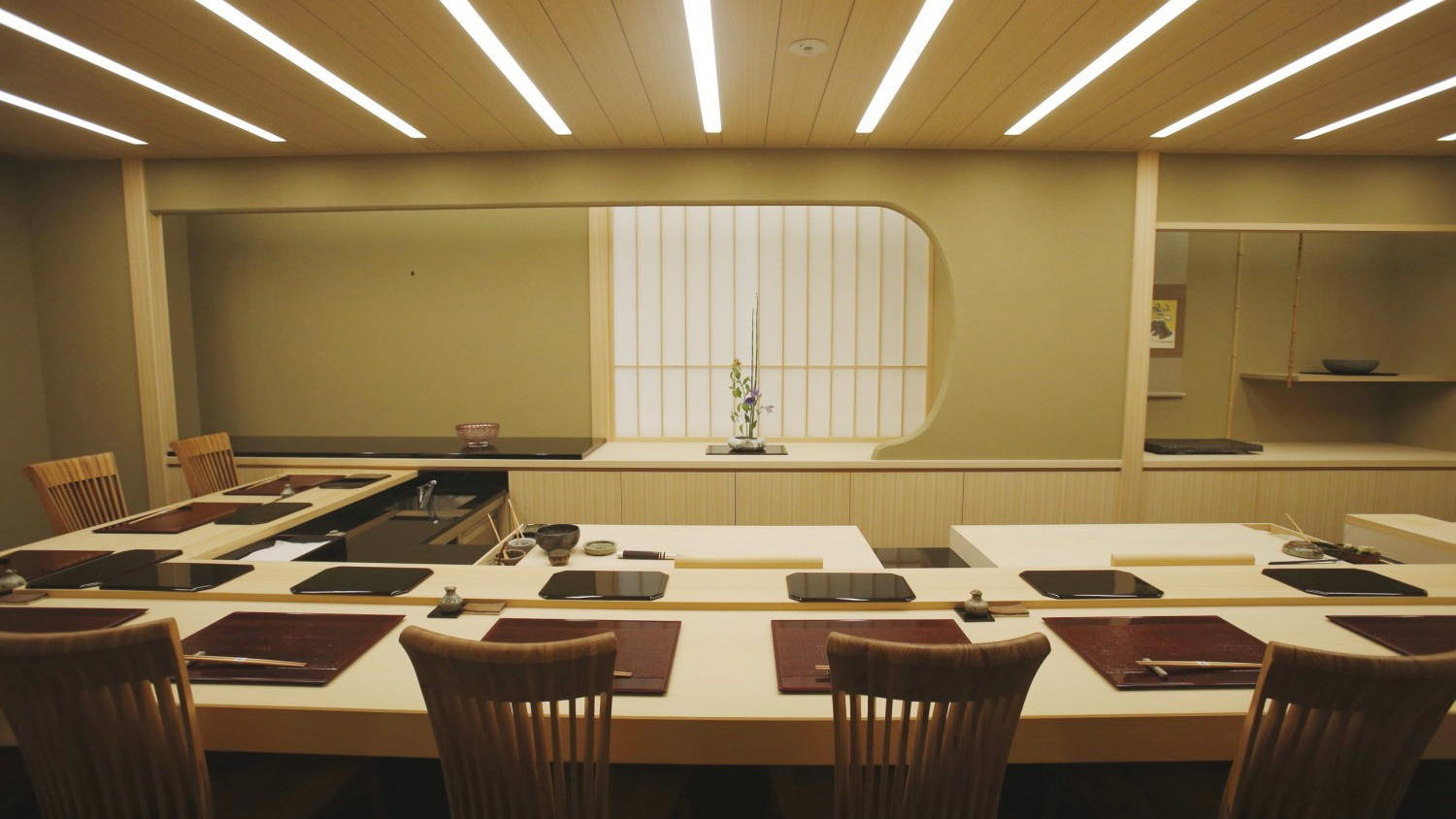
Sushi Saeki Ginza operates from the second floor of a Ginza 6-chome address, running an evening-only omakase format under chef Hiroshi Saeki. Ranked among Japan's top restaurants by Opinionated About Dining in both 2024 and 2025, it sits in the mid-tier of Ginza's competitive sushi corridor, credentialed enough to draw serious attention, intimate enough to remain relatively accessible by the neighbourhood's standards.

Pearl is the En Primeur Club membership app, where members save venues, book tables and use the concierge.
Ginza's Omakase Tier and Where Saeki Sits
Ginza has functioned as Japan's most concentrated address for serious sushi since at least the postwar decades, when the neighbourhood's infrastructure of expense-account dining and proximity to wholesale fish markets made it the natural home for counter culture at its most demanding. That positioning has only intensified over the past twenty years: Michelin recognition, rising ingredient costs, and global appetite for Tokyo omakase have pushed the top tier of Ginza sushi into a bracket defined by multi-month waitlists, five-figure covers, and counter seats measured in single digits. Below that stratum, but meaningfully above casual dining, a second cohort operates, credentialed counters with sustained critical recognition that attract both domestic regulars and well-researched international visitors. Sushi Saeki Ginza belongs to this second cohort.
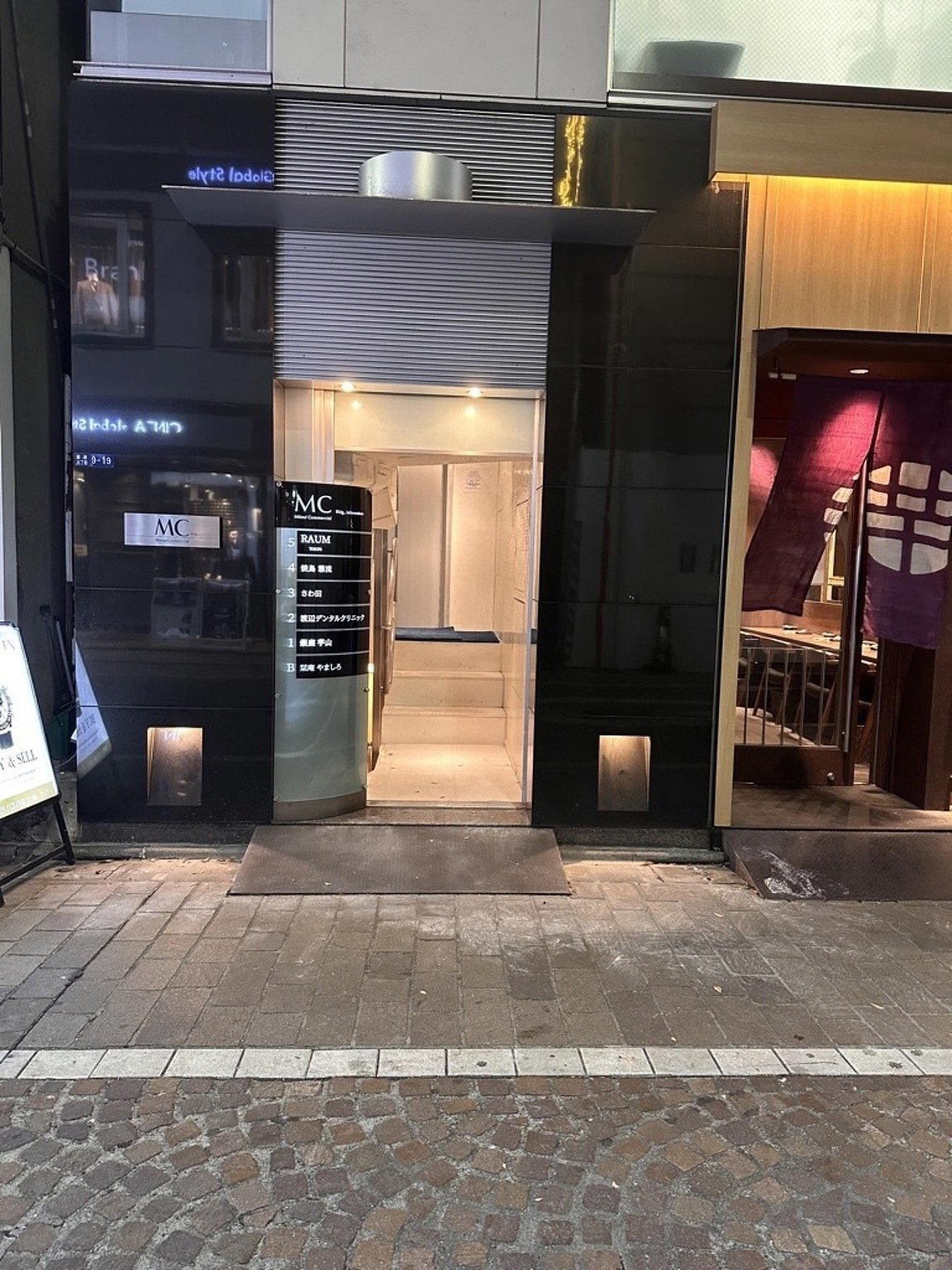
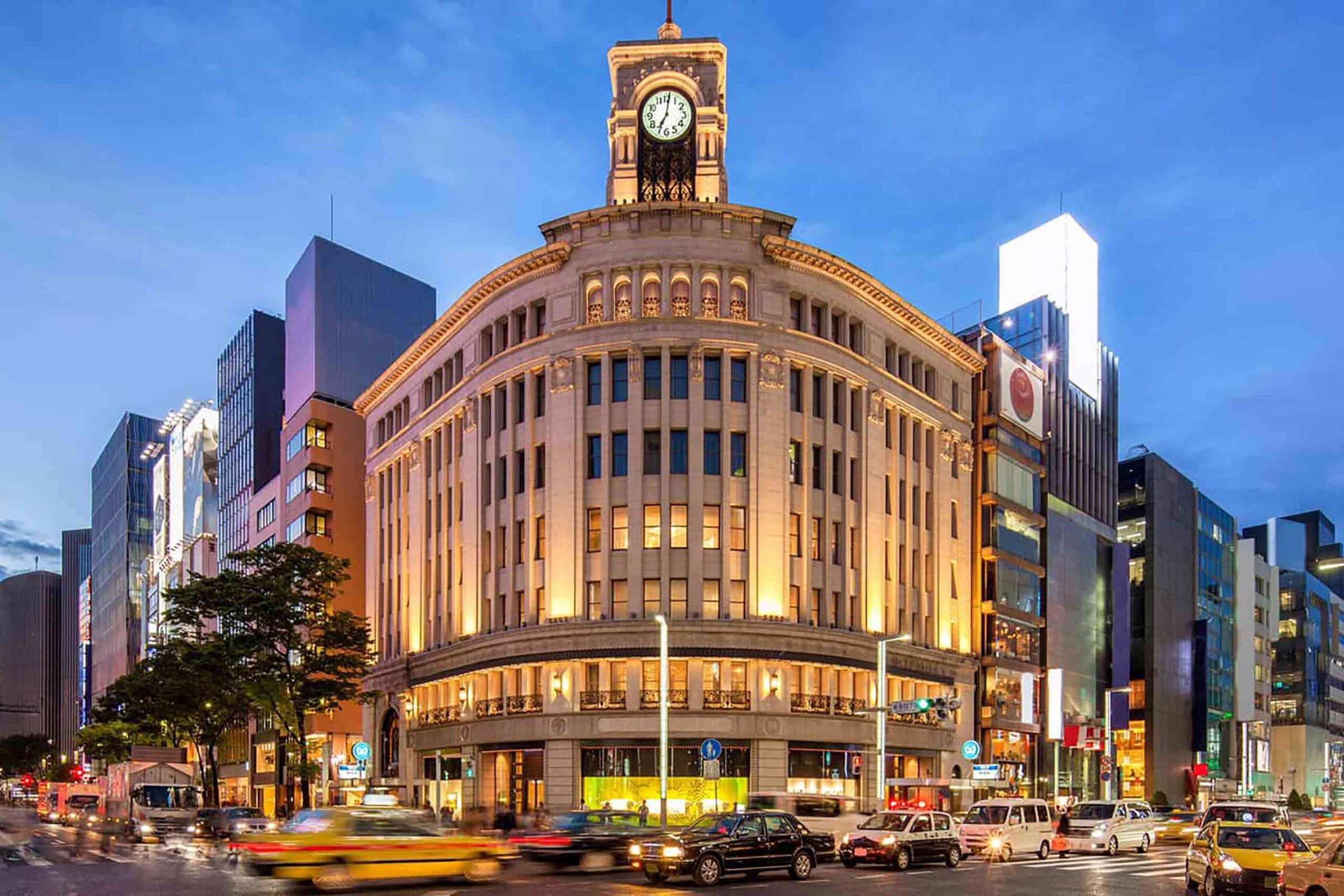
Located on the second floor of La La Grande GINZA in 6-chome, the address places it in the denser western section of Ginza's main grid, within walking range of the counters at Sushi Kanesaka and the evening-only format at Harutaka. Operating six evenings a week, Monday through Saturday, 6 to 10 pm, with Sundays closed, it runs a disciplined dinner-only schedule that is standard for this tier of omakase: no lunch service means full focus on evening mise en place and the freshest possible market sourcing.
Critical Standing: The OAD Record
The most precise measure of Sushi Saeki Ginza's current standing comes from Opinionated About Dining, whose annual Japan ranking aggregates votes from a self-selecting but experienced pool of frequent diners. The counter ranked 413th among Japan's leading restaurants in 2024, then moved to 422nd in 2025. A slight numeric shift of nine positions downward sounds like regression, but within OAD's methodology, where hundreds of restaurants compete for fractional vote differentials, the movement is marginal and the sustained presence in both annual lists matters more than the exact ordinal.
What the consecutive rankings confirm is consistent recognition across two separate voting cycles, from an audience that skews heavily toward repeat, specialist diners rather than first-time visitors. This is the cohort most likely to make meaningful comparisons: people who have also sat at Sukiyabashi Jiro Roppongiten, Edomae Sushi Hanabusa, or Hiroo Ishizaka and are voting from genuine comparative experience.
The Edomae Tradition and What It Demands
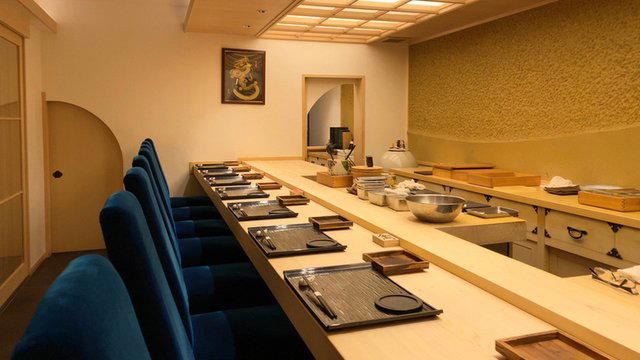
Ginza omakase at this level operates almost entirely within the edomae tradition, the pre-refrigeration preservation techniques developed in Edo-period Tokyo that defined what sushi meant before the California roll and its descendants reshaped global expectations. Vinegar curing, salt treatment, light simmering of shellfish, the precise rest time for aged fish: these are the craft markers that distinguish a technically serious counter from a well-sourced but less disciplined one. Chef Hiroshi Saeki works within this tradition, and the evening-only format is partly a structural expression of its demands. Edomae prep is morning and afternoon labour; the counter itself is where that work is presented.
For a visitor arriving from a market where sushi means cold fish on warm rice, the edomae format can read as austere. For the regular who has eaten through Ginza's competitive set, the opposite is true: the apparent simplicity of the counter conceals a dense technical conversation between what the chef is doing and what the tradition requires. The comparison set, including other Ginza counters operating in the same tier, is ultimately an argument about whose vinegar balance, aging decisions, and rice temperature represent the most coherent expression of this centuries-old form.
Accessing Saeki: What the Format Requires
Evening-only service running six days a week creates a defined booking window. The dinner hours of 6 to 10 pm are standard for this class of omakase, with counters typically running one or two seatings per evening depending on the format. Visitors planning around a Tokyo itinerary should build in lead time and verify access before arrival.
For broader orientation in Tokyo's dining and hospitality scene, EP Club's full Tokyo restaurants guide, hotels guide, bars guide, wineries guide, and experiences guide cover the full range of the city's premium options.
Japan Beyond Tokyo: The Regional Frame
Sushi Saeki Ginza sits within a national critical conversation that extends well past the capital. OAD's Japan ranking, in which the counter appears, covers restaurants from Osaka to Okinawa, a reminder that serious dining in Japan is not a Tokyo monopoly. HAJIME in Osaka and Gion Sasaki in Kyoto represent the western Japan cohort in the same critical ecosystem, while Goh in Fukuoka, akordu in Nara, 1000 in Yokohama, and 6 in Okinawa map the spread of the country's serious restaurant culture.
The Tokyo omakase format has also migrated regionally across Asia, with outposts of the Ginza counter tradition now operating in Hong Kong and Singapore. Sushi Shikon in Hong Kong and Shoukouwa in Singapore both attempt to transplant the technical vocabulary of edomae to markets where sourcing and humidity create very different production conditions. Eating through the Tokyo original counters, including those in Ginza's competitive mid-tier, provides the reference point against which those exports should be measured.
What to Eat at Sushi Saeki Ginza
Sushi Saeki Ginza operates within the edomae omakase format, meaning the menu is set by the chef and changes according to what Tsukiji and Toyosu wholesale markets produce at a given point in the season. There is no à la carte selection. The sequence will follow the structural logic of omakase: lighter preparations early, richer fatty fish and shellfish in the middle, and a closing hand roll or tamago to finish. The practical implication for first-time visitors is that the question of what to eat resolves itself before you sit down, the chef decides, and the season decides before the chef does. Autumn and winter are generally considered peak periods for fatty tuna across Tokyo's counters, while spring and early summer bring the shellfish and lighter white-flesh fish that define a different register of edomae skill. The awards trajectory, OAD recognition in 2024 and 2025, signals that this is a counter where the decisions being made within that seasonal framework are landing consistently with experienced diners.
Quick reference: Sushi Saeki Ginza, 6 Chome-3-18 La La Grande GINZA 2F, Ginza, Chuo City, Tokyo. Open Monday to Saturday, 6–10 pm. Closed Sunday.
Frequently asked questions
Who is the chef or culinary lead at Sushi Saeki Ginza?
The chef associated with Sushi Saeki Ginza is Hiroshi Saeki.
Where do I go for Sushi Saeki Ginza?
Sushi Saeki Ginza is located at Japan, 〒104-0061 Tokyo, Chuo City, Ginza, 6 Chome−3−18 La・La・Grande GINZA 2F, Tokyo.
What should I eat at Sushi Saeki Ginza?
Sushi Saeki Ginza operates on a chef-directed omakase format within the edomae tradition, meaning Hiroshi Saeki sets the sequence and the menu shifts according to seasonal supply from Toyosu and Tsukiji markets. There is no à la carte selection. Ranked #422 in OAD's Japan Top Restaurants for 2025, the counter's reputation rests on that edomae discipline, cured, aged, and marinated fish rather than raw-only preparations, so expect the meal to reflect technique as much as ingredient quality.
How would you describe the cuisine at Sushi Saeki Ginza?
When can I go to Sushi Saeki Ginza?
Hours at Sushi Saeki Ginza: Hours: Monday 6–10 pm Tuesday 6–10 pm Wednesday 6–10 pm Thursday 6–10 pm Friday 6–10 pm Saturday 6–10 pm Sunday Closed.
Has Sushi Saeki Ginza won any awards?
Sushi Saeki Ginza has received recognition including: Opinionated About Dining Top Restaurants in Japan Ranked #422 (2025); Opinionated About Dining Top Restaurants in Japan Ranked #413 (2024).
City Peers
A small set of peers for context, based on recorded venue fields.
| Venue | Cuisine | Price | Awards | Notes |
|---|---|---|---|---|
| Sushi Saeki GinzaThis venue (the venue you are viewing) | Edomae Omakase Sushi | $300–500 | Not listed | Not listed |
| Harutaka | Edo-Style Omakase Sushi | $200–300 | 3 Michelin Stars · World's 50 Best #76 | Sushi |
| RyuGin | Modern Kaiseki | $500+ | 3 Michelin Stars · World's 50 Best #41 | Kaiseki, Japanese |
| L'Effervescence | Modern French with Japanese Influences | $200–300 | 3 Michelin Stars · World's 50 Best #69 | French |
| HOMMAGE | Modern French with Japanese Influences | $150–200 | 2 Michelin Stars · World's 50 Best #78 | Innovtive French, French |
| MAZ | Innovative Peruvian-Japanese Fusion | $150–200 | 2 Michelin Stars · World's 50 Best #28 | Innovative |
Recognition history
Dated appearances from independent guides and award organizations, with the underlying list record or original source where available.
Opinionated About Dining Top Restaurants in Japan Recommended
Opinionated About Dining
Full recognition history (3 entries)
Opinionated About Dining Top Restaurants in Japan Ranked #422
Opinionated About Dining
Opinionated About Dining Top Restaurants in Japan Ranked #413
Opinionated About Dining