
Tokyo sushi at this level is less about abundance than control: rice temperature, knife rhythm, seafood seasonality, and the discipline of a small counter culture. 鮨よしたけ belongs in that serious bracket, with Black Pearl Restaurant Guide 2026 one-diamond recognition placing it among the city’s closely watched dining rooms rather than casual sushi stops.
 Request Booking on Pearl
Pearl is the En Primeur Club membership app — saves, bookings, and concierge access live there. Same editors, same standards.
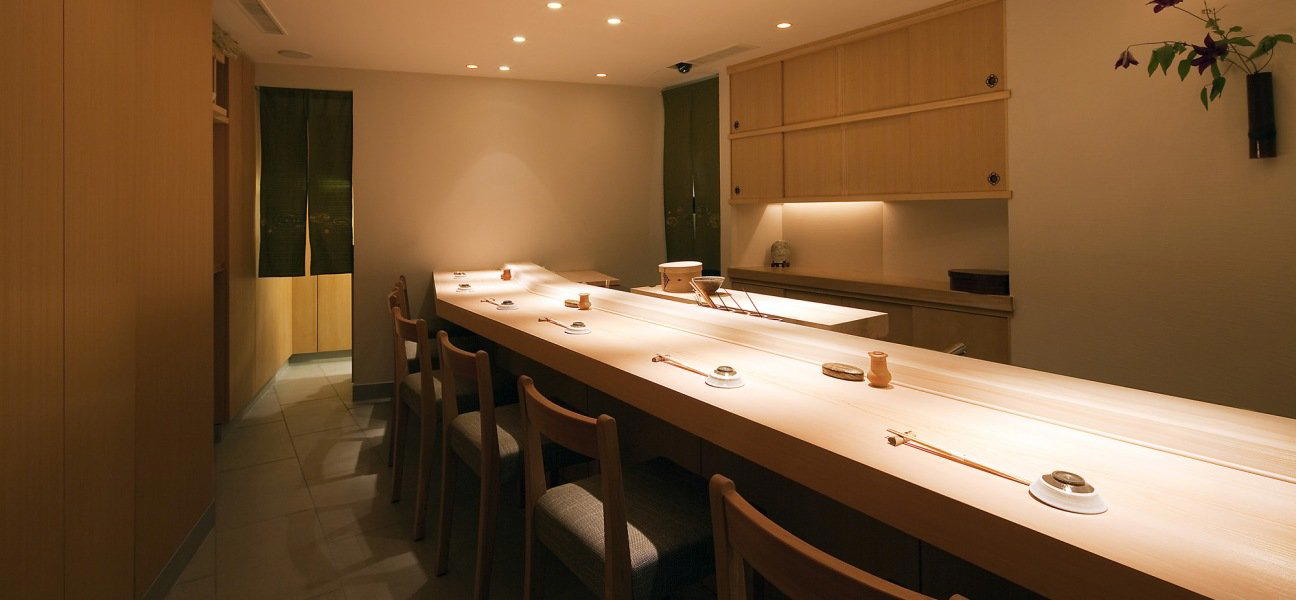
The first signal in a serious Tokyo sushi room is restraint. Conversation drops, the counter becomes the stage, and the meal is measured in small adjustments: the warmth of rice, the cut of fish, the pressure of a hand, the timing between one piece and the next. In a city where sushi can mean anything from station-counter lunch to appointment-only omakase, 鮨よしたけ sits in the formal end of the tradition, where technique is judged in increments rather than spectacle.
Tokyo’s sushi culture has always balanced local product with imported influence. Edo-mae technique grew from preservation, curing, marinating, simmering, and seasoning fish before refrigeration made freshness the default virtue. Modern luxury sushi did not abandon that grammar; it sharpened it. The strongest counters now use global expectations of precision and pacing while staying anchored to Japanese seafood, rice, vinegar, and seasonality. That intersection matters here: the meal is not designed as a display of novelty, but as a reading of product through technique.
Edo-mae discipline in a city that still judges sushi by timing
The upper tier of Tokyo sushi is unforgiving because the format offers little cover. There is no long à la carte menu to distract from uneven rice, no heavy sauce work to flatten seasonal differences, and no theatrical room design that can compensate for weak sequencing. The counter format places pressure on progression: leaner fish, richer cuts, shellfish, cooked preparations, and rice calibration all have to make sense as a single arc.
Recognition from the Black Restaurant Guide 2026, where 鮨よしたけ is listed among one-diamond restaurants, gives the room a clear external trust signal without changing the way it should be read. Awards in Tokyo sushi are useful when they identify consistency inside a crowded field, but they are not the main story. The stronger editorial question is whether a counter belongs to the school of sushi that prizes quiet correction over visible drama. This one does: its category points toward a meal where craft is expected to carry the experience.
Local ingredients and global technique meet most clearly in the way Tokyo’s serious sushi counters treat seasonality. The city’s markets and supply chains give chefs access to a deep range of Japanese seafood, but luxury diners now arrive with international expectations shaped by tasting-menu culture: pacing, portion logic, and a coherent beginning-to-end structure. The result is a form of dining that remains Japanese in grammar while speaking fluently to guests used to Michelin-era precision.
Why the room belongs to Tokyo's quieter luxury tier
Tokyo has plenty of dining rooms built for energy: charcoal smoke, izakaya volume, late-night noodles, department-store basements, and polished hotel counters. Sushi at this level works differently. The pleasure is narrower and more exacting. A diner is paying for concentration, not breadth; for the confidence that each course has been edited before it reaches the counter.
That makes 鮨よしたけ better understood as part of Tokyo’s quiet luxury tier than as a general restaurant recommendation. The right diner is not looking for a lively table, a long wine-led evening, or a menu designed for group compromise. The format rewards attention and patience. In that sense, the experience aligns with the city’s broader high-end craft culture, where the room can feel spare because the value sits in technique rather than decoration.
The absence of public-facing detail around menu structure, pricing, and seating should not push the editorial reading into guesswork. For planning purposes, the safer assumption is that a recognized Tokyo sushi counter requires advance coordination and clear communication around dietary restrictions before arrival. The category is intimate by nature, and substitutions can be harder than in larger kitchens because the progression depends on prepared seafood, seasoned rice, and a tightly controlled sequence.
How to place it within a Tokyo food itinerary
A meal here makes sense when the rest of a Tokyo itinerary gives the palate room to reset. Sushi of this kind is not the ideal follow-up to a heavy lunch or a bar crawl; it benefits from appetite and focus. Build the day around lighter eating beforehand, then use the evening for a counter meal where small details are the point.
For broader city planning, start with Our full Tokyo restaurants guide, then widen the trip through Our full Tokyo hotels guide, Our full Tokyo bars guide, Our full Tokyo wineries guide, and Our full Tokyo experiences guide. Different Tokyo moods call for different rooms:. 鮪と炭火焼き うお炭 秋葉原店, 12/10 Shinjuku ten, 124. KAGURAZAKA (Yakitori), 2D Cafe, and 3 Chome no Curry Ya San point to the city’s range beyond formal sushi. For regional contrast across Japan and beyond, consider -Grilled beef Sukiyaki- KAMAKURA TANUKIAN 鎌倉 たぬき庵 in Kamakura.cafe in Osaka.know in Kumamoto, (Shoku) Vietnam in Kawasaki, [Curry Senmon Ten] Maruyama Kyoju. in Sapporo, [ki:] in Kyoto, Jōdo Saké Bar in Los Angeles, and Onigiri Time in Pasadena.
The editorial case for 鮨よしたけ is precise: choose it when the point of the evening is Tokyo sushi as disciplined craft, not variety for its own sake. The Black one-diamond listing supplies a useful marker, but the deeper reason to care is the format itself: a Japanese counter tradition refined for an international dining era without losing its dependence on product, temperature, rice, and sequence.
Reputation & Price
Comparable venues nearby, for context on price, style, and recognition.
| Venue | Cuisine | Price | Notes |
|---|---|---|---|
| 鮨よしたけThis venue — the venue you are viewing | Ginza, High-End Edomae Sushi Omakase | $$$$ | Not listed |
| 銀座 下鴨茶寮 東のはなれ | Chiyoda, Kyoto Kaiseki Tea House | $$$$ | Not listed |
| Sushi Takehan | Shibuya, Edomae Omakase Sushi | $$$$ | Not listed |
| Sushi TAKAYA | Chūō, Edomae Sushi Omakase | $$$$ | Not listed |
| 分とく山 | Not listed | $$$$ | Minato, Michelin-Starred Seasonal Japanese Kaiseki |
| 鮨処 やまと | Chūō, Traditional Edomae Sushi Omakase | $$$$ | Not listed |
Recognition history
Dated appearances from independent guides and award organizations, with the underlying list record or original source where available.
Black Pearl 1 Diamond
Black Pearl









At a Glance
- Elegant
- Intimate
- Sophisticated
- Classic
- Special Occasion
- Celebration
- Date Night
- Business Dinner
- Solo
- Chefs Counter
- Private Dining
- Design Destination
- Standalone
- Sake Program
- Extensive Wine List
- Beer Program
- Corkage Allowed
- Local Sourcing
- Sustainable Seafood
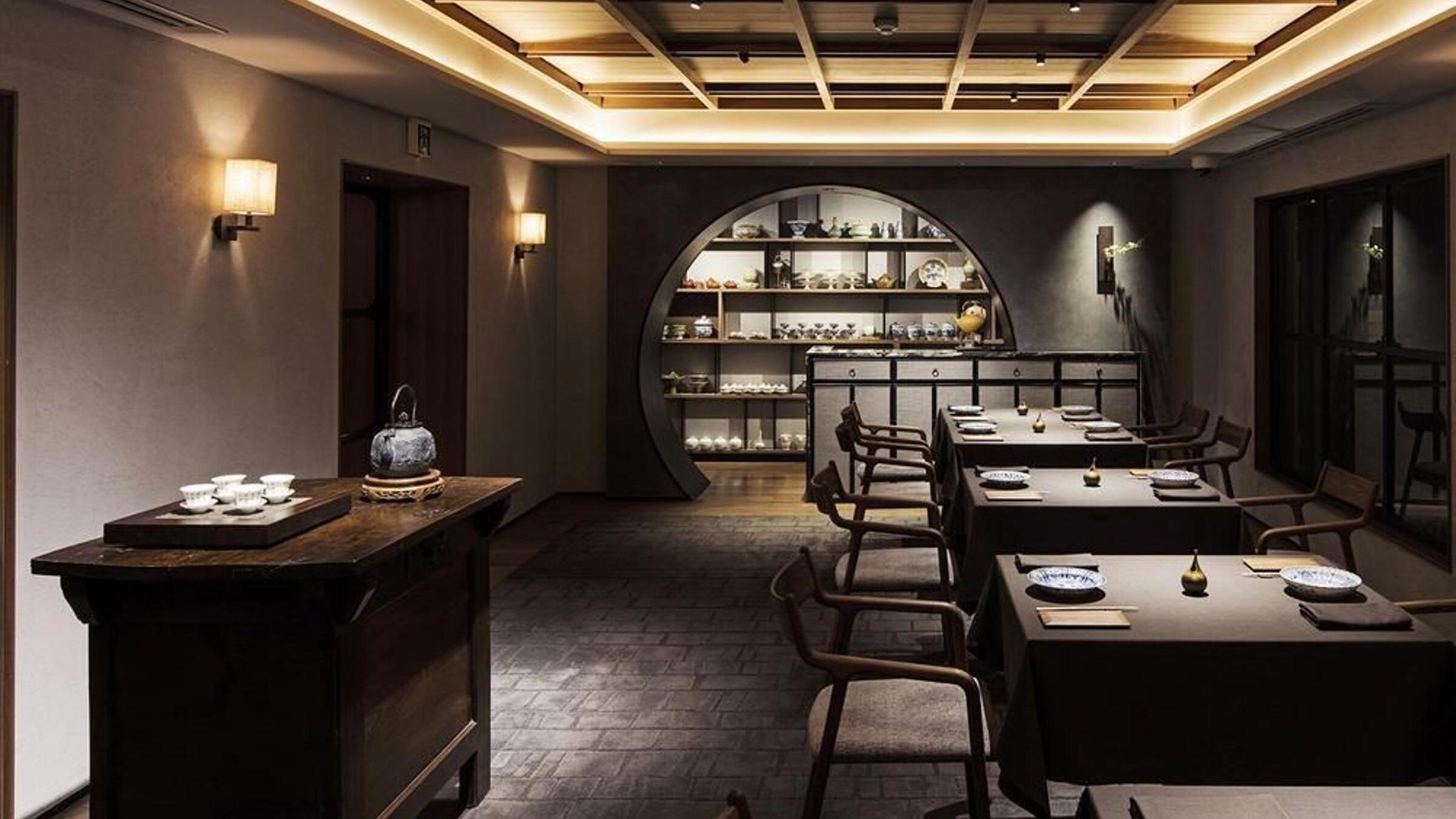
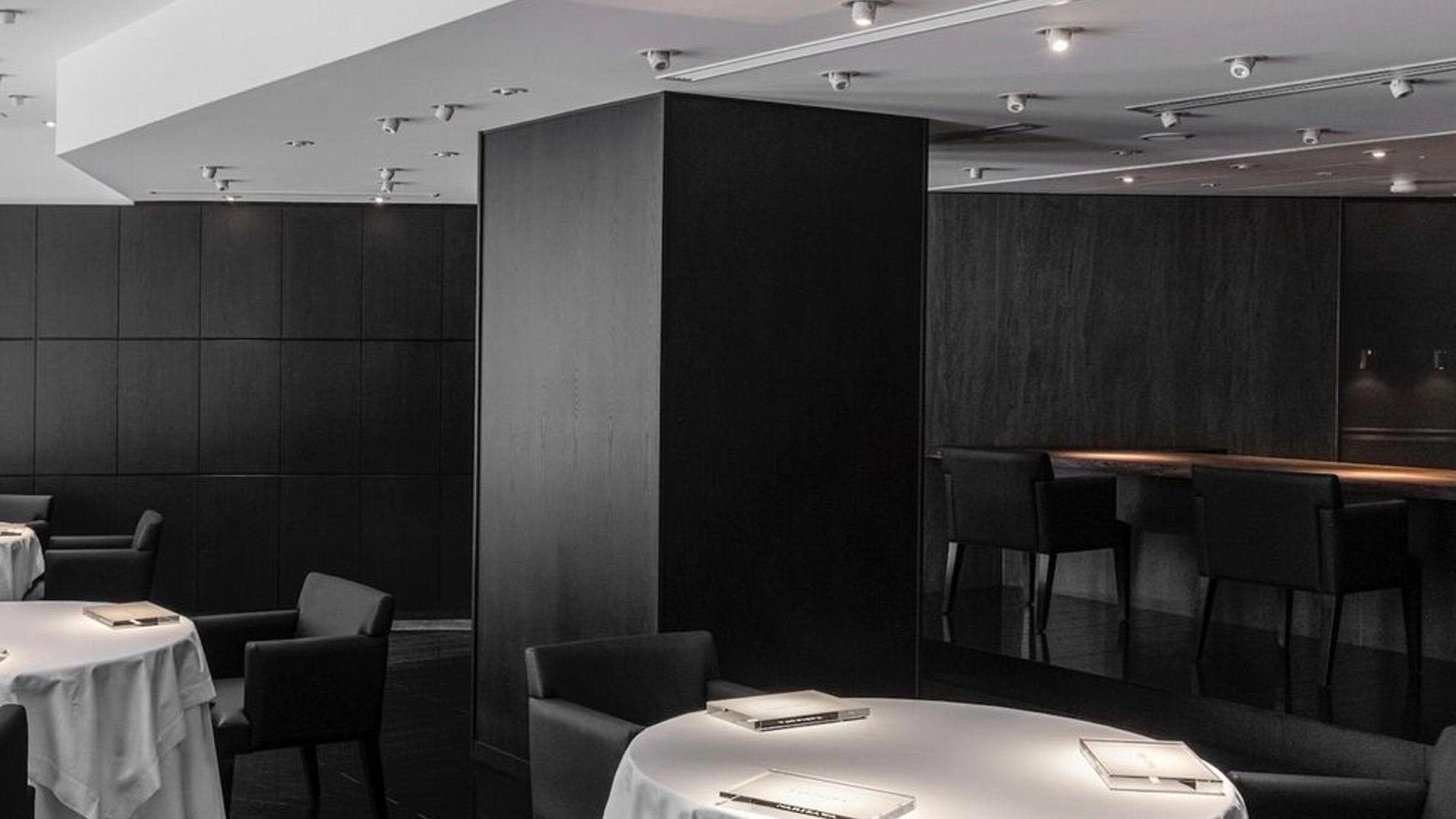
A small, three-star sushi counter with warm, elegant wood craftsmanship, autumnal design details, soft lighting, and a calm, welcoming atmosphere created by the chef and his team, emphasizing refined yet comfortable hospitality.