
Suzume Odori Sohonten belongs to Nagoya’s old-school wagashi circuit rather than its reservation-led dining tier. The draw is a low-friction sweets format in Sakae, with café seating, take-out, and Tabelog 100 recognition for Japanese traditional sweets and sweets cafés in 2023.
Pearl is the En Primeur Club membership app — saves, bookings, and concierge access live there. Same editors, same standards.
- Address
- 愛知県名古屋市中区栄3-27-15
- Phone
- +81522411192
- Website
- suzumeodori.co.jp
 Saves & bookings on Pearl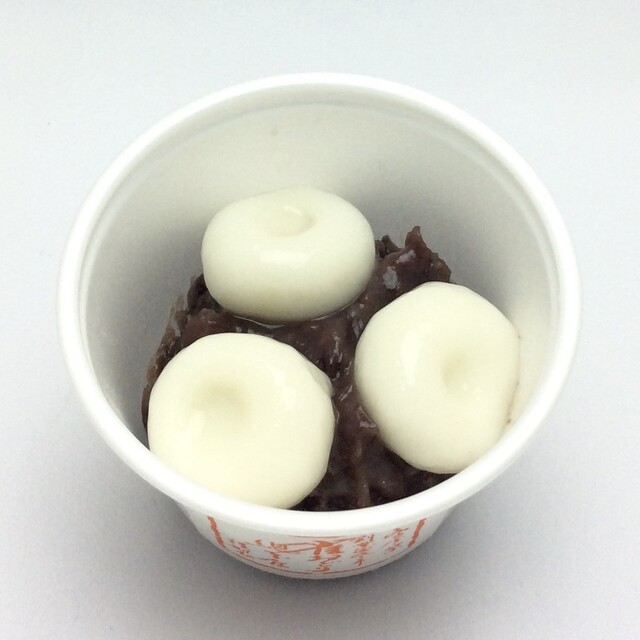
In Sakae, the rhythm changes around the sweets counter. Department-store dining, late lunches, and shopping breaks shape the area’s eating habits, so wagashi here works less like a formal restaurant category and more like a civic pause: tea, shaved ice, anmitsu, uiro, warabi mochi, then back into the city. Suzume Odori Sohonten sits inside that Nagoya pattern, where traditional confectionery is not treated as dessert after a meal but as its own stop.
That distinction matters for planning. Nagoya visitors often build days around hits of regional dining, from eel at Atsuta Houraiken Matsuzakaya ten to higher-spend rooms such as Aroma-fresca Nagoya or Teppan Dining Shuu Sakae ten. A wagashi café operates on a different clock. It is lower-commitment, more useful between errands, and easier to fit around Sakae and Yaba-cho than a full lunch. In the same neighbourhood economy, Solo Pizza Yabaten occupies the inexpensive quick-meal lane, while yaab thai covers casual dinner energy. Traditional sweets occupy the pause between those categories.
Wagashi in Nagoya is a daytime format, not a dessert course
Japanese sweets cafés reward a different kind of appetite from omakase counters or tasting menus. The grammar is built around texture, temperature, and seasonality, but the format remains casual: a table, a bowl or plate, and a short break. Suzume Odori Sohonten’s listed categories, café featuring Japanese sweets, Japanese traditional sweets, and kakigori, place it in that accessible tier rather than in the ceremonial tea-room bracket.
The credibility signal is specific. The shop was selected for Tabelog 100 Japanese traditional sweets and Japanese sweets café EAST in 2023, a list that separates serious confectionery addresses from ordinary café traffic. Its Tabelog score is 3.62, which in this category suggests steady local validation rather than international trophy-chasing. For a traveller, that is useful: the point is not theatre, but a dependable reading of Nagoya’s sweets culture.
Uiro gives the city context. Nagoya has long been associated with the steamed rice-flour confection, and sweets shops here often function as both café and gift stop. That dual role explains why the category travels well through stations and airport retail, while the seated café format gives the same tradition a slower setting. The result is practical rather than precious: wagashi as an everyday purchase, a family stop, or a small edible souvenir.
The useful Sakae stop is the one that does not demand a full itinerary
The booking experience is part of the editorial value here because there is little ceremony to decode. In a city where serious dining can require advance planning, a sweets café with take-out and table service changes the day’s shape. It becomes the stop to place between shopping, museum time, or a later dinner, especially for travellers who want regional food memory without committing to another seated meal.
The room’s scale also matters. With 43 seats across 15 tables, this is not a tiny counter where a missed train ruins the plan. Private rooms and private use are not part of the format, and that keeps expectations aligned: this is a public sweets café, not a special-occasion dining room. Families are explicitly accommodated, which broadens its usefulness for travellers moving through central Nagoya with mixed appetites.
Compared with Nagoya’s higher-budget dining rooms, the advantage is flexibility. A full dinner at a regional eel specialist or a polished Italian room carries a different cost, pace, and booking burden. Wagashi belongs to the daytime city: more modest, more repeatable, and better suited to a short window. That is why Suzume Odori Sohonten is stronger as a planning tool than as a destination to over-script.
How to place it inside a Nagoya food day
Use the café as a bridge rather than the anchor. A strong Nagoya itinerary often benefits from contrast: traditional sweets in Sakae, a regional meal elsewhere, then a bar or hotel plan that keeps the evening clean. For broader mapping, Our full Nagoya restaurants guide gives the dining frame, while Our full Nagoya hotels guide, Our full Nagoya bars guide, Our full Nagoya wineries guide, and Our full Nagoya experiences guide help connect the stop to the rest of the city.
Readers building a Japan sweets-and-casual-dining thread can also compare the broader category through .cafe in Osaka, .know in Kumamoto, Onigiri Time in Pasadena, and Jōdo Saké Bar in Los Angeles. For a wider domestic spread, the contrast with -Grilled beef Sukiyaki- KAMAKURA TANUKIAN 鎌倉 たぬき庵 in Kamakura, . 鮪と炭火焼き うお炭 秋葉原店 in Tokyo, (Shoku) Vietnam in Kawasaki, and [Curry Senmon Ten] Maruyama Kyoju. in Sapporo shows how different Japanese casual formats solve the same travel problem: where to eat well without turning every stop into an event.
Within Nagoya’s own EP Club map, 1022, 451, Aaron, Alan. and All Day Dining Montmartre help triangulate the city’s range beyond regional sweets. The restaurant belongs in that map as the disciplined daytime option: low ceremony, clear local context, and enough recognition to justify choosing it over an anonymous café break.
Cuisine Lens
Comparable venues for orientation by cuisine and category.
| Venue | Cuisine | Price | Notes |
|---|---|---|---|
| Suzume Odori Sohonten | Traditional Japanese Wagashi & Sweet Café | $ | Naka |
| Gokubuto Dakuryu Ramen La Keiko Honten | Thick Rich Ramen Shop | $ | Naka |
| Mendokoro Suwa | Niboshi ramen shop | $ | Atsuta |
| Kokoro ni Amai Anpanya JR nagoya ten | Japanese anpan and sweet bread bakery | $ | Nakamura |
| Taiyo Shokudo | Ramen & fried rice counter | $ | Nakamura |
| Tokugawa Cho Josui Nishiharu ten | Ramen shop specializing in salt ramen | $ | Nishiharu |
Recognition history
Dated appearances from independent guides and award organizations, with the underlying list record or original source where available.
Tabelog 100 #32 · No. 32
Tabelog · Tabelog 100 - Japanese traditional sweets / Japanese sweets cafe - EAST - 2023
Continue exploring
More in Nagoya
Restaurants in Nagoya
Browse all →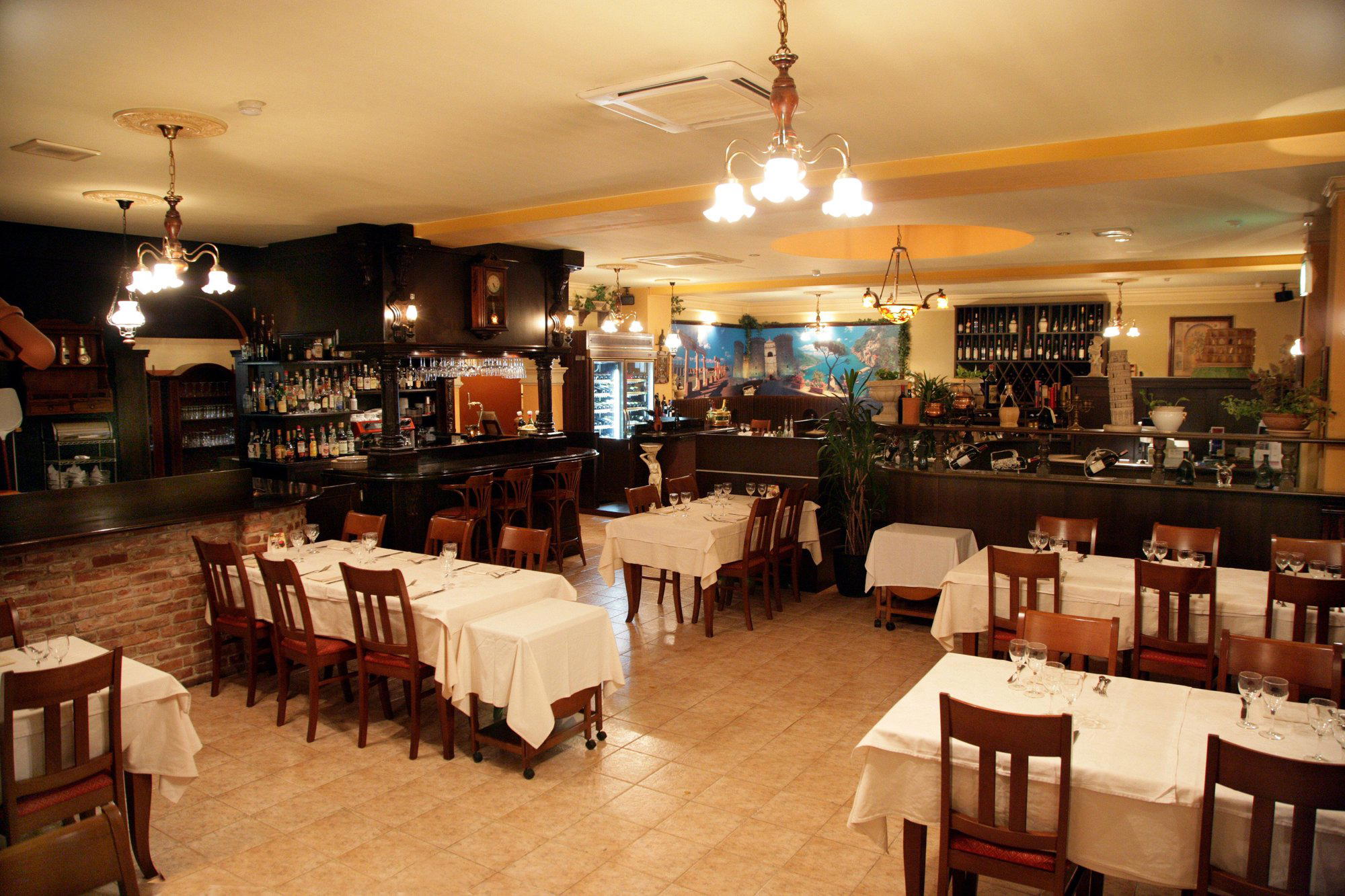

At a Glance
- Classic
- Cozy
- Well Known
- Solo
- Family
- Casual Hangout
- After Work
- Historic Building
- Standalone
- Local Sourcing
- Street Scene
Traditional Japanese sweet café with a classic, low‑key interior where guests slowly enjoy seasonal wagashi and sweets; the atmosphere is calm and nostalgic rather than trendy, fitting its long history in Sakae.