
A compact ramen address in Nagoya’s Shinsakae-machi orbit, Chuka Soba Mugi no Hoshi belongs to the city’s serious everyday noodle tier rather than its expense-account dining circuit. Its 2025 Tabelog 100 Ramen Aichi selection, modest spend band, counter-and-table format, and solo-friendly setup make it a sharp read on how Nagoya treats ramen: precise, accessible, and judged on repetition rather than ceremony.
Pearl is the En Primeur Club membership app — saves, bookings, and concierge access live there. Same editors, same standards.
- Address
- Japan, 〒460-0006 Aichi, Nagoya, Naka Ward, Aoi, 1 Chome−22−14 村上ビル 1階
- Phone
- +81 52-908-1167
- Website
- instagram.com
 Saves & bookings on Pearl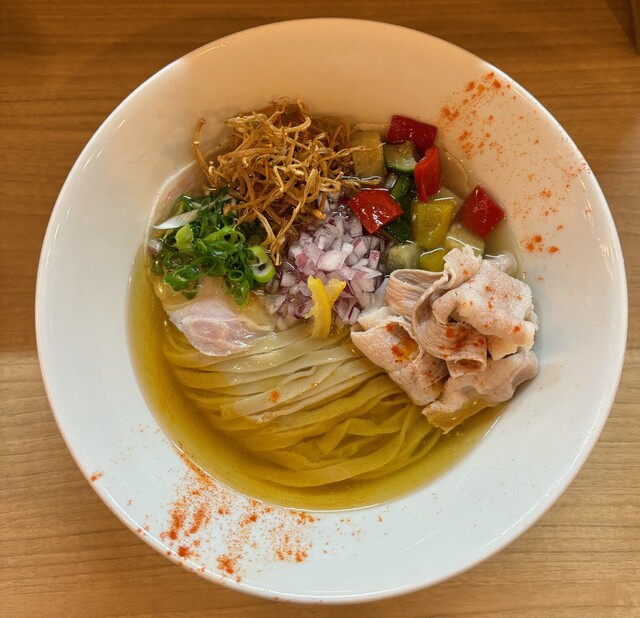
Approaching a ramen shop in central Nagoya is rarely ceremonial. The cues are smaller: a ground-floor frontage, the pause before the door, the shift from street noise to counter rhythm, the scan for seats. In Shinsakae-machi, that compact grammar matters. Nagoya’s noodle culture does not need destination tasting-menu theatricality to signal seriousness; it works through tight rooms, short menus, fast turnover, and customers who know what they came for.
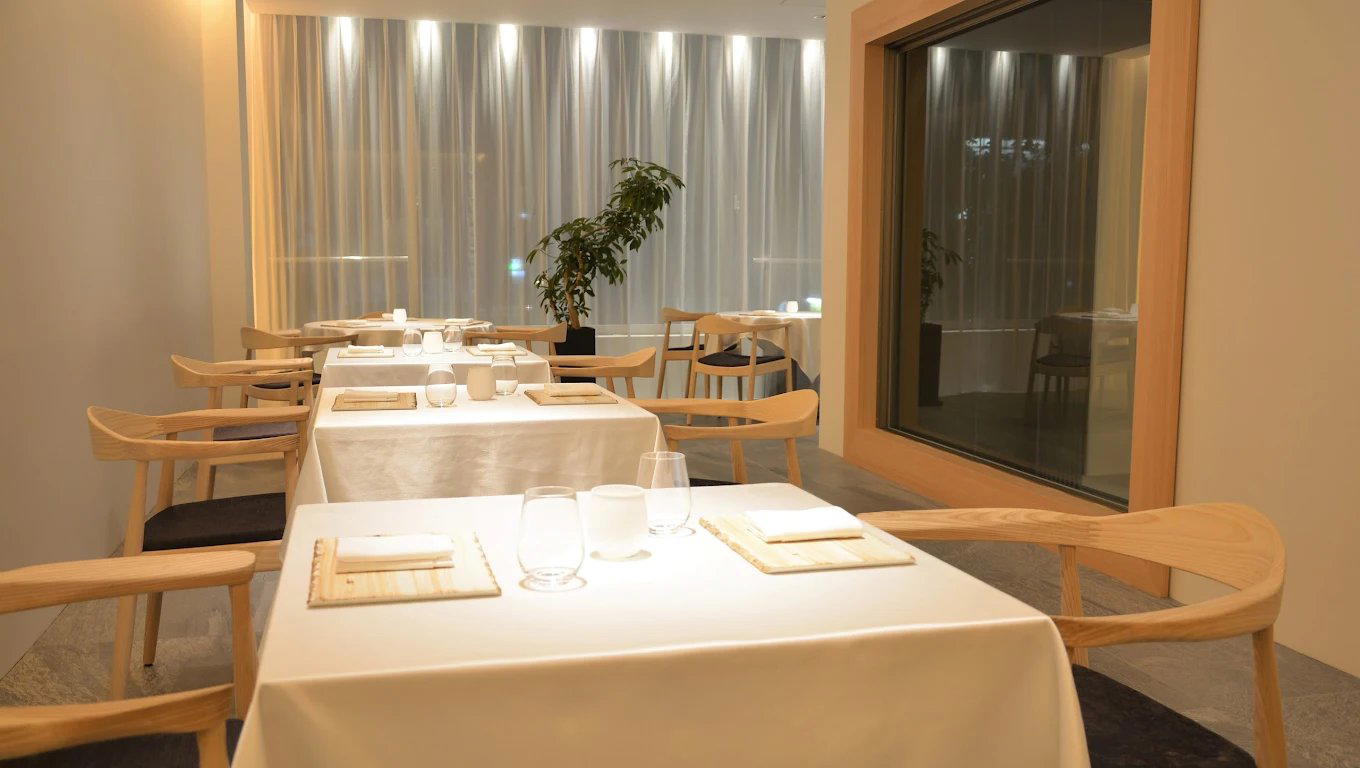
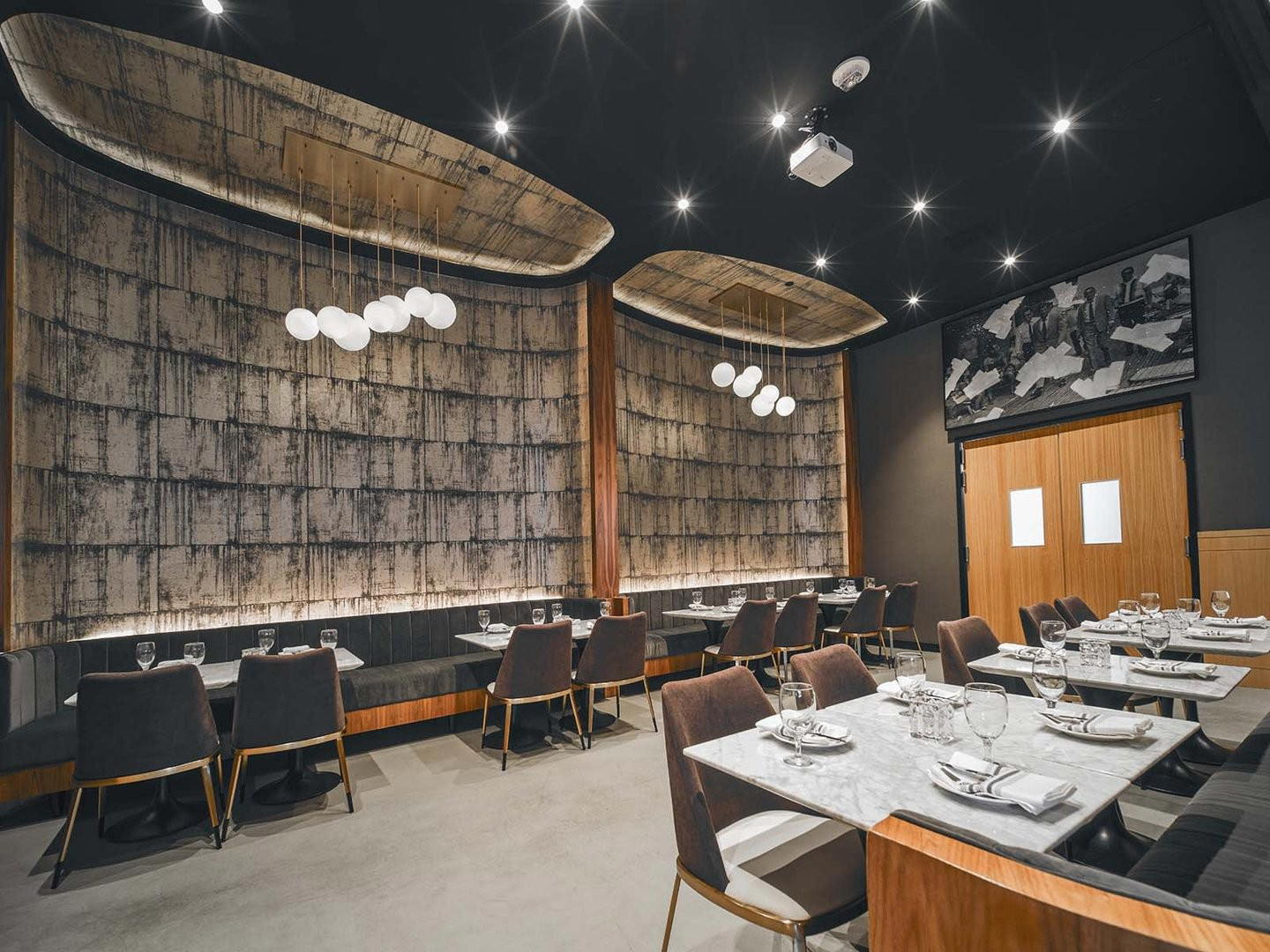
Chuka Soba Mugi no Hoshi fits that register. The room has 20 seats, split between 10 at the counter and 10 at tables, placing it between solo ramen bar and small neighborhood dining room. The format matters because ramen in Japan is partly an acoustics category: kitchen cadence, low conversation, quick movement from order to bowl. It is dining designed for focus, not lingering.
Nagoya ramen judged by repeatability, not ceremony
Nagoya’s restaurant conversation often turns to higher-ticket rooms, from French menus such as French Ryori Kochuten to polished Italian dining at Trattoria Tope, where budgets sit elsewhere. Ramen follows another logic. A bowl has to work on a weekday lunch, after work, alone, with children, or as a low-friction stop between neighborhoods. Lower spend does not lower ambition; it raises the bar on consistency.
The useful signal is the 2025 Tabelog 100 Ramen Aichi selection. Tabelog’s Hyakumeiten lists are not luxury awards in the Michelin sense; they are category filters rewarding places Japanese diners discuss, rate, and revisit within a defined region and genre. For ramen, that is often more relevant than fine-dining vocabulary. It places the shop inside Aichi’s competitive noodle conversation, not just the broader Nagoya restaurant economy.
The listing’s 3.59 score needs local context. On Japanese dining platforms, mid-three scores can mark serious traction, especially in high-volume categories where diners compare fine differences in broth style, noodle texture, toppings, and service pace. The number is not the story alone. The point is that a relatively young ramen shop, opened in 2023, has already entered a regional selection list in a city with deep noodle habits.
The appeal of a small room with two kinds of diners
Counter-table split is more than a floor-plan note. Counter seats suit solo diners who want the direct ramen rhythm: sit, order, eat, leave. Tables widen the audience to pairs and families without turning the meal into a drawn-out occasion. That duality is common in serious ramen shops that want to remain part of daily life rather than become rarefied destinations.
For visitors, this is where Nagoya gets interesting. The city’s dining range is not only expensive omakase-style precision or formal French technique; it also includes places where the critical measure is whether a bowl works at lunch and dinner across repeated service. Kurumi, 吉い, アリーニュ, and other local names may occupy different price bands and formats, but ramen asks a simpler question: does the shop deliver enough clarity and comfort to earn return traffic from diners with many nearby alternatives?
That is why the no-smoking policy, family-friendly designation, and solo-friendly reputation matter. These details shape the atmosphere as much as design language. Ramen shops can feel closed to outsiders when the rhythm is too coded; this one reads as accessible without abandoning the genre’s compact discipline. The absence of private rooms and private-use formatting keeps the emphasis where ramen belongs: public, quick, shared by proximity rather than occasion.
How to place it within a Nagoya food day
The smartest use of this ramen address is as a hinge in the day, not the whole itinerary. Shinsakae-machi sits within the central Nagoya orbit, and station proximity makes it easy to fold into a broader plan without turning lunch into a production. That matters in a city where eating well often means moving between formats: a precise ramen bowl, a café stop, a bar later, then a more formal dinner if the night calls for it.
The payment setup preserves old ramen-shop discipline: no credit cards, no electronic money, no QR code payments. That is not nostalgia; it is operational clarity. Carry cash and the meal stays frictionless. Parking is not attached to the shop, with coin parking nearby, another reminder that rail access is cleaner for visitors working through central Nagoya.
Readers building a wider Nagoya circuit should cross-check the city by category rather than prestige alone. Start with Our full Nagoya restaurants guide, then map the evening through Our full Nagoya bars guide or stay planning through Our full Nagoya hotels guide. Longer itineraries can branch into Our full Nagoya experiences guide and Our full Nagoya wineries guide. For nearby restaurant browsing, compare Nagoya listings such as 1022, 451, Aaron, Alan., and All Day Dining Montmartre.
Across Japan and beyond, the same editorial rule applies: small formats deserve the same scrutiny as expensive rooms. That is why a Nagoya ramen stop can sit in the same planning universe as -Grilled beef Sukiyaki- KAMAKURA TANUKIAN 鎌倉 たぬき庵 in Kamakura. 鮪と炭火焼き うお炭 秋葉原店 in Tokyo.cafe in Osaka.know in Kumamoto, (Shoku) Vietnam in Kawasaki, [Curry Senmon Ten] Maruyama Kyoju. in Sapporo, Jōdo Saké Bar in Los Angeles, and Onigiri Time in Pasadena. The thread is not price or formality; it is whether the format is clear enough to reward a detour.
Chuka Soba Mugi no Hoshi is strongest as a reading of Nagoya’s serious everyday dining culture. It is not trying to compete with the city’s higher-spend tasting-menu rooms, and judging it that way misses the category. The better measure is sharper: a small, accessible ramen shop with regional recognition, concise seating, and the daily usability that makes noodle culture in Japan more than a quick meal.
Fast Comparison
Comparable venues by cuisine and price in the same metro.
| Venue | Cuisine | Price | Notes |
|---|---|---|---|
| Chuka Soba Mugi no HoshiThis venue — the venue you are viewing | Traditional Japanese ramen (chuka soba) | $ | Not listed |
| Nakamura So | Traditional Takayama ramen (chuka soba) | $ | Naka |
| Raa Men Sora | Ramen shop | $ | Tenpaku |
| Chuka Soba Paikaro | Traditional Fukuyama-style ramen shop | $ | Chikusa |
| Oosu Bakery | Japanese Bakery Café | $ | Naka |
| Noko Chuka Soba Sato | Rich tamari shoyu ramen | $ | Naka |
Recognition history
Dated appearances from independent guides and award organizations, with the underlying list record or original source where available.
Tabelog 100 #29 · No. 29
Tabelog · Tabelog 100 - Ramen - AICHI - 2025
Continue exploring
More in Nagoya
Restaurants in Nagoya
Browse all →
At a Glance
- Modern
- Cozy
- Trendy
- Solo
- After Work
- Casual Hangout
- Standalone
Current opening hours
- Monday
- 11 AM–4 PM, 5:30–10 PM
- Tuesday
- 11 AM–4 PM, 5:30–10 PM
- Wednesday
- Closed
- Thursday
- 11 AM–4 PM, 5:30–10 PM
- Friday
- 11 AM–4 PM, 5:30–10 PM
- Saturday
- 11 AM–10 PM
- Sunday
- 11 AM–10 PM
Hours can change for holidays and private events. Last verified .
Reviews describe a small but stylish, modern ramen shop with clean lines and a calm, cozy atmosphere that feels refined yet casual, more focused on quietly savoring bowls at the counter than on loud group gatherings.