
Nagoya’s wagashi cafe culture is often quieter than its restaurant scene, but the serious rooms are easy to read: small counters, restrained service, and sweets treated with the cadence of tea rather than dessert. Wagashi Karyo ocobo belongs to that compact end of the city’s dining map, with Tabelog 100 recognition in 2023 and a counter-led format in Kakuozan.
Pearl is the En Primeur Club membership app — saves, bookings, and concierge access live there. Same editors, same standards.
- Address
- ツインビービル, 1F, 1 Chome-8 Kangetsucho, Chikusa Ward, Nagoya, Aichi 464-0831, Japan
- Phone
- +81 52-753-5789
- Website
- instagram.com
 Saves & bookings on Pearl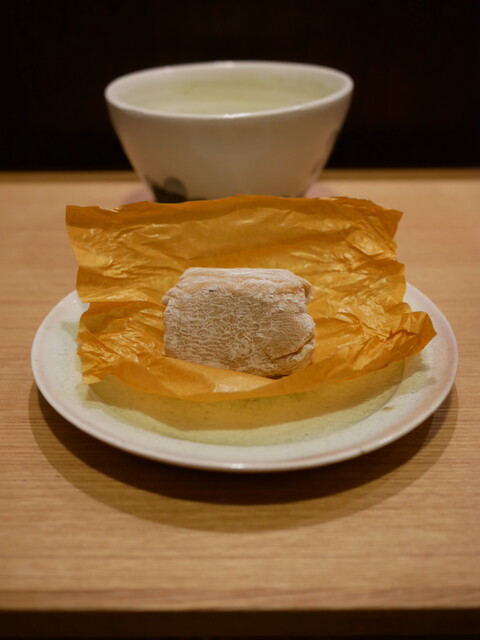
Approaching a serious wagashi counter in Nagoya feels different from walking into a patisserie or dessert cafe. The room asks for slower attention: a compact footprint, counter seating, and a rhythm closer to tea service than restaurant dining. In Kakuozan, an area with temple traffic, residential calm, and a strong cafe habit, Wagashi Karyo ocobo fits the city’s quieter grammar of sweets, where the physical container matters as much as the confection itself.
Nagoya’s dining reputation is often built around miso, kishimen, hitsumabushi, and coffee-shop culture, but wagashi sits in a more precise register. It rewards seasonality, portion control, and texture rather than abundance. That makes the room unusually important. A ten-seat counter changes the exchange: sweets are not simply purchased and carried away, they are placed into a short sequence of attention. The format also separates this kind of address from high-volume cafe chains and department-store counters, where speed and display cases dominate the experience.
A ten-seat counter turns wagashi into a focused city ritual
The counter format is the editorial point here. In a small sweets room, the distance between maker, service, and guest compresses; the guest reads timing, preparation, and pacing at close range. That intimacy is common in sushi and kappo, but less expected by travelers seeking Japanese sweets, who often encounter wagashi as a retail object. Kakuozan’s version of the genre is more architectural: the seat is part of the tasting frame.
Recognition by Tabelog’s Japanese traditional sweets and Japanese sweets cafe EAST 100 in 2023 places Wagashi Karyo ocobo within a documented regional field rather than the general dessert category. That matters because wagashi is not judged by the same cues as Western pastry. Sweetness, moisture, bean texture, tea compatibility, and seasonal reference carry more weight than size or visual excess. The Tabelog score of 3.61 adds another signal: this is a specialist address with enough local attention to register beyond neighborhood convenience.
Within Nagoya, the comparison set is broad. Baika Do and Kakuozan Kichi Imo Honten sit in the same accessible sweets price band, while tbz Kakuouzan honten moves into a slightly higher everyday cafe bracket. CORK operates in another tier altogether, with meal pricing that belongs to a different dining decision. Against that spread, the appeal here is not luxury theater. It is scale, discipline, and the way a compact room can make a low-ticket wagashi stop feel deliberate.
Kakuozan gives the sweets room its proper setting
Kakuozan is a useful base for understanding the place. The neighborhood has enough destination pull to bring visitors across town, but it has not been flattened into a single dining strip. Its cafes and small restaurants tend to operate at street level, woven into residential blocks and station-side movement. For wagashi, that setting works: traditional sweets are often strongest when they remain connected to errands, tea breaks, gifts, and seasonal observance rather than staged as a grand occasion.
The dining room’s small scale also shapes who should choose it. Solo diners and pairs are the natural fit; large groups belong elsewhere. Counter-only seating rewards guests who are content with quiet focus rather than long table conversation. The no-smoking policy and children-welcome note make it more flexible than the hush might suggest, though the format still favors guests who can sit within the cadence of a small room.
Cash planning matters in this category because traditional sweets shops and small cafes in Japan often operate with narrow payment systems. Here, cards, electronic money, and QR payments are not part of the setup. Parking is not attached to the shop, with coin parking available nearby, which is typical of compact neighborhood addresses in Nagoya rather than a defect. The more relevant logistical point is timing: dine-in service is a narrower window than takeaway, and Monday and Tuesday are takeaway-only days. That difference changes the experience completely.
How to place it inside a Nagoya itinerary
This is not the Nagoya stop for visitors trying to cover the city’s large-format meals in one day. It works better as a calibrated pause between Kakuozan walking, temple visits, shopping, or cafe-hopping. The average spend sits in the low wagashi bracket, so the decision is less about budget and more about whether the traveler wants a seated sweets experience rather than a quick purchase.
For broader planning, Our full Nagoya restaurants guide is the right starting point for meals around the city, while Our full Nagoya hotels guide, Our full Nagoya bars guide, Our full Nagoya wineries guide, and Our full Nagoya experiences guide help place a Kakuozan sweets stop into a wider stay. Nearby city listings such as 1022, 451, Aaron, Alan., and All Day Dining Montmartre show how varied the city’s restaurant map becomes once wagashi is treated as one part of the day rather than dessert after dinner.
Travelers comparing Japanese specialist formats beyond Nagoya can also read across -Grilled beef Sukiyaki- KAMAKURA TANUKIAN 鎌倉 たぬき庵 in Kamakura. 鮪と炭火焼き うお炭 秋葉原店 in Tokyo.cafe in Osaka.know in Kumamoto, (Shoku) Vietnam in Kawasaki, [Curry Senmon Ten] Maruyama Kyoju. in Sapporo, Jōdo Saké Bar in Los Angeles, and Onigiri Time in Pasadena. The shared lesson is format: counter, cafe, bar, and takeaway each tell the guest how to behave before the first order is placed.
Wagashi Karyo ocobo is most persuasive when read through that lens. The draw is not spectacle or breadth. It is a small room in a neighborhood where Japanese sweets can be experienced with the same attention usually reserved for a chef’s counter, without turning the stop into a formal meal.
Peers Worth Knowing
Side-by-side context: comparable cuisine and price.
| Venue | Cuisine | Price | Notes |
|---|---|---|---|
| Wagashi Karyo ocoboThis venue — the venue you are viewing | Japanese Wagashi Cafe | $ | Not listed |
| Niboshi Ramen 88 Honten | Niboshi (dried sardine) ramen shop | $ | Nakamura |
| Tokugawa Cho Josui Nishiharu ten | Ramen shop specializing in salt ramen | $ | Nishiharu |
| Mensou Nanaya | Creative Ramen & Tsukemen | $ | Not listed |
| Sapporo Ramen Ezo Men Rock Shinsakae ten | Sapporo-style Ramen | $ | Naka |
| Udon Nishiki | Nagoya curry udon & wheat noodles counter | $ | Naka |
Recognition history
Dated appearances from independent guides and award organizations, with the underlying list record or original source where available.
Tabelog 100 #61 · No. 61
Tabelog · Tabelog 100 - Japanese traditional sweets / Japanese sweets cafe - EAST - 2023
Continue exploring
More in Nagoya
Restaurants in Nagoya
Browse all →
At a Glance
- Cozy
- Classic
- Solo
- Casual Hangout
- Standalone
- Design Destination
Current opening hours
- Monday
- 10 AM–5 PM
- Tuesday
- 10 AM–5 PM
- Wednesday
- Closed
- Thursday
- 10 AM–5 PM
- Friday
- 10 AM–5 PM
- Saturday
- 10 AM–5 PM
- Sunday
- 10 AM–5 PM
Hours can change for holidays and private events. Last verified .
Refined and intimate, with a counter-centered, artisanal atmosphere.