Heiligenkreuzerkeller
Heiligenkreuzerkeller serves Traditional Austrian food in a historic building, with dinner, an extensive wine list, and a quiet, leisurely pace that suits a slower evening.
Pearl is the En Primeur Club membership app — saves, bookings, and concierge access live there. Same editors, same standards.
- Address
- Bergkeller 23, 7092 Winden am See, Austria
- Phone
- +436763481280
- Website
- heiligenkreuzerkeller.at
- Directions
- Get directions
 Saves & bookings on Pearl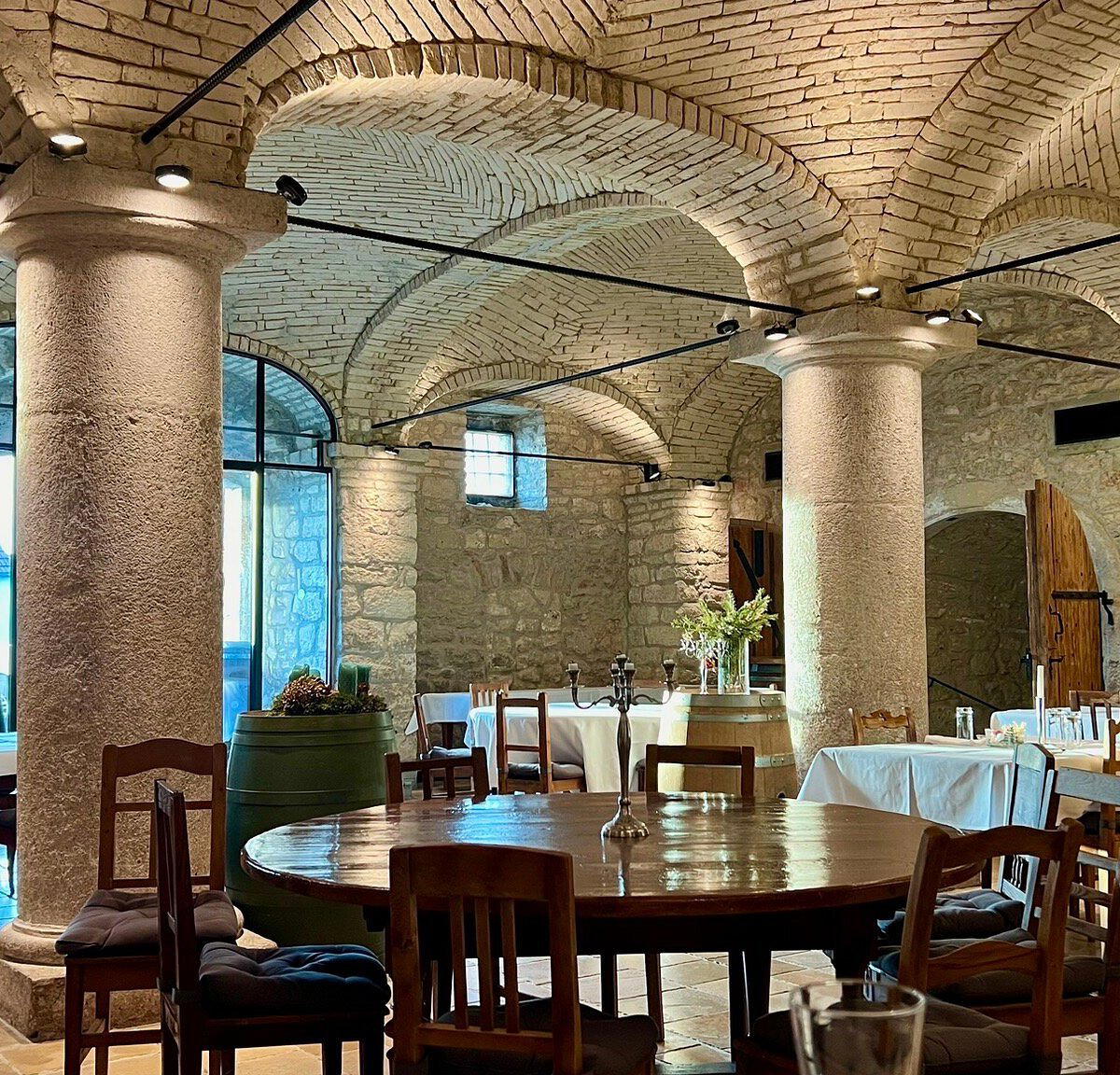
Stone, Cellar, and the Burgenland Table
Winden am See sits on the western shore of Lake Neusiedl, a stretch of Burgenland where the flatlands of the Pannonian plain meet some of Austria's most characterful wine country. The villages here are small and unhurried, and the restaurants that earn local loyalty tend to operate on a similar register: ingredient-led, seasonal by necessity rather than fashion, and rooted in the agricultural rhythms of a region that has been growing, fermenting, and preserving food for centuries. Heiligenkreuzerkeller is a Traditional Austrian restaurant in Winden am See, Austria, at Bergkeller 23. It operates from within that tradition. The word Keller alone signals something about the setting before you arrive: these are not dining rooms that reach for spectacle. They work from the ground down.
What a Cellar Setting Tells You About the Food
Across Austria, the Keller format carries particular meaning. Whether carved into hillside vineyards or built beneath old market towns, these spaces were designed for preservation long before they were designed for hospitality. Temperature stays consistent, light is low, and the architecture insists on a certain patience. Restaurants that have inherited or adapted these spaces tend to reflect the same values in how they cook: long preparations, produce that has been properly stored and aged, and a respect for the time that flavour requires. That context matters when you consider what kind of meal Heiligenkreuzerkeller is likely to offer. The Burgenland region around Winden am See produces some of Austria's most respected wines, particularly from the Neusiedlersee DAC designation, and the cellars of this area have historically served as the connecting tissue between viticulture and the table.
For broader context on how Austrian regional restaurants have been positioning ingredient sourcing at the centre of their identity, the work being done at Taubenkobel in Schützen am Gebirge, is instructive. Taubenkobel has made the Burgenland landscape's produce central to its menu logic for years. Similarly, Landhaus Bacher in Mautern an der Donau demonstrates how a classically-grounded Austrian kitchen can sustain relevance by anchoring its offer in regional supply chains. These comparisons are useful because they describe the tier and tradition within which a Winden am See cellar restaurant operates, even before you know the specific menu.
Burgenland as a Sourcing Region
The agricultural case for this part of Austria is easier to make than most. Lake Neusiedl and the surrounding wetlands create a microclimate that is warmer and drier than much of Central Europe, which historically allowed farmers here to grow produce associated with regions further south: peppers, tomatoes, stone fruits, and a wider variety of herbs than you find in the Alpine kitchens further west. Burgenland's wine output, centred on varieties like Blaufränkisch, Zweigelt, and the luscious sweet wines of Rust, means there is also a natural relationship between what is grown and what is poured. A restaurant working in this environment has access to a supply network that most European regions would find difficult to replicate.
This is precisely why the Keller format in Burgenland carries more credibility than similar-sounding venues in cities where the rustic aesthetic is imposed rather than inherited. The provenance argument here is geographic and historical, not merely a menu design choice. Comparable thought about sourcing philosophy, albeit in different regional contexts, is visible in venues like Kräuterreich by Vitus Winkler in Sankt Veit im Pongau, where herb cultivation is tied directly to the kitchen's output, and Ois in Neufelden, which has built its reputation around Upper Austrian regional produce.
Placing Heiligenkreuzerkeller in the Austrian Restaurant Conversation
Austria's restaurant scene occupies a more varied position than its international profile might suggest. At the leading end, places like Steirereck im Stadtpark in Vienna and Döllerer in Golling an der Salzach have demonstrated that Austrian cooking can compete on any international benchmark, drawing on regional ingredients with technical sophistication that references but does not defer to French or Italian models. Beneath that tier, a second layer of restaurants operates with less fanfare but comparable seriousness about produce and place: destination-worthy without being destination-priced, and often embedded in communities rather than positioned as separate from them.
Winden am See is a village, not a city, and the dining habits it sustains reflect that. The question worth asking about any restaurant in this position is whether it reads as genuinely local, connected to the supply chains and seasonal rhythms of where it sits, or whether it imports an aesthetic without the substance. A cellar address in Burgenland wine country suggests the former is at least the intention. For those willing to travel for food in Austria's regions, the pattern is consistent: places like Obauer in Werfen, Atelier Fischer in Sankt Gilgen, and Artis in Graz have shown that regional commitment, when executed with discipline, produces restaurants worth significant detours. Heiligenkreuzerkeller occupies the same general geography of intent, even if its specific offer requires on-the-ground verification.
Planning a Visit
Winden am See is accessible from Vienna in under an hour by car, placing it within the range of a comfortable day trip or a longer Burgenland loop that might also include the wine villages around Rust or Mörbisch. Given the village scale, advance contact with the restaurant before visiting is advisable; cellar restaurants in Burgenland often operate on a seasonal schedule or with limited opening days, particularly in the quieter months between November and March when the lake region sees fewer visitors. Lake Neusiedl itself draws visitors for cycling and birdwatching through spring and summer, which tends to be when the surrounding restaurants are most reliably open. Arriving in the late afternoon, when the light over the lake flattens into the wide Pannonian horizon, is worth timing if the route allows.
Comparable Spots, Quickly
Comparable venues nearby, for context on price, style, and recognition.
| Venue | Cuisine | Price | Notes |
|---|---|---|---|
| HeiligenkreuzerkellerThis venue — the venue you are viewing | Traditional Austrian | $$$ | Not listed |
| Restaurant Thomas | Traditional Austrian Winery Cuisine | $$$ | Tattendorf |
| Oswald & Kalb | Traditional Viennese | $$$ | Innere Stadt |
| Casino Restaurant Baden | Austrian Fine Dining | $$$ | Centre |
| Knappenstöckl | Traditional Austrian Regional | $$$ | Schloss Halbturn |
| Claus Curn | Innovative Austrian | $$$ | Adamstal |
Continue exploring
More in Winden Am See
Restaurants in Winden Am See
Browse all →
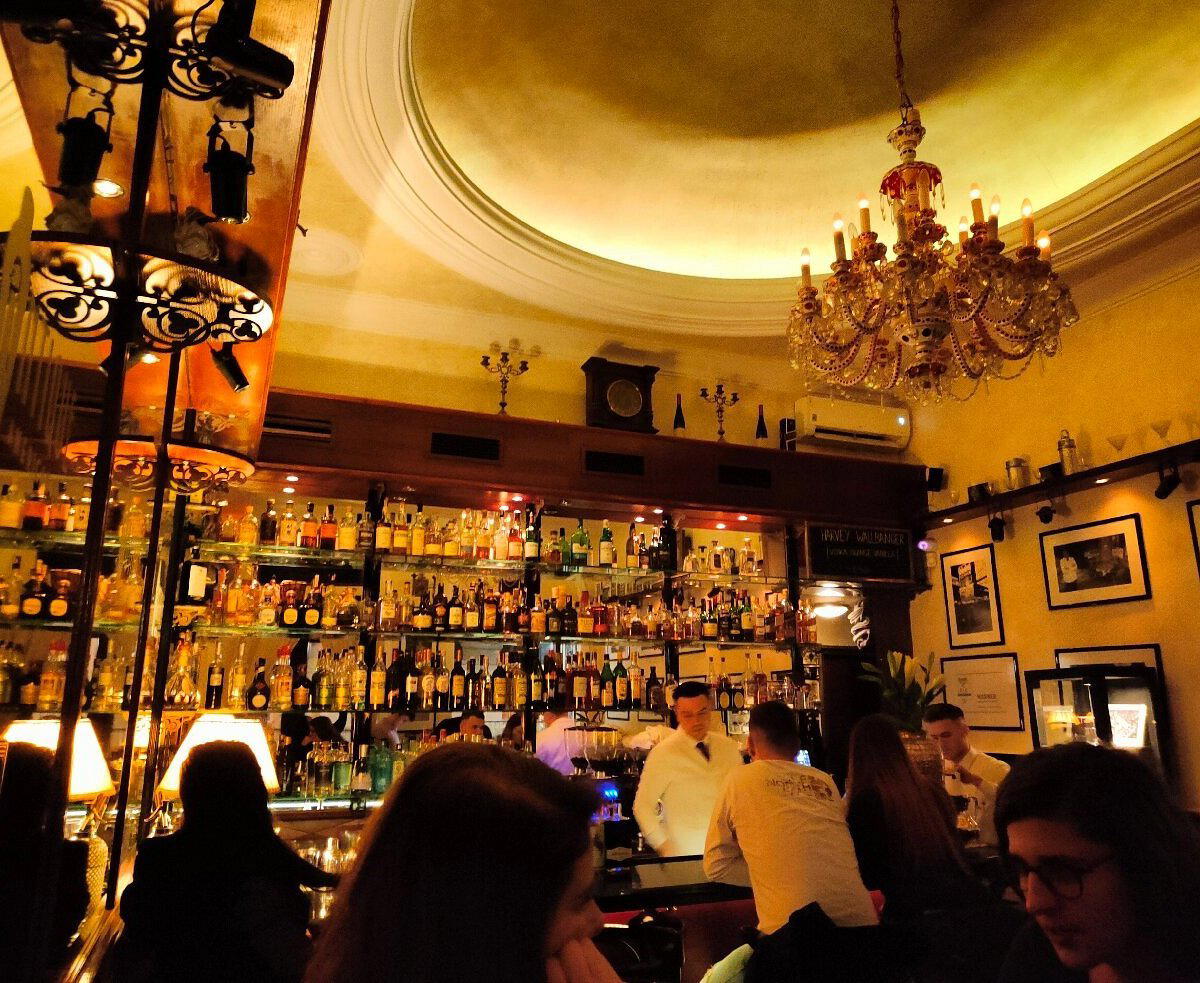
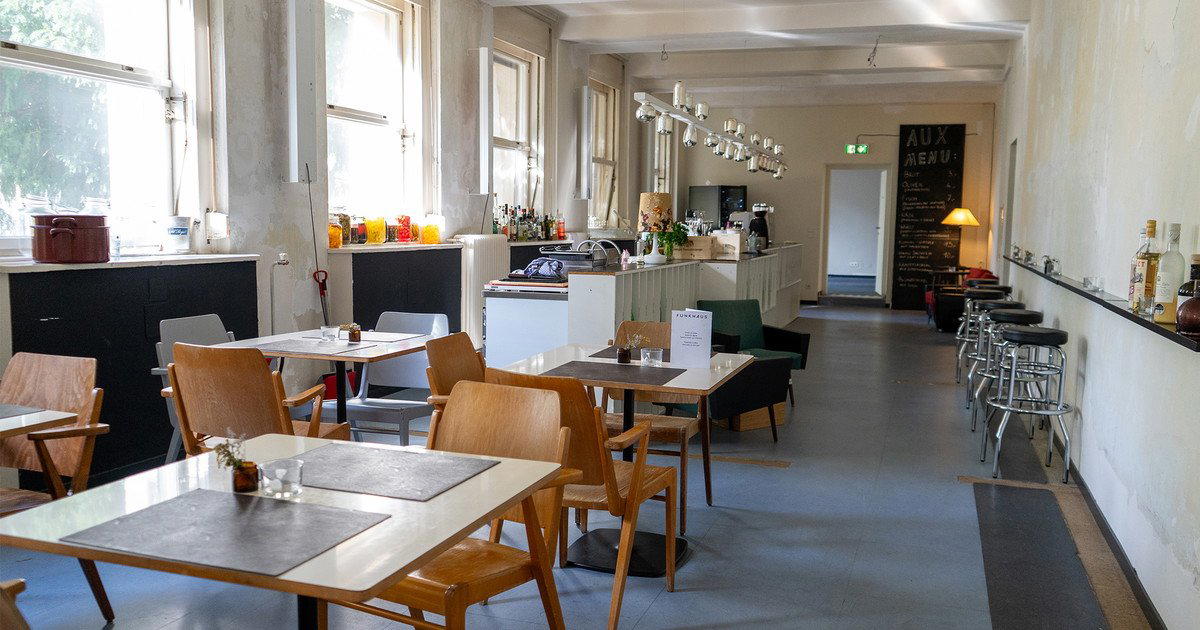
Bars in Winden Am See
Browse all →

Hotels in Winden Am See
Browse all →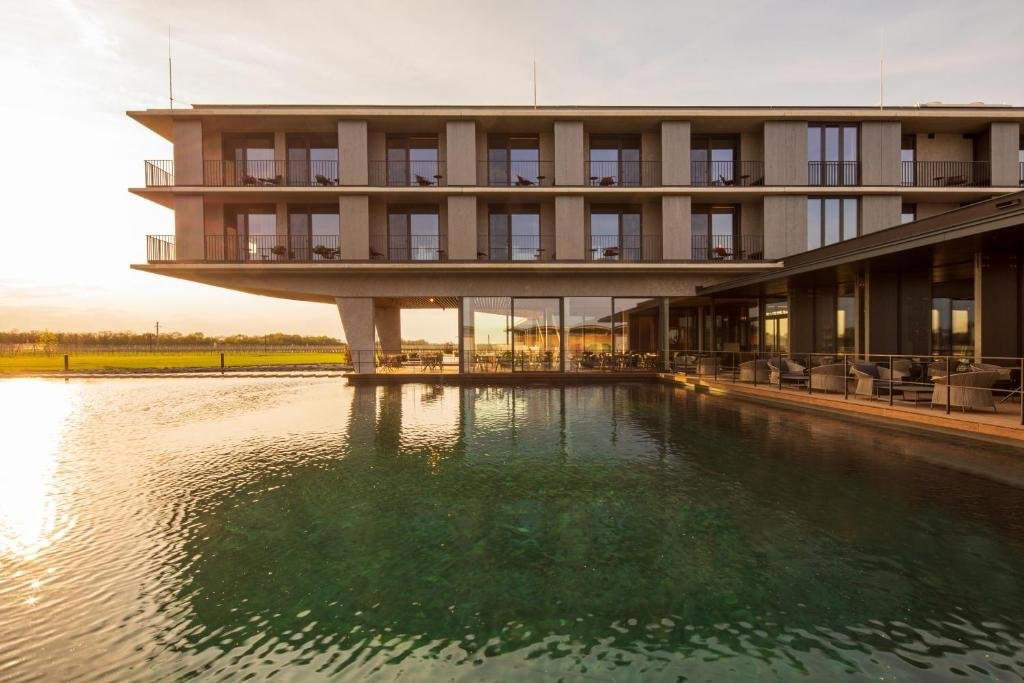

At a Glance
- Cozy
- Rustic
- Classic
- Special Occasion
- Date Night
- Historic Building
- Extensive Wine List
Current opening hours
- Monday
- 11:30 AM–9 PM
- Tuesday
- 11:30 AM–9 PM
- Wednesday
- Closed
- Thursday
- Closed
- Friday
- 11:30 AM–10 PM
- Saturday
- 11:30 AM–10 PM
- Sunday
- 11:30 AM–9 PM
Hours can change for holidays and private events. Last verified .
Cozy atmosphere with accurate and friendly service in a real traditional location.