Schloss Kapfenstein
A castle restaurant in the volcanic hills of Styria's southernmost wine country, Schloss Kapfenstein sits where the kitchen and the surrounding farmland operate at close range. The Winkler family has run this estate for generations, producing their own wine and drawing ingredients from the immediate agricultural surroundings. For Austrian regional dining anchored to a specific, identifiable place, Kapfenstein offers a compelling case.
Pearl is the En Primeur Club membership app — saves, bookings, and concierge access live there. Same editors, same standards.
- Address
- Kapfenstein 1, 8353 Kapfenstein, Austria
- Phone
- +43315730030
- Website
- schloss-kapfenstein.at
- Directions
- Get directions
 Saves & bookings on Pearl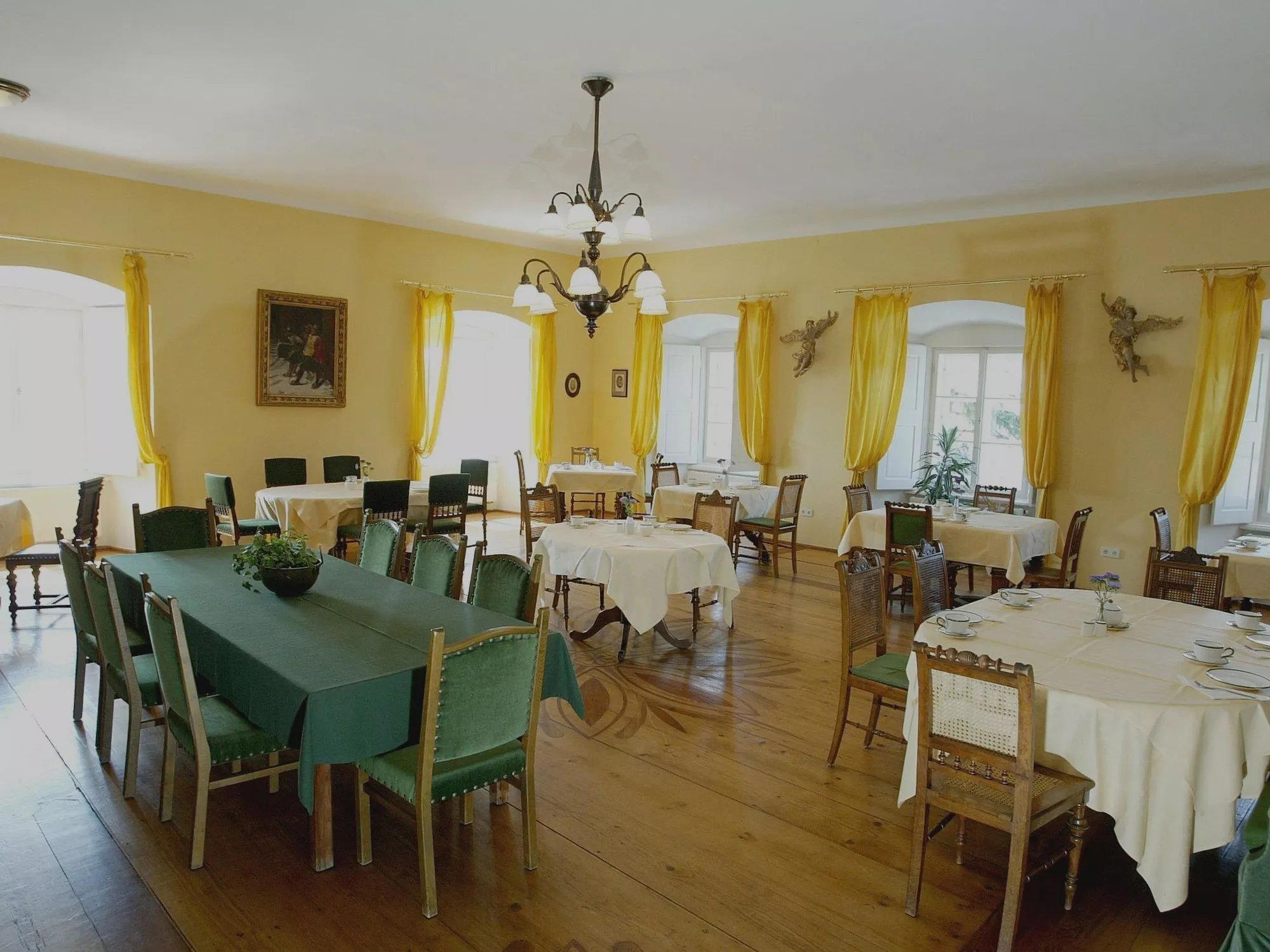
Where the Volcanic Hills Meet the Kitchen
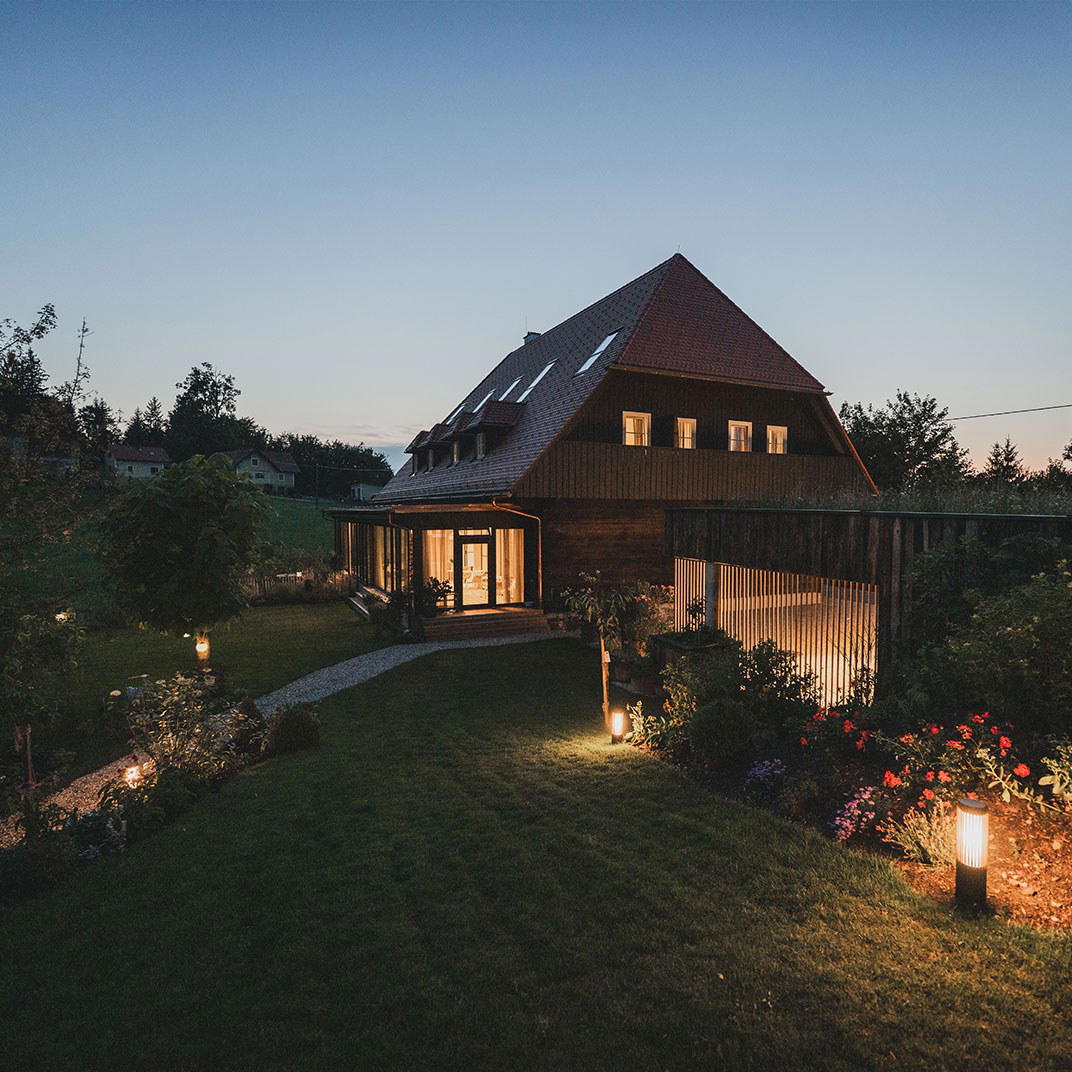
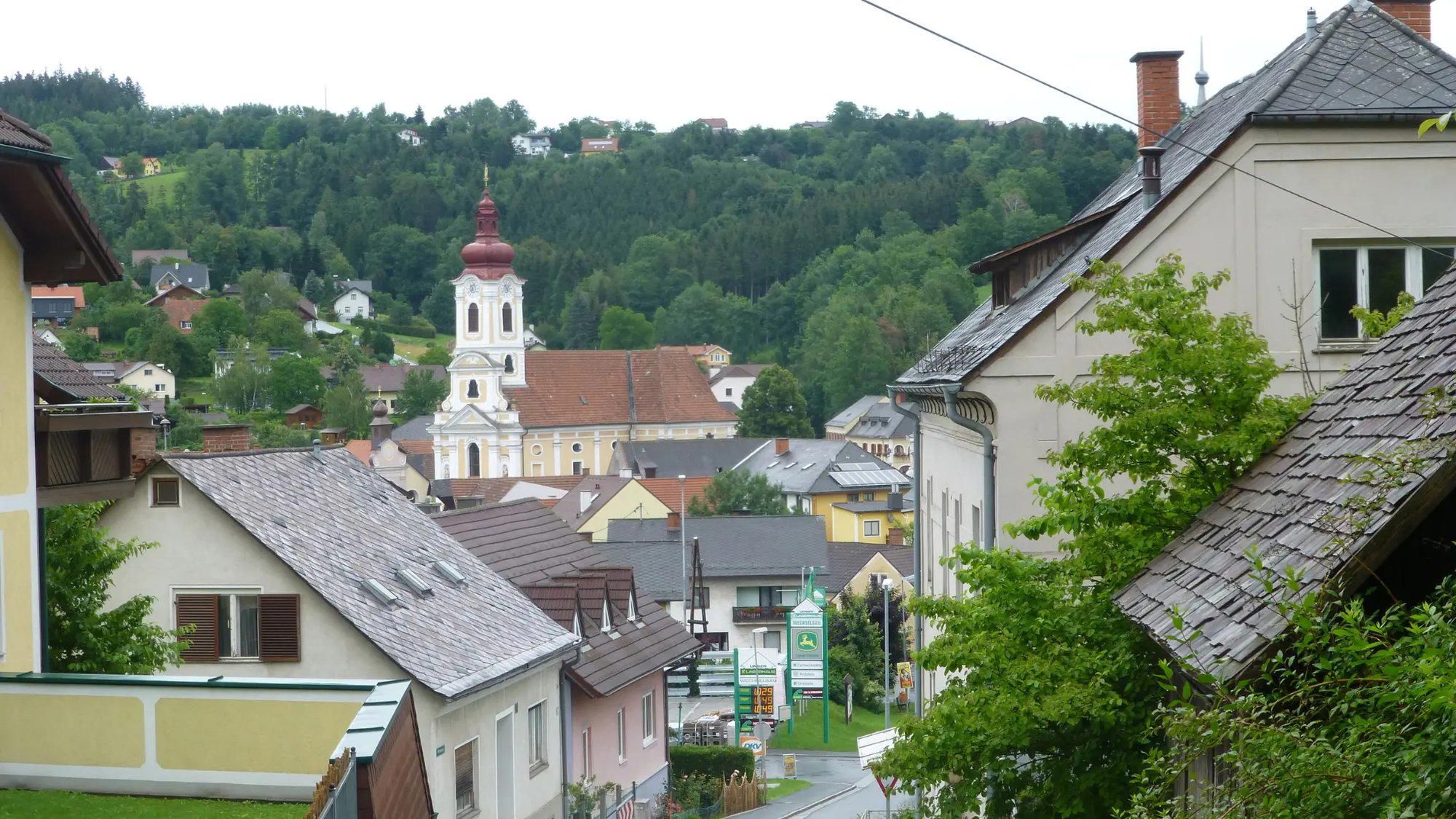
Approaching Kapfenstein from the valley floor, the castle appears well before the village does. The Burg rises on a basalt cone that dates to volcanic activity some fifteen million years ago, a geological fact that shapes everything from the soil composition of the surrounding vineyards to the visual drama of arriving here. South Styria's wine country tends to reward this kind of approach: the landscape is agricultural, unhurried, and specific in a way that the more polished Wachau or Burgenland corridors are not. Kapfenstein sits near the Slovenian border in a district where farming, winemaking, and hospitality have coexisted at the same address for a long time.
That colocation of production and service is the central fact about dining in this part of Styria. In a region where Taubenkobel in Schützen am Gebirge and Landhaus Bacher in Mautern an der Donau have built reputations on Austrian produce treated with sustained seriousness, Schloss Kapfenstein represents a variant of the same model: estate-rooted, geographically committed, and oriented toward the kind of cooking that requires knowing exactly where its raw materials come from.
The Sourcing Logic of an Estate Kitchen
Austrian fine dining has spent the last two decades sharpening its relationship with provenance, a shift visible at the highest tier in Graz and Vienna and filtering down through destination properties like this one. The arguments for estate or near-estate sourcing are not merely philosophical. In the volcanic soils of South Styria, mineral content in produce carries a specificity that changes what arrives on the plate. Wines grown on basalt-influenced ground develop a taut, saline quality that pairing decisions must account for. Kitchens that operate close to their ingredient sources can also respond to harvest timing in ways that supply-chain-dependent restaurants cannot.
Schloss Kapfenstein's position on its own agricultural estate places it in a category that Austrian dining does not have in abundance. The comparison set is not Steirereck im Stadtpark in Vienna, which operates at the apex of urban creative dining, nor Ikarus in Salzburg, whose format cycles guest chefs through a global repertoire. The closer analogy is the category of Austrian estate restaurants where geography is the organizing principle: the kitchen cooks what the land around it can support, and the wine list is an extension of the same premise.
This is a pattern with genuine precedent across Europe, from agriturismo models in Tuscany to the farm-attached restaurants of Alsace and the Basque Country. What makes South Styria's version distinct is the combination of castle architecture, a wine region that has moved from obscurity to serious critical attention over the past thirty years, and a gastronomic tradition rooted in Styrian specifics: pumpkin seed oil, fresh water fish from local rivers, game from surrounding forests, and the sour-sharp flavors that distinguish Styrian cooking from the richer registers of Viennese cuisine.
South Styria's Place in Austria's Dining Conversation
The gravitational center of Austrian fine dining sits in Vienna and, to a lesser extent, in Salzburg and Innsbruck, where institutions like Obauer in Werfen and Gourmetrestaurant Tannenhof in Sankt Anton am Arlberg attract serious visitors. Styria's representation at the leading table of Austrian gastronomy is thinner, though Graz has developed an increasingly credible restaurant scene, with venues like Artis in Graz adding contemporary ambition to the city's options.
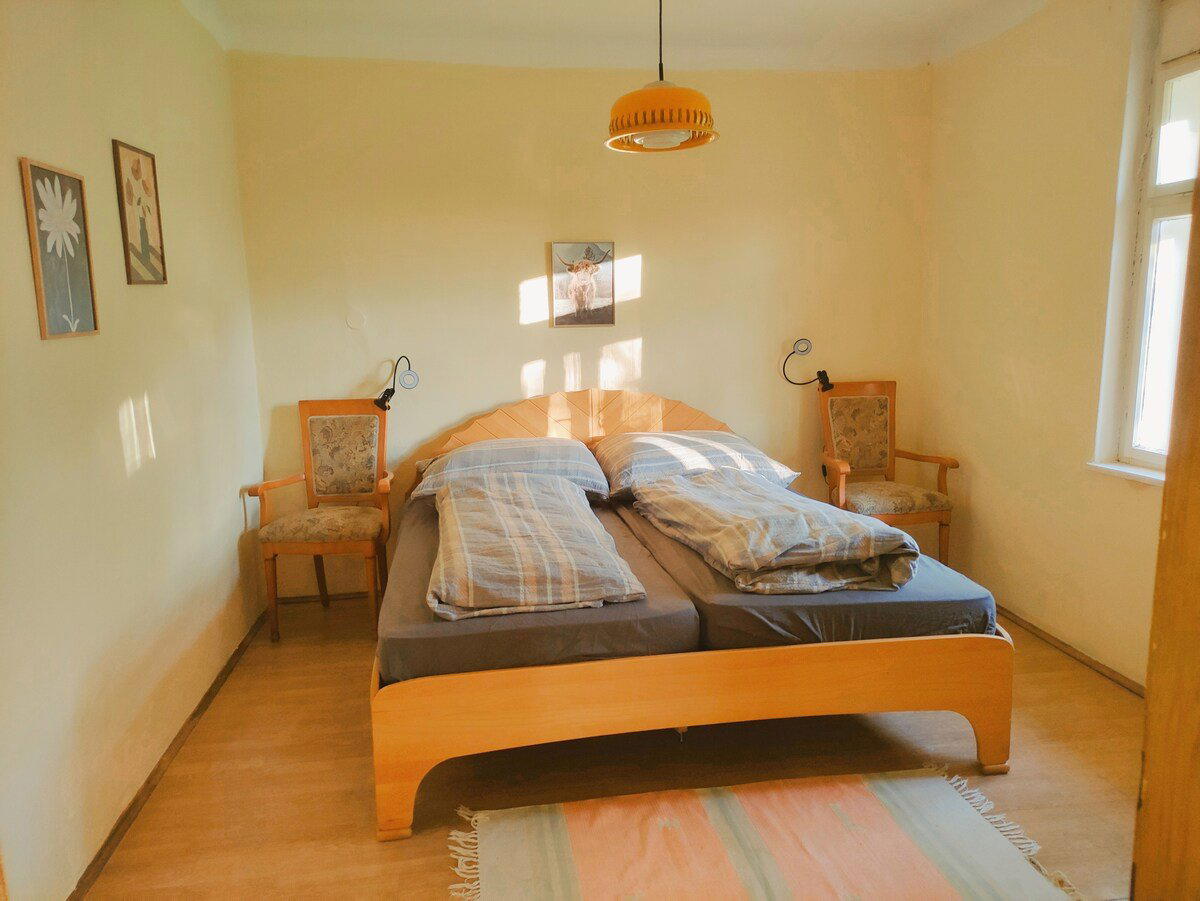
Rural South Styria operates at a different register. This is wine-route territory, where visitors combine vineyard visits with meals at estate restaurants and Buschenschanken, the traditional Styrian taverns licensed to serve their own wine alongside cold food. Schloss Kapfenstein sits above that category by virtue of its cooking ambition and formal setting, while remaining embedded in the same agricultural fabric. For visitors arriving from Graz, the journey southeast takes roughly an hour by car, placing Kapfenstein within reach as a half-day or full-day excursion rather than requiring an overnight commitment, though the estate's accommodation option changes that calculus for those preferring to stay on site.
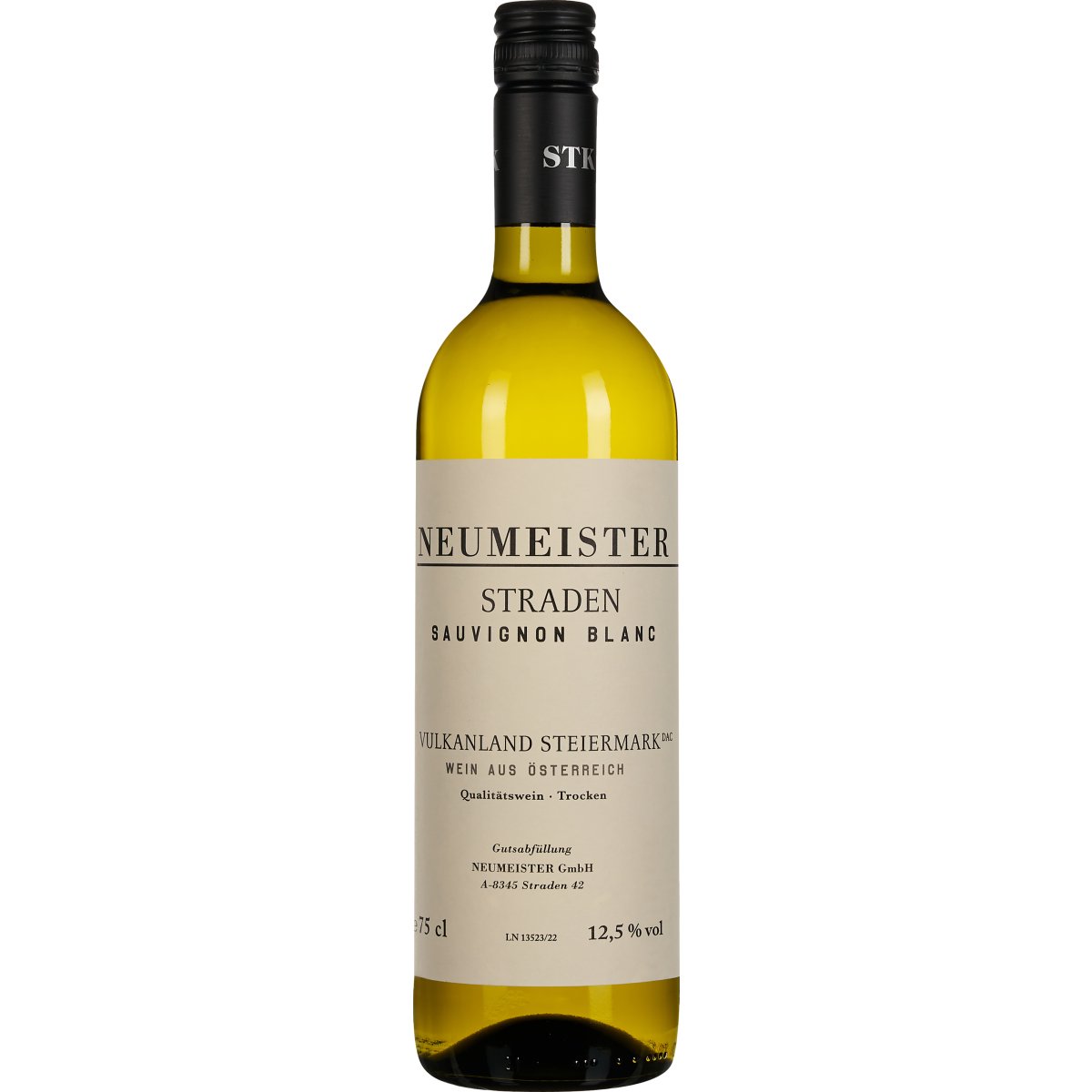
The wine program here carries additional weight because the estate produces its own bottles. South Styrian whites, particularly Sauvignon Blanc and Welschriesling from volcanic and clay soils, have attracted sustained attention from European wine critics over the past decade. Eating estate food alongside estate wine in a setting that produced both collapses the usual distance between cellar, kitchen, and table in a way that well-resourced city restaurants spend considerable effort trying to simulate. For a point of contrast, consider how different this proposition is from technically accomplished but geographically unmoored urban dining in markets like New York, where venues such as Le Bernardin and Atomix build their sourcing narratives through supplier relationships rather than adjacent farmland.
Planning a Visit
Kapfenstein sits in Austria's Südoststeiermark district, accessible by car from Graz via the A2 motorway with a turn southeast toward Bad Gleichenberg. The address is Kapfenstein 1, 8353 Kapfenstein. The estate setting, the castle architecture, and the combination of regional cooking with own-estate wine make this a reasonable anchor for a broader South Styrian itinerary that might also include wine visits in the Vulkanland region.
Side-by-Side Snapshot
Comparable venues nearby, for context on price, style, and recognition.
| Venue | Cuisine | Price | Notes |
|---|---|---|---|
| Schloss KapfensteinThis venue — the venue you are viewing | Creative Styrian Regional Fine Dining | $$$ | Not listed |
| Edler im Landhaus Oswald | Modern Austrian Fine Dining | $$$ | Unterbergla |
| G'Schlössl Murtal | Regional Styrian Austrian | $$$ | Lobmingtal |
| Landgasthaus Böhm | Traditional Austrian Regional | $$$ | Weinzierl |
| DER WEBER | Regional Austrian Natural Cuisine | $$$ | Bad Schönau |
| Claus Curn | Innovative Austrian | $$$ | Adamstal |
Continue exploring
More in Kapfenstein
Restaurants in Kapfenstein
Browse all →
Bars in Kapfenstein
Browse all →
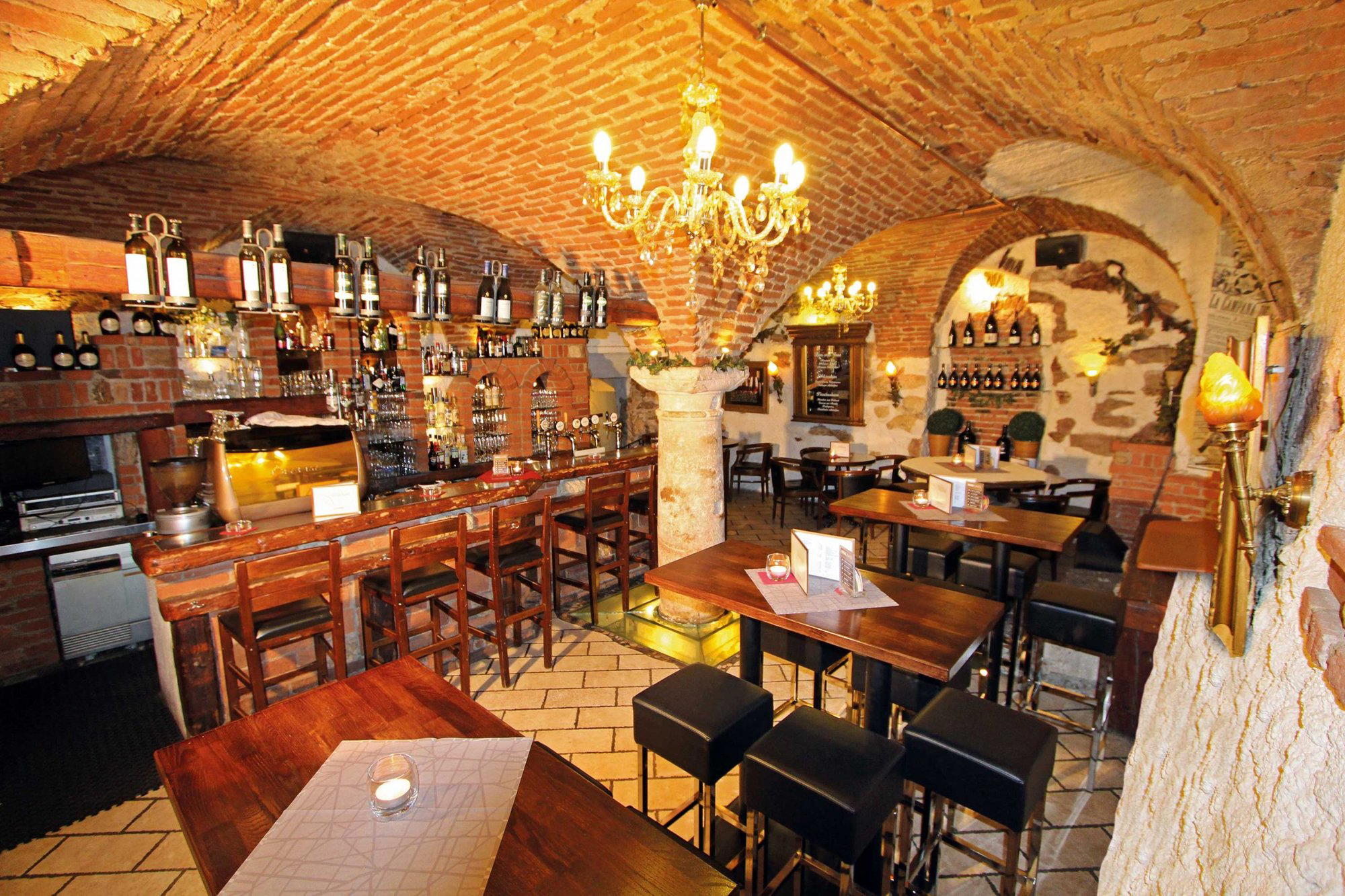
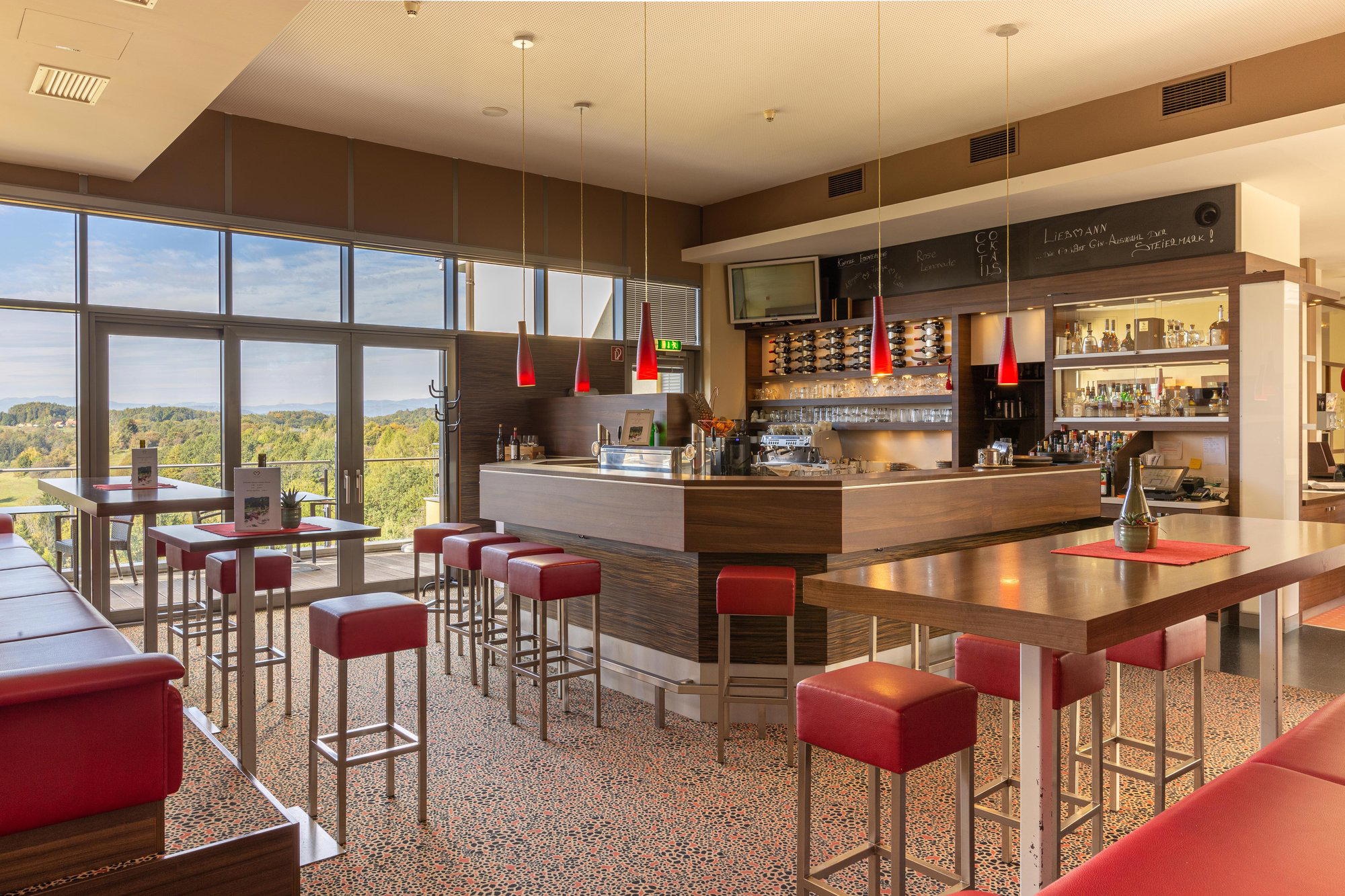
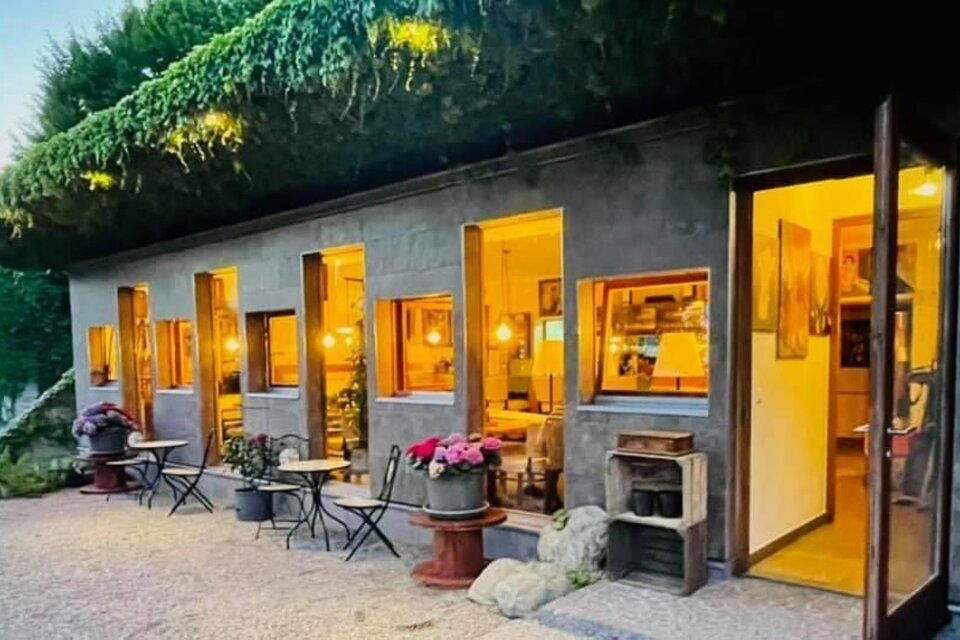
Hotels in Kapfenstein
Browse all →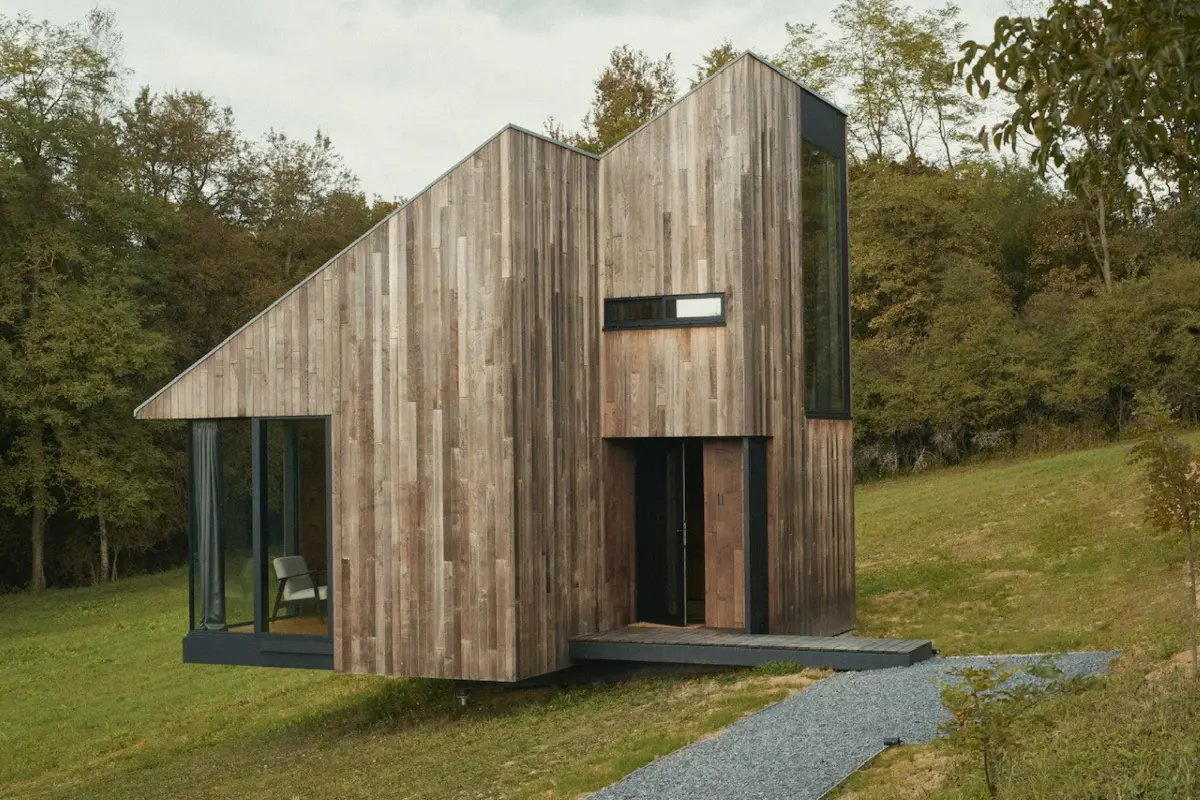
At a Glance
- Scenic
- Romantic
- Classic
- Elegant
- Cozy
- Date Night
- Special Occasion
- Group Dining
- Historic Building
- Terrace
- Panoramic View
- Hotel Restaurant
- Extensive Wine List
- Sommelier Led
- Local Sourcing
- Vineyard
- Mountain
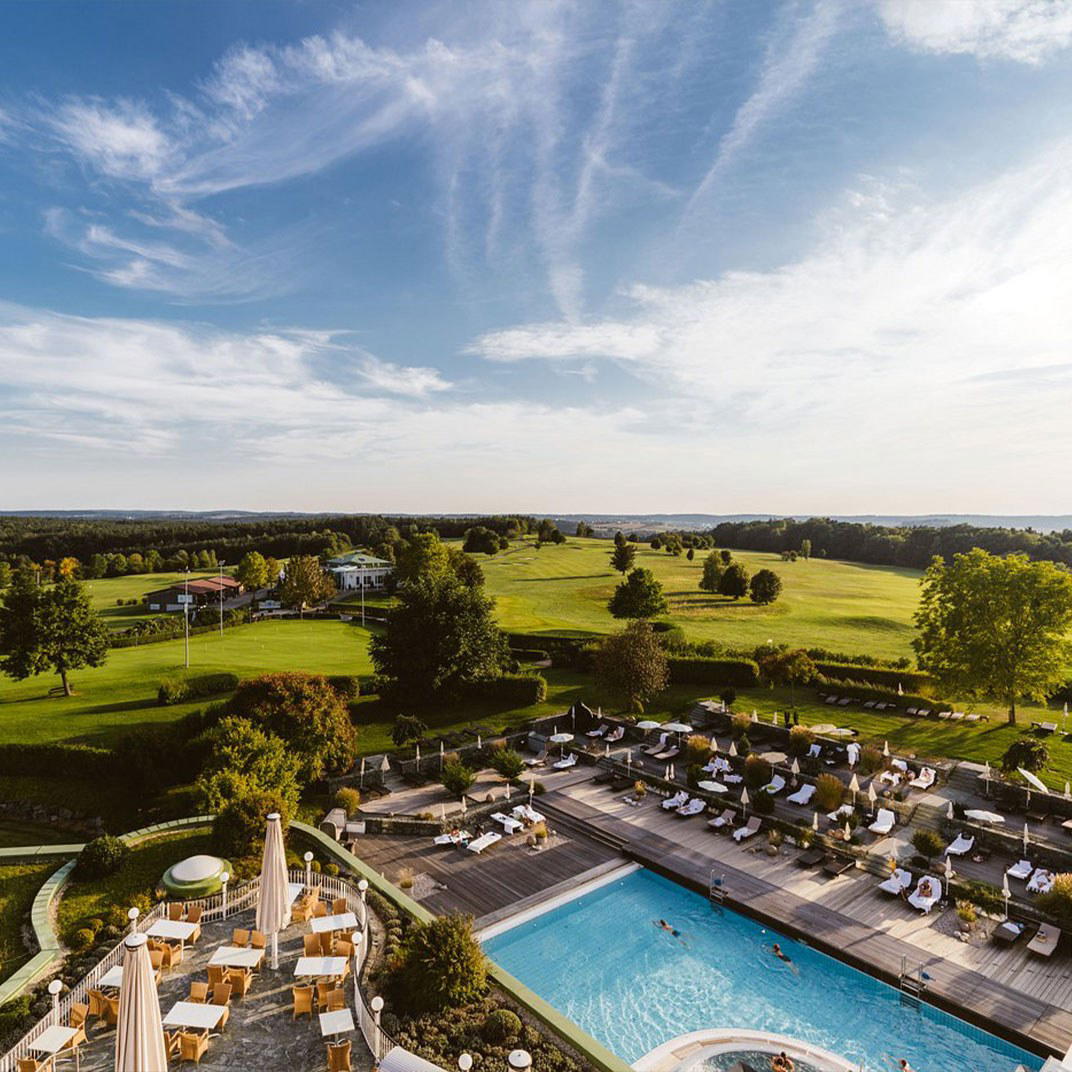
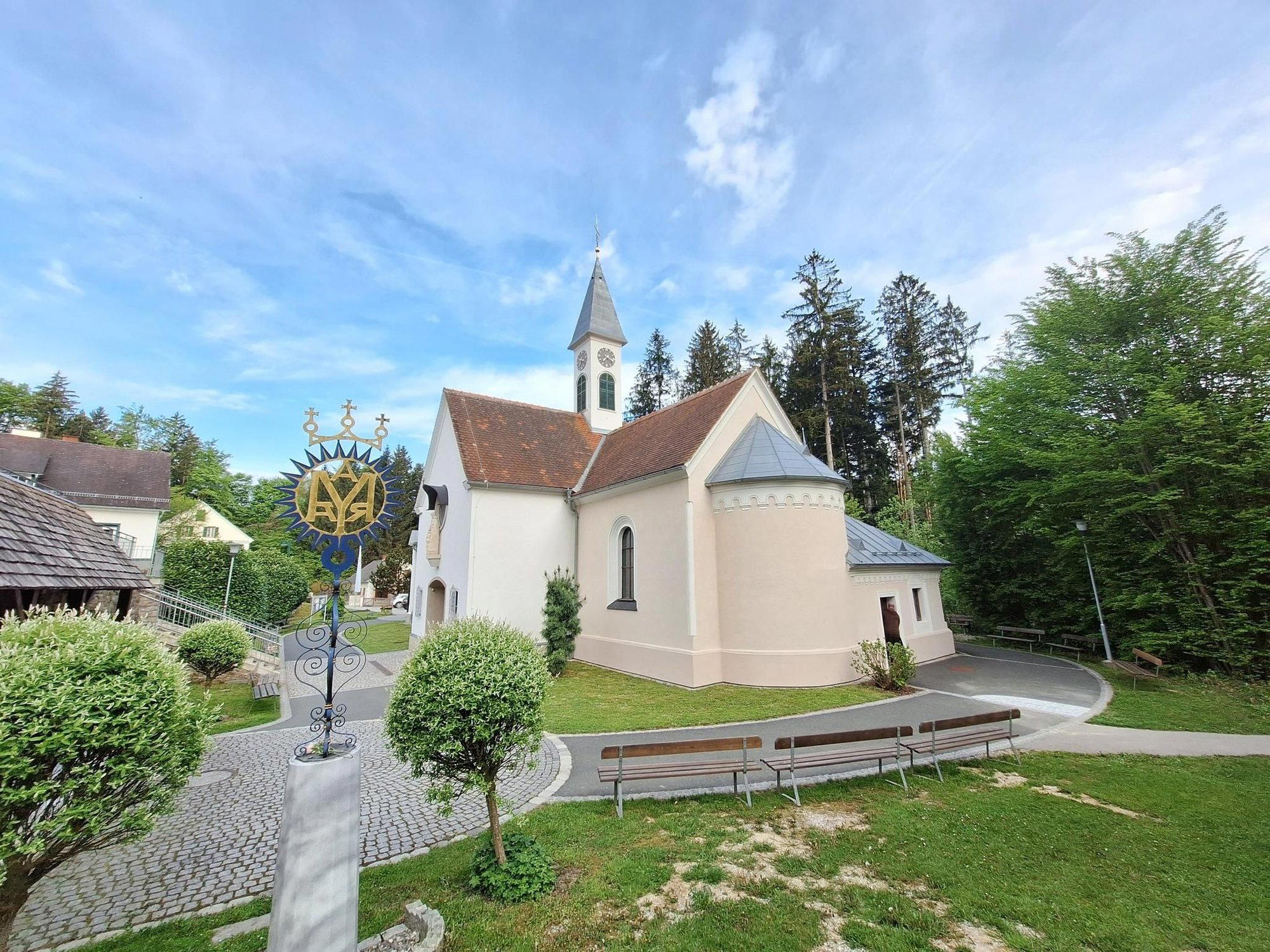
Calm, casual castle atmosphere with scenic, polished surroundings and terrace dining overlooking vineyards and orchards.