
Yasui places Nagoya’s Japanese cuisine culture in a small-format setting, with fish-focused cooking, clay-pot rice, sake, shochu and wine forming the core signals. Its selection for Tabelog 100 Japanese cuisine EAST in 2025 and 2023 gives it a clear critical marker within Aichi’s serious washoku tier, rather than the city’s casual miso-katsu and ramen shorthand.
Pearl is the En Primeur Club membership app — saves, bookings, and concierge access live there. Same editors, same standards.
- Address
- 愛知県名古屋市中村区上石川町5-30
- Phone
- +81524110825
- Website
- tabelog.com
 Saves & bookings on Pearl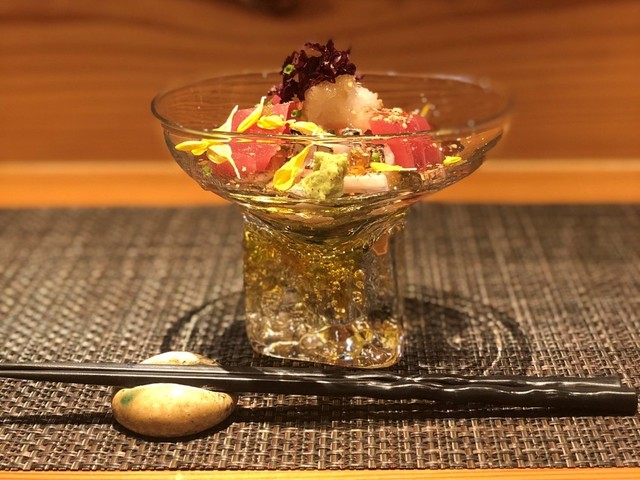
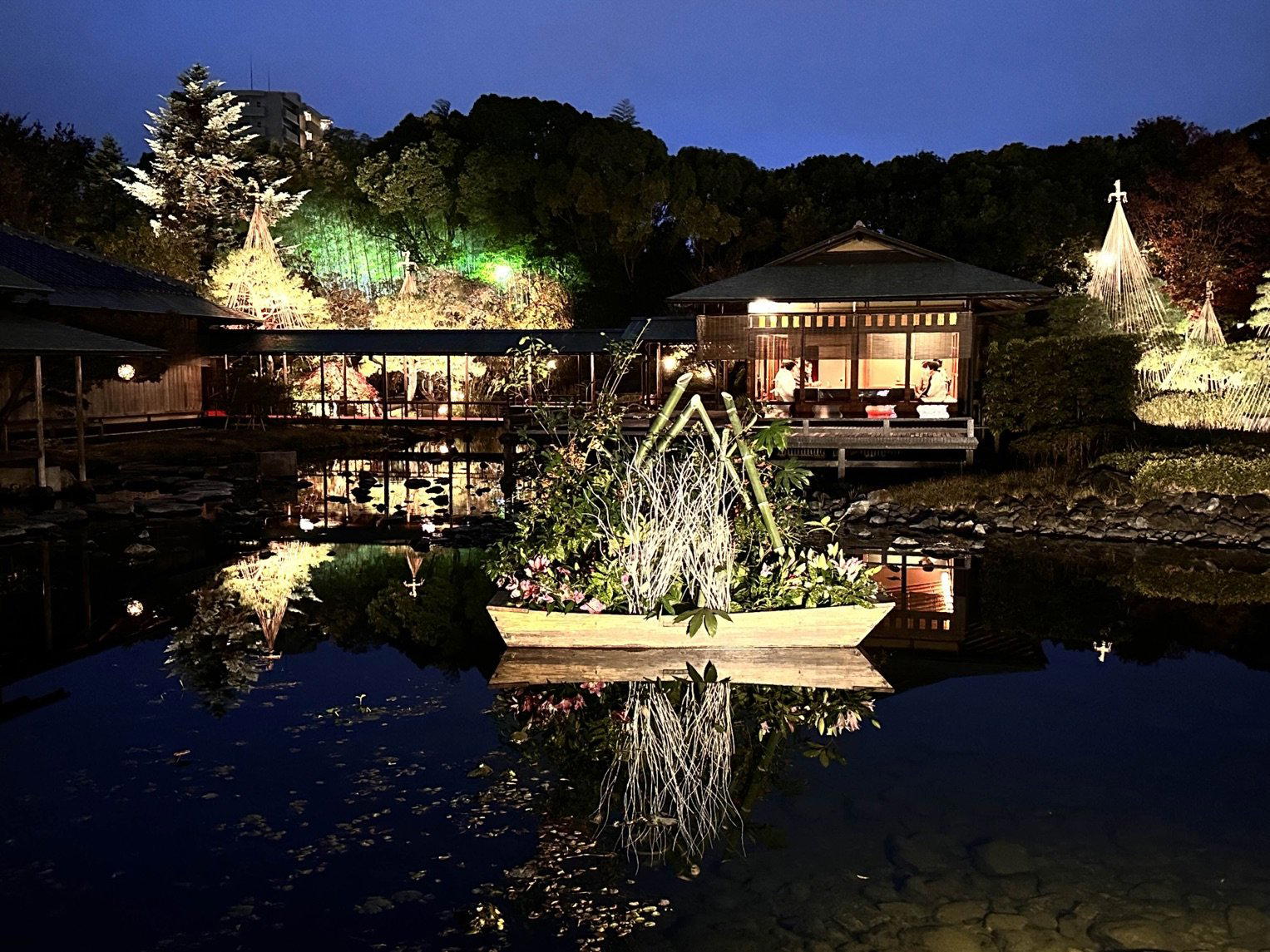
Approaching a house-style restaurant in Nakamura-ku slows the tempo before dinner. Nagoya’s central dining map is often read through station towers, department-store restaurants and lively izakaya blocks, but another strand of Japanese cuisine works at domestic scale: counter seats, compact rooms, seasonal fish and rice as finale rather than side. Yasui belongs to that quieter register, where room size and course format demand attention.
That matters because Nagoya’s food identity is too often reduced to hearty local signatures: hatcho miso, kishimen, tebasaki and hitsumabushi. Essential as they are, they do not explain the city’s full dining culture. Aichi also supports refined washoku built on seafood, rice, sake service and multi-course restraint. Yasui’s selection for Tabelog 100 Japanese cuisine EAST in 2025 and 2023 places it in that exacting conversation, among restaurants judged for Japanese cuisine rather than local comfort alone.
Fish, rice and sake frame Nagoya's quieter washoku tier
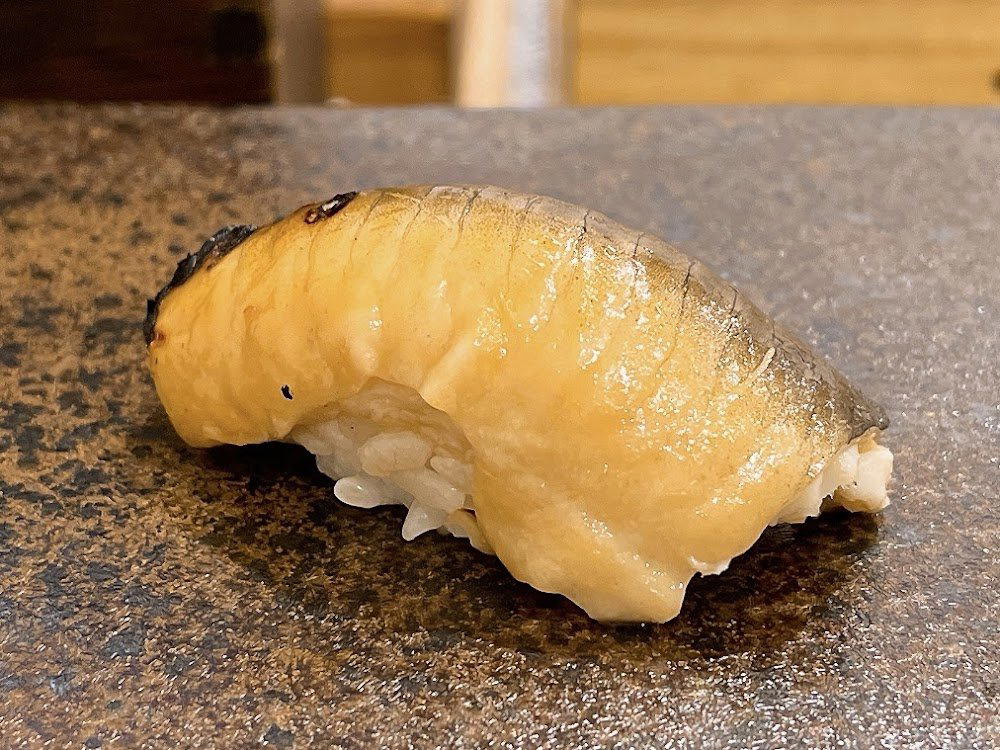
The clearest editorial signal is discipline, not novelty. Japanese cuisine at this level depends on sequence, temperature, cutting, stock, rice timing and making seasonal variation feel inevitable, not decorative. Yasui is described through fish, seasonal dishes and freshly cooked clay-pot rice, pointing to the old meal architecture: seafood first, rice as an event, drinks supporting rather than dominating.
The drink program reinforces the format. Sake and shochu place the restaurant inside Japanese dining habits, while wine suggests a table culture open to longer meals and pairings beyond the usual script. BYO is permitted with a corkage fee arranged in advance, useful for bottles suited to fish, dashi and rice. In this genre, alcohol shapes pacing, especially when meals stretch beyond quick turnover around transport hubs.
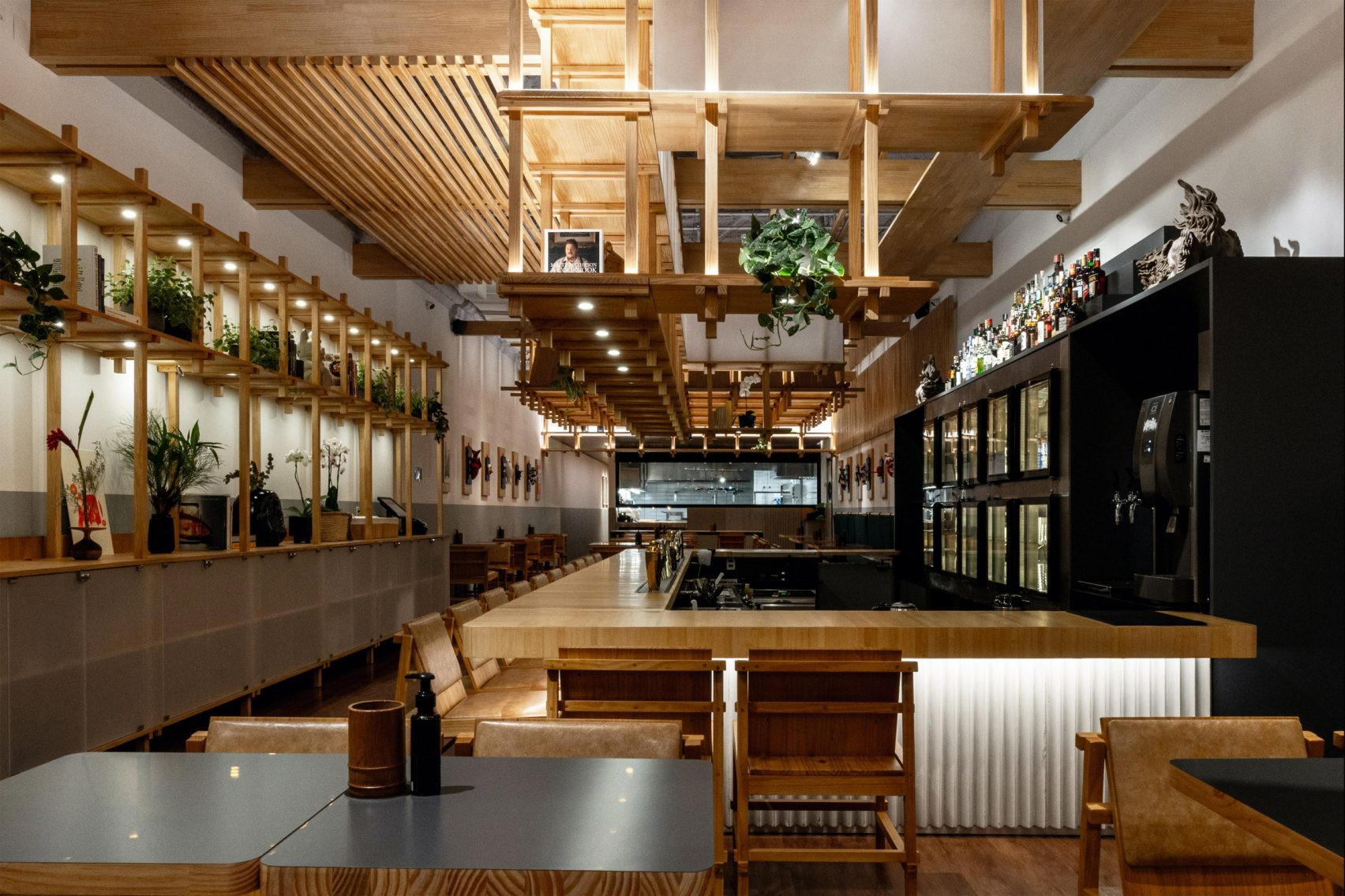
City comparison helps. Casual Nagoya restaurants can offer extraordinary value and speed, but serious washoku runs on a different contract: fewer seats, advance decisions, less tolerance for improvisation and an expectation that the table follows the kitchen’s rhythm. A 15-seat room, split between counter and sofa seating, defines the scale of attention. Seven counter seats put the kitchen within view, while the remaining seats allow small groups without turning the experience into banquet dining.
For readers mapping the city, Our full Nagoya restaurants guide is the natural starting point. The contrast between Yasui and lower-priced Nagoya entries such as Ohtani, Otani, Curry Senmon Ten cafe New Delhi, tokyo miso style IKEDA and Taiyo Shokudo is less hierarchy than intention: different budgets, tempos and reasons to book. The same trip can include a quick regional lunch and a course-led Japanese dinner; confusing the two is how visitors misread Nagoya.
A small room changes the way the meal behaves
Small Japanese restaurants often carry a stricter social code than larger dining rooms. The absence of private rooms, counter presence and reservation-only format push the meal toward concentration. Dress guidance is plain rather than ceremonial, but the instruction to avoid jerseys locates the room: relaxed, not careless. Children are accepted only when they can sit and eat, another sign that the meal is built around patience and sequence.
The restaurant’s 2023 renovation and reopening under the Yasui name gives the current format a recent frame without becoming a founder narrative. In Japan, a name change or room refresh can signal recalibrated audience, price, service rhythm or culinary focus. Here, the public markers align around Japanese cuisine, fish, clay-pot rice and a compact house-restaurant setting: a coherent identity in a city where many serious meals happen away from obvious tourist corridors.
Payment and access details also shape the experience. Cash-only dining remains part of Japan’s independent restaurant culture, especially in smaller rooms where operational simplicity matters. Parking for four cars is unusually practical at this scale and reflects Nagoya’s car-oriented habits outside the densest station zones. The nearest rail access is Iwatsuka, with Nakamura Park also in range, placing the meal outside the usual Meieki and Sakae loop. That shift appeals to diners who want Nagoya beyond its hotel-and-station circuit.
For hotel positioning before or after dinner, use Our full Nagoya hotels guide; for a drink-led second stop, Our full Nagoya bars guide helps separate cocktail rooms from sake-led addresses. Broader planning can extend through Our full Nagoya wineries guide and Our full Nagoya experiences guide, particularly for travelers building a food-focused stay rather than a single dinner reservation.
How to read Yasui in a wider Japan itinerary
Yasui makes strongest sense for diners who understand the difference between destination dining and a destination city. Nagoya is not Tokyo, Kyoto or Osaka, and its advantage is that it need not perform like them. A meal here can feel more local in its expectations: arrive prepared, respect pacing, avoid treating the room as spectacle, and let the Japanese cuisine format work.
Within a larger Japan route, the restaurant sits comfortably beside other dining categories. A traveler comparing regional Japanese formats might read it against -Grilled beef Sukiyaki- KAMAKURA TANUKIAN 鎌倉 たぬき庵 in Kamakura for sukiyaki, . 鮪と炭火焼き うお炭 秋葉原店 in Tokyo for tuna and charcoal cooking, .cafe in Osaka for a lighter urban format, .know in Kumamoto for Kyushu context, (Shoku) Vietnam in Kawasaki for Japan’s everyday international dining, and [Curry Senmon Ten] Maruyama Kyoju. in Sapporo for a completely different comfort-food register.
For readers staying in Aichi, Nagoya’s dining spread also includes entries such as 1022, 451, Aaron, Alan. and All Day Dining Montmartre. Outside Japan, Japanese drinking and rice culture takes different shapes at Jōdo Saké Bar in Los Angeles and Onigiri Time in Pasadena, reminders that the same culinary vocabulary changes when it leaves home.
The editorial read is clear: this is a compact Nagoya Japanese restaurant with credible recognition, a fish-and-rice center of gravity and a room built for diners who value washoku cadence. It is not for a casual drop-in or broad tourist checklist. It is the better choice when dinner’s purpose is to understand how Nagoya’s serious Japanese cuisine operates at intimate scale.
Cuisine-First Comparison
Comparable venues to place this listing in its category.
| Venue | Cuisine | Price | Notes |
|---|---|---|---|
| YasuiThis venue — the venue you are viewing | Seasonal Japanese Cuisine with Clay Pot Rice | $$$ | Not listed |
| Yakiniku & Teuchi Korean Cold Noodles Jiro Yanagibashi ten | A5 Wagyu Yakiniku & Handmade Korean Cold Noodles | $$$ | Nakamura |
| Sumibi Yakiniku Takenouchi Honten | Traditional Japanese Yakiniku | $$$ | Nishi |
| Sumiyaki Chicken Kababu | Nagoya Cochin Yakitori Omakase Counter | $$$ | Naka |
| Sushi Yasuke | Traditional Edomae Sushi Omakase | $$$ | Shōwa |
| Atsuta Houraiken Matsuzakaya ten | Traditional Nagoya eel (hitsumabushi) restaurant | $$$ | Naka |
Recognition history
Dated appearances from independent guides and award organizations, with the underlying list record or original source where available.
Tabelog 100 #8 · No. 8
Tabelog · Tabelog 100 - Japanese cuisine - EAST - 2025
Continue exploring
More in Nagoya
Restaurants in Nagoya
Browse all →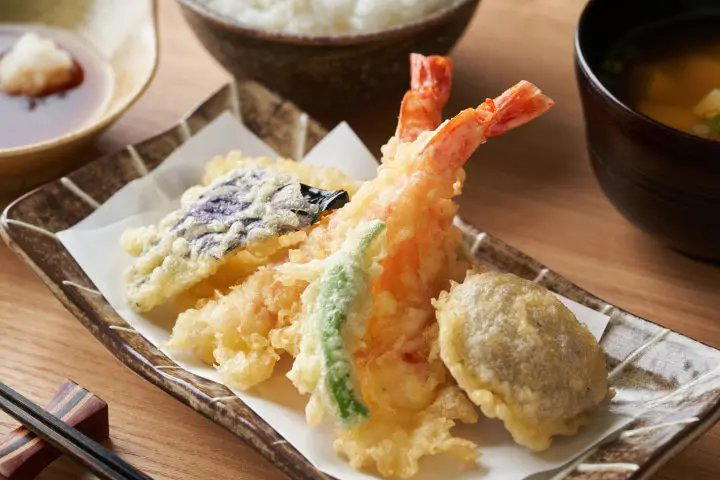
At a Glance
- Cozy
- Elegant
- Romantic
- Date Night
- Group Dining
- Celebration
- Business Dinner
- Solo
- Special Occasion
- Standalone
- Chefs Counter
- Sake Program
- Corkage Allowed
- Byob
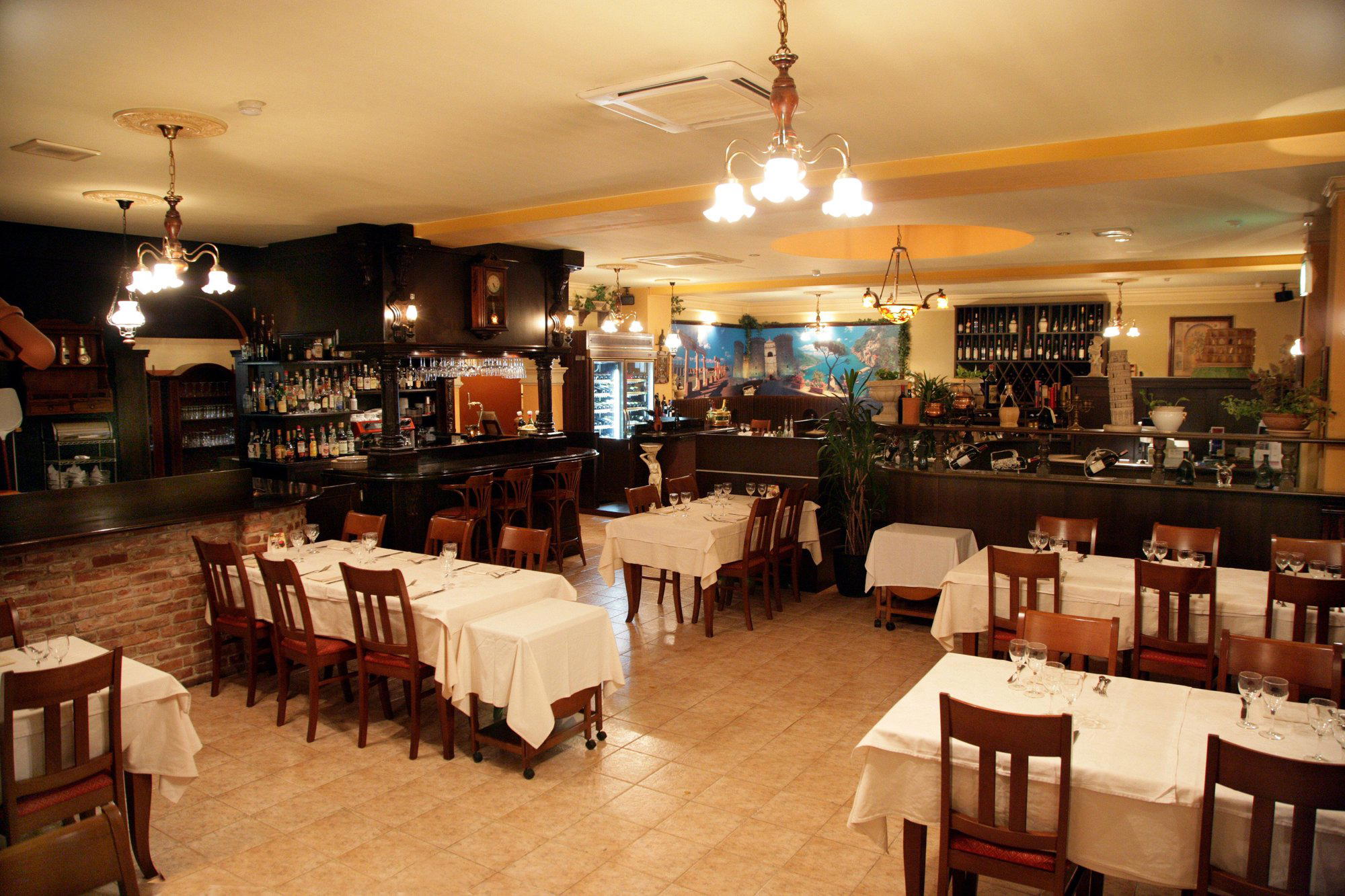
A small, stylish yet relaxed house-restaurant with counter and sofa seating, non-smoking, and a quiet, unhurried atmosphere suited to dates and small gatherings.