Our verdict
Beaucoup Belge occupies a canal-side address at Quai aux Pierres de Taille 3 in central Brussels, placing it within a neighbourhood where the city's industrial past and contemporary dining ambitions meet. The name itself signals an editorial stance: this is a room anchored in Belgian identity, working within a city that has long negotiated between French culinary prestige and its own distinct traditions. Booking details and current pricing are best confirmed directly with the venue.

Pearl is the En Primeur Club membership app, where members save venues, book tables and use the concierge.

The menu
What to order
- Croquettes de crevettes
- Carbonnade de joues de porc
- Entrecôte
Canal-Side Brussels and the Question of Belgian Identity
The stretch of canal running through central Brussels has never quite resolved what it wants to be. Industrial warehouses converted into cultural spaces sit alongside residential quays and the occasional restaurant that seems to have arrived before the neighbourhood decided on a direction. Quai aux Pierres de Taille, where Beaucoup Belge occupies number 3, sits in this in-between zone, close enough to the city's institutional core to draw a mixed crowd, far enough from the Grand-Place tourist circuit to suggest that its guests chose the address deliberately.
That geographical positioning matters because it frames the kind of dining Brussels increasingly produces at this level: rooms that lean into Belgian identity rather than borrowing French prestige as a shorthand for quality. The name Beaucoup Belge is, in itself, a declaration. In a city where the haute dining tier has historically deferred to French culinary grammar, see the long-standing authority of Comme chez Soi and the modern refinement of La Villa Lorraine by Yves Mattagne, a venue that plants its flag in Belgian-ness is making a specific argument about where the city's dining culture should look for its reference points.
What Belgian Cooking Actually Means in 2024
Belgian cuisine occupies an awkward position in the international critical conversation. The country punches well above its size in terms of Michelin density: Belgium consistently registers among the highest concentrations of Michelin-starred restaurants per capita in Europe, with addresses like Hof van Cleve in Kruishoutem and Boury in Roeselare anchoring the country's claim to serious gastronomy. Yet internationally, Belgian food is still most associated with its exports: chocolate, waffles, frites, and beer. The tension between those two realities, a sophisticated domestic fine-dining culture and a global image built on street food and confectionery, is exactly the terrain that a venue with Beaucoup Belge's name is choosing to operate on.
The Belgian larder, properly engaged, is specific and seasonal in ways that northern European cuisines often obscure beneath cream and reduction. White asparagus from the Mechelen region, grey shrimp from the North Sea coast, chicory grown in the dark, witloof-style, these ingredients carry genuine terroir logic, the kind that Zilte in Antwerp and Willem Hiele in Oudenburg have built serious critical reputations around. A room that positions itself as emphatically Belgian is implicitly committing to that seasonal and regional framework, whether it operates at the fine-dining tier or somewhere more accessible.
Brussels as a Dining City: Context for the Canal Quarter
Brussels rewards the visitor who moves beyond the city's gravitational centre. The Grand-Place and its surrounding brasseries, Barge and Eliane represent different registers of the city's newer dining ambition, form one layer of the city's restaurant culture. But the canal zone, where Beaucoup Belge sits, belongs to a different chapter: less tourist-facing, more reliant on a local and professional clientele that knows the neighbourhood and chooses it with some intention.
The city's most critically engaged addresses tend to occupy this kind of deliberate remove. Bozar Restaurant draws on its position adjacent to one of Europe's major cultural institutions. Le Chalet de la Forêt in Uccle operates in the forested outskirts. Neither is on the most obvious tourist trail, and neither needs to be. The canal-side location of Beaucoup Belge puts it in a similar category: a room you find because you were looking for it, not one you stumble into after a morning at the Manneken Pis.
For visitors building a Brussels itinerary around dining, the city's geography rewards planning. The full Brussels restaurants guide maps the city's key addresses across neighbourhoods, which matters here because the canal quarter, the historic centre, and the southern communes like Uccle each carry distinct dining characters.
Belgian Fine Dining Beyond Brussels
Understanding Beaucoup Belge requires some grasp of how Belgium's dining culture distributes itself geographically. Unlike France, where Paris concentrates an outsized share of the country's culinary prestige, Belgium's top-tier addresses scatter across Flemish towns and Walloon communes with a regularity that reflects the country's federal structure as much as its gastronomic logic. Vrijmoed in Gent, La Durée in Izegem, Cuchara in Lommel, Ralf Berendsen in Neerharen, and d'Eugénie à Emilie in Baudour each represent the country's appetite for serious cooking at addresses that would be considered remote by the standards of most European capitals.
In that context, Brussels itself is almost underpowered as a dining destination relative to its political and economic weight. A venue that commits to Belgian identity in the capital is operating in a city that arguably needs that commitment more than Bruges or Ghent do, where the regional character arrives as a given. Brussels is more contested culinary territory, French-speaking in its dominant register, institutionally European in its self-image, and historically more comfortable citing Paris than Bruges as its culinary frame of reference.
How Beaucoup Belge Fits the Broader Picture
Among Brussels addresses at a comparable positioning, canal-side, identity-forward, non-tourist-facing, the competitive conversation is likely less about Michelin brackets and more about the credibility of the Belgian argument being made. Internationally comparable cases, where strong regional identity anchors a dining room's proposition, include addresses like Lazy Bear in San Francisco, where the communal format makes the local sourcing argument structural rather than decorative, or the sustained French-product rigour of Le Bernardin in New York, where a single culinary tradition provides the entire organisational logic of a room.
Beaucoup Belge, read through its name and address, appears to be making a version of that commitment on Belgian terms. Whether the execution matches the declaration is the question any visit would need to answer directly.
Planning a Visit
Beaucoup Belge is located at Quai aux Pierres de Taille 3, 1000 Brussels, on the canal, in the central zone of the city, and reachable by public transport from Brussels-Central or Brussels-Midi. Given the limited data currently held prospective guests are advised to contact the restaurant directly for current opening hours, pricing, reservation availability, and any current menu format. Canal-side addresses in Brussels can fill quickly on weekend evenings, particularly in the spring and early summer months when the water-facing terrasses come into their own.
Frequently asked questions
Where exactly is beaucoup belge?
beaucoup belge is located at Quai aux Pierres de Taille 3, 1000 Bruxelles, Belgium, Brussels.
Is Beaucoup Belge a good restaurant for exploring regional Belgian cuisine beyond the tourist circuit in Brussels?
Its location on Quai aux Pierres de Taille, in Brussels' canal quarter rather than the Grand-Place orbit, places it firmly outside the city's tourist-facing dining strip. A venue that names itself Beaucoup Belge is making a deliberate editorial argument about culinary reference points, which aligns with the canal quarter's broader shift toward locally anchored dining. For a visitor specifically tracing Belgian cooking traditions, that combination of address and declared identity makes it a more pointed choice than the central brasseries.
What dish is beaucoup belge famous for?
The venue's name signals a deliberate commitment to Belgian culinary identity, which in the Brussels context typically centres on produce-led cooking rooted in regional tradition. Until a menu is confirmed, the clearest indicator of intent is the address itself: Quai aux Pierres de Taille places the restaurant in a part of the city that attracts a local rather than tourist-facing crowd, which tends to push kitchens toward precision over familiarity.
How hard is it to get a table at beaucoup belge?
Canal-side addresses in Brussels with a non-tourist-facing orientation, Quai aux Pierres de Taille sits away from the Grand-Place circuit, generally attract a regulars-driven clientele, which can compress availability faster than the venue's profile might suggest. Booking in advance is the safer approach; walk-in prospects at peak hours are difficult to assess without current operational data.
What has beaucoup belge built its reputation on?
The venue's name is its clearest public statement: an explicit commitment to Belgian identity at a moment when Brussels dining is actively working through what that means beyond moules-frites and beer pairing. Located on the Quai aux Pierres de Taille canal frontage, it occupies a part of the city where the dining conversation skews local and credentialed rather than tourist-facing. That positioning alone distinguishes it from the brasserie circuit around the Grand-Place.
Booking and Cost Snapshot
| Venue | Cuisine | Price | Awards | Notes |
|---|---|---|---|---|
| beaucoup belgeThis venue (the venue you are viewing) | Modern Belgian Traditional | $30–50 | Not listed | Not listed |
| Comme chez Soi | Classic French Fine Dining | $200–300 | 1 Michelin Star · World's 50 Best #49 | French - Belgian, Classic Cuisine |
| La Villa Lorraine by Yves Mattagne | Modern French Fine Dining | $200–300 | Michelin Plate · La Liste Top Restaurants | Modern Cuisine |
| senzanome | Modern Italian Fine Dining | $150–200 | Michelin Plate | Modern Italian, Italian |
| Au Vieux Saint Martin | Traditional Belgian Brasserie | $30–50 | Michelin Plate | French Bistro, Belgian |
| Aux Armes de Bruxelles | Traditional Belgian Brasserie | $50–100 | Michelin Plate | Brasserie, Belgian |
Continue exploring
More in Brussels
Restaurants in Brussels
All restaurants in Brussels →
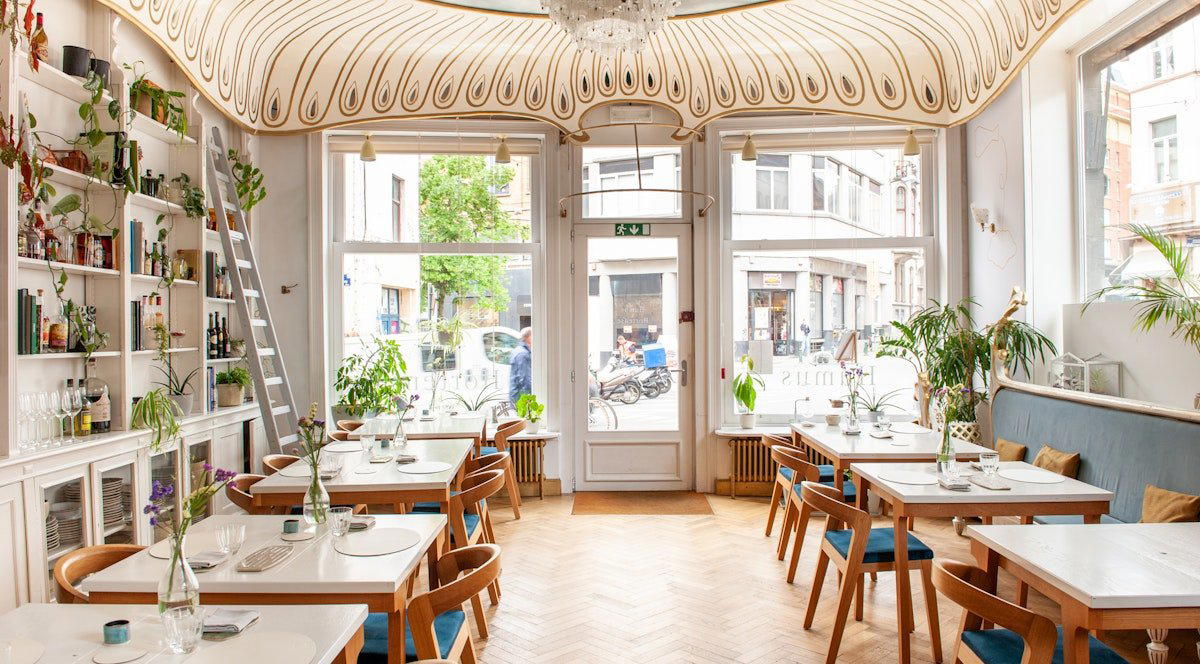
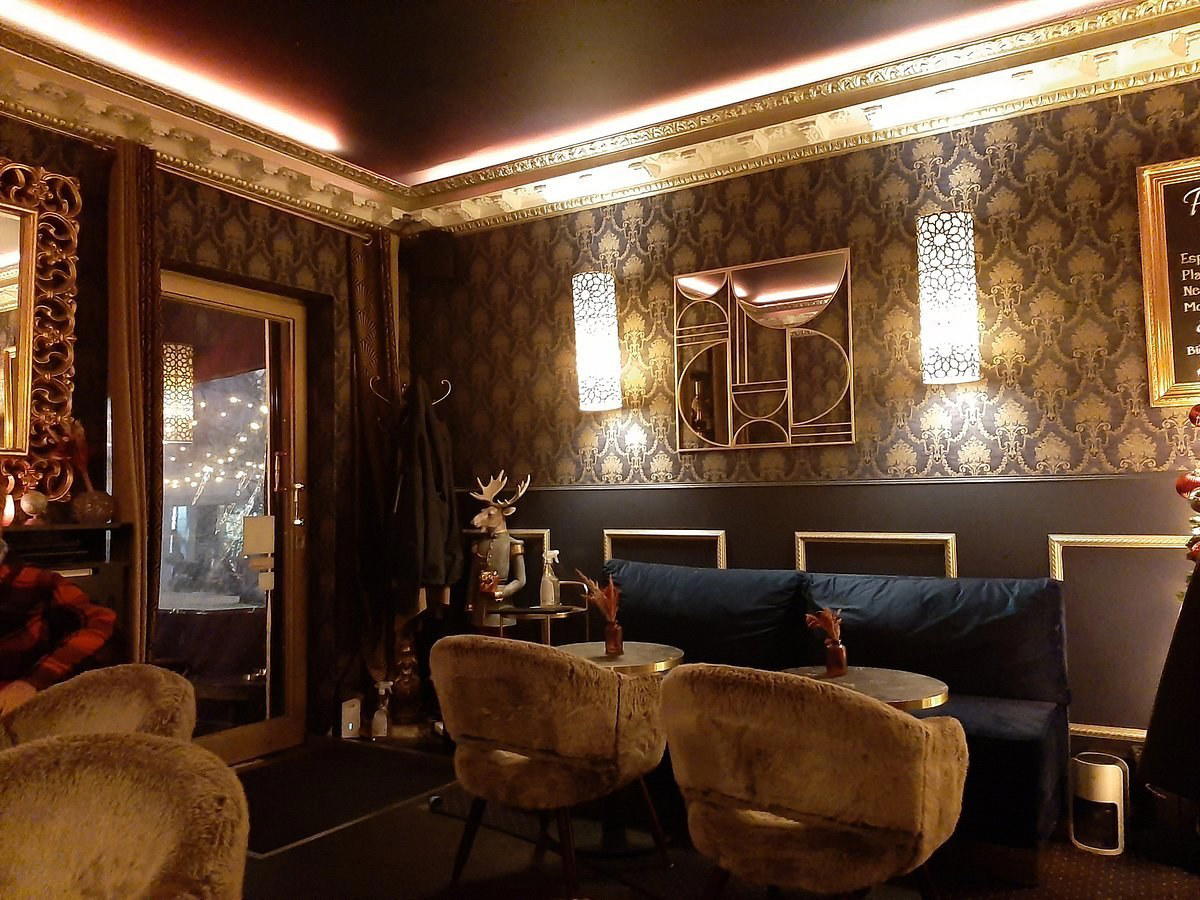
Bars in Brussels
All bars in Brussels →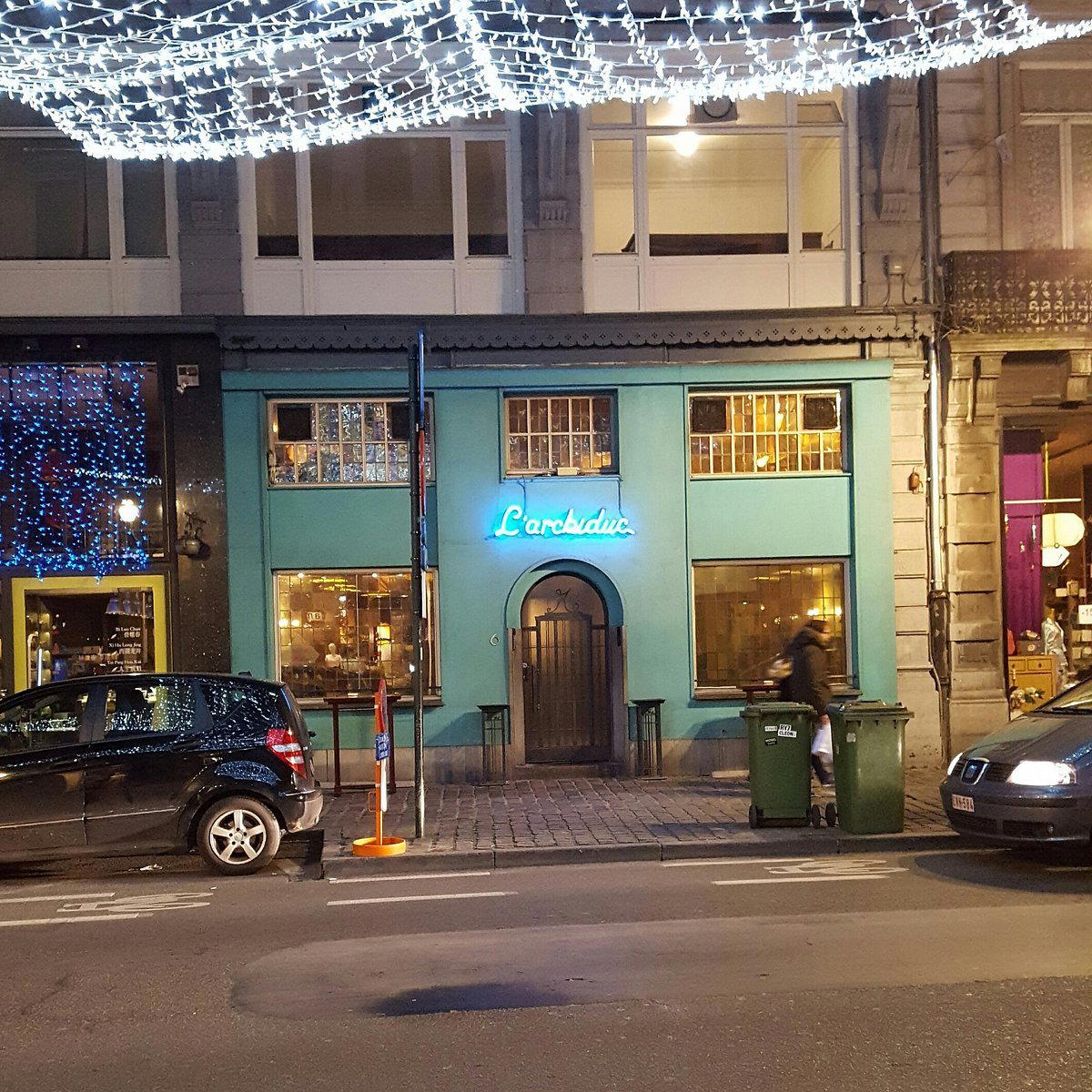
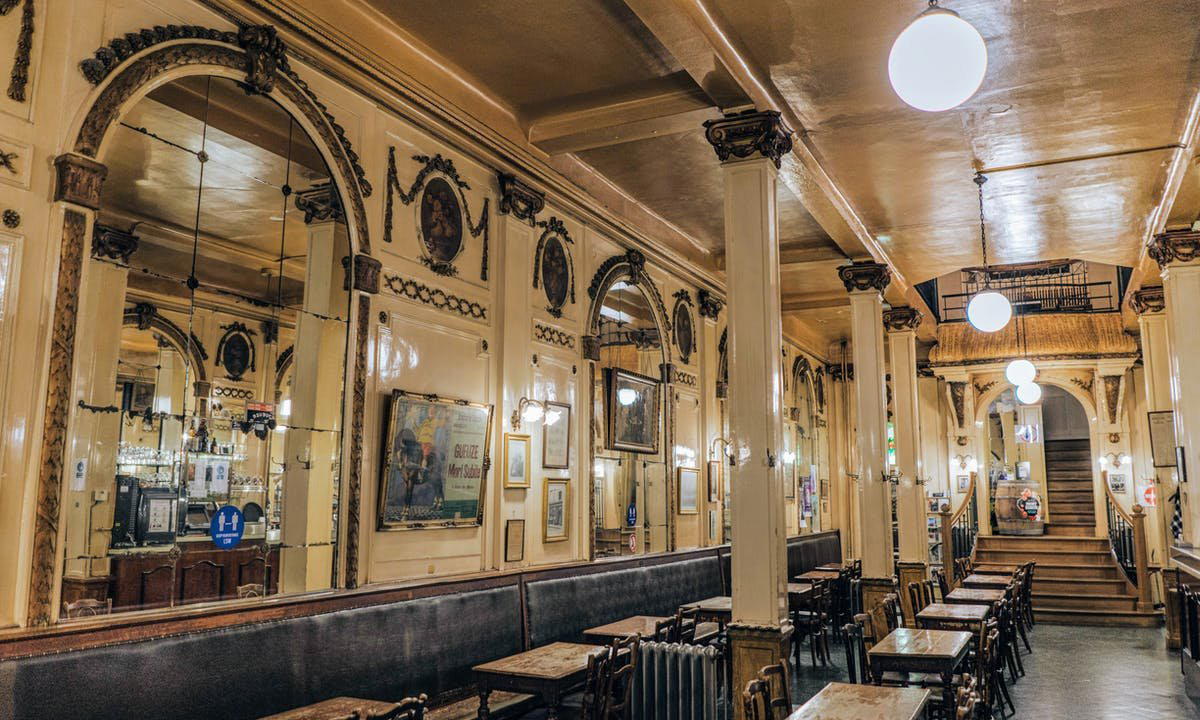
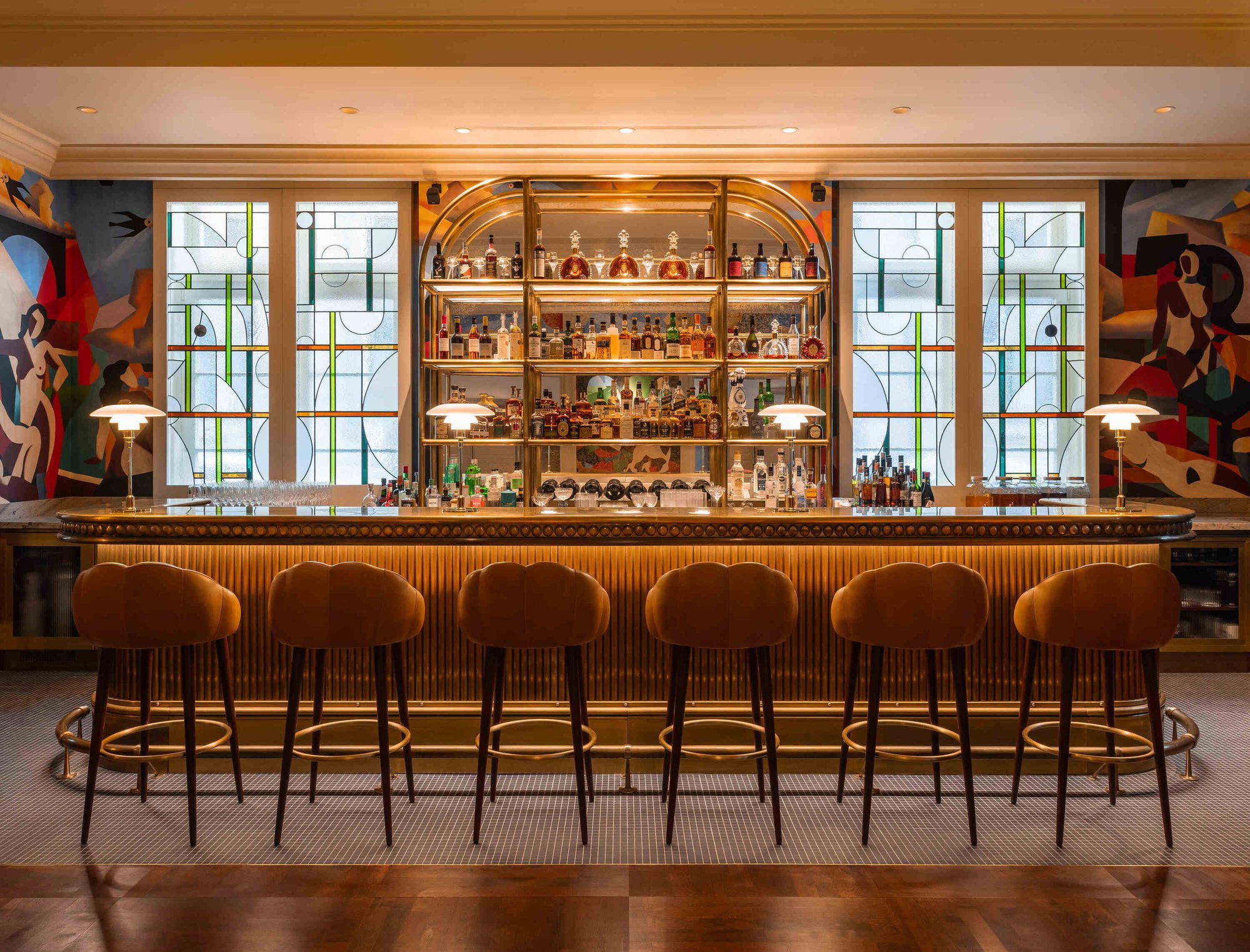
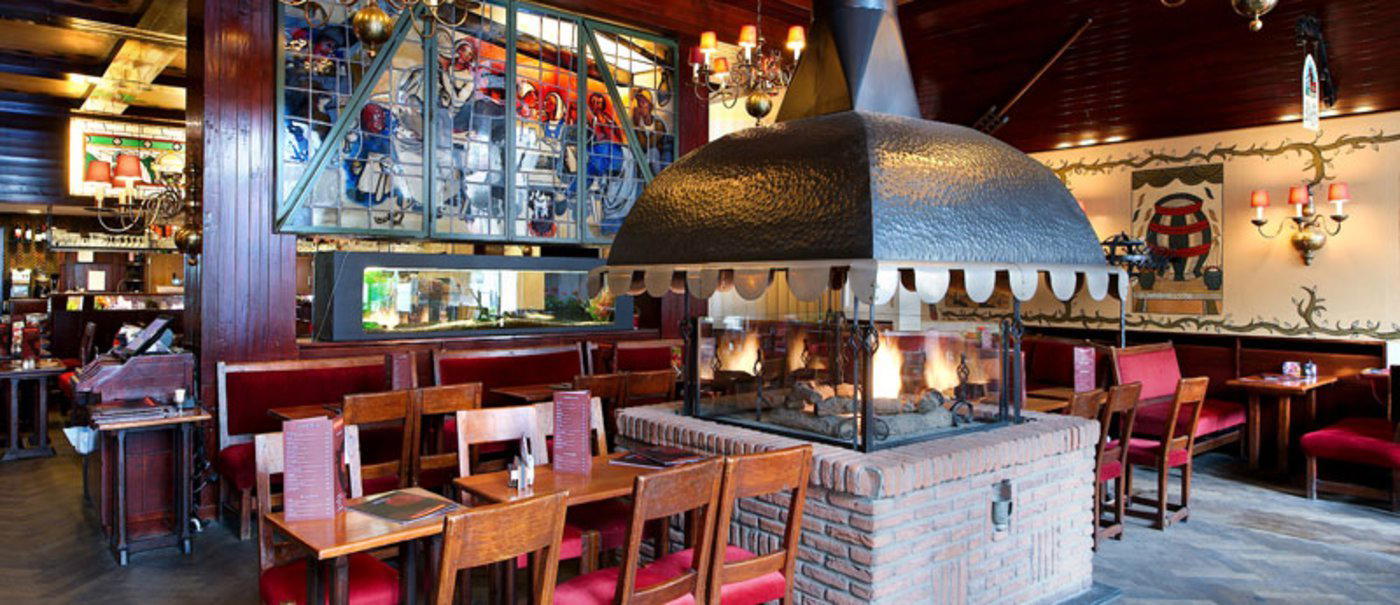
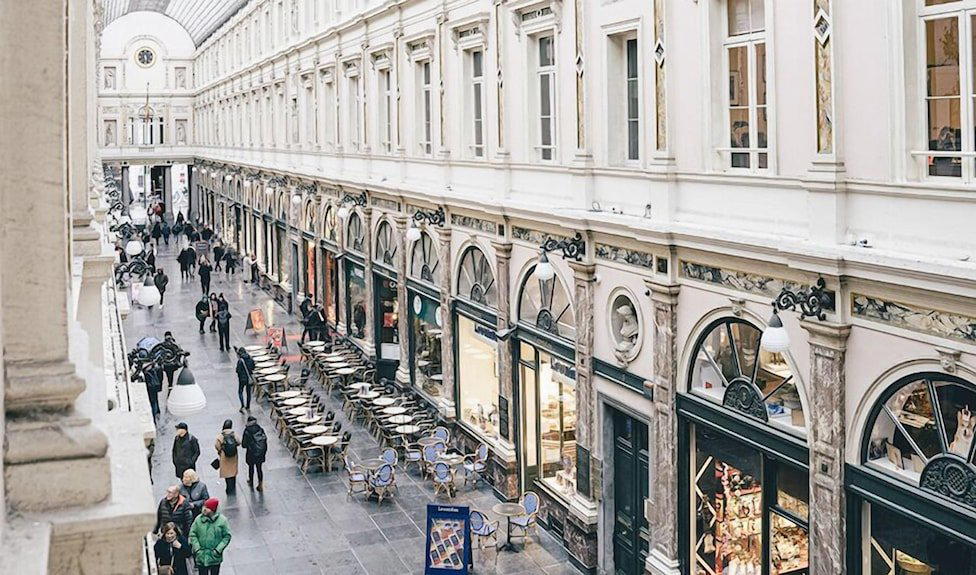
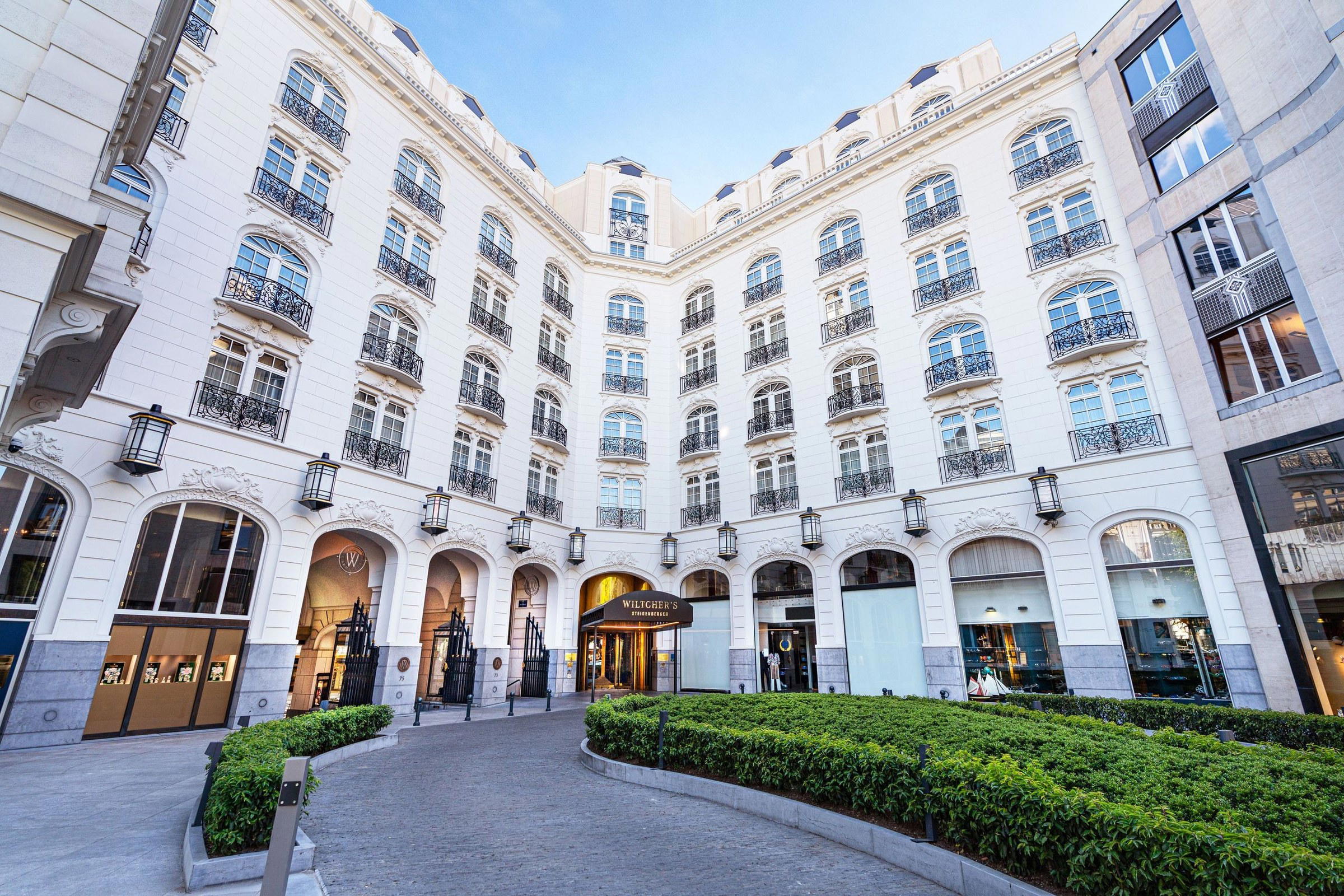
Hotels in Brussels
All hotels in Brussels →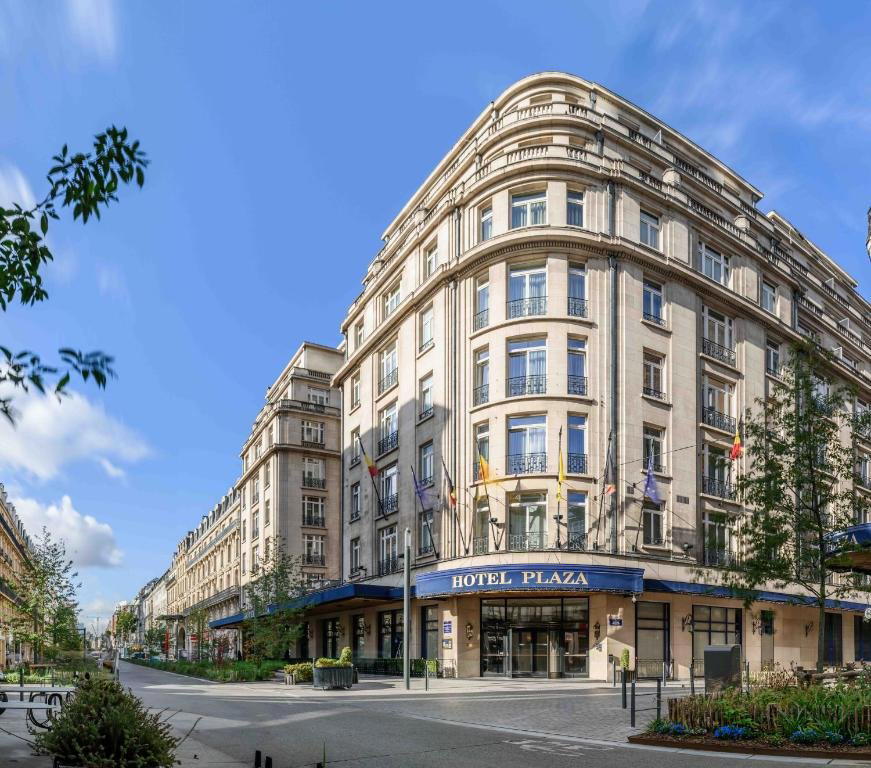
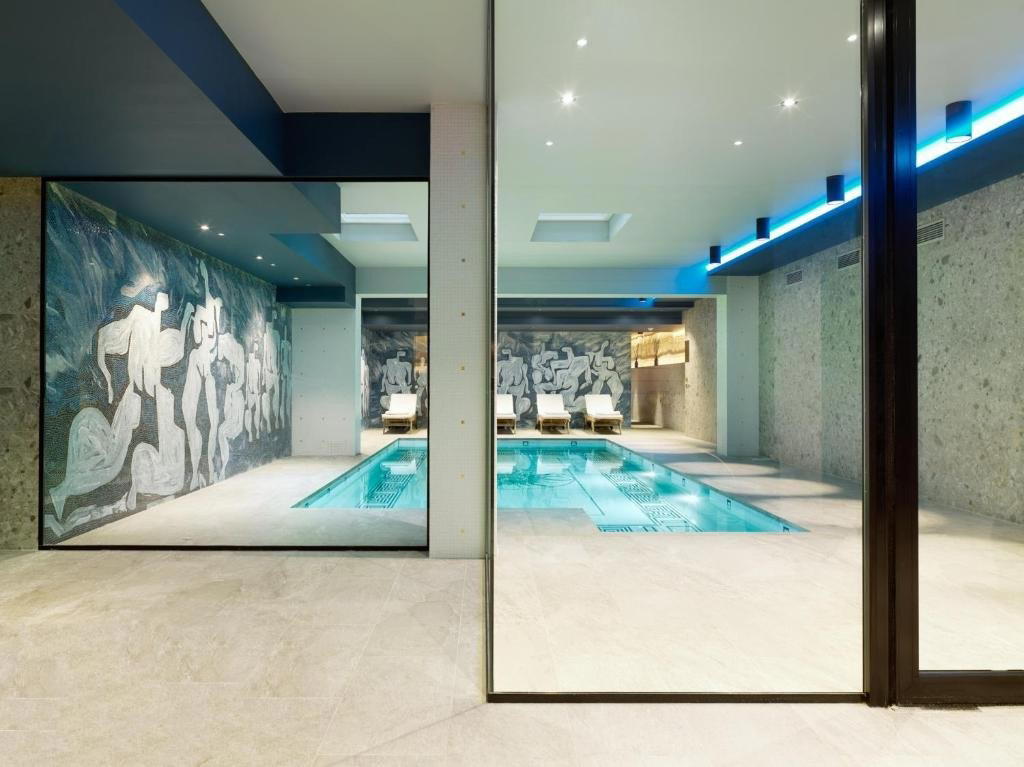
Wineries in Brussels
Browse all →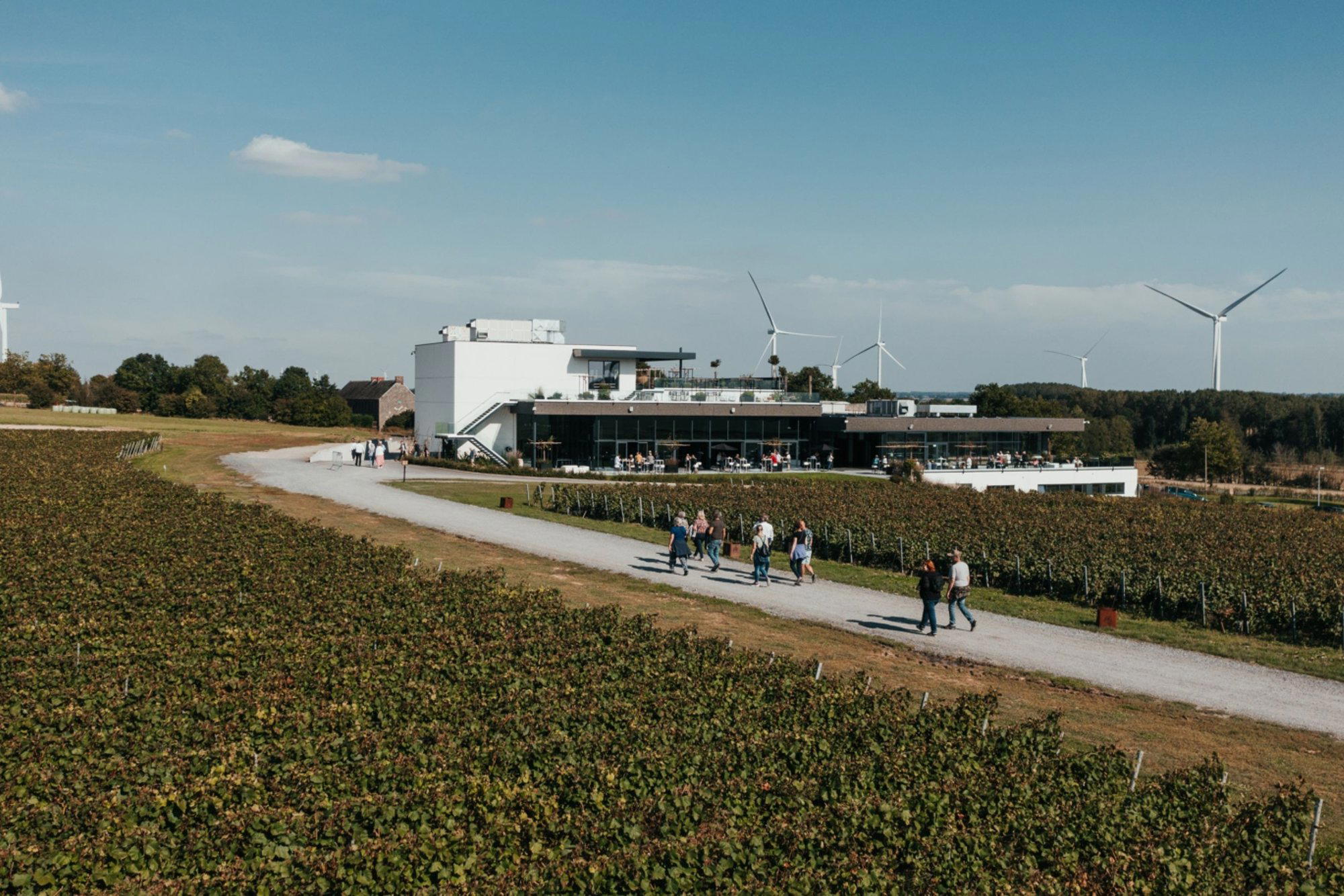
Details
- Cozy
- Modern
- Elegant
- Date Night
- Business Dinner
- Casual Hangout
- Historic Building
- Local Sourcing
- A La Carte
- Vegetarian Friendly
Current opening hours
- Monday
- Closed
- Tuesday
- 12–2 PM, 6–10 PM
- Wednesday
- 12–2 PM, 6–10 PM
- Thursday
- 12–2 PM, 6–10 PM
- Friday
- 12–2 PM, 6–10 PM
- Saturday
- Closed
- Sunday
- Closed
Hours can change for holidays and private events. Hours as of .
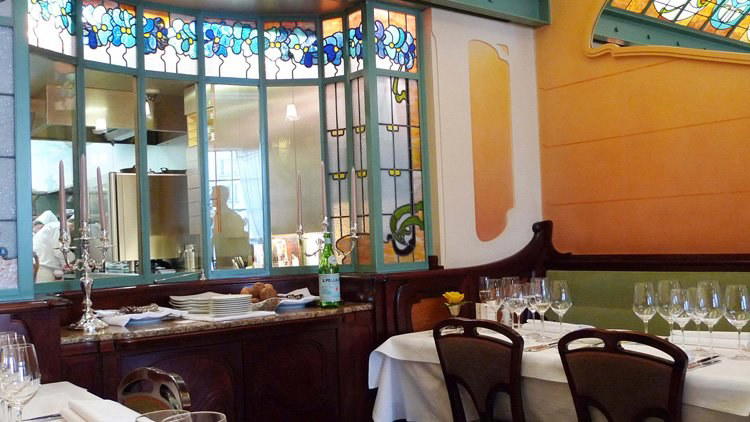
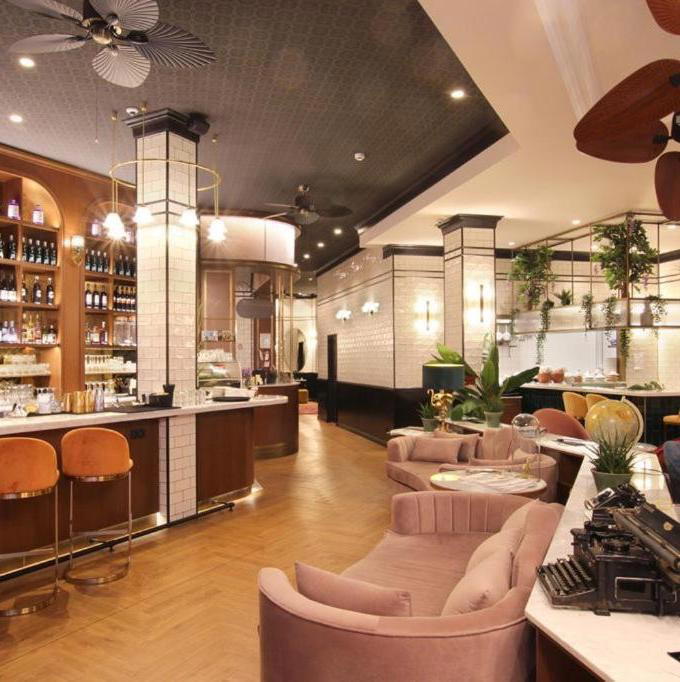
Conviviale et animée ambiance in art deco decor with ample space between tables for comfortable conversation.