A traditional Austrian Gasthof on the Grazer Bundesstraße corridor south of Graz, Gasthof Thomahan sits in the kind of Styrian village setting where regional cooking and local sourcing have been the default long before either became fashionable. For travellers moving between Graz and the Mur Valley, it represents the workhorse category of Austrian hospitality: unpretentious, place-rooted, and oriented toward the communities it serves.
Pearl is the En Primeur Club membership app — saves, bookings, and concierge access live there. Same editors, same standards.
- Address
- Grazer Bundesstraße 15, 8114 Friesach, Austria
- Phone
- +43312741555
- Website
- thomahan.at
- Directions
- Get directions
 Saves & bookings on Pearl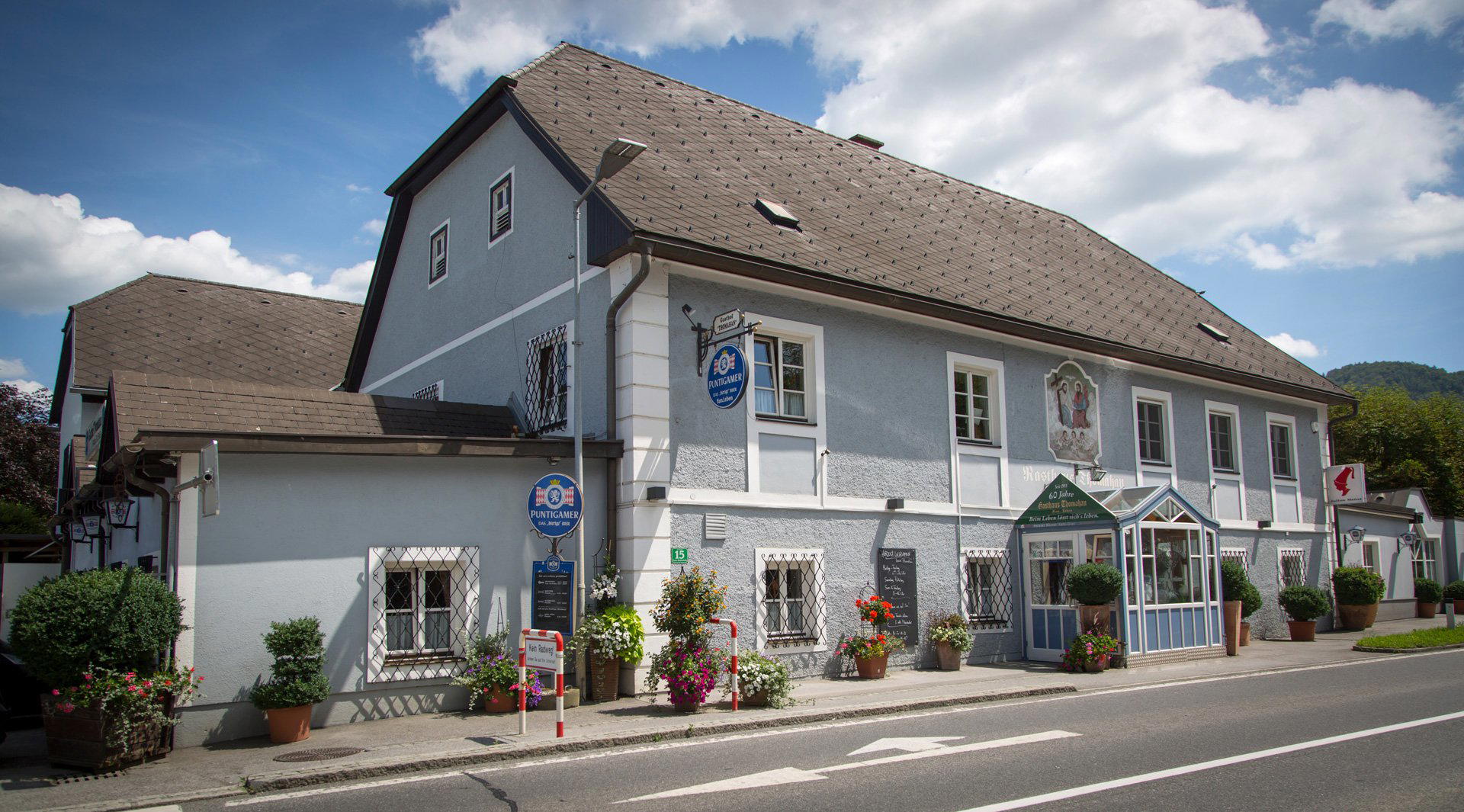
Where the Mur Valley Sets the Table
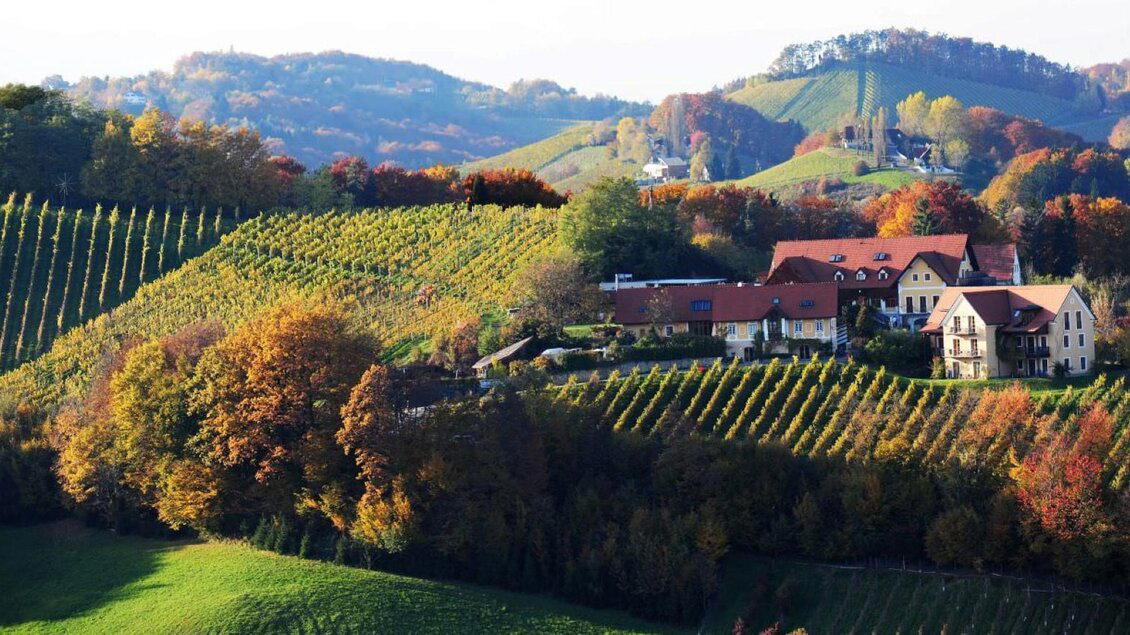
The road south from Graz through the Mur Valley passes through a particular kind of Austrian everyday life that the country's fine-dining circuit rarely captures. Peggau sits inside that corridor, a small market town where limestone cliffs drop sharply toward the river and the gastronomy is shaped less by culinary ambition than by geography and agricultural habit. Gasthof Thomahan, addressed at Grazer Bundesstraße 15 in the Friesach district, belongs to this tradition: a regional Gasthof operating within the structural logic of Styrian village hospitality, where the guest list is largely local and the kitchen draws on what the surrounding landscape produces.
This is a different register entirely from the Austria that appears in international food press. Places like Steirereck im Stadtpark in Vienna or Döllerer in Golling an der Salzach represent the country's creative ceiling, where ingredient sourcing has become a programmatic statement and menus are built around named suppliers. The Gasthof tradition operates from the same sourcing instinct but without the editorial apparatus: regional produce, seasonal adjustment, and a menu that reflects what is available rather than what makes a compelling tasting-menu narrative.
The Gasthof as Sourcing Model
Austria's Gasthof category is easy to underestimate from the outside. Internationally, the format reads as comfort-food traditionalism, but its sourcing discipline is, in many cases, more direct than that of urban restaurants operating at twice the price. Styria in particular has long maintained tight producer relationships: the region's pumpkin oil, its pork, its freshwater fish from Mur tributaries, and its wine grapes from the southern Steiermark all circulate through local kitchens with a regularity that doesn't require menu annotation to be real. A Gasthof kitchen in this part of Austria is not borrowing from the farm-to-table rhetoric that arrived in urban dining over the last two decades; it is continuing a supply relationship that predates the terminology.
That context matters when placing Gasthof Thomahan. Without specific menu data available, it would be overreaching to describe particular dishes or their sourcing in detail. What is structurally accurate is that a Gasthof operating in this part of Styria sits within a regional food economy where local procurement is the path of least resistance, not a premium differentiator. The surrounding agriculture is Styrian in character: heavy on pork, game in season, river fish, and the dense, mineral-forward produce that the region's cool mountain climate produces reliably.
For a comparative sense of where Austrian regional cooking anchors itself when it operates at the serious end of this tradition, Landhaus Bacher in Mautern an der Donau and Obauer in Werfen both show how deeply ingredient-rooted the Austrian kitchen can become when it commits to a specific region's larder. Those are destination-restaurant operations at the €€€€ tier; the Gasthof format translates the same regional instinct into a more accessible, community-facing format.
The Physical Setting and What It Signals
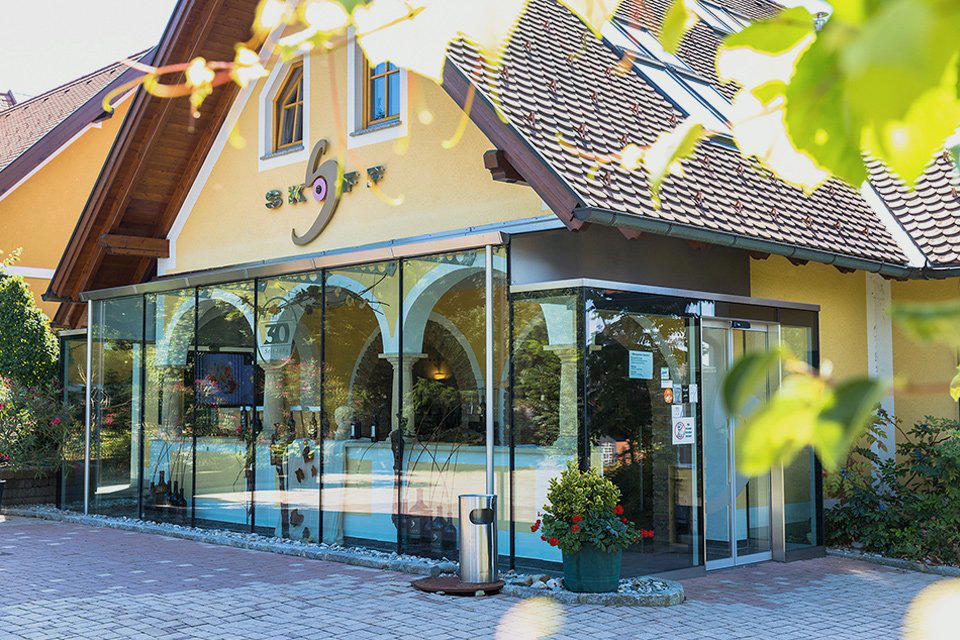
Bundesstraße addresses in Austria's smaller towns carry a particular social meaning. These are the roads that connected communities before the motorway network, and the establishments that grew along them served travellers, tradespeople, and locals in roughly equal measure. A Gasthof on this artery is a place that earned its position through utility and consistency, not through destination-dining logic. The physical approach to Gasthof Thomahan, on the main through-road between Graz and the Mur Valley towns, signals precisely this: a working establishment embedded in local daily life rather than positioned for touring visitors.
That positioning has implications for how you experience the room. Austrian Gasthöfe at this scale typically divide between a Gaststube, the main public dining room with its mix of regulars and passing trade, and more formal spaces for larger gatherings. The social temperature is usually calibrated by the regulars, which means the atmosphere on a Tuesday evening will differ meaningfully from a Sunday lunch when extended families occupy the larger tables. Neither configuration is superior; they represent different uses of the same space.
Placing Thomahan in the Regional Circuit
Styria's dining circuit has a clear hierarchy. At the leading sits the creative and destination tier, represented in this region by restaurants whose menus could hold their own in any European context. Below that, a layer of serious Gasthöfe and Wirtshäuser operates with genuine culinary intent but without the international visibility that comes from award cycles. Gasthof Thomahan falls into consideration within that middle and working tier, serving a community whose relationship with Styrian food is habitual rather than aspirational.
Travellers moving through this corridor who want to understand how Austrian regional cooking functions at its most grounded level will find more texture in this kind of establishment than in any hotel restaurant along the same route. The comparison isn't to Taubenkobel in Schützen am Gebirge or Ikarus in Salzburg, where menus are constructed as editorial statements; it is to a tradition of Austrian hospitality that predates and, in many ways, underlies the country's fine-dining reputation.
For reference points elsewhere in Austria's serious regional dining scene, Kräuterreich by Vitus Winkler in Sankt Veit im Pongau and Thaller - Gasthaus in Sankt Veit am Vogau both show how the Gasthof format can carry genuine culinary weight. Further afield, Schwarzer Adler in Hall in Tirol and Ois in Neufelden represent comparable regional anchoring in their respective areas. For those exploring Austrian restaurant culture more broadly, our full Peggau restaurants guide provides additional context on what the area offers across categories.
Restaurants at the destination end of the Austrian spectrum, including Restaurant 141 by Joachim Jaud in Mieming, Gourmetrestaurant Tannenhof in Sankt Anton am Arlberg, Stüva in Ischgl, Griggeler Stuba in Lech, and Atelier Fischer in Sankt Gilgen represent the country's more visible international tier. Internationally, Le Bernardin in New York City and Lazy Bear in San Francisco show how sourcing-led conviction operates at the highest levels of the creative dining circuit. Thomahan occupies a different position on that spectrum, but the underlying sourcing logic connects across formats.
Planning Your Visit
The restaurant is located at Grazer Bundesstraße 15, 8114 Friesach, in the Peggau area of Styria, accessible by road from Graz in under thirty minutes via the A9 motorway corridor. Hours, booking details, and pricing should be checked before visiting, particularly for weekend or larger-group dining when Austrian Gasthöfe at this scale often see their highest demand from local families and groups.
A Quick Peer Check
Comparable venues nearby, for context on price, style, and recognition.
| Venue | Cuisine | Price | Notes |
|---|---|---|---|
| Gasthof ThomahanThis venue — the venue you are viewing | Traditional Austrian Styrian | $$ | Not listed |
| Fürstenstand | Traditional Styrian Mountain Restaurant | $$ | Gösting |
| Sudhaus | Styrian Brewery Restaurant | $$ | Straßgang |
| Wirtshaus im Stainzerhof | Styrian Regional Austrian | $$ | Stainz |
| Roter Hahn | Modern Austrian Regional | $$ | outskirts |
| Almhütte Plotscherbauer | Austrian Regional Almhütte | $$ | Übelbach |
Continue exploring
More in Peggau
Restaurants in Peggau
Browse all →
Bars in Peggau
Browse all →
Hotels in Peggau
Browse all →
At a Glance
- Rustic
- Cozy
- Classic
- Family
- Casual Hangout
- Historic Building
- Garden
- Beer Program
Current opening hours
- Monday
- 9 AM–11 PM
- Tuesday
- 9 AM–11 PM
- Wednesday
- 9 AM–11 PM
- Thursday
- 9 AM–11 PM
- Friday
- 9 AM–11 PM
- Saturday
- Closed
- Sunday
- Closed
Hours can change for holidays and private events. Last verified .
Rustic and cozy atmosphere described as urig (cozy and authentic), quiet, with a beautiful guest garden.