Our verdict
In the small market town of Stainz at the heart of Austria's Schilcher wine country, Wirtshaus im Stainzerhof occupies the kind of address where Styrian hospitality and regional ingredient culture converge. The cooking draws from the agricultural richness of the Western Styrian hills, placing it in a local dining tradition that values proximity and season over spectacle. For visitors to the region, it anchors the town's modest but purposeful restaurant scene.

Pearl is the En Primeur Club membership app — saves, bookings, and concierge access live there. Same editors, same standards.
- Address
- Grazer Str. 2, 8510 Stainz, Austria
- Phone
- +43346322122
- Website
- stainzerhof.at
- Directions
- Get directions
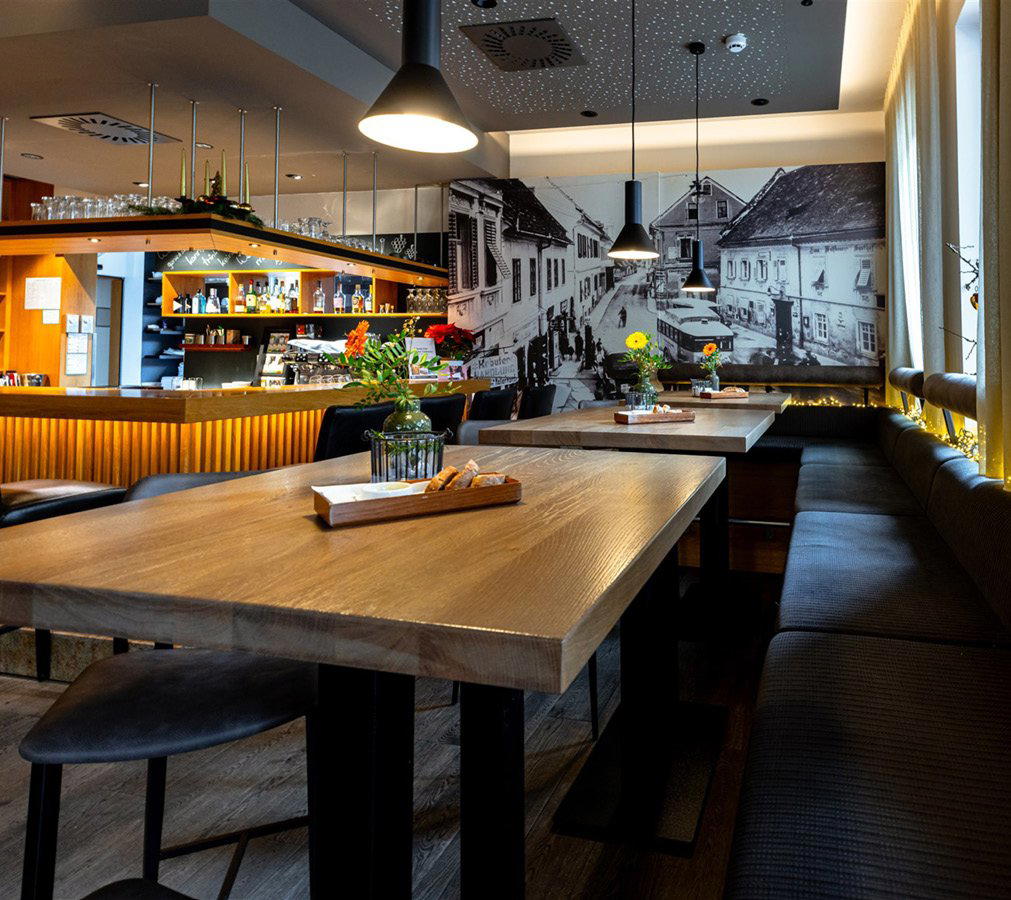
Where Styrian Ingredient Culture Shows Up Most Directly
Western Styria is one of Austria's more quietly productive agricultural regions. The hills around Stainz yield pumpkin seed oil, Schilcher rosé wine from Blauer Wildbacher grapes, free-range pork, and seasonal game, none of which travel far before reaching the plates of local kitchens. Wirtshaus im Stainzerhof, on Grazer Strasse in the centre of town, sits at the point where that supply chain meets the dining room in its most direct form: a traditional Wirtshaus, or inn-restaurant, built around the produce its region actually grows rather than around imported culinary ambition.
That positioning matters in context. Austrian fine dining has moved steadily toward creative abstraction at addresses like Steirereck im Stadtpark in Vienna or Döllerer in Golling an der Salzach, where technical ambition and international reference points define the offer. The Wirtshaus format operates at a different register entirely, one where the measure of quality is not technique for its own sake but fidelity to the ingredient and to the guest who already knows what Styrian cooking tastes like. Stainz, a small town of around 5,000 people southwest of Graz, doesn't attract the destination-dining crowd that gravitates toward Ikarus in Salzburg or Griggeler Stuba in Lech. It attracts people who want to eat where the locals eat, and who understand that in Styria, that is frequently the more instructive choice.
The Ingredient Argument for Western Styria
Styria's food culture is unusual within Austria for the degree to which it remains tied to a specific palette of regional products. Kürbiskernöl, the dark green pumpkin seed oil pressed from Styrian pumpkins, appears in vinaigrettes, soups, and as a finishing element across the region with the kind of frequency that signals a genuine culinary identity rather than a marketing angle. Schilcher, the copper-pink wine made only from Blauer Wildbacher grapes grown in the Weststeiermark designation around Stainz and Deutschlandsberg, pairs with the local cooking in ways that imported wine lists rarely replicate. Dishes built around these products are not approximations of something else. They are the original.
A Wirtshaus like the Stainzerhof operates as a direct conduit for that ingredient culture. The format, common across the German-speaking Alpine countries, traditionally combines a bar or tavern space with a kitchen that produces substantial, recognisably regional food: hearty soups, roasted meats, vegetable preparations shaped by season, and desserts that lean toward baked rather than composed. What separates better examples of the format from mediocre ones is the sourcing discipline behind that apparent simplicity. When the pumpkin seed oil is cold-pressed and local, when the pork comes from farms within the surrounding hills, and when the Schilcher on the wine list comes from the vineyard rather than the distributor, the Wirtshaus becomes an argument for a place as much as a meal within it. For visitors new to the region, this is a more direct education in Styrian food culture than most tasting menus can offer. See also Terra (Seasonal Cuisine), another Stainz address working within the seasonal produce framework.
The Setting and What to Expect
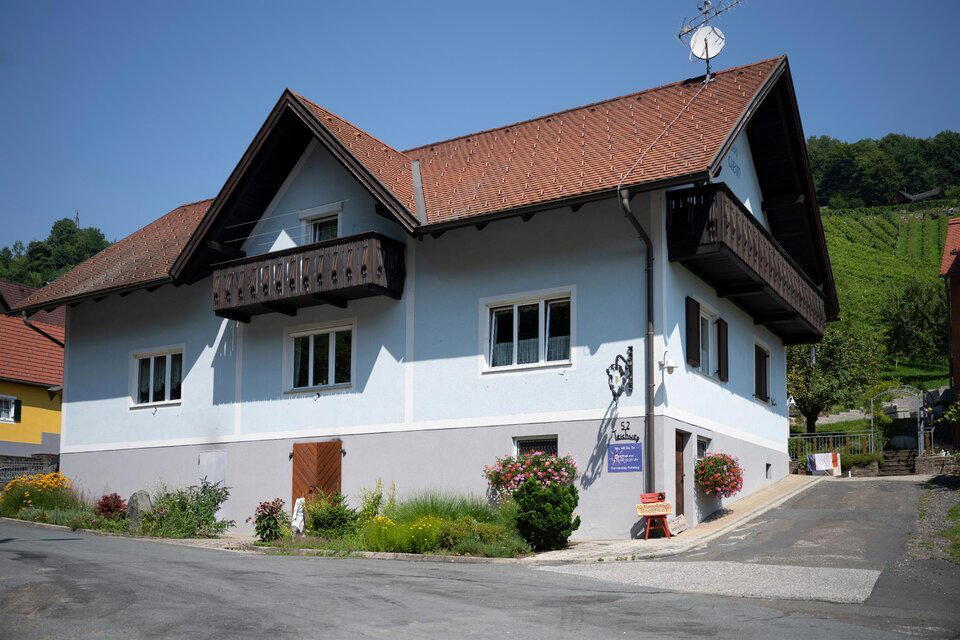
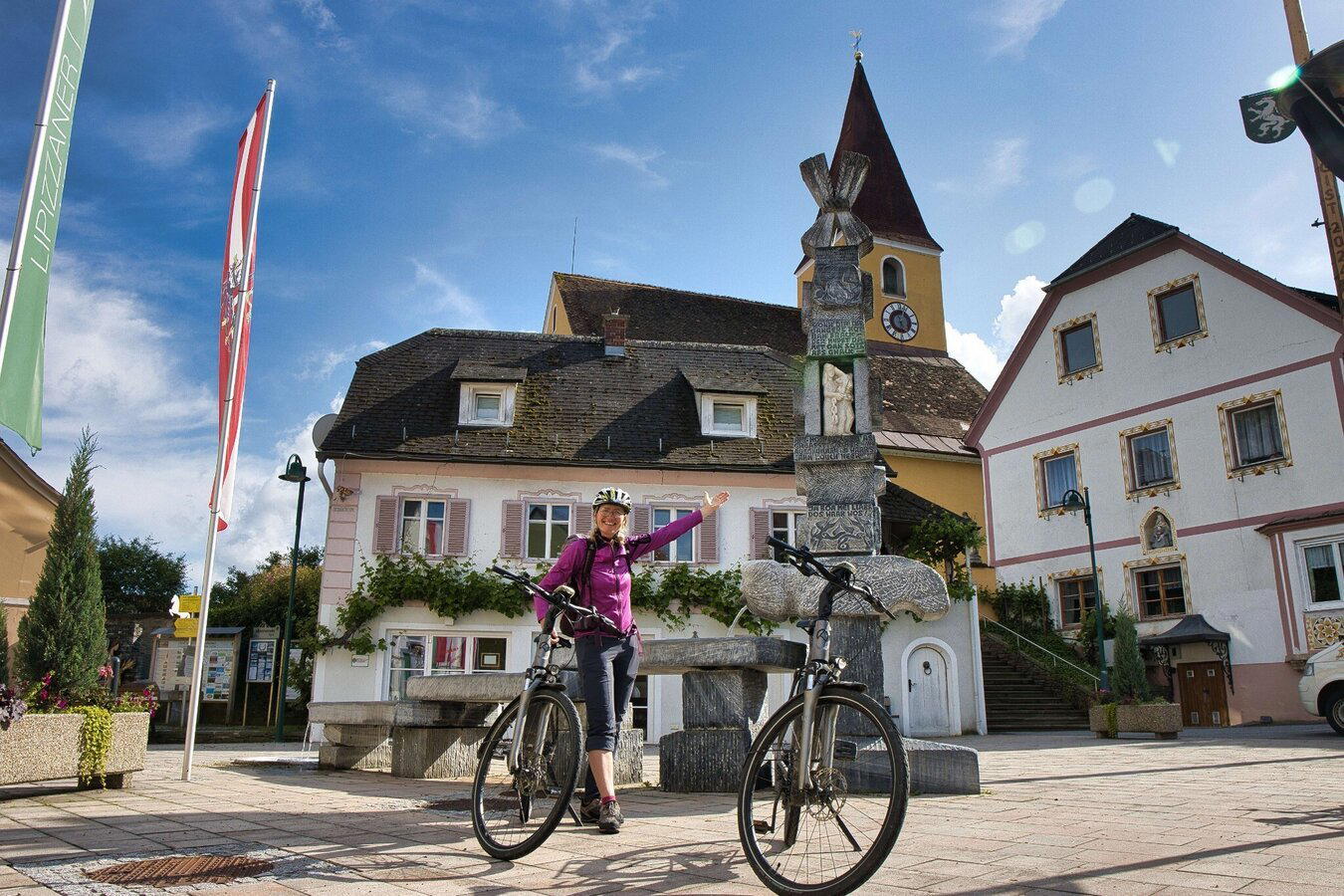
Stainz is a compact baroque market town, with a main square anchored by a former Augustinian monastery and a rhythm that slows noticeably once you leave the road from Graz. The Stainzerhof address on Grazer Strasse places it at the town's accessible edge, the kind of location that serves both travellers passing through and residents who treat it as a regular table. The physical character of a well-kept Wirtshaus in this part of Austria typically means wood-panelled rooms, tables set for groups rather than intimate pairs, and a communal ease that distinguishes the format from the more composed atmosphere of a dedicated restaurant. The expectation is not quiet reverence but comfortable familiarity.
That atmosphere extends to how the room operates across the week. Wirtshäuser in rural Styria tend to anchor the social calendar of their towns in ways that urban restaurants rarely do, serving as venues for community meals, local celebrations, and the kind of midday eating that punctuates a working day. This is not incidental to the experience; it is the experience. Formats like these, which have persisted while Austrian fine dining has industrialised its ambition at addresses such as Obauer in Werfen or Landhaus Bacher in Mautern an der Donau, retain their value precisely because they remain unconcerned with the pressures driving those other kitchens.
How Stainz Sits Within the Wider Austrian Dining Picture
Austria's provincial restaurant culture has become more interesting to serious food travellers over the past decade as the dominant narrative of Austrian dining, centred on Vienna and a handful of Alpine resort addresses, has given way to greater curiosity about regional specificity. Styria, with its wine identity, its distinct ingredient palette, and its proximity to the Slovenian and Croatian borders, represents one of the more compelling regional cases. Addresses like Taubenkobel in Schützen am Gebirge and Kräuterreich by Vitus Winkler in Sankt Veit im Pongau have made credible arguments for Austrian provincial cooking on an international stage. The Wirtshaus format sits several tiers below that level of ambition and recognition, but it is not therefore less relevant to understanding how a region eats. Considered comparisons to technically accomplished kitchens like Restaurant 141 by Joachim Jaud in Mieming, Schwarzer Adler in Hall in Tirol, Stüva in Ischgl, or even internationally framed addresses such as Le Bernardin in New York City and Atomix in New York City underscore how different the intent is: those kitchens translate technique into identity; the Wirtshaus translates geography into identity. Both are legitimate. They answer different questions. For the Graz dining scene more broadly, Artis in Graz and Ois in Neufelden offer further regional reference points.
Planning a Visit
Stainz is reachable from Graz by regional bus or car, approximately 35 kilometres southwest of the city along routes that pass through Schilcher vineyard territory. Visitors combining a Stainzerhof meal with a visit to the Stainz Palace and winery, or with a driving tour of the Weststeiermark wine road, will find the timing aligns naturally: the town is leading explored at a pace that includes a proper midday or early evening meal rather than a rushed stop. Our full Stainz restaurants guide covers the broader dining options in and around the town for those spending more than a day in the area.
Frequently asked questions
Is Wirtshaus im Stainzerhof a family-friendly restaurant?
The Wirtshaus format in Austria has a long association with multi-generational dining, and Stainz itself is a compact baroque market town where that tradition holds. A venue operating under the Wirtshaus name at Grazer Str. 2 fits within a category of Austrian inn-style restaurants that typically accommodate families as a matter of course.
What's the vibe at Wirtshaus im Stainzerhof?
Stainz operates at a pace that slows considerably once you move away from Graz, and a Wirtshaus in this context implies a grounded, unhurried room rather than a destination-dining atmosphere. The setting in a baroque market town, roughly 35 kilometres southwest of Graz, shapes the register: this is provincial Austrian hospitality in a region known for its agricultural produce rather than its restaurant scene. Expect directness over theatre.
How far is Wirtshaus im Stainzerhof from Graz, and is it worth the trip?
Stainz sits approximately 35 kilometres southwest of Graz, reachable by regional bus or car along routes that pass through Schilcher vineyard country. For anyone already exploring western Styria's wine and agricultural producers, Grazer Str. 2 places the Stainzerhof within the market town centre, making it a natural stop rather than a detour. The case for the journey is the same one that applies to Styrian food culture broadly: the ingredient specificity of this sub-region is difficult to encounter elsewhere in Austria.
What's the best thing to order at Wirtshaus im Stainzerhof?
Western Styria's defining pantry items are pumpkin seed oil, Schilcher rosé wine, and the seasonal produce of the surrounding hills — and a Wirtshaus in this region draws on exactly that palette. Without a published menu on record, the strongest approach is to ask what is made with local Kürbiskernöl or what the kitchen is sourcing that week. Dishes built around regional specificity are where Styrian inn cooking tends to distinguish itself from generic Austrian fare.
What part of town is Wirtshaus im Stainzerhof in?
Wirtshaus im Stainzerhof is located at Grazer Str. 2, 8510 Stainz, Austria, Stainz.
In Context: Similar Options
| Venue | Cuisine | Price | Awards | Notes |
|---|---|---|---|---|
| Wirtshaus im StainzerhofThis venue — the venue you are viewing | Styrian Regional Austrian | $20–30 | Not listed | Not listed |
| Steirereck im Stadtpark | Modern Austrian Fine Dining | $200–300 | 3 Michelin Stars · World's 50 Best #33 | Creative |
| Döllerer | Modern Alpine Cuisine | $100–150 | 2 Michelin Stars · La Liste Top Restaurants | Contemporary Austrian, Innovative |
| Ikarus | Guest Chef Fine Dining | $200–300 | 2 Michelin Stars · La Liste Top Restaurants | Modern European, Creative |
| Konstantin Filippou | Modern Fish-Led Fine Dining | $200–300 | 2 Michelin Stars · La Liste Top Restaurants | Modern European, Modern Cuisine |
| Landhaus Bacher | Classic Austrian Fine Dining | $100–150 | 2 Michelin Stars · La Liste Top Restaurants | Austrian, Classic Cuisine |
Continue exploring
More in Stainz
Restaurants in Stainz
Browse all →
Bars in Stainz
Browse all →
Hotels in Stainz
Browse all →
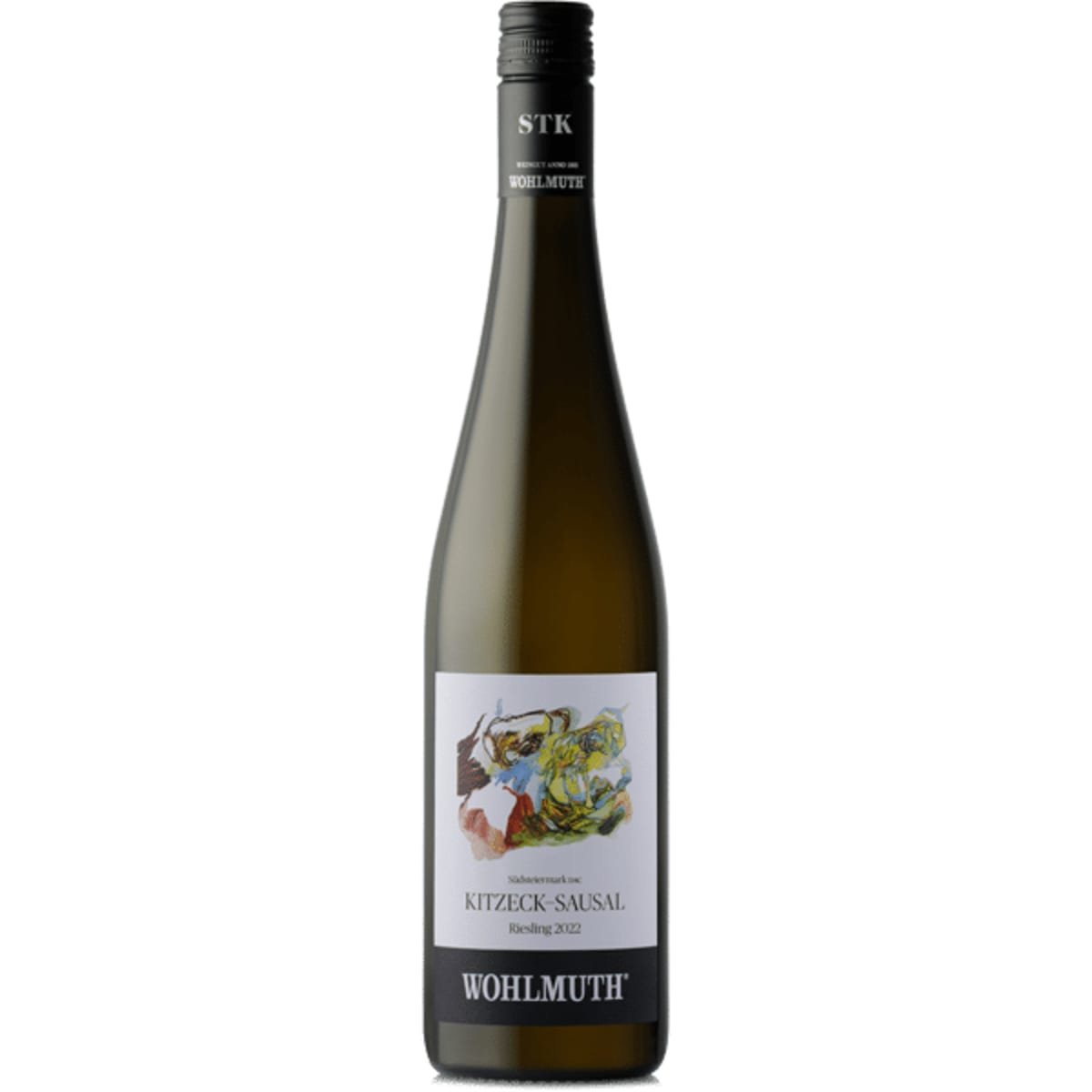
Wirtshaus im Stainzerhof
The wine
- Wine program
- Curated wine list
- Extensive wine list
Details
- Rustic
- Cozy
- Classic
- Family
- Casual Hangout
- Historic Building
- Hotel Restaurant
- Terrace
- Extensive Wine List
- Local Sourcing
- A La Carte
- Vegetarian Friendly
Urige Gasthof atmosphere with warmth, hospitality, and good room acoustics in a comfortable, redesigned setting.