Sudhaus occupies a converted industrial space on Weblinger Strasse in Graz's southwestern fringe, placing it outside the city's established dining corridor but firmly within the current Austrian wave of repurposed-building restaurants. The address rewards those who track the city's dining scene beyond the Altstadt, where the collaboration between kitchen, floor, and cellar tends to define the experience as much as any single dish.
Pearl is the En Primeur Club membership app — saves, bookings, and concierge access live there. Same editors, same standards.
- Address
- Weblinger Str. 10, 8054 Graz, Austria
- Phone
- +433162695700
- Website
- sudhaus.at
- Directions
- Get directions
 Saves & bookings on Pearl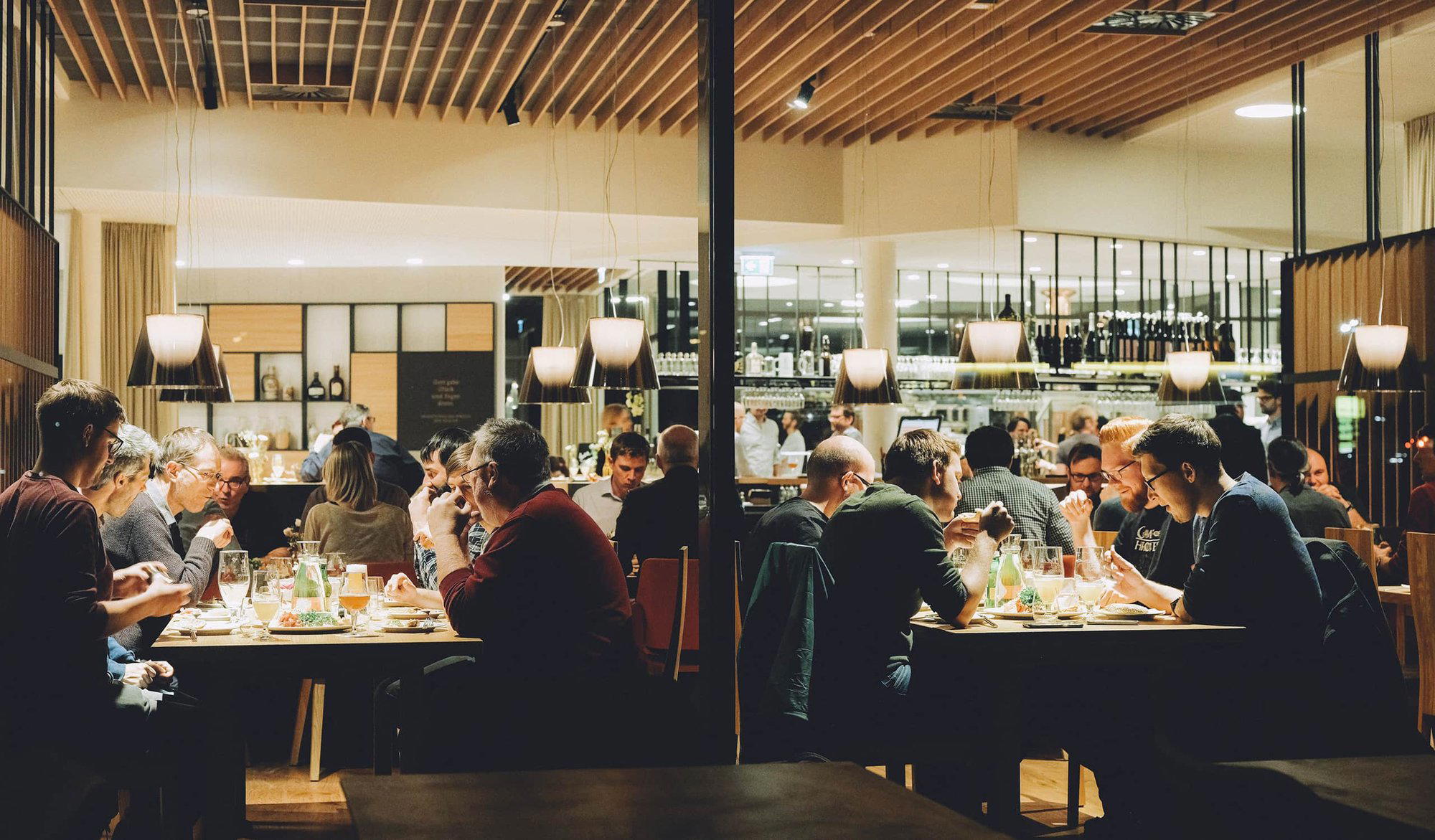
Outside the Centre, Inside the Conversation
Graz has spent the better part of a decade quietly building a dining identity that sits at an angle to Vienna's more celebrated restaurant culture. Where Steirereck im Stadtpark in Vienna represents the apex of long-established fine dining in Austria, Graz's better restaurants have tended toward something less ceremonial and more rooted in the agricultural depth of Styria. Sudhaus, at Weblinger Str. 10 in Graz's southwest, belongs to this Graz tendency: a venue that sits away from the tourist-facing Altstadt cluster, in a location that signals a place has its own reasons for existing beyond passing foot traffic.
The address itself is editorial information. Restaurants that open on the city's periphery, in former industrial or production buildings, are making a statement about their intended audience. Graz has seen this pattern play out across several categories, from brewpub conversions to workshop-format spaces, and Sudhaus fits that structural shift: a building with a prior industrial function, repurposed into a hospitality setting where the bones of the original space do some of the atmospheric work. Arriving via Weblinger Strasse, with its mix of light commercial and residential buildings, you understand before entering that the room will not rely on historic plasterwork or a Baroque courtyard view to do the heavy lifting.
The Architecture of a Good Room
Austrian dining has historically leaned on two room types: the formal hotel dining room and the rural Gasthof, both of which carry inherited assumptions about what a serious meal looks like. The more recent development has been the emergence of a third type, the converted non-residential building, in which the kitchen-to-floor relationship is reorganised partly because the physical space demands it. Volumes are higher, sightlines are different, and the front-of-house team operates in a way that requires more deliberate choreography than a conventional dining room layout allows.
Sudhaus operates in this third room type, shaping how kitchen, sommelier, and floor collaborate. In spaces like this, the service team carries more interpretive weight: they are explaining an environment as well as a menu in a setting that does not automatically read as a restaurant to a first-time visitor. That demands a front-of-house approach with real depth, and it is one of the reasons that the team dynamic at such venues tends to be one reliable indicator of overall quality.
Graz's Dining comparable set
Sudhaus sits within the broader spread of serious dining in Graz. Artis (Creative) operates at the €€€€ tier with a creative format that places it among the city's most ambitious tables. Adelphia and Aiola im Schloss represent the established mid-to-upper segment, while aiola upstairs and Arravané bring distinct formats to the city's dining spread. Sudhaus occupies a position on Graz's southwestern fringe that is geographically separate from this cluster, which means a visitor has to make a specific decision to go there, rather than stumbling in from another booking or a walk through the old town.
That geographic specificity tends to attract a more engaged clientele, which in turn shapes how a kitchen and floor team develop. Restaurants in peripheral locations typically have lower table turnover pressure and more opportunity to build the kind of regulars who drive quality over time. Across Austria, this pattern holds from urban outliers to destination restaurants such as Obauer in Werfen or Landhaus Bacher in Mautern an der Donau, where location away from a city centre has historically reinforced rather than undermined the quality proposition.
The Styrian Ingredient Base
Any serious restaurant in Graz is implicitly in conversation with the Styrian larder, one of Austria's most characterised regional ingredient bases: pumpkin seed oil, Kürbiskernöl in the local idiom, Styrian beef, freshwater fish from alpine tributaries, and a wine region in the Südsteiermark that has emerged over the past twenty years as a serious international reference for Sauvignon Blanc and Welschriesling. That ingredient context matters because it defines what a kitchen in this city can credibly claim as its own, and what reads as imported or performative.
Austria's better restaurant destinations, from Ikarus in Salzburg with its rotating guest chef format to Döllerer in Golling an der Salzach with its alpine product focus, have built their identities around place-specific sourcing logic. The question for any Graz restaurant is how it positions itself against that regional depth. A peripheral address like Weblinger Strasse 10 is, in one reading, a shorthand for a kitchen that draws its supply lines from the southwestern approaches to the city rather than from a central market, a different set of producers and a different seasonal rhythm.
Team Dynamics in the Converted Space
The editorial angle that most reliably distinguishes serious Austrian restaurants from competent ones is how the front-of-house and kitchen teams operate in relation to each other. At the level below Michelin-starred rooms, where the kitchen credentials are harder to verify at a glance, the floor team does significant signalling work: their knowledge of sourcing, their command of the wine list, and the coherence between what arrives on the plate and what was described in advance. Venues at this level in Graz, as in comparable cities such as Linz or Innsbruck, tend to live or die on the consistency of that three-way dynamic between chef, sommelier, and host.
Austrian dining at the mid-to-upper tier, illustrated by places such as Gourmetrestaurant Tannenhof in Sankt Anton am Arlberg or Griggeler Stuba in Lech, has demonstrated that a strong sommelier programme can be as defining as the kitchen output. For a venue in a converted industrial building on a peripheral street, where the room itself offers no inherited prestige, that team coherence becomes even more load-bearing. It is the primary reason a place like this either develops a loyal local following within two years or does not survive past its third.
Planning a Visit
Sudhaus is located at Weblinger Strasse 10 in the 8054 postal district of Graz, southwest of the city centre, reachable by tram or car. Given the peripheral address and the self-selecting nature of its clientele, contacting the venue in advance to confirm hours and reservation availability is advisable; walk-in availability cannot be assumed on a weekend evening. For visitors building a broader Styrian itinerary, the southwestern approach to Graz also opens routes toward the Südsteiermark wine region, making a dinner at Sudhaus a natural anchor point for a day trip that combines wine country and city dining.
For a broader map of where Sudhaus sits relative to the city's other serious tables, our full Graz restaurants guide covers the range from neighbourhood-level options to the city's most ambitious rooms. Internationally, the team-dynamic model that defines places like Sudhaus has clear parallels at a different scale in venues such as Atomix in New York City, where front-of-house programme depth is as discussed as the kitchen output, and at Le Bernardin in New York City, where floor and kitchen coherence has been the consistent critical point of reference for decades. The ambition is different at a peripheral Graz address, but the underlying logic of what makes a room work is not.
How It Stacks Up
Comparable venues nearby, for context on price, style, and recognition.
| Venue | Cuisine | Price | Notes |
|---|---|---|---|
| SudhausThis venue — the venue you are viewing | Styrian Brewery Restaurant | $$ | Not listed |
| Der Steirer | Traditional Styrian Cuisine | $$ | Gries |
| Subarashii Pfauengarten | Modern Japanese-Asian Sushi & Bowls | $$ | Innere Stadt |
| PINK ELEPHANT | Mexican Street Food | $$ | Innere Stadt |
| Fürstenstand | Traditional Styrian Mountain Restaurant | $$ | Gösting |
| Café Fotter • Graz | Traditional Austrian Café | $$ | Geidorf |
Continue exploring
More in Graz
Restaurants in Graz
Browse all →
Bars in Graz
Browse all →
Hotels in Graz
Browse all →

At a Glance
- Cozy
- Lively
- Group Dining
- Casual Hangout
- Open Kitchen
- Terrace
- Beer Program
- Local Sourcing
Current opening hours
- Monday
- 3–10 PM
- Tuesday
- 3–10 PM
- Wednesday
- 3–10 PM
- Thursday
- 3–10 PM
- Friday
- 12–10 PM
- Saturday
- Closed
- Sunday
- Closed
Hours can change for holidays and private events. Last verified .
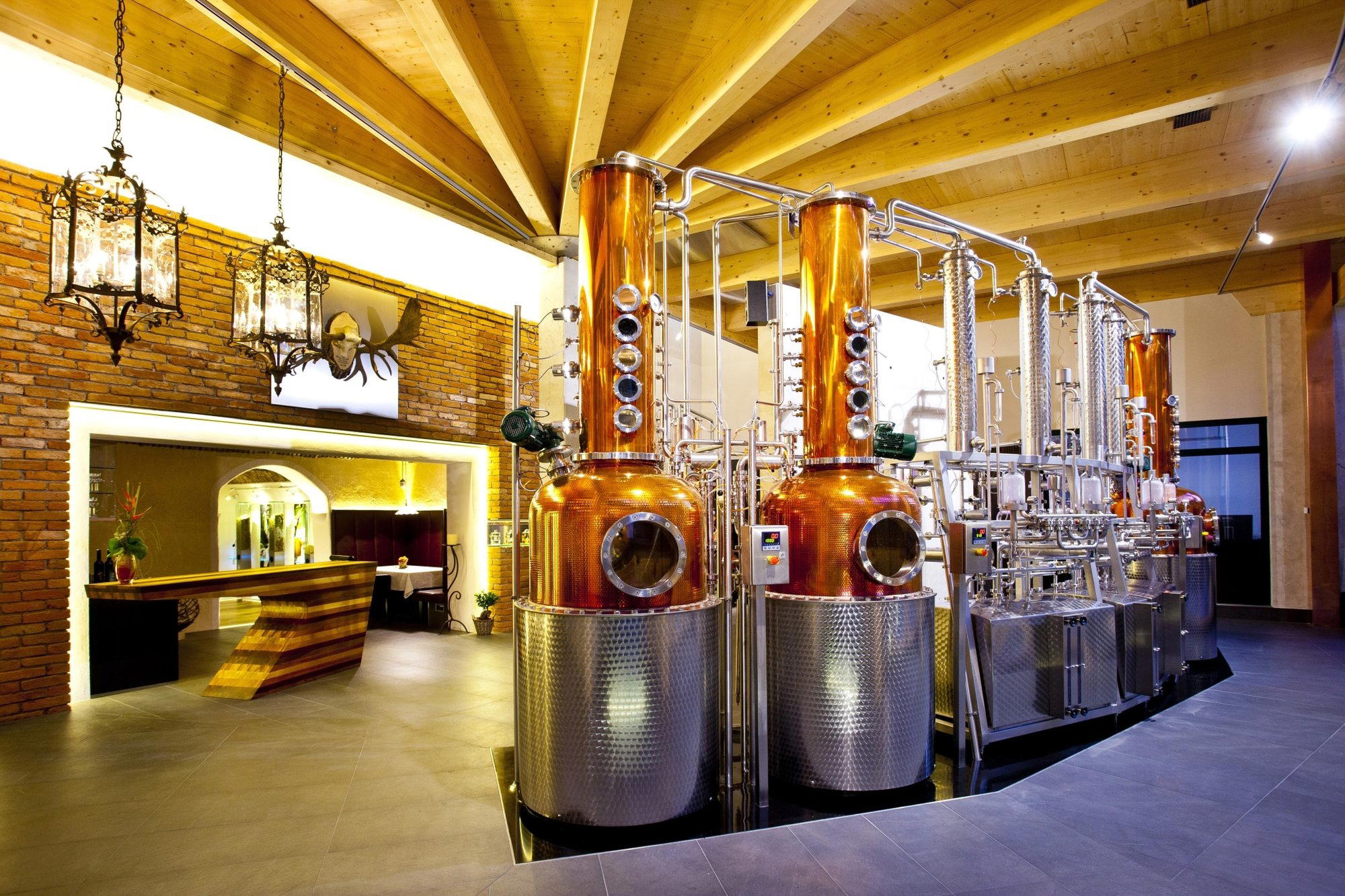
Noble and pleasant atmosphere flooded with light, featuring a show brewery and summer roof terrace.