
Tabelog 100 #51
Our verdict
Atelier places Beppu’s hotel dining in a sharper frame: French and innovative cooking filtered through Oita’s produce culture, with Tabelog 100 Yoshoku WEST 2025 recognition giving it weight beyond the resort setting. The appeal is not spectacle but the way a hot-spring city, rural supply lines, and a compact dining room can make Western-form cooking feel local rather than imported.

Pearl is the En Primeur Club membership app — saves, bookings, and concierge access live there. Same editors, same standards.
- Address
- Japan, 〒874-0000 Oita, Beppu, Resort & Spa 4F ANA InterContinental
- Phone
- +81 977-76-8258
- Hours
- Daily 5–9:30 PM
- Website
- anaicbeppu.com
- Directions
- Get directions
The menu
What to order
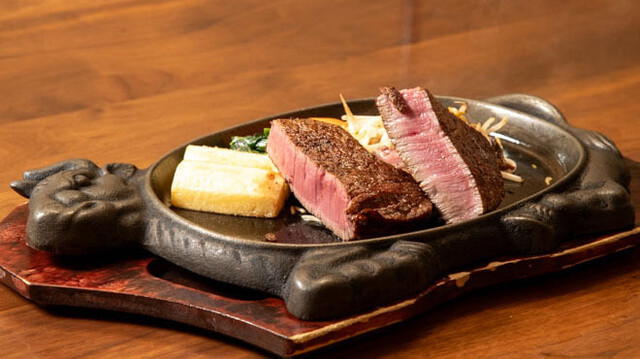
- Charcoal-grilled Oita Wagyu steak
- Kamae spiny lobster with Américaine sauce
- Beppu Bay squid with kumquat vinaigrette
- Seasonal Oita tasting menu courses
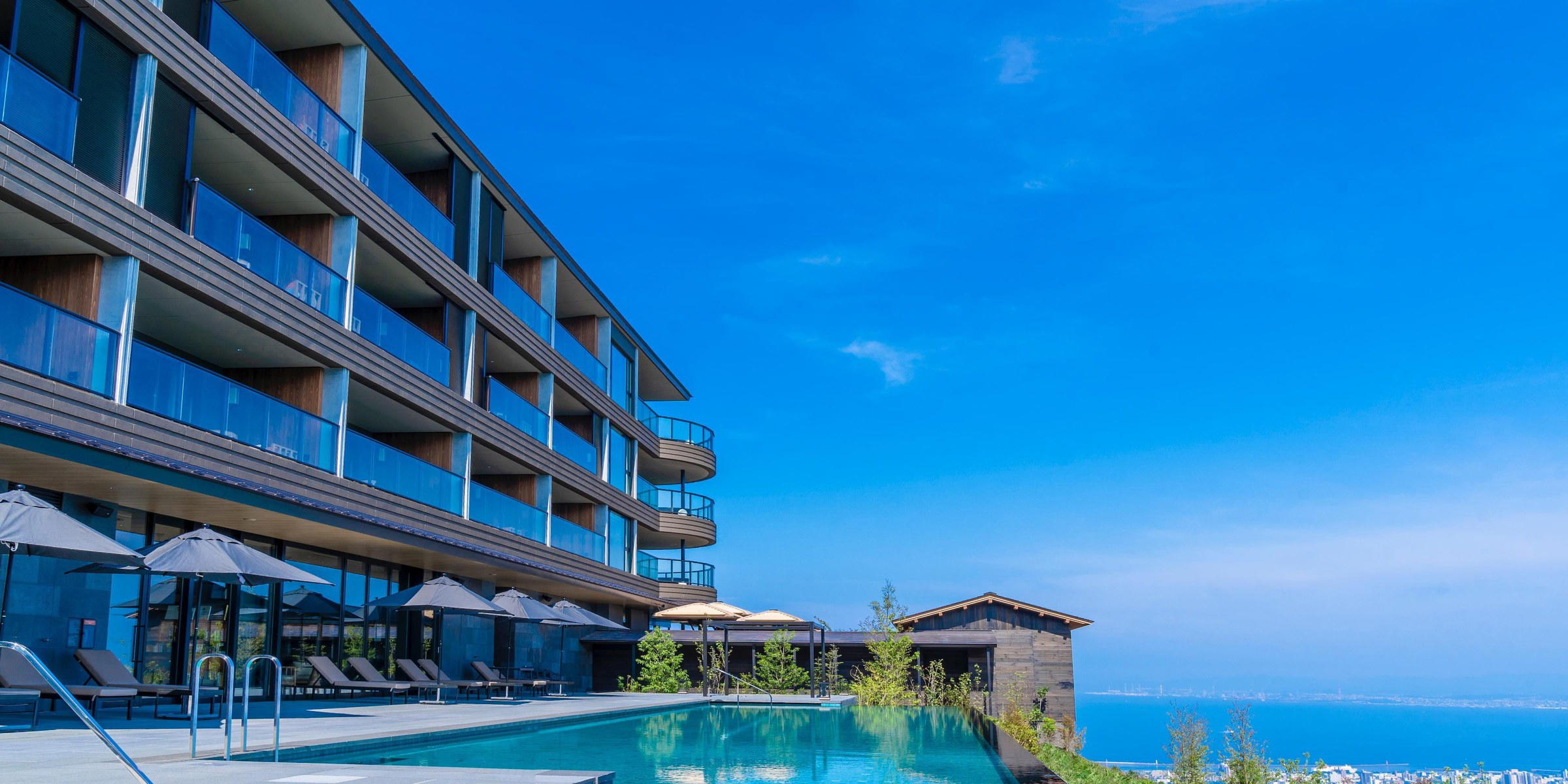
Approaching dinner in Beppu usually means steam first: vents from the Kannawa hills, mineral heat, and a rhythm built around bathing before eating. Atelier belongs to that geography. Its location inside ANA InterContinental Beppu Resort & Spa places it in hotel dining, but the stronger story is French and innovative cooking made to speak with Oita ingredients rather than imitate Tokyo formality.
Beppu is not a conventional haute-cuisine city. Its table culture runs through hot-spring travel, regional beef, seafood from the Seto Inland Sea and Bungo Channel, and the casual stamina of taverns and gyoza counters. Atelier is useful as a marker: it shows how far Beppu dining has moved beyond ryokan meals and souvenir-town expectations. Tabelog selected it for the 2025 Tabelog 100 Yoshoku WEST list, a category rewarding Japanese interpretations of Western cooking rather than orthodox French classicism. Here, that matters more than a generic luxury label.
Oita produce gives Western-form cooking a local argument
Western cooking in Japan has always been adaptive. Yoshoku began as imported technique translated through local appetite; contemporary hotel restaurants often push that translation toward tasting-menu polish. Atelier sits in the more interesting part of that spectrum, where French structure and innovative plating are judged by how convincingly they carry regional produce. In Oita, that means a pantry shaped by mountain vegetables, citrus, mushrooms, seafood, and beef culture, not only a metropolitan supply chain.
The better reading is not “French in Beppu,” but Beppu using French technique as a frame. In a hot-spring resort city, guests expect comfort, privacy, and polish; the risk is anonymous hotel cuisine. The stronger version lets place set the terms. Atelier’s Tabelog category, French, Innovative, Hotel, captures that tension: refinement in format, while Yoshoku recognition places it in a Japanese Western-cooking lineage where adaptation is the point.
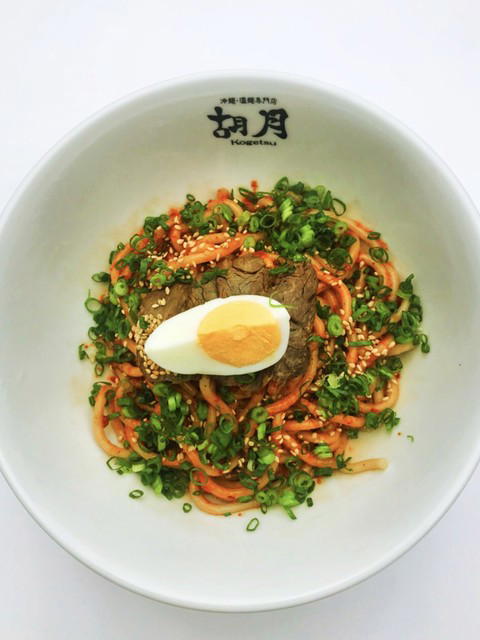
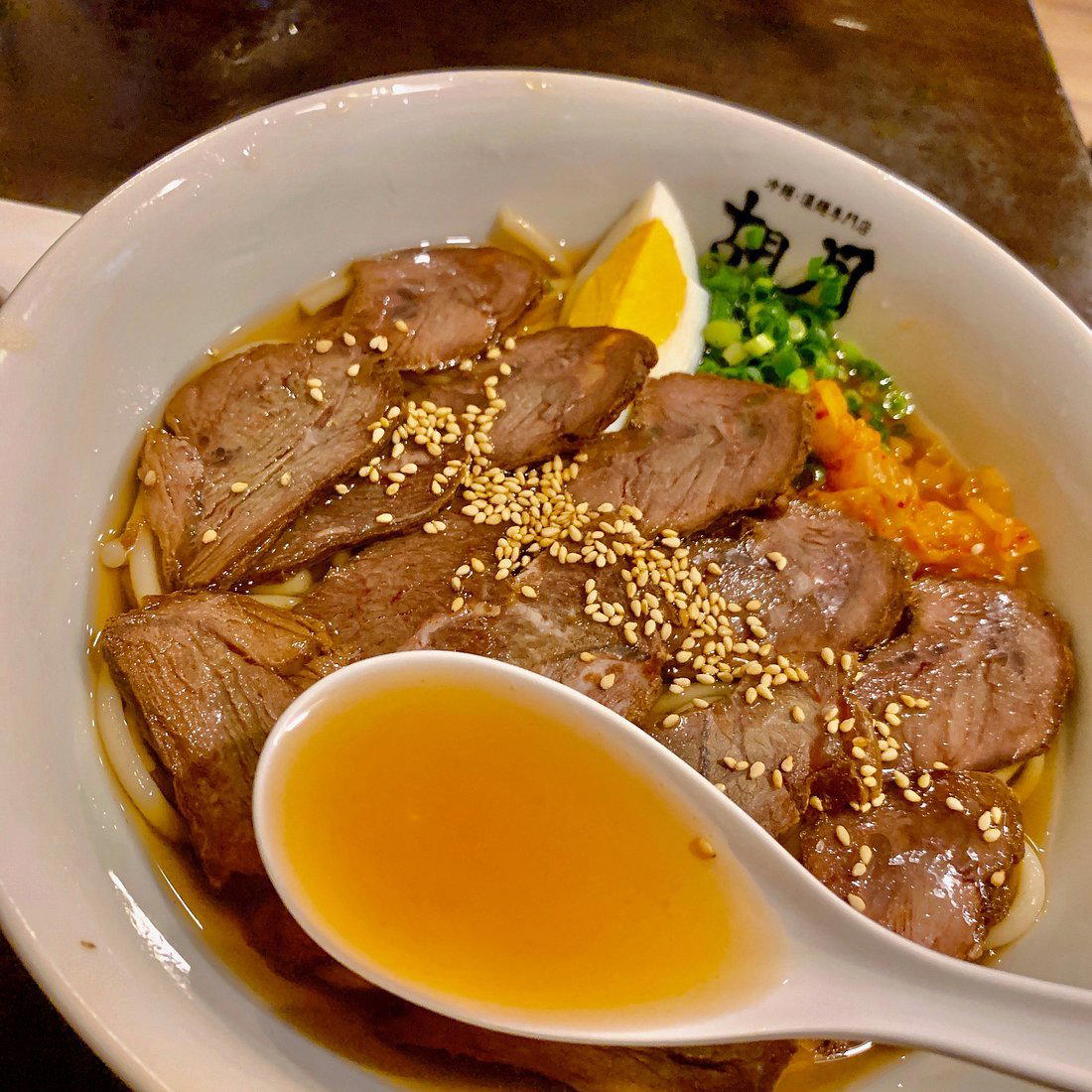
That makes it a different decision from Beppu’s more direct local pleasures. Bungo Beef Steak no Mise Somuri Beppu honten is the clearer route for beef-focused regional appetite, while Gyoza Kogetsu belongs to the compact, repeatable grammar of dumplings and beer. Bepper's Tavern ベッパーズタバーン points toward the city’s drinking rhythm. Atelier asks for a slower read: what does Beppu taste like when filtered through a Western kitchen with hotel-level expectations?
A small-room hotel restaurant with regional weight
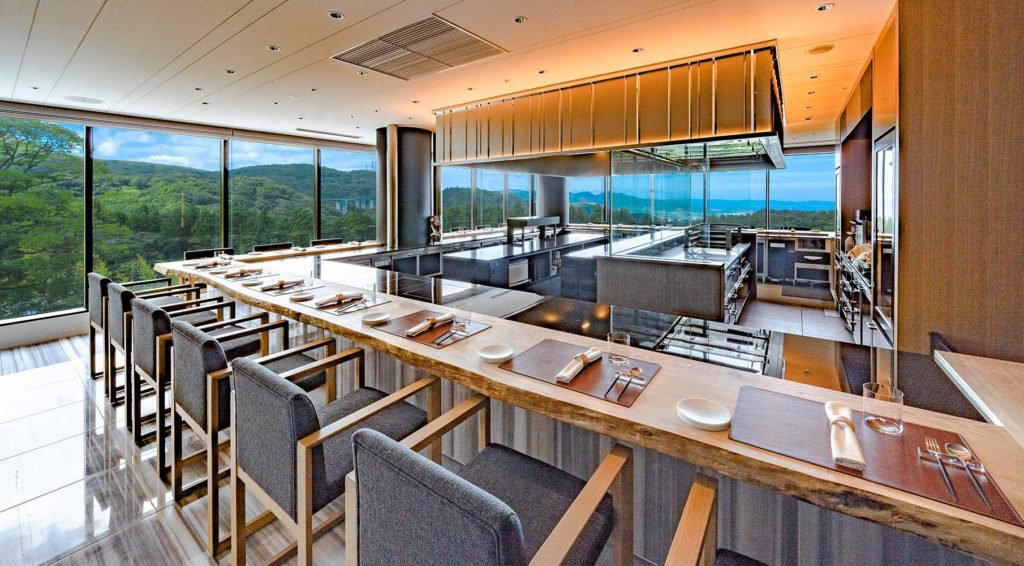
The dining room scale is part of the argument. With 21 seats and private use available for groups of up to 20, the experience feels closer to a controlled small-room restaurant than a sprawling resort outlet. Private rooms are not part of the setup, so pacing, sightlines, and service consistency carry more weight than architectural drama. Non-smoking status aligns it with Japan’s contemporary premium dining norms rather than older hotel banquet habits.
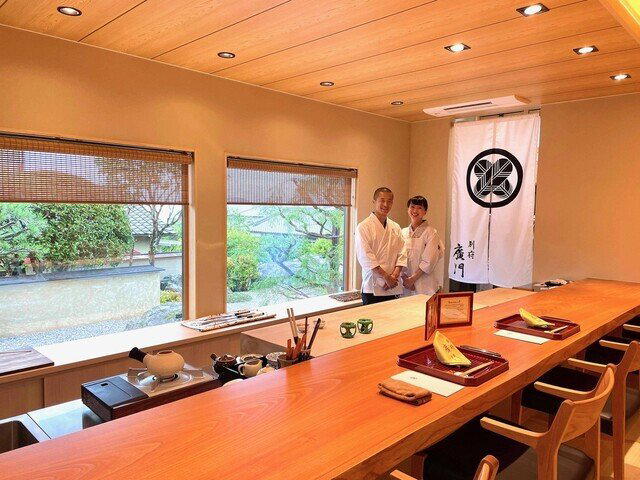
For Beppu, the comparison set is narrow and telling. Elements also belongs to the resort-dining conversation, while Hatano offers another lens on where serious eating in the city is headed. Otto e Sette Oita sits in a similar spending bracket, making Atelier less an outlier on price than a statement about format: Western technique, regional sourcing, and hotel comfort compressed into a smaller evening restaurant. 日本料理 別府 廣門 and Beppu Hirokado, by contrast, point toward Japanese cuisine as the city’s more expected premium register.
The Tabelog score of 3.64 will not shock diners used to Japan’s rating culture; it is credible in a conservative system where incremental differences matter. The more meaningful signal is the 2025 Tabelog 100 Yoshoku WEST selection, placing Atelier among Western-style Japanese dining rooms across western Japan rather than only inside Beppu’s resort orbit. That external category gives the meal a competitive frame without pretending the city has the density of Kyoto, Osaka, or Tokyo.
How to place it within a Beppu itinerary
Atelier makes most sense for a traveler treating Beppu as more than a bathhouse stop. The city rewards contrast: mineral heat by day, then a dinner converting regional ingredients into a composed register at night. For a first pass at the city’s dining range, Our full Beppu restaurants guide gives the broader map; pairing it with Our full Beppu hotels guide clarifies how much premium dining is tied to resort infrastructure. Drinking and non-restaurant planning sit separately in Our full Beppu bars guide, Our full Beppu wineries guide, and Our full Beppu experiences guide.
The practical reading is simple: this is not the spontaneous counter stop after the baths. Reservations are available, the room is small, parking is available, and access is easiest by car in a city where hillside hotel dining is not always rail-friendly. Kamegawa Station is the nearest station, but the setting favors guests staying at the resort or arriving by taxi or car. Payment is modern but not universal: credit cards and QR code payments are accepted, while electronic money is not.
For travelers building a wider Japan dining file, Atelier shows how regional Western-style cooking differs from other niche formats. A beef-led meal such as -Grilled beef Sukiyaki- KAMAKURA TANUKIAN 鎌倉 たぬき庵 in Kamakura works from a different Japanese comfort grammar; 鮪と炭火焼き うお炭 秋葉原店 in Tokyo reads through tuna and charcoal;.cafe in Osaka.know in Kumamoto, (Shoku) Vietnam in Kawasaki, and [Curry Senmon Ten] Maruyama Kyoju. in Sapporo each show how Japanese cities absorb outside forms on local terms. Outside Japan, Jōdo Saké Bar in Los Angeles and Onigiri Time in Pasadena reverse the question, asking how Japanese formats travel abroad.
The editorial case for Atelier is strongest for diners who want Beppu’s ingredients interpreted through a controlled Western kitchen rather than served in a familiar regional template. It is a serious choice in a city better known for steam, onsen, and casual appetite, and that contrast is precisely the point.
Frequently asked questions
Is Atelier okay with children?
Yes, but the venue asks that children be consulted by phone in advance. Atelier is at ANA InterContinental Beppu in Beppu, and reservations are available.
What should I expect atmosphere-wise at Atelier?
Expect a compact hotel dining room rather than a large brasserie: Atelier has 21 seats, no private rooms, and allows private use for up to 20 people. The room sits inside ANA InterContinental Beppu, with dinner served daily from 5:00 PM to 10:00 PM.
Is Atelier expensive?
Pricing at Atelier is listed as JPY 15,000 - JPY 19,999.
When can I go to Atelier?
Hours at Atelier: Mon: 5–9:30 PM; Tue: 5–9:30 PM; Wed: 5–9:30 PM; Thu: 5–9:30 PM; Fri: 5–9:30 PM; Sat: 5–9:30 PM; Sun: 5–9:30 PM.
How do I find Atelier?
Atelier is located in Beppu.
Comparable Spots, Quickly
Comparable venues by cuisine and price in the same metro.
| Venue | Cuisine | Price | Awards | Notes |
|---|---|---|---|---|
| AtelierThis venue — the venue you are viewing | Charcoal-Grilled French Tasting Menu with Oita Wagyu | $100–150 | Tabelog 100 #51 | Not listed |
| Hatano | Traditional Kaiseki | $100–150 | Not listed | Minamitateishi |
| Seafood Izakaya Ren | Traditional Japanese seafood izakaya | $30–50 | Tabelog 100 #33 | Beppu Ekimae |
| Bepper's Tavern ベッパーズタバーン | International Gastropub with Craft Cocktails | $30–50 | Not listed | Ekimae Honmachi |
| Bungo Beef Steak no Mise Somuri Beppu honten | Bungo Beef Steak / Teppanyaki | $50–100 | Tabelog 100 #74 | Kitahama |
| Ikkyu no Namida (一休の泪) | Beppu Cold Noodles (Beppu Reimen) | Not listed | Not listed | Ishigaki West |
Recognition history
Dated appearances from independent guides and award organizations, with the underlying list record or original source where available.
Tabelog 100 #51 · No. 51
Tabelog · Tabelog 100 - Yoshoku - WEST - 2025
Details
- Elegant
- Modern
- Sophisticated
- Intimate
- Scenic
- Date Night
- Business Dinner
- Celebration
- Special Occasion
- Group Dining
- Chefs Counter
- Open Kitchen
- Design Destination
- Hotel Restaurant
- Panoramic View
- Extensive Wine List
- Sommelier Led
- Local Sourcing
- Sustainable Seafood
- Farm To Table
- Mountain
- Tasting Menu
- Set Menu
- Counter Dining
- Wine
- Champagne
- Cocktails
- Allergy Accommodating
Current opening hours
- Monday
- 5–9:30 PM
- Tuesday
- 5–9:30 PM
- Wednesday
- 5–9:30 PM
- Thursday
- 5–9:30 PM
- Friday
- 5–9:30 PM
- Saturday
- 5–9:30 PM
- Sunday
- 5–9:30 PM
Hours can change for holidays and private events. Last verified .
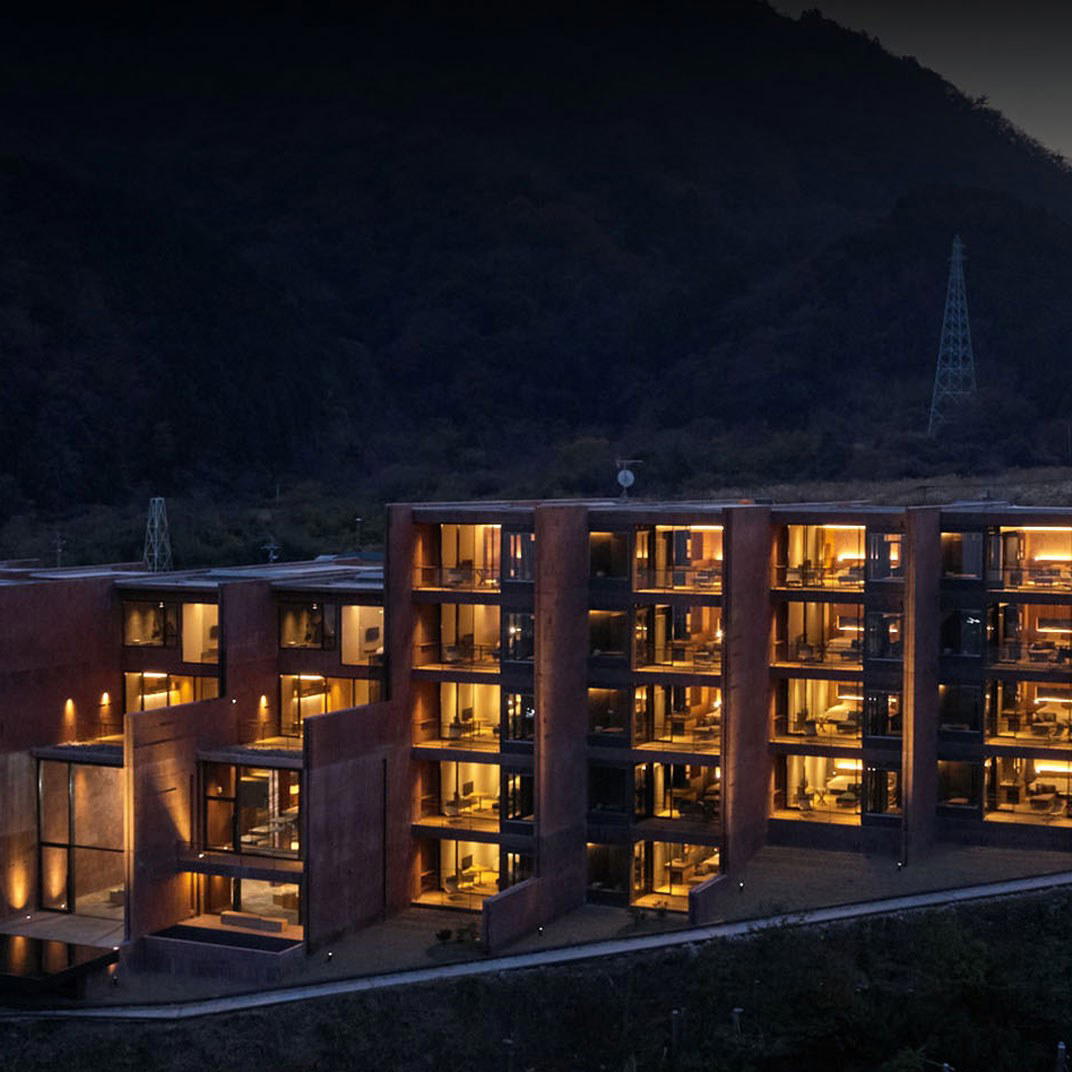
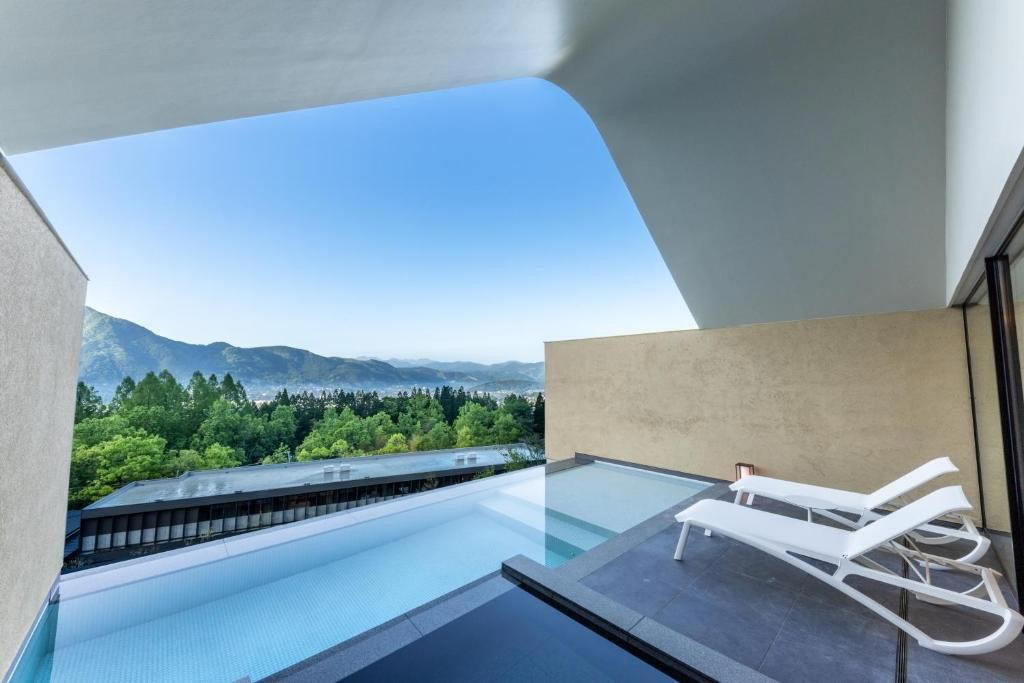
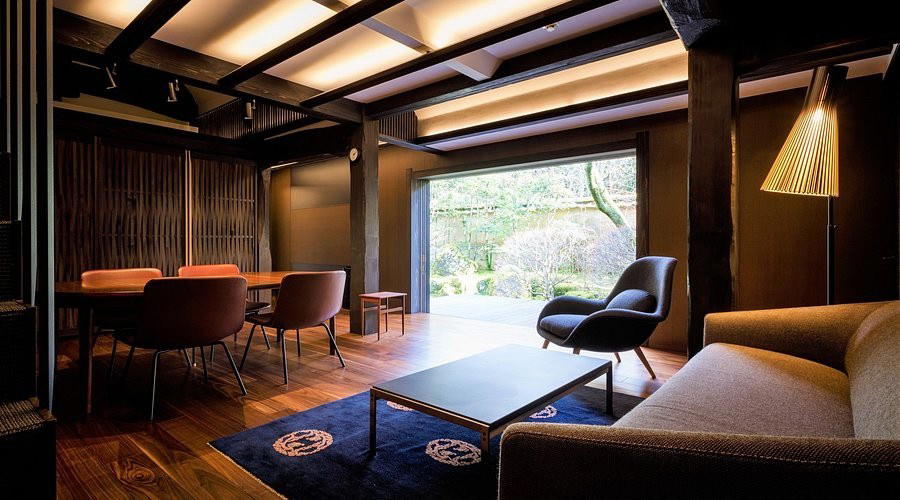
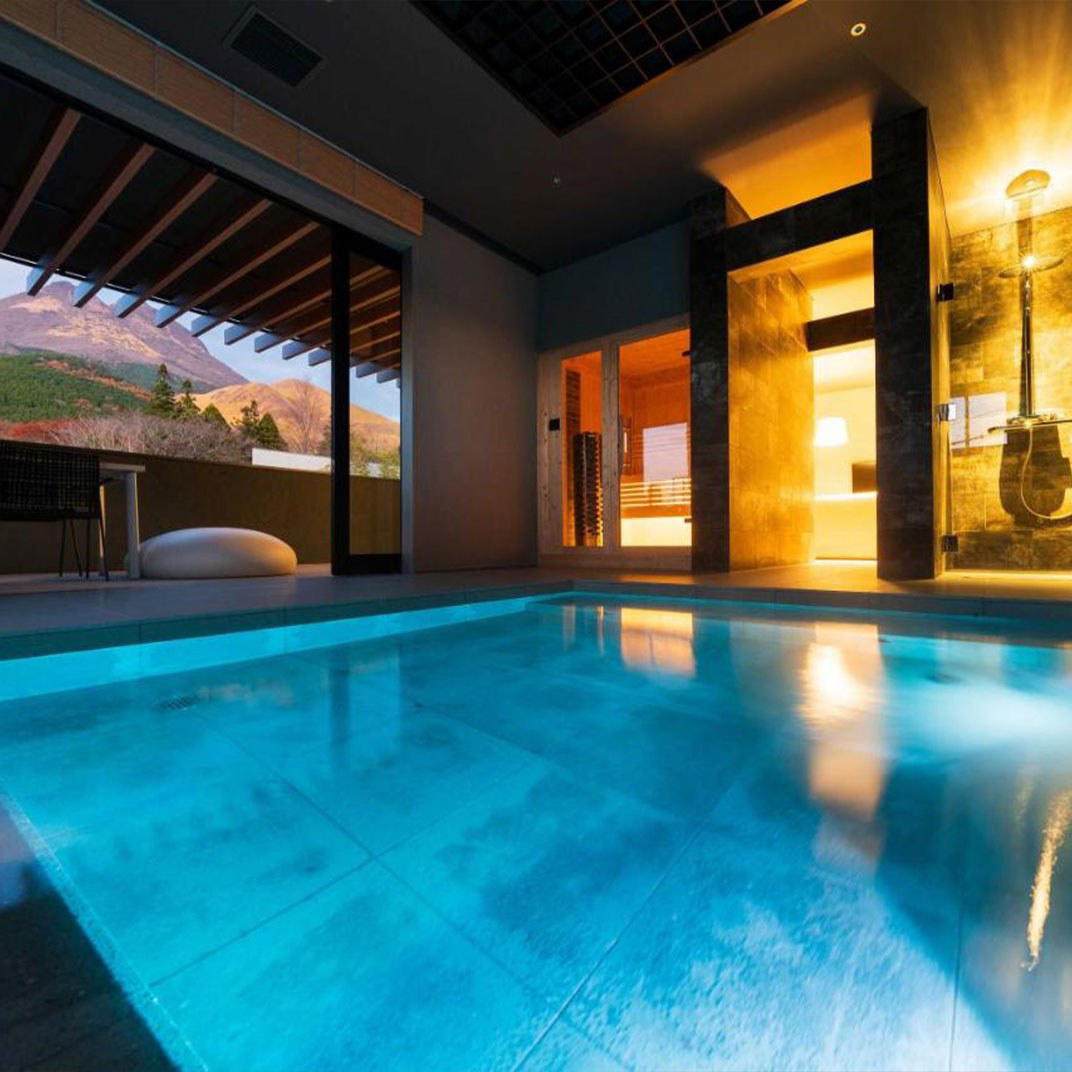
An elegant, modern chef’s counter wrapped around an open charcoal kitchen, with low lighting, polished materials, and a calm, refined atmosphere that feels like a small culinary theater overlooking the Beppu hills.