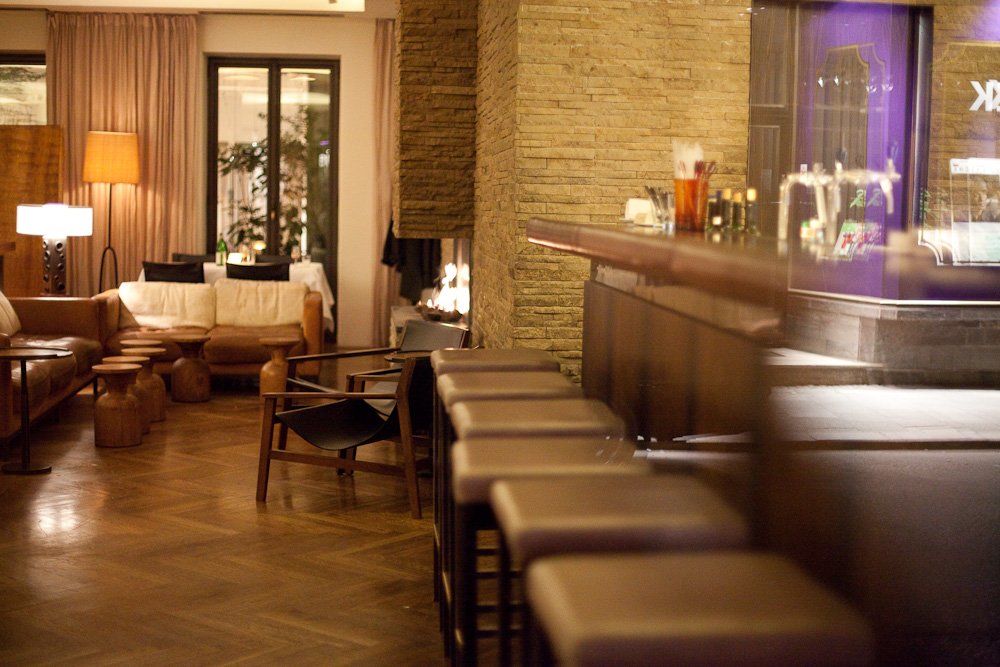
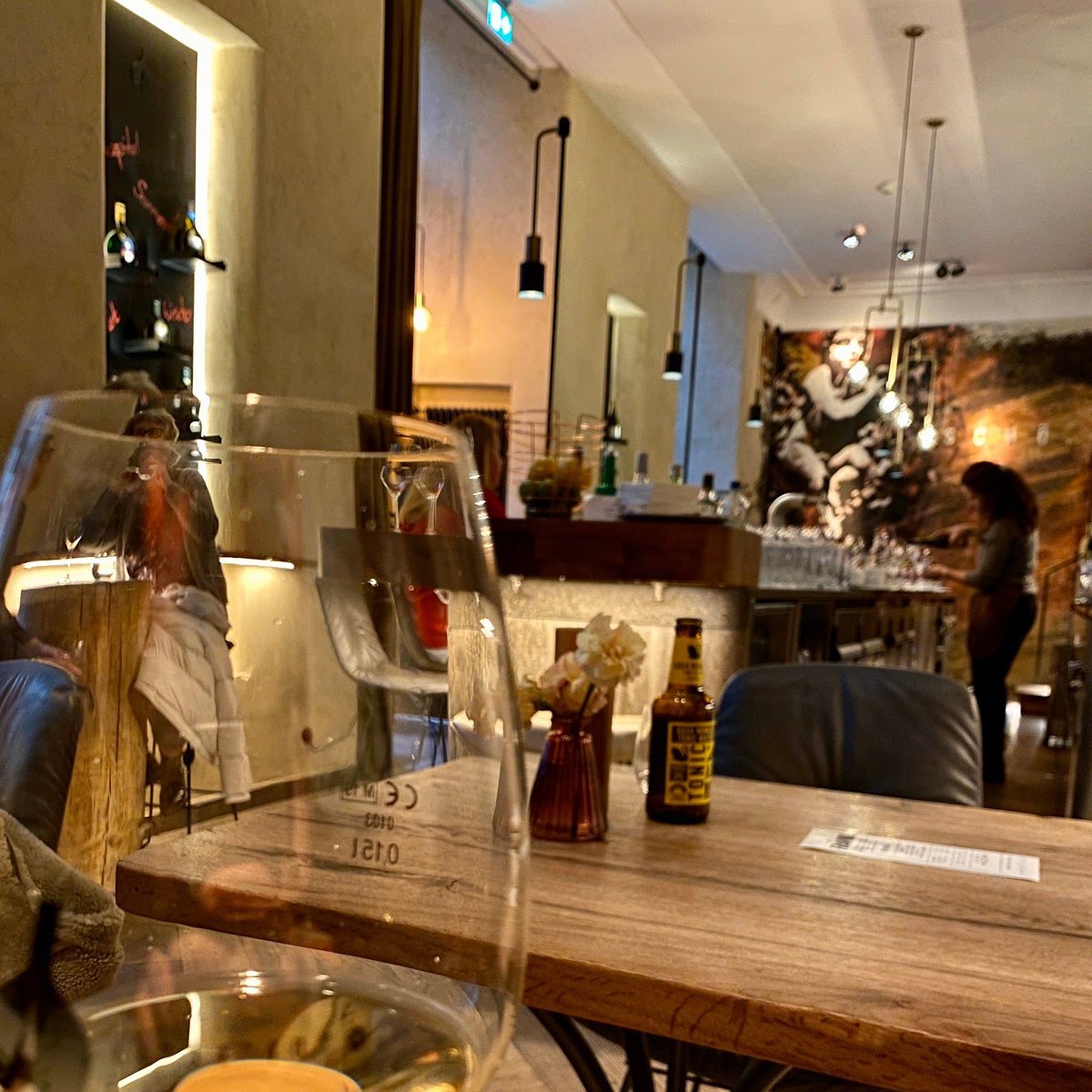
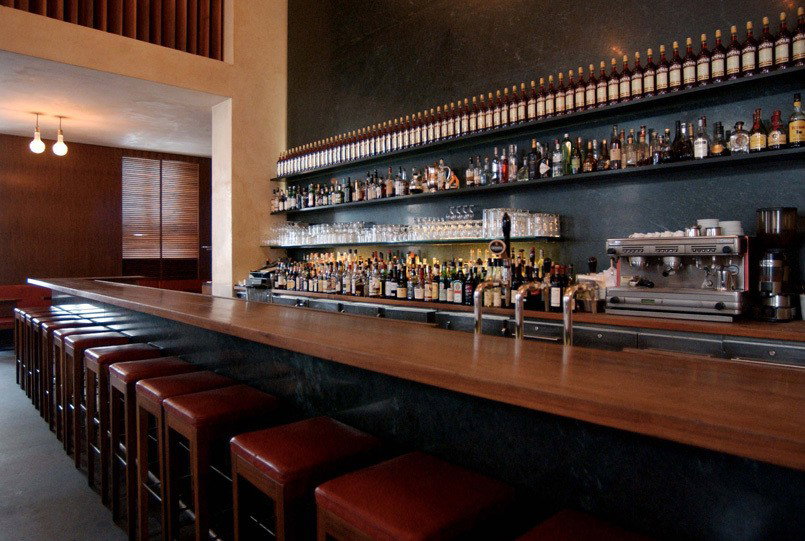
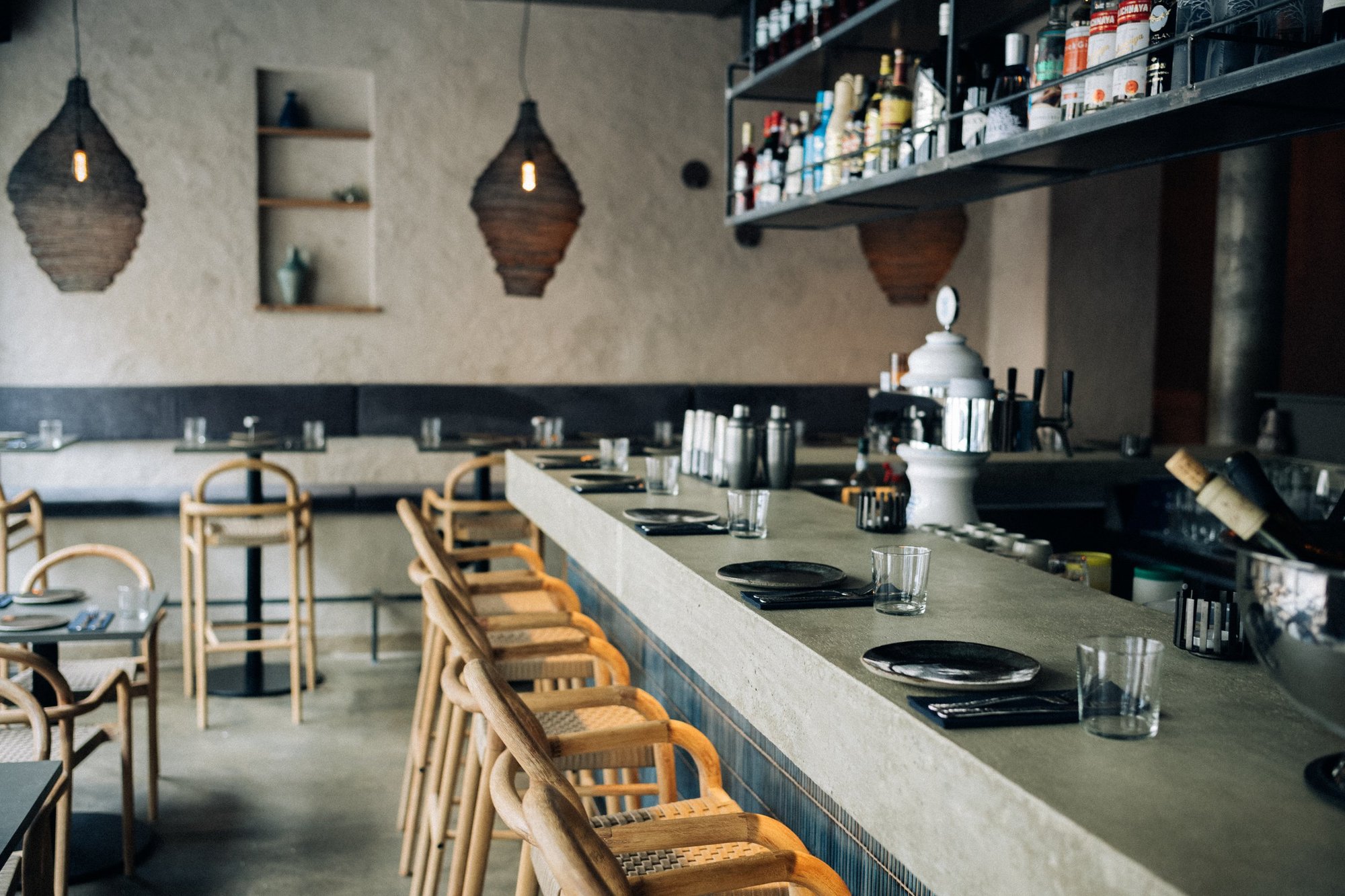
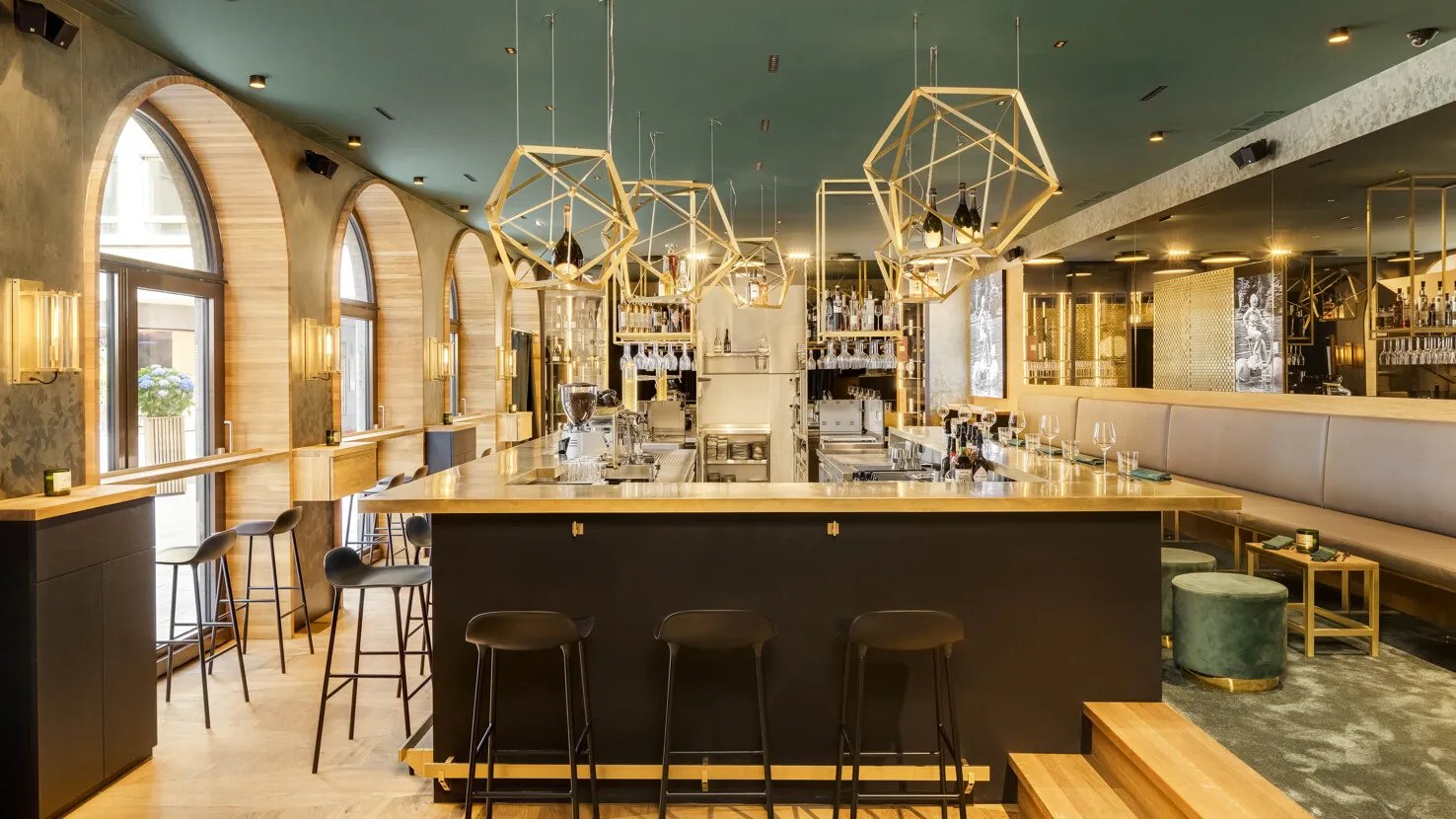
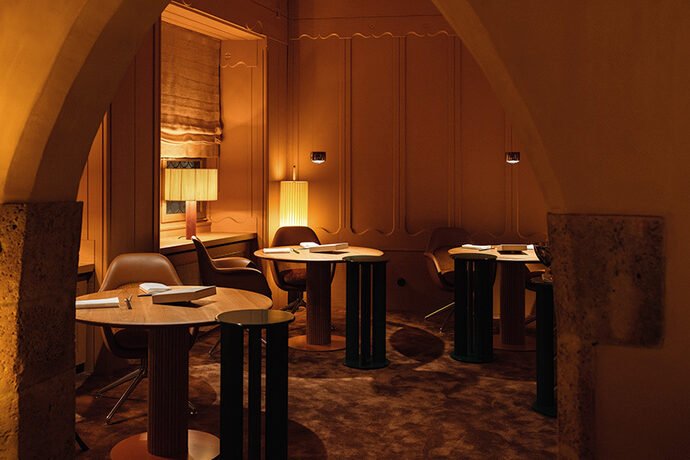
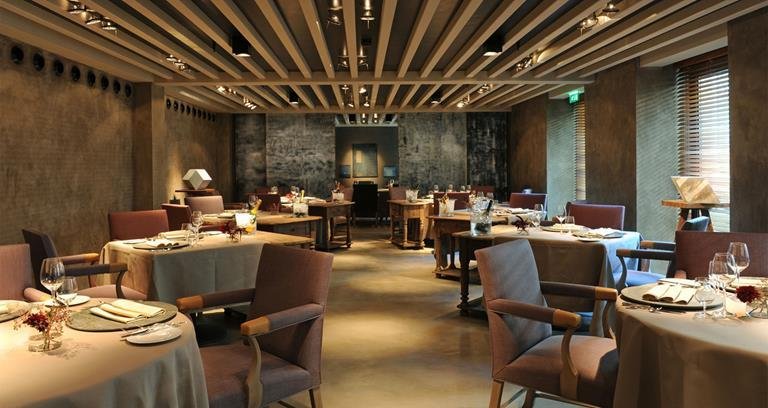
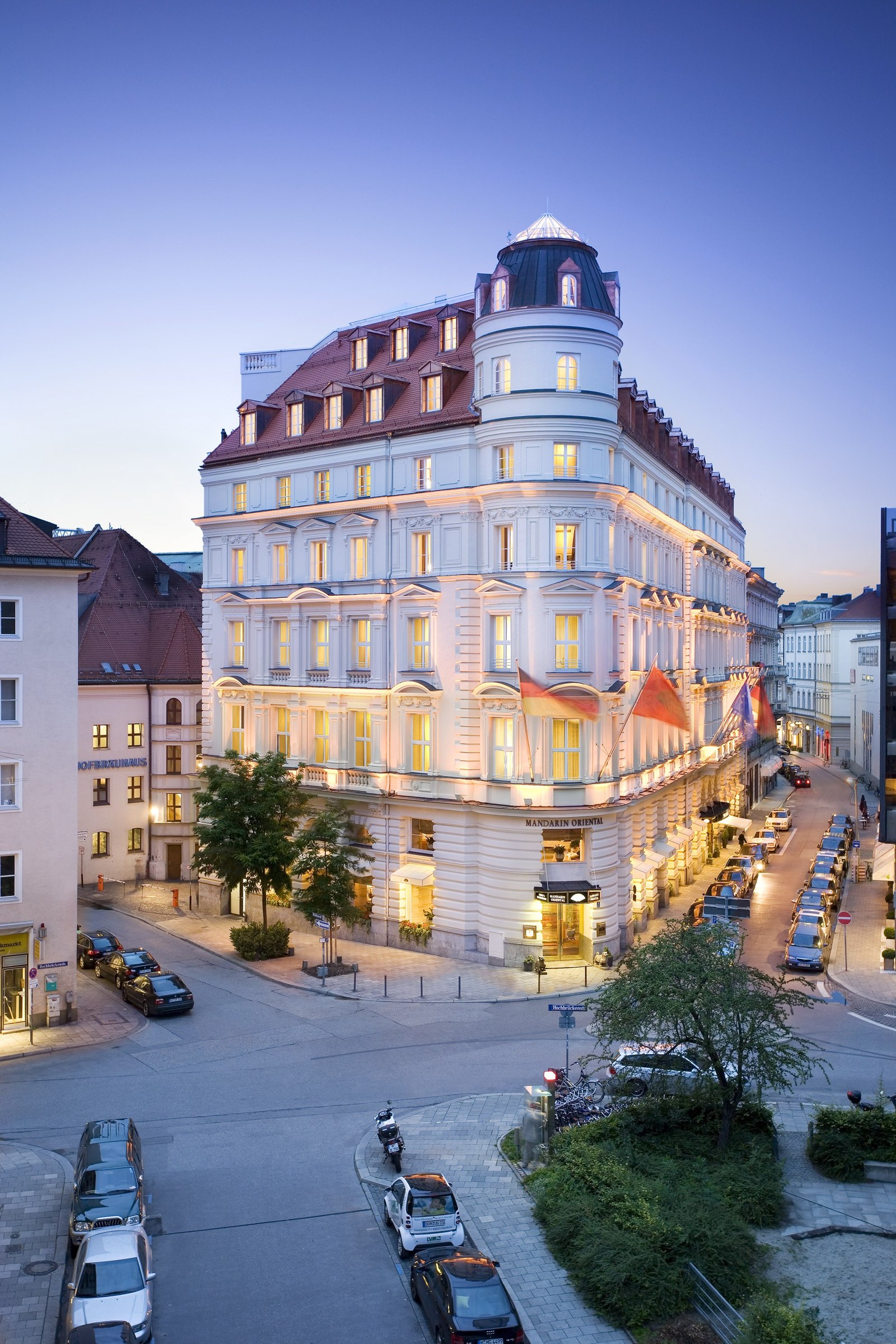
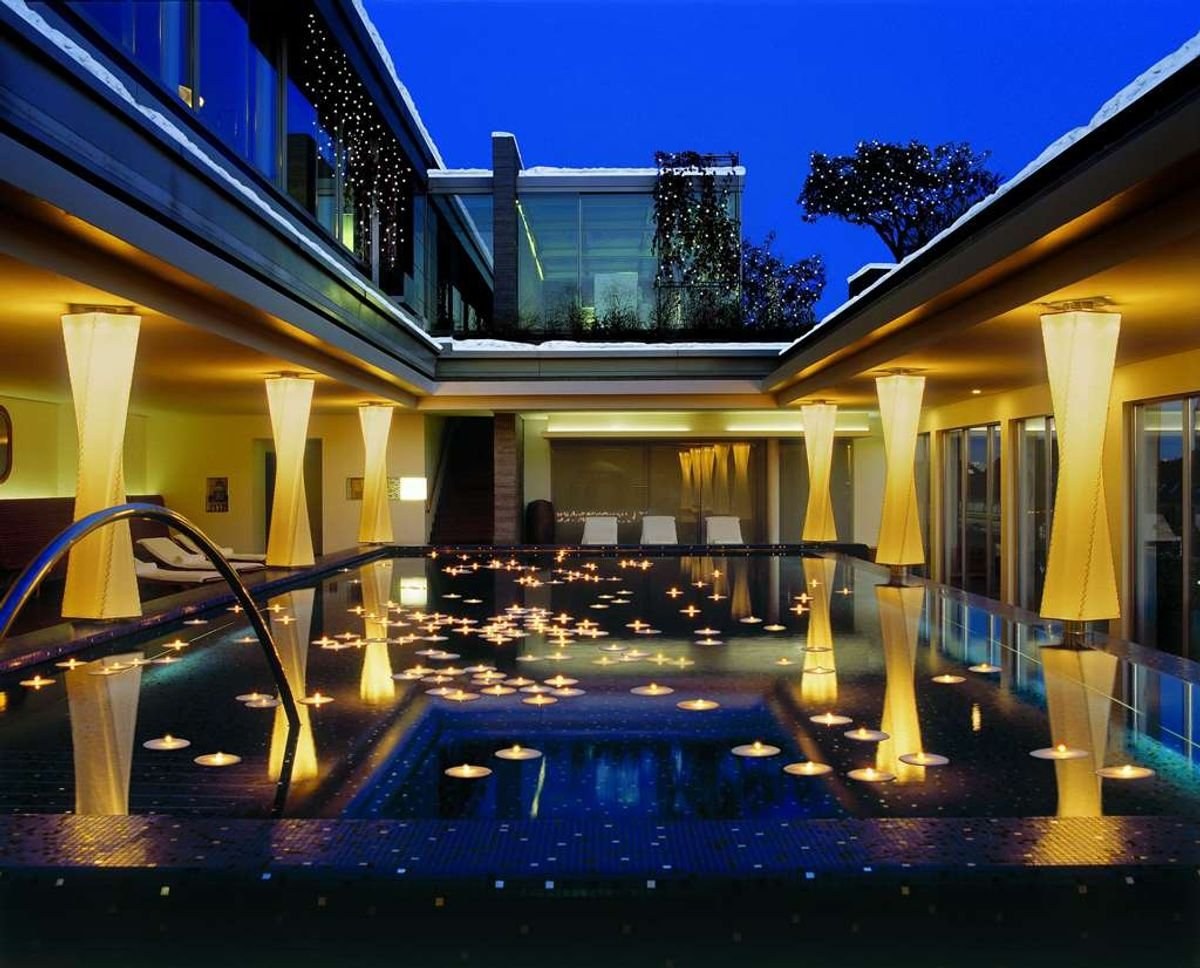
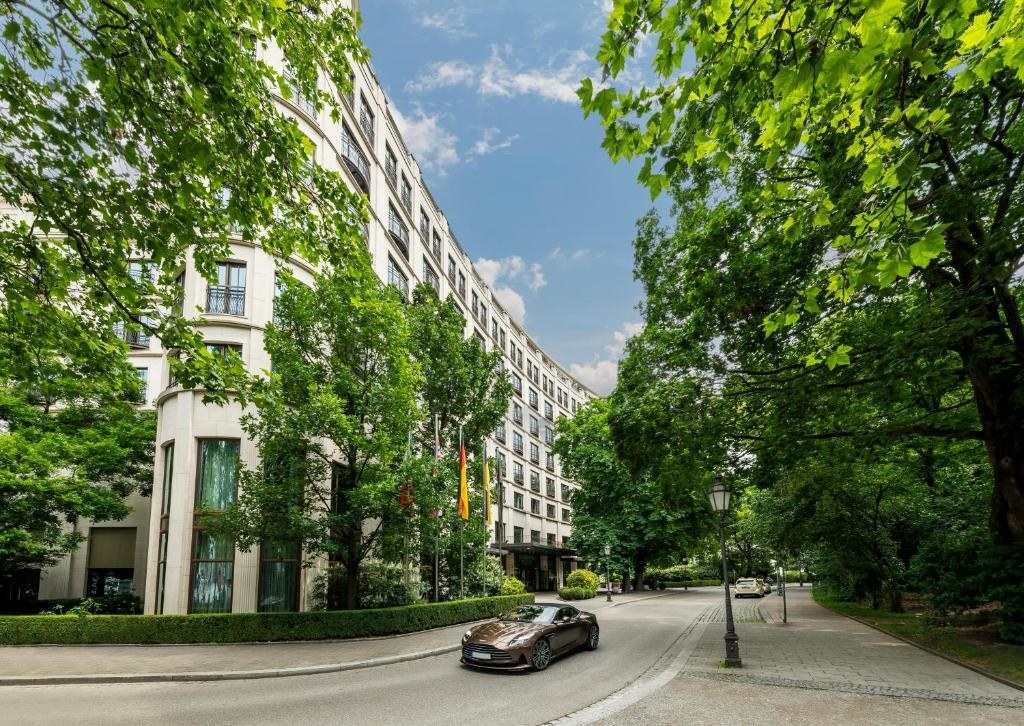
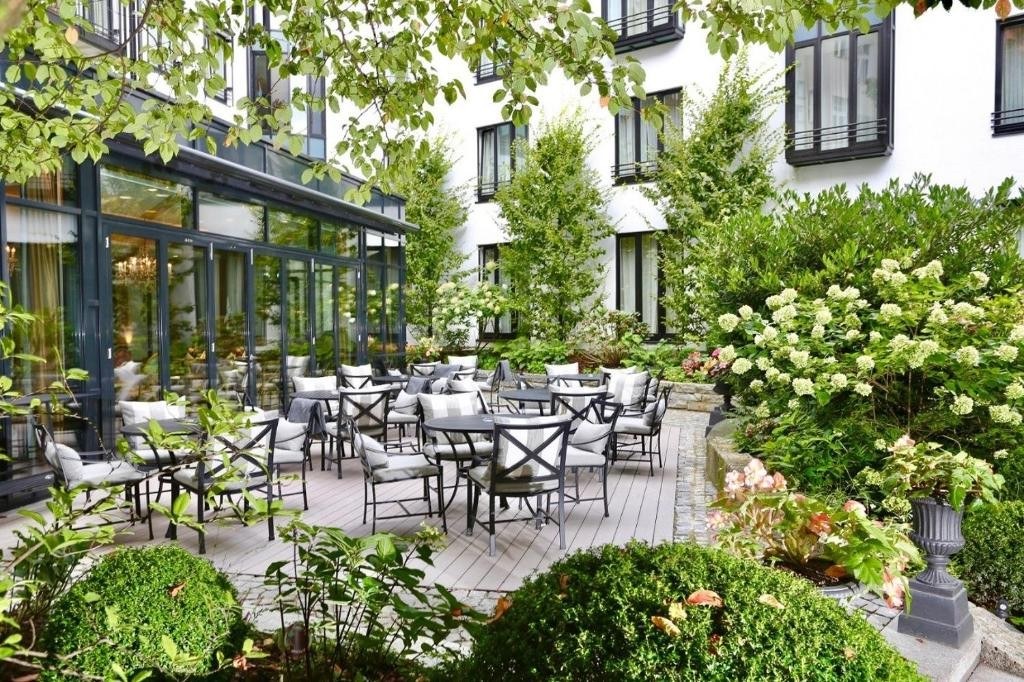
Positioned on Ledererstraße in Munich's historic Altstadt, Hotel Lux sits within walking distance of the city's most concentrated cluster of bars and restaurants. Against a peer set where large international brands dominate the Innenstadt, this address occupies a smaller, more locally rooted tier. For visitors orienting around Munich's drinking and dining scene, the location does a significant amount of the work.
 Discover on Pearl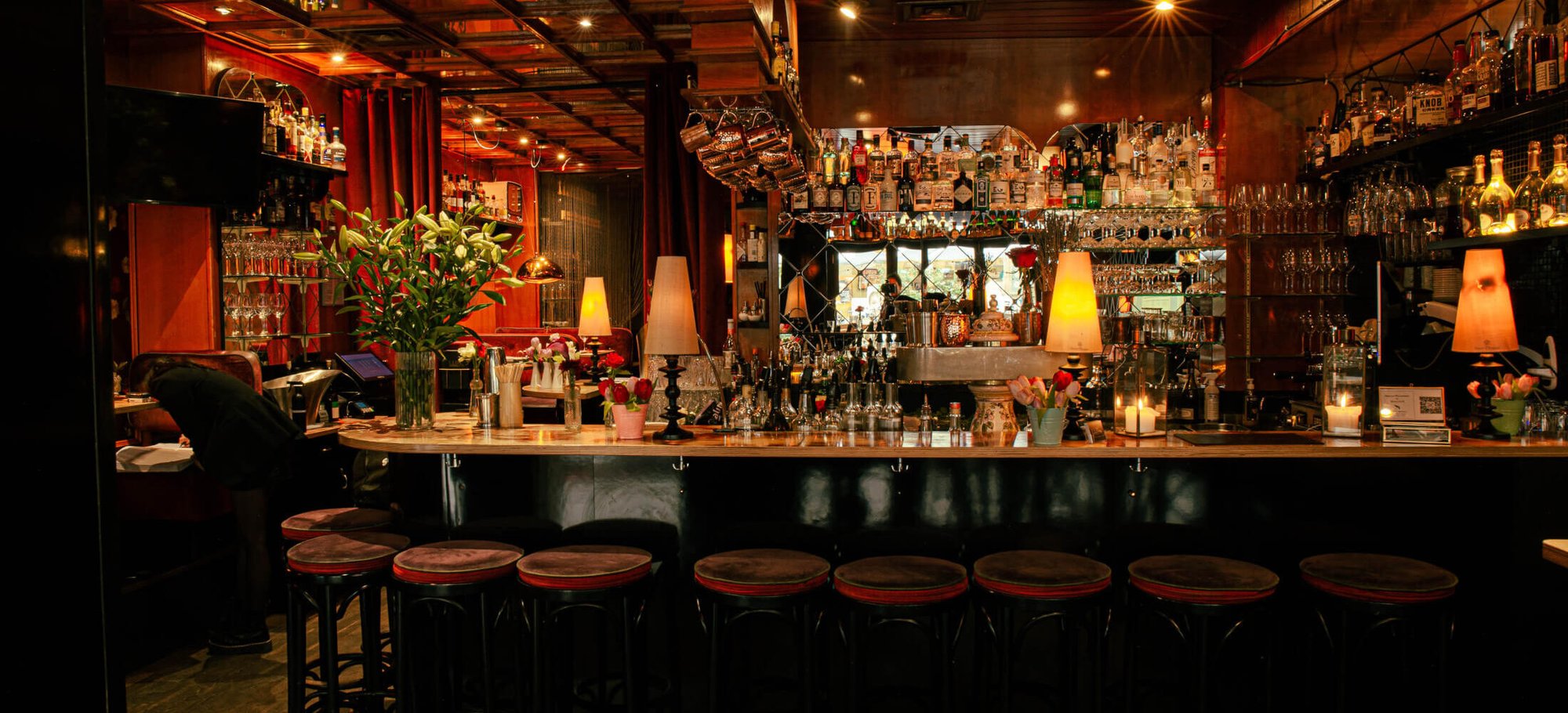
A Street That Does the Work Before You Step Inside
Ledererstraße 13 sits in Munich's Altstadt-Lehel district, the dense medieval core that connects the Viktualienmarkt to the Isartor, where the street grid tightens and the buildings press close. This is not the wide-boulevard Munich of Maximilianstraße or the open parkland fringe near the English Garden. It is the older, more compressed version of the city, where a short walk in any direction lands you in a different register of drinking, eating, or simply being in a European city that takes both seriously.
For a hotel at this address, neighbourhood geography is effectively part of the product. The Altstadt is Munich's most walkable concentration of bars, restaurants, and beer halls, and Hotel Lux on Ledererstraße sits near its centre. What that means practically: guests arrive in an area where the gap between the door and a serious evening out is measured in minutes, not transport connections.
Munich's Altstadt Drinking Scene, in Context
Munich's bar culture has historically split along a clear axis: the large-format beer hall tradition on one side, and a smaller, more technically focused cocktail and wine bar scene on the other. Both exist within the Altstadt, often within the same block. Augustiner Stammhaus represents the former tradition at its most direct, a beer hall with deep local standing and none of the tourist-facing theatrics that soften some of the more visible addresses near Marienplatz. The Goldene Bar, by contrast, sits at the more designed, cocktail-forward end of the spectrum, with a programme that positions it closer to a European capital bar than a traditional Munich house.
Between those poles, Schuman's Bar occupies a specific position in Munich's drinking history, operating with the kind of consistent, long-running recognition that comes from decades rather than trends. Blaue Libelle rounds out a peer set that collectively gives the Altstadt and its immediate surrounds more drinking range than casual visitors typically expect from a city still primarily associated internationally with Oktoberfest.
For anyone staying at Hotel Lux, this variety is navigable on foot. That is not a small thing in a European city of Munich's scale, where the interesting drinking and dining can scatter across districts in ways that require planning. The Ledererstraße address compresses the options.
Where Munich Fits Among German Bar Cities
It is worth placing Munich in its broader German context. The country's bar culture is more differentiated than its beer reputation suggests. Hamburg's Le Lion Bar de Paris operates at the high-concept cocktail end, with a programme that has drawn sustained international attention. Berlin's Buck and Breck represents a smaller, more intimate format that influenced a generation of German bar design. Frankfurt's The Parlour and Cologne's Bar Trattoria Celentano show how German bar culture has developed regional characters that diverge significantly from Munich's mix of tradition and technical ambition.
Further north, Düsseldorf's Uerige and Kiel's Kieler Brauerei am Alten Markt anchor the more production-focused, brewery-led end of the spectrum, while Bar Leather Apron in Honolulu offers an instructive international comparison point for what high-craft, intimate bar formats look like when they operate at the leading of their local market. Munich sits somewhere in the middle of that German range, holding onto its beer hall gravity while generating a cocktail and wine bar scene that has grown considerably over the past decade.
The Altstadt Hotel Tier
Central Munich's hotel market divides fairly sharply between large international flags near Marienplatz and a smaller set of independent or boutique properties that trade on address and scale rather than brand infrastructure. The Ledererstraße sits inside the ring road that defines the Altstadt, which means Hotel Lux's positioning is geographic before it is anything else. In a city where room rates in the Altstadt reflect proximity to the historic core, that address carries weight in the competitive set regardless of other factors.
The absence of detailed public data on star rating, group affiliation, and pricing means Hotel Lux is leading evaluated by its Altstadt neighbours and the walkability premium that comes with a central Munich address. For visitors whose primary use case is the city rather than the hotel, that calculus matters more than amenity lists.
Planning Your Stay
Ledererstraße 13 is a short walk from Munich's S-Bahn and U-Bahn interchange at Marienplatz, making it accessible from both the main train station (Hauptbahnhof) and Munich Airport via the S1 and S8 lines. The airport journey runs approximately 40 minutes on the S-Bahn. For visitors arriving without a car, the Altstadt location removes the need for one entirely: the city's core dining and drinking options, including the venues listed above, are within a ten to fifteen minute radius on foot.
Booking details, current rates, and availability are not published in Hotel Lux's public record at the time of writing. Prospective guests should verify directly with the property. For broader orientation around Munich's dining and bar scene, see our full Munich restaurants and bars guide.
The Minimal Set
A quick snapshot of similar venues for side-by-side context.
| Venue | Notes | Price |
|---|---|---|
| Hotel Lux | This venue | |
| Goldene Bar | ||
| Schuman's Bar | ||
| Blaue Libelle | ||
| Champagne Characters München | ||
| Frank Weinbar |
Continue exploring