
In the Servitenviertel, one of Vienna's most architecturally preserved inner districts, Gasthaus Tante Liesl delivers the kind of Austrian cooking that neighbourhood regulars return to weekly: pork crackling dumplings, mushroom goulash, Wiener schnitzel, and a traditional Sunday roast. The tree-shaded garden terrace draws a crowd in summer, and a weekday lunch special keeps the tables full from midday.
Pearl is the En Primeur Club membership app — saves, bookings, and concierge access live there. Same editors, same standards.
- Address
- Servitengasse 7
- Phone
- +43 1 2958135
- Website
- tante-liesl.at
- Directions
- Get directions
 Saves & bookings on Pearl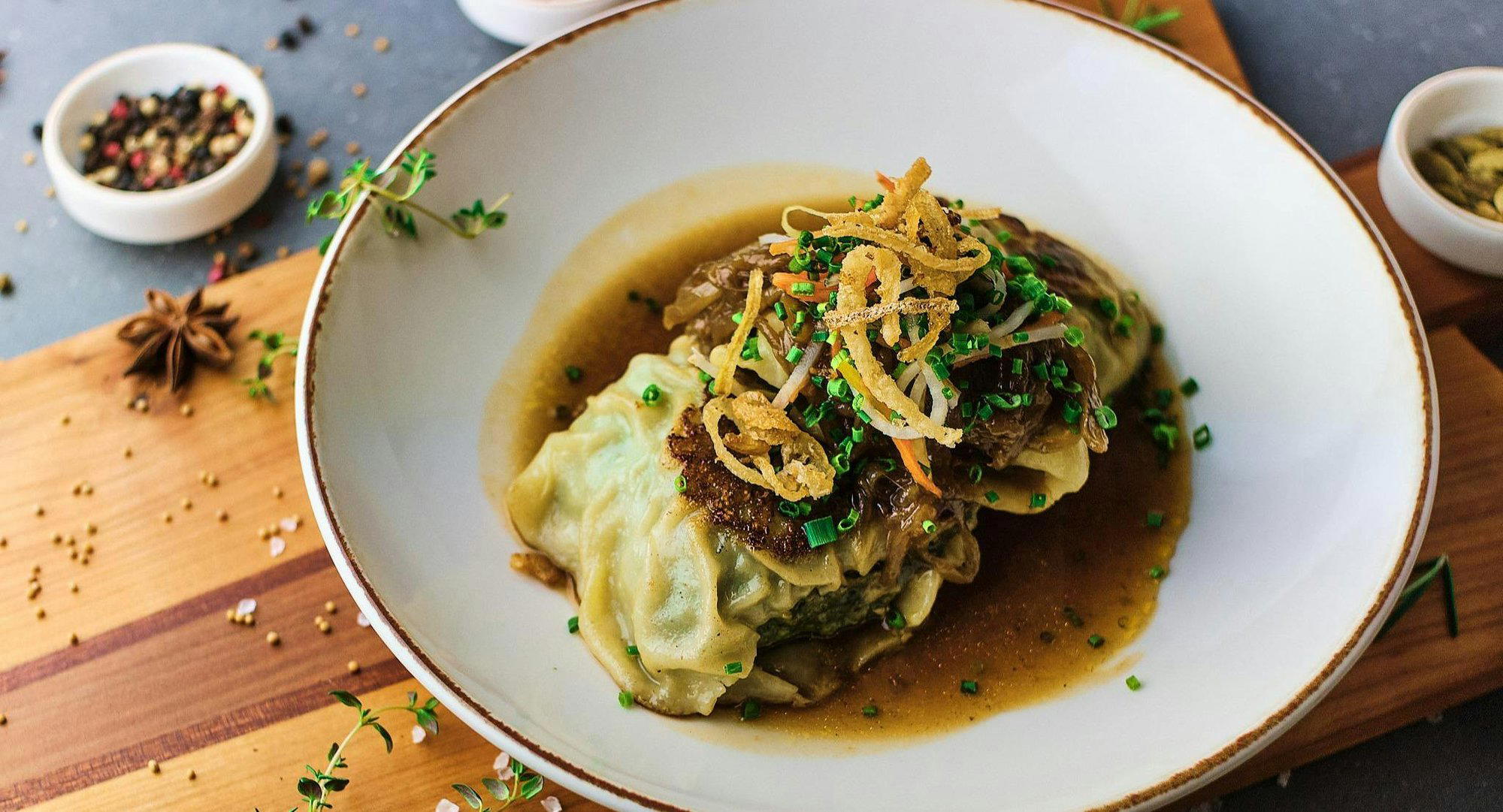
Where the Servitenviertel Comes to Eat
Approach Servitengasse on any given weekday and the scene is easy to read: small independent shops, period facades in various states of elegant weathering, and the curved apse of the Servitenkirche rising at the street's end. Vienna has several neighbourhoods that wear their historicism lightly, and the Servitenviertel is among the more coherent of them, with a residential density that keeps the restaurant trade honest. Places here survive on return custom, not tourist overflow. Gasthaus Tante Liesl is a traditional Viennese gasthaus at Servitengasse 7 in Vienna's Ninth District, with a casual dress code and recommended reservations.
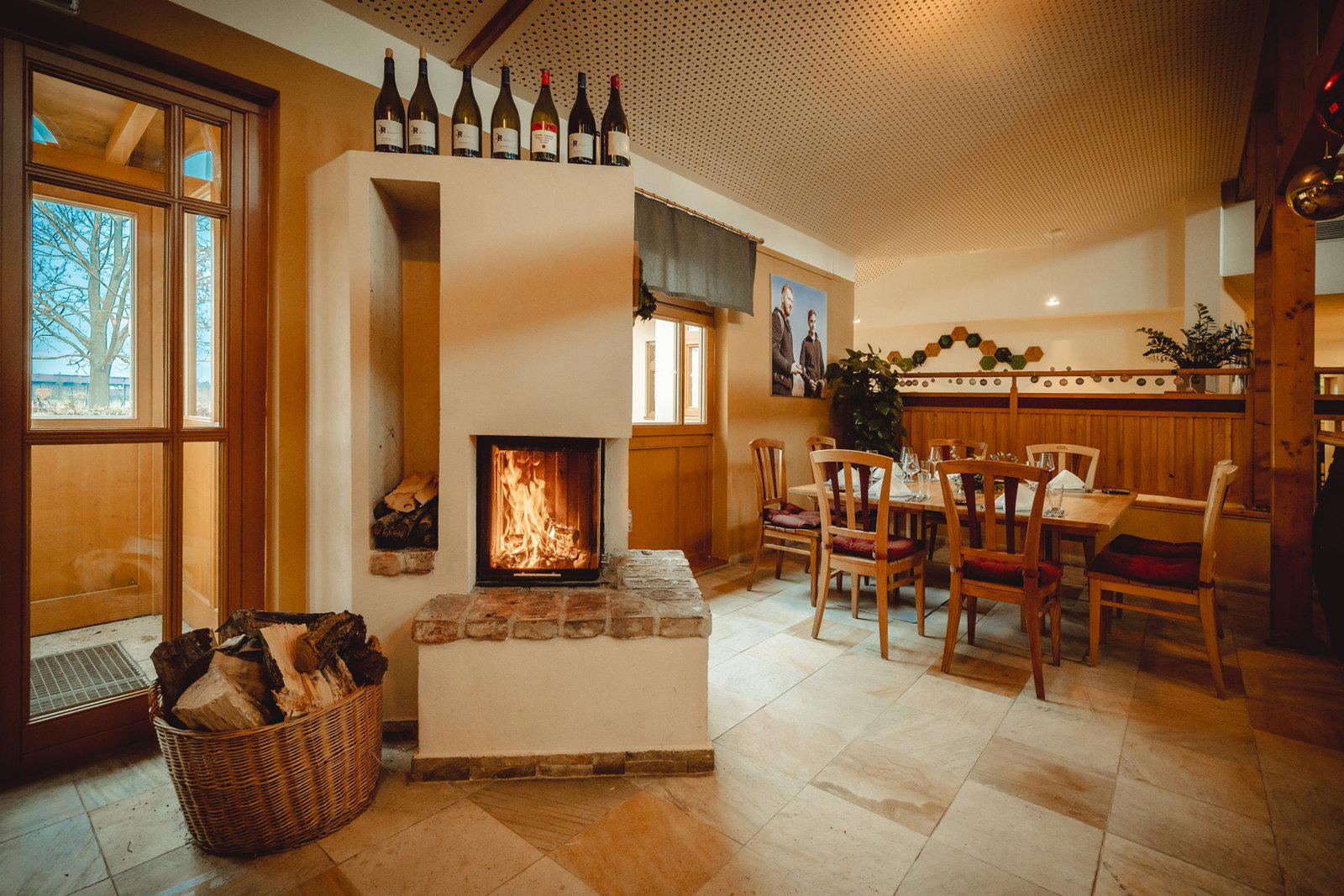
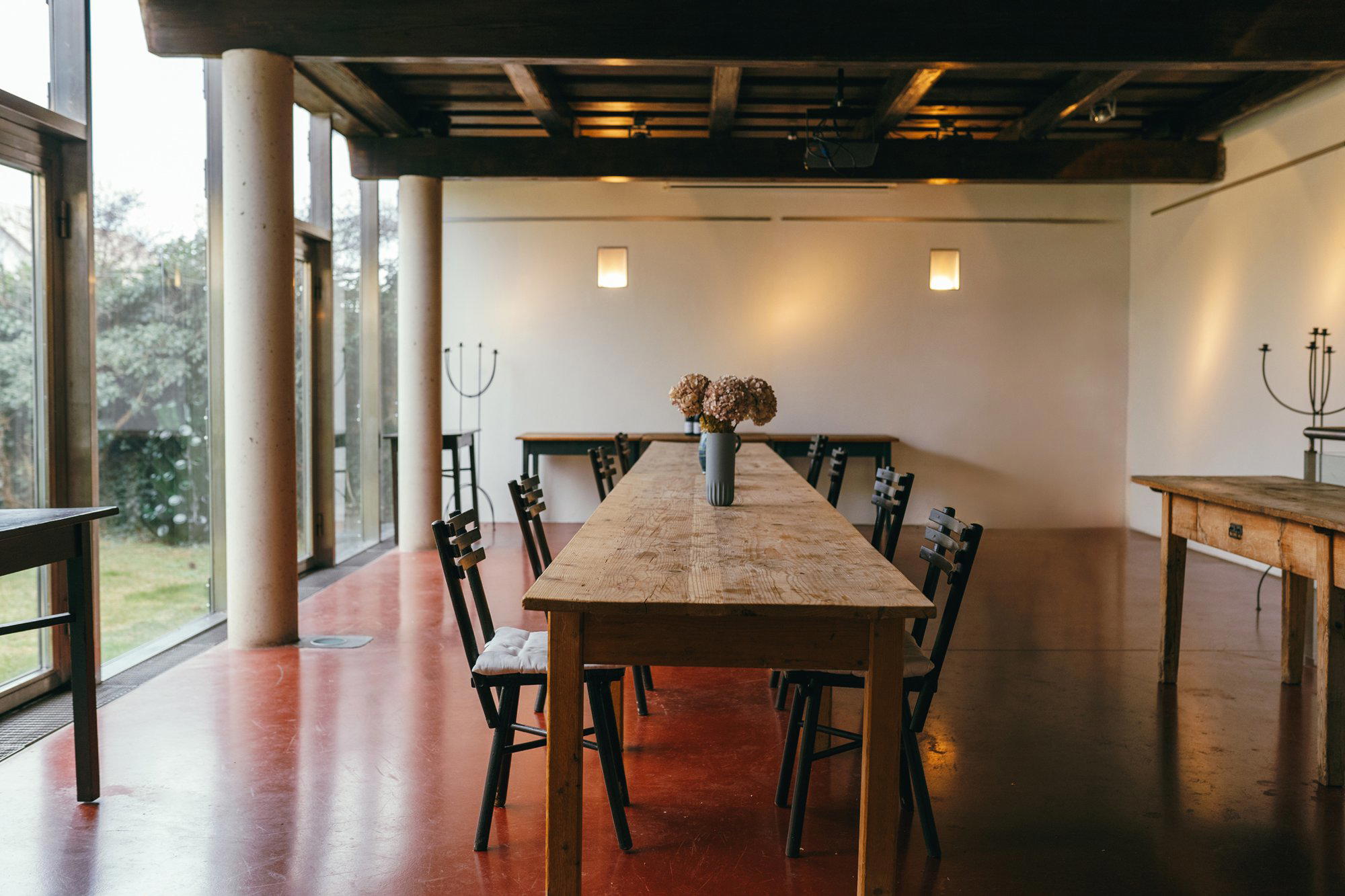
The interior leans into the rustic register that Austrian gasthaus tradition has refined over generations: warm materials, a sense of compression that turns crowded into convivial, and the ambient noise of a room where the regulars know each other. This is the setting that the Viennese gasthaus format was built for, distinct from the grander Kaffeehaus tradition and entirely separate from the contemporary Austrian cooking now clustered in the city's fine-dining tier. Venues like Steirereck im Stadtpark, Amador, and Mraz & Sohn occupy the €€€€ creative bracket; Tante Liesl occupies an entirely different register, one defined by continuity and comfort rather than experimentation.
The Menu as Cultural Document
Austrian gasthaus menus function as a form of institutional memory. The dishes that appear on them, schnitzel, goulash, dumplings, roast meats, have been refined through decades of repetition rather than reinvention, and their quality is leading judged against the standard of execution rather than novelty. At Tante Liesl, the menu reads as a reliable survey of this tradition: pork crackling dumplings served with coleslaw, mushroom goulash with bread dumplings, and Wiener schnitzel with potato salad and lamb's lettuce. The Sunday roast holds its place as a weekly fixture, which in a neighbourhood restaurant context signals genuine local demand rather than a set-piece for visitors.
The Wiener schnitzel alone is worth pausing on as a category. Across Vienna, its quality varies considerably, and the dish's reputation suffers most at the high-volume tourist operations around the First District. Neighbourhood establishments like this one, where the clientele has both the experience to notice and the habit of returning, tend to hold a more consistent standard. The same logic applies to the goulash: a dish that appears simple and rewards careful technique in ways that only become apparent when you eat a poor version for comparison.
Vienna's contemporary fine-dining scene has moved decisively toward creative reinterpretation of Austrian ingredients and formats. Konstantin Filippou and Doubek represent that direction. The gasthaus tradition that Tante Liesl inhabits sits at the other end of the spectrum, and both ends are worth knowing. A trip to Vienna that covers only one misses half the story of how the city actually eats.
Recognition and What It Tells You About the Room
Tante Liesl's reputation is neighbourhood-scale: the kind of standing that comes from being the place residents direct friends to when they want to show them how Vienna actually tastes, rather than how it performs for critics. That form of recognition is harder to quantify and, in some respects, more durable. A restaurant earning sustained local loyalty in a residential district like the Servitenviertel has passed a different kind of test than a tasting-menu counter assembling a points-and-stars portfolio.
The tree-shaded garden terrace is a specific indicator of this standing. Summer terrace tables at small neighbourhood restaurants in Vienna are genuinely contested, the city's outdoor dining culture is deeply ingrained, and a terrace that fills consistently through the warm months signals a loyal following rather than a passing wave. At Tante Liesl, those tables are coveted in the precise sense: competition for them is real, and arriving without a plan in July or August is a gamble.
Landhaus Bacher in Mautern an der Donau and Obauer in Werfen represent the refined country-house end of traditional Austrian cooking. In the Alpine dining tier, Gourmetrestaurant Tannenhof in Sankt Anton am Arlberg and Griggeler Stuba in Lech operate with a formality that Tante Liesl pointedly does not. The comparison clarifies where Tante Liesl sits: it is a neighbourhood gasthaus in the full meaning of the term, serving its district and doing so with the consistency that earns a room its regulars. That is a specific achievement, not a default.
Planning Your Visit
Tante Liesl is located at Servitengasse 7, directly beside the Servitenkirche in Vienna's Ninth District. The Baroque church itself is worth the short detour if you have not seen it; the interior is one of the better examples of the form in a city that has many. From Rossauer Lände U-Bahn station (U4 line), the walk takes roughly eight minutes through quiet residential streets.
The practical detail with particularly scheduling consequence is the weekday lunch special, available Monday through Friday, which offers a more accessible price point than the evening menu. For visitors working through Vienna's full restaurant range, a midweek lunch here is a sensible way to absorb the gasthaus format without the time pressure of an evening reservation. The summer terrace tables require forward planning; reservations are advisable if your visit falls between June and August. Winter visits have their own character, a room this compact and wood-heavy earns its warmth in the cold months.
Those planning wider Austrian itineraries should also consider Ikarus in Salzburg and Kräuterreich by Vitus Winkler in Sankt Veit im Pongau for a sense of how regional Austrian cooking diverges from the Vienna norm.
Side-by-Side Snapshot
Comparable venues nearby, for context on price, style, and recognition.
| Venue | Cuisine | Price | Awards | Notes |
|---|---|---|---|---|
| Gasthaus Tante LieslThis venue — the venue you are viewing | Traditional Viennese Gasthaus | $$ | Michelin Plate | Not listed |
| Bitzinger Wurstestand | Traditional Viennese Sausages | $$ | Not listed | Staatsoper |
| Café Landtmann | Classic Viennese Coffee House | $$$ | Not listed | Hofburg |
| Figlmüller Vienna | Traditional Viennese Schnitzel House | $$$ | Not listed | Innere Stadt |
| Figlmüller – Restaurant Bäckerstraße | Traditional Viennese Cuisine | $$ | Not listed | Innere Stadt |
| Woracziczky | Traditional Viennese Gasthaus | $$ | Bib Gourmand | Margareten |
Recognition history
Dated appearances from independent guides and award organizations, with the underlying list record or original source where available.
Michelin Plate
Michelin · 2026 Michelin Plate
Michelin Bib Gourmand
Michelin
Continue exploring
More in Vienna
Restaurants in Vienna
Browse all →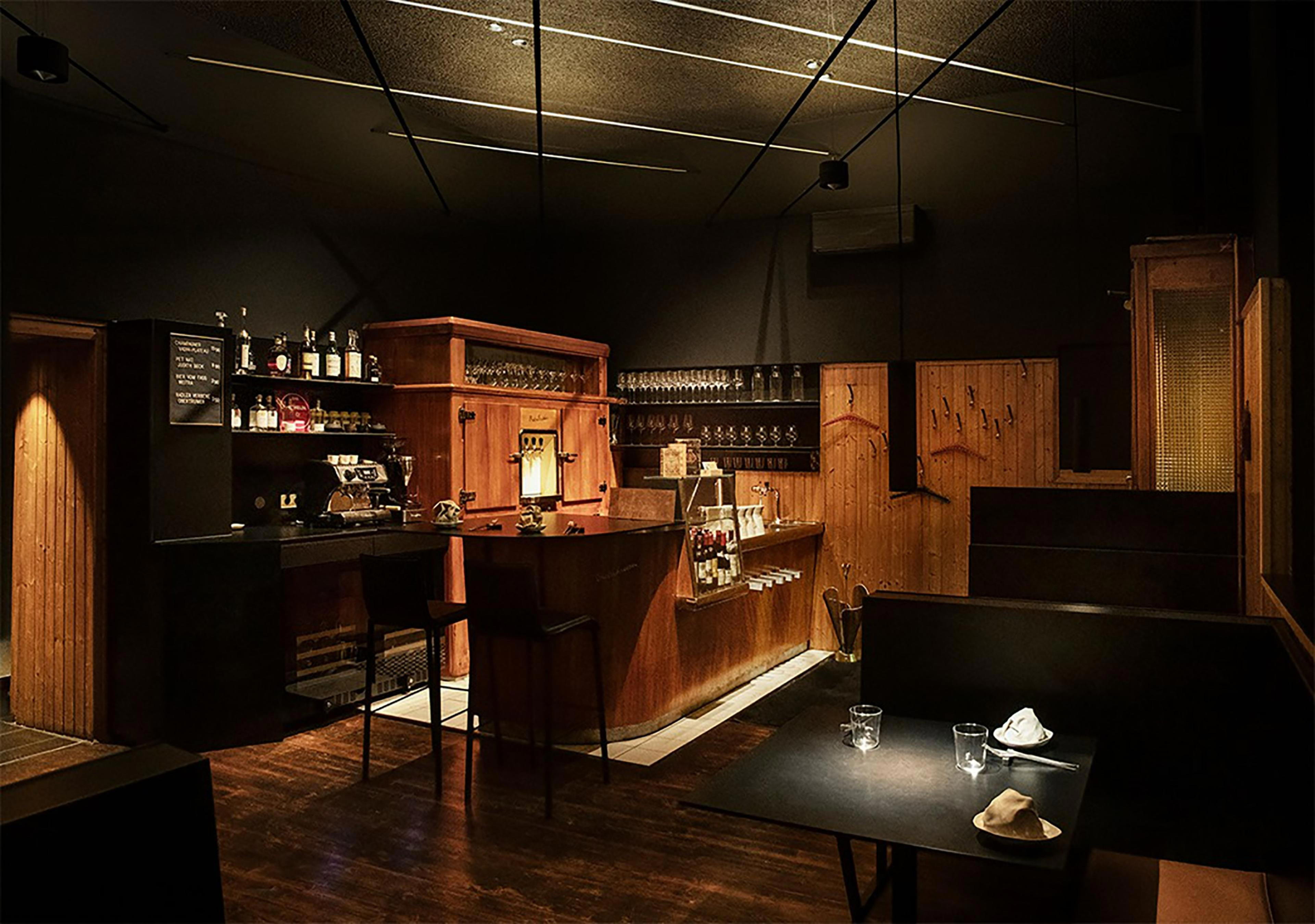
Bars in Vienna
Browse all →
Hotels in Vienna
Browse all →
At a Glance
- Cozy
- Rustic
- Classic
- Casual Hangout
- Family
- Group Dining
- Garden
- Historic Building
- Garden
Current opening hours
- Monday
- 12–11 PM
- Tuesday
- 12–11 PM
- Wednesday
- 12–11 PM
- Thursday
- 12–11 PM
- Friday
- 12–11 PM
- Saturday
- 12–11 PM
- Sunday
- 12–11 PM
Hours can change for holidays and private events. Last verified .
Cozy and pleasant atmosphere with friendly service, featuring a nice garden for outdoor dining.