
The kitchen works squarely within the Piedmontese canon, drawing on its own kitchen garden and the region's meat-forward traditions, with fish options alongside. It is the kind of address where the building, the cooking, and the sourcing all speak the same dialect.
Pearl is the En Primeur Club membership app — saves, bookings, and concierge access live there. Same editors, same standards.
- Address
- Corso Torino, 9, 10014 Caluso TO, Italy
- Phone
- +39 011 983 2249
- Website
- gardeniacaluso.com
- Directions
- Get directions
 Saves & bookings on Pearl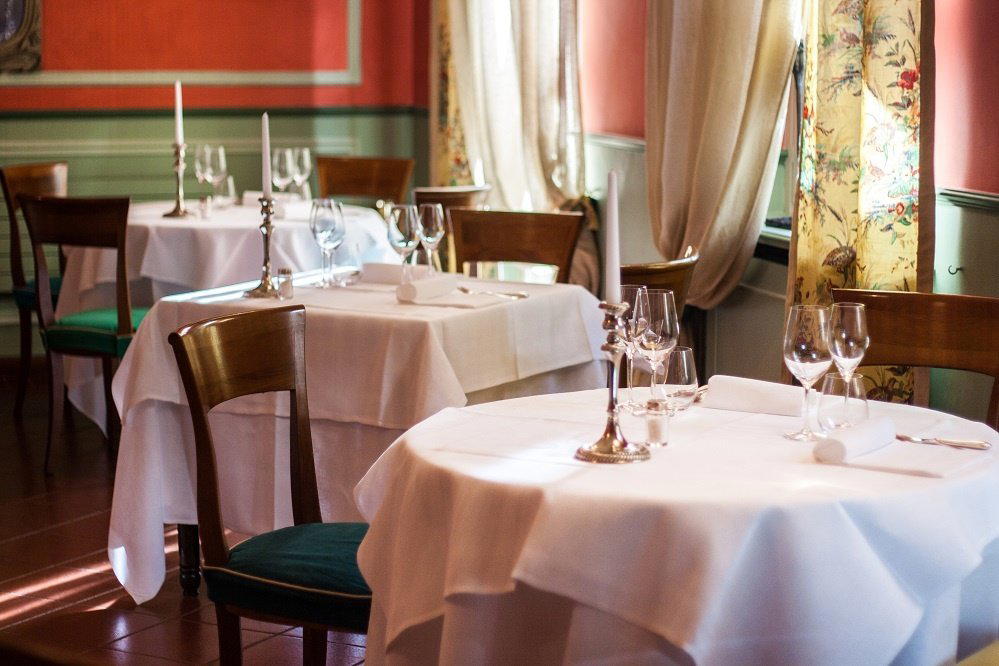
A 19th-Century Courtyard and the Weight of Regional Tradition
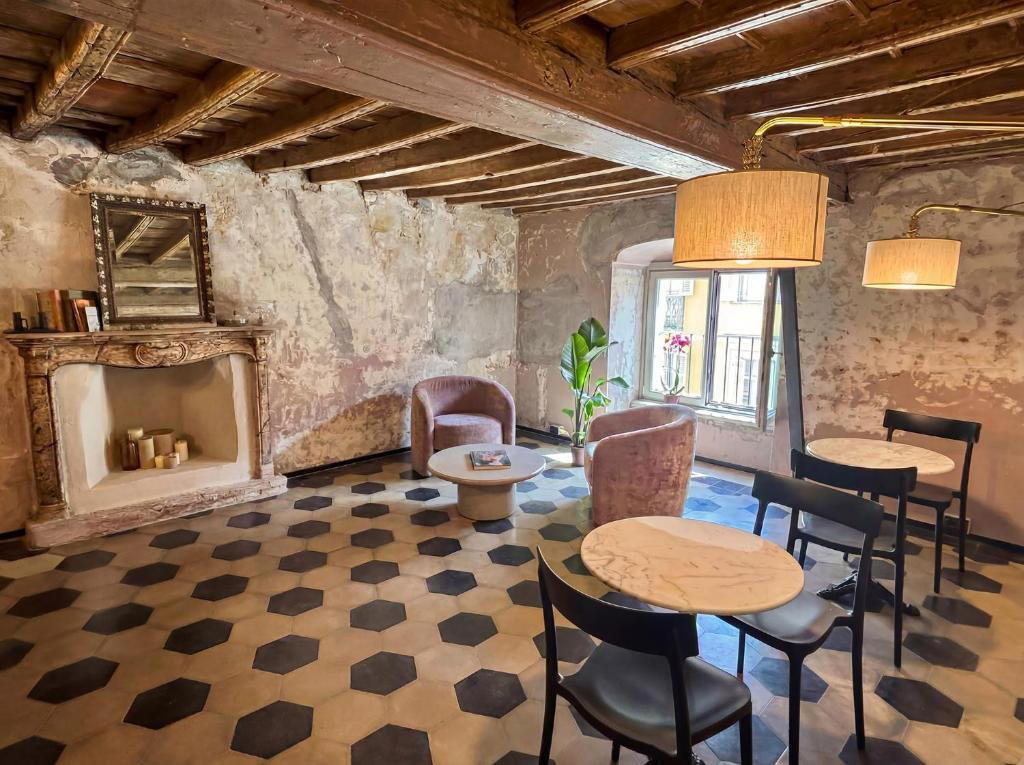
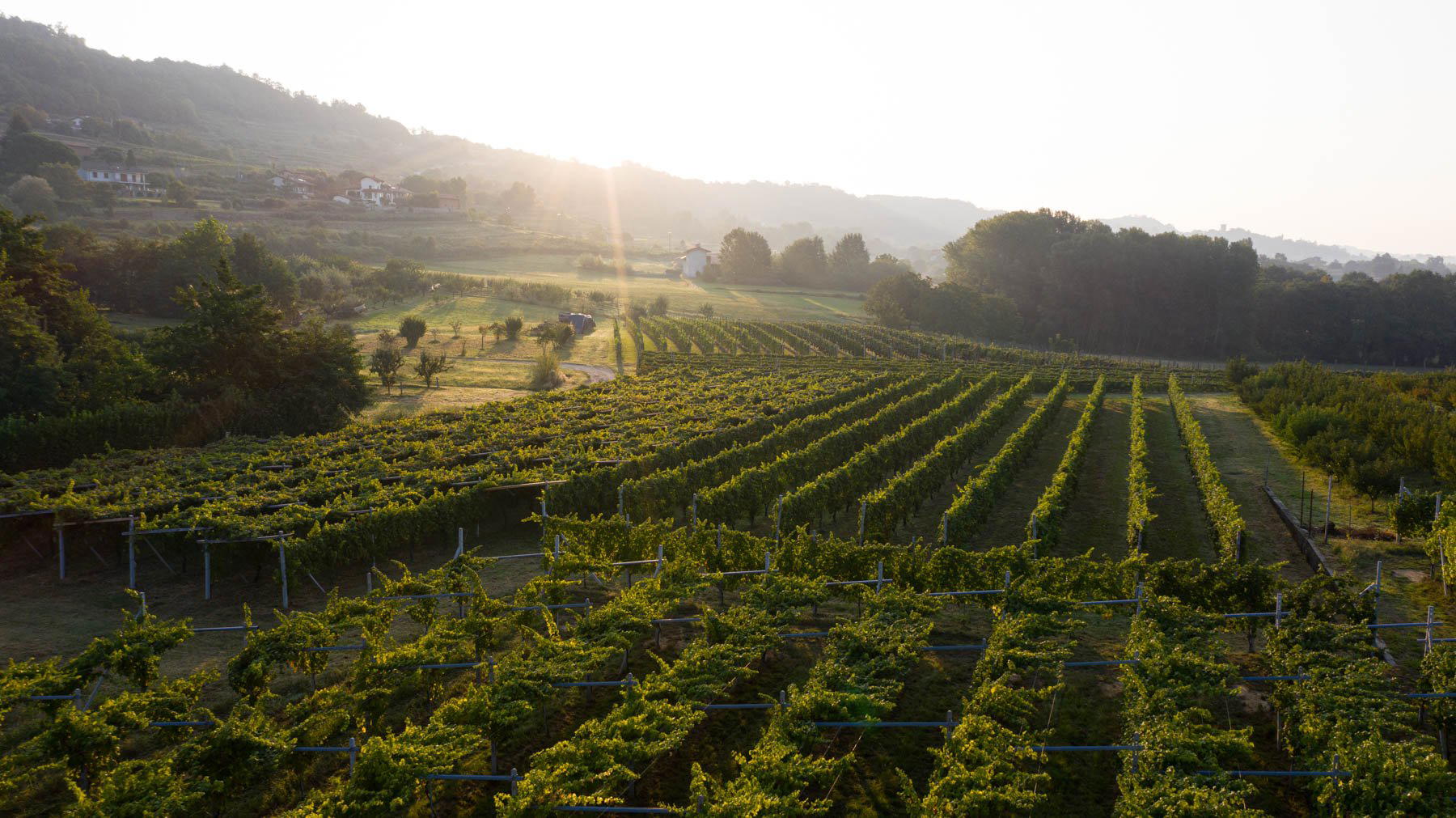
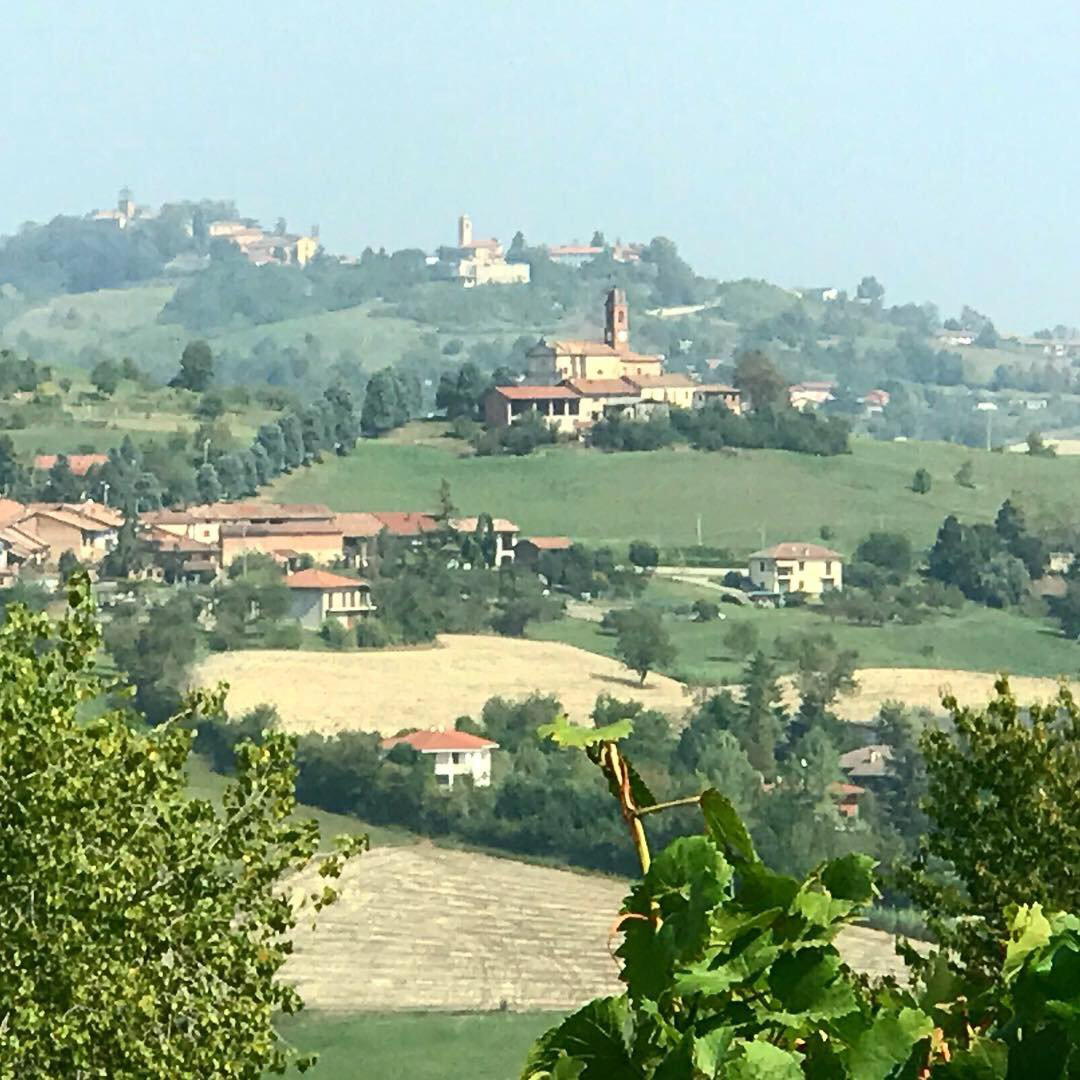
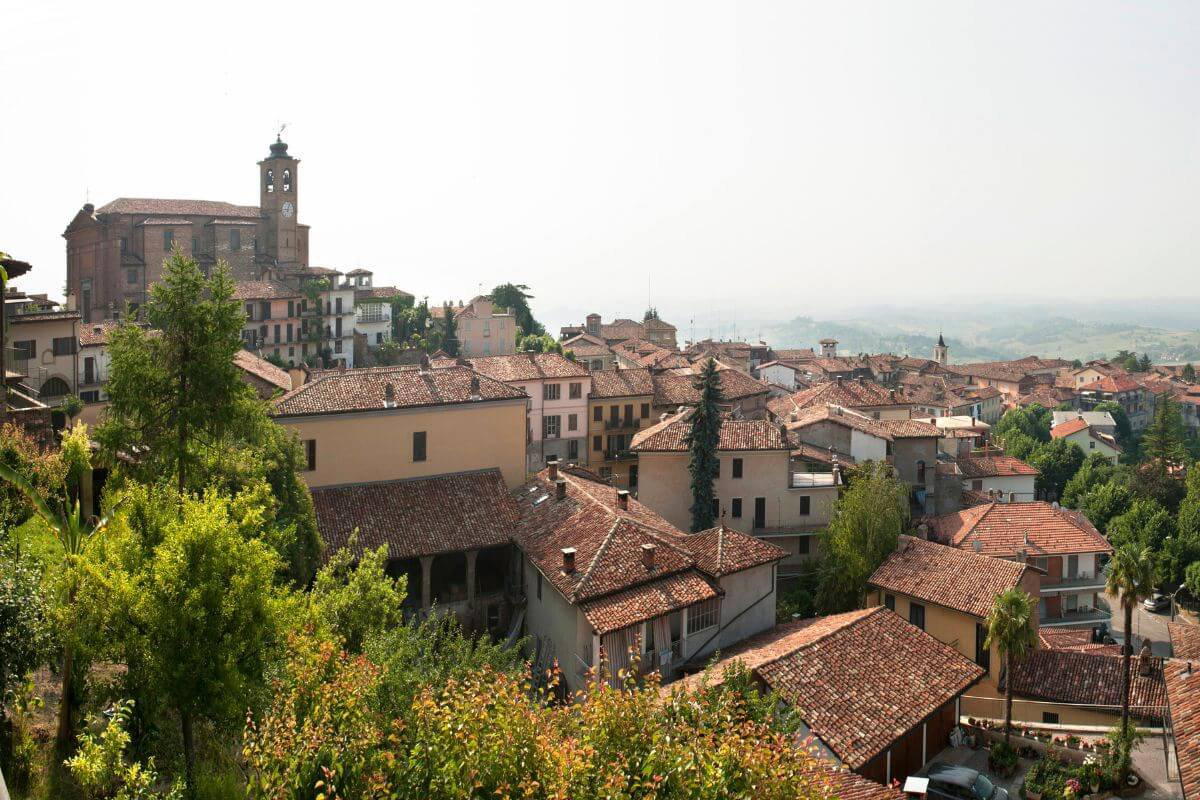
Caluso sits in the Canavese, the stretch of rolling Piedmontese countryside north-east of Turin that most visitors pass through rather than stop in. The town is better known among wine specialists as the home of Erbaluce di Caluso, the oxidative white DOCG that rarely travels far beyond the region, than as a dining destination. That relative obscurity is, in part, what keeps a place like Gardenia functioning as it was designed to: as a restaurant for people who actually live with this food, this land, and this season. Set in a 19th-century building on Corso Torino, the property's defining architectural feature is a traditional balcony running along the inner courtyard. Before you reach the dining room, the building itself frames the experience: stone, proportion, an enclosure that keeps the street at a distance. In regions where culinary identity is as place-specific as Piedmont's, that sense of physical continuity between building and kitchen matters more than it might elsewhere.
What Grows Here and Why the Kitchen Garden Changes the Equation
Ingredient sourcing in Piedmont has always carried a particular kind of seriousness. The region produces some of Italy's most geographically specific ingredients: Fassona beef raised on the Pianura Padana, white truffles concentrated around Alba, cardoons from Nizza Monferrato, hazelnuts from the Langhe. The discipline of eating what the land around you produces is not a marketing position here; it is the operating condition from which the cuisine evolved. Gardenia's kitchen garden is a direct extension of that logic. When a restaurant grows a portion of its own vegetables, the menu stops being a selection from a supplier catalogue and starts being a record of what came in that week. The distinction is not sentimental: it changes the timing of dishes, the specificity of accompaniments, and the degree to which a plate reflects an actual place rather than a generalised idea of regional cooking.
Piedmontese cuisine at its most honest is heavily weighted toward meat: vitello tonnato, brasato al Barolo, bollito misto, tajarin with meat ragu. The kitchen at Gardenia works within that tradition while offering fish options for those who want them, but the weight of the menu sits where the weight of the region sits. That fidelity is itself an editorial stance. In an era when many restaurants at the €€€ price level feel pressure to internationalise their menus to attract broader audiences, staying close to the Piedmontese canon in a small Canavese town is a choice with real consequences for the kind of table it sets.
Michelin Recognition and What It Means at This Level
Gardenia holds a Michelin Plate for both 2024 and 2025, a designation that signals consistent quality standards without the full star apparatus. In the broader Italian fine-dining picture, the gap between a Plate and a single star is where a substantial number of genuinely serious regional kitchens operate. The three-star addresses that define Italy's critical upper tier, places like Osteria Francescana in Modena, Enoteca Pinchiorri in Florence, Dal Pescatore in Runate, and Le Calandre in Rubano, operate at a price point and with a degree of international ambition that puts them in a different competitive set entirely. Gardenia's peer group is the network of committed regional restaurants that serve a local and visiting audience without targeting the destination-dining circuit.
Within Piedmont specifically, the high-end benchmark is Piazza Duomo in Alba, which draws international visitors specifically for its cooking. Closer in spirit and geography are places like Antica Corona Reale in Cervere and Locanda Sant'Uffizio Enrico Bartolini in Cioccaro, which also operate within the Piedmontese tradition at the upper-middle pricing band. Gardenia's consecutive Plate recognitions confirm that it clears Michelin's quality threshold, a meaningful signal in a country where the density of good regional cooking makes that threshold competitive.
That combination, sustained Michelin recognition alongside high-volume local approval, is not common and suggests the kitchen is doing something that works across audiences rather than just for a niche.
Planning a Meal at Gardenia
Caluso is approximately 35 kilometres north-east of Turin, accessible by regional train on the Torino–Ivrea line or by car in under an hour from the city centre. The address on Corso Torino, 9 places the restaurant in the centre of a small town, which means parking is manageable but the setting is genuinely provincial: this is not a short walk from a hotel lobby or a cultural institution. The trip is the point. Gardenia sits at the €€€ price tier, which in the Italian context positions it above casual trattoria pricing but below the full tasting-menu architecture of the starred destination restaurants. It is a serious meal without requiring the logistical pre-planning of a destination-dining pilgrimage.
For visitors building a broader Piedmont itinerary, Caluso pairs naturally with a visit to the Erbaluce DOCG wine zone, making the combination of a regional table and the local wine appellation a coherent single day from Turin.
Atelier Moessmer Norbert Niederkofler in Brunico, Enrico Bartolini in Milan, Reale in Castel di Sangro, Uliassi in Senigallia, Quattro Passi in Marina del Cantone, and Casa Perbellini 12 Apostoli in Verona.
In Context: Similar Options
Comparable venues nearby, for context on price, style, and recognition.
| Venue | Cuisine | Price | Awards | Notes |
|---|---|---|---|---|
| GardeniaThis venue — the venue you are viewing | Modern Piedmontese Fine Dining | $$$ | Michelin Plate | Not listed |
| Il Convito della Venaria | Italian | $$$ | Michelin Plate | Venaria Reale |
| Valli di Lanzo | Modern Piedmontese | $$$ | Michelin Plate | Céres |
| SottoSopra | Italian Mediterranean | $$$ | Michelin Plate | village centre |
| Scuderie Sabaude | Piedmontese Tradition with Modern Refinement | $$$ | Michelin Plate | Pollenzo |
| Mammà Isola di Capri | Modern Italian Mediterranean | $$$ | Michelin Plate | Aurora |
Recognition history
Dated appearances from independent guides and award organizations, with the underlying list record or original source where available.
Michelin Plate
Michelin
Michelin Plate
Michelin
Michelin Plate
Michelin
Continue exploring
More in Caluso
Restaurants in Caluso
Browse all →
Bars in Caluso
Browse all →
Hotels in Caluso
Browse all →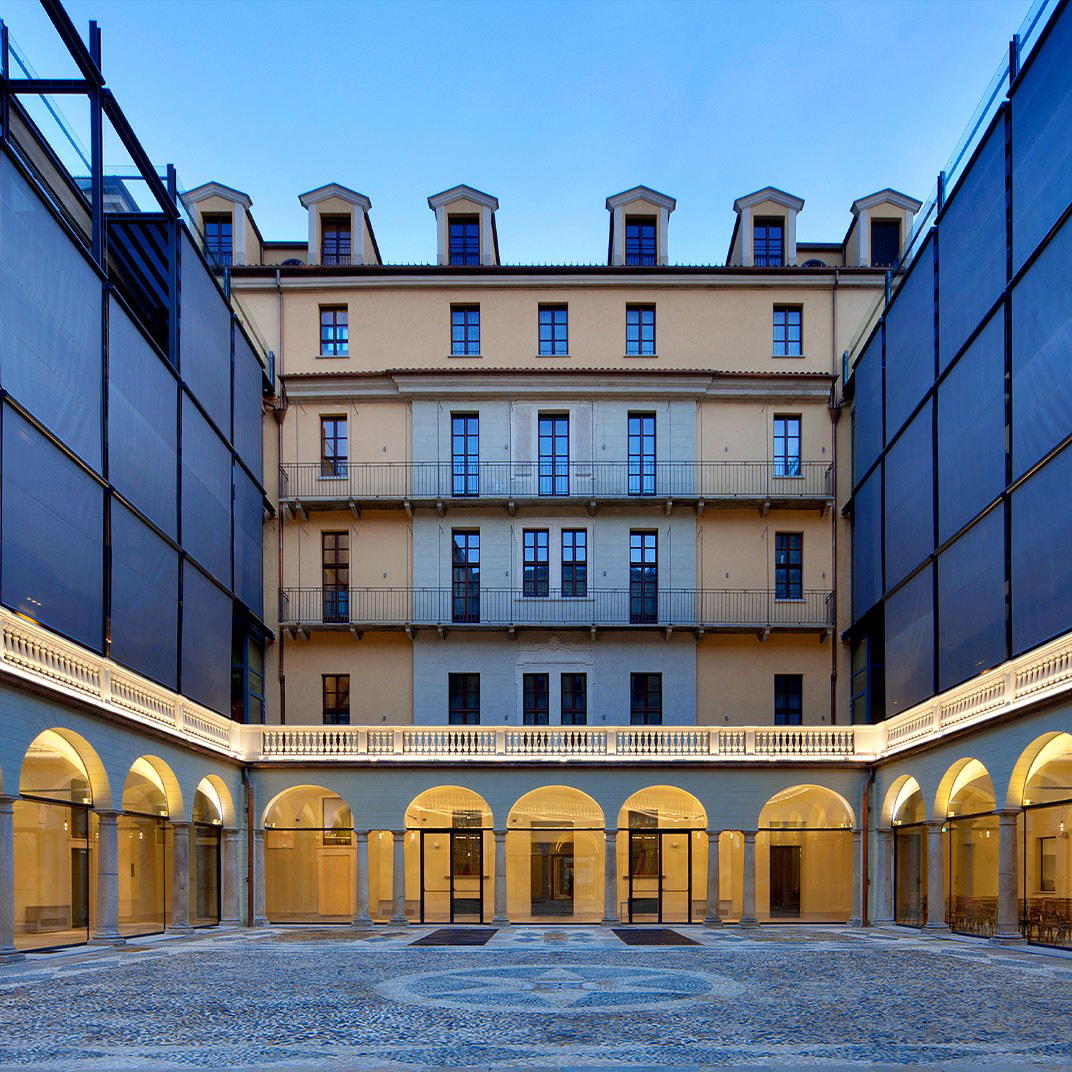
At a Glance
- Classic
- Cozy
- Elegant
- Rustic
- Date Night
- Special Occasion
- Garden
- Extensive Wine List
- Local Sourcing
- Garden
Current opening hours
- Monday
- 12–4 PM, 7–11 PM
- Tuesday
- Closed
- Wednesday
- Closed
- Thursday
- 12–4 PM, 7–11 PM
- Friday
- 12–4 PM, 7–11 PM
- Saturday
- 12–4 PM, 7–11 PM
- Sunday
- 12–4 PM, 7–11 PM
Hours can change for holidays and private events. Last verified .
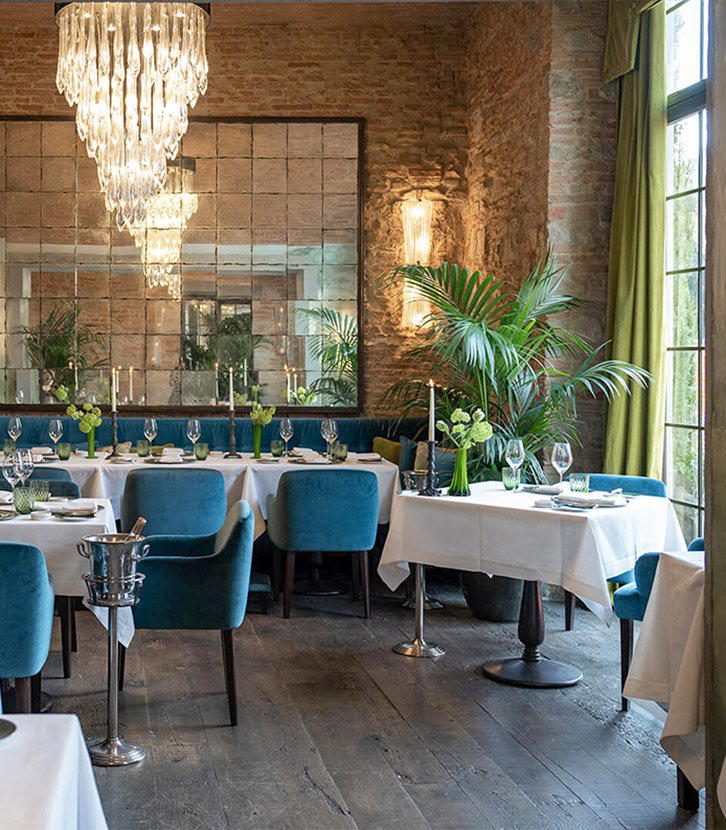
Welcoming historic atmosphere reminiscent of old Piedmont, with a cozy dining room evoking a grandmother's house and summer terrace dining.