Galli sits on Via Roma in Roncade, a small town in the Treviso province where the Veneto plain meets the edge of the Marca Trevigiana. The restaurant draws on the agricultural density of this corner of northeastern Italy, where seasonal produce, freshwater fish, and local grain traditions shape the table. For visitors working through the broader Roncade dining scene, it is a reference point worth understanding in context.
Pearl is the En Primeur Club membership app — saves, bookings, and concierge access live there. Same editors, same standards.
- Address
- Via Roma, 40, 31056 Roncade TV, Italy
- Phone
- +39422707207
- Directions
- Get directions
 Saves & bookings on Pearl
Roncade and the Ingredients That Define This Corner of the Veneto
The Treviso province sits in one of Italy's most productive agricultural corridors. Between the Piave river to the east and the outer ring of the Venetian lagoon to the south, the flat land around Roncade has long supported market gardens, vineyards, and small-scale livestock farming that feed both local tables and the wider regional supply chain. Restaurants in this part of the Veneto do not need to reach far for seasonal material: the supply is immediate, the variety considerable, and the culinary tradition old enough to have its own grammar. That grammar, built around white asparagus from Cimadolmo, radicchio di Treviso, freshwater fish from the Sile and Piave rivers, and cured meats from the foothills, sets the baseline expectation for any serious kitchen operating in this zone.
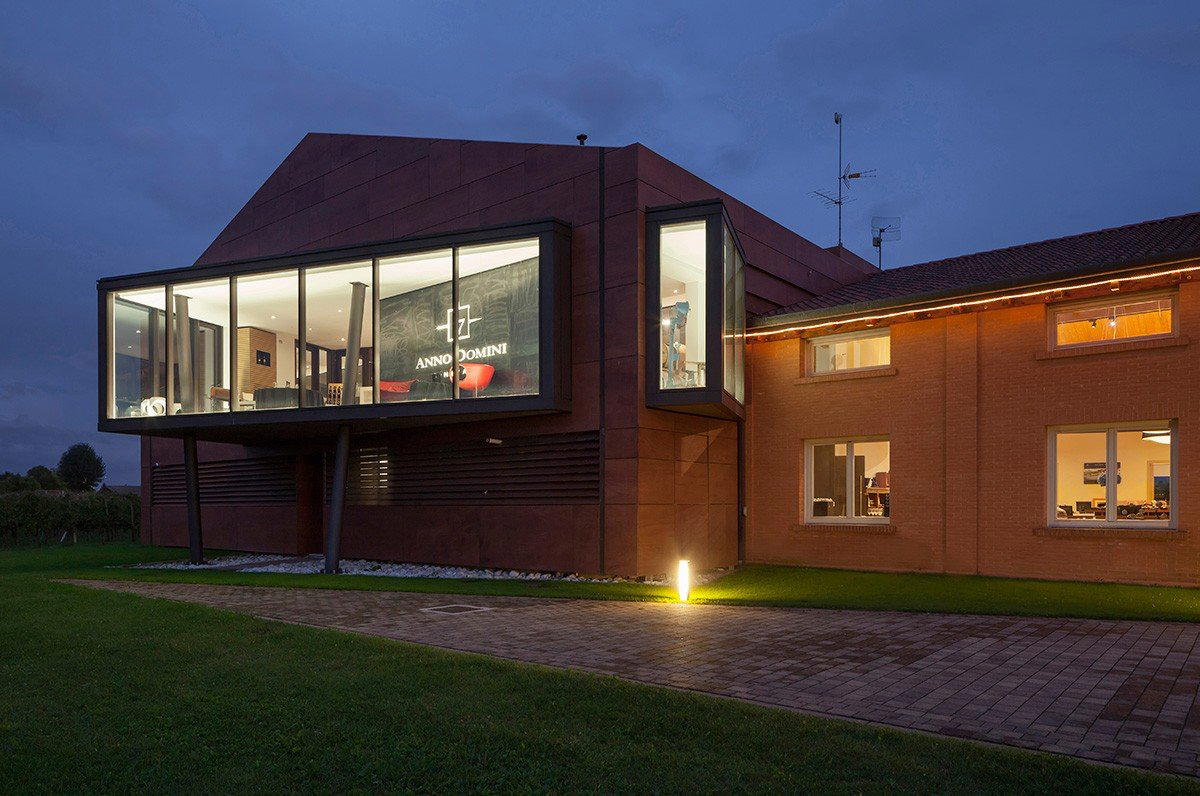
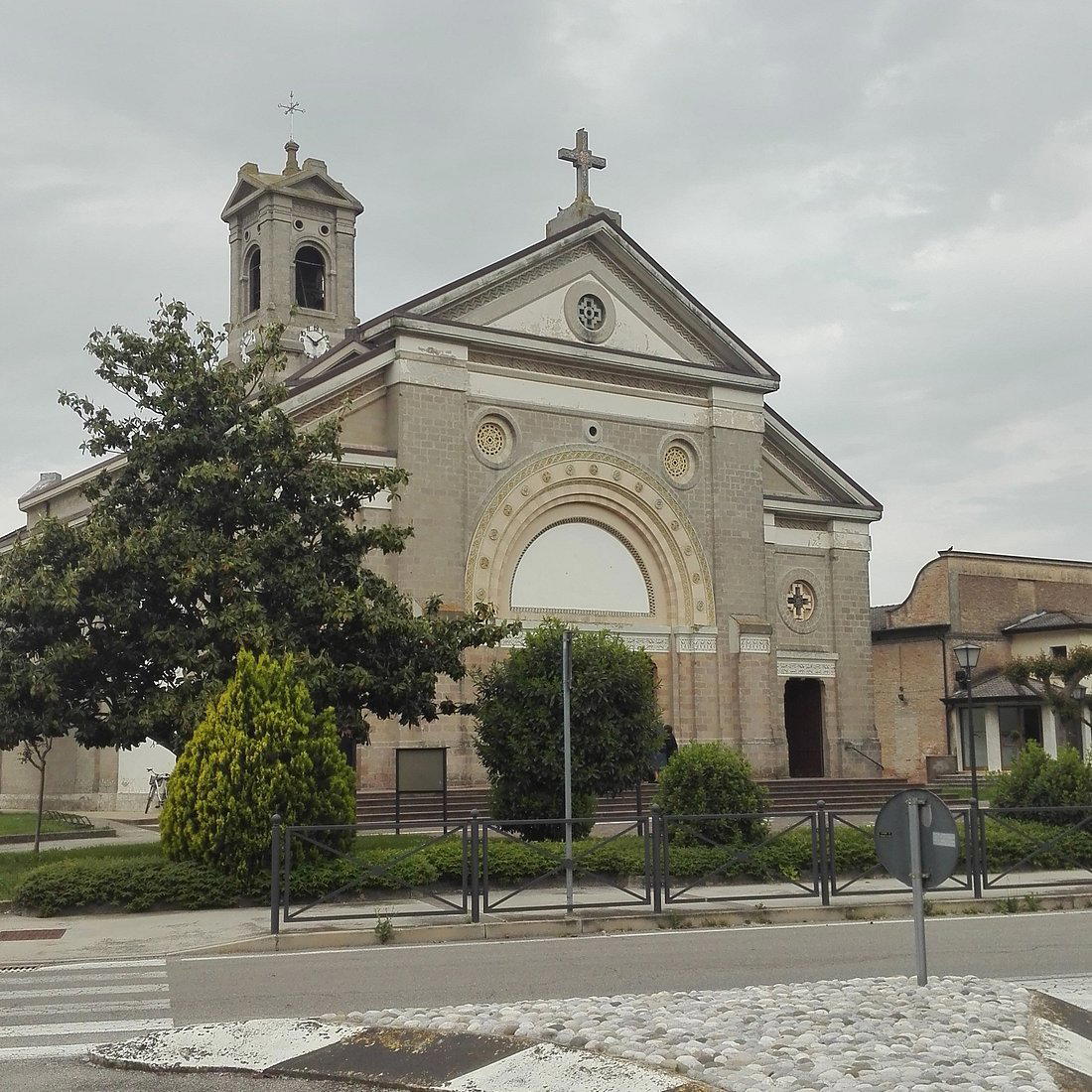
Galli, at Via Roma 40 in Roncade, sits inside that agricultural context. The address places it at the centre of a small town whose main street runs parallel to the older road network connecting Treviso to the coast. The physical setting is unshowy in the way that many good Veneto restaurants are: the region has never rewarded architectural theatre the way cities do, and the better tables here tend to announce themselves through the quality of what arrives on the plate rather than the drama of the room.
What the Ingredient Geography of the Marca Trevigiana Demands
Understanding why sourcing matters in this part of Italy requires some background on the Marca Trevigiana's relationship with seasonality. The growing calendar here is genuinely compressed. White asparagus runs for six weeks in spring and then it is gone. Radicchio di Treviso Tardivo, the tight-leafed, bitter variety that distinguishes itself from the common round head, has a narrow winter window and requires a secondary forcing process in cold water that no industrial operation bothers with. Freshwater fish from the Sile, tench, perch, eel, appear and disappear with the rhythms of the river rather than the convenience of a menu cycle.
Kitchens that take these cycles seriously run shorter, more changeable menus and maintain tighter relationships with suppliers than kitchens that don't. The result is a style of cooking that reads as disciplined and local rather than inventive or international, which is not a limitation but a distinct positioning in the broader Italian restaurant spectrum. Venues like Le Cementine and Perché represent different approaches to the same Roncade dining scene, each drawing from the same regional supply base while applying different registers of formality and ambition. For a fuller picture of how the town's tables compare, the Roncade restaurants guide maps the options in detail.
The Veneto Table in National Context
Italy's most decorated kitchens tend to cluster in specific corridors: Emilia-Romagna around Modena and Parma, Lombardy's lake district, the Ligurian coast, Piedmont's Langhe hills. The northeast, Veneto, Friuli, Trentino-Alto Adige, holds its own tier of serious restaurants, though the national conversation sometimes underweights them relative to the central and northern headliners. Operations like Le Calandre in Rubano and Casa Perbellini 12 Apostoli in Verona represent the Veneto's formal fine dining tier, while Atelier Moessmer Norbert Niederkofler in Brunico anchors the Alpine arm of the region's creative cooking. Further afield, addresses like Dal Pescatore in Runate, Piazza Duomo in Alba, and Osteria Francescana in Modena illustrate how the Italian provincial restaurant, rooted in a specific geography, can accumulate international recognition without abandoning that rootedness.
Roncade is not in that upper-tier conversation, but it benefits from the same underlying logic: a regional larder of genuine depth, a local dining culture that takes the table seriously, and proximity to Treviso and Venice, which keeps demand from travelling visitors reasonably consistent. Restaurants in towns of this scale across northeastern Italy often find their most reliable audience in the local professional class and in visitors who have moved beyond the city highlights and want something more embedded in daily regional life.
Placing Galli in the Roncade Framework
What the address and setting imply is consistent with the mid-register of Veneto town restaurants: the kind of operation that draws a lunch crowd from the surrounding commercial zone and an evening clientele from within the province rather than from long-haul tourism. In that bracket, the competitive pressure comes not from Michelin-tracked peers but from the accumulated weight of expectation that comes with cooking in a region where home kitchens are still formidable and seasonal cooking is treated as a baseline rather than a selling point.
For the reader planning a trip through this part of the Veneto, Galli is worth considering as part of a wider itinerary that might include the broader Italian restaurant circuit. Benchmark comparisons for understanding what northern Italian kitchens can do at different price and ambition levels include Da Vittorio in Brusaporto, Villa Crespi in Orta San Giulio, Enoteca Pinchiorri in Florence, and Enrico Bartolini in Milan. For points of comparison outside Italy, Quattro Passi in Marina del Cantone, Uliassi in Senigallia, and Reale in Castel di Sangro show how different Italian regional traditions handle the sourcing-first approach at high ambition levels. Internationally, Le Bernardin in New York and Lazy Bear in San Francisco represent how the ingredient-led ethos translates into different culinary cultures.
Planning a Visit
Roncade sits roughly 20 kilometres northeast of Venice and is accessible by train on the Venice-Trieste line, with the Roncade stop a short walk from Via Roma. Treviso, the provincial capital, is approximately 12 kilometres to the northwest and offers a wider range of accommodation options for visitors using Roncade as a day destination. Visiting in late autumn or winter gives access to the radicchio season, which is the Marca Trevigiana's most distinctive single ingredient moment of the year.
Comparison Snapshot
Comparable venues nearby, for context on price, style, and recognition.
| Venue | Cuisine | Price | Awards | Notes |
|---|---|---|---|---|
| GalliThis venue — the venue you are viewing | Traditional Italian Family Trattoria | $$$ | Not listed | Not listed |
| Le Cementine | Seasonal Italian Country Fine Dining | $$$ | Michelin Plate | Roncade |
| Perché | Modern Italian Gourmet Pizza & Veneto Cuisine | $$$ | Not listed | Roncade |
| Riva Rosa | Venetian Seafood | $$$ | Not listed | Burano |
| Renzo | Contemporary Italian | $$$ | Not listed | Cadenabbia di Griante |
| L'Ultimo Mulino | Traditional Italian in Historic Mill | $$$ | Not listed | Fiume Veneto |
Continue exploring
More in Roncade
Restaurants in Roncade
Browse all →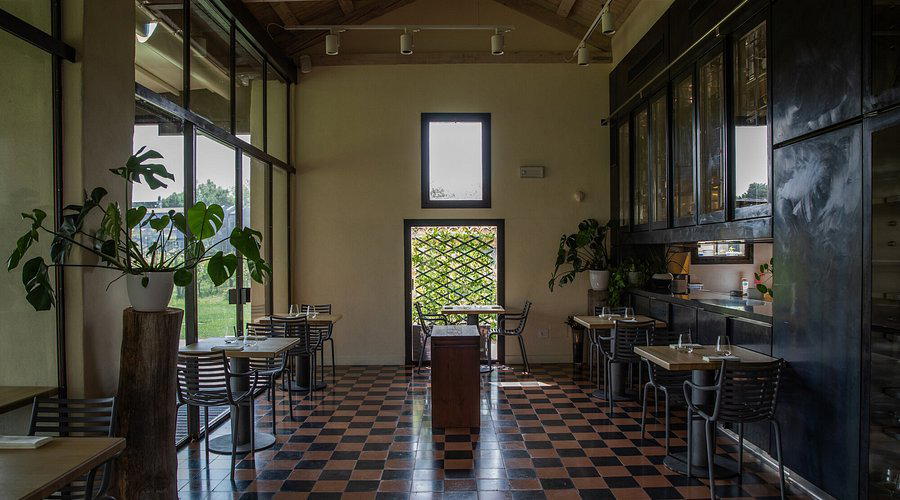
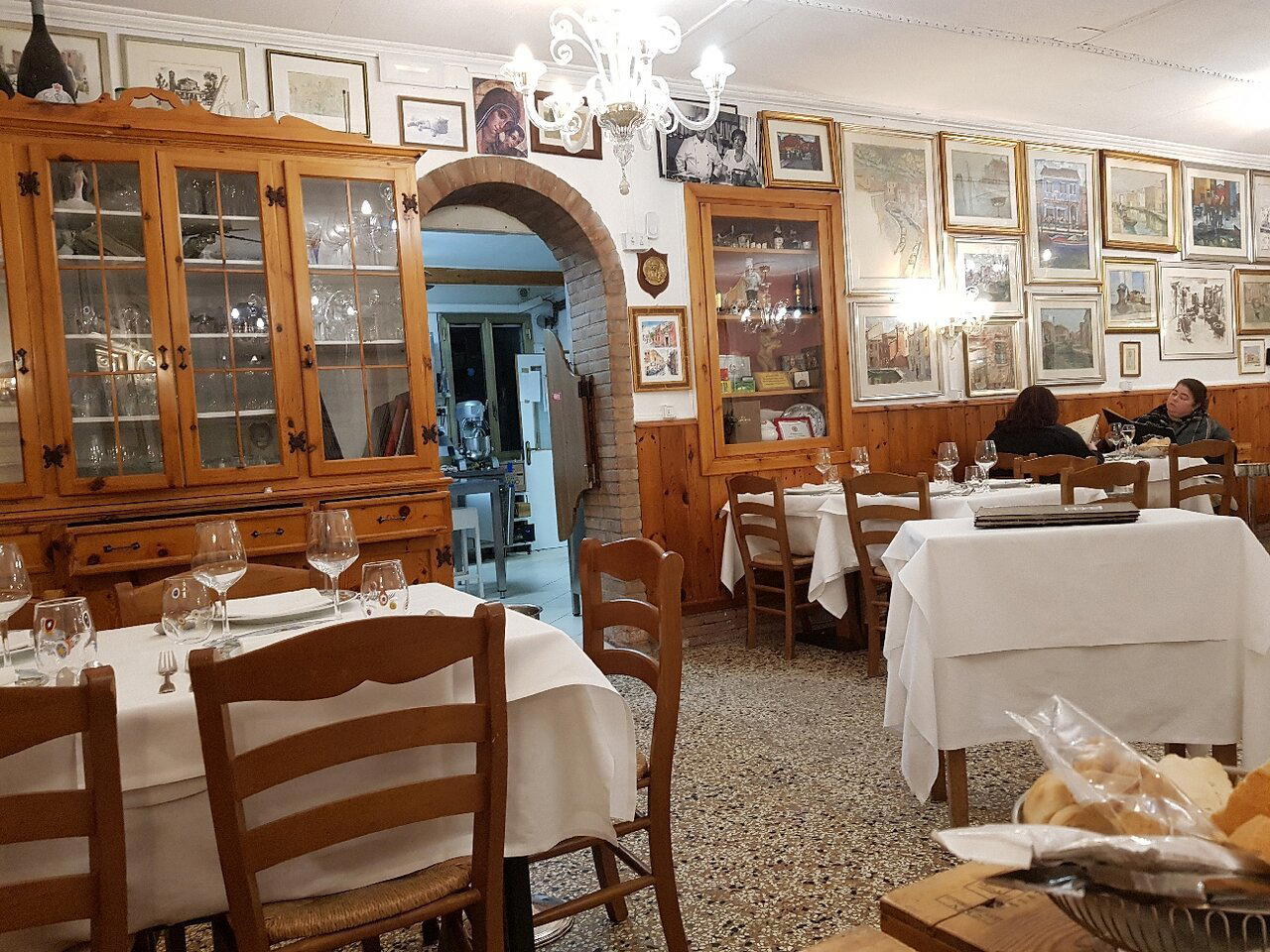
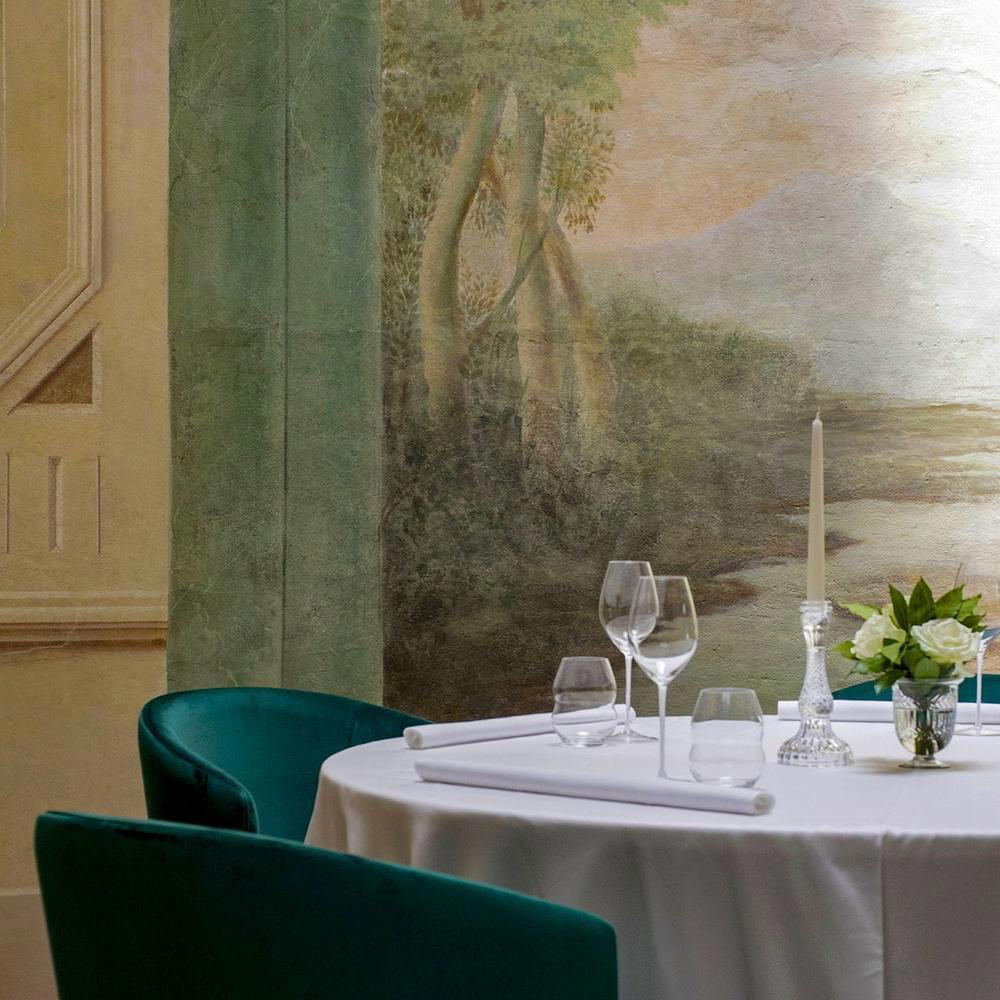
Bars in Roncade
Browse all →
Hotels in Roncade
Browse all →
At a Glance
- Cozy
- Intimate
- Elegant
- Classic
- Date Night
- Family
- Special Occasion
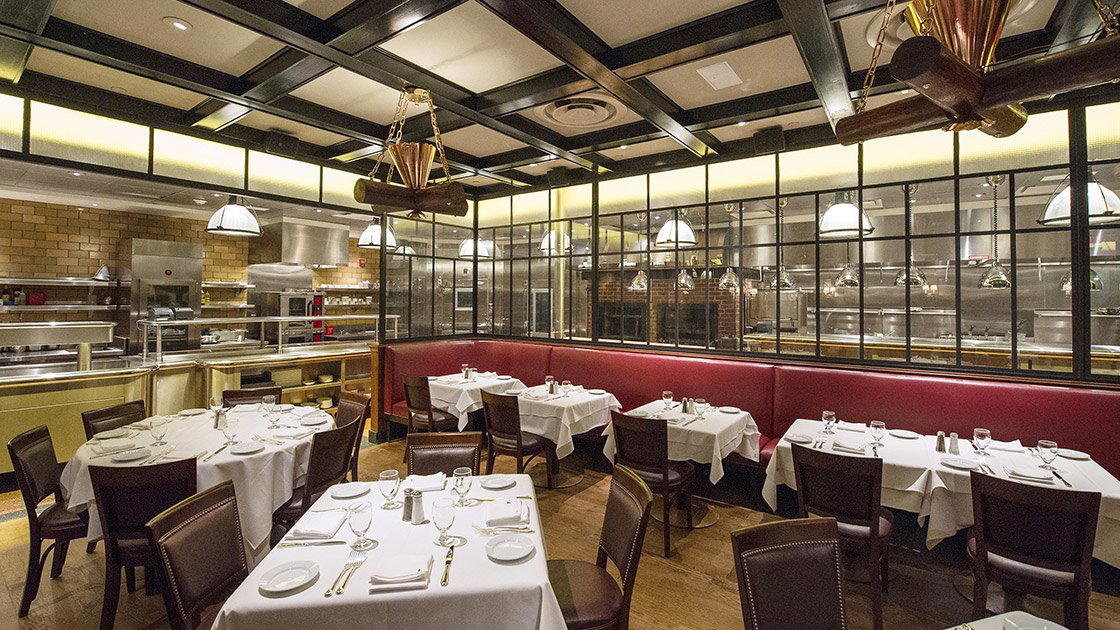
- Open Kitchen
- Private Dining
- Extensive Wine List
- Local Sourcing
Current opening hours
- Monday
- 11 AM–3 PM, 7–11 PM
- Tuesday
- 11 AM–3 PM
- Wednesday
- Closed
- Thursday
- 11 AM–3 PM, 7–11 PM
- Friday
- 11 AM–3 PM, 7–11 PM
- Saturday
- 11 AM–3 PM, 7–11 PM
- Sunday
- 11 AM–4 PM
Hours can change for holidays and private events. Last verified .
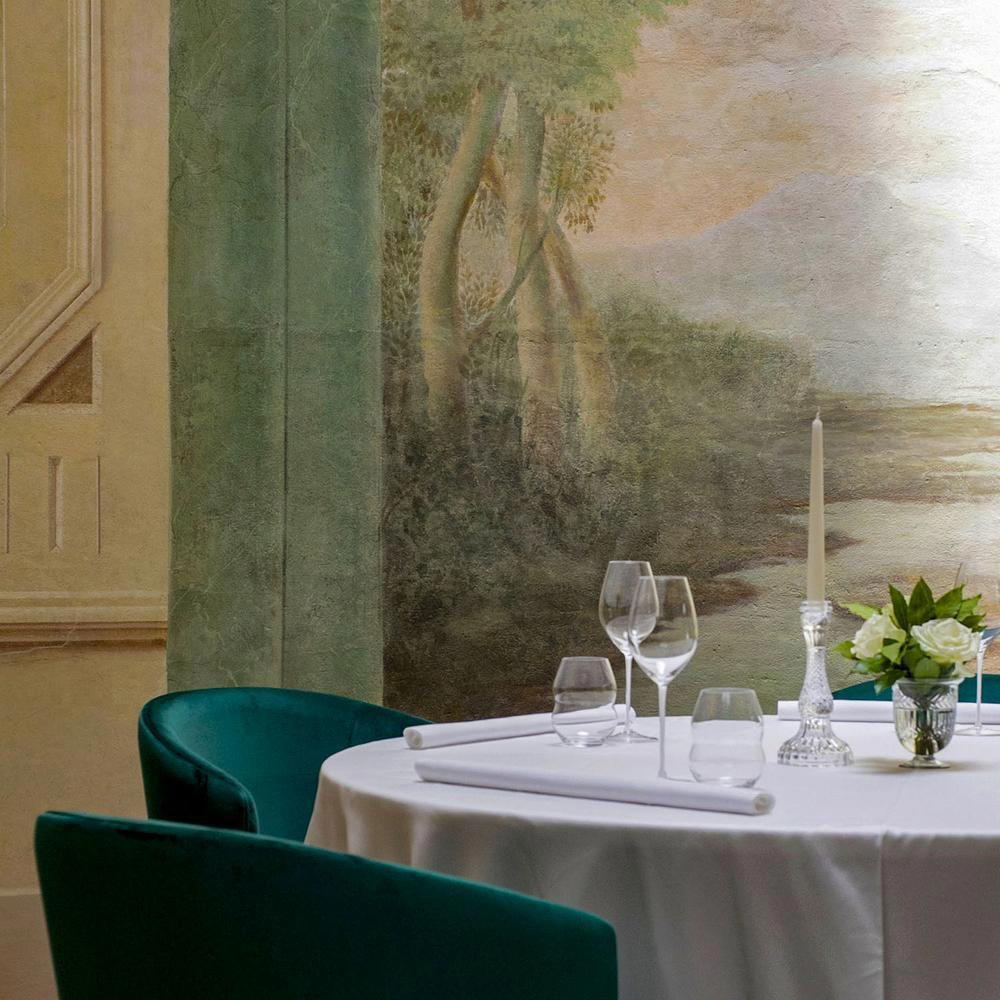
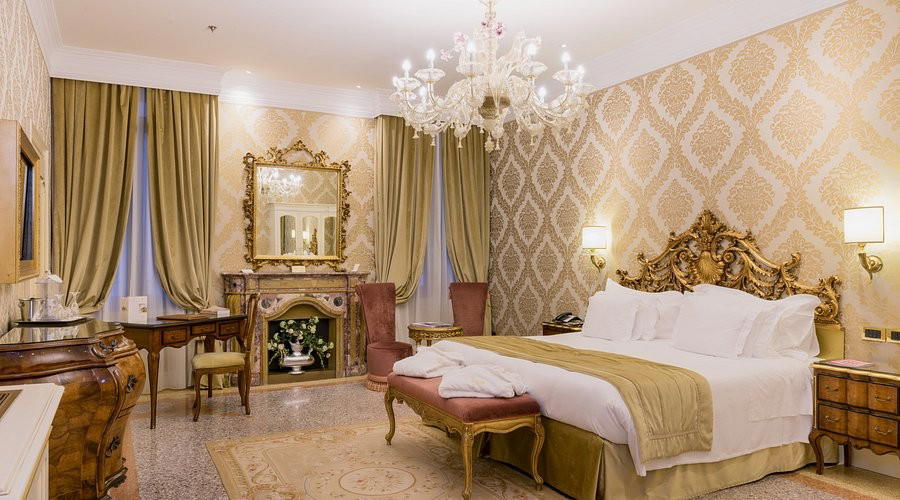
Warm, sophisticated, and relaxing atmosphere with careful lighting and attention to detail creating an intimate family environment.