

Le Cementine is a luminous ode to contemporary Italian terroir, where seasonal ingredients are translated into polished, quietly luxurious cuisine. Set within a design-forward space that marries sculptural lines with soft light and natural textures, the restaurant offers a tasting-led journey that is both refined and deeply rooted in place. Expect precision-cooked seafood, rare garden varietals, and pristine meats, each course composed with painterly restraint and an eye for texture and temperature. Service is attentive yet discreet, with considered pacing and expert wine pairings that showcase both well-known Italian labels and thoughtful, small-producer discoveries. For travelers seeking an intimate culinary narrative told through flavor, fragrance, and form, Le Cementine delivers a serene, memorable evening.
Pearl is the En Primeur Club membership app — saves, bookings, and concierge access live there. Same editors, same standards.
- Address
- Via Sile, 6, 31056 Roncade TV, Italy
- Phone
- +39 0422 158 1918
- Website
- alajmo.it
- Directions
- Get directions
 Saves & bookings on Pearl
Where the Sile River Sets the Menu
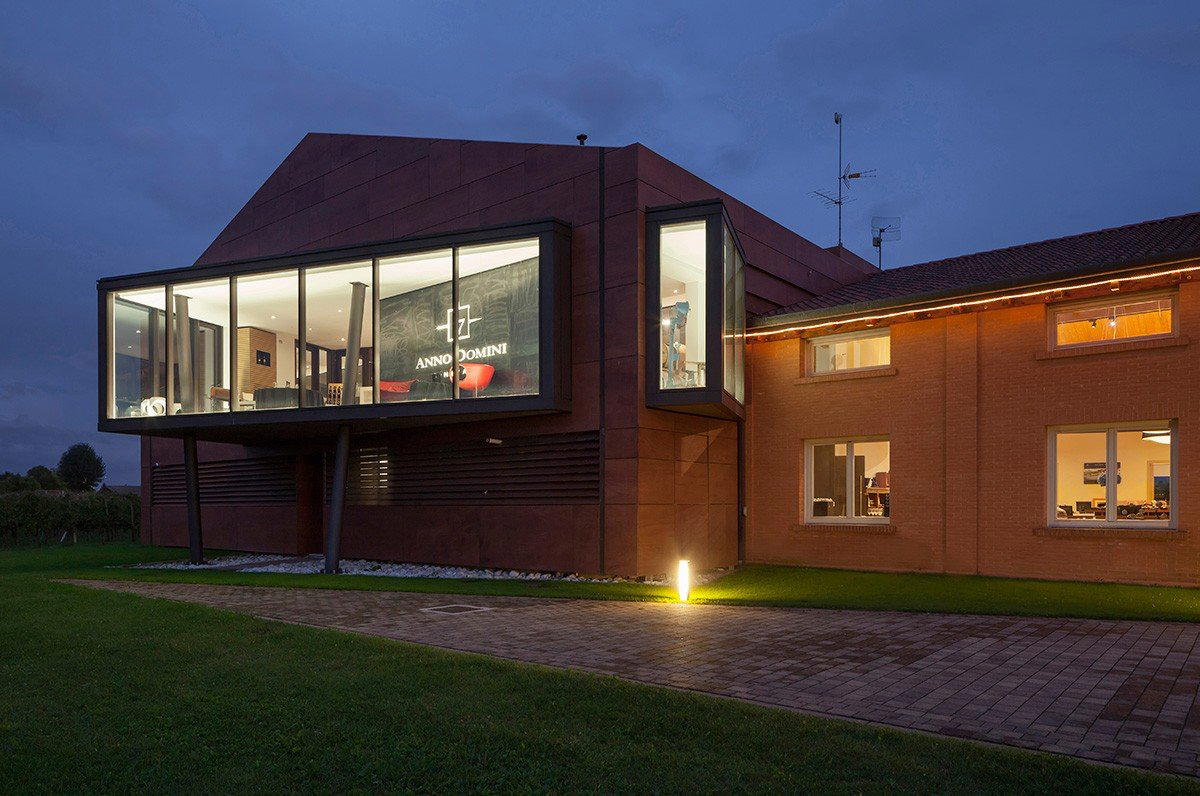
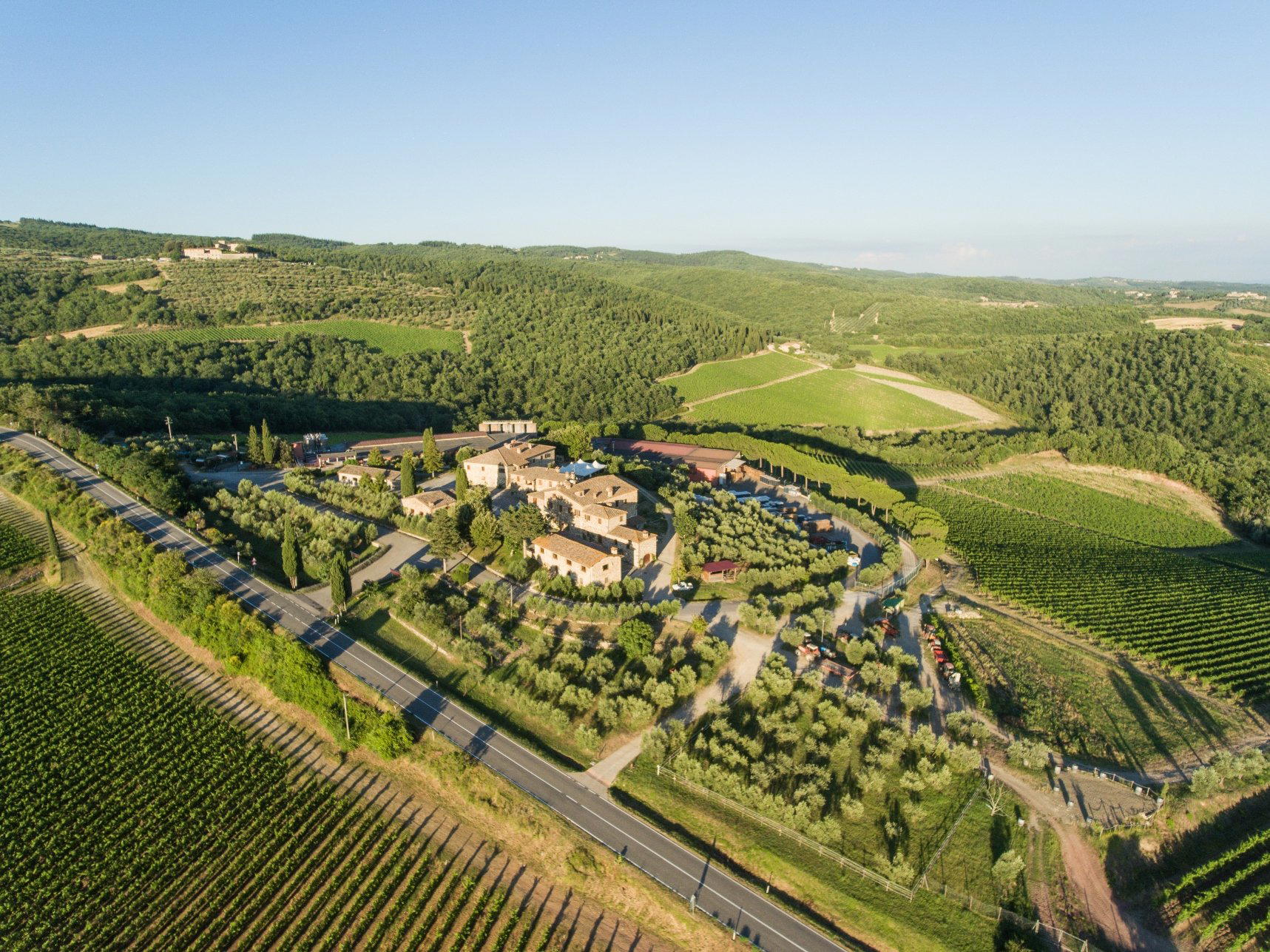
Approach Le Cementine from the road through Roncade and the setting announces itself before the food does. The Sile river runs along the edge of the property, rows of vegetables occupy the kitchen garden, and a small vineyard holds the middle distance before the meadows open up beyond. This is not countryside as backdrop, it is countryside as supply chain, and the distinction shapes everything that arrives at the table.
The Veneto's agricultural interior rarely attracts the attention that the lagoon city does, yet the territory between Treviso and the coast has long sustained a cooking tradition built on exactly this kind of proximity. Seasonal vegetables, river fish, and pasture-raised meat move short distances from field to kitchen, and the leading tables in the region have always treated that proximity as a structural advantage rather than a marketing position. Le Cementine sits firmly in that tradition, operating under the Alajmo brothers, the same family responsible for Le Calandre in Rubano, a three-Michelin-star property that represents the technical outer edge of Venetian cuisine. Le Cementine occupies the opposite end of that spectrum: rustic in register, grounded in the rhythms of what the garden and the season can provide.
The Logic of the Kitchen Garden
In northern Italian cooking, the phrase cucina del territorio is applied so broadly it has nearly lost meaning. At the restaurant, however, the vegetable garden visible from the dining room is not decorative. It functions as one of the primary sources of produce that shapes the daily menu, which means the food changes with the season in ways that a supply-chain-independent kitchen cannot replicate. Vegetables take centre stage across many dishes, a positioning that reads less as trend-following and more as an honest response to what this land produces leading.
The cuisine is classified as country cooking, and that label carries specific implications in the Veneto context. It draws from both the river and the land: fish from the Sile and the lagoon, meat from the surrounding farmland, and produce from the kitchen's own garden and the fields nearby. This is the kind of kitchen where the sourcing is not a separate conversation from the cooking, it is the cooking. The menu reflects seasonal availability directly, which means a visit in late spring differs materially from one in October. Timing a visit around the harvest season, when the vegetable garden is at full production, generally rewards one attentive engagement with what the kitchen does.
Country cooking at this level sits in a different peer group from the progressive-Italian restaurants that dominate Italian fine dining internationally. Places like Osteria Francescana in Modena or Enrico Bartolini in Milan operate within a conceptual framework where technique and invention are the primary signals of quality. The restaurant works from the opposite premise: that the ingredient, sourced well and handled with restraint, is the argument. The same philosophy appears in northern Italy's leading agriturismo-adjacent restaurants, where the distance from field to plate is itself the credential. For a broader picture of how this approach compares across Italian country-cooking formats, 21.9 in Piobesi d'Alba and Andrea Monesi at Locanda di Orta in Orta San Giulio offer useful points of comparison in Piedmont.
Recognition and Where It Sits in the Wider Italian Scene
The restaurant holds a Michelin Plate in both 2024 and 2025, a recognition that signals quality cooking without the multi-star pressure that reshapes the character of a room. The Michelin Plate tier in Italy covers a wide range of restaurants, but in rural Veneto it tends to mark places that are cooking seriously at the local and regional level rather than positioning for international fine-dining audiences. That is the correct frame for the restaurant: it is not trying to compete with Dal Pescatore in Runate or Enoteca Pinchiorri in Florence on technical grounds, and it does not need to.
At that price tier, expectations are set for serious rather than casual dining, but the rustic setting manages those expectations clearly before the meal begins. The room is vintage in style, the surroundings agricultural, and the overall register one of considered informality.
The Alajmo family connection gives the kitchen access to supplier relationships and culinary intelligence that most rural restaurants in the region do not have. That institutional backing does not make the restaurant a satellite of Le Calandre in culinary terms, the formats are deliberately different, but it does mean the sourcing and kitchen discipline operate above what the setting alone might suggest.
Getting There and Planning the Visit
Roncade sits in the Treviso province, a short drive from both Treviso city and the edge of the Venetian lagoon. The address on Via Sile places the restaurant directly on the riverbank, making it accessible by car from either direction. For visitors combining the meal with time in Venice, the location functions well as a lunch or dinner excursion, far enough from the city to feel like countryside, close enough to return the same evening without significant travel. The €€€ pricing places it in a tier that warrants advance planning; this is not a drop-in spot. Booking ahead is the standard approach for any serious table in this category.
For those planning a broader trip through the Veneto and Friuli corridor, the EP Club guides to Roncade restaurants, hotels, bars, wineries, and experiences cover the surrounding territory. Further afield, Casa Perbellini 12 Apostoli in Verona makes a strong pairing for a multi-day Veneto itinerary, and for those extending into other northern Italian regions, Atelier Moessmer Norbert Niederkofler in Brunico represents the alpine end of ingredient-led Italian cooking. Other long-form comparisons worth considering: Quattro Passi in Marina del Cantone, Uliassi in Senigallia, Piazza Duomo in Alba, and Reale in Castel di Sangro.
In Context: Similar Options
Comparable venues nearby, for context on price, style, and recognition.
| Venue | Cuisine | Price | Awards | Notes |
|---|---|---|---|---|
| Le CementineThis venue — the venue you are viewing | Seasonal Italian Country Fine Dining | $$$ | Michelin Plate | Not listed |
| Galli | Traditional Italian Family Trattoria | $$$ | Not listed | Roncade |
| Perché | Modern Italian Gourmet Pizza & Veneto Cuisine | $$$ | Not listed | Roncade |
| Da Guido | Italian Seafood | $$$ | Michelin Plate | Jesolo |
| Baracca - Storica Hostaria | Traditional Italian Regional | $$$ | Michelin Plate | Trebaseleghe |
| Al Paradiso | Traditional Friulian Trattoria with Grilled Meats | $$$ | Michelin Plate | Paradiso di Pocenia |
Recognition history
Dated appearances from independent guides and award organizations, with the underlying list record or original source where available.
Falstaff Restaurant - 92 Falstaff Points
Falstaff
Michelin Plate
Michelin
Michelin Plate
Michelin
Michelin Plate
Michelin
Continue exploring
More in Roncade
Restaurants in Roncade
Browse all →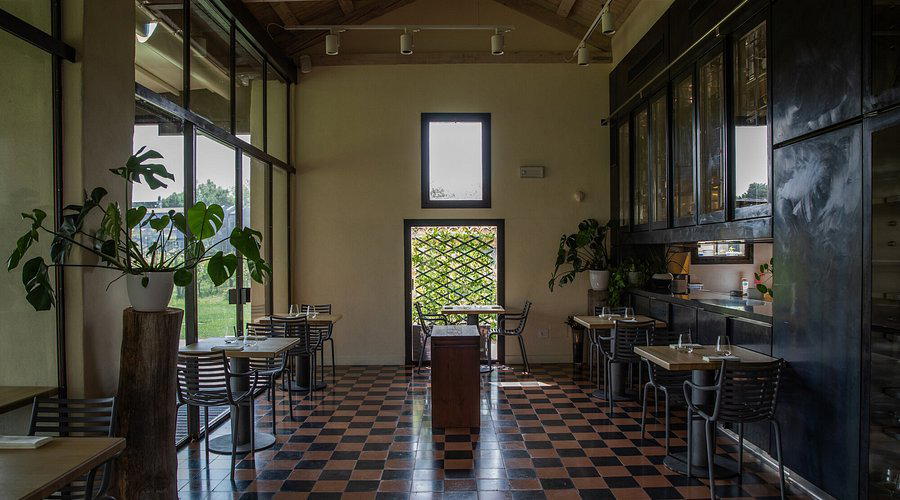
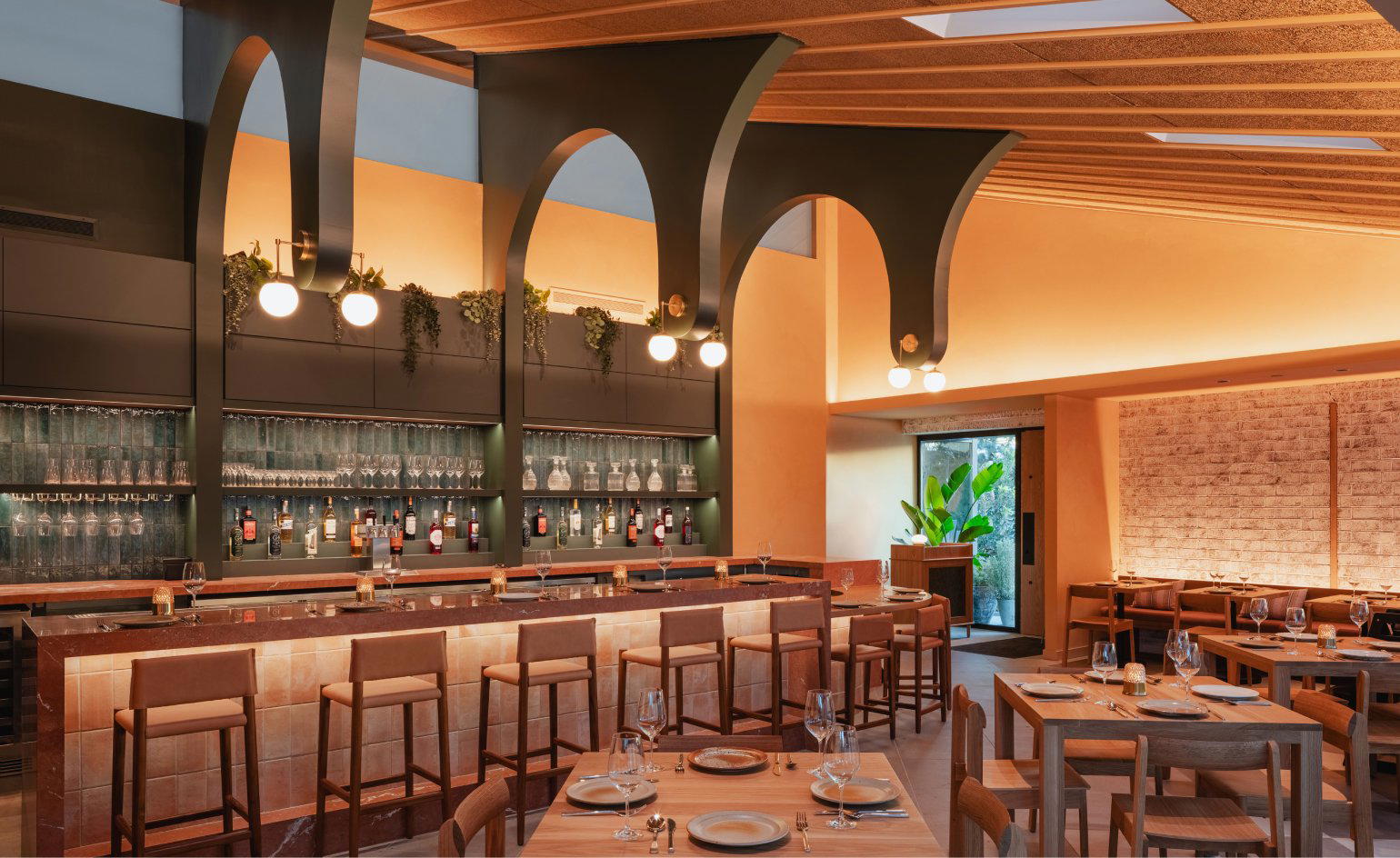
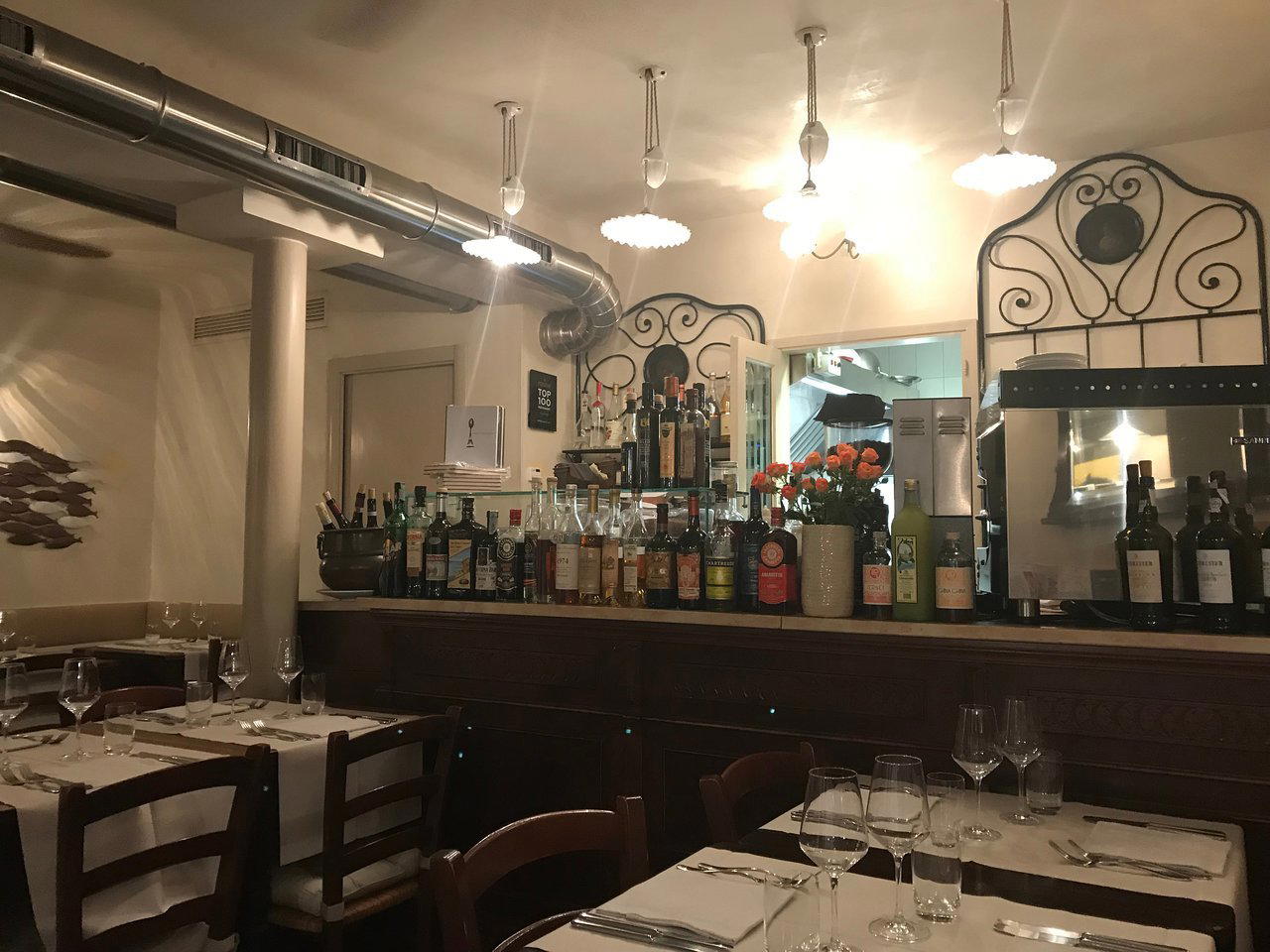
Bars in Roncade
Browse all →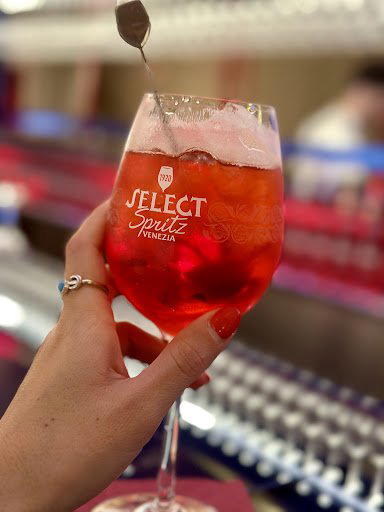
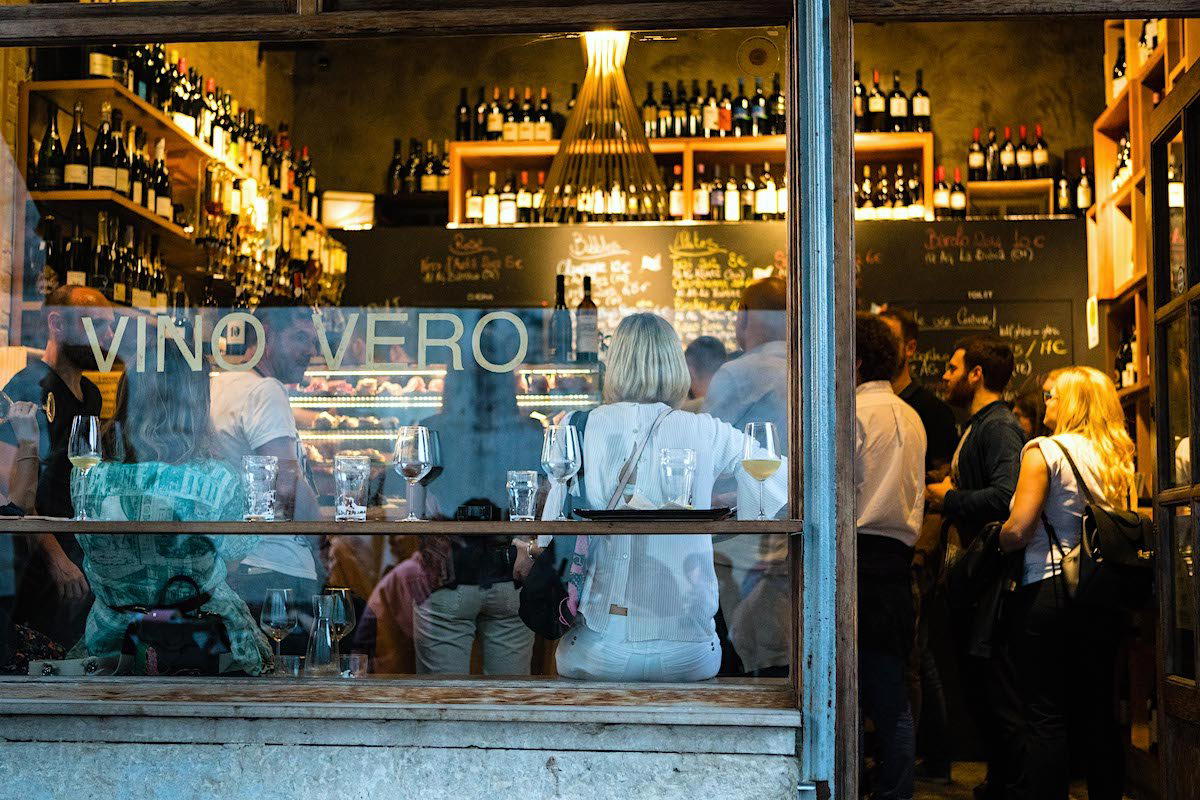
Hotels in Roncade
Browse all →
At a Glance
- Rustic
- Cozy
- Scenic
- Elegant
- Date Night
- Special Occasion
- Garden
- Open Kitchen
- Terrace
- Sommelier Led
- Local Sourcing
- Garden
- Vineyard
Current opening hours
- Monday
- Closed
- Tuesday
- Closed
- Wednesday
- 7:30–10 PM
- Thursday
- 12:30–2:30 PM, 7:30–10 PM
- Friday
- 12:30–2:30 PM, 7:30–10 PM
- Saturday
- 12:30–2:30 PM, 7:30–10 PM
- Sunday
- 12:30–2:30 PM, 7:30–10 PM
Hours can change for holidays and private events. Last verified .
Glass-walled space with colorful hand-painted cement tiles creating a vintage rustic feel, surrounded by greenery, garden, and pergola for a welcoming countryside atmosphere.