Eatanic Garden







On the 36th floor of Josun Palace in Gangnam, Eatanic Garden holds a Michelin star and a place at #25 on Asia's 50 Best Restaurants 2025. Chef Son Jong-won builds seasonal tasting menus around Korean ingredients and fermentation technique, served without a printed menu — illustrated cards announce each course instead. The wine program matches the kitchen's ambition across a cellar of over 1,000 labels.
 Discover on Pearl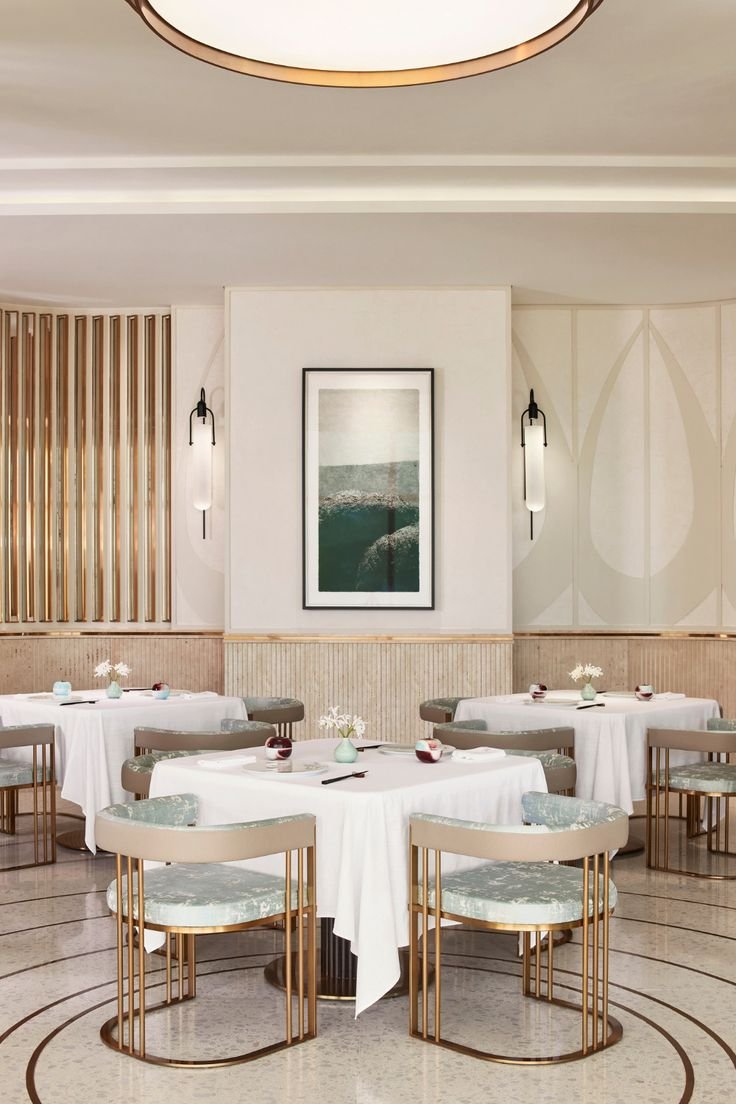
A Garden Above the Gangnam Grid
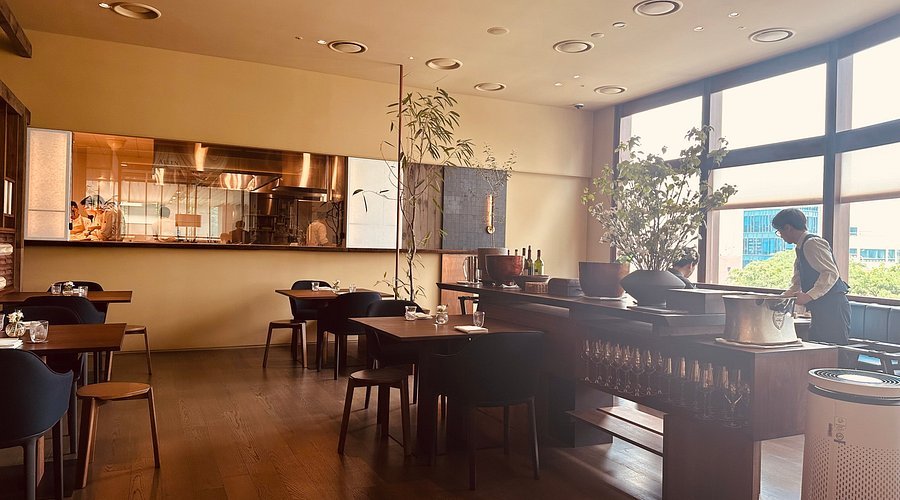
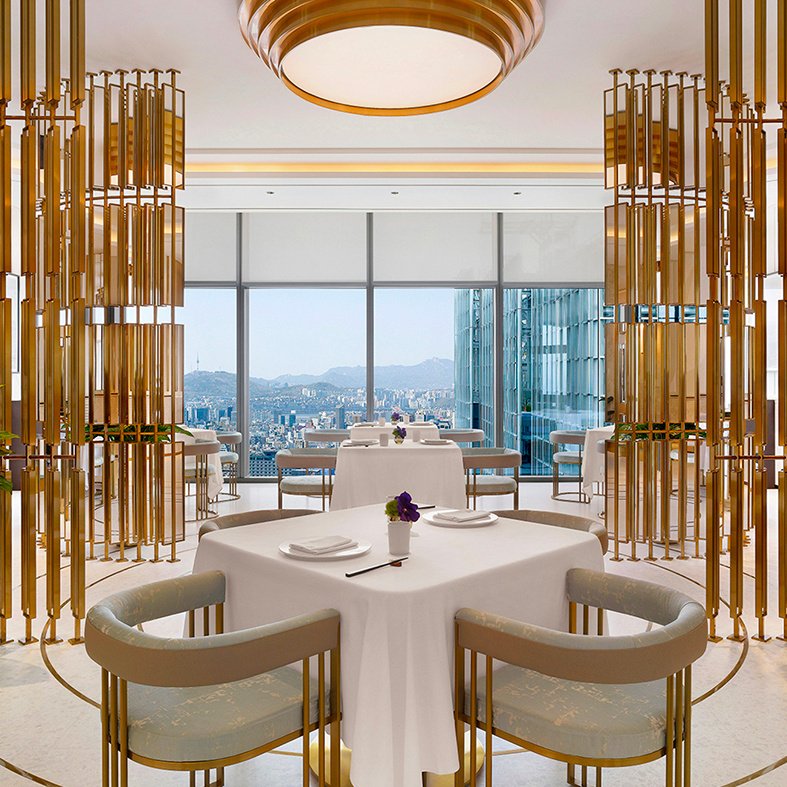
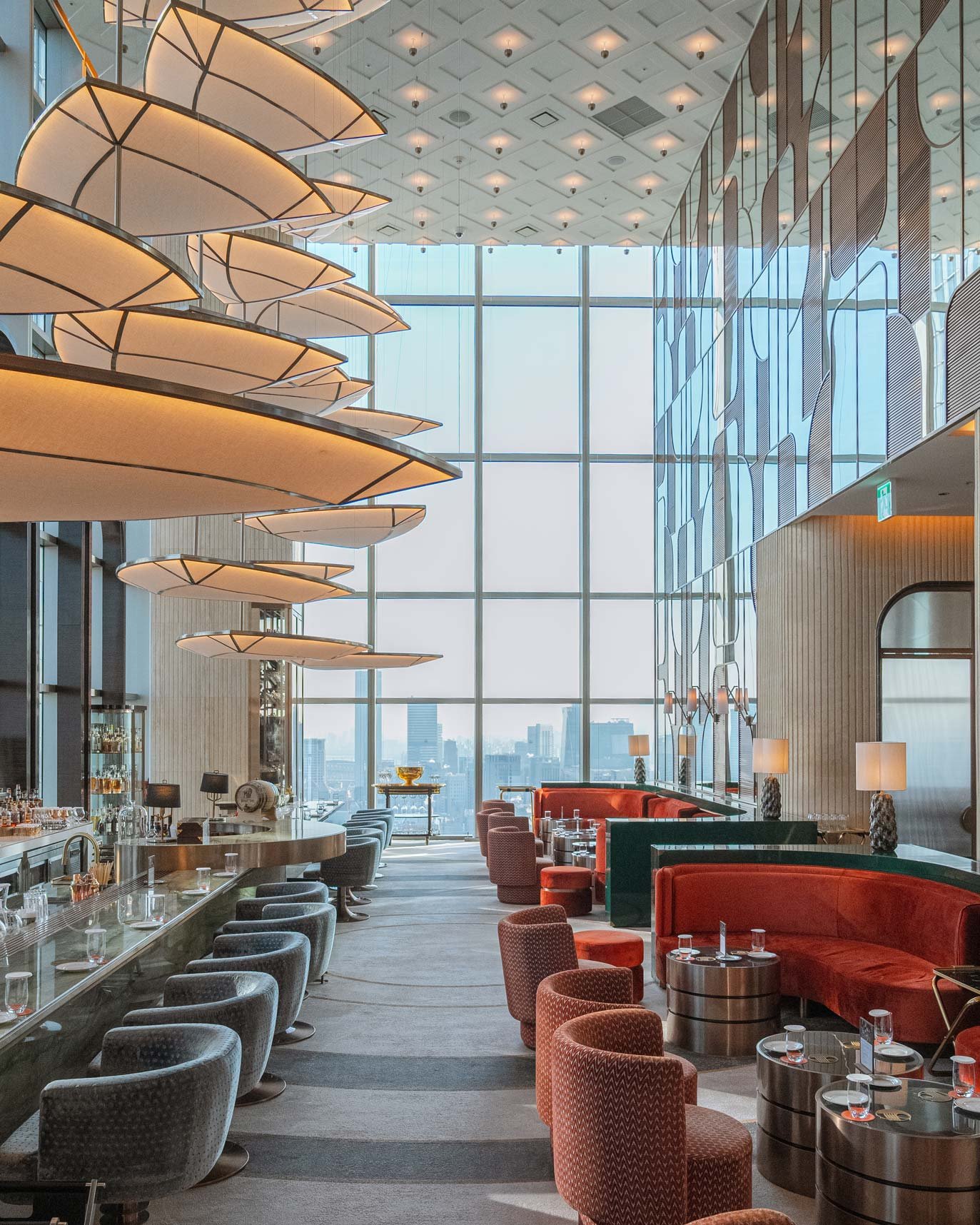
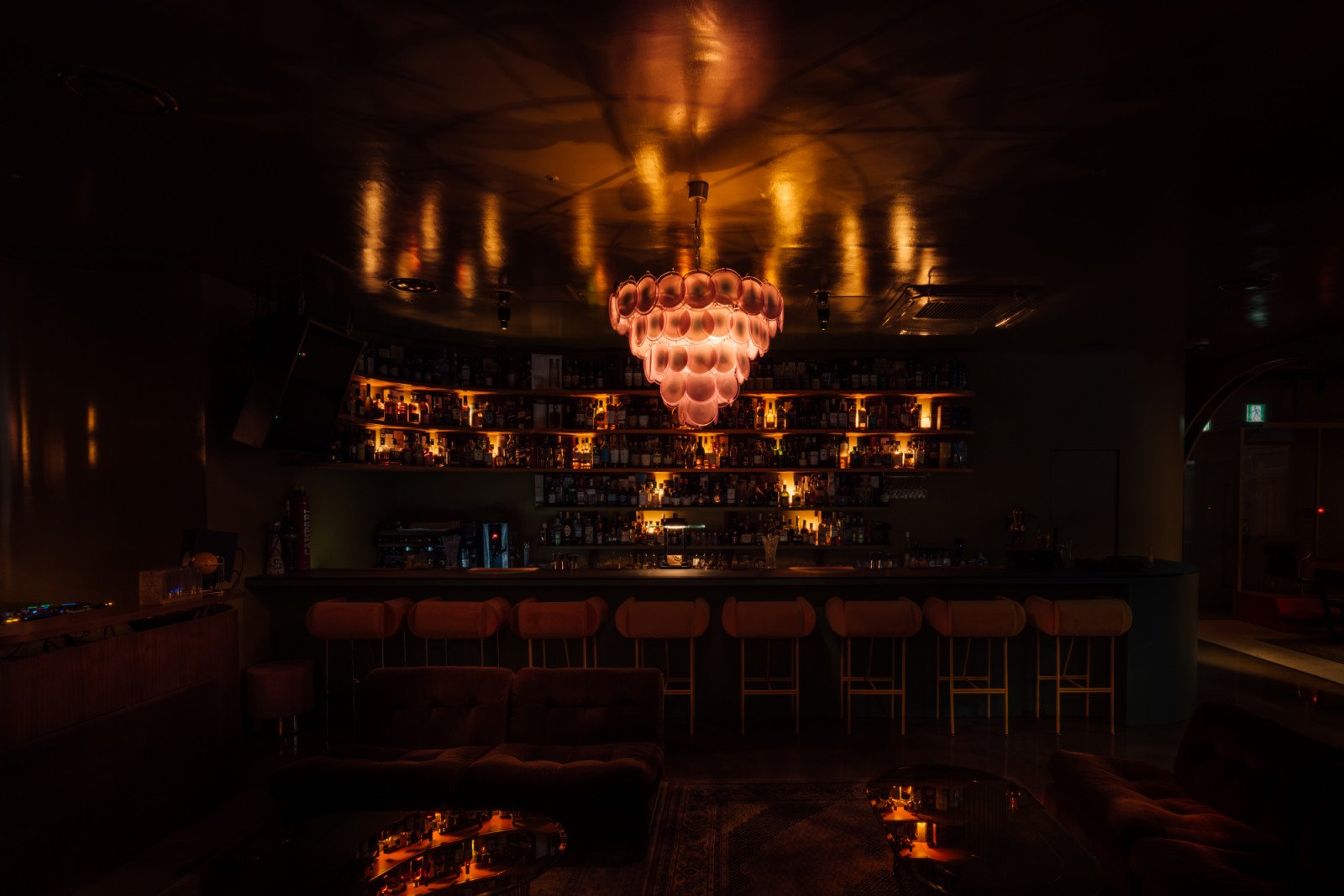
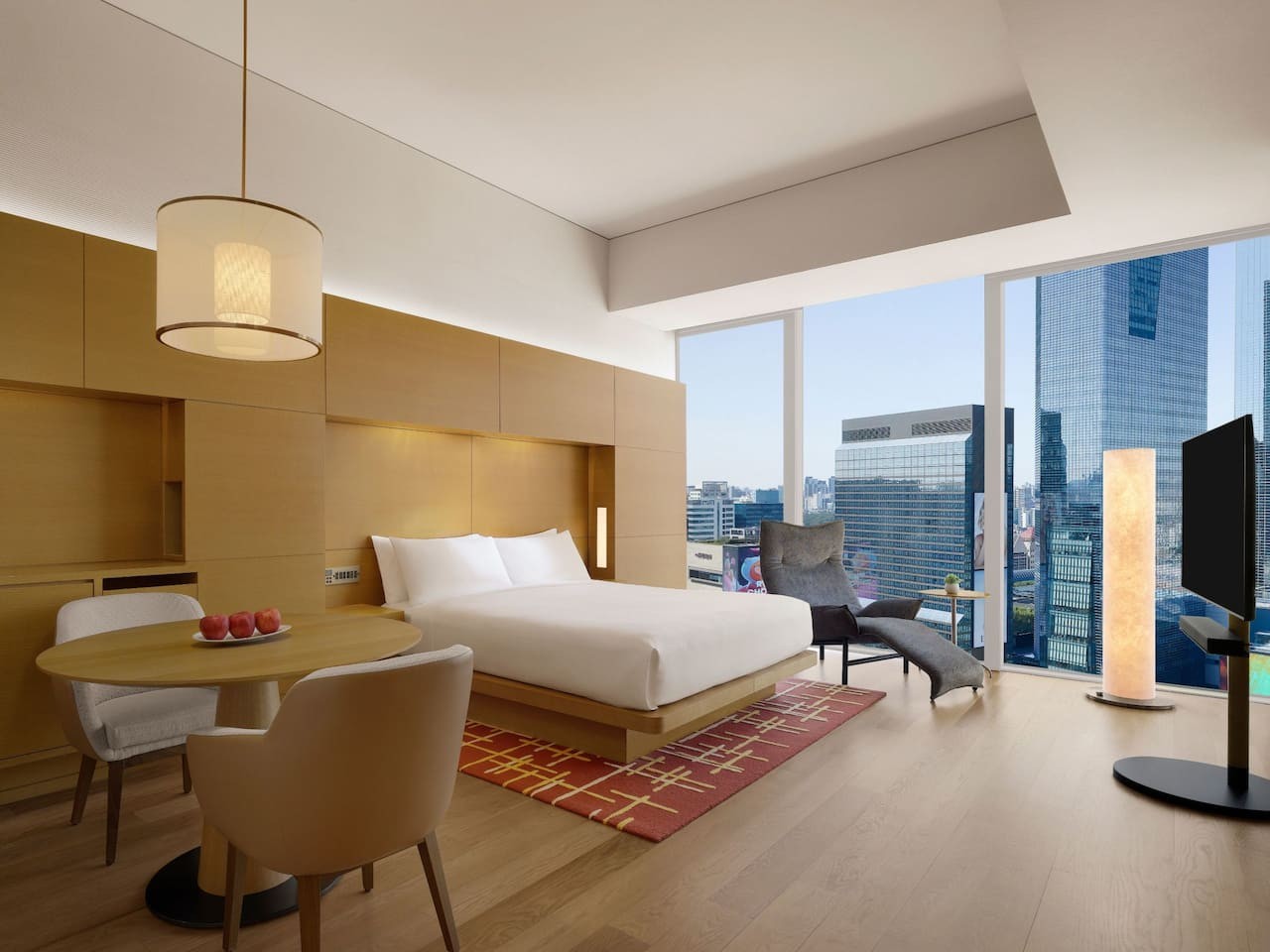
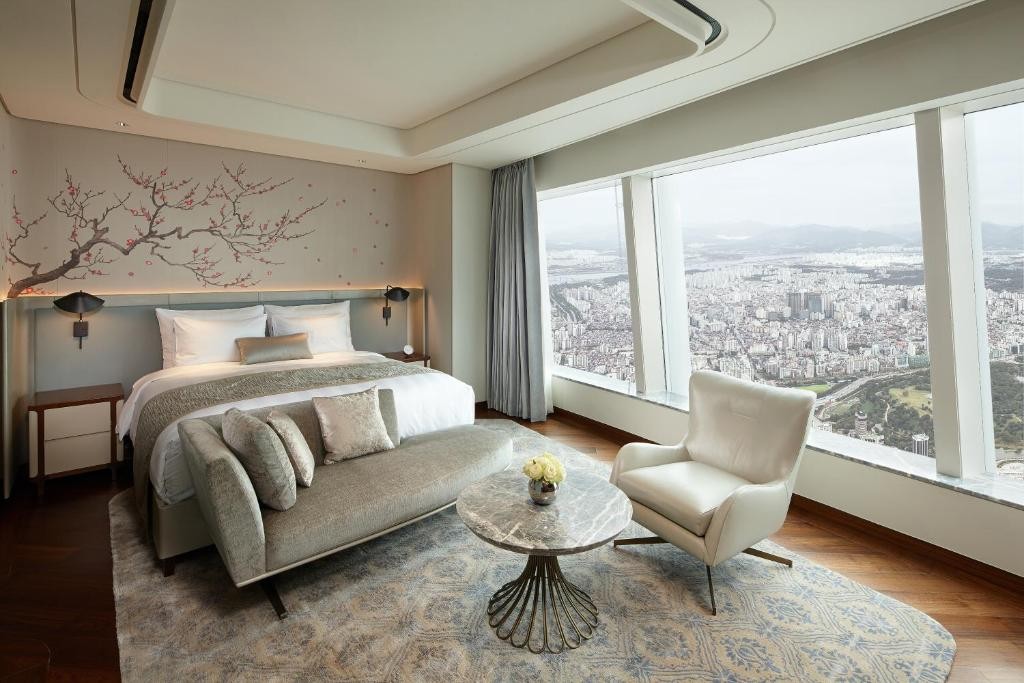
From the 36th floor of Josun Palace Hotel on Teheran-ro, Seoul's financial district reads as a dense horizontal plane of glass and concrete. Eatanic Garden works against that geometry. The room is designed to read as an interior garden: green tones, botanical references, and two window-facing tables of two that deliver an unobstructed view across the Gangnam skyline. The prized seats are those window tables, and the combination of natural light during the lunch service and the city illumination at dinner creates genuinely different dining atmospheres across the same menu. Seoul's high-altitude dining tier has grown over the past decade, but few rooms at this elevation manage the tension between panoramic spectacle and culinary focus as deliberately as this one.
The Illustrated Card Format and What It Signals
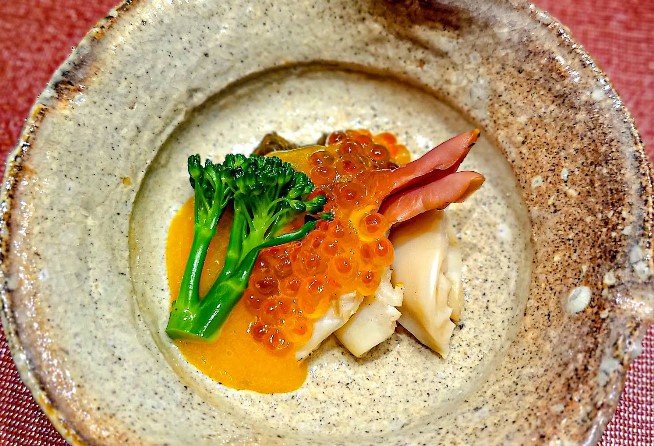
There is no printed menu at Eatanic Garden. In its place, a series of illustrated cards arrives with each course, depicting the seasonal element — a clam, a variety of native rice, a specific fermented vegetable — that anchors the dish. The staff explain each card in detail, and the format functions as both editorial device and pacing mechanism. It is a practice that sits within a broader shift in Seoul's leading tasting-menu rooms away from conventional printed menus toward more experiential formats. Gaon in Seoul and Kwon Sook Soo in Gangnam-gu both use presentation formats that frame Korean culinary heritage, but Eatanic Garden's illustrated card system is specifically seasonal in orientation, with the leading element changing as produce availability shifts across the year. Guests arriving in spring, summer, and late autumn will encounter different illustrated sequences even if the broader menu architecture remains consistent.
Chef Son Jong-won and the Fermentation Axis
Korean haute cuisine in Seoul now occupies a recognisable position in the global contemporary dining conversation, with Michelin recognition and 50 Best placements confirming what local diners have understood for several years. Within that category, kitchens divide roughly between those that treat Korean technique as a foundation for French-inflected plating and those that use Korean fermentation, seasonality, and ingredient sourcing as the primary language. Eatanic Garden belongs to the second group. Chef Son Jong-won constructs each menu from seasonal Korean produce, building outward through fermentation and technique rather than importing a European structural logic. The result is contemporary tasting-menu food that reads as Korean first, with fermentation not as a fashionable flourish but as an organisational principle running through courses. The kitchen also accommodates fully plant-based menus, though this requires advance notice at the time of reservation , something worth flagging when booking, since it alters both the sequence and the sourcing preparation.
Eatanic Garden holds a Michelin star (2024), ranks #25 on Asia's 50 Best Restaurants for 2025, placed #175 on Opinionated About Dining's Asia ranking for 2025, and scored 83 points on La Liste's 2026 global ranking. The trajectory across those lists suggests a kitchen that has consolidated rather than plateaued: the La Liste score moved from 80 points in 2025 to 83 in 2026, a meaningful incremental gain in a ranking system where movement at the leading is slow.
The Wine Program: Depth Above the Skyline
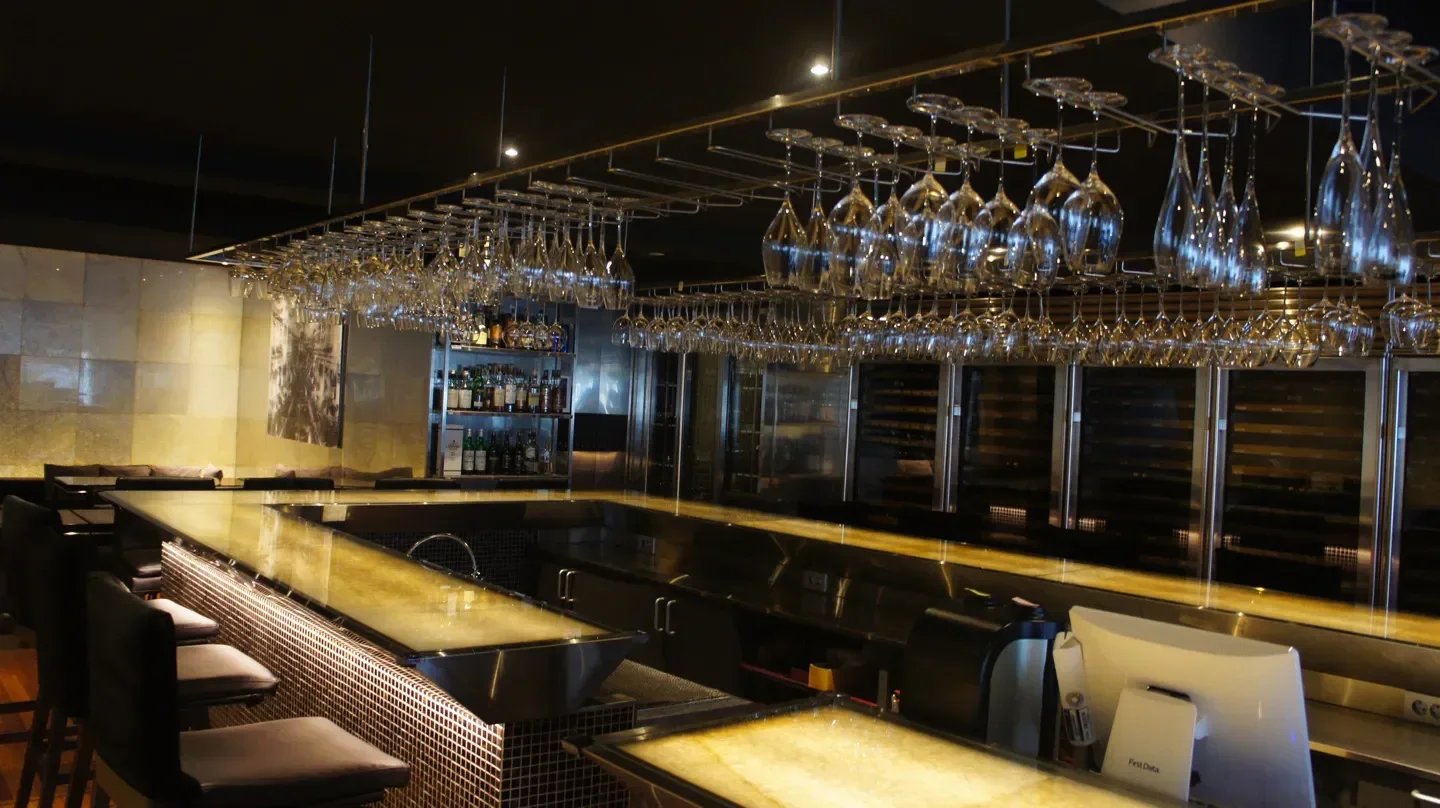
The editorial angle that separates Eatanic Garden from several peers at the same price tier is the scale of its wine program. The cellar holds over 1,000 different references, a figure that positions the list well beyond the functional pairing selections most tasting-menu rooms maintain. In the context of Seoul's fine dining scene, that depth is significant. The city's leading contemporary restaurants , including Jungsik and Solbam , maintain serious programs, but a cellar of 1,000-plus labels at this altitude places Eatanic Garden in a narrower group where the wine experience is a co-equal component of the visit rather than a supporting element.
For a kitchen oriented around Korean fermentation and seasonality, the pairing challenge is genuine. The umami depth of fermented ingredients, the acidity of native vinegars, and the textural range of plant-forward Korean cookery do not resolve simply against the standard Burgundy-and-Champagne architecture that many contemporary tasting menus default to. A cellar of this size implies the curatorial flexibility to move between natural wines, aged German Rieslings, oxidative whites, and Korean traditional liquors as the menu requires. The programme's exact composition is leading explored at the time of booking, but the scale alone signals a wine culture that takes the pairing challenge seriously. Among Seoul's ₩₩₩₩ contemporary tier , which also includes Exquisine and Restaurant Allen , a cellar of this depth is a genuine differentiator.
For comparison, contemporary tasting-menu rooms operating at equivalent ambition globally , Alo in Toronto, César in New York City, and Orfali Bros in Dubai , all maintain wine programs calibrated to their menus, but the combination of an explicitly Korean fermentation-led kitchen with a 1,000-reference cellar is a specific editorial position that Eatanic Garden occupies with some distinctiveness in its peer set.
Korean Haute Cuisine in Regional Context
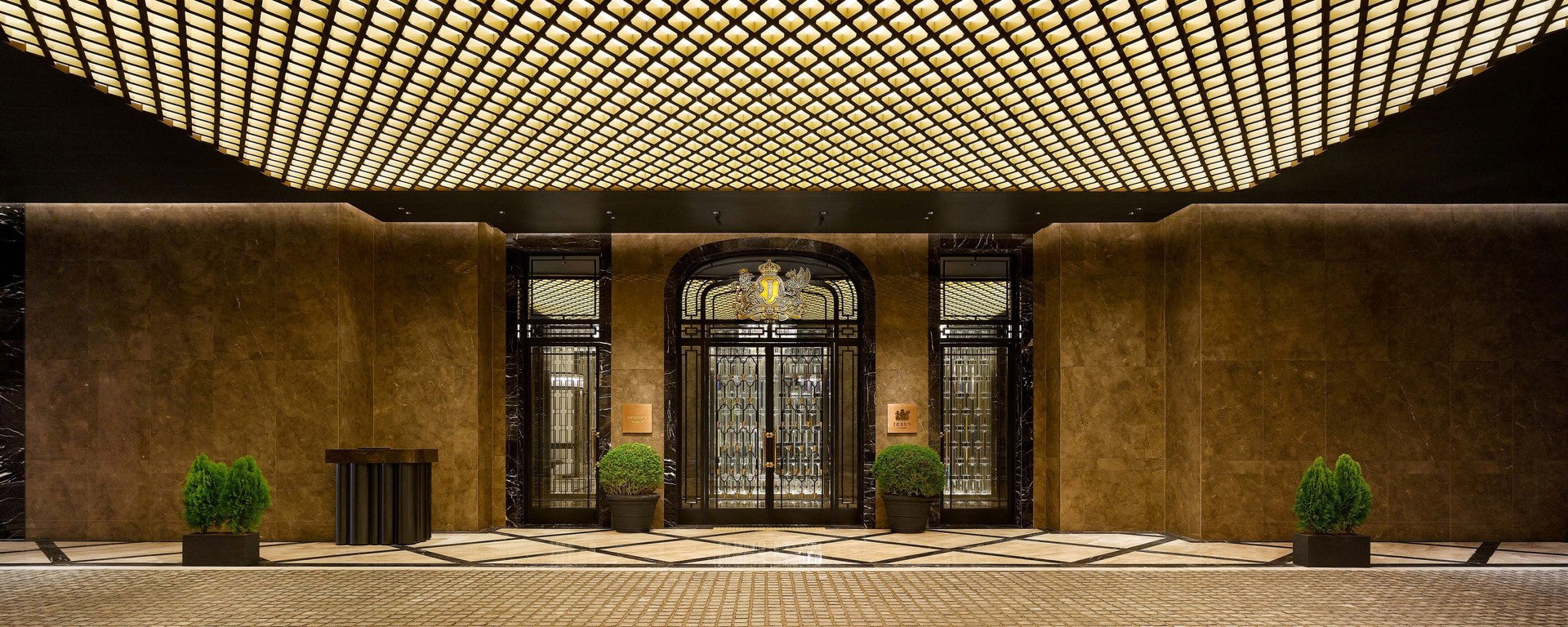
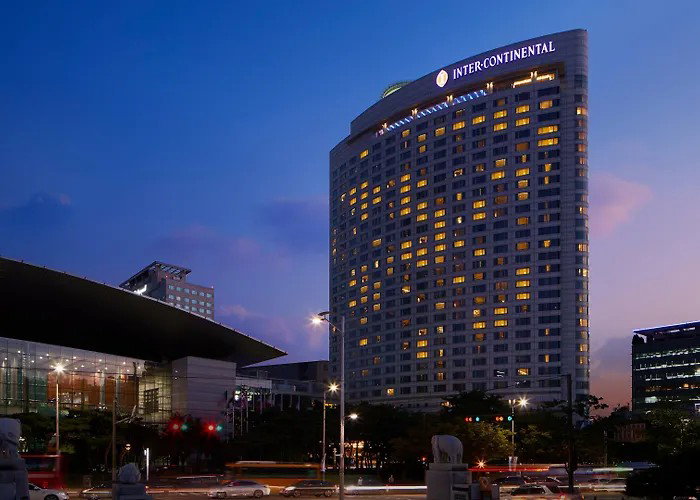
Eatanic Garden's position on Asia's 50 Best list places it within a broader story about Korean fine dining's rising international profile. Across South Korea, a generation of kitchens has moved from reinterpreting Korean classics to constructing original tasting-menu languages rooted in Korean ingredients and technique. Outside Seoul, Mori in Busan and Baegyangsa Temple in Jangseong-gun represent the regional spread of that ambition, but Gangnam's concentration of high-end contemporary restaurants , including Goryori Ken , remains the densest cluster of serious kitchens in the country. Within Gangnam specifically, Eatanic Garden's location inside Josun Palace on Teheran-ro places it in the financial and luxury hotel district, which shapes both the clientele and the service expectations. The hotel setting also provides practical infrastructure for international guests, which matters when a restaurant of this calibre draws visitors from outside Korea.
Planning a Visit
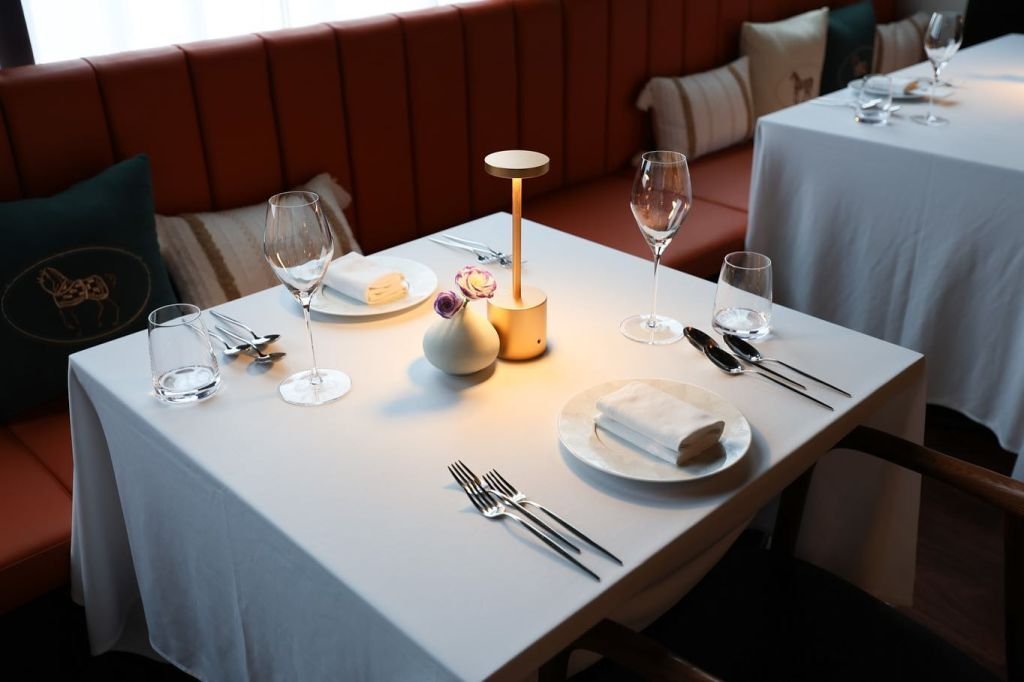
Eatanic Garden opens Wednesday through Sunday for both lunch (12 PM to 2:30 PM) and dinner (6 PM to 10 PM), and is closed Monday and Tuesday. The lunch service offers the same seasonal tasting format against the daytime Gangnam skyline, and given the restaurant's recognition on multiple international lists, advance booking is advisable , the window-facing tables of two require specific request. The address is Josun Palace Hotel, 231 Teheran-ro, Gangnam District, Seoul; Josun Palace occupies the Centerfield West Tower, and the hotel's position near Samseong station on Line 2 makes it accessible from across the city. Guests requesting a fully plant-based menu should specify this at booking rather than on arrival. For broader Seoul dining, drinking, and hotel planning, our full Seoul restaurants guide, Seoul hotels guide, Seoul bars guide, Seoul wineries guide, and Seoul experiences guide cover the wider picture.
Same-City Peers
A quick peer snapshot; use it as orientation, not a full ranking.
| Venue | Cuisine | Price | Notes |
|---|---|---|---|
| Eatanic Garden | Contemporary | ₩₩₩₩ | This venue |
| 7th Door | Korean, Contemporary | ₩₩₩₩ | Korean, Contemporary, ₩₩₩₩ |
| Solbam | Contemporary | ₩₩₩₩ | Contemporary, ₩₩₩₩ |
| Onjium | Korean | ₩₩₩₩ | Korean, ₩₩₩₩ |
| L'Amitié | French | ₩₩₩ | French, ₩₩₩ |
| Zero Complex | Korean-French, Innovative | ₩₩₩₩ | Korean-French, Innovative, ₩₩₩₩ |