Fuel

On Rutledge Avenue in Cannonborough-Elliotborough, Fuel occupies the neighborhood-anchor tier of Charleston's dining scene, a city where proximity to Lowcountry farms, Sea Island produce, and coastal fisheries gives any serious kitchen a genuine sourcing advantage. The address places it within a quieter residential-commercial corridor that rewards consistency over spectacle, drawing a regular clientele alongside visitors who have looked past King Street's higher-profile offerings.
- Address
- 211 Rutledge Ave, Charleston, SC 29403
- Phone
- +18437375959
- Website
- fuelcharleston.com
- Directions
- Get directions

Rutledge Avenue and the Sourcing Conversation Charleston Has Been Having for Years
On Rutledge Avenue, a stretch of the Cannonborough-Elliotborough neighborhood that runs between Victorian rowhouses and corner groceries, the question of where food comes from has never been abstract. Charleston's position at the confluence of coastal marshes, Sea Island farms, and the broader Carolina Lowcountry means that sourcing decisions carry genuine weight here. Fuel, at 211 Rutledge Ave, is a Caribbean-Inspired restaurant in Charleston with a casual dress code and a walk-in-friendly policy. It sits inside that context. The address alone places it within walking distance of the kind of neighborhood where residents actually cook, shop local, and hold opinions about provenance before it became a marketing term.
The Lowcountry's agricultural and fishing traditions are among the more document-rich in the American South. Rice cultivation shaped the regional palate for centuries. Shrimping, crabbing, and oystering remain active industries rather than nostalgic footnotes. Any serious restaurant operating in this city is inevitably in dialogue with that supply chain, whether it chooses to engage explicitly or work against it. In Charleston, ingredient sourcing is not a selling point layered onto a menu; it is the baseline expectation that separates credible cooking from tourist-facing approximations.
What the Address Tells You About the Room
Cannonborough-Elliotborough is not the high-visibility part of Charleston's dining circuit. King Street draws the crowds and the press cycles. Rutledge Avenue operates at a different register, attracting a more neighborhood-anchored clientele alongside visitors who have done their research. That geographic positioning tends to filter for a certain kind of operator: one less interested in foot traffic and more committed to a regular, returning audience. The physical environment of this stretch reflects that character. Storefronts are lower-key, buildings carry their age honestly, and the pace on the sidewalk differs from the compressed energy of the Upper King corridor.
For a restaurant named Fuel, the implication is deliberate understatement: sustenance over spectacle, function alongside flavor. That positioning aligns with what the broader Cannonborough dining scene has been building quietly, alongside neighbors like Malagón Mercado y Taperia, which brings a Spanish-informed approach to the same residential-commercial pocket. The neighborhood rewards the kind of place that earns loyalty through consistency rather than novelty.
The Sourcing Frame: Why It Matters in This City
Charleston's farm-to-table conversation predates the phrase itself. Restaurants like Lowland have built reputations by leaning hard into Lowcountry provenance, and the city's broader New American dining culture, represented by places such as Vern's, has consistently framed local procurement as a structural commitment rather than an optional upgrade. Across the country, particularly serious iterations of this approach appear at places like Blue Hill at Stone Barns in Tarrytown, where the farm and the kitchen operate as a single integrated system, or Single Thread Farm in Healdsburg, where the sourcing philosophy shapes the entire structure of the meal. Charleston has its own version of this ambition, scaled to a city where the supply chain is real and immediate rather than aspirational.
The seasonal dimension matters here too. Spring along the Carolina coast brings soft-shell crab season, a short window that serious kitchens in this city treat with the same anticipation that Burgundy producers apply to harvest timing. Summer shifts the focus toward tomatoes from Johns Island farms, which carry a density of flavor specific to the clay-heavy Sea Island soil. Fall and winter reorient around oysters, particularly the cluster oysters from ACE Basin and Bull's Bay, which have developed a regional reputation comparable to named appellations in wine. Any restaurant on Rutledge Avenue engaging with this supply chain is working with ingredients that have real seasonal logic built in.
Where Fuel Sits in Charleston's Competitive Set
Charleston's restaurant scene has matured significantly over the past decade. The city now fields a diverse roster across price points and cuisine types: the pit-smoked tradition represented by Rodney Scott's BBQ, the waterfront-adjacent positioning of 1010 Bridge, and the broader New American field that the city's critical attention has consistently rewarded. Fuel occupies the neighborhood-restaurant tier of this ecosystem, where the competitive comparable set is defined less by award tallies and more by the density of repeat customers and community integration.
At the national level, the ingredient-sourcing conversation that Charleston embodies locally appears across a range of ambitious programs: Smyth in Chicago, Lazy Bear in San Francisco, and Providence in Los Angeles all operate within traditions that treat provenance as a structural value. Further afield, Atelier Moessmer Norbert Niederkofler in Brunico has built an entire culinary identity around Alpine regionality. The through-line is the same: when ingredients arrive from a specific, knowable place, the cooking has a fixed point of reference that generic supply chains cannot provide. Charleston's proximity to that supply chain is a structural advantage, not a marketing one.
Restaurants operating at higher formality tiers, such as The French Laundry in Napa, Le Bernardin in New York City, Addison in San Diego, The Inn at Little Washington, Atomix in New York City, and Emeril's in New Orleans, operate within different price brackets and service architectures. Fuel's Rutledge Avenue positioning signals something closer to neighborhood anchor than destination restaurant, which means the relevant comparison is with Charleston's broader mid-market New American field rather than the tasting-menu tier.
Planning Your Visit
Rutledge Avenue is accessible on foot from the central Charleston Peninsula; the address at 211 places it roughly equidistant from the MUSC medical campus and the southern end of the Cannonborough residential blocks. This is a neighborhood street with limited dedicated parking, so arriving on foot or by rideshare avoids the friction of circling residential blocks.
Nearby-ish Comparables
Comparable venues nearby, for context on price, style, and recognition.
| Venue | Cuisine | Price | Notes |
|---|---|---|---|
| FuelThis venue — the venue you are viewing | Caribbean-Inspired | $$ | Not listed |
| Minero | Modern Mexican Grill & Cantina | $$ | Johns Island |
| Pelato | Brooklyn Italian-American Trattoria | $$ | NOMO |
| Allora | Coastal Italian | $$ | Downtown Charleston |
| The Glass Onion | Lowcountry Southern Comfort Food | $$ | West Ashley |
| Harken Cafe | American Bakery Cafe | $$ | French Quarter |
Recognition history
Dated appearances from independent guides and award organizations, with the underlying list record or original source where available.
Diners, Drive-Ins and Dives Featured Restaurant
Diners, Drive-Ins and Dives · 2026 Diners, Drive-Ins and Dives Featured Restaurants
Continue exploring
More in Charleston
Restaurants in Charleston
Browse all →
Bars in Charleston
Browse all →


At a Glance
- Trendy
- Whimsical
- Casual Hangout
- Late Night
- Craft Cocktails
- Local Sourcing
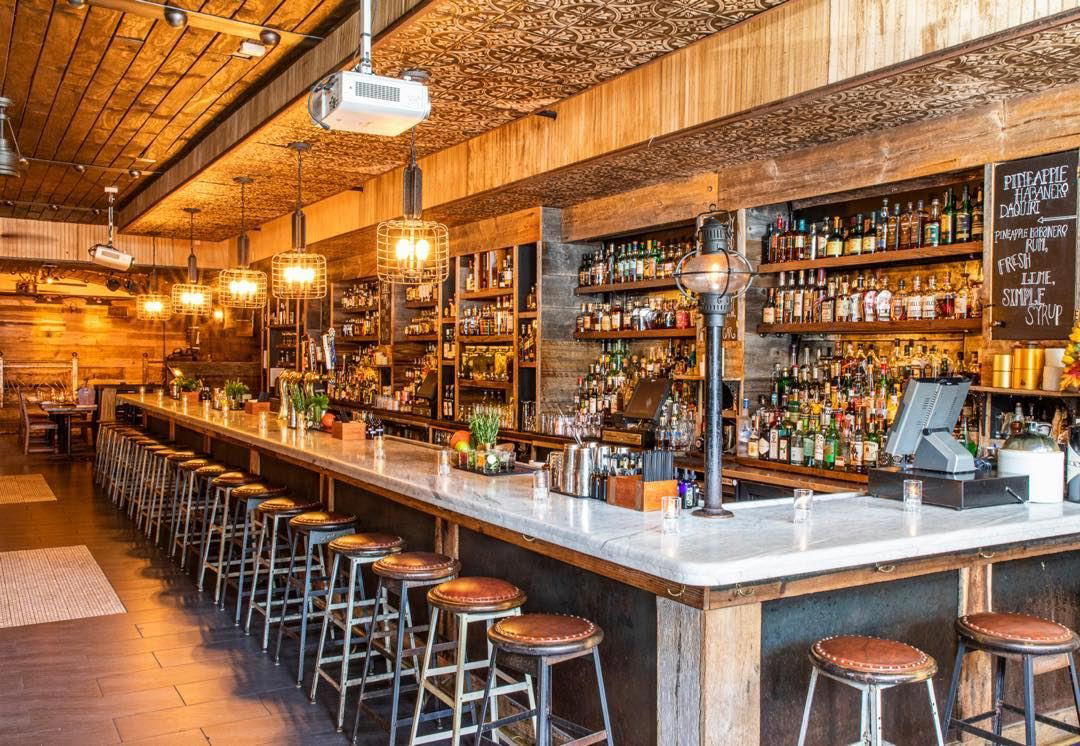
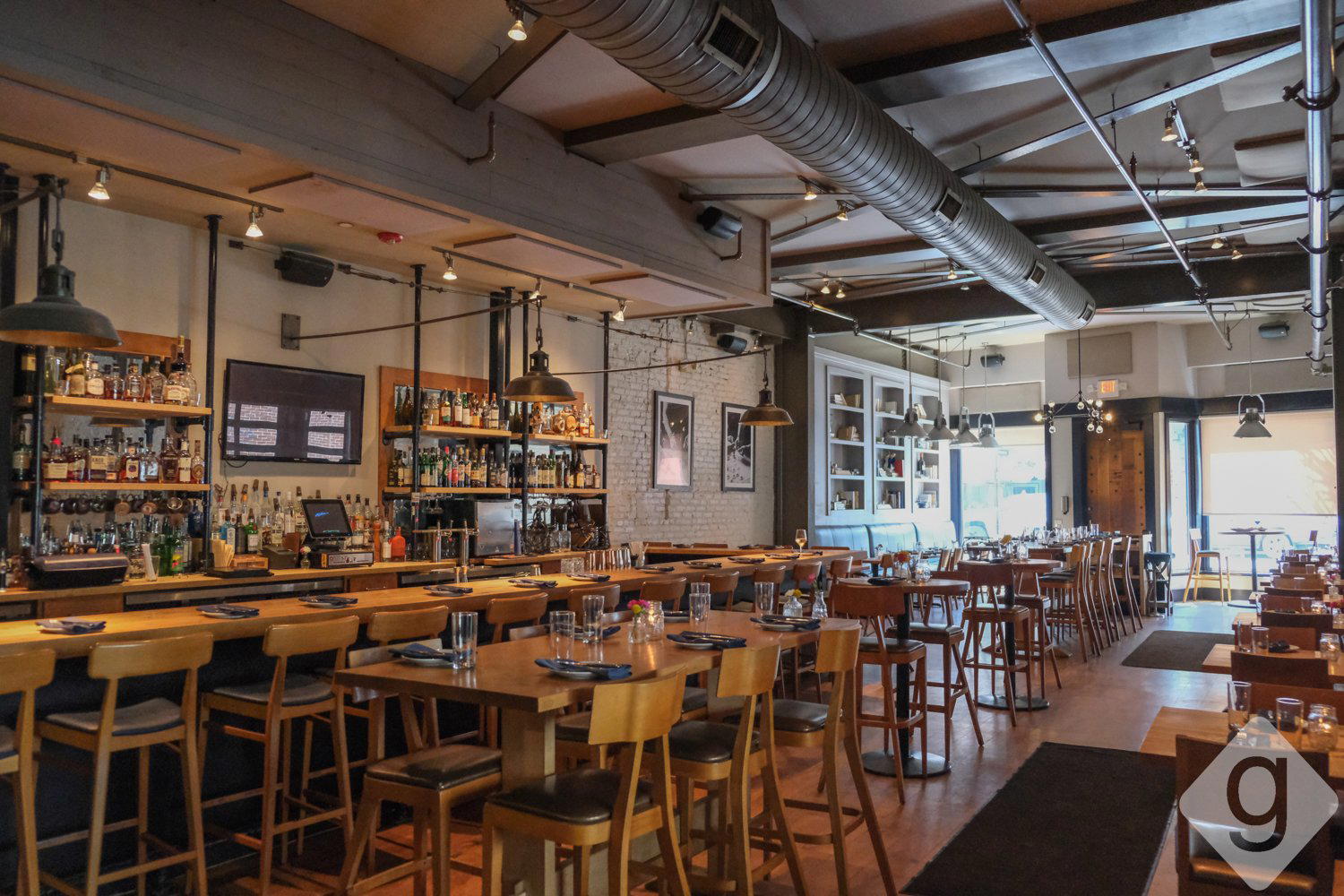
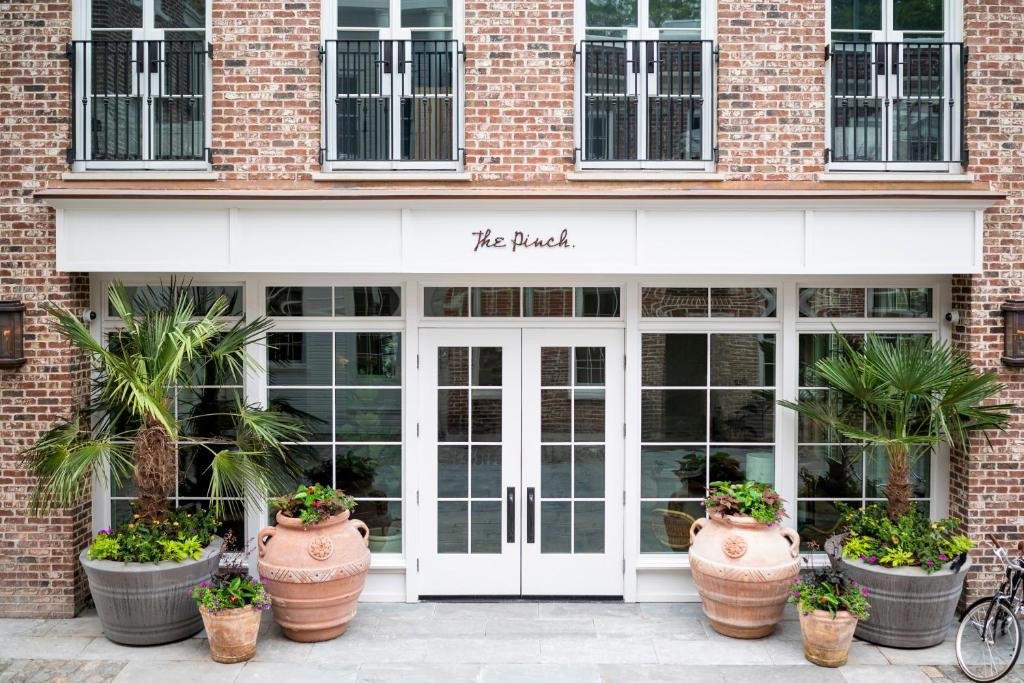
Whimsical gas station decor with custom gas pump light fixtures and a cute outdoor courtyard patio.