The Glass Onion


The Glass Onion sits on Savannah Highway in West Ashley, where Charleston's appetite for ingredient-driven Southern cooking meets a genuine commitment to sourcing from the region's farms, fisheries, and food producers. The kitchen operates in a tradition that treats the Lowcountry pantry as a living document rather than a fixed menu, making it a useful lens for understanding how the city's casual-fine dining tier has evolved.
Pearl is the En Primeur Club membership app — saves, bookings, and concierge access live there. Same editors, same standards.
- Address
- 1219 Savannah Hwy, Charleston, SC 29407
- Phone
- +18432251717
- Website
- ilovetheglassonion.com
- Directions
- Get directions
 Saves & bookings on Pearl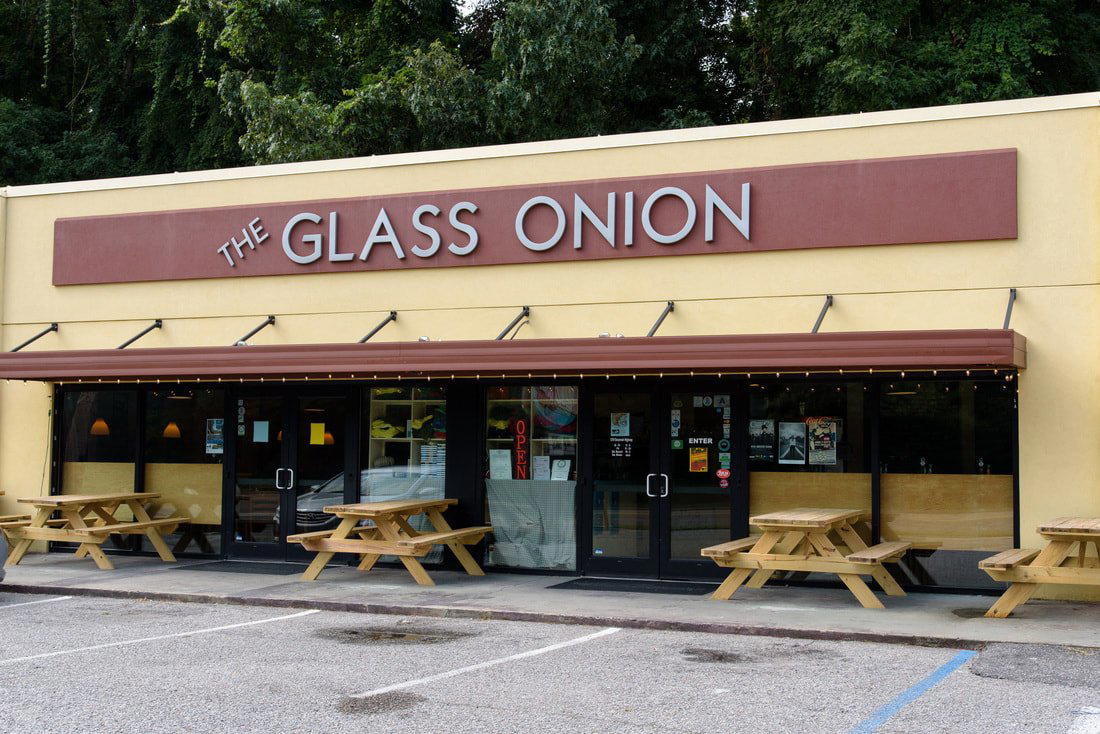
West Ashley and the Question of Where Charleston Eats Honestly
Savannah Highway runs southwest out of Charleston's peninsula, away from the tourist-dense blocks of the French Quarter and King Street, into the residential sprawl of West Ashley. It is not where most first-time visitors point their maps. That is, in part, the point. That ordering matters: it produces a different kind of restaurant than the ones calibrated for maximum visibility on the peninsula.
Charleston's dining identity has long been pulled between two poles. On one side, a polished fine-dining tradition represented by places like FIG and the farm-to-table New American format refined across two decades of local acclaim. On the other, the deep-rooted barbecue and Gullah-Geechee traditions kept alive by practitioners like Rodney Scott's BBQ, where smoke and time are the only techniques that matter. The Glass Onion occupies the practical middle of that range, a casual-serious restaurant where sourcing discipline and direct Southern cooking share the same priorities.
Sourcing as Editorial Position
Among the questions that define American restaurant culture right now, few are more consequential than this: what does a kitchen actually do with its supply chain? The language of ethical sourcing has become so common that it risks meaning nothing. What distinguishes the restaurants that have built genuine procurement relationships from those using farm names as menu decoration is usually traceable in the food itself: shorter ingredient lists, more seasonal variation, the occasional presence of cuts or species that a purely market-driven operation wouldn't touch.
The Glass Onion has sustained a sourcing philosophy oriented around the South Carolina coast and the farms within reach of Charleston. In the broader context of American sustainability-conscious dining, where restaurants like Blue Hill at Stone Barns in Tarrytown have made the farm-kitchen relationship into a formal architectural statement, and Single Thread Farm in Healdsburg has integrated cultivation and hospitality into a single property, The Glass Onion operates at a more grounded, less theatrical register. The commitment here is expressed through menu composition and purchasing decisions rather than through on-site agriculture or tasting-menu ceremony.
That register is appropriate to the Lowcountry context. South Carolina's culinary geography is built on proximity: the estuaries and barrier islands that produce shrimp, oysters, and finfish; the inland farms that supply heritage grains, legumes, and vegetables; the artisan food producers who have clustered around Charleston as the city's food reputation has grown. A kitchen that takes that geography seriously doesn't need to perform its ethics. The ingredients themselves carry the argument.
Where The Glass Onion Sits in the Charleston comparable set
Charleston has developed a recognizable tier of ingredient-driven, mid-formal restaurants that occupy the space between white-tablecloth destination dining and pure neighborhood casual. Lowland, Vern's, and 1010 Bridge all operate within that band, each with a slightly different emphasis on formality, concept, and neighborhood orientation. Malagón Mercado y Taperia brings a Spanish-pantry approach to a similar price and format conversation. The restaurant predates some of these arrivals, which means it helped define the format before the category had a name in Charleston.
Nationally, the sourcing-first casual-serious format has found its most scrutinized practitioners at different price points: Lazy Bear in San Francisco, Providence in Los Angeles, and Addison in San Diego all carry Michelin recognition and operate with significant ceremony and price. The restaurant sits at a different altitude in that conversation, closer to the philosophy without the tasting-menu architecture or the coast-to-coast reputation of a Le Bernardin or an Alinea. That is not a criticism. The value of a restaurant like this is precisely that it doesn't require an occasion to justify a visit. The restaurant is walk-in friendly and open Monday through Saturday from 8 AM to 9 PM, with Sunday closed.
The Lowcountry Pantry as Recurring Argument
Southern coastal cooking has always been a study in restraint and repetition. The same ingredients return across seasons because they are what the land and water produce, not because the kitchen is being conservative. Shrimp and grits, the dish that has become something between a regional emblem and a cliché depending on who is cooking it, is a useful marker here: a kitchen that treats it seriously will adjust the shrimp source, the grits mill, and the fat content according to what's available and what's good. A kitchen that doesn't will produce the same plate regardless of the season or the supplier.
The restaurant's approach to Southern standards fits the former pattern. The menu draws on the Lowcountry canon, the braises, the seafood preparations, the grain-based sides, and applies sourcing discipline as the primary filter. This is a different kind of ambition than the architectural precision visible at, say, The French Laundry in Napa or Atomix in New York City, but it belongs to the same broad project of treating ingredients as the primary creative material rather than as raw matter to be transformed beyond recognition.
Planning Your Visit
The restaurant's West Ashley address on Savannah Highway means arriving by car is the practical choice for most visitors staying on the Charleston peninsula. Those seasons also align with the moments when the Lowcountry's ingredient calendar is at its most productive, which is worth factoring into the timing of a visit if the sourcing dimension is part of what draws you there.
- Shrimp and Grits
- Deviled Eggs
- Po'Boy
- Fried Green Tomatoes with Pimento Cheese
- Bread Pudding
- Fried Chicken
Where It Fits
Comparable venues nearby, for context on price, style, and recognition.
| Venue | Cuisine | Price | Notes |
|---|---|---|---|
| The Glass OnionThis venue — the venue you are viewing | Lowcountry Southern Comfort Food | $$ | Not listed |
| Hominy Grill | Lowcountry Southern | $$ | historic downtown |
| Annie Mae's Bakeshop | Southern-style bakery & tea shop | $ | / near 185 Saint Philip Street |
| Bessinger's | South Carolina Mustard BBQ | $$ | West Ashley |
| Saffire Restaurant | Modern American Fusion | $$$ | Downtown |
| The Harbinger Cafe & Bakery | Vegan-Friendly Bakery Cafe | $$ | North Central |
Recognition history
Dated appearances from independent guides and award organizations, with the underlying list record or original source where available.
Conde Nast Selected for 2026 Condé Nast Traveler Best Restaurants in Charleston
Conde Nast
Diners, Drive-Ins and Dives Featured Restaurant
Diners, Drive-Ins and Dives · 2026 Diners, Drive-Ins and Dives Featured Restaurants
Continue exploring
More in Charleston
Restaurants in Charleston
Browse all →
Bars in Charleston
Browse all →
At a Glance
- Cozy
- Rustic
- Casual
- Casual Hangout
- Brunch
- Family
- Group Dining
- Live Music
- Craft Cocktails
- Farm To Table
- Local Sourcing
- Organic
Current opening hours
- Monday
- 8 AM–9 PM
- Tuesday
- 8 AM–9 PM
- Wednesday
- 8 AM–9 PM
- Thursday
- 8 AM–9 PM
- Friday
- 8 AM–9 PM
- Saturday
- 8 AM–9 PM
- Sunday
- Closed
Hours can change for holidays and private events. Last verified .
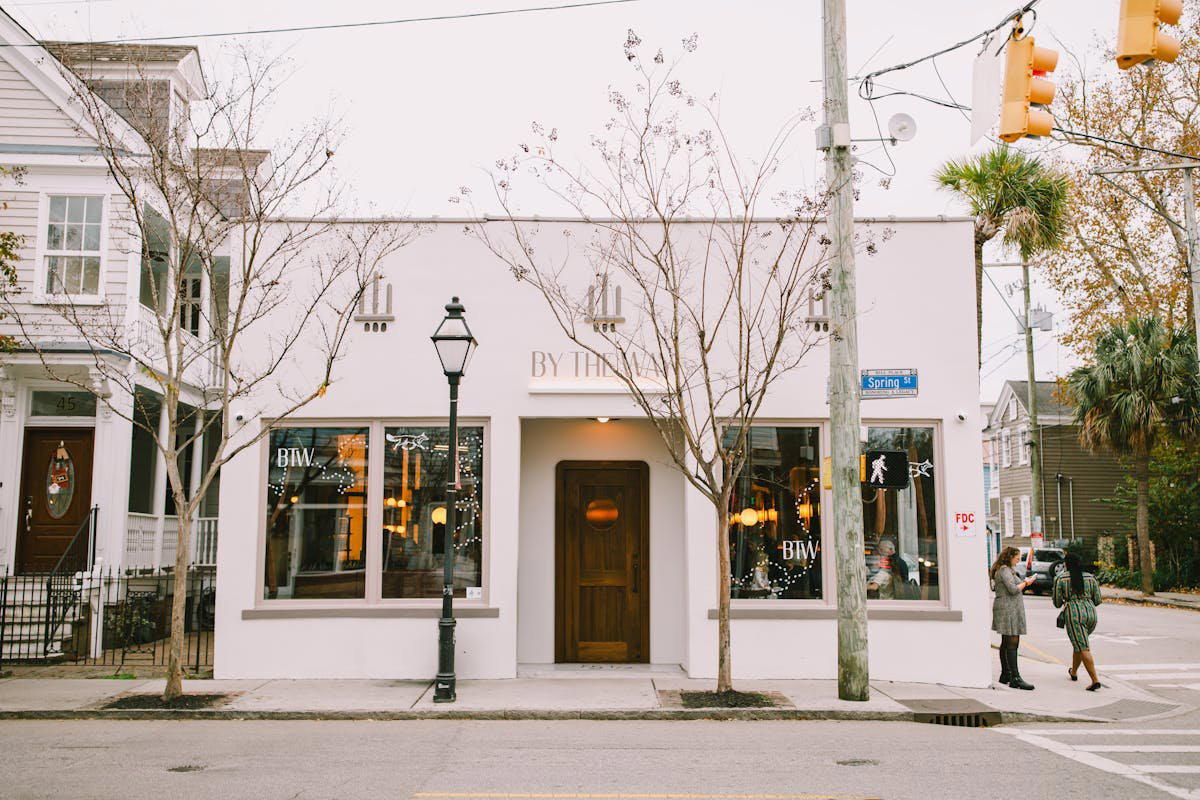
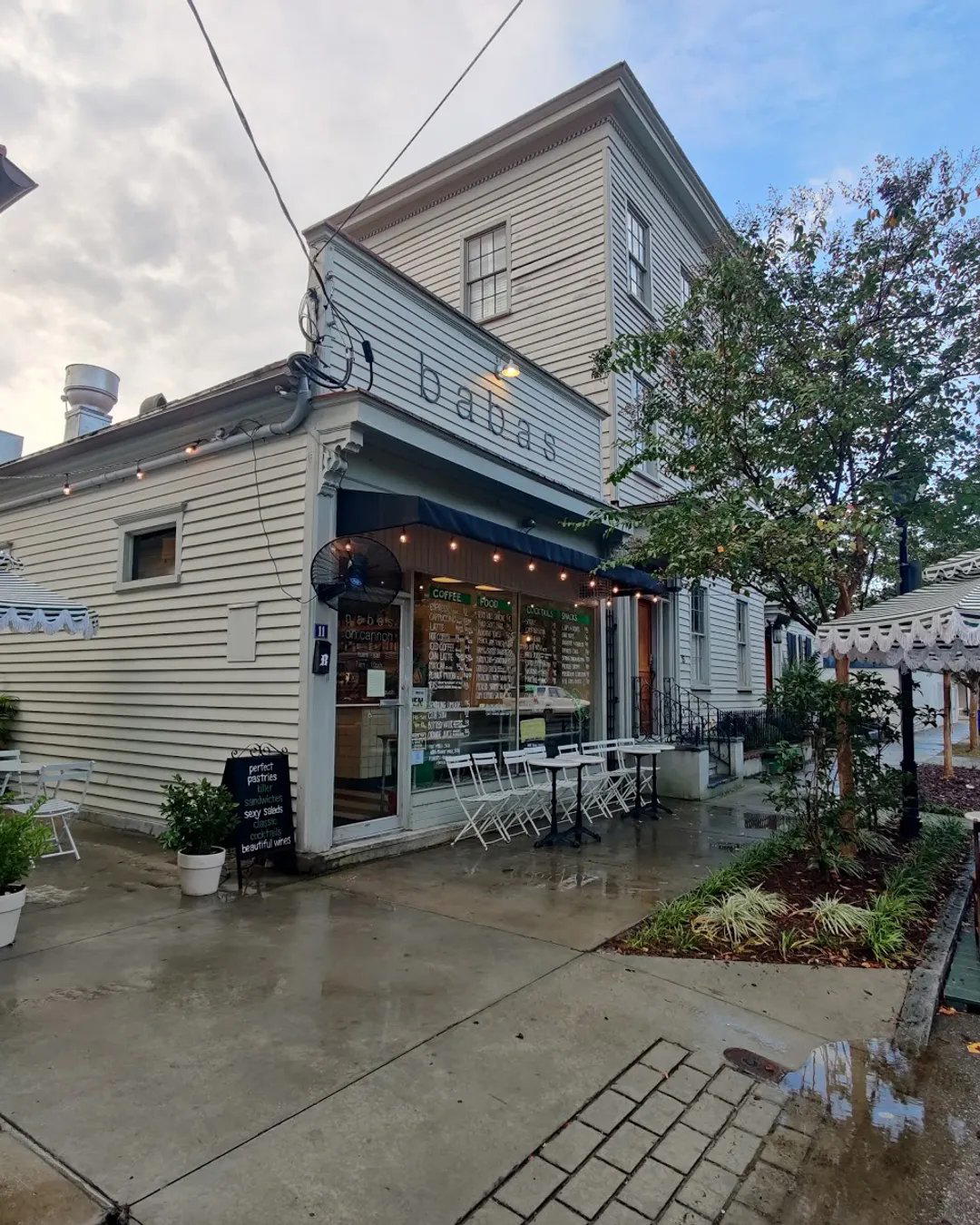
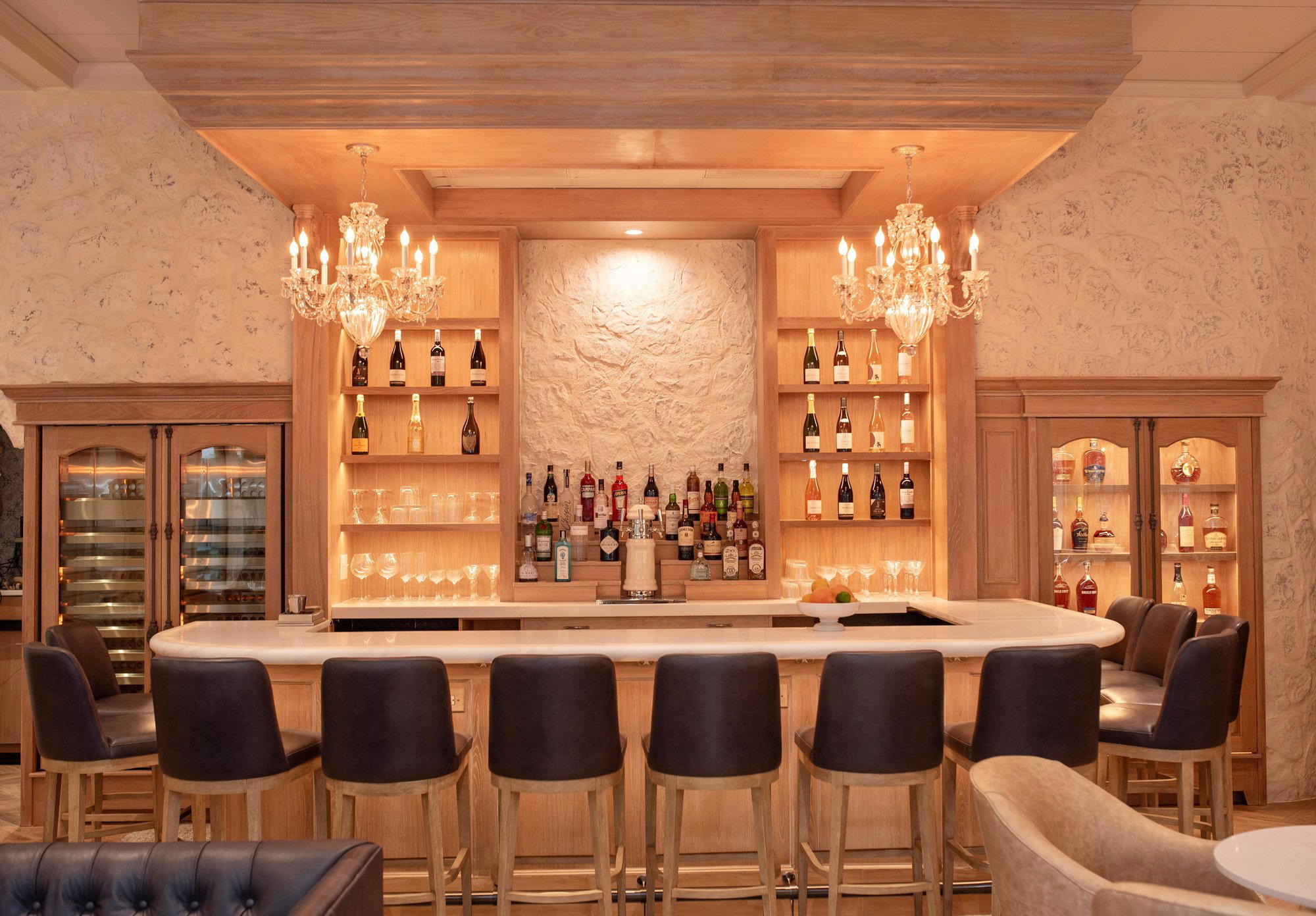
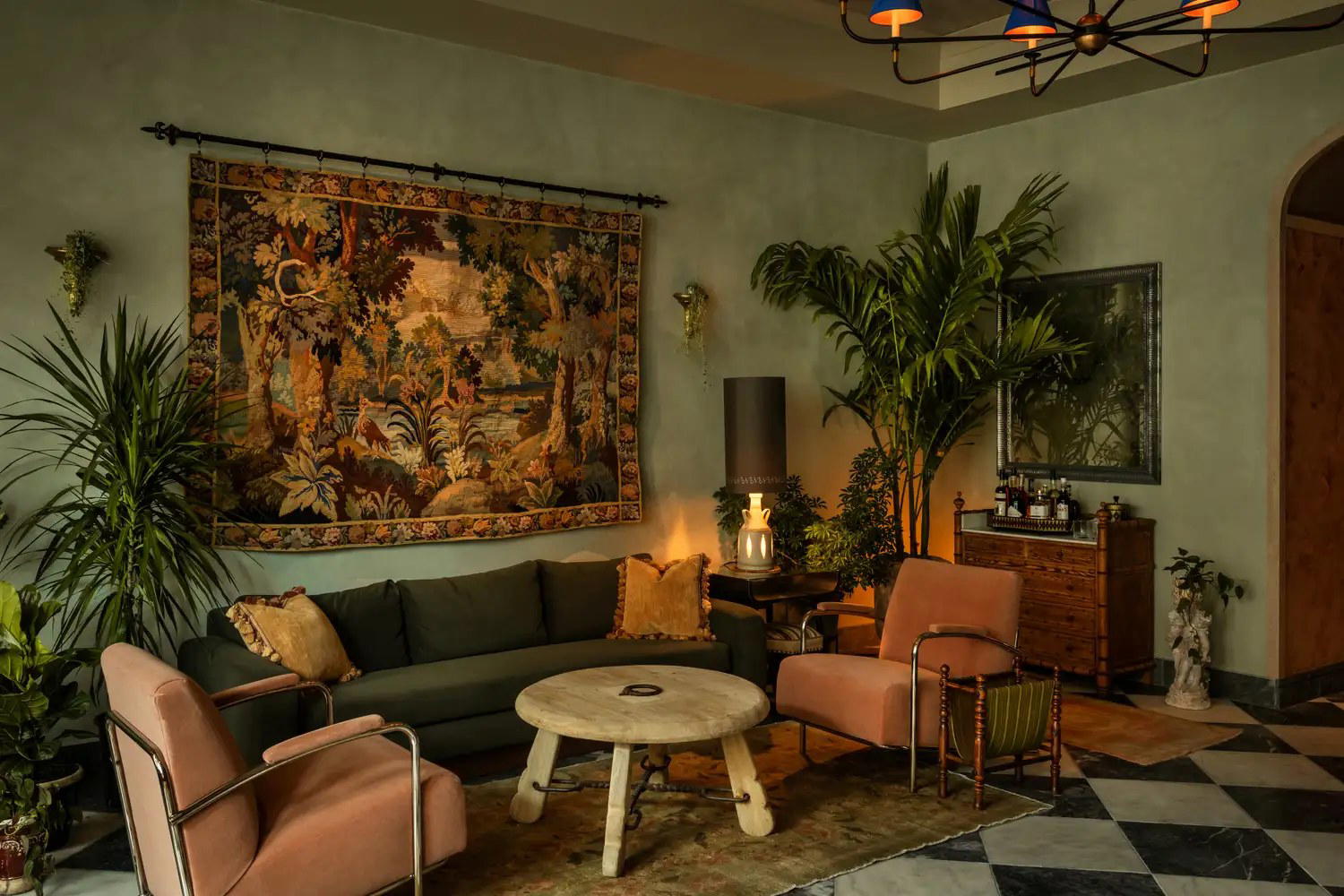
Casual diner-like setting in a small strip mall with warm, unpretentious atmosphere; described by guests as feeling like eating at a Southern grandmother's home with excellent service and genuine hospitality.