Minero
Our verdict
Minero on East Bay Street plants itself at the intersection of Mexican tradition and Lowcountry pantry, translating masa, dried chiles, and slow-cooked meats through a Southern lens. The menu reads as a study in regional Mexican cooking rather than a greatest-hits composite, with dishes that reward attention to technique. Charleston's growing appetite for cuisine beyond its own borders has found a credible address here.
- Address
- 153B E Bay St, Charleston, SC 29401
- Phone
- (843) 789-2241
- Directions
- Get directions
The menu
What to order
- Red Posole
- Minero Wings
- Grilled Steak Taco
- Tacos al Pastor
- Fajitas al Carbon
East Bay Street and the Case for Regional Mexican in a Southern City
East Bay Street runs close enough to the water that the salt air arrives before the signage does. The block where Minero sits at 153B is part of a stretch that has absorbed wave after wave of Charleston's dining evolution, from old-school seafood houses to the contemporary Lowcountry rooms that redefined the city's culinary standing in the 2000s and 2010s. What makes Minero's presence on this corridor interesting is not contrast for its own sake, but the specific argument the restaurant makes: that regional Mexican cooking, executed with the same sourcing discipline Charleston fine-dining applies to its shrimp and heritage pork, belongs in this conversation.
Charleston's dining scene has matured in directions that make this argument easier to receive. Restaurants like Vern's and Lowland have pushed the city's American Contemporary and Southern-adjacent categories toward precision and restraint. Malagón Mercado y Taperia has opened a lane for Spanish-rooted cooking. And the barbecue tradition, carried forward by figures like Rodney Scott, has reminded the city that slow fire and regional specificity are values, not nostalgic quirks. Minero enters this context with a menu architecture that takes Mexican cooking as seriously as any of those traditions demand.
How the Menu Is Built — and What It Argues
The structure of a menu communicates intent before a single dish arrives. At Minero, the architecture leans into the logic of Mexican regional cooking rather than the composite appetizer-entree format that most American Mexican restaurants default to. Masa is foundational here, not decorative. Tacos, tostadas, and related formats appear not as a gateway section before "real" food, but as the core vocabulary of the meal.
This distinction matters because it changes the reading order. A menu organized around masa-based formats signals that the kitchen is thinking about texture, weight, and the relationship between filling and vehicle, rather than simply offering familiar containers for familiar proteins. That structural commitment is closer to what you find in serious taqueria-format rooms in Mexico City or Oaxaca than in the Tex-Mex-inflected Mexican dining that still dominates much of the American South.
The slow-cooked meat category at Minero does the heaviest editorial work on the menu. Braised and pit-cooked preparations are where the Southern pantry and the Mexican tradition find their most credible overlap. Both cuisines have deep traditions of low-heat, long-duration cooking, and both cultures attach those techniques to specific social rituals. When a Charleston restaurant applies Lowcountry sourcing logic to Mexican preparation methods, the result is not fusion in the diluted sense; it is a genuine point of intersection between two traditions that share an underlying grammar.
The chile and salsa program, as a structural element, signals how much technical range the kitchen is working with. In regional Mexican cooking, the dried chile larder is the spice equivalent of a French saucier's reduction shelf. Ancho, pasilla, guajillo, mulato, and chipotle each carry distinct flavor profiles, heat curves, and regional associations. A menu that distinguishes between these, rather than collapsing them into a generic "spicy" category, is making a statement about depth of knowledge. Charleston's dining public has become sophisticated enough to receive that statement, having been trained by years of sourcing-forward restaurants to read menus as arguments rather than catalogues.
Where Minero Sits in the Broader Picture
Nationally, the most discussed Mexican-focused restaurants tend to cluster in cities with large Mexican-American communities: Los Angeles, Chicago, San Antonio, Houston. The Charleston proposition is different. It operates in a city where the dominant culinary narrative is Southern and coastal, which means Minero has to earn its authority through execution rather than cultural proximity. This is not unlike the position occupied by Smyth in Chicago, which makes a case for fine-dining through the lens of a specific philosophical framework, or Blue Hill at Stone Barns, which earns attention in a non-urban setting by making sourcing the organizing principle of the menu.
The comparison to Lowcountry barbecue is worth sustaining. Rodney Scott's BBQ and 1010 Bridge represent a strain of Charleston dining where technique and tradition are inseparable from identity. Minero's menu makes a parallel claim for Mexican cooking: that technique is not a substitute for tradition, but its vehicle. The restaurants are different in nearly every other respect, but they share the structural conviction that cuisine is not interchangeable.
Among American restaurants that take Mexican tradition seriously at a more refined register, the reference points tend to be destination-level: rooms in Los Angeles like Providence orbiting the seafood tradition, or precision-driven tasting menus at places like Atomix in New York that treat a single culinary tradition as a deep archive rather than a general inspiration. Minero operates at a different price register and format, but the underlying editorial position is recognizable: specificity over breadth, regional logic over composite appeal.
Planning Your Visit
Minero is at 153B East Bay Street in Charleston's downtown core, within walking distance of the Market District and the cluster of dining rooms that define the city's restaurant identity. East Bay is manageable on foot if you are staying in the peninsula's hotel corridor, and street parking on adjacent blocks is available in the evenings, though the city's peak season from March through May and October through November compresses availability on weekends. For current booking availability, hours, and any menu updates, checking the restaurant's listing directly is the practical path forward given that seasonal adjustments can shift reservation windows. Dress is casual by Charleston standards, consistent with the taqueria-adjacent format of the room.
For readers building a broader Charleston itinerary, our full Charleston restaurants guide maps the city's dining across all major categories. Comparisons to American restaurants operating in analogous regional-cuisine-in-new-context positions, such as Emeril's in New Orleans, Lazy Bear in San Francisco, or Addison in San Diego, offer useful framing for where Minero's format sits on the national spectrum. For a different kind of benchmark, the sourcing-first philosophy at Single Thread Farm in Healdsburg or the European tradition-in-context model at Atelier Moessmer Norbert Niederkofler in Brunico illustrate how strongly a menu's underlying logic can define a restaurant's positioning, regardless of geography.
Frequently asked questions
How do I find Minero?
Minero is located at 153B E Bay St, Charleston, SC 29401, Charleston.
How does Minero fit into Charleston's broader dining scene, and is it worth visiting if you primarily know the city for its Lowcountry food?
Charleston's reputation is anchored in Lowcountry cooking — rice-based dishes, coastal seafood, and a culinary tradition tied to the Gullah Geechee heritage of the region. Minero at 153B East Bay Street occupies a different register entirely, making a coherent argument for Mexican regional cooking within that same downtown corridor. For a visitor who has already covered the city's established Lowcountry rooms, it represents a genuinely different conversation happening on the same street.
What's the signature dish at Minero?
Minero's menu is built around the logic of Mexican regional cooking rather than a single showpiece dish, so the kitchen's identity comes through in its breadth. The East Bay Street location in Charleston's downtown core gives the restaurant a particular position: it is arguing, through its menu structure, that regional Mexican cooking belongs alongside the city's established dining rooms. Specific dishes change, and the kitchen's current offerings are best confirmed directly with the restaurant.
What's the best way to book Minero?
Minero is at 153B East Bay Street in Charleston's downtown core, within walking distance of the Market District. Given that East Bay Street draws consistent foot traffic from the city's most active dining corridor, walk-ins are possible but a reservation made in advance is the safer approach, particularly on weekends. Contact details are best confirmed through current listings or the restaurant directly.
What has Minero built its reputation on?
Minero's reputation rests on making the case for Mexican regional cooking in a Southern city where the dining conversation has historically centered on Lowcountry and coastal American traditions. The 153B East Bay Street address puts it inside Charleston's most competitive dining stretch, where it holds its position by specificity of approach rather than novelty. Nationally, serious Mexican-focused restaurants have clustered in cities with large Mexican-American communities; Minero's presence in Charleston represents a deliberate counter-argument to that geography.
Can Minero accommodate dietary restrictions?
Mexican regional cooking by its nature draws on a wide range of proteins, vegetables, chiles, and grains, which gives kitchens structured around it reasonable flexibility. For specific dietary needs — vegetarian, gluten-free, or allergen-related — the most reliable step is to contact Minero at 153B East Bay Street directly before visiting, as menu composition and kitchen protocols vary.
Credentials Lens
| Venue | Cuisine | Price | Awards |
|---|---|---|---|
| MineroThis venue — the venue you are viewing | Modern Mexican Grill & Cantina | Not listed | Not listed |
| Rodney Scott's BBQ | Whole-Hog South Carolina BBQ | $20–30 | Michelin Bib Gourmand · James Beard Award Best Chefs |
| Xiao Bao Biscuit | Asian Fusion | $50–100 | Michelin Plate |
| The Ordinary | Modern Seafood Oyster Hall | $100–150 | Not listed |
| FIG | Southern Farm-to-Table Bistro | Not listed | Michelin Plate · James Beard Award Outstanding Wine Program |
| Lewis Barbecue | Texas-Style Barbecue | $20–30 | Not listed |
Continue exploring
More in Charleston
Restaurants in Charleston
Browse all →
Bars in Charleston
Browse all →


Minero
The wine
- Wine program
- Curated wine list
- Craft cocktails
- Beer program
Details
- Lively
- Trendy
- Casual
- Casual Hangout
- Family
- Group Dining
- Open Kitchen
- Terrace
- Craft Cocktails
- Beer Program
- Local Sourcing
- A La Carte
- Small Plates
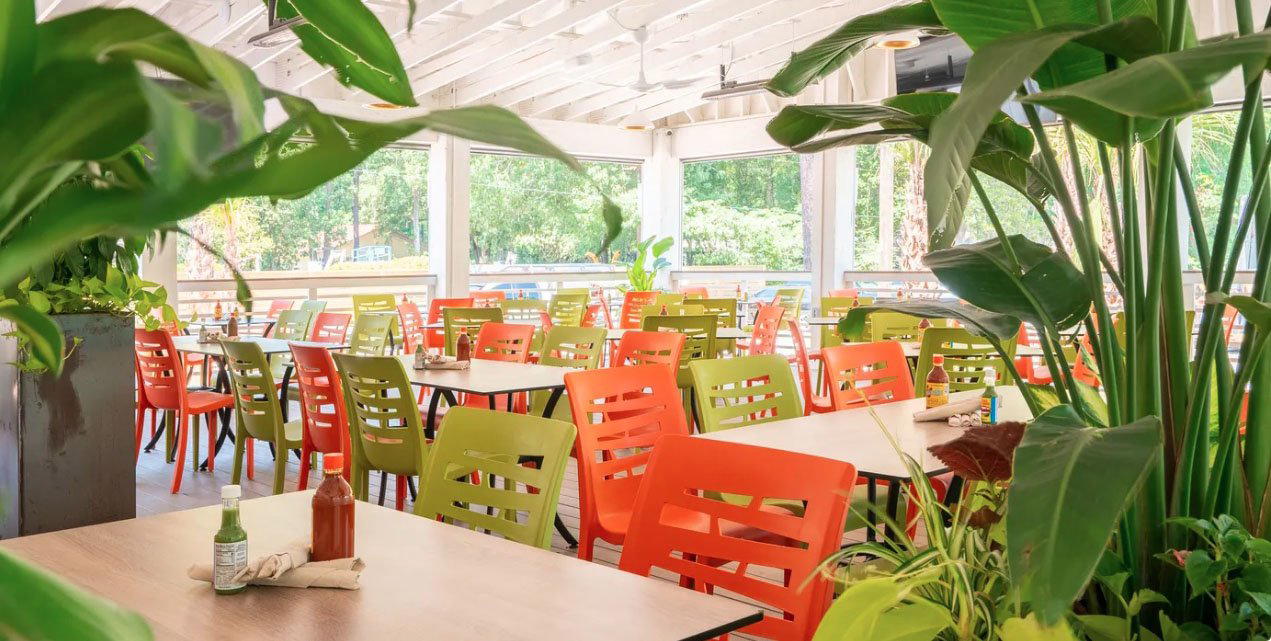
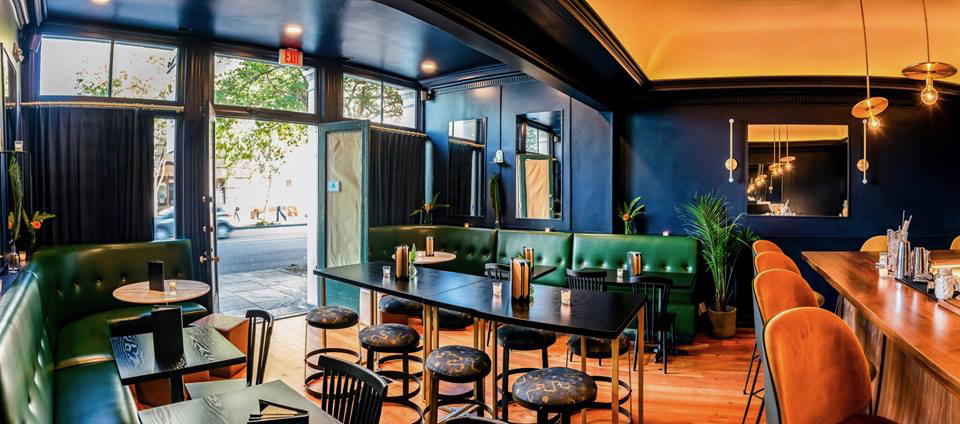
Bright and lively indoor-outdoor space with climate-controlled patio, large bar, and tropical island-inspired decor fostering a casual, energetic vibe.