Frontera Grill




Michelin Bib Gourmand · James Beard Award Outstanding Restaurant · Wine Spectator Award of Excellence
Our verdict
Rick Bayless's original River North dining room has carried a Michelin Bib Gourmand and consistent recognition from Opinionated About Dining since long before regional Mexican cooking became a mainstream conversation in the United States. The menu rotates through Mexico's coastal and highland traditions, with molés and wood-influenced preparations anchoring a program built on local sourcing and open-fire technique. Walk-ins are possible but weekends fill quickly.

Pearl is the En Primeur Club membership app, where members save venues, book tables and use the concierge.
The menu
What to order
- Sopa azteca
- Queso fundido
- Crispy duck carnitas
- Oaxacan carne asada
River North and the Long Argument for Regional Mexican
When Frontera Grill opened on North Clark Street in Chicago's River North neighbourhood in 1987, the prevailing American idea of Mexican food was still largely confined to flour tortillas, sour cream, and combinations plates. The restaurant landed in that context as a corrective: a dining room organised around the regional cooking of Mexico's states rather than a flattened national identity. Nearly four decades later, that framing no longer sounds radical, in part because restaurants like this one made the argument so persistently that it became common sense. The place sits at 445 N Clark St, inside a neighbourhood that now holds some of Chicago's most-visited dining addresses, and its position within Rick Bayless's multi-concept operation means it functions as the accessible entry point into a serious culinary project. Topolobampo, the tasting-menu room sharing the same building, represents the formal upper register; Frontera is where that same sourcing discipline and regional focus operates at a mid-range price.
Fire as Method, Not Decoration
The editorial angle on Frontera's kitchen is smoke and heat. Open-flame and wood-influenced cooking run through Mexican regional tradition in ways that differ structurally from, say, the wood-fire trend that swept American restaurants in the 2010s. In central and southern Mexican cooking, fire is a foundational technique: chiles are charred before grinding, tomatoes and tomatillos are roasted directly on comals, and proteins prepared in the barbacoa tradition are slow-cooked in ways that privilege deep, mineral flavour over caramelised crust. Frontera's kitchen applies this logic to locally sourced ingredients, which is where the Michelin Bib Gourmand designation becomes meaningful. The award, which Frontera held in 2024, recognises quality cooking at accessible price points rather than luxury ingredient accumulation. At the $$ price tier, delivering fire-driven preparations that connect to specific Mexican states is a harder technical proposition than it appears.
The molés are the clearest expression of this. A molé is among the most labour-intensive preparations in any cuisine: toasting dried chiles, charring aromatics, grinding nuts and seeds, and building a sauce that can involve thirty or more components. The versions at Frontera shift with the menu, which rotates to highlight different regional traditions across Mexico's coastal and highland zones. The 2024 menu cycle focused on Guerrero, the Pacific Coast state, placing the restaurant's fire and smoke approach in dialogue with a specific geography rather than a generalised Mexican aesthetic.
What the Awards Register Actually Says
Opinionated About Dining ranked Frontera Grill at number 728 in its 2024 Casual Dining list for North America and recommended it in the Gourmet Casual Dining category in 2023. OAD rankings are derived from critic ballots rather than a single editorial team, which makes them a useful signal of sustained professional regard. The Michelin Bib Gourmand in 2024 adds a separate institutional endorsement. Taken together, these two recognition systems cover different evaluative frameworks: Michelin weighs kitchen precision and consistency; OAD aggregates experienced-diner opinion across a broad panel. A restaurant appearing positively in both is occupying a genuinely strong position in its tier.
For context, Chicago's Michelin-starred roster at the leading end includes Topolobampo alongside progressive American rooms like Alinea and Smyth, both three-star holders operating at the $$$$ price level. Frontera operates in an entirely different price bracket and with a different formal register, which makes the comparison set more usefully drawn from mid-range regional specialists. In that tier, the combination of longevity, awards consistency, and a rotating regional focus is uncommon.
The Dining Room, the Margaritas, and the Practical Case for Going
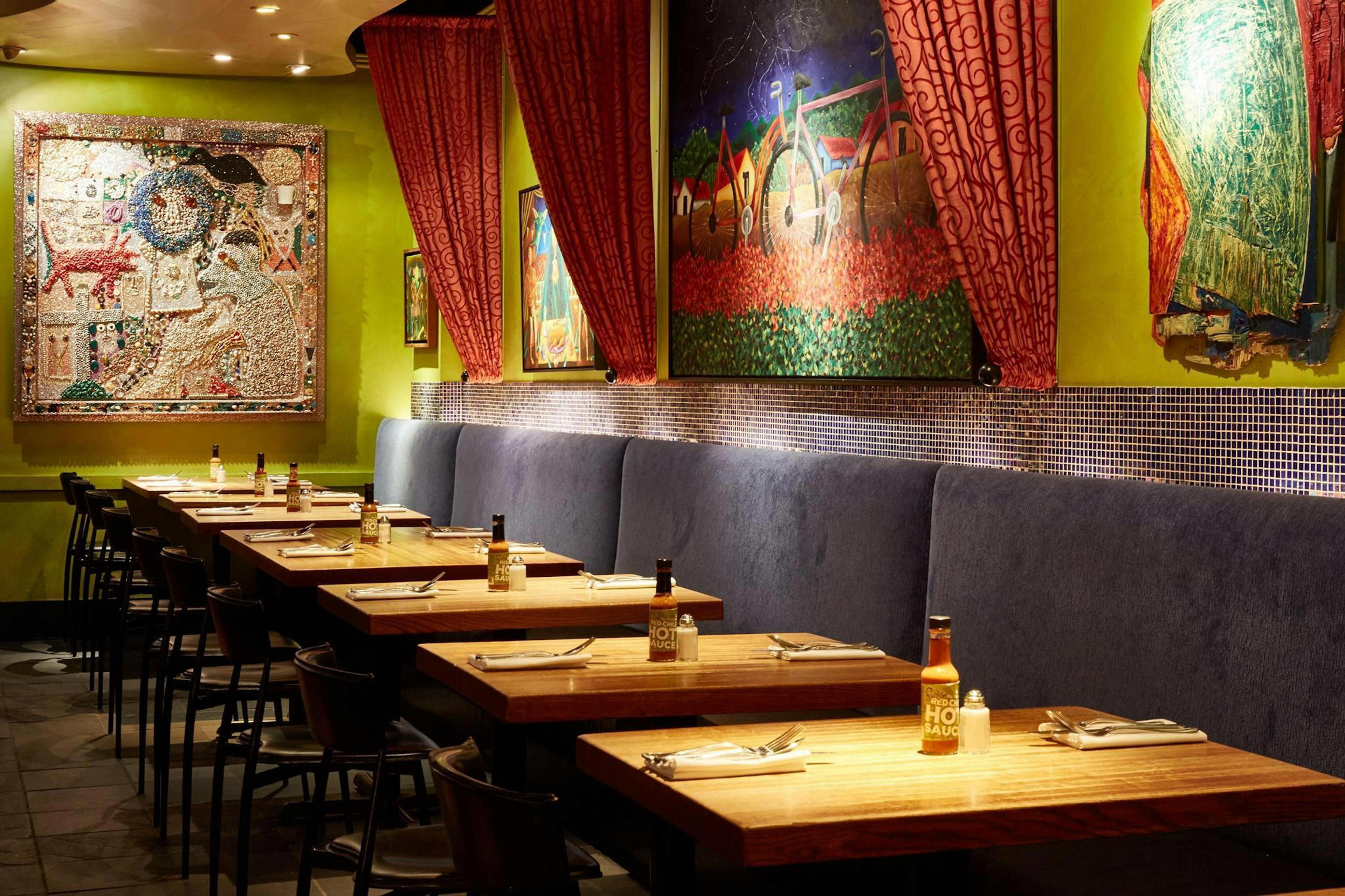
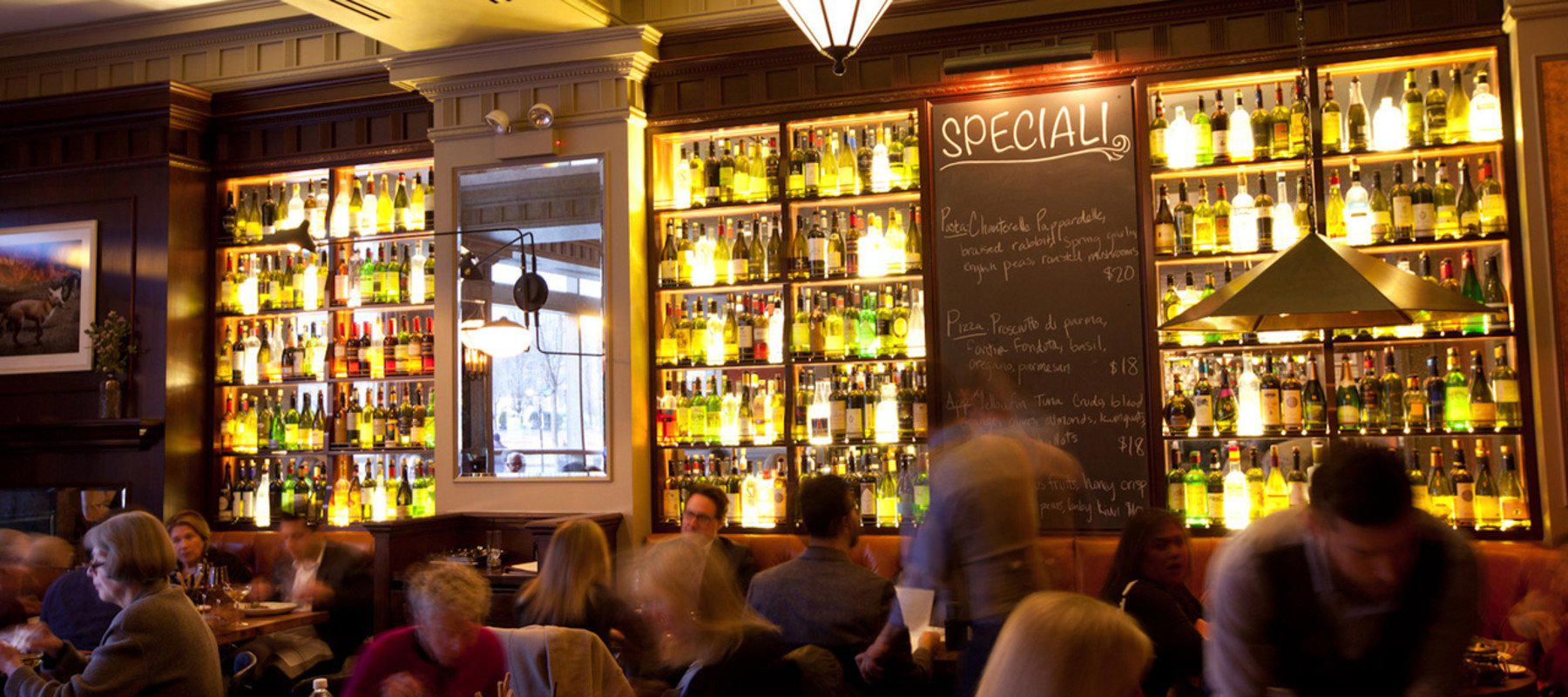
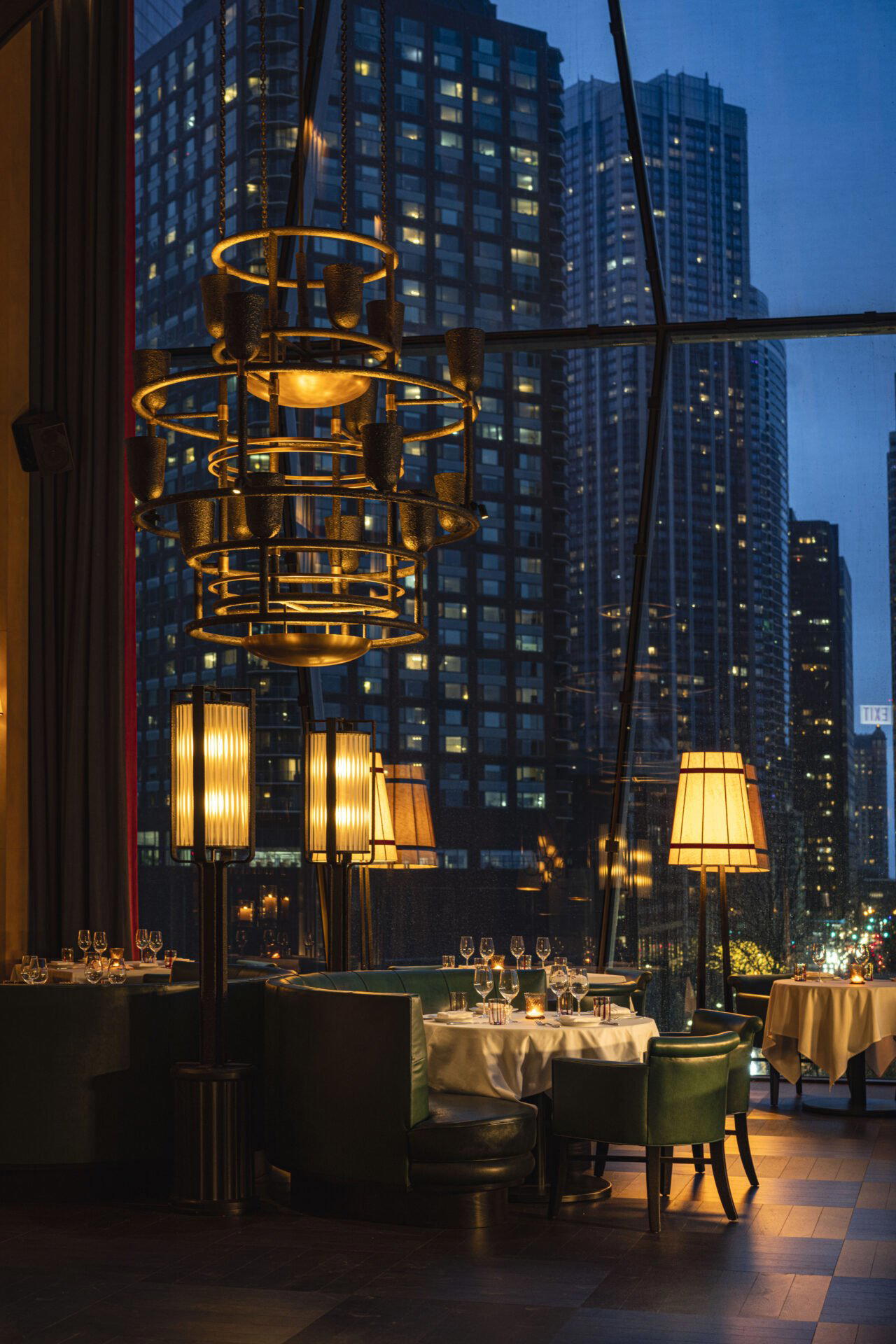
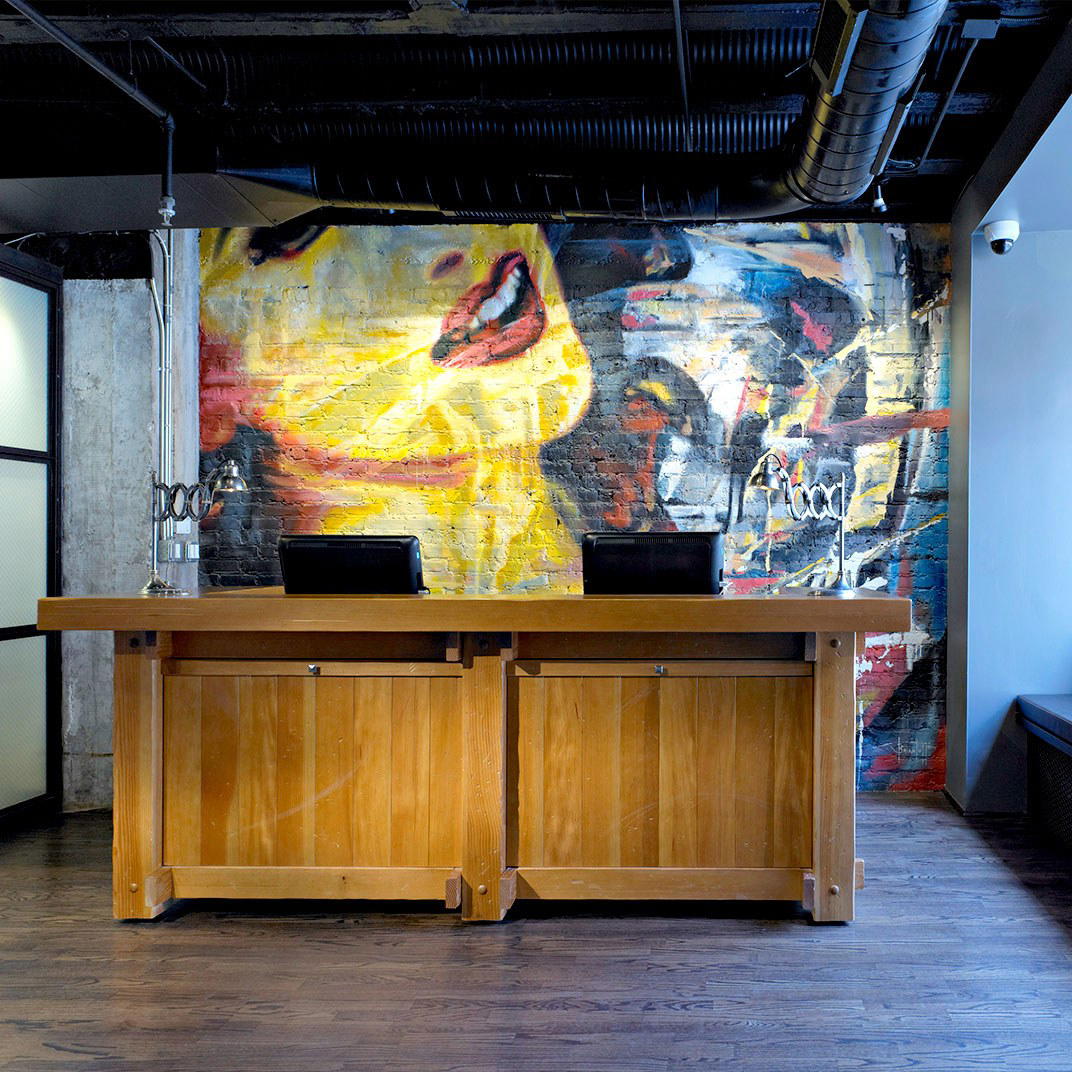
The physical environment at Frontera is deliberate rather than minimal. The room carries colour, music, and an energy level that sits closer to a Mexico City cantina than to the hushed formality of River North's expense-account restaurants. Table-shaken margaritas have been a programme constant, and the service approach has never migrated toward the austere or precious register that Chicago's fine-dining rooms often adopt. This makes Frontera an easier recommendation for mixed groups where not everyone is arriving with a gastronomy agenda.
Practically, the restaurant operates Tuesday through Thursday from 11:30am to 2pm for lunch and 4:30pm to 9pm for dinner. Friday and Saturday service extends to 10pm, with weekend brunch running from 10:30am on both Saturday and Sunday. Sunday dinner closes at 9pm, and Monday the restaurant is closed entirely. The mid-week lunch service is the least-trafficked window; weekend dinners and Saturday brunch are the sessions most likely to require advance planning. Walk-ins are accommodated when space allows, but a reservation for Friday or Saturday evening is the more reliable approach. For anyone building a broader Chicago itinerary, the full city picture is in our full Chicago restaurants guide, with supporting coverage across bars, hotels, wineries, and experiences.
Where Frontera Sits in Chicago's Mexican Dining Scene
Chicago's Mexican restaurant range is wider than many visitors expect, and Frontera occupies a specific and non-obvious position within it. The South Side and Lower West Side neighbourhoods hold the city's longer-established Mexican communities, and restaurants like Birrieria Zaragoza represent the fire-and-smoke tradition in a more direct, neighbourhood-embedded form: Zaragoza's barbacoa is cooked in the traditional underground-pit method, which is as close as Chicago gets to the central Mexican original. Big Star in Wicker Park anchors the casual taco end of the spectrum, while Chilam Balam and Cariño represent newer-generation approaches to Mexican cooking in the city.
Frontera's position is distinct from all of these. It is a restaurant that has operated at the junction of serious Mexican regionalism and American dining-room expectations for long enough that it shaped what came after it. The comparison extends nationally: Pujol in Mexico City is where the conversation around refined Mexican cooking converges internationally, while Alma Fonda Fina in Denver represents a newer American interpretation of the same regional-Mexican-in-fine-context argument. Frontera predates both as a concept and has sustained its relevance against them by continuing to rotate its menu through actual Mexican regional research rather than settling into a fixed Greatest Hits format. That is the harder discipline, and it is what the sustained OAD recognition reflects.
Frontera's price tier is lower than most of that group, which makes its continued placement in awards programmes alongside them a meaningful signal about what the kitchen is actually doing.
What to Order at Frontera Grill
What should I eat at Frontera Grill?
The Frontera ceviche, built around Pacific albacore with lime, tomato, olive, and cilantro, is a consistent reference point on a menu that otherwise rotates by region and season. The molé preparations are the kitchen's most technically demanding work and are worth ordering whenever the current menu features them. The regional specialties spotlighting Guerrero's Pacific Coast flavours represent the kind of place-specific cooking that distinguishes Frontera from Mexican restaurants working from a broader, less geographically anchored menu. Roasted cauliflower with poblano crema has appeared as a side in recent cycles. The table-shaken margarita is the drink to start with; it is part of the programme's identity and executed with the same sourcing discipline as the food. Topolobampo next door is the logical next step for anyone who wants to follow the same kitchen's approach through a more formal tasting format.
Similar Picks
A quick snapshot of similar venues for side-by-side context.
| Venue | Cuisine | Price | Awards | Notes |
|---|---|---|---|---|
| Frontera GrillThis venue (the venue you are viewing) | Regional Mexican | $50–100 | Michelin Bib Gourmand · James Beard Award Outstanding Restaurant | Not listed |
| Alinea | Avant-Garde Molecular Gastronomy | $300–500 | 2 Michelin Stars · World's 50 Best #37 | Progressive American, Creative |
| Smyth | Modern American Tasting Menu | $200–300 | 3 Michelin Stars · World's 50 Best #1 | Progressive American, Contemporary |
| Kasama | Modern Filipino | $30–50 | 2 Michelin Stars · World's 50 Best #31 | Filipino |
| Next Restaurant | Avant-Garde Themed Tasting Menus | Not listed | 1 Michelin Star · We're Smart World 2 Radishes | American Cuisine |
| Boka | Modern American Seasonal Fine Dining | $150–200 | 1 Michelin Star · La Liste Top Restaurants | New American, Contemporary |
Recognition history
Dated appearances from independent guides and award organizations, with the underlying list record or original source where available.
Michelin Bib Gourmand
Michelin
James Beard Award Outstanding Restaurant
James Beard Award
Wine Spectator Award of Excellence
Wine Spectator
Opinionated About Dining Casual in North America Ranked #728
Opinionated About Dining
Full recognition history (6 entries)
Michelin Bib Gourmand
Michelin
Opinionated About Dining Gourmet Casual Dining in North America Recommended
Opinionated About Dining
Continue exploring
More in Chicago
More from Chef Rick Bayless
Browse all →
Restaurants in Chicago
All restaurants in Chicago →

Bars in Chicago
All bars in Chicago →




Frontera Grill
The wine
Frontera Grill holds the Wine Spectator Award of Excellence, which Wine Spectator gives to lists of usually 90 or more selections.
- Wine Spectator
- Wine Spectator Award of Excellence
- Craft cocktails
Details
- Lively
- Well Known
- Energetic
- Rustic
- Group Dining
- Special Occasion
- Brunch
- Open Kitchen
- Historic Building
- Craft Cocktails
- Local Sourcing
- A La Carte
- Small Plates
- Margaritas
- Vegetarian Friendly
- Vegan Options
- Gluten Free Options
Current opening hours
- Monday
- Closed
- Tuesday
- 11:30 AM–2 PM, 4:30–9 PM
- Wednesday
- 11:30 AM–2 PM, 4:30–9 PM
- Thursday
- 11:30 AM–2 PM, 4:30–9 PM
- Friday
- 11:30 AM–2 PM, 4–10 PM
- Saturday
- 10:30 AM–2 PM, 4–10 PM
- Sunday
- 10:30 AM–2 PM, 4–9 PM
Hours can change for holidays and private events. Hours as of .
Brightly colored walls with Mexican folk art, playful and lively atmosphere with uplifting music evoking Mexico.