Chilam Balam


A subterranean BYO spot on North Broadway, Chilam Balam has built a following around its rotating menu of complex Mexican shared plates. Chef Natalie Oswald works seasonal and regional Mexican ingredients into dishes that read familiar but land with unexpected depth.
Pearl is the En Primeur Club membership app — saves, bookings, and concierge access live there. Same editors, same standards.
- Address
- 3023 N Broadway, Chicago, IL 60657
- Phone
- (773) 296-6901
- Website
- chilambalamchicago.com
- Directions
- Get directions
 Saves & bookings on Pearl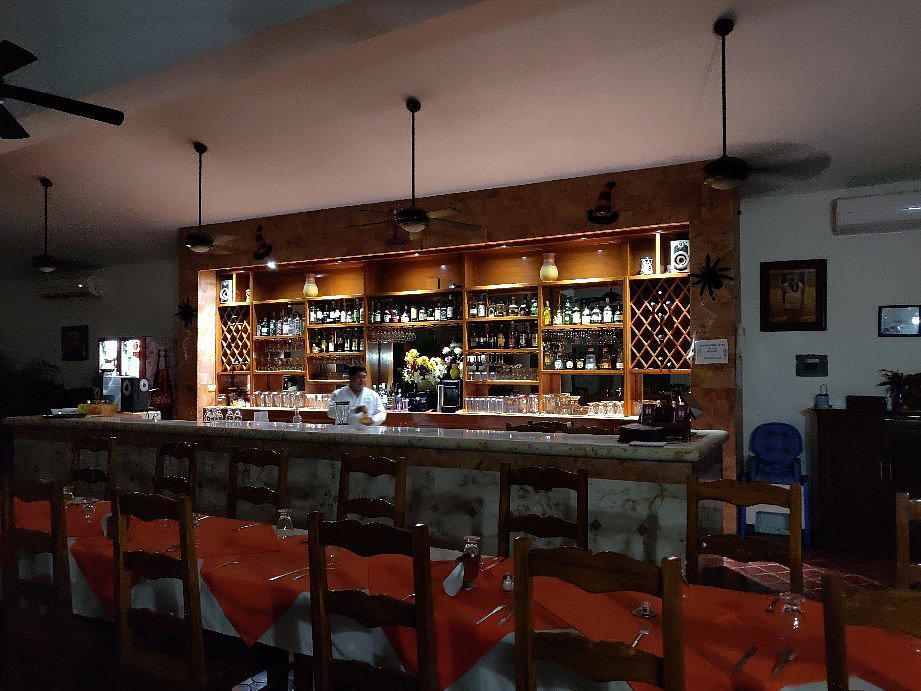
Below Street Level on Broadway
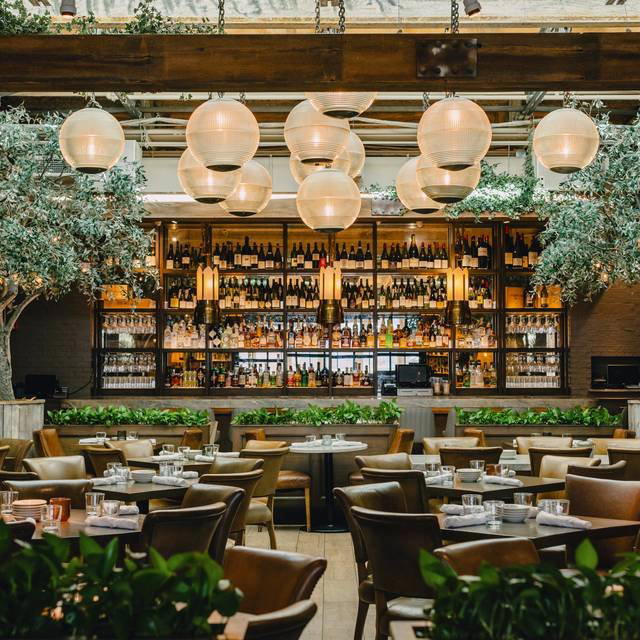
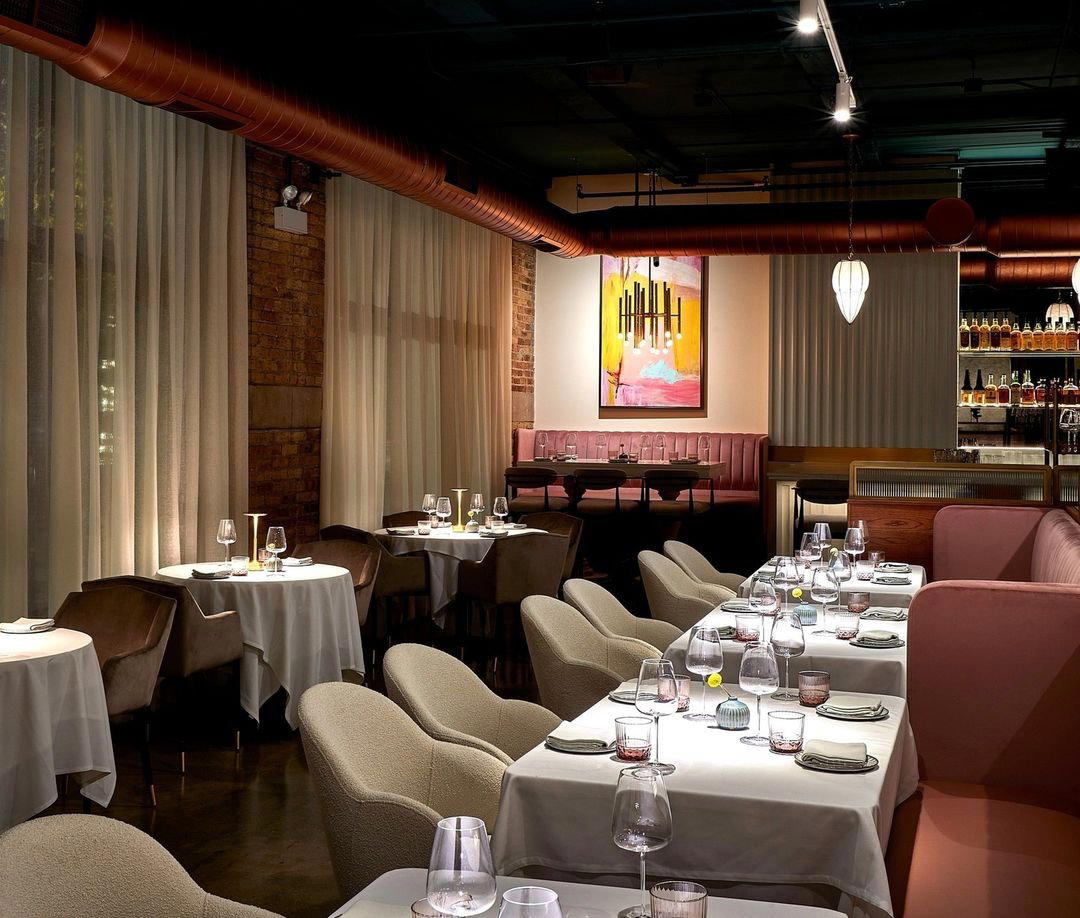
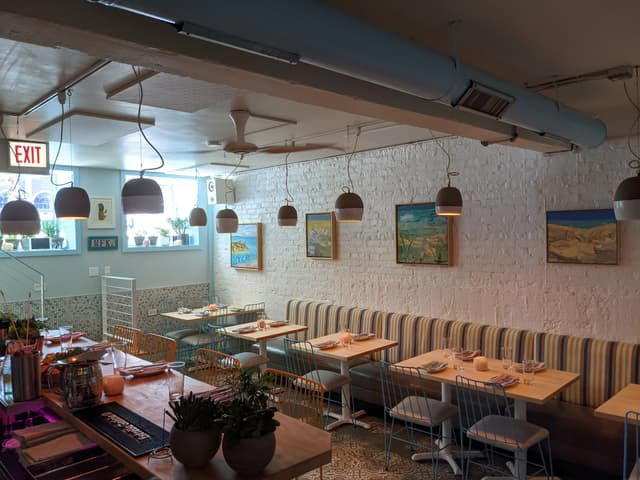
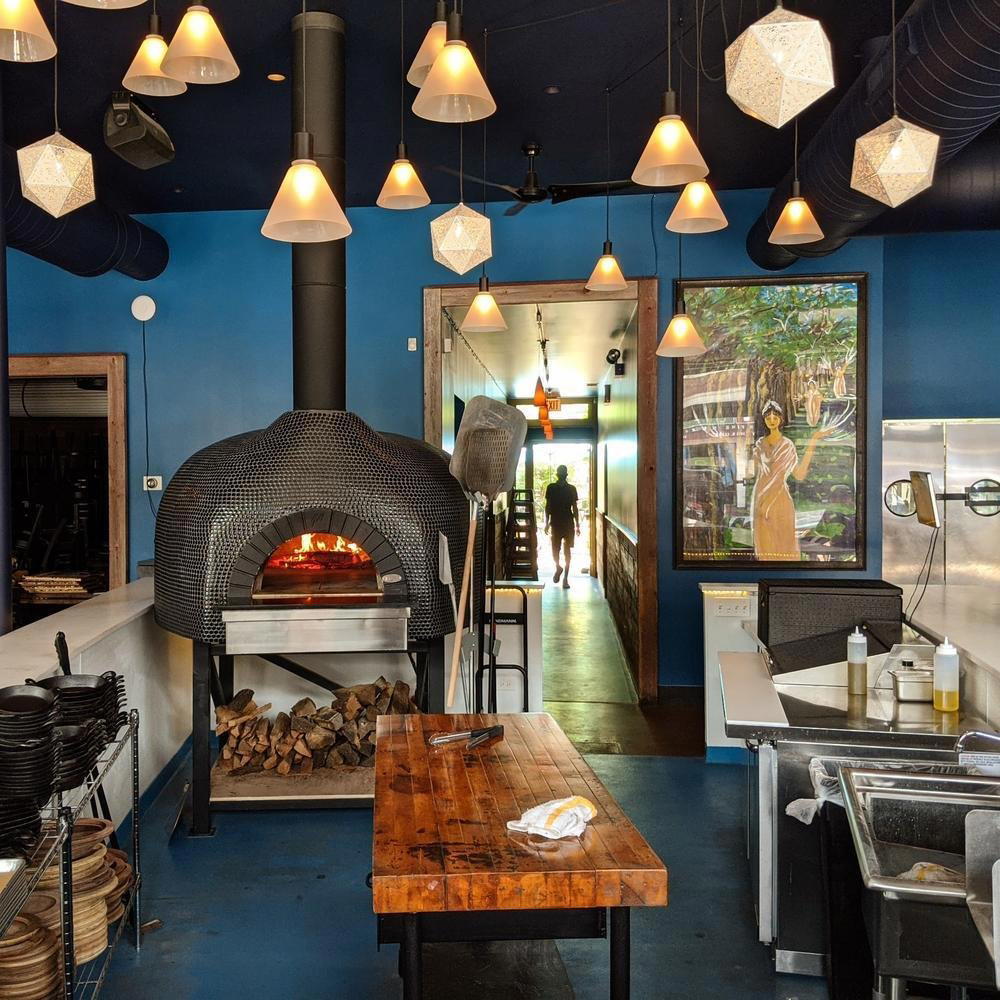
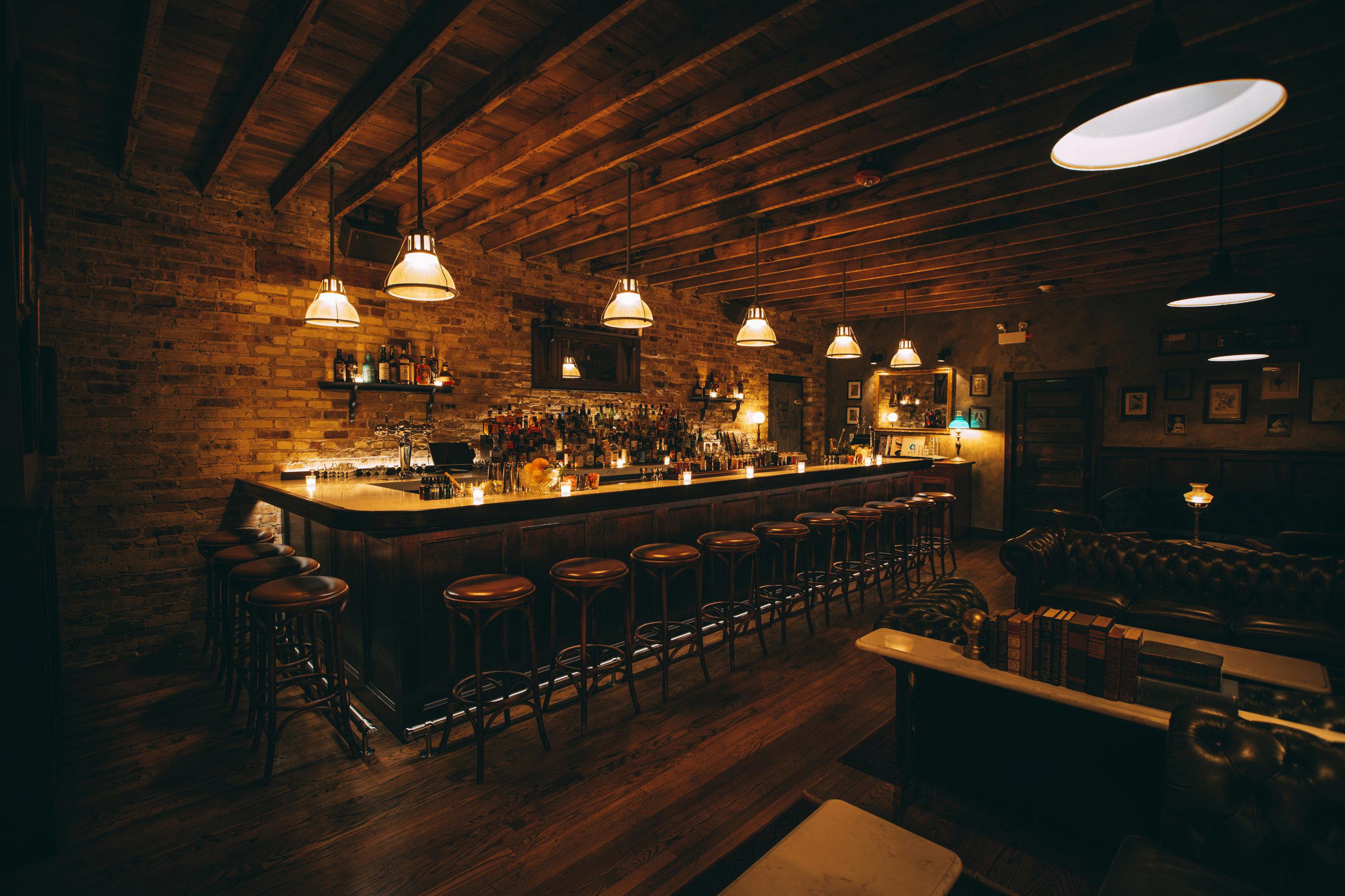
Descend the stairs off North Broadway in Lakeview and you enter a category of Chicago dining that has grown more interesting as the city's Mexican table has matured. Chilam Balam is a basement restaurant in the literal sense, but what goes on below that sidewalk sits closer to the serious end of the neighborhood Mexican conversation than anything about its modest exterior suggests. The room runs small and the lighting runs warm, the kind of space where the dining experience compresses around the table in a way that larger rooms can't replicate. That physical intimacy shapes how the food lands: shared plates in a tight room with a low ceiling read differently than they do in an open-plan dining room, and Chilam Balam has built its format around exactly that dynamic.
Chicago's Mexican dining scene has never been monolithic. The city has deep roots in regional Mexican cooking through neighborhoods like Pilsen and Little Village, and a parallel fine-dining strand running through the River North corridor, where Topolobampo spent decades making the case for regional Mexican cuisine at a white-tablecloth register. Chilam Balam occupies a different position: neither neighborhood taqueria nor formal tasting-menu destination, but a mid-register BYO spot where the cooking complexity exceeds what the price point and setting would lead you to expect. That gap between expectation and execution is where the restaurant's reputation lives. On Google, 720 reviewers have settled on 4.5 stars, a signal that the consistency holds across a wide and varied audience.
A Rotating Menu Anchored in Seasonal and Regional Sourcing
The editorial angle that matters most at Chilam Balam is not the room or the format but the sourcing logic that drives the rotating menu. Mexican cuisine, at its most rigorous, is an ingredient-led tradition: achiote paste ground from annatto seeds with citrus and spice, chiles dried and smoked to specific regional profiles, plantains chosen at precise ripeness for distinct textural and flavor outcomes. When a kitchen rotates its menu around seasonal availability rather than fixing a set of bankable dishes, it signals a relationship with supply that goes beyond ordering from a standard distributor list.
The reported dishes at the restaurant reflect that approach. Roasted plantains served over cottage cheese and finished with salsa macha, in this case built from sesame seeds and peppery dressed watercress, show a kitchen working in the overlap between Mexican technique and whatever is performing at the market. Salsa macha is traditionally a chile-and-oil condiment; applying the name and the structural logic of that preparation to a sesame-and-watercress version is either creative adaptation or seasonal substitution, both. Either way, it positions the dish in a conversation about how regional Mexican preparations can flex around locally available produce without losing their referential logic.
Achiote-marinated beef empanadas with habanero-spiced pineapple tatemada salsa demonstrate the kitchen's literacy in central and southeastern Mexican flavors. Achiote is native to the Yucatan and Oaxacan tradition; habanero is the dominant chile of the Yucatan; tatemada, meaning charred or flame-roasted, is a technique rather than a sauce type, one that requires actual fire contact and produces a particular smokiness that bottled salsa cannot replicate. The combination on an empanada format is not obvious, and it tells you something about the depth of reference the kitchen is drawing from. Compared to the broader Chicago Mexican scene, where taco formats dominate the mid-market, the restaurant's commitment to empanadas as a vehicle for complex salsas is a meaningful distinction. Elsewhere in Chicago's Mexican dining conversation, Cariño and Birrieria Zaragoza each work within specific regional traditions with comparable seriousness, though at different price points and formats.
The peanut butter empanadas with Oaxacan chocolate sauce and dulce de leche represent a different register of the same sourcing logic. Oaxaca has among the more developed chocolate traditions in Mexico, and Oaxacan chocolate, ground coarser and less sweet than European-style chocolate, behaves differently as a sauce. Pairing it with dulce de leche and peanut butter against a fried pastry shell puts three fat-rich, sweet-adjacent ingredients in dialogue with each other, which requires calibration to avoid collapse. That the dish appears on the menu repeatedly, described without irony as a crowd-pleaser, suggests the balance works. Beyond Chicago, the approach to Mexican ingredients with this level of regional specificity finds parallels at Pujol in Mexico City and, at a different price point and geography, at Alma Fonda Fina in Denver.
Format and Logistics
The restaurant operates as a BYO restaurant, which shapes the economics of the meal significantly. At a $$$ price point on North Broadway, bringing your own wine or beer removes the margin pressure that typically inflates the bill at comparable cooking-complexity levels. That BYO model is also part of why the restaurant has sustained a neighborhood audience rather than converting entirely to a destination-dining clientele: it keeps the meal accessible to regulars who want to eat well without the full destination-dinner financial commitment.
The reservation-recommended format means planning ahead is a reliable way to secure a table. The service team is described as directing guests through the rotating menu rather than leaving them to decode it alone, which matters when the menu changes and dishes like achiote empanadas or seasonal salsa macha preparations are not self-explanatory to every table. Arriving early, particularly on weeknights, is a reliable way to manage the evening. The Lakeview location on North Broadway places it within reach of multiple transit options and walkable from a range of the neighborhood's bars, making it a practical anchor for a longer evening.
For Mexican dining in Chicago at other registers, Big Star and Dove's Luncheonette in Wicker Park cover the taco and honky-tonk Southern end of the spectrum, while Topolobampo remains the benchmark for formal regional Mexican in the city. The restaurant sits between those poles, asking for neither the casual throughput of the former nor the tasting-menu commitment of the latter.
Where It Sits in the Broader Conversation
Chicago's Michelin-starred tier, anchored by Alinea, Smyth, and a growing list of one-star destinations including Kasama, Boka, and Esmé, operates at price points and formality levels well above what the restaurant offers. That comparison is useful not to diminish the cooking but to clarify the category: the restaurant is not competing in that register. It is competing in a narrower, more interesting space where Mexican cooking is taken seriously as a technical and ingredient-led tradition, but the format remains convivial, the pricing stays accessible, and the BYO model keeps the experience grounded in the neighborhood rather than the destination-dining circuit. That positioning, more than any single dish, is what gives the restaurant its durability in a city where dining options at every price point have continued to multiply. For American fine dining at the summit of the market, reference points like Lazy Bear in San Francisco, The French Laundry in Napa, Le Bernardin in New York City, Single Thread Farm in Healdsburg, Providence in Los Angeles, and Emeril's in New Orleans represent the formal tasting-menu and haute cuisine tradition that restaurant deliberately steps away from, in service of something more direct and less ceremonial.
City Peers
Comparable venues nearby, for context on price, style, and recognition.
| Venue | Cuisine | Price | Notes |
|---|---|---|---|
| Chilam BalamThis venue — the venue you are viewing | Modern Mexican Small Plates | $$$ | Not listed |
| Frontera Grill | Regional Mexican | $$ | River North |
| Sol de Mexico | Authentic Mexican | $$ | Cragin |
| Sifr | Modern Middle Eastern | $$$ | River North |
| Chef’s Special Cocktail Bar | Modern Chinese-American | $$$ | Bucktown |
| Jeong | Modern Korean Tasting Menu | $$$ | Noble Square |
Recognition history
Dated appearances from independent guides and award organizations, with the underlying list record or original source where available.
Diners, Drive-Ins and Dives Featured Restaurant
Diners, Drive-Ins and Dives · 2026 Diners, Drive-Ins and Dives Featured Restaurants
Michelin Bib Gourmand
Michelin
Michelin Bib Gourmand
Michelin





At a Glance
- Cozy
- Intimate
- Trendy
- Date Night
- Group Dining
- Special Occasion
Current opening hours
- Monday
- Closed
- Tuesday
- 5–9 PM
- Wednesday
- 5–9 PM
- Thursday
- 5–9 PM
- Friday
- 5–10 PM
- Saturday
- 5–10 PM
- Sunday
- Closed
Hours can change for holidays and private events. Last verified .
Cozy subterranean space with close-together tables, lively atmosphere, and charming character.