360 CHICAGO
On the 94th floor of 875 N Michigan Avenue, 360 CHICAGO positions visitors directly above the city's most studied skyline — the John Hancock building's observation deck reframed as a rotating lounge experience. The view tracks the full arc of the lakefront and the Grid below, making it a reference point for understanding Chicago's vertical ambition and its relationship with Lake Michigan.

Pearl is the En Primeur Club membership app — saves, bookings, and concierge access live there. Same editors, same standards.
- Address
- 875 N Michigan Ave 94th floor, Chicago, IL 60611
- Phone
- (888) 875-8439
- Hours
- Daily 9 AM–11 PM
- Website
- 360chicago.com
- Directions
- Get directions
- Booking
- Book on the venue's website
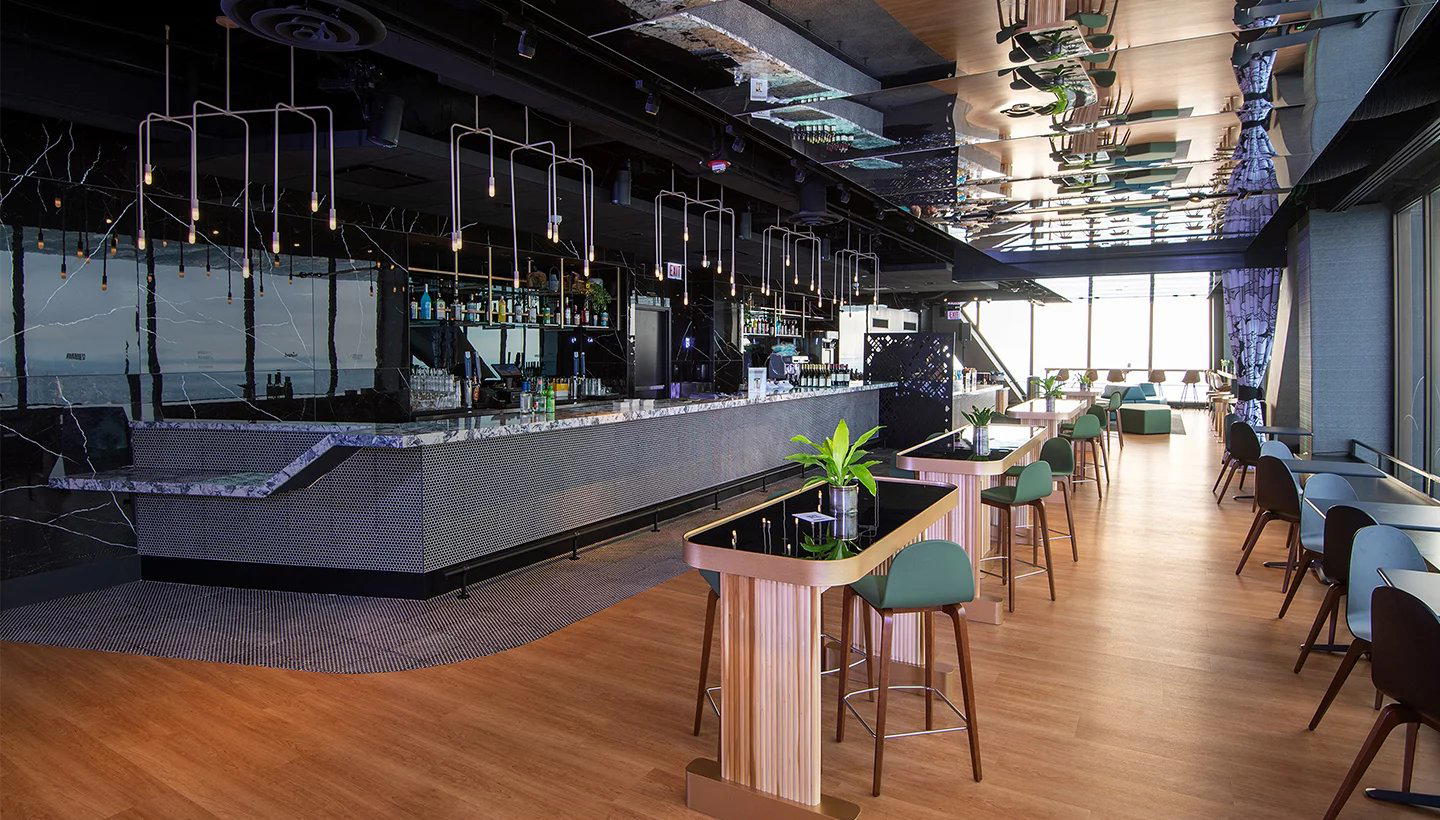
Ninety-Four Floors Above the Grid
The elevator arrives at the 94th floor of 875 North Michigan Avenue and the city resolves itself below you in a way that very few urban experiences allow. Chicago's street grid, so logical and insistent at ground level, becomes something else entirely from this height: the lake a flat grey-blue sheet pressing against the east edge of the downtown blocks, the river threading west through the canyon of the Loop, the residential neighborhoods fanning out in every direction until they dissolve into the horizon. The John Hancock Center tower is one of the most recognizable silhouettes in the American Midwest, and 360 CHICAGO, occupying its upper observation deck and adjoining indoor space, positions itself at the intersection of architecture, city spectacle, and hospitality.
Observation experiences in major cities have proliferated in the last decade, and the category has broadly split between two models: the pure-infrastructure approach, where a ticket buys a platform and nothing more, and the hospitality-integrated model, where the height is framed by food, drink, and some editorial curation of the view itself. 360 CHICAGO belongs to the second category, which means the vertical experience is designed to extend rather than abbreviate the visit.
Drinking at Altitude: What the Format Demands
Any beverage program operating at this altitude faces a structural question that ground-level bars do not: how do you make the drink relevant when the view is the dominant event? The answer, at serious sky-level venues, is usually to align the program with the spectacle rather than compete with it. In cities like Honolulu, Bar Leather Apron uses precise, ingredient-driven cocktails to anchor the experience in craft rather than novelty. In New Orleans, Jewel of the South leans into regional provenance as the editorial frame. The logic at altitude is similar: the drink program needs a point of view, because the view alone does the heavy lifting on spectacle but not on return visits or critical credibility.
Chicago's broader cocktail scene has moved decisively toward technical rigor and ingredient specificity. Kumiko in the West Loop has built a nationally recognized program around Japanese whisky and precision technique. Leading Intentions approaches cocktails as a design problem, with a format that rewards attention. Bisous and Lemon operate in a more accessible register but still with clear curation behind the list. Against this peer context, the drinks offered at a high-volume observation venue carry a different brief: the audience skews tourist-heavy, the throughput is higher, and the program must work across a wider range of palates and expectations than a dedicated cocktail bar would face.
The Wine Angle: Curation at High Volume
The editorial angle that separates thoughtful sky-level hospitality from generic tourism infrastructure is often the wine list. A well-built list at a venue like this signals that the hospitality team is thinking beyond the cover charge and the photograph. The challenge is real: altitude and air conditioning affect perception of tannin and acidity, the turnover rate per table is higher than at a destination restaurant, and the guest mix rarely skews toward the kind of deep-dive wine enthusiast you find at a sommelier-led tasting counter.
What works in these conditions tends toward wines with clear identity rather than complexity that requires time to open. Sparkling wine performs well at altitude, which is why it anchors the lists at observation venues and rooftop bars in cities from New York to Washington, D.C. where Allegory builds its program around theatrical presentation as much as cellar depth. In San Francisco, ABV demonstrates that a high-volume bar can still carry a list that rewards the attentive drinker. The question for any venue in 360 CHICAGO's position is whether the list reflects genuine curation or simply fulfills the minimum expectation of a full-service experience.
The comparison that sharpens this point comes from venues that have successfully used their setting as a reason to go deeper, not shallower, on the program. In Houston, Julep has shown that a Southern provenance frame can organize a spirits program with conviction. In New York City, Superbueno uses a specific regional identity to give its drinks list a coherent editorial logic. In Frankfurt, The Parlour positions itself through Riesling provenance within a broader European cocktail context. The lesson across all of these is that curation philosophy, not volume, is what determines whether a drinks program builds a reputation or simply supports a ticket price.
What the City Looks Like From Here
Chicago is a city where the built environment is understood as a serious subject. The Architecture Foundation runs boat tours that are perennially booked weeks ahead. The debate between the Hancock tower and Willis Tower as the preferred vertical vantage point is a real one among visitors who take the question seriously. From 360 CHICAGO, the northern and eastern exposures are particularly clear: the Gold Coast running along the lakefront, Lincoln Park extending north, and on clear days the Indiana shoreline visible across the water. The TILT experience, which angles visitors over the street on a glass platform, is the feature that tends to generate the most social documentation, though the stationary indoor experience has its own case for the less vertically inclined.
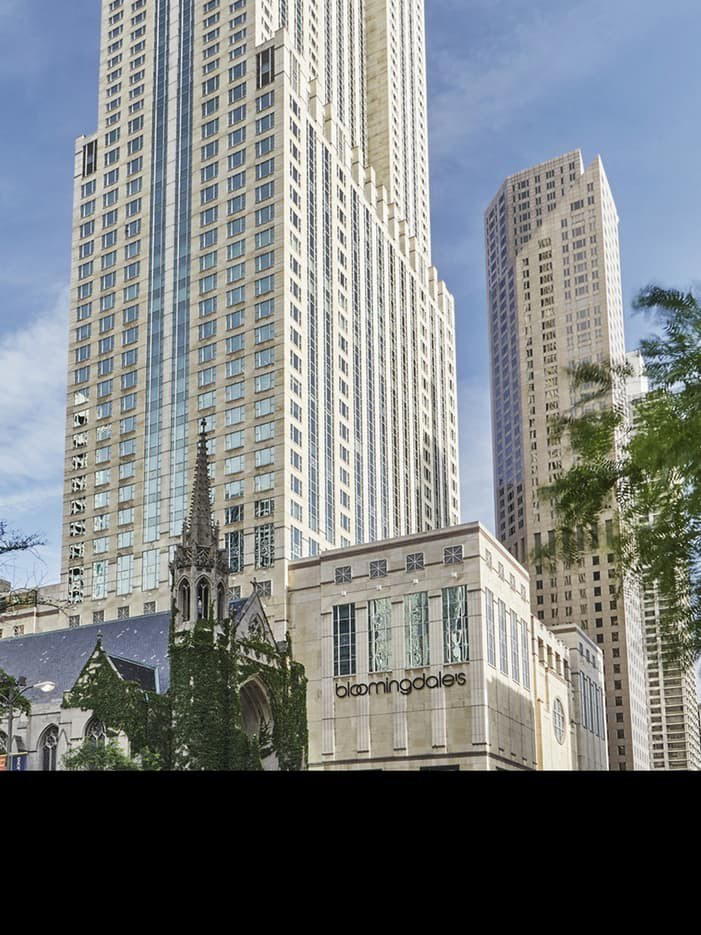
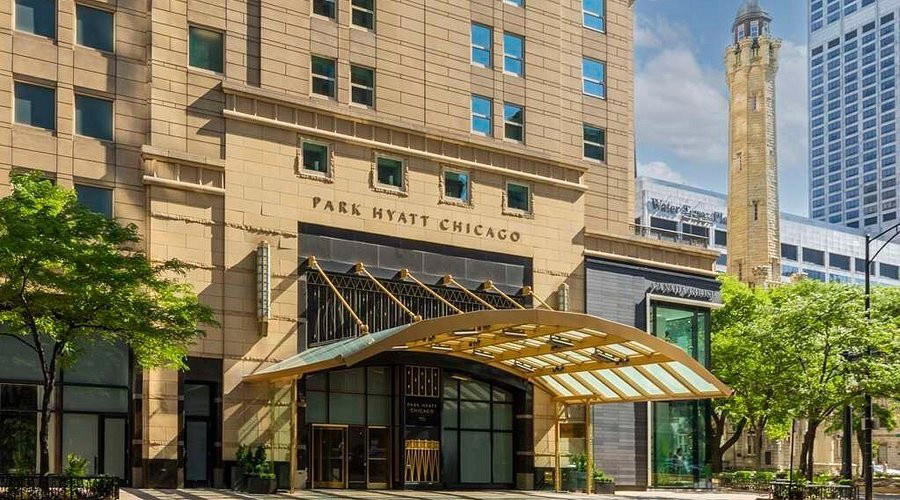
The venue sits inside one of the most-visited stretches of the city: the Magnificent Mile along North Michigan Avenue, which concentrates hotels, retail, and tourist infrastructure within a few walkable blocks. This location means 360 CHICAGO operates within a very specific visitor economy, serving guests who are in the neighborhood for reasons that may have nothing to do with food and drink. For the dedicated hospitality traveler, that context matters. It positions the venue differently from a destination bar or restaurant that draws guests specifically for its program.
Planning the Visit
For those building a Chicago itinerary around serious eating and drinking, 360 CHICAGO fits logically as a daytime or early-evening experience, when the view is at its most readable and the crowd is at its most manageable. The Magnificent Mile location means it connects easily to the Gold Coast and River North, both of which have strong representation in the city's bar and restaurant scene. The broader Chicago guide at our full Chicago restaurants guide maps the neighborhoods and venues worth building a visit around. Booking ahead for the observation experience is advisable, particularly in the summer months when the city draws its highest visitor volumes and weekend demand for the upper floors peaks significantly.
Recognition Snapshot
Comparable venues nearby, for context on price, style, and recognition.
| Venue | Cuisine | Price | Awards | Notes |
|---|---|---|---|---|
| 360 CHICAGOThis venue — the venue you are viewing | rooftop_bar | $20–30 | Not listed | Not listed |
| CH Distillery | Jōtō Sushi | cocktail_bar | $50–100 | Not listed | West Loop |
| avec Restaurant | rooftop_bar | Not listed | Not listed | River North |
| Yeowoosai | lounge | $20–30 | Not listed | West Ridge |
| Apero Chicago | wine_bar | $30–50 | Star Wine List | North Center |
| Nico & Lala | Bar | Not listed | Not listed | Chicago |
Details
- Scenic
- Modern
- Well Known
- Sophisticated
- Date Night
- Celebration
- Casual Hangout
- Rooftop
- Panoramic View
- Lounge Seating
- Craft Cocktails
- Craft Beer
- Skyline
Current opening hours
- Monday
- 9 AM–11 PM
- Tuesday
- 9 AM–11 PM
- Wednesday
- 9 AM–11 PM
- Thursday
- 9 AM–11 PM
- Friday
- 9 AM–11 PM
- Saturday
- 9 AM–11 PM
- Sunday
- 9 AM–11 PM
Hours can change for holidays and private events. Last verified .
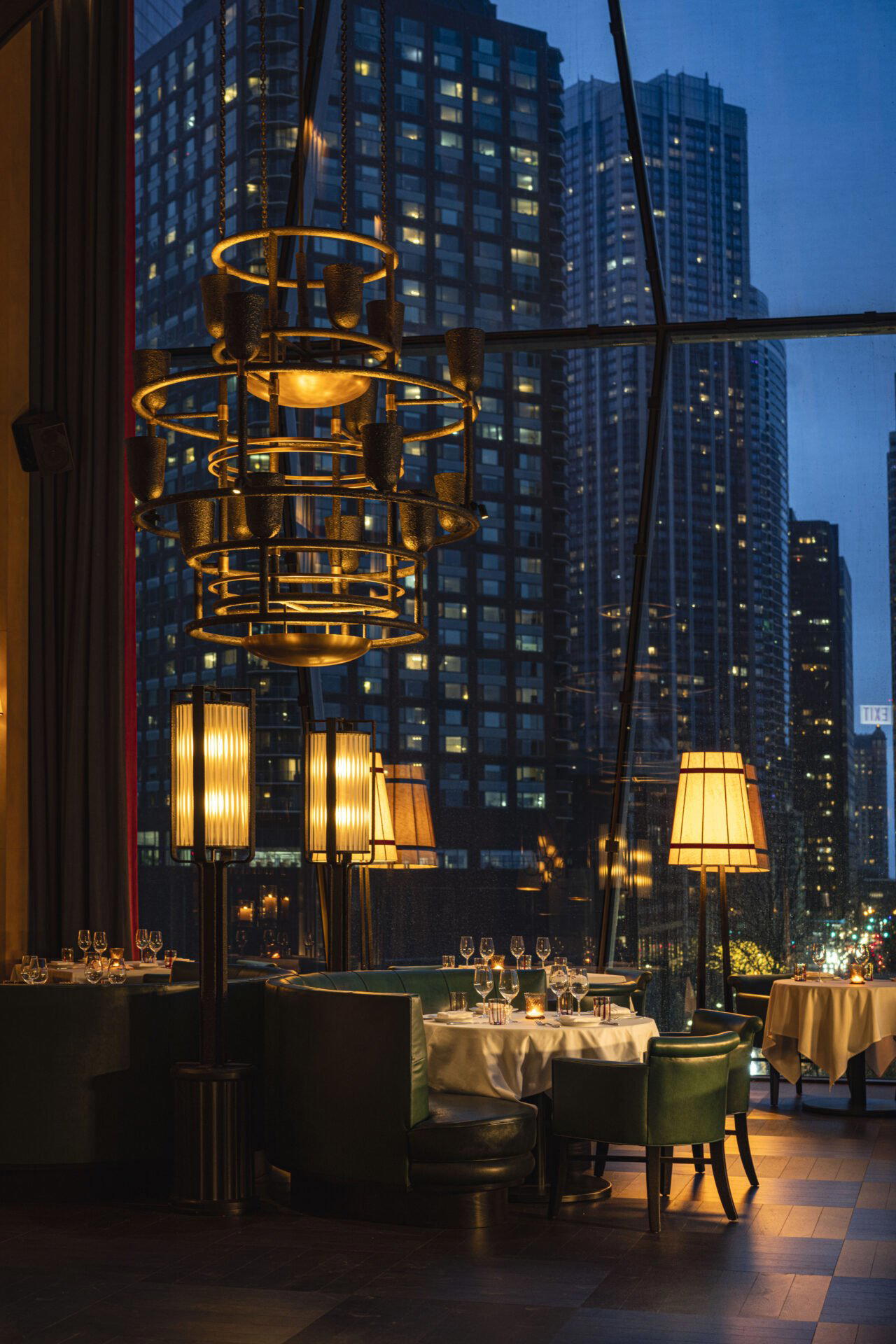
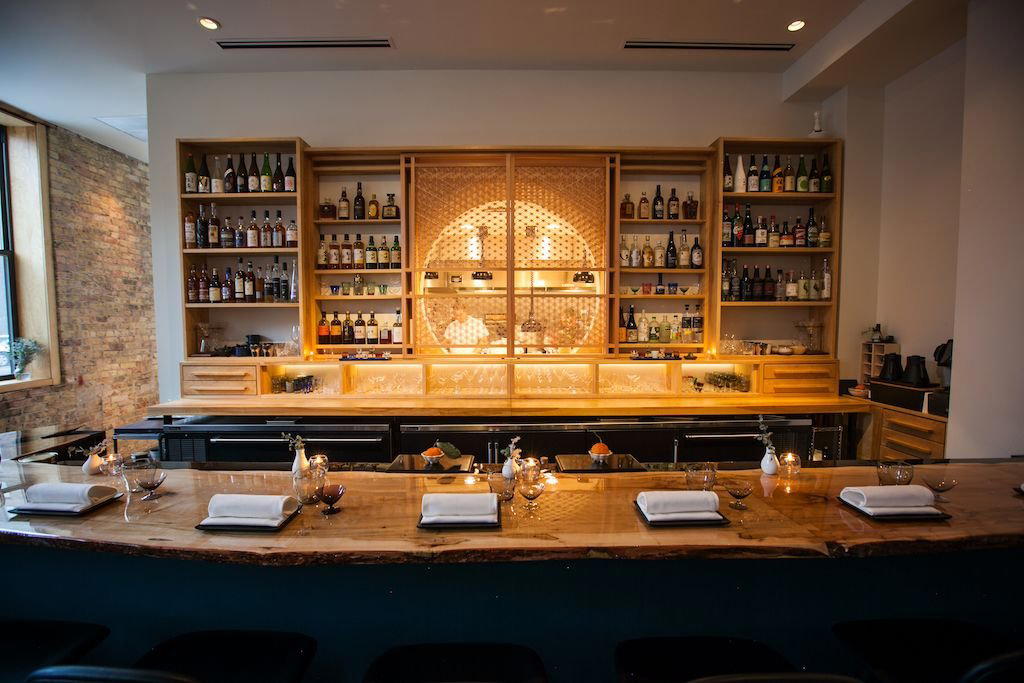
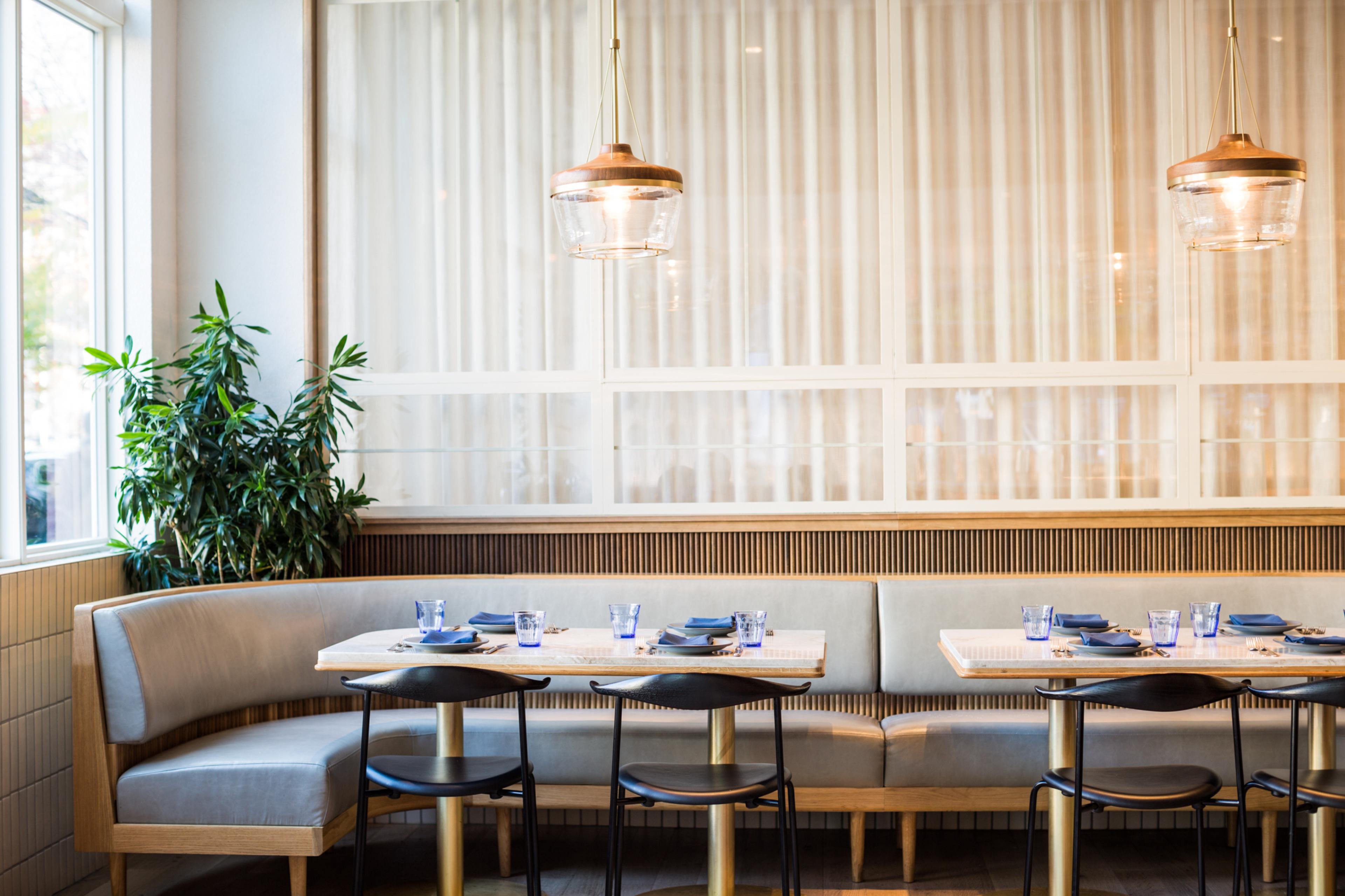
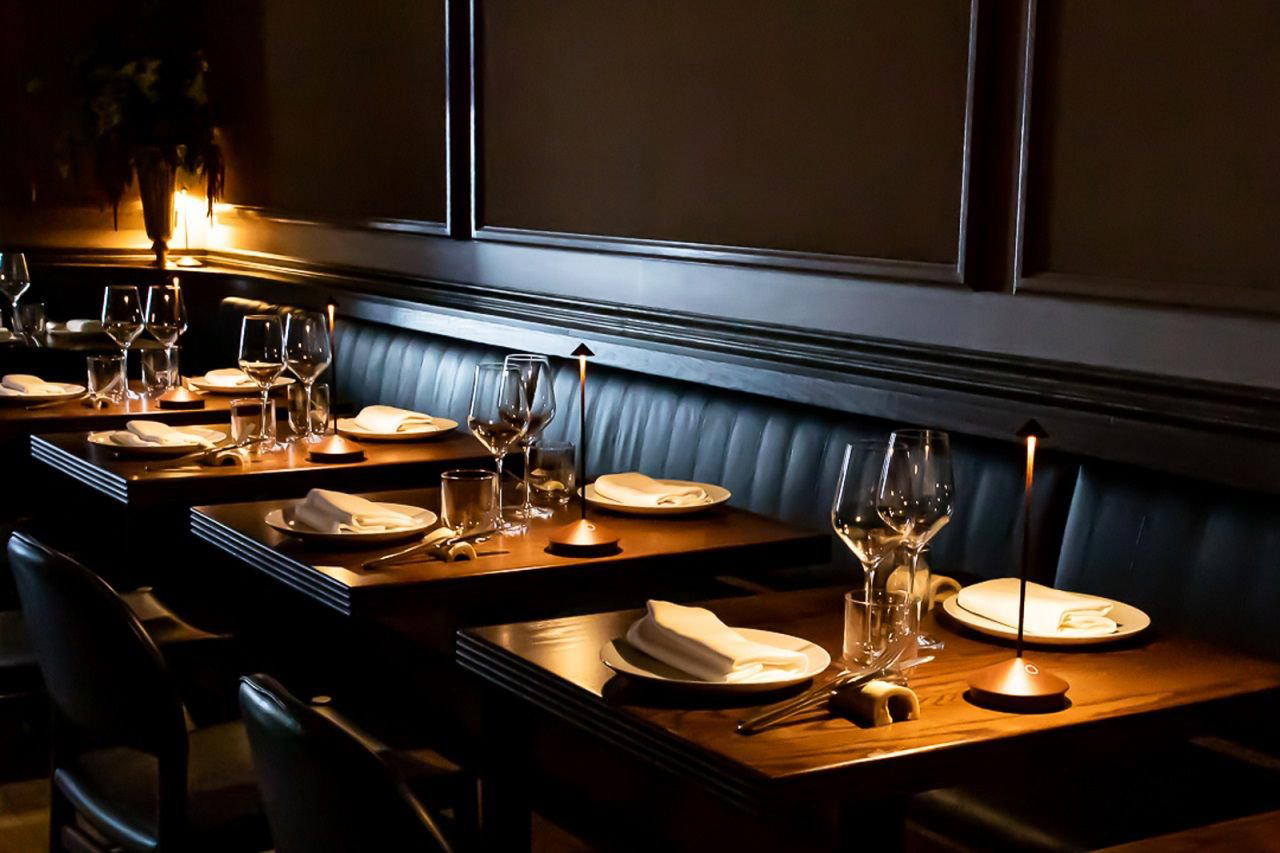
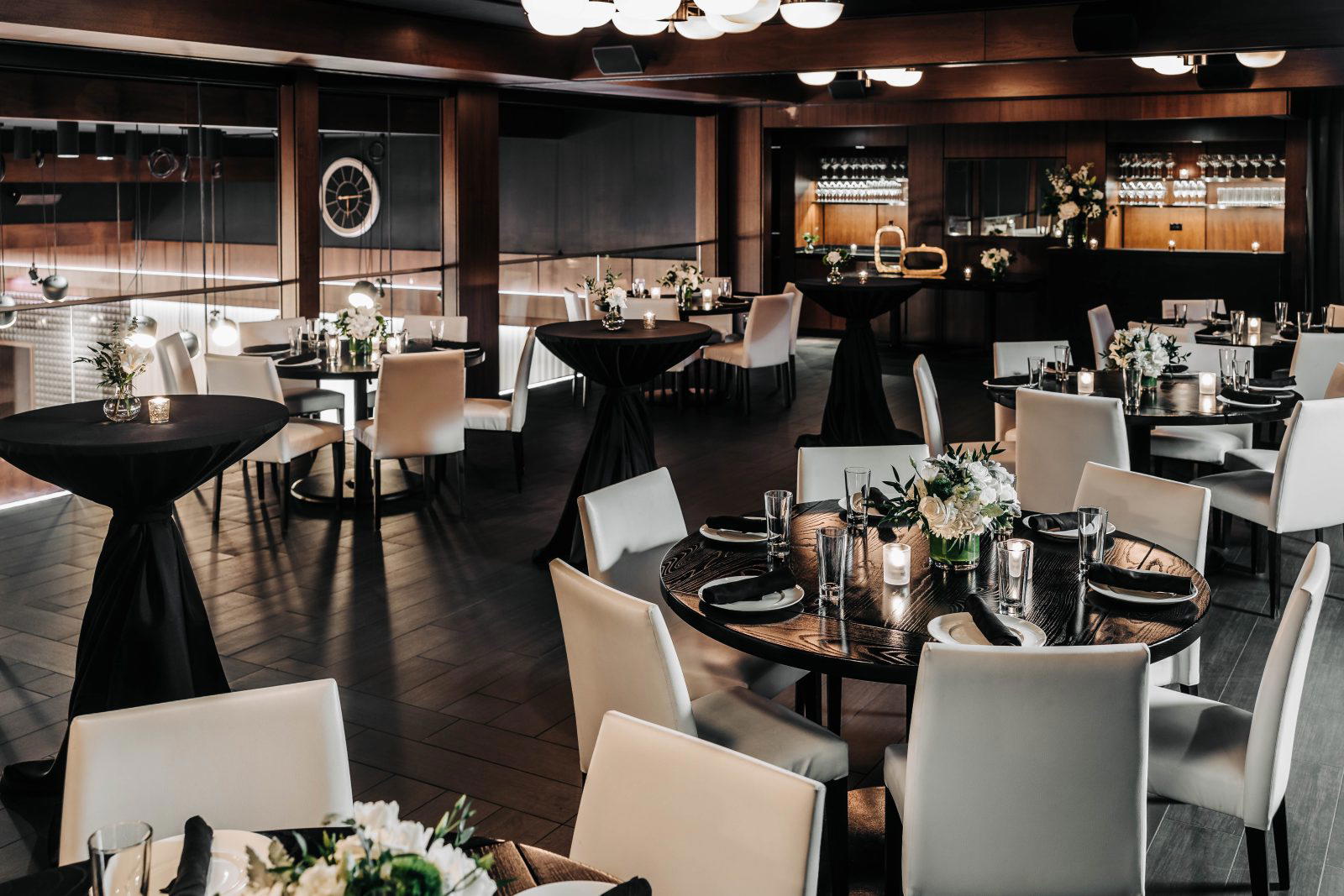
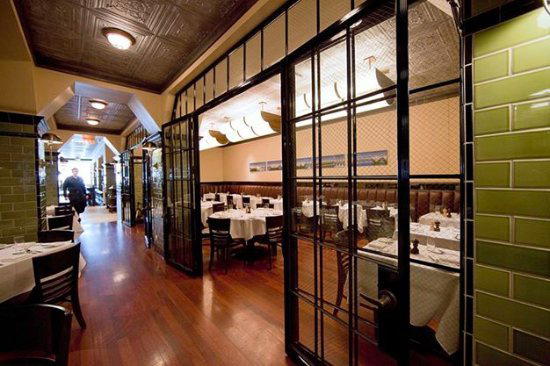
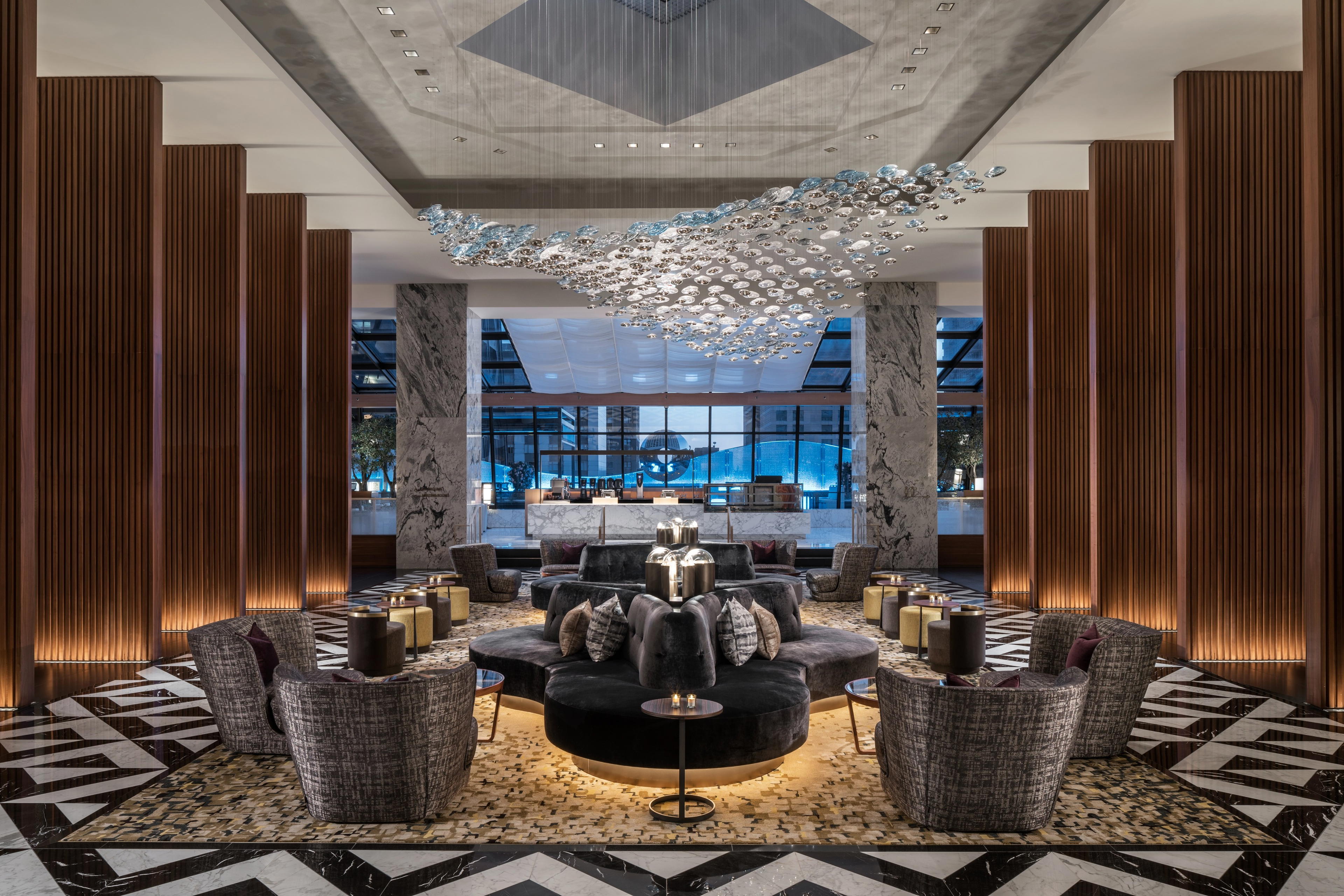
Chic modern lounge with mirrored ceilings and walls mimicking clouds, lounge seating, and sparkling cityscape energy.