Topolobampo



1 Michelin Star · James Beard Award Outstanding Restaurant
Our verdict
Topolobampo holds a Michelin star and a top-500 Opinionated About Dining ranking for its seasonally shifting Mexican menu in Chicago's River North. The kitchen draws on regional Mexican traditions, rotating through cuisines like Pueblan cooking with dishes built around masa, agave spirits, and slow preparations. Open Wednesday through Saturday for dinner, it occupies the upper tier of Chicago's fine-dining set.

Pearl is the En Primeur Club membership app — saves, bookings, and concierge access live there. Same editors, same standards.
- Address
- 445 N Clark St, Chicago, IL 60654
- Phone
- (312) 661-1434
- Hours
- Mon–Tue ClosedWed–Thu 6–11:30 PMFri–Sat 5:30–11:30 PMSun Closed
- Website
- topolochicago.com
- Directions
- Get directions
- Booking
- Book on OpenTable
The menu
What to order
- Oaxaca's seven moles
- Pork in clemole
- Lamb in pumpkin mole
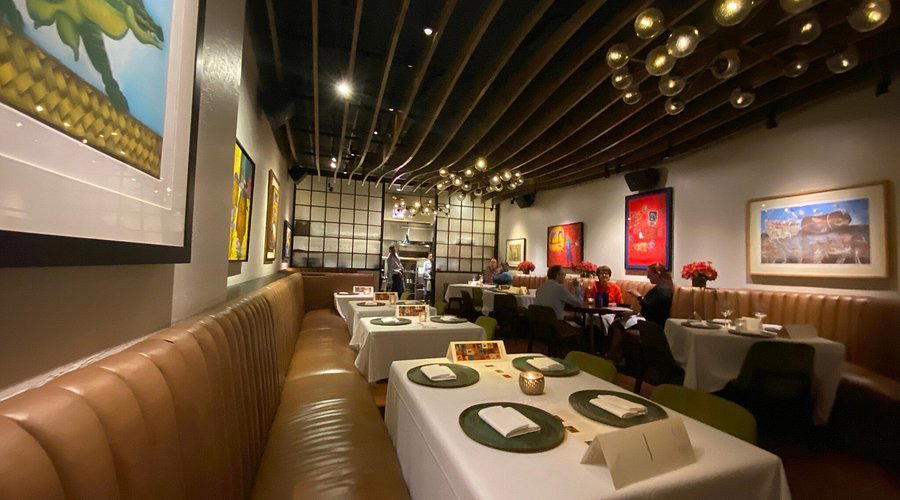
The Room Before the First Course
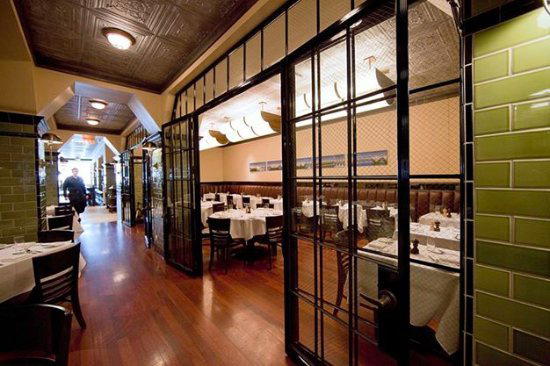
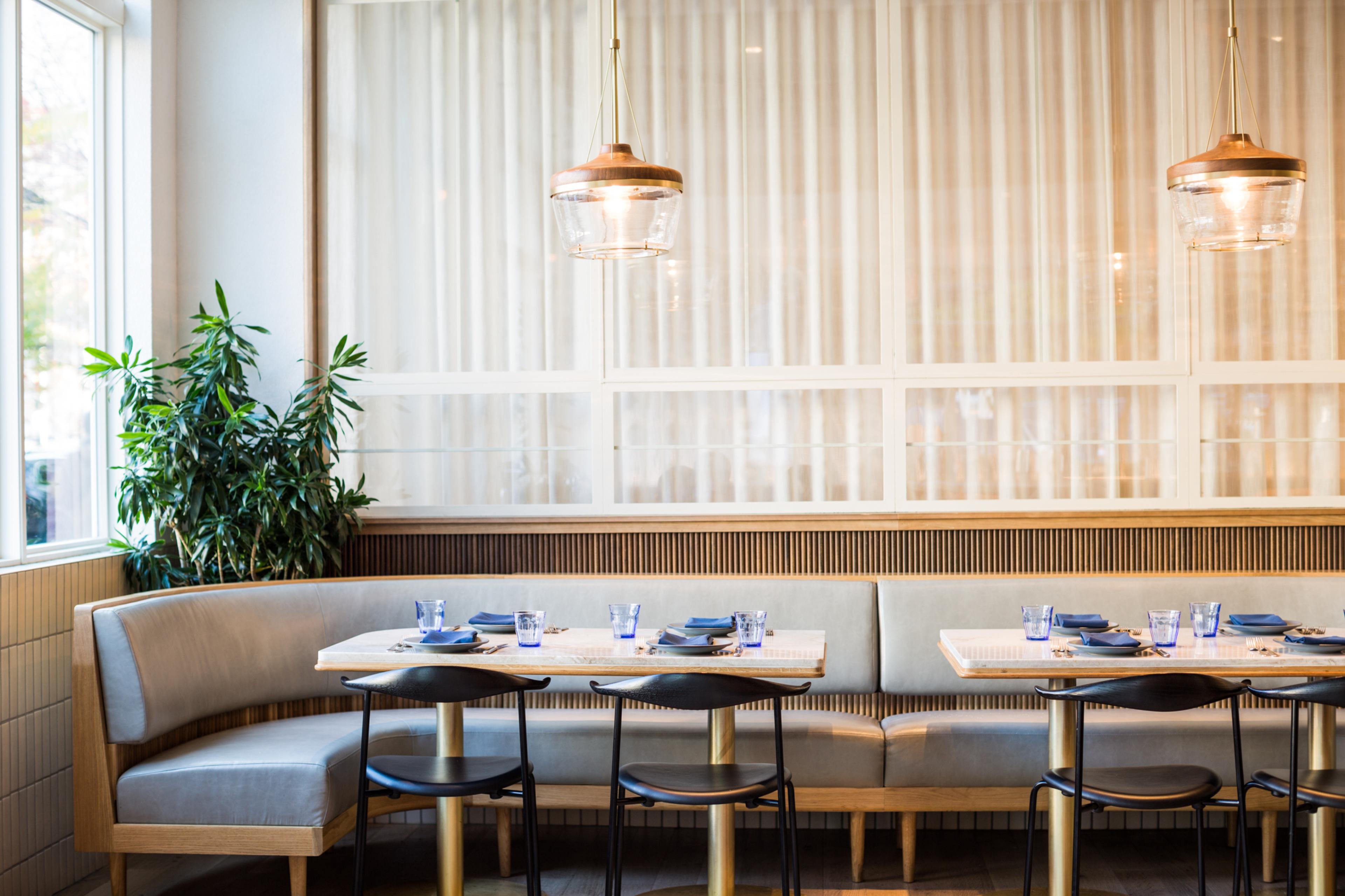
River North has accumulated a dense tier of $$$$-price restaurants over the past two decades, and 445 N Clark Street holds a particular position within that concentration. Topolobampo shares an address with its more casual sibling Frontera Grill, but the two operate as distinct propositions: where Frontera faces the street with energy and volume, Topolobampo's entrance draws you into a quieter, more considered room. The separation is deliberate. Chicago's top-tier occasion restaurants tend to mark themselves through atmosphere before a menu arrives, and Topolobampo does this through compression of space and pace rather than theatrical design.
Chicago's $$$$ dining tier includes progressive American formats at places like Alinea and Smyth, Filipino kaiseki at Kasama, and rotating-concept tasting menus at Next Restaurant. Topolobampo occupies a different position within that peer group: it is the city's most formally decorated Mexican restaurant, holding a Michelin star since 2024 and ranking 313th in Opinionated About Dining's North America list for the same year, rising to 445th in 2025 as the list expanded. The OAD ranking places it inside a reference group that includes some of the continent's most discussed restaurants, a bracket it shares with the likes of Le Bernardin in New York City and Lazy Bear in San Francisco.
What the Menu Is Actually Doing
Mexican fine dining in the United States has long occupied an uncomfortable middle ground, caught between casual-format expectations and the skepticism applied to any regional cuisine attempting formal service and fine-dining pricing. Topolobampo has spent years making the case that Mexican cooking, specifically its regional expressions, carries the depth required for a tasting-menu format. The argument holds up when the kitchen is working through a cuisine as technically intricate as Pueblan: its mole traditions alone represent weeks of preparation in their most careful forms, and the masa work that underlies so much of the region's table is as technically demanding as the pastry programs at comparable European-influenced restaurants.
The menu rotates seasonally, which at this level means the kitchen's reference points shift rather than just the garnishes. An OAD inspection documented a Puebla-focused menu that featured a memela divorciada: an oval of griddled corn masa, half blue, half yellow, filled with black beans, topped with seafood longaniza, and set in two salsas. The same menu included a tamal colado with roasted poblano cream, and slow-roasted salmon dressed with Pueblan green pipian and smoked leeks. These are not approximations of tradition adjusted for accessibility. The seafood longaniza and the pipian are specific regional preparations that require sourcing and technique commitments that most kitchens in this price range would not sustain.
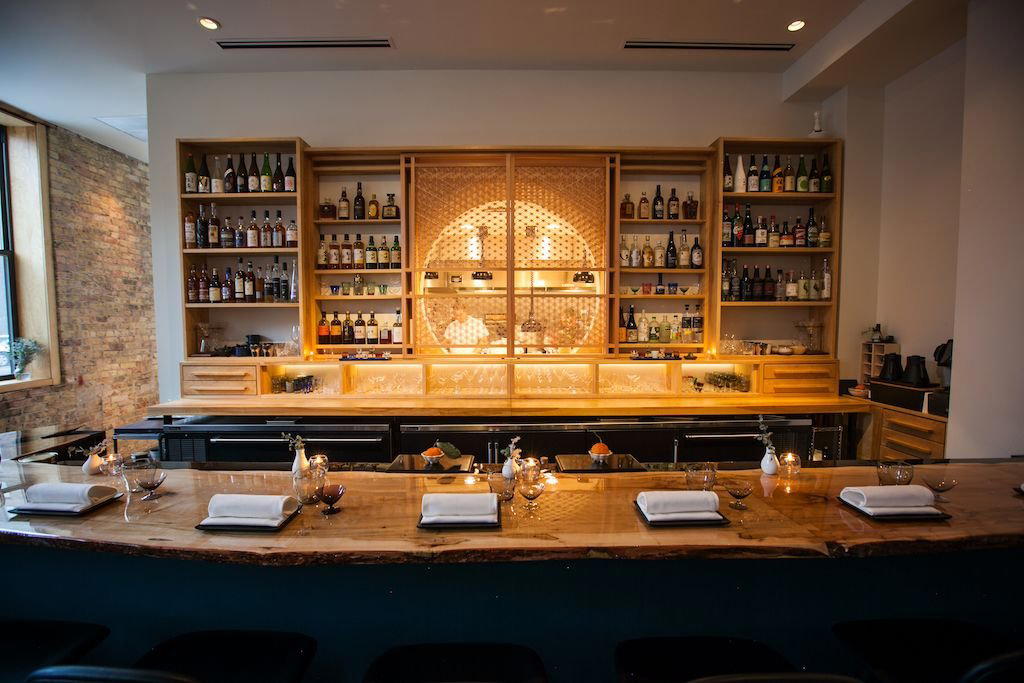
The beverage program is built around agave spirits rather than a conventional wine-led pairing, which is both the correct decision for this cuisine and a reasonably rare one at the Michelin level. Inspectors specifically flagged it as an education in agave and recommended it to accompany the meal. At comparable occasion restaurants, a pairing built around mezcal and sotol rather than Burgundy or Champagne signals a kitchen that understands its own culinary logic rather than defaulting to European fine-dining conventions. For comparison, Pujol in Mexico City has made similar choices with its pairing programs, treating agave as the natural beverage category for serious Mexican cooking.
An Occasion Restaurant in Its Specific Sense
Category of occasion dining matters here because Topolobampo functions as a deliberate choice rather than a casual drop-in. The Wednesday-through-Saturday schedule, the price positioning, and the tasting format all signal a restaurant that expects to be the primary event of an evening rather than one stop among several. Chicago has a number of restaurants in this tier: Lazy Bear and Providence in Los Angeles operate under similar occasion-dining logic on the West Coast, where a single meal functions as a complete cultural event. The French Laundry in Napa and Single Thread Farm in Healdsburg anchor the format in Northern California.
What distinguishes Topolobampo within this occasion-dining tier is the specificity of its cultural project. Celebrating a milestone at a progressive American tasting menu means encountering technique as the organizing principle; celebrating one at Topolobampo means encountering a particular country's culinary history as it shifts through regional cuisines across a calendar year. For guests whose occasion connects to Mexican food personally or culturally, that specificity sharpens the experience in a way that no amount of plating precision at a generalist tasting menu can replicate. For guests coming to it as a culinary discovery, the seasonal rotation means the Puebla menu documented in the OAD inspection may not be what arrives on the table in March or October, which is the point.
Rick Bayless, who has operated in Chicago's Mexican dining conversation for decades, functions here as a credential of continuity rather than as the main subject. The kitchen's sustained Michelin recognition and its OAD trajectory reflect an accumulated body of work across multiple seasonal menus, not a single inspired performance. That kind of institutional credibility matters for occasion dining specifically, where the stakes of the booking are higher than a Tuesday lunch. For context on how Chicago's Mexican dining conversation ranges from this formal tier down through casual registers, Big Star, Birrieria Zaragoza, and Chilam Balam mark different points on that range, as does Cariño, which has established its own critical reputation. Dove's Luncheonette and Alma Fonda Fina in Denver offer useful points of comparison for how Mexican-influenced menus operate at different price points across American cities.
Planning the Visit
Topolobampo operates four evenings per week: Wednesday and Thursday from 6 PM, Friday and Saturday from 5:30 PM, with the restaurant closed Sunday through Tuesday. The limited schedule is consistent with how kitchens at this level manage quality control; the same pattern applies at Emeril's in New Orleans and similar destination-format restaurants. Advance booking is advisable, particularly for weekend dates, which carry the highest demand from occasion-dining traffic.
| Restaurant | Cuisine Format | Price Tier | Michelin | OAD (2025) | Days Open |
|---|---|---|---|---|---|
| Topolobampo | Regional Mexican, seasonal tasting | $$$$ | 1 Star (2024) | #445 | Wed–Sat |
| Alinea | Progressive American | $$$$ | 3 Stars | Listed | Variable |
| Smyth | Progressive American | $$$$ | 2 Stars | Listed | Variable |
| Kasama | Filipino tasting menu | $$$$ | 1 Star | Listed | Variable |
| Next Restaurant | Rotating concept | $$$$ | 1 Star | Listed | Variable |
The address at 445 N Clark St places the restaurant in River North, within walking distance of multiple hotel concentrations. For a full picture of where to stay, eat, drink, and explore around a Topolobampo booking, see our full Chicago hotels guide, our full Chicago bars guide, our full Chicago wineries guide, our full Chicago experiences guide, and our full Chicago restaurants guide.
Frequently asked questions
What's the pricing like at Topolobampo?
Pricing at Topolobampo is listed as $$$$.
Cuisine-First Comparison
A compact comparison to help you place this venue among nearby peers.
| Venue | Cuisine | Price | Awards | Notes |
|---|---|---|---|---|
| TopolobampoThis venue — the venue you are viewing | Refined Regional Mexican | $150–200 | 1 Michelin Star · James Beard Award Outstanding Restaurant | Not listed |
| Alinea | Avant-Garde Molecular Gastronomy | $300–500 | 2 Michelin Stars · World's 50 Best #37 | Progressive American, Creative |
| Smyth | Modern American Tasting Menu | $200–300 | 3 Michelin Stars · World's 50 Best #1 | Progressive American, Contemporary |
| Kasama | Modern Filipino | $30–50 | 2 Michelin Stars · World's 50 Best #31 | Filipino |
| Next Restaurant | Avant-Garde Themed Tasting Menus | Not listed | 1 Michelin Star · We're Smart World 2 Radishes | American Cuisine |
| Boka | Modern American Seasonal Fine Dining | $150–200 | 1 Michelin Star · La Liste Top Restaurants | New American, Contemporary |
Recognition history
Dated appearances from independent guides and award organizations, with the underlying list record or original source where available.
Michelin 1 Star
Michelin
James Beard Award Outstanding Restaurant
James Beard Award
Opinionated About Dining Top Restaurants in North America Highly Recommended
Opinionated About Dining
Full recognition history (8 entries)
Opinionated About Dining Top Restaurants in North America Ranked #445
Opinionated About Dining
Michelin 1 Star
Michelin
Opinionated About Dining Top Restaurants in North America Ranked #313
Opinionated About Dining
Opinionated About Dining Casual in North America Recommended
Opinionated About Dining
James Beard Award Best Chefs
James Beard Award



Topolobampo
The wine
- Wine program
- Exceptional wine program
- Extensive wine list
- Sommelier-led
Details
- Elegant
- Sophisticated
- Intimate
- Classic
- Special Occasion
- Date Night
- Celebration
- Business Dinner
- Private Dining
- Extensive Wine List
- Sommelier Led
- Tasting Menu
- Prix Fixe
- Vegetarian Friendly
- Gluten Free Options
Current opening hours
- Monday
- Closed
- Tuesday
- Closed
- Wednesday
- 6–11:30 PM
- Thursday
- 6–11:30 PM
- Friday
- 5:30–11:30 PM
- Saturday
- 5:30–11:30 PM
- Sunday
- Closed
Hours can change for holidays and private events. Last verified .
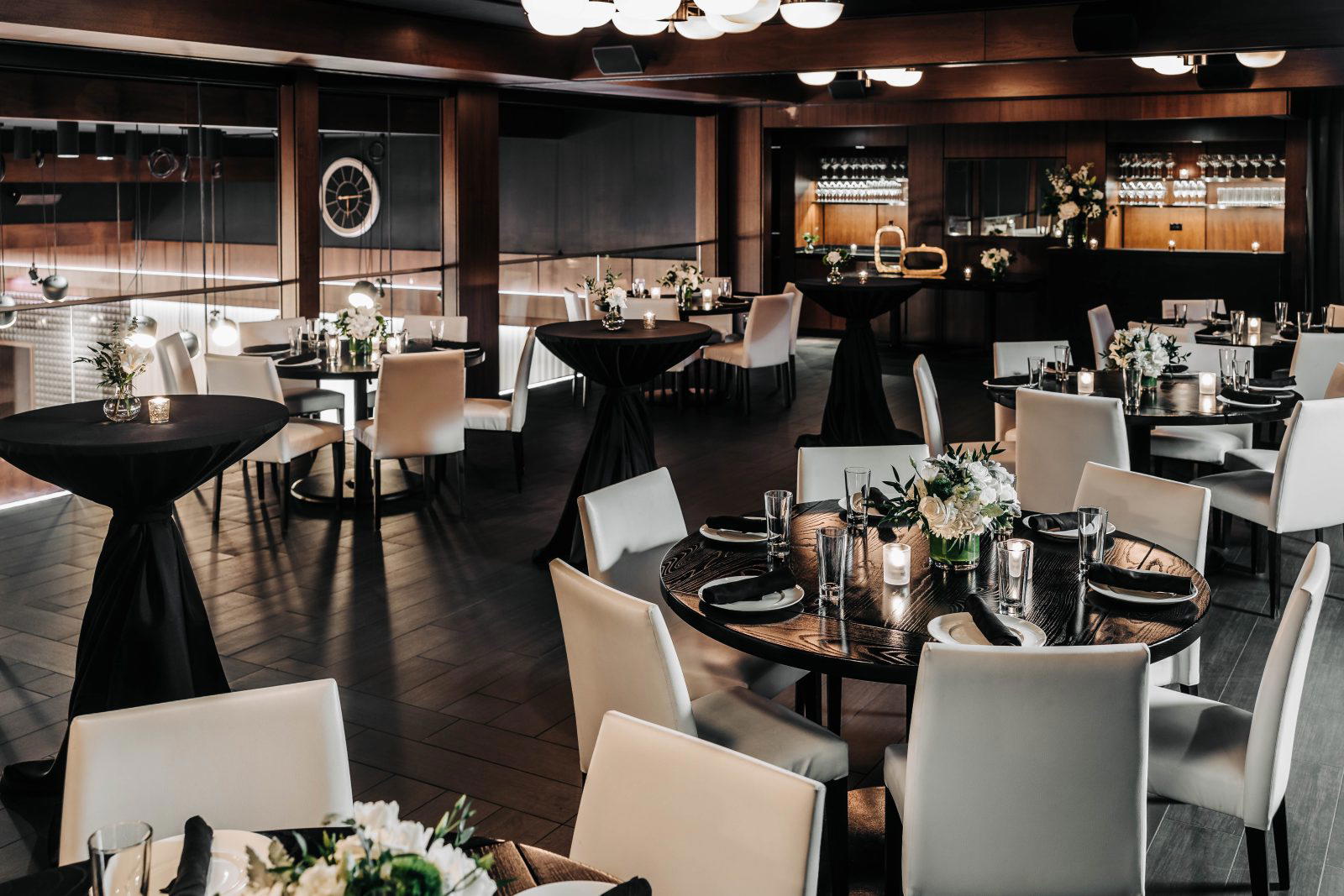
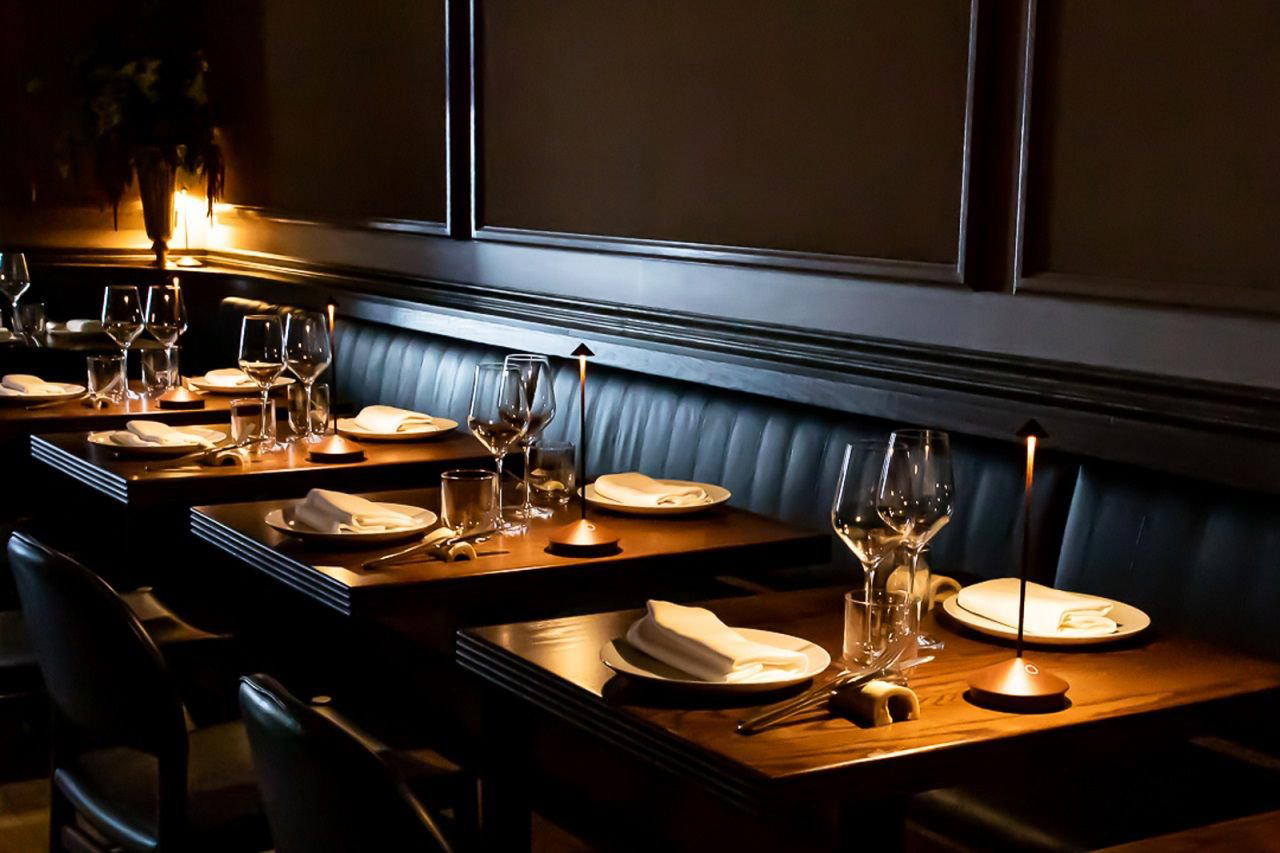
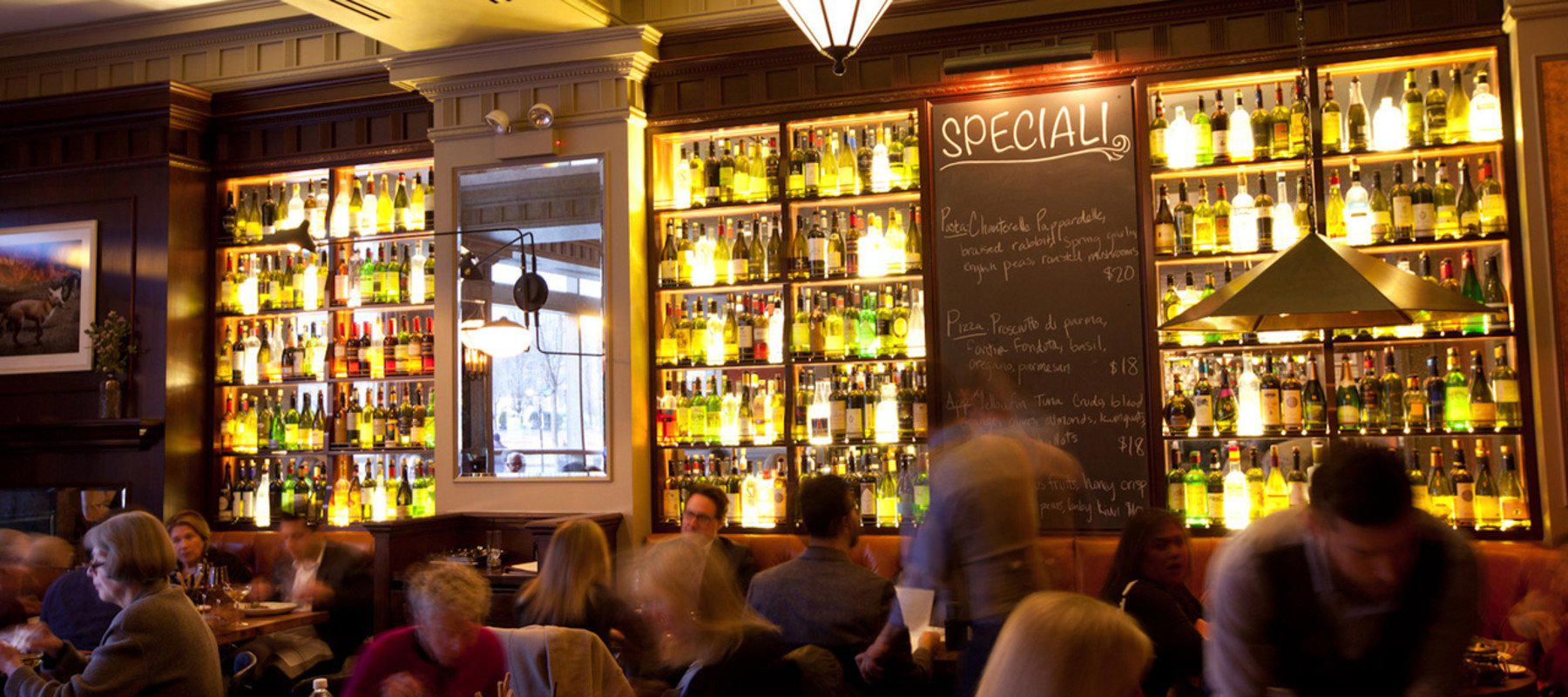
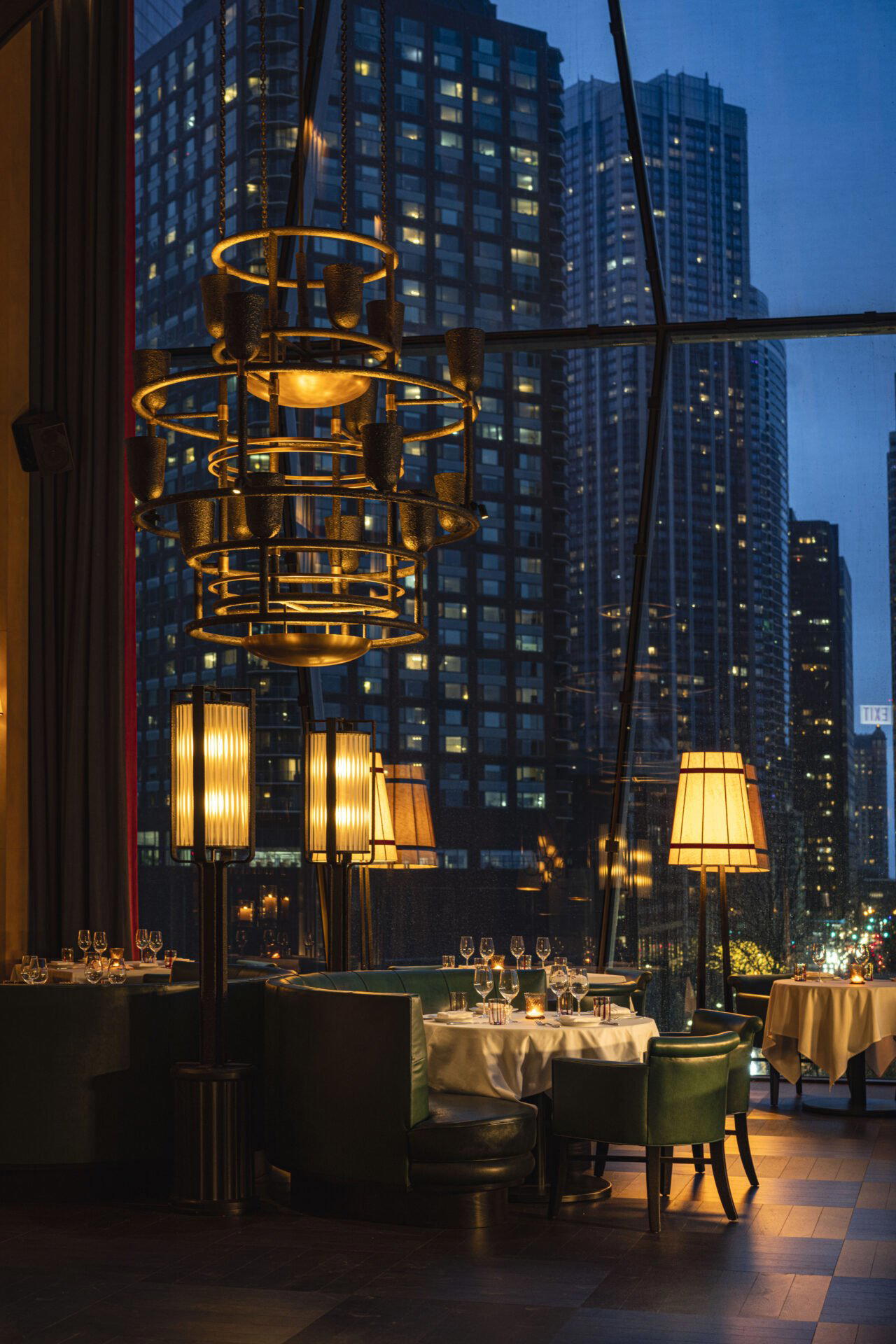
Elegant art-filled interior with warm lighting, sophisticated yet inviting atmosphere.