Situated at Werderscher Markt in Berlin's Mitte district, Foreign Affairs occupies one of the capital's more charged addresses, steps from the Foreign Office building that gives the area its institutional weight. The venue enters a Berlin fine dining conversation already defined by Michelin-recognised ambition, bringing a name that carries diplomatic resonance to a city practiced at reinvention.
Pearl is the En Primeur Club membership app — saves, bookings, and concierge access live there. Same editors, same standards.
- Address
- Werderscher Markt 11, 10117 Berlin, Germany
- Phone
- +49304050461800
- Website
- johnf.arcotel.com
- Directions
- Get directions
 Saves & bookings on Pearl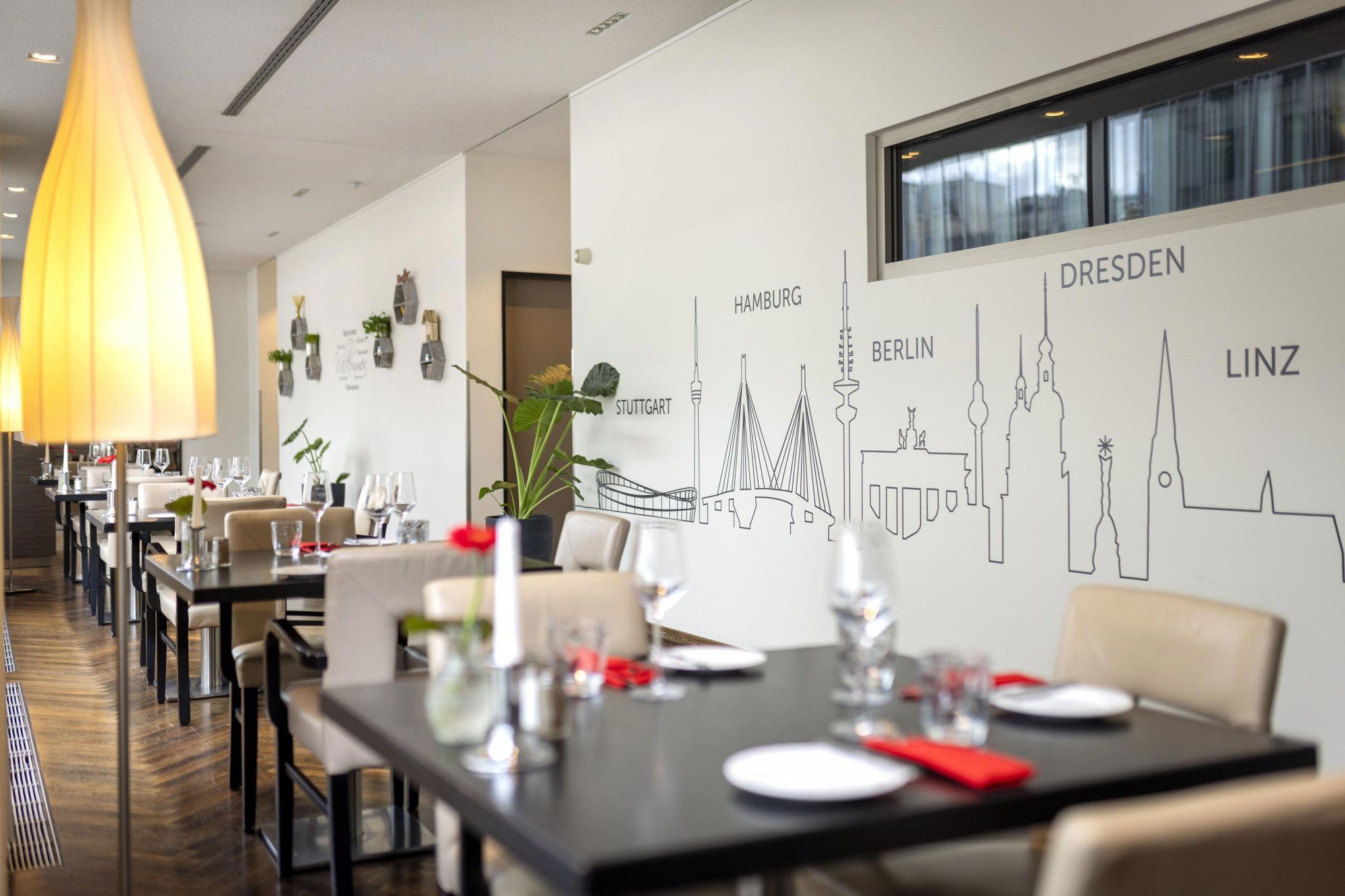
Werderscher Markt and the Weight of Place
Berlin's Mitte district has always carried a particular kind of tension between its administrative seriousness and its appetite for reinvention. Werderscher Markt 11 sits within that tension precisely. The square faces the German Foreign Office, a building whose postwar reconstruction was itself an act of deliberate cultural statement, and the addresses clustered around it tend to attract ventures that understand the value of context.
That relationship between setting and ambition is something Berlin's higher-end dining scene has increasingly learned to work with. Where a decade ago the city's culinary credibility rested almost entirely on its counterculture energy, the current generation of serious restaurants in Mitte and Kreuzberg has developed a more considered approach: the address matters, the room matters, and the context a venue creates around its food matters as much as the plate itself.
Berlin's Fine Dining Register in 2024
To understand where Foreign Affairs sits, it helps to map the broader tier it enters. Berlin's Michelin-recognised restaurants now form a fairly distinct competitive set: Rutz holds two stars and operates a wine-focused modern European program; Nobelhart & Schmutzig runs a rigorous hyper-regional German format that has become a reference point for the category across the German-speaking world; FACIL anchors its contemporary European menu to a garden-atrium setting inside the Mandala Hotel; and Restaurant Tim Raue built its two-star reputation on an Asian-inflected approach that sits outside the mainstream of what German fine dining typically looks like.
At the creative end, CODA Dessert Dining has carved a genuinely singular position by restructuring what a tasting menu can be around a dessert-led format. These are not interchangeable options within a single category. Each has staked out a distinct editorial position within the city's dining identity, and any new entrant in this price tier is implicitly measured against that range of references.
Foreign Affairs, based on its address and name alone, signals a certain kind of seriousness of intent. The Werderscher Markt location places it among venues that understand their surroundings and choose them deliberately.
The Cultural Logic of Diplomatic Naming
In European fine dining, the name a restaurant carries often functions as a compressed statement of its positioning. Foreign Affairs is a phrase that operates in at least two registers simultaneously: the procedural language of international diplomacy, and the more personal idiom of entanglements and complications. Both readings are consistent with a venue that has placed itself beside the German Foreign Office.
This kind of layered naming reflects a broader European tradition in which restaurants at a certain level are expected to have an intellectual or cultural dimension that extends beyond the plate. Germany's three-star circuit, which includes destinations like Schwarzwaldstube in Baiersbronn, Aqua in Wolfsburg, and Victor's Fine Dining by Christian Bau in Perl, has historically concentrated outside Berlin. The capital's dining culture developed differently, shaped by reunification economics and a long period in which affordability and accessibility were more culturally valued than exclusivity.
That dynamic has shifted. Venues like Vendôme in Bergisch Gladbach, ES:SENZ in Grassau, Schanz in Piesport, and Waldhotel Sonnora in Dreis demonstrate that Germany's most technically accomplished fine dining has often found its home in smaller cities or rural resort settings, where the cost base and the clientele allow for a certain kind of focused ambition. Berlin, for all its size and cultural magnetism, has only recently begun to close that gap, and each new serious entrant at Werderscher Markt or along the Spree contributes to that shift.
What Foreign Affairs Signals for the Neighbourhood
The area around Werderscher Markt is not a conventional dining district. It draws foot traffic from government workers, tourists visiting the Berliner Dom and Museum Island, and the particular kind of visitor who arrives in Berlin with an interest in the city's layered history rather than its nightlife. A venue at this address is making a calculated bet on that audience, and on the longer arc of Mitte's identity as the city's institutional and cultural centre.
This is a different proposition from the venues concentrated in Kreuzberg or Prenzlauer Berg, where the dining energy is looser and more experimental. The Michelin-tier restaurants of central Mitte tend to operate with more formal room registers, wine programs that lean toward established European regions, and a clientele that includes a higher proportion of business and international visitors. Restaurant Haerlin in Hamburg offers a useful comparison point: a formally positioned room in a heritage setting, drawing an audience that expects a certain ceremonial approach to the meal.
For the reader deciding between Berlin's serious options, location carries more information than it might initially appear to. A restaurant at Werderscher Markt is not competing for the same evening as one in Bergmannstrasse or on Boxhagener Platz. The experiences exist in different registers of the city entirely.
Germany's Fine Dining Geography and Berlin's Place in It
Placing the restaurant in its full national context requires acknowledging that Germany's serious restaurant culture is geographically distributed in a way that has no direct parallel in France or the UK. JAN in Munich represents a southern European-influenced fine dining approach shaped by proximity to Austria and Italy; Bagatelle in Trier operates close to the Luxembourg and French borders, where culinary influences cross freely. Berlin sits at a different kind of crossroads, one shaped by its Cold War division, its central European geography, and its ongoing function as a city that absorbs and processes outside influence.
The cuisine traditions that make most sense in this context are ones that can engage with that plurality: modern European formats that draw on German technique without being confined by regional specificity, or international approaches that acknowledge Berlin's cosmopolitan identity. Internationally, the contrast is instructive: Le Bernardin in New York City built a durable identity around rigorous focus on a single ingredient category; Lazy Bear in San Francisco defined itself through a communal format that reframed the relationship between kitchen and guest. Both represent the kind of editorial clarity that particularly discussed restaurants in any city eventually develop. Berlin's current fine dining generation is still in the process of finding those defining positions, and the restaurant, at its address on Werderscher Markt, is part of that process.
Planning a Visit
The venue's authentic Austrian cuisine, recommended reservations, and daily hours from 12 to 10 PM make advance planning direct. The table below provides orientation against comparable Berlin venues in the €€€€ tier.
| Venue | Area | Format | Price Tier | Booking Lead Time |
|---|---|---|---|---|
| The restaurant | Mitte (Werderscher Markt) | To be confirmed | To be confirmed | Verify directly |
| Rutz | Mitte | Tasting menu, wine focus | €€€€ | 4-8 weeks typical |
| Nobelhart & Schmutzig | Kreuzberg | Counter, hyper-regional | €€€€ | 6-10 weeks typical |
| FACIL | Tiergarten | Tasting menu, garden setting | €€€€ | 3-6 weeks typical |
| CODA Dessert Dining | Neukölln | Dessert-led tasting menu | €€€€ | 4-8 weeks typical |
In Context: Similar Options
Comparable venues nearby, for context on price, style, and recognition.
| Venue | Cuisine | Price | Notes |
|---|---|---|---|
| FOREIGN AFFAIRSThis venue — the venue you are viewing | Authentic Austrian | $$$ | Not listed |
| Gärtnerei | Modern German-Austrian Gastropub | $$$ | Mitte |
| Grosz | Classic German/French Brasserie | $$$ | Charlottenburg |
| HOLIs | Traditional German Home Cooking | $$$ | Rummelsburg |
| DAS KÖSTLICH-Berlin Charlottenburg | Modern German | $$$ | Charlottenburg |
| Jasper's Mitte | Austrian & Bavarian Schnitzel House | $$$ | Scheunenviertel |
Continue exploring
More in Berlin
Restaurants in Berlin
Browse all →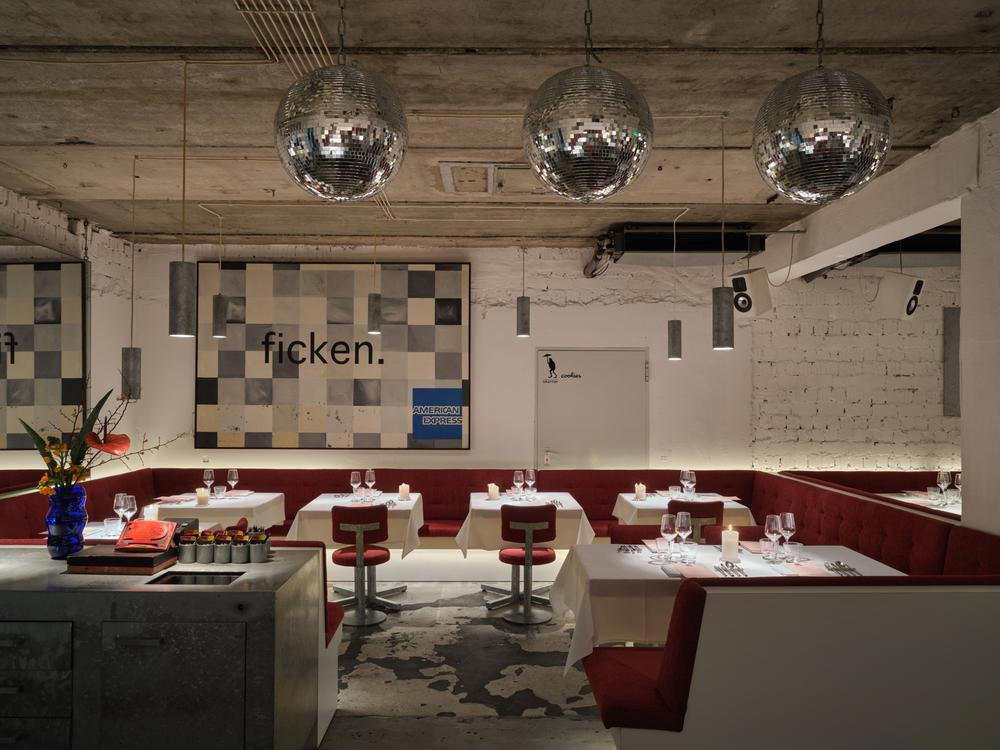
Bars in Berlin
Browse all →
Hotels in Berlin
Browse all →

At a Glance
- Elegant
- Sophisticated
- Date Night
- Special Occasion
- Standalone
Current opening hours
- Monday
- 12–10 PM
- Tuesday
- 12–10 PM
- Wednesday
- 12–10 PM
- Thursday
- 12–10 PM
- Friday
- 12–10 PM
- Saturday
- 12–10 PM
- Sunday
- 12–10 PM
Hours can change for holidays and private events. Last verified .
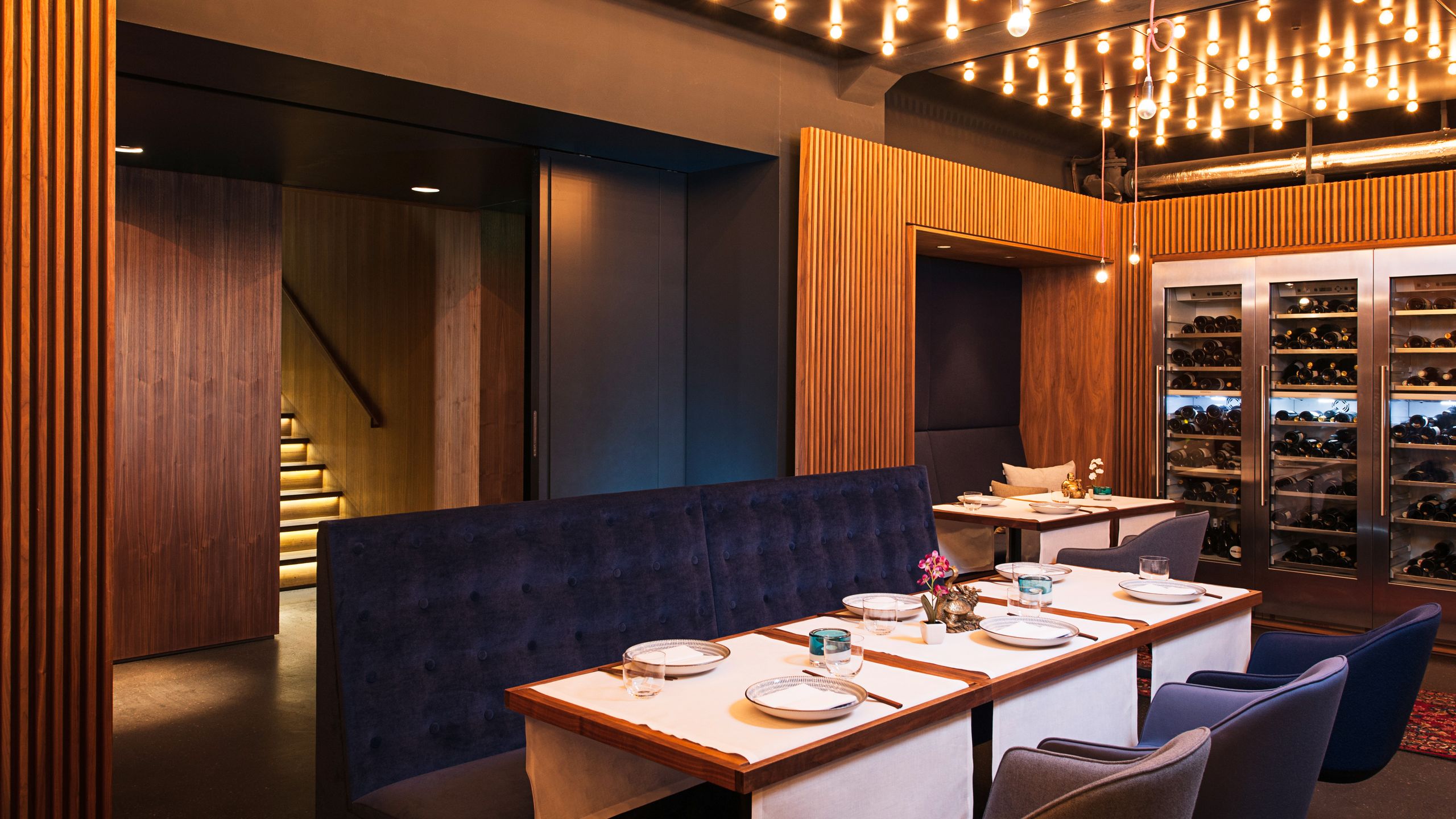
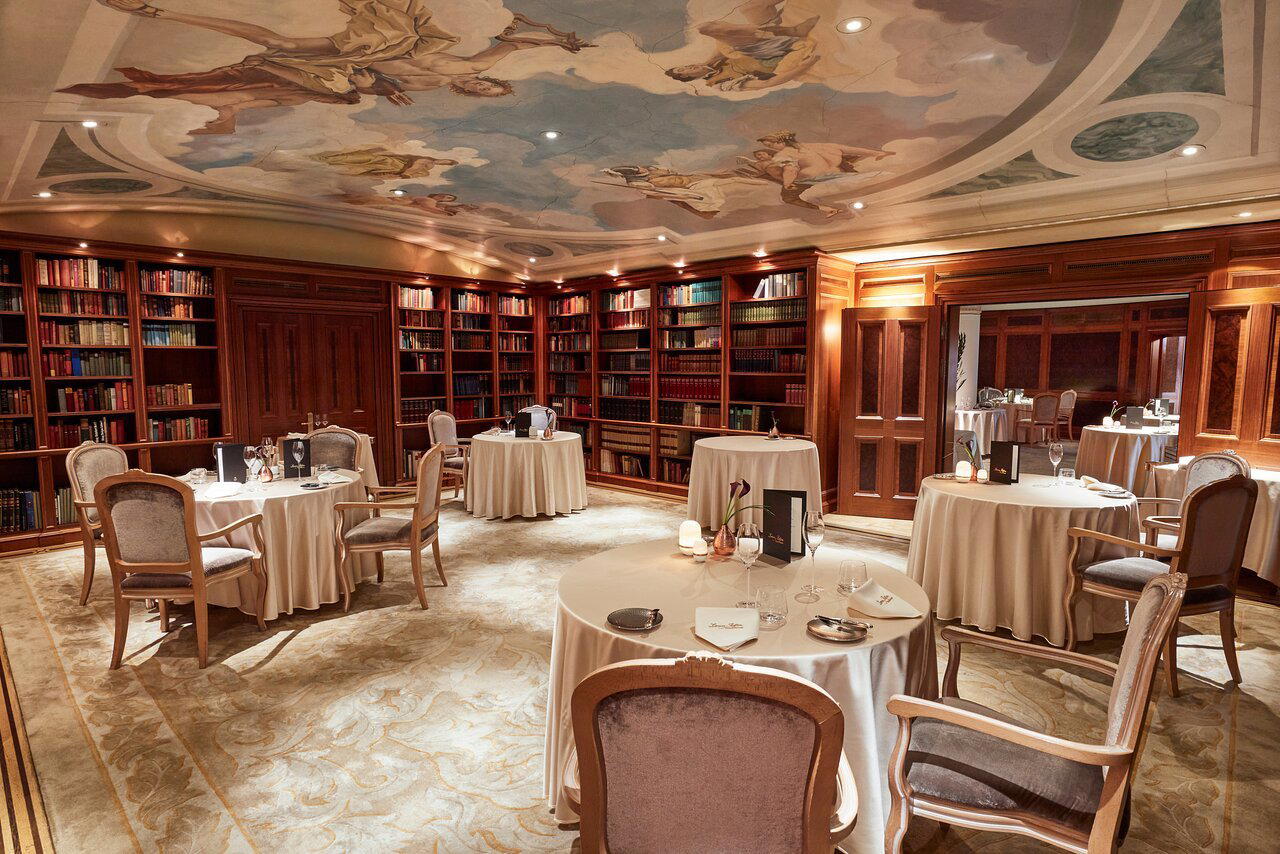
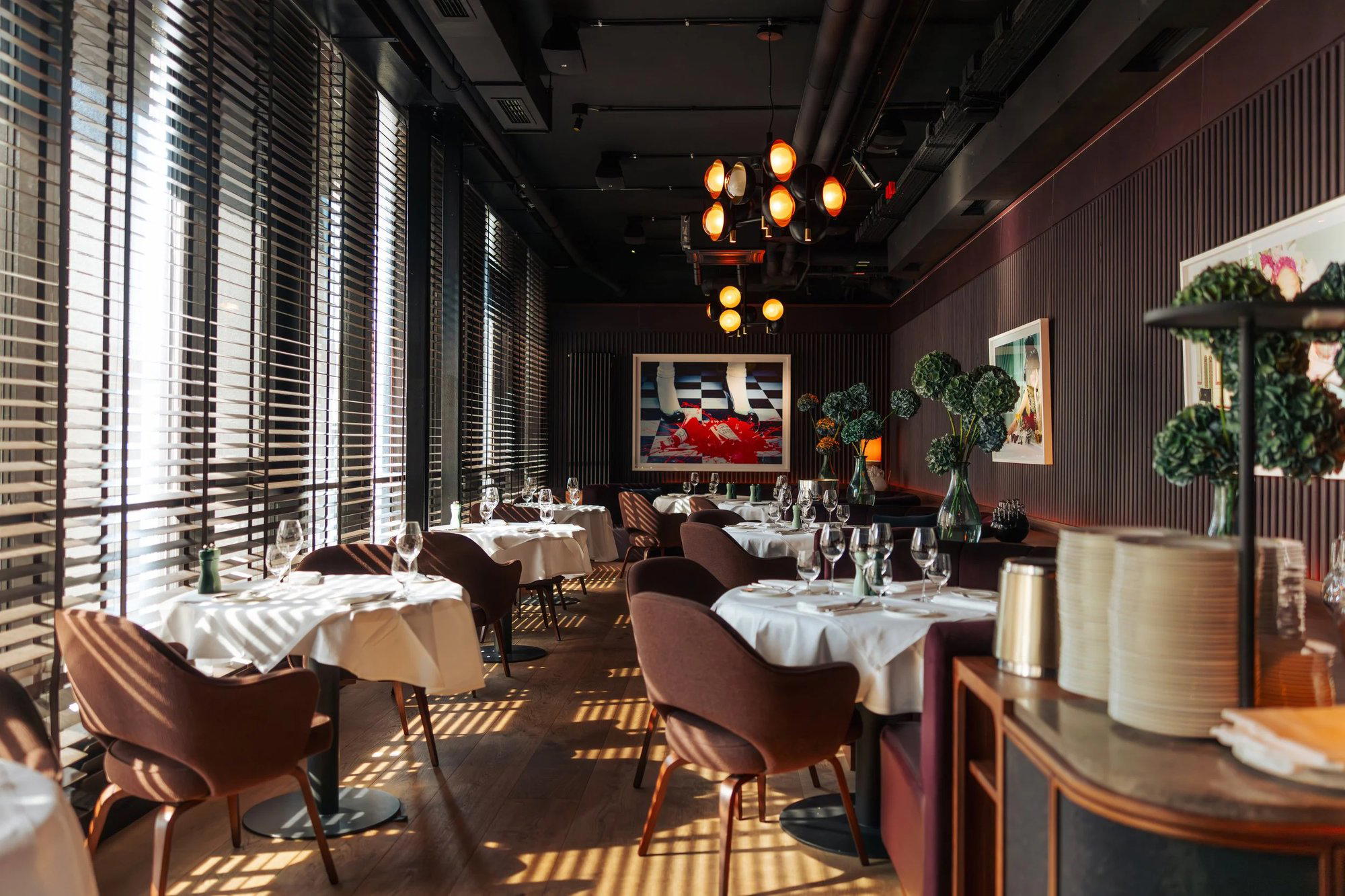
Stylish and elegant atmosphere offering a memorable dining experience.