
Kyoto’s bakery culture rewards early, deliberate stops rather than long tasting menus, and fiveran fits that rhythm with a Bread and Cafe format in Nakagyo-ku. Its Tabelog 100 Bread selections in 2019, 2020, and 2022 place it in the Kansai bakery conversation, while the compact seating and casual price tier make it a sharper daytime choice than a formal restaurant detour.
Pearl is the En Primeur Club membership app — saves, bookings, and concierge access live there. Same editors, same standards.
- Address
- 京都府京都市中京区役行者町377
- Phone
- +81752125696
- Website
- fiveran.jp
 Saves & bookings on Pearl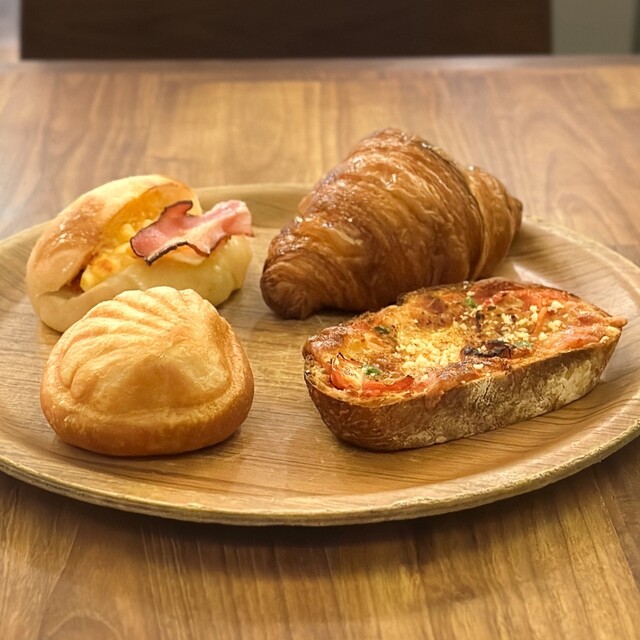
Approaching a Kyoto bakery in the central grid brings a different anticipation from entering a kaiseki room. The cues are smaller: a short queue, trays moving hand to hand, the quick calculation of what will survive a hotel-room breakfast and what must be eaten before the next temple or train. fiveran belongs to Kyoto’s compact, high-frequency eating style, where the meal unfolds by sequence rather than courses: savoury choice, sweet counterpoint, coffee, then a second purchase for later because the city rewards planning.
That progression matters in Kyoto. The city is often framed through ceremony, but its everyday food culture is just as disciplined: kissaten breakfasts, wagashi counters, tofu lunches, department-store depachika runs, and bakery stops timed around walking routes. Bread is not a side category. Japanese bakery culture folds French technique, local snacking habits, and commuter pragmatism into places that serve as breakfast room, light lunch, edible souvenir shop, and neighbourhood routine at once.
A bakery meal built as a small tasting progression
Read this address not as a single purchase but as a short-form tasting. The bakery-cafe format lets the meal move in stages without full-restaurant ceremony: something structured first, something softer or sweeter second, and a drink to reset the pace. That suits travellers eating across Kyoto in fragments rather than committing every day to a reservation-led lunch.
The recognition gives the category weight. fiveran was selected for Tabelog 100 Bread in 2019, Tabelog 100 Bread WEST in 2020, and Tabelog 100 Bread WEST in 2022. In a city where critical attention often clusters around counters and tasting menus, repeated bread-category selection signals a different seriousness: consistency in a daily-use format, not theatre. It also places the bakery in a competitive set separate from high-spend Kyoto dining. ORTO occupies an innovative restaurant bracket with a much higher tasting-menu economy, while Annee and Solono sit closer to the same casual bakery-cafe spend band. The contrast helps itinerary design: this is the stop that supports a day of eating, not the stop that consumes it.
Kyoto’s central neighbourhoods sharpen that distinction. Karasuma Oike and the surrounding Nakagyo-ku grid are practical rather than postcard-like, with offices, shops, hotels, subway access, and enough residential traffic to keep daytime food businesses honest. A bakery here has to work for locals as much as visitors, a harder test than tourist charm, because repeat customers punish inconsistency faster than guidebook readers do.
Where it fits in a Kyoto eating day
In a city dense with formal meals, fiveran is strongest as a calibration point. It structures the morning or early afternoon without using the appetite needed for a later counter meal, especially on days that include sushi, wagashi, or dinner built around seasonal Japanese cooking. A light bakery stop makes the itinerary smarter: less convenience-store grazing, fewer rushed meals, and a clearer sense of how Kyoto eats outside the reservation economy.
The seating count reinforces the point. With 19 seats, including table and counter seating, the room sits between grab-and-go bakery and full cafe. That hybrid format is common in Japan’s stronger bread shops, where the counter is not merely decorative; it lets solo diners treat the visit as a compact meal rather than a shopping errand. The no-smoking policy also fits contemporary Japanese bakery-cafe expectations, especially for visitors using the stop as a calm pause between neighbourhoods.
There is no chef biography to lean on here, and that is not a weakness. Bakery culture rarely benefits from heroic storytelling. The evidence is in repeat selection, format discipline, and fit with surrounding rhythms. Kyoto already has enough meals where the chef’s lineage becomes the narrative; this category is better judged by reliability, pacing, and whether it earns a slot in a day packed with stronger claims on time.
For travellers mapping the wider city, keep comparisons functional. Use Our full Kyoto restaurants guide for restaurant-led days, then slot bakery stops around transit and hotel location. Nearby or citywide alternatives push the itinerary differently: 3TOKU6MI Shijo karasuma ten reads more like a central Kyoto dining stop, 551蓬莱 is built for another casual craving, [ki:] and Abbesses move the day toward more composed restaurant territory, and Aburi Mochi Honke Nemoto Kazariya keeps the focus on Kyoto’s older snack traditions.
Planning the wider Kyoto day around a bakery stop
A bakery-cafe is also a logistics tool. Kyoto hotels often sit close to transit, but breakfast quality varies, and formal Japanese breakfasts can set a slow tempo. A central bread stop gives the day more control, especially before museum time, shopping around Karasuma, or moving north toward temple districts. It also leaves space for the city’s evening strengths, from sake bars to counter dining.
That is where cross-category planning helps. Pair restaurant decisions with Our full Kyoto hotels guide, then use Our full Kyoto bars guide for the nightcap layer. Treat Our full Kyoto wineries guide and Our full Kyoto experiences guide as planning tools, not afterthoughts, because Kyoto punishes overstuffed schedules. The smarter day has one formal anchor, one casual anchor, and enough margin for walking.
Travellers continuing through Japan can use the same logic elsewhere: compare casual formats and price tiers rather than chasing a single genre. -Grilled beef Sukiyaki- KAMAKURA TANUKIAN 鎌倉 たぬき庵 in Kamakura. 鮪と炭火焼き うお炭 秋葉原店 in Tokyo.cafe in Osaka.know in Kumamoto, (Shoku) Vietnam in Kawasaki, and [Curry Senmon Ten] Maruyama Kyoju. in Sapporo all serve different itinerary roles. For readers crossing the Pacific, Jōdo Saké Bar in Los Angeles and Onigiri Time in Pasadena show how Japanese casual formats translate abroad, though Kyoto’s bakery rhythm remains tied to the city’s walking pace.
The editorial case for fiveran is narrow and persuasive: repeated bread-category recognition, a central Kyoto setting, and a format that turns a quick bakery stop into a measured sequence. It is not trying to compete with the city’s formal dining rooms. It gives the day shape between them.
Snapshot
Comparable venues for context, by category and price tier.
| Venue | Cuisine | Price | Notes |
|---|---|---|---|
| fiveranThis venue — the venue you are viewing | Kyoto bakery & café | $ | Not listed |
| BLUE FIR TREE | Cafe / Pancake | $ | Higashiyama |
| Radio Bagel | Bagel shop & sandwiches | $ | Kita |
| CLAMP COFFEE SARASA | Specialty coffee & toast café | $ | Nakagyō |
| maison de frouge | Strawberry specialty café & patisserie | $ | Nakagyō |
| coneruya | Artisanal Japanese Bakery & Cafe | $ | Nakagyō |
Recognition history
Dated appearances from independent guides and award organizations, with the underlying list record or original source where available.
Tabelog 100 #43 · No. 43
Tabelog · Tabelog 100 - Bread - WEST - 2022
Continue exploring
More in Kyoto
Restaurants in Kyoto
Browse all →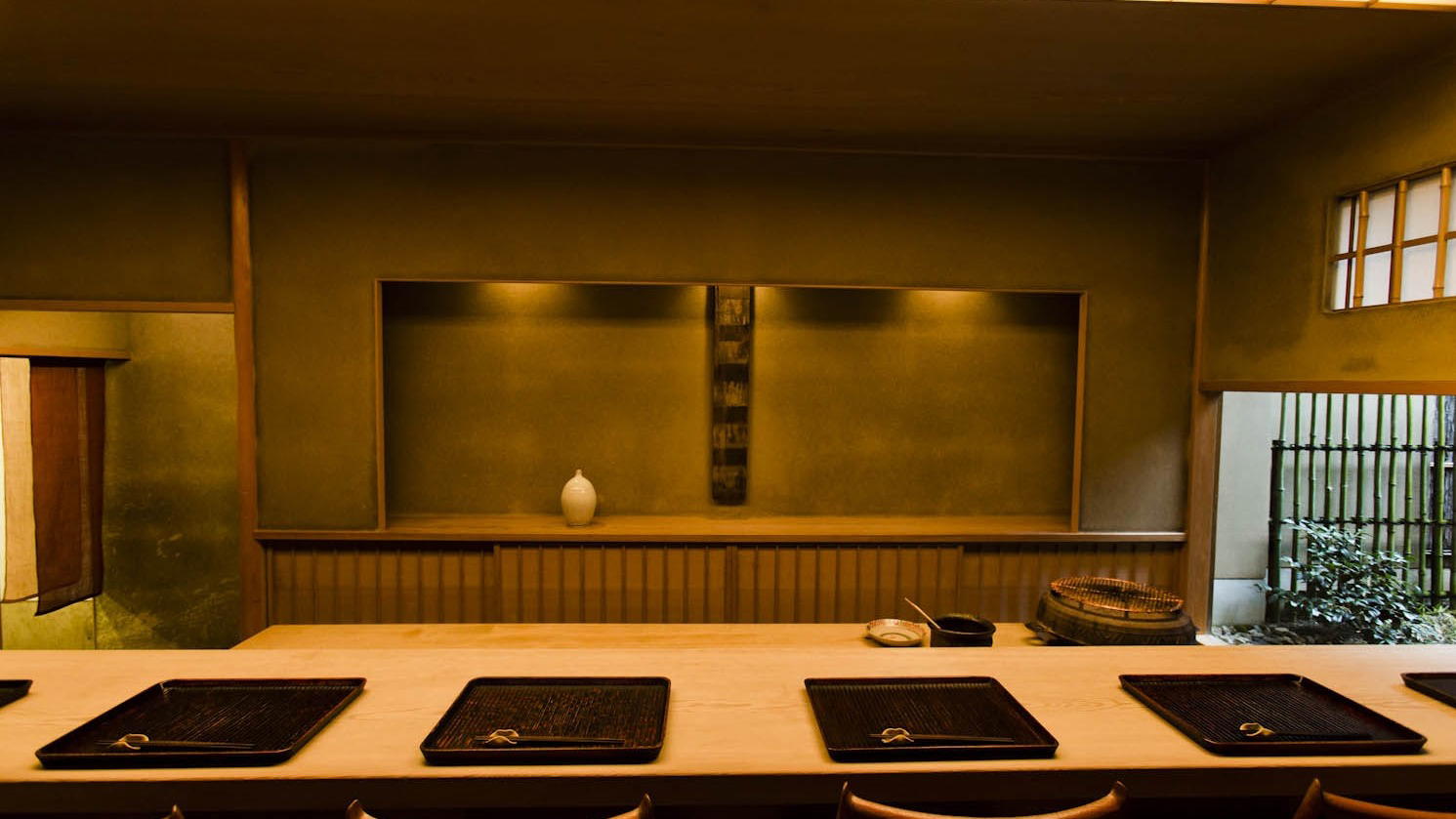
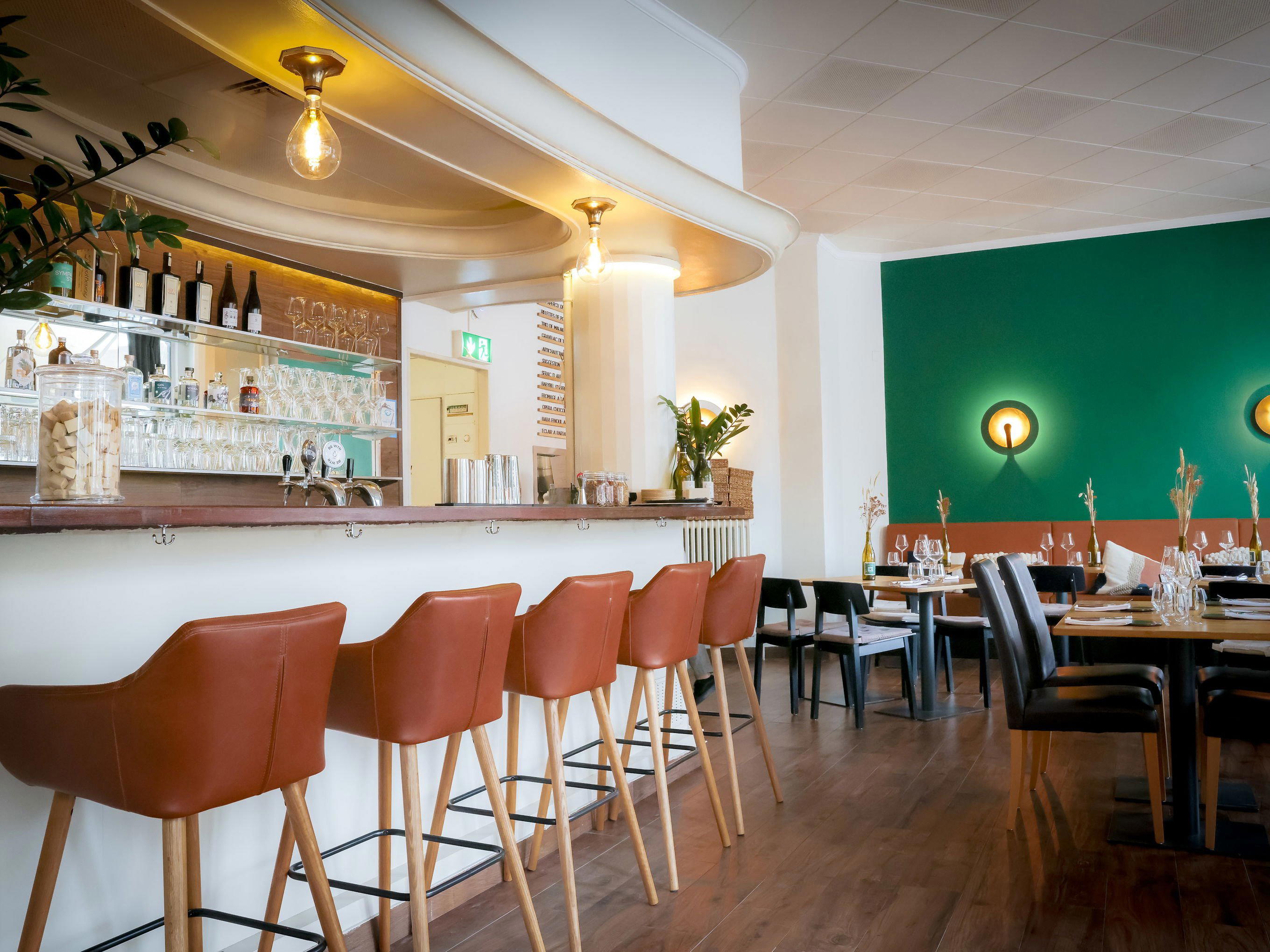
Bars in Kyoto
Browse all →

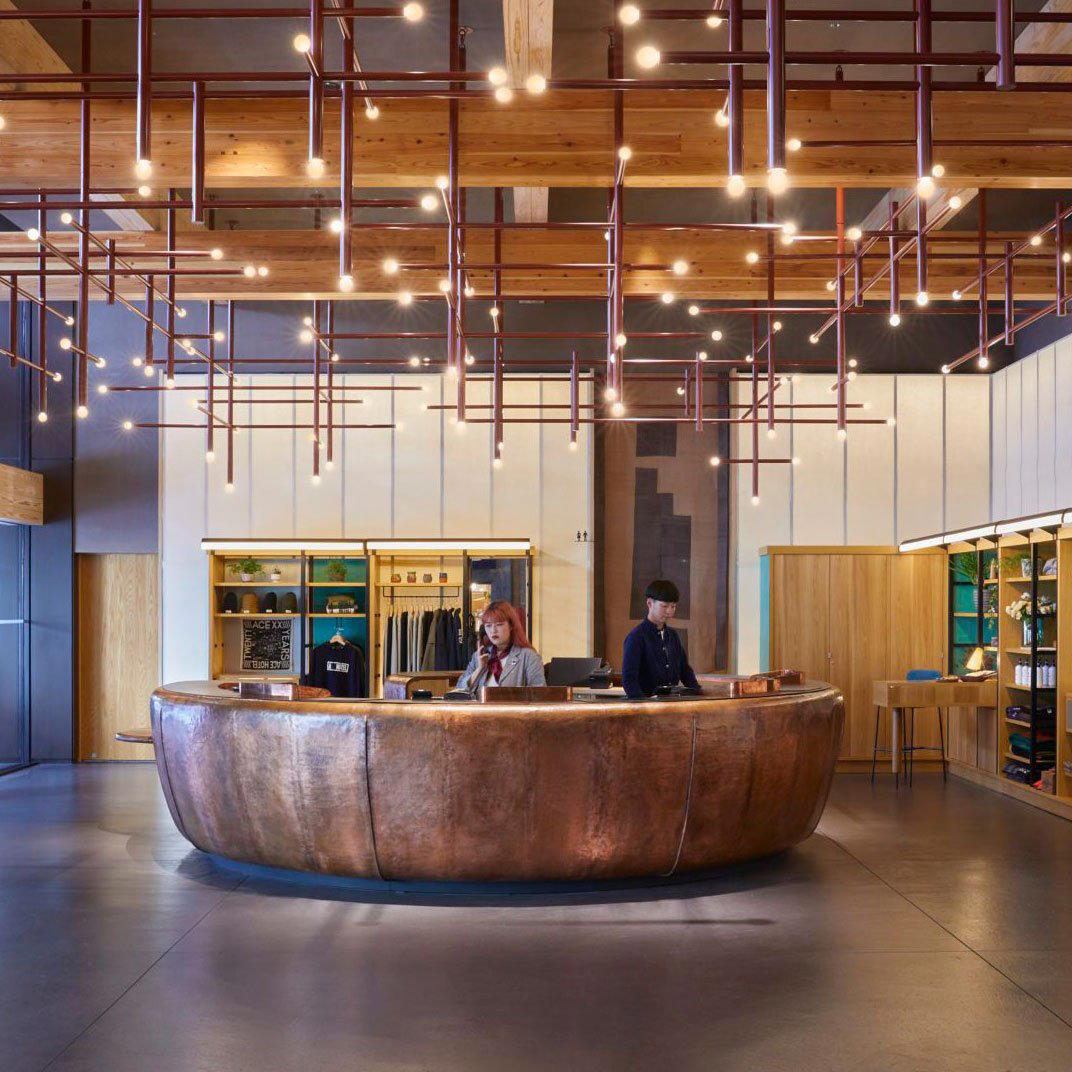
Hotels in Kyoto
Browse all →

Wineries in Kyoto
Browse all →
At a Glance
- Cozy
- Trendy
- Solo
- Casual Hangout
- Standalone
- Design Destination
- Local Sourcing
Casual and cozy bakery-café with a stylish but relaxed atmosphere, counter and table seating, and a steady flow of customers picking up bread or enjoying light meals.