
Kyoto’s bread culture sits apart from the city’s formal kaiseki image, and coneruya belongs to that everyday side of Nakagyo-ku. The bakery’s Tabelog Bread WEST 100 selections in 2020 and 2022 place it among Kansai’s closely watched bread addresses, with a low-price format that makes it more morning errand than special-occasion dining.
Pearl is the En Primeur Club membership app — saves, bookings, and concierge access live there. Same editors, same standards.
- Address
- 京都府京都市中京区聚楽廻西町71-2
- Phone
- +81758229342
- Website
- coneruya.com
 Saves & bookings on Pearl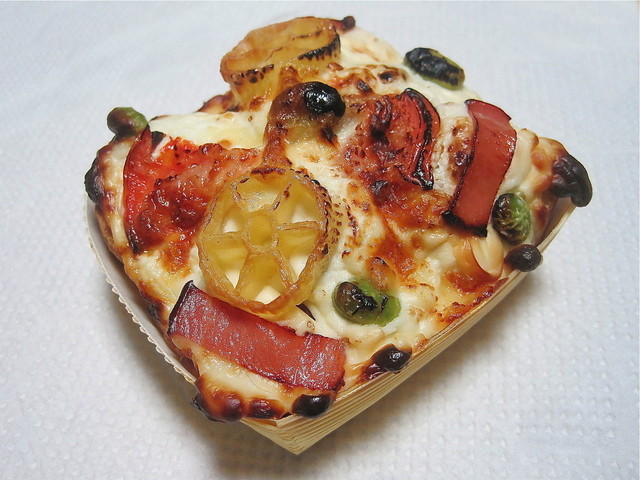
Approaching the Nijo side of Nakagyo-ku, Kyoto changes register. The temple-and-teahouse image gives way to apartment blocks, school routes, local shopping streets, and residents buying breakfast before work. Here, coneruya reads less like a destination restaurant than a neighbourhood bread stop with a strong reputation signal: selection for Tabelog Bread WEST 100 in both 2020 and 2022.
That distinction matters because bread is serious in Kyoto, shaped by kissaten breakfasts, department-store basement counters, French-influenced patisserie, and independent shops serving residents before tourists move. coneruya sits in the quieter part of that ecosystem. It is not competing with formal Kyoto dining rooms such as La Biographie··· or Mitsuyasu; it belongs to the lower-priced, daily-use tier where repeat local traffic and consistency matter more than ceremony.
Nijo's everyday bakery culture, not Kyoto theatre
Kyoto visitors often over-index on set-piece meals: counter kappo, kaiseki rooms, temple-adjacent sweets, and reservation-led dining. Nijo offers another reading of the city: central without performing centrality, close to transit and historic sites, yet residential enough that morning commerce still feels local. A bakery in this part of Nakagyo-ku must satisfy regular patterns, not sightseeing fantasy.
coneruya’s spread, bread, sandwich, and bagel, puts it in a practical lane. Kyoto’s stronger bakeries often work as hybrid breakfast stop, lunch provisioner, and take-home counter rather than cafés designed for lingering. The point is selection, turnover, and casual pricing, not elaborate service. With spending listed under JPY 999 for both lunch and dinner, this is a low-commitment address in a city where serious dining quickly reaches four- and five-figure yen territory.
The Tabelog Bread WEST 100 selection is the shop’s strongest public credential. Hyakumeiten lists are not Michelin stars and should not be read as the same kind of verdict. They do, however, map category specialists across Japan. For bread, especially in Kansai, that signal helps separate a routine bakery from one that has earned broader attention among diners who track craft categories as seriously as sushi counters or French tasting menus.
Where coneruya fits among Kyoto's serious casual stops
The useful comparison is not with Kyoto’s formal restaurants but with small-format specialists. Aburi mochi shops, gyoza counters, curry rooms, bakeries, and sandwich shops can define a Kyoto day as clearly as a long dinner. A visitor using Our full Kyoto restaurants guide should treat coneruya as part of that casual architecture: a breakfast or daytime provision stop, not the anchor meal of an evening.
That also clarifies expectations. Kyoto’s premium dining scene rewards planning and patience; casual food rewards timing and neighbourhood awareness. The bakery format works before a Nijo Castle visit, between hotel checkout and train movement, or as a low-cost counterpoint to a later reservation. It also pairs naturally with a broader Kyoto day that might include drinks from Our full Kyoto bars guide, lodging research through Our full Kyoto hotels guide, or cultural planning via Our full Kyoto experiences guide.
Within Kyoto’s casual spectrum, the better frame is adjacency rather than hierarchy. Aburi Mochi Honke Nemoto Kazariya represents an older sweets tradition tied to shrine-going; 551蓬莱 speaks to the Kansai appetite for transportable comfort food; 3TOKU6MI Shijo karasuma ten, [ki:], and Abbesses occupy different parts of the city’s dining map. coneruya’s role is narrower and useful: bread as daily infrastructure.
How to use it in a Kyoto itinerary
The strongest case for coneruya is logistical, not ceremonial. The shop is listed near Nijo Station, with access from both JR Nijo and the Tozai Subway Line, making it workable for travellers staying west of the Kamo River or crossing town by rail. Its non-smoking status and casual bakery category also make it easier than many small counters for families or mixed-age groups, especially when the aim is a quick purchase rather than a long seated meal.
Planning should be light but not careless. Reservations are listed as available, though in a bakery the sharper question is product availability and timing, not table access. Fixed expectations are the wrong lens. Treat it as a morning or daytime bakery run, build in flexibility, and do not make it carry the emotional weight of a major Kyoto meal.
Payment flexibility is another advantage in Japan’s smaller food shops. Credit cards, transportation IC cards, several electronic-money options, and QR payments are listed, including PayPay. Parking is also listed through an affiliated coin-parking arrangement tied to a minimum purchase, useful for residents and road-trippers, though most Kyoto visitors will find rail or taxi movement simpler around Nijo.
For travellers building a wider Japan food route, coneruya belongs with addresses showing how everyday formats carry local meaning. That might mean comparing Kyoto bread culture with casual stops elsewhere, from.cafe in Osaka and.know in Kumamoto to [Curry Senmon Ten] Maruyama Kyoju. in Sapporo, (Shoku) Vietnam in Kawasaki. 鮪と炭火焼き うお炭 秋葉原店 in Tokyo, and -Grilled beef Sukiyaki- KAMAKURA TANUKIAN 鎌倉 たぬき庵 in Kamakura. Overseas, Jōdo Saké Bar in Los Angeles and Onigiri Time in Pasadena show how Japanese casual formats travel and change.
Kyoto’s wine scene is separate, but itinerary builders can cross-check Our full Kyoto wineries guide when a bakery-led morning gives way to a cellar-led afternoon. coneruya keeps one part of the day grounded. In a city that encourages over-planning, a recognised neighbourhood bakery near Nijo offers a cleaner pleasure: good bread culture, a low spend, and a glimpse of Kyoto before the formal dining day begins.
Just the Basics
Side-by-side context: comparable cuisine and price.
| Venue | Cuisine | Price | Notes |
|---|---|---|---|
| coneruyaThis venue — the venue you are viewing | Not listed | $ | Not listed |
| Grandir Shimogamo ten | Sakyō, Bakery & café | $ | Not listed |
| Tsukiji | Not listed | $ | Nakagyō, Traditional Japanese Kissaten / Coffee Shop |
| Matsunosuke Kyoto honten | Not listed | $$ | Nakagyō, American-style pies, cakes & pancakes café |
| Kew | Ukyō, Dessert Cafe | $ | Not listed |
| SUGITORA | Nakagyō, Gelato & Parfait Cafe | $ | Not listed |
Recognition history
Dated appearances from independent guides and award organizations, with the underlying list record or original source where available.
Tabelog 100 #44 · No. 44
Tabelog · Tabelog 100 - Bread - WEST - 2022
Continue exploring
More in Kyoto
Restaurants in Kyoto
Browse all →


Bars in Kyoto
Browse all →



Hotels in Kyoto
Browse all →

Wineries in Kyoto
Browse all →
At a Glance
- Cozy
- Lively
- Modern
- Solo
- Family
- Casual Hangout
- After Work
- Open Kitchen
- Standalone
- Local Sourcing
Casual and welcoming with the aroma of freshly baked bread filling a compact shop, an open kitchen that adds a sense of theater and reassurance, and a cozy, lively atmosphere typical of a busy local bakery.