fish
Our verdict
Fish at Borough Market occupies a different tier from London's formal seafood dining rooms, trading white tablecloths for the raw energy of one of Britain's oldest food markets. The setting is the draw as much as the plate: open-air counters, the smell of the Thames nearby, and a crowd that skews more market regular than special-occasion diner. For seafood eaten close to its source, this is where Borough's character concentrates.

Pearl is the En Primeur Club membership app, where members save venues, book tables and use the concierge.

Borough Market as the Room
There is a particular kind of dining space that no interior designer can fully replicate: a working market in full operation. Borough Market, which has occupied the ground beneath London Bridge station in various forms since the 13th century, provides fish with a physical container that most restaurants spend considerable money trying to approximate. The stone arches, the ambient noise of traders and footfall, the open sight lines between stalls, these function as architecture even when no wall separates kitchen from customer. At fish, that environment is not incidental. It is the dining room.
London's more formally structured seafood restaurants, from the white-tablecloth rooms in Mayfair to the private dining floors overlooking the Thames, operate on a logic of enclosure: control the light, control the sound, control the pace. The Borough Market format inverts that logic entirely. The space is porous, the pace is set by the market rather than a maître d', and the physical relationship between diner and produce is compressed to a few feet. You can see what is being sold around you while you eat what has been cooked from it.
This is not accidental informality. Borough Market traders and food operators have, over the past two decades, developed a sophisticated understanding of what the market's physical character can do that fixed-address restaurants cannot. The credential is proximity and transparency, not polish. Fish operates within that understood framework, positioned where the market's logic is strongest: at the point where raw ingredient becomes cooked plate, with minimal distance between the two.
Where This Fits in London's Seafood Picture
London's seafood dining has stratified considerably over the past decade. At one end sit the technically ambitious tasting-menu rooms, where fish is treated through fermentation, ageing, and precision cooking in ways that reference Nordic and Japanese influence. Properties like CORE by Clare Smyth and The Ledbury treat marine ingredients as one component inside a broader modernist vocabulary. At the other end, the market counter format offers something structurally different: seafood as the direct subject, cooked without the mediation of a long tasting sequence, served to a crowd that moves at market speed.
Fish at Borough Market belongs to the latter category. The comparison that matters is not with fine dining but with what happens when a market trading relationship is applied directly to the diner's plate.
For international visitors calibrating expectations, the closest analogue in form is not London's formal dining circuit but something closer in spirit to what Le Bernardin in New York City does with seafood as subject matter, stripped of the fine-dining architecture and returned to something closer to its source. The format is simpler; the claim is about the fish itself, not the frame around it.
The Borough Market Context
Borough Market's food culture is worth understanding as a geographic fact before it is understood as a dining destination. The market sits at the southern end of London Bridge, with Southwark Cathedral on its western edge and the Thames a short walk north. It has operated as a wholesale and retail food market in the area for centuries, though its current identity as a premium food destination accelerated through the 1990s and 2000s as London's food culture broadly shifted toward provenance-conscious sourcing.
That shift created the conditions for operations like fish: diners willing to eat standing or at simple outdoor seating, in exchange for access to produce bought and cooked the same day. The trade-off the market format offers is explicit. You give up the controlled environment of a restaurant room and receive in return a directness of experience that fixed-address restaurants, regardless of their star count, cannot manufacture.
For those building a broader understanding of where serious British cooking happens outside London, the landscape extends well beyond the capital. Waterside Inn in Bray, L'Enclume in Cartmel, Moor Hall in Aughton, and Gidleigh Park in Chagford represent the country-house and destination-restaurant tier. Hand and Flowers in Marlow, hide and fox in Saltwood, Midsummer House in Cambridge, Opheem in Birmingham, Ynyshir Hall in Machynlleth, and Restaurant Andrew Fairlie in Auchterarder extend the picture further across regions. Fish at Borough Market sits at the other end of that formality spectrum: no reservations infrastructure, no dress considerations, no multi-course architecture. Its authority comes from the market itself.
For those planning a wider San Francisco dining comparison, Lazy Bear in San Francisco represents a contrasting approach to communal dining, ticketed, highly structured, technically ambitious, that illustrates how differently the market-versus-restaurant format question resolves across cities.
Planning a Visit
Borough Market operates on a schedule tied to its trading days, with the busiest periods falling Thursday through Saturday. The market's peak hours run through mid-morning and early afternoon, which is also when food operators are at their most active. Arriving during those windows means the produce is freshest and the energy of the market is at its highest, though queues at popular counters lengthen accordingly. Early afternoon on a Saturday is simultaneously the most atmospheric time to visit and the most congested.
London Bridge station provides the most direct access, served by both the Northern and Jubilee lines as well as National Rail. The market address is Borough Market, Cathedral Street, London SE1 9AL. Given the open and market-integrated format, there are no reservations to make and no dress considerations beyond practical comfort for an outdoor or semi-outdoor environment.
For a broader orientation to where fish sits within London's restaurant ecosystem, our full London restaurants guide maps the city's dining tiers across neighbourhood and format.
Quick reference: Borough Market, Cathedral St, London SE1 9AL. No booking. Market trading hours apply; Thursday to Saturday coverage is most complete.
Frequently asked questions
What part of town is fish in?
fish is located at Borough Market, Cathedral St, London SE1 9AL, United Kingdom, London.
Is fish at Borough Market a good option for solo diners visiting London?
The market-counter format at fish, Borough Market SE1, suits solo dining more naturally than most London seafood venues: there is no table minimum, no reservation required, and the standing or casual seating setup removes the social awkwardness that a formal room can create for one person. Thursday through Saturday are the operating days to plan around. It places you inside one of London's most active food markets, which adds context to the meal that a standalone restaurant cannot replicate.
What do people recommend at fish?
Because fish operates within Borough Market at Cathedral Street SE1, the menu reflects what is sourced directly from the market's traders on any given day, so what is available shifts with supply. Regulars point to simply prepared fresh catch rather than elaborate preparations, which aligns with the market-counter format.
How hard is it to get a table at fish?
Fish operates on a walk-up basis at Borough Market, so there are no advance reservations to navigate. The practical constraint is timing: the market runs at its busiest Thursday through Saturday, and peak midday hours draw the heaviest foot traffic. Arriving early in the trading window or later in the afternoon gives the best chance of securing a spot without a long wait.
What is fish known for?
Fish at Borough Market, SE1, is associated with the market-counter model of seafood eating: produce sourced close to origin, cooked with directness, and served without the overhead of a conventional restaurant. Within London's seafood scene, that positions it at the opposite end of the spectrum from the tasting-menu rooms, prioritising immediacy over technical ambition. The Borough Market address itself is a credential, given the market's standing as one of London's oldest food trading sites.
At a Glance
| Venue | Cuisine | Price | Awards | Notes |
|---|---|---|---|---|
| fishThis venue (the venue you are viewing) | Classic British Seafood | $20–30 | Not listed | Not listed |
| CORE by Clare Smyth | Modern British Fine Dining | $150–200 | 3 Michelin Stars · World's 50 Best #97 | Modern British |
| Restaurant Gordon Ramsay | French Fine Dining | $200–300 | 3 Michelin Stars · World's 50 Best #13 | Contemporary European, French |
| Sketch, The Lecture Room and Library | Modern French Fine Dining | $200–300 | 3 Michelin Stars · World's 50 Best #18 | Modern French |
| The Ledbury | Modern British Fine Dining | $300–500 | 3 Michelin Stars · World's 50 Best #83 | Modern European, Modern Cuisine |
| Dinner by Heston Blumenthal | Historic British Fine Dining | $200–300 | 2 Michelin Stars · World's 50 Best #45 | Modern British, Traditional British |
fish
Featured Guides
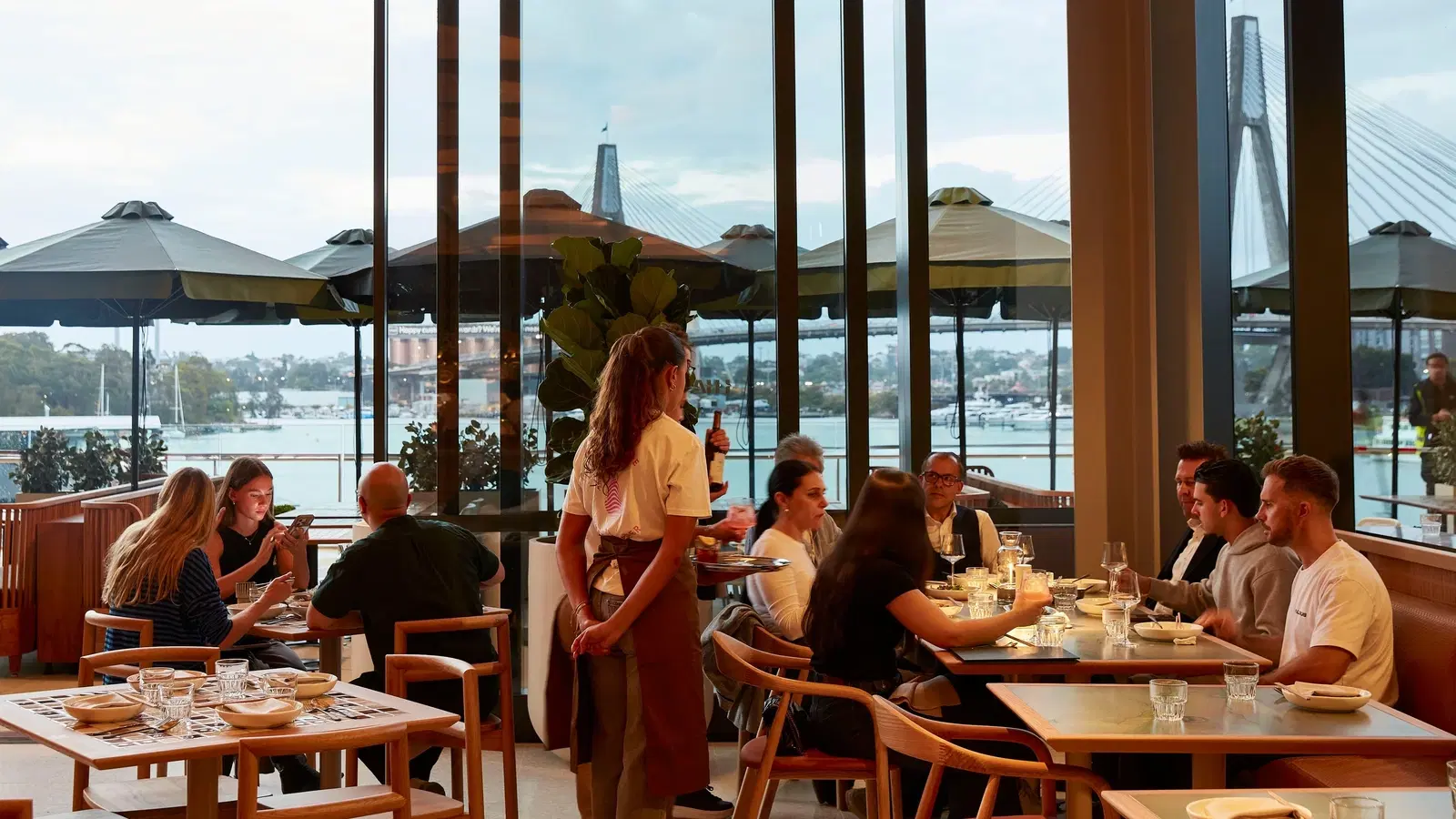
Continue exploring
More in London
Restaurants in London
All restaurants in London →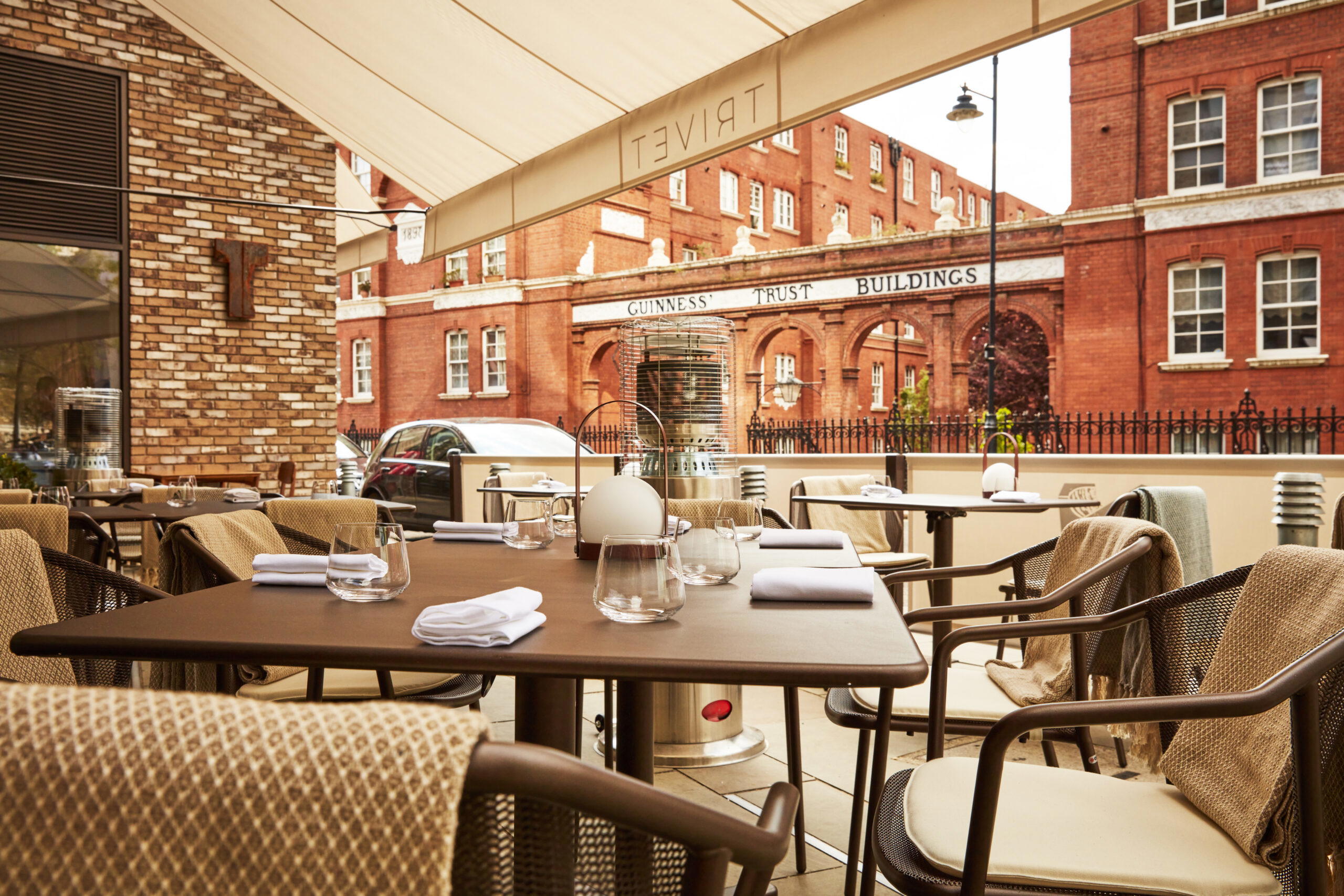
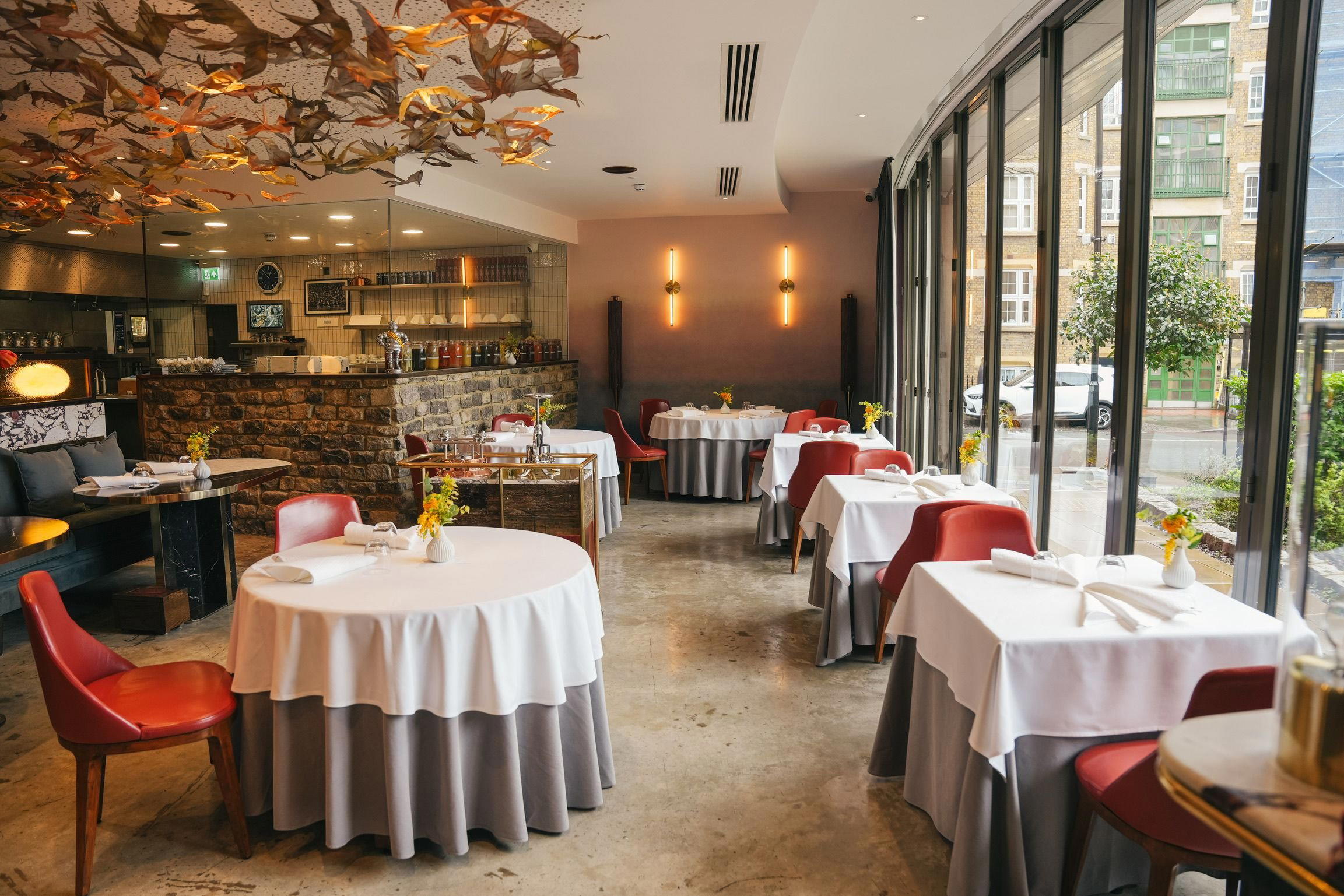
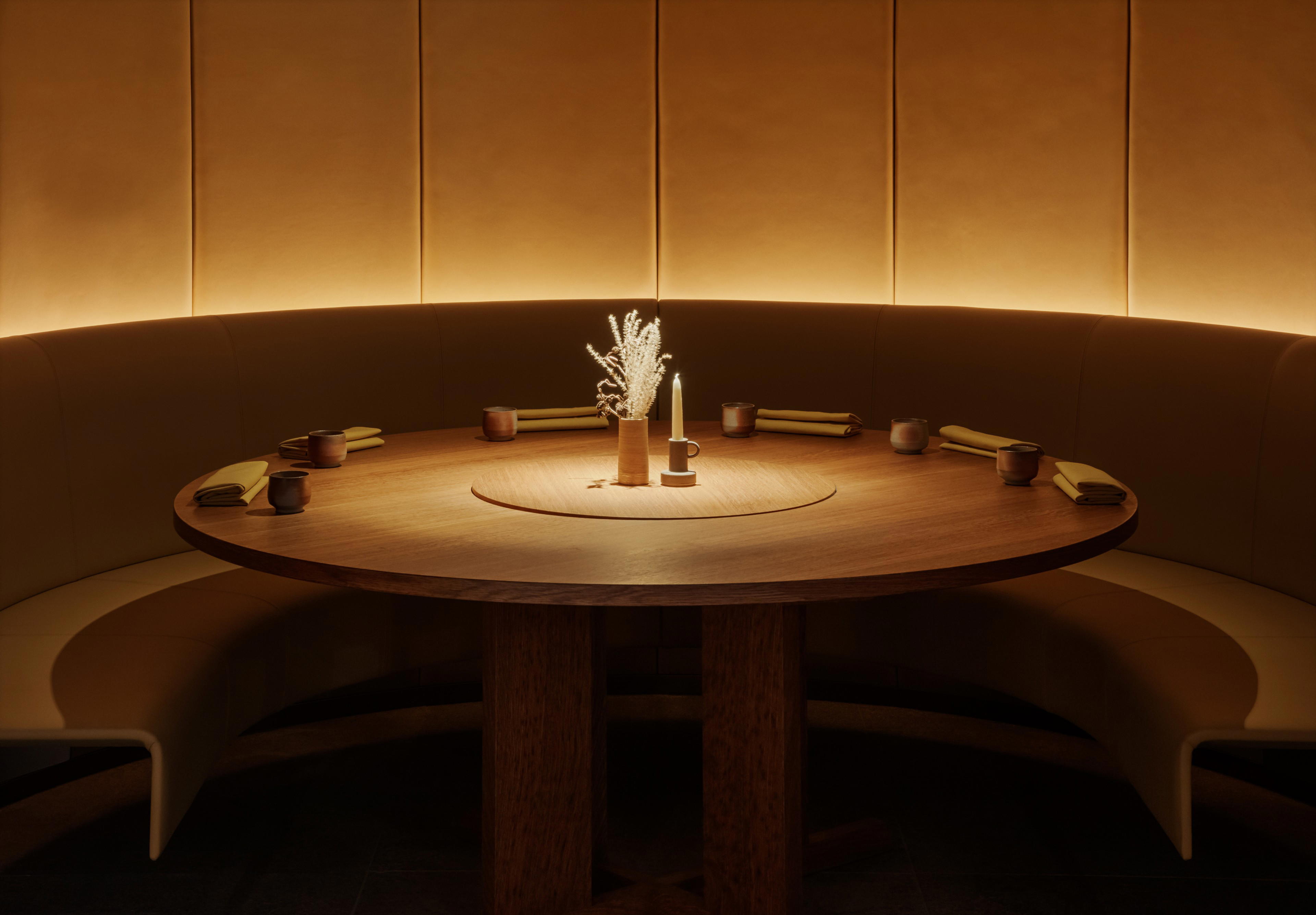
Bars in London
All bars in London →




Details
- Classic
- Well Known
- Casual Hangout
- Open Kitchen
- Street Scene
- A La Carte
Current opening hours
- Monday
- 11:30 AM–10 PM
- Tuesday
- 11:30 AM–10 PM
- Wednesday
- 11:30 AM–10 PM
- Thursday
- 11:30 AM–11 PM
- Friday
- 11:30 AM–11 PM
- Saturday
- 11:30 AM–11 PM
- Sunday
- 11:30 AM–10 PM
Hours can change for holidays and private events. Hours as of .
Casual market atmosphere with simple, classic seafood presentation.