Story








2 Michelin Stars · La Liste Top Restaurants · AA Rosettes 5 Rosettes
Our verdict
Tom Sellers' two-Michelin-star restaurant on Tooley Street operates a surprise tasting menu built around langoustine, turbot, and dry-aged duck, underpinned by modernist technique and a decade of sustained refinement. A 2023 expansion added a second floor with a private dining room and terrace. La Liste rates it 90 points in 2026, placing it firmly in London's first division.

Pearl is the En Primeur Club membership app — saves, bookings, and concierge access live there. Same editors, same standards.
- Address
- 199 Tooley St, London SE1 2JX, United Kingdom
- Phone
- +44 20 7183 2117
- Hours
- Mon ClosedTue–Thu 6–9 PMFri–Sat 12–2 PM, 6–9 PMSun Closed
- Website
- restaurantstory.co.uk
- Directions
- Get directions
- Booking
- Book on OpenTable
The beef-dripping candle that arrives early in Story's tasting menu has become one of London's most referenced table moments: a candle moulded from rendered fat that slowly melts into a pool for bread-dipping, a piece of theatre that doubles as a flavour delivery mechanism. It is the kind of detail that separates a two-star tasting menu from a technically accomplished one. At 199 Tooley St in Bermondsey, Tom Sellers has spent over a decade making sure the rest of the meal earns that opening act.
The South Bank's Tasting Menu Tier
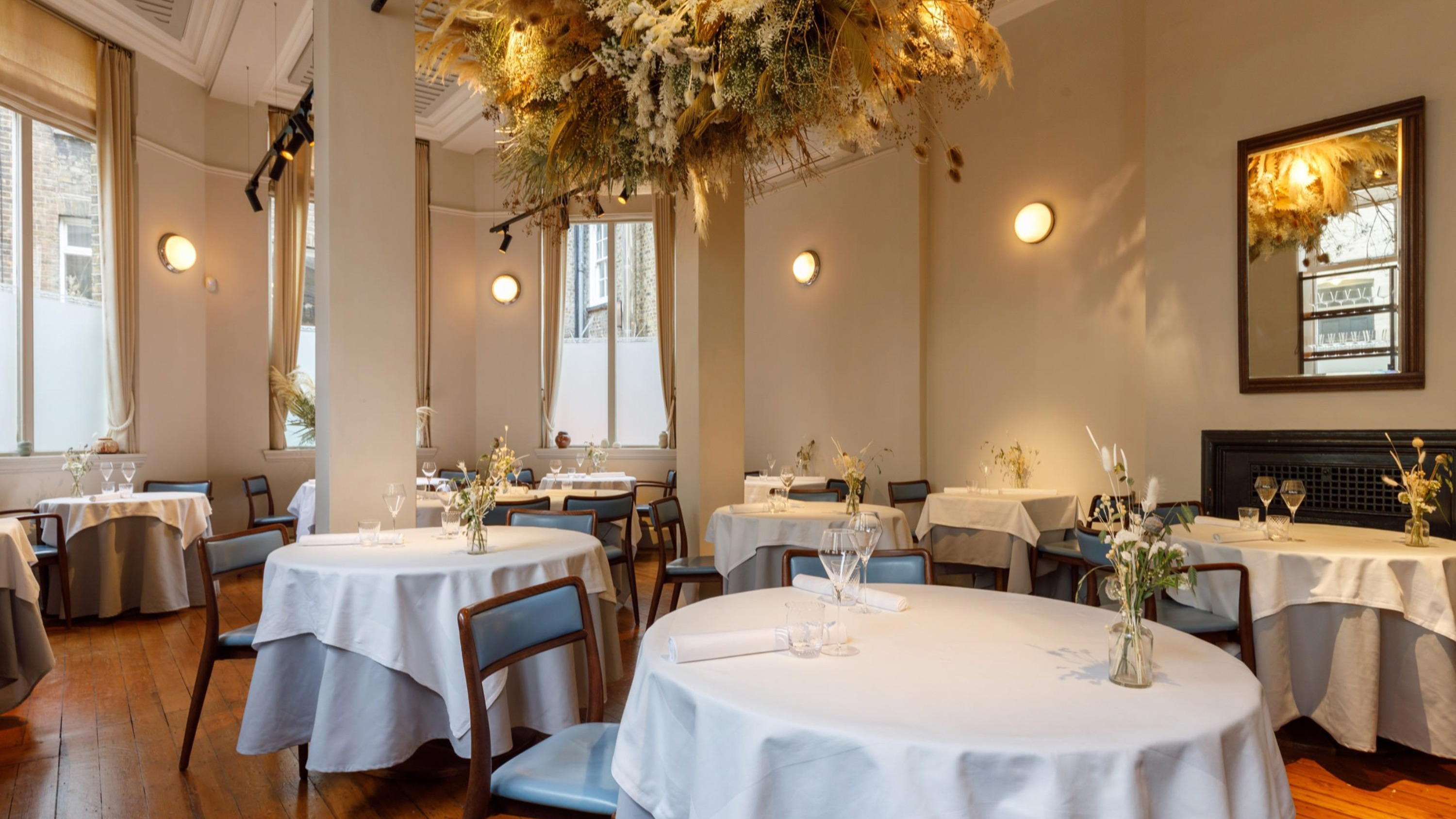
London's premium tasting menu circuit clusters north of the river, around Notting Hill, Chelsea, and the City. Story sits south of the Thames, in a glass-fronted building on Tooley Street that reads more as architectural statement than grand-restaurant signalling. That modest entrance is deliberate: the tone inside, as with the better rooms at Dysart Petersham or Cafe Cecilia, is defined by a hum of engagement rather than ceremony. The ££££ pricing now sits at the same level as competitors including City Social
The peer comparison is worth making directly. At two Michelin stars, Story competes in the same formal bracket as CORE by Clare Smyth, The Ledbury, and Restaurant Gordon Ramsay. La Liste placed it at 90 points in 2026 and 90.5 in 2025, and Opinionated About Dining ranked it 328th in Europe in 2024, moving to 449th in 2025 — a shift that reflects the volatility of list rankings rather than any deterioration in the cooking. The credentials are verifiable and sustained across multiple independent sources.
What the Menu Delivers at This Price
The format is a surprise set menu, which removes the decision-making that can slow a tasting meal but places greater weight on the kitchen's editorial judgment. That judgment, based on documented dishes, runs toward high-specification ingredients treated with technical discipline. A BBQ langoustine tail arrives alongside a crisp-fried claw and preserved tomato dipping sauce. A golden-roasted turbot comes with white asparagus, a morel stuffed with fish mousse, and a vin jaune sauce. A 14-day dry-aged duck breast is brought to the table whole before being returned to the kitchen, sliced, and plated with a dark glossy sauce — a service ritual that frames the ingredient before you eat it.
These are not budget-tier ingredients, and the menu does not pretend otherwise. The potato and brown butter emulsion with N25 caviar and game chips for scooping, and the agnolotti with pumpkin, toasted milk, and Périgord black winter truffle, represent the luxury register that defines the upper tier of London tasting menus. At comparable houses, The Fat Duck in Bray, L'Enclume in Cartmel, or Moor Hall in Aughton, this ingredient density is expected. At Story, the question is whether the modernist framework around it earns the spend. Based on documented returns, it does.
Desserts follow the same logic: a millefeuille built from chestnut, apple, white chocolate, cream, and rum, served with a Jerusalem artichoke ice cream that pulls the sweetness back toward the savoury. The construction is precise, the contrasts are deliberate, and the payoff is a dessert course that extends the meal's internal coherence rather than closing it with a sugar rush.
A Decade of Refinement, Not Reinvention
The 2023 closure for renovation was a calculated pause rather than a reset. Sellers used the period to develop other London projects, and Story reopened with an expanded footprint: a second floor now holds a private dining room and terrace with a view down Tooley Street. The ground floor main restaurant retained its character. Signature items that regulars return for, the Storeos (an Oreo-format petit four), the rabbit sandwich, the beef-dripping candle, remained on the menu alongside updated constructions.
This approach to continuity is significant at the premium pricing level. Tasting menus that continuously reinvent create uncertainty for repeat visitors. Story's model of sustained evolution means the kitchen updates around a stable core, which is a different proposition from the full seasonal overhauls at venues like Gidleigh Park in Chagford or Hand and Flowers in Marlow. For guests who have been before, the return visit offers orientation alongside discovery. For first-timers, the signature items act as reference points for understanding what the kitchen prioritises.
The kitchen team has also deepened. Chef Tom Phillips, who has worked under both Thomas Keller and Tom Sellers, brings a vegetable-focused intelligence that adds another dimension to the menu's ingredient range. The broader team operates at a pace described by observers as gentle, overseen by service staff who calibrate the balance between conversation and formality. The sommelier's role is particularly noted in recorded assessments: the wine list is extensive and quality-weighted, and guidance through it adds material value to the meal.
Placing Story in a European Context
London's modernist fine dining houses compete internationally, not merely locally. Among European comparisons, Story's La Liste and OAD rankings place it in a band that includes technically ambitious restaurants operating at similar price points across Paris, Copenhagen, and Stockholm. Frantzén in Stockholm and FZN by Björn Frantzén in Dubai operate in a comparable premium tasting menu format with a similar emphasis on surprise menus and luxury ingredient deployment.
Within the UK, the comparison set includes Le Manoir aux Quat' Saisons in Great Milton, where the format is more classical and the setting rural rather than urban. Story's South Bank location means it draws on a different kind of occasion: post-theatre, corporate celebration, and the kind of London dining that benefits from proximity to the Shard and Borough Market without being absorbed into either. For a broader view of where Story sits in the London restaurant picture, our full London restaurants guide maps the full competitive field.
The Value Case at ££££
Premium tasting menus are rarely assessed against value in a conventional sense, but the question is legitimate. What Story offers at its price point is a kitchen operating at Michelin two-star level with a track record across more than ten years, a surprise menu format that removes guest cognitive load, documented ingredient quality at the N25 caviar and Périgord truffle tier, a wine program with expert guidance, and a recently expanded physical space that includes private dining options for groups.
That combination, sustained across a decade and across multiple independent rating systems, is the value argument. It is not cheap. It is not priced against accessible tasting menus in the ££-£££ bracket, where restaurants like Row on 5 or 104 offer different registers of the same city. For those planning around London more broadly, our full London hotels guide, our full London bars guide, our full London wineries guide, and our full London experiences guide cover the surrounding city.
Planning a Visit
Address: 199 Tooley St, London SE1 2JX. Reservations: Advance booking is advisable given demand at this tier; check the restaurant's booking channel directly. Budget: ££££, aligned with two-star London peers. Format: Surprise tasting menu; no à la carte. Private dining: Available on the second floor following the 2023 renovation, with terrace access and views along Tooley Street.
Frequently asked questions
What do regulars order at Story?
Story operates a surprise set menu, so the choice of dishes rests with the kitchen rather than the guest. That said, several items have become reference points across documented visits. The beef-dripping candle, which functions as a bread course, is among the most cited. The Storeos, a petit four in Oreo format, and the rabbit sandwich have remained on the menu through multiple iterations. Among the more ingredient-driven courses, the langoustine preparation, the dry-aged duck breast brought tableside before slicing, and the potato and brown butter emulsion with N25 caviar and game chips appear consistently in recorded assessments. The agnolotti with pumpkin, toasted milk, and Périgord black winter truffle represents the luxury register that defines the menu's mid-section. Desserts, particularly the millefeuille with Jerusalem artichoke ice cream, have drawn specific attention for the way they sustain the savoury-leaning logic of what precedes them. The award anchors for these dishes are two Michelin stars (held in both 2024 and 2025), a La Liste score of 90 points in 2026, and an OAD European ranking of 449th in 2025.
| Venue | Cuisine | Price | Awards | Notes |
|---|---|---|---|---|
| StoryThis venue — the venue you are viewing | Modern British Fine Dining | $300–500 | 2 Michelin Stars · La Liste Top Restaurants | Not listed |
| The Ledbury | Modern British Fine Dining | $300–500 | 3 Michelin Stars · World's 50 Best #42 | Modern European, Modern Cuisine |
| Sketch, The Lecture Room and Library | Modern French Fine Dining | $200–300 | 3 Michelin Stars · World's 50 Best #18 | Modern French |
| CORE by Clare Smyth | Modern British Fine Dining | $150–200 | 3 Michelin Stars · World's 50 Best #97 | Modern British |
| Restaurant Gordon Ramsay | French Fine Dining | $200–300 | 3 Michelin Stars · World's 50 Best #13 | Contemporary European, French |
| Dinner by Heston Blumenthal | Historic British Fine Dining | $200–300 | 2 Michelin Stars · World's 50 Best #45 | Modern British, Traditional British |
Recognition history
Dated appearances from independent guides and award organizations, with the underlying list record or original source where available.
Michelin 2 Stars
Michelin
La Liste Top Restaurants
La Liste
AA Rosettes 5 Rosettes
AA Rosettes
Falstaff Restaurant - 95 Falstaff Points
Falstaff
Opinionated About Dining Top Restaurants in Europe Recommended
Opinionated About Dining
Full recognition history (15 entries)
La Liste Top Restaurants
La Liste
Michelin 2 Stars
Michelin
Opinionated About Dining Top Restaurants in Europe Ranked #449
Opinionated About Dining
The Best Chef Two Knives
The Best Chef
The Good Food Guide GFG Exceptional
The Good Food Guide
We're Smart World 2 Radishes
We're Smart World
Michelin 2 Stars
Michelin
Opinionated About Dining Top Restaurants in Europe Ranked #328
Opinionated About Dining
World's Best Wine Lists Awards WBWL 1-Star
World's Best Wine Lists Awards
Opinionated About Dining Top New Restaurants in Europe Highly Recommended
Opinionated About Dining
Continue exploring
More in London
Restaurants in London
Browse all →
Bars in London
Browse all →
Hotels in London
Browse all →


Details
- Elegant
- Sophisticated
- Modern
- Intimate
- Date Night
- Special Occasion
- Celebration
- Business Dinner
- Open Kitchen
- Private Dining
- Extensive Wine List
- Sommelier Led
- Skyline
- Tasting Menu
- Set Menu
- Vegetarian Friendly
- Vegan Options
- Allergy Accommodating
Current opening hours
- Monday
- Closed
- Tuesday
- 6–9 PM
- Wednesday
- 6–9 PM
- Thursday
- 6–9 PM
- Friday
- 12–2 PM, 6–9 PM
- Saturday
- 12–2 PM, 6–9 PM
- Sunday
- Closed
Hours can change for holidays and private events. Last verified .
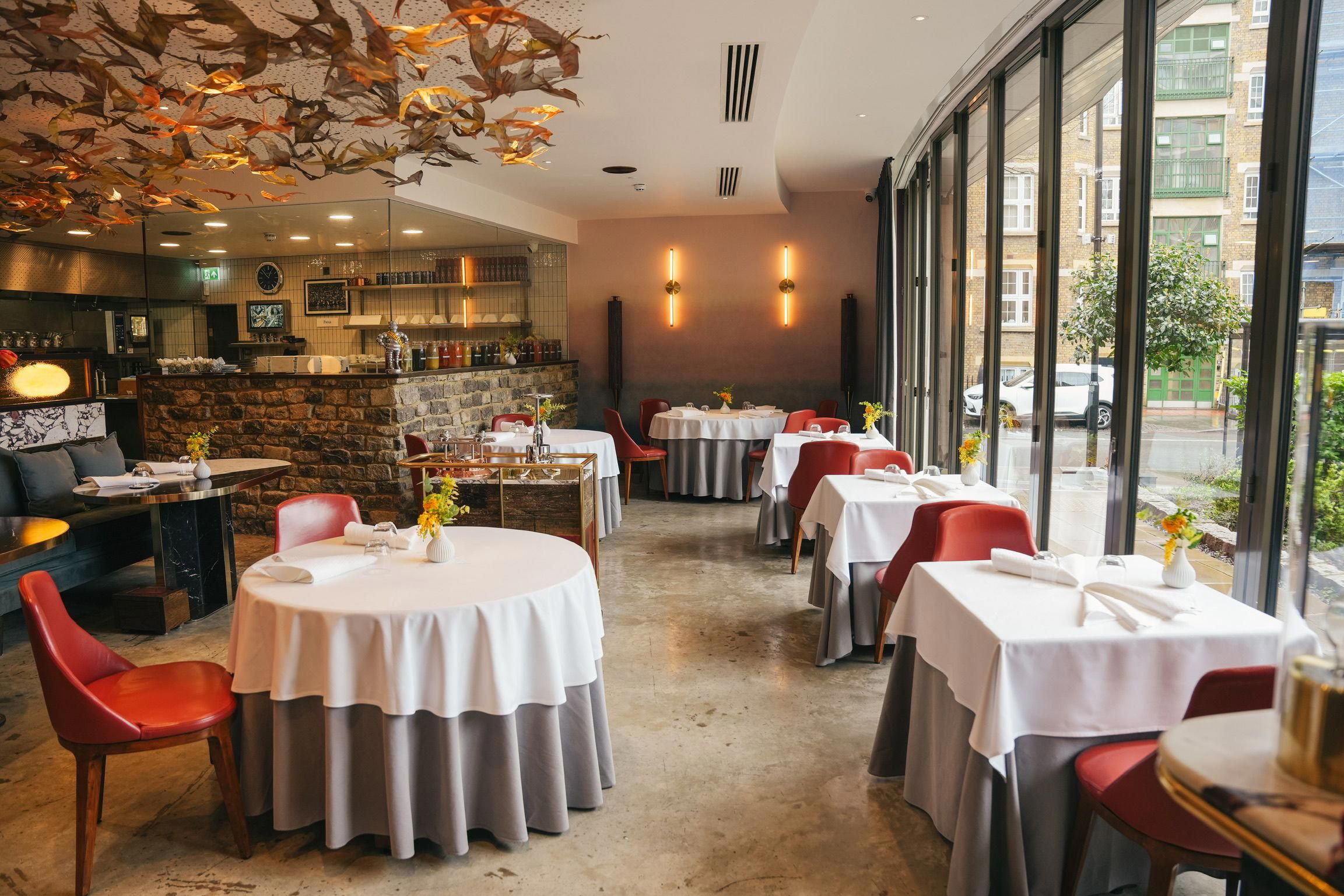
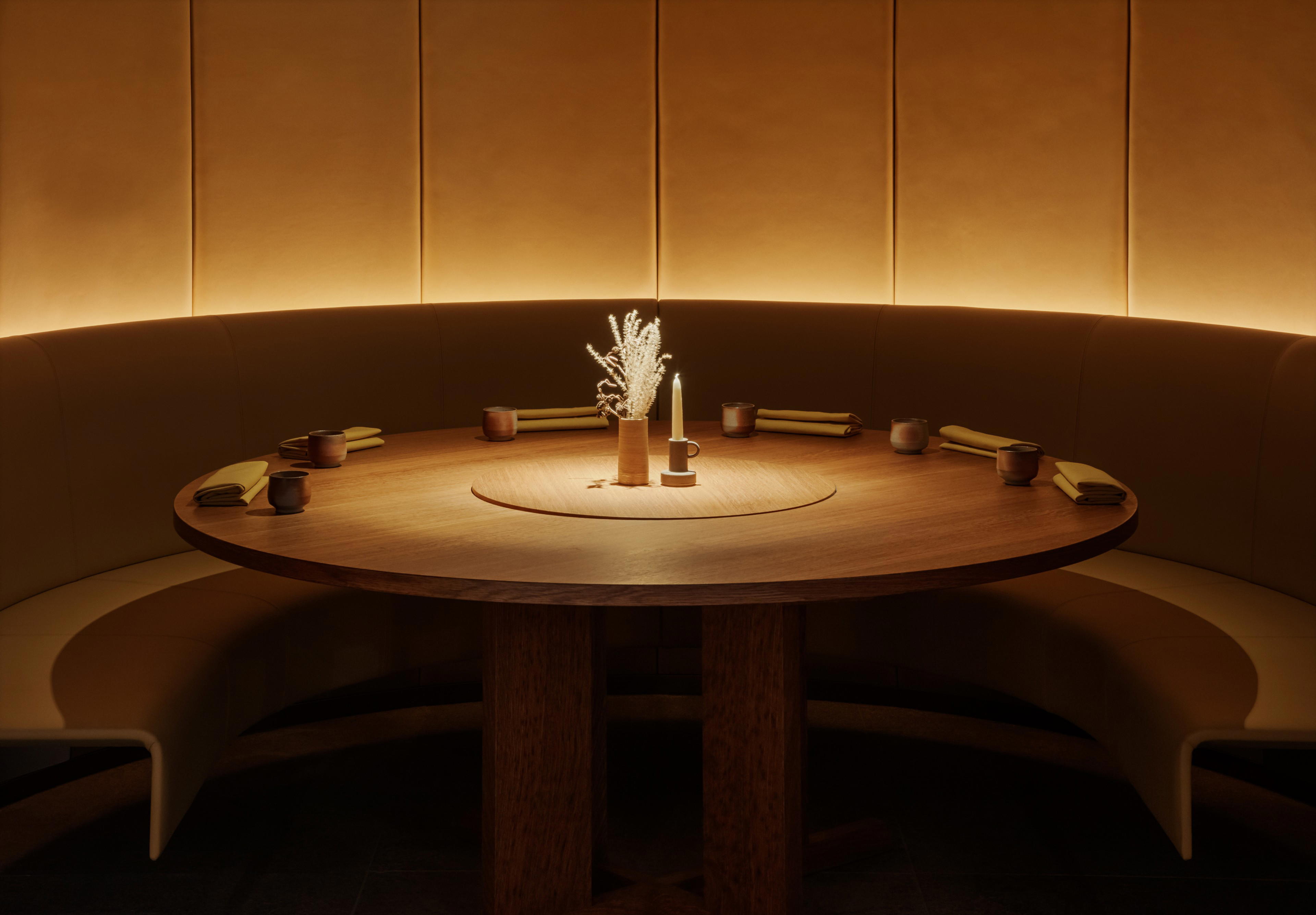
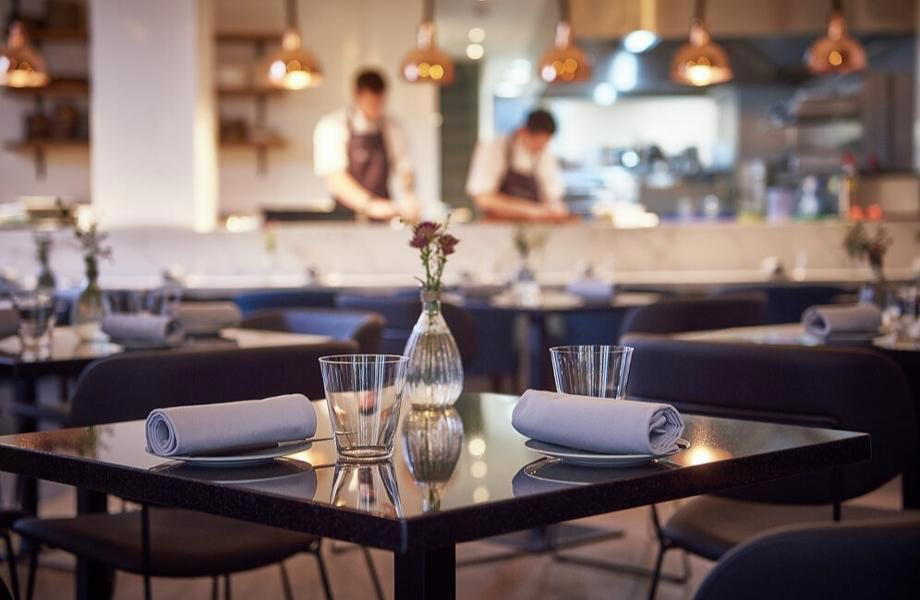
Bright and open with a warm, welcoming atmosphere, relaxed-elegant and convivial, featuring music for added energy and an open kitchen view.