Faber
Faber occupies a converted Edwardian mansion block on Hammersmith Road, positioning it at the quieter, residential edge of West London's dining scene rather than the central cluster of Michelin-decorated rooms. The address at Welbeck Mansions gives the space an architectural character distinct from purpose-built restaurant interiors, and that physical container shapes the experience as much as what arrives on the plate.
Pearl is the En Primeur Club membership app — saves, bookings, and concierge access live there. Same editors, same standards.
- Address
- Welbeck Mansions, 206 - 208 Hammersmith Rd, London W6 7DH, United Kingdom
- Phone
- +44 20 8161 9800
- Website
- faberrestaurants.co.uk
- Directions
- Get directions
 Saves & bookings on Pearl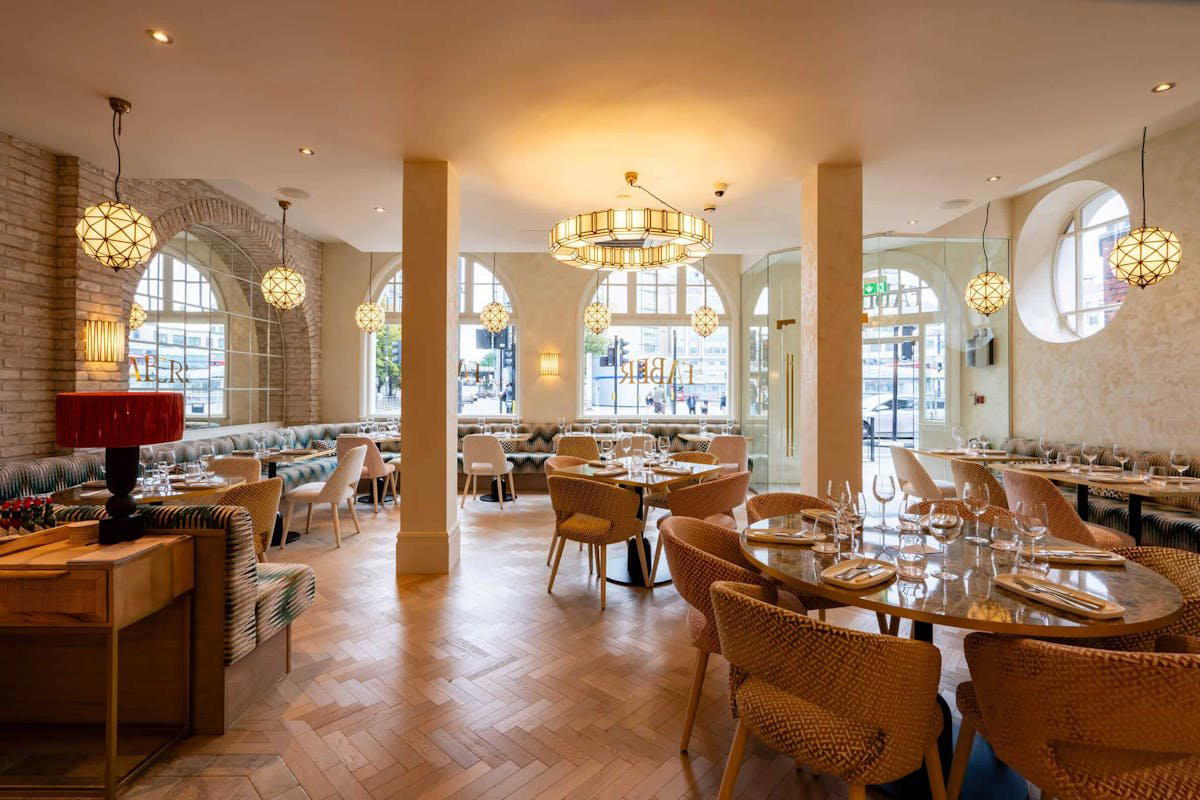
West London's Residential Edge: Where Hammersmith's Dining Scene Sits
London's premium restaurant map has long been weighted toward the centre, Mayfair, Chelsea, Notting Hill, with a secondary cluster in the City and Southwark. West London beyond that core operates differently. Hammersmith Road runs through a part of the city that is predominantly residential, transport-connected, and light on destination dining. That context matters when placing Faber, which occupies Welbeck Mansions at 206 to 208 Hammersmith Road: a converted Edwardian mansion block whose architecture already tells you this is not a purpose-built hospitality envelope.
Across London's serious dining tier, venues like CORE by Clare Smyth, Restaurant Gordon Ramsay, Sketch, The Lecture Room and Library, and The Ledbury each carry three Michelin stars and price accordingly. Dinner by Heston Blumenthal holds two stars at the ££££ tier. Faber does not currently appear in that credentialled bracket, which means it occupies the territory that precedes or sits alongside formal recognition, a position that, in London's current dining moment, can be as commercially interesting as it is editorially.
The Building as Argument: Welbeck Mansions and the Case for Adapted Space
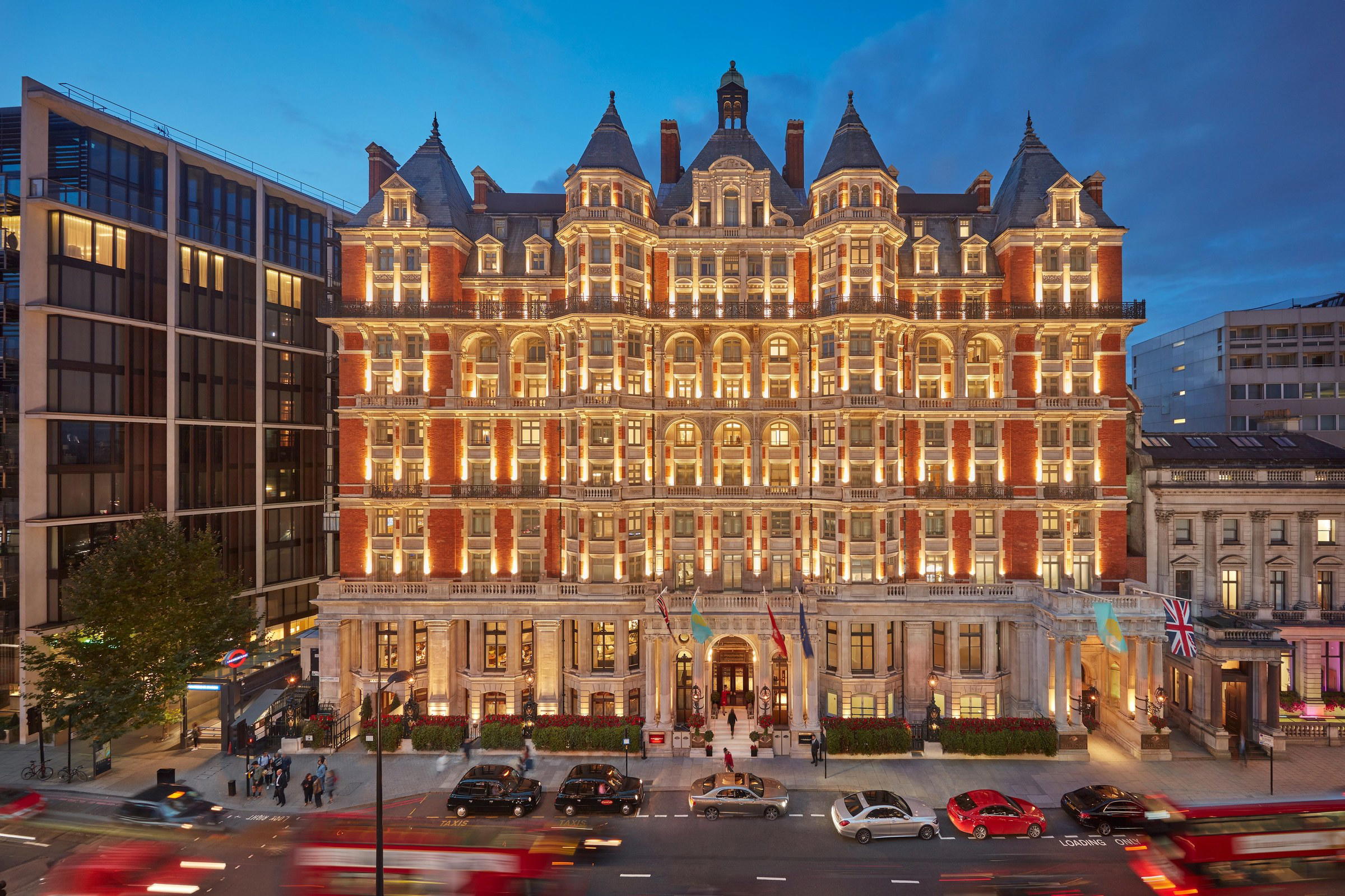
The editorial angle on Faber begins with architecture, because the building does more than shelter the restaurant, it frames every decision about atmosphere, acoustics, light, and sightlines. Welbeck Mansions is an Edwardian mansion block, the kind of structure originally designed for residential occupation, with proportions and materials that reflect early twentieth-century domestic ambition rather than mid-century hospitality thinking. Ceilings sit at a height dictated by residential planning rather than theatrical effect. The footprint distributes differently from a ground-floor shopfront. Original fabric, plaster detailing, window placement, floor materials, tends to persist in these conversions to a degree that purpose-built restaurant interiors rarely achieve.
Across London, particularly distinctive dining rooms have emerged from exactly this kind of adaptive reuse. The residential building adapted into a restaurant operates on a different register from the blank-box fit-out: there is specificity already present before a single design decision is made. That specificity either constrains or liberates, depending on what the kitchen and front-of-house approach are willing to meet. At Hammersmith Road, the mansion block asks its operator to either work with the inherited character or spend significantly to work against it. The physical container is part of the proposition.
The W6 postcode sits on the boundary between Hammersmith and Kensington and Chelsea, close to the Hammersmith underground interchange and within a short distance of the A4 corridor. Venues that succeed in this part of London tend to develop loyal local followings rather than drawing destination traffic from across the city, the geography rewards consistency over spectacle. For the dining room inside Welbeck Mansions, that dynamic reinforces the logic of a space that reads as residential in scale: it is a room that suits regulars and neighbourhood rhythms, not a stage designed for first impressions on a tourist itinerary.
Situating Faber Against the UK Fine Dining Picture
The broader UK fine dining picture offers useful orientation. Beyond London, the country's most credentialled rooms include The Fat Duck in Bray, L'Enclume in Cartmel, and Moor Hall in Aughton, each operating in small-town or rural settings where destination-driven visits are the model. Regional English rooms like Gidleigh Park in Chagford, Hand and Flowers in Marlow, and hide and fox in Saltwood show how serious kitchens operate outside London's postal codes. Internationally, the high-formality omakase tier, represented by rooms like Atomix in New York City or the classical seafood formalism of Le Bernardin in New York City, defines one end of what premium dining rooms are measured against.
Faber's position relative to all of these is hard to map with precision given the current absence of published awards data, verified price tier, and cuisine category in the record. What is clear is that its address on Hammersmith Road places it in a different competitive set from the central London rooms, one where neighbourhood anchoring and design integrity tend to do more work than any single award credential.
What the Address Signals About Format and Audience
The Hammersmith Road address carries information. The W6 corridor has historically been a through-route rather than a destination, the road connects the Westway to the A4 and carries significant commuter traffic, but the residential blocks lining it are not the kind that generate casual walk-in dining. A restaurant at this address is, by geography, making an argument that the destination is worth the specific journey, separate from any adjacency to a hotel, a theatre, or a cluster of comparable venues.
That argument tends to succeed when the physical space delivers something that central rooms, operating at higher rent and higher volumes, cannot. Mansion-block rooms in London's outer residential zones have historically offered better acoustics than glass-fronted bistros and more generous spacing than tight-turn central covers. Whether those structural advantages are realised depends on fit-out decisions that are not visible from the address alone.
Faber represents a category worth watching: the neighbourhood-anchored room that derives its identity from a specific physical container rather than from awards scaffolding or chef celebrity. That category has produced some of London's most durable dining addresses.
Know Before You Go
Address: Welbeck Mansions, 206 to 208 Hammersmith Road, London W6 7DH
Nearest transport: Hammersmith underground station (District, Piccadilly, and Hammersmith and City lines) is within walking distance of the W6 7DH postcode.
Price tier: Not published at time of writing.
Awards: No awards confirmed in current record.
Further reading: London hotels guide | London bars guide | London wineries guide | London experiences guide
A Lean Comparison
Comparable venues nearby, for context on price, style, and recognition.
| Venue | Cuisine | Price | Notes |
|---|---|---|---|
| FaberThis venue — the venue you are viewing | Brook Green, British Seafood | $$$ | Not listed |
| Faber Wine & Seafood Restaurant | Brook Green, British Coastal Seafood | $$$ | Not listed |
| Seabird | Not listed | $$$ | Bankside, Modern Seafood with Iberian Influences |
| Wright Brothers Borough Market | Borough, British Seafood & Oyster Bar | $$$ | Not listed |
| Santo Mare | Not listed | $$$$ | Marylebone, Italian Mediterranean Seafood |
| fish | Borough, Classic British Seafood | $$$ | Not listed |
Continue exploring
More in London
Restaurants in London
Browse all →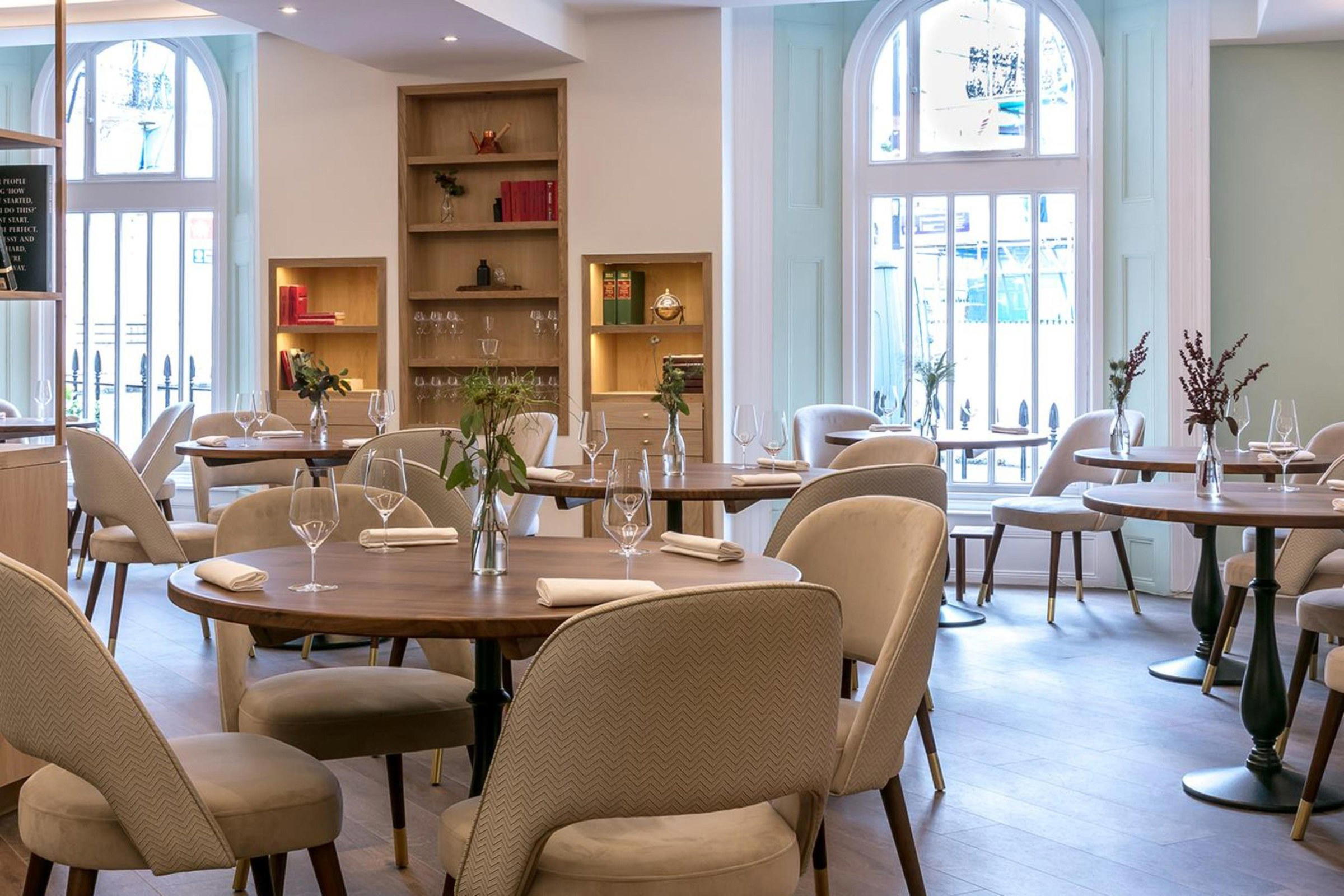
Bars in London
Browse all →
Hotels in London
Browse all →



At a Glance
- Modern
- Elegant
- Cozy
- Date Night
- Business Dinner
- Group Dining
- Open Kitchen
- Extensive Wine List
- Local Sourcing
- Sustainable Seafood
Current opening hours
- Monday
- 12–11 PM
- Tuesday
- 12–11 PM
- Wednesday
- 12–11 PM
- Thursday
- 12–11 PM
- Friday
- 12–11 PM
- Saturday
- 12–11 PM
- Sunday
- 12–10 PM
Hours can change for holidays and private events. Last verified .
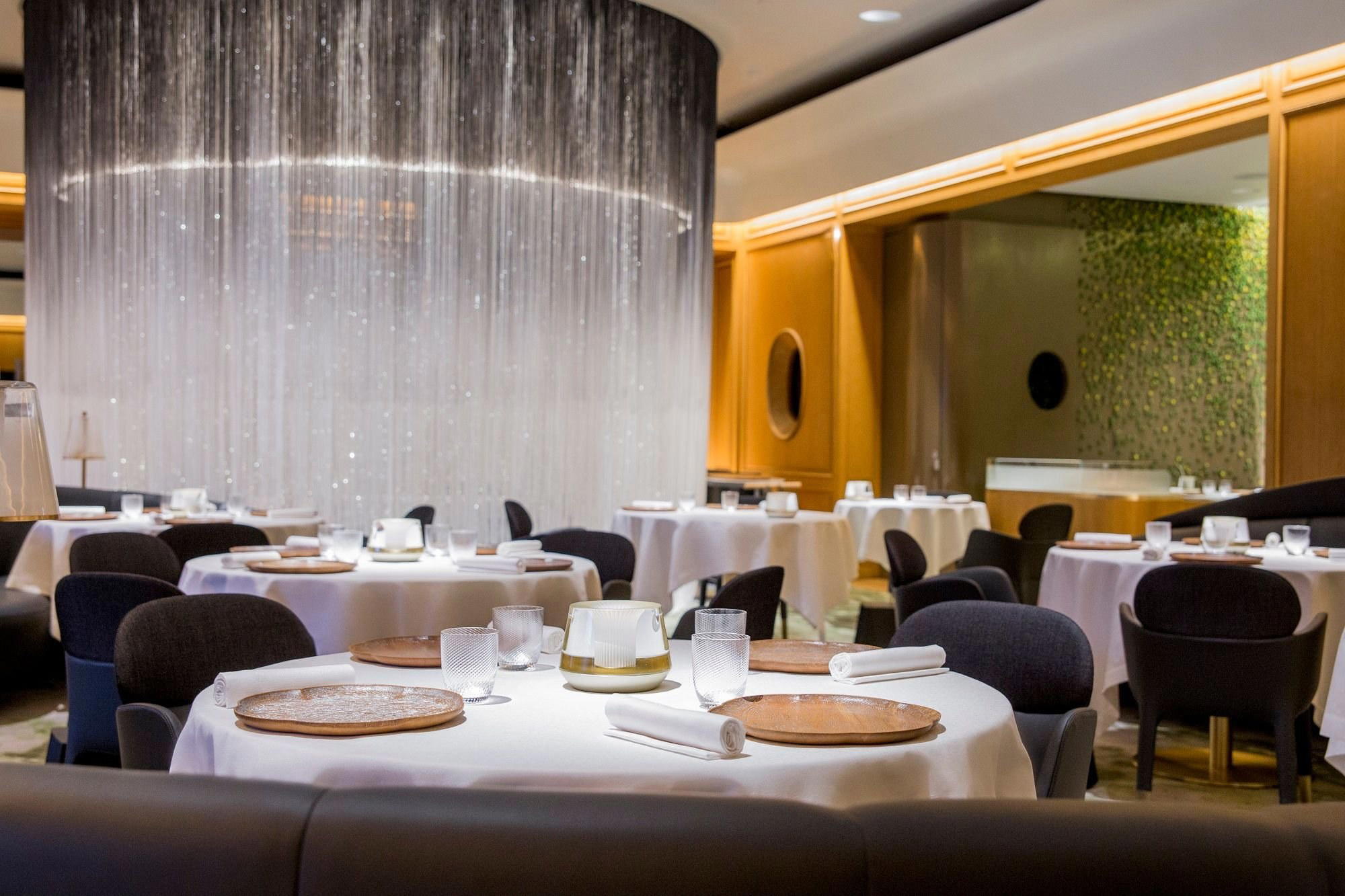
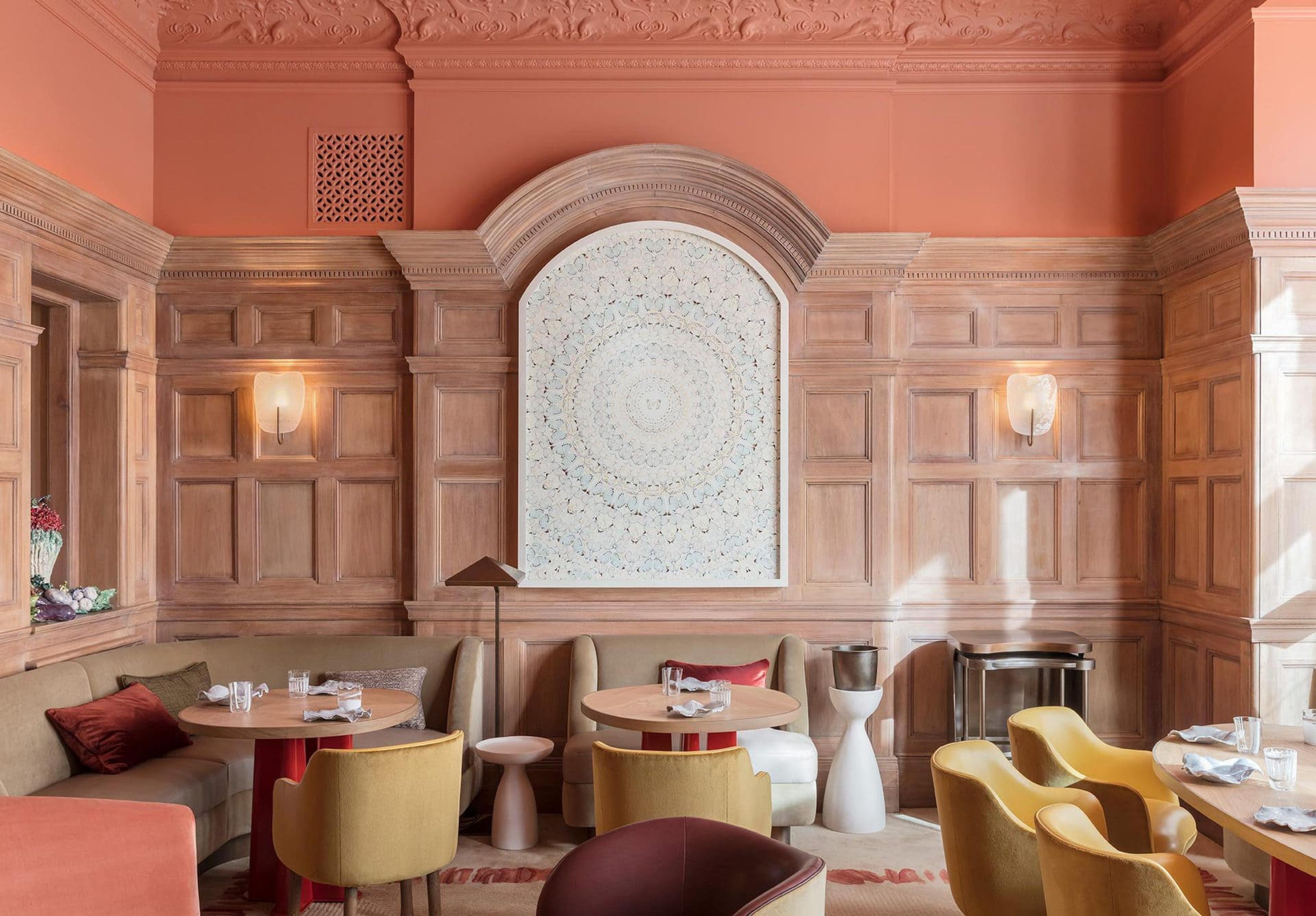
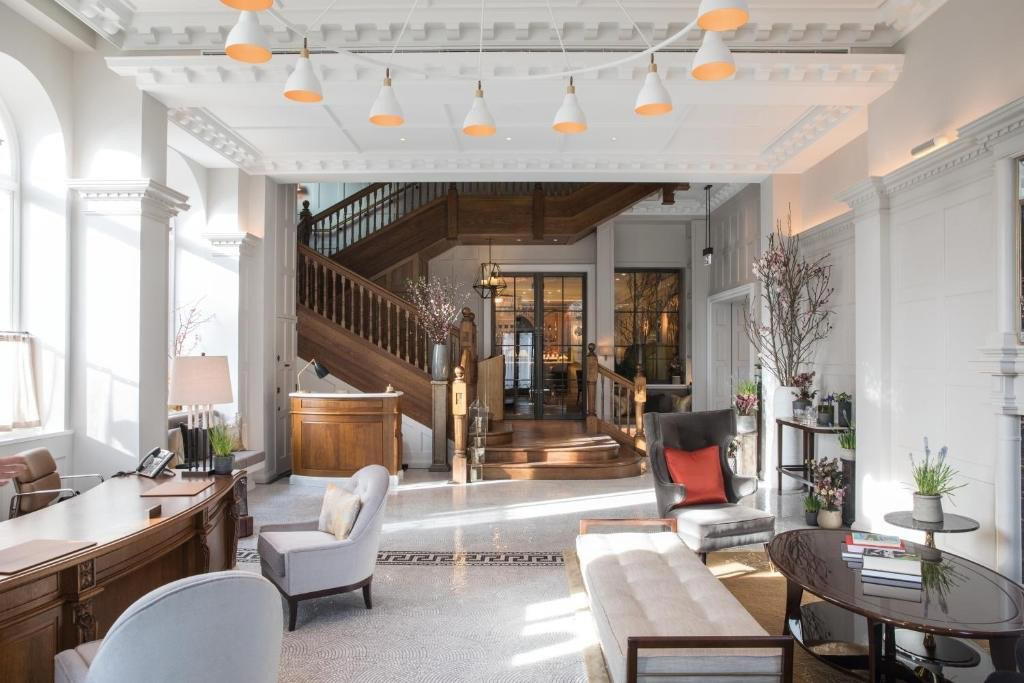
Open airy room with high ceilings, dimmed lighting, pale walls, comfortable chairs, and a merry hum.