Smith's of Wapping
Smith's of Wapping sits on Wapping High Street in one of London's most historically layered riverside corridors, where converted warehouses and cobbled lanes define the architectural character of the neighbourhood. The address alone places it within a tradition of East London spaces that trade on industrial heritage and Thames-side atmosphere, positioning it distinctly from the formal dining rooms of Mayfair or Chelsea.
Pearl is the En Primeur Club membership app — saves, bookings, and concierge access live there. Same editors, same standards.
- Address
- 22 Wapping High St, London E1W 1NJ, United Kingdom
- Phone
- +442074883456
- Website
- smithsrestaurants.com
- Directions
- Get directions
 Saves & bookings on Pearl
River, Brick, and the Weight of Wapping's Warehouses
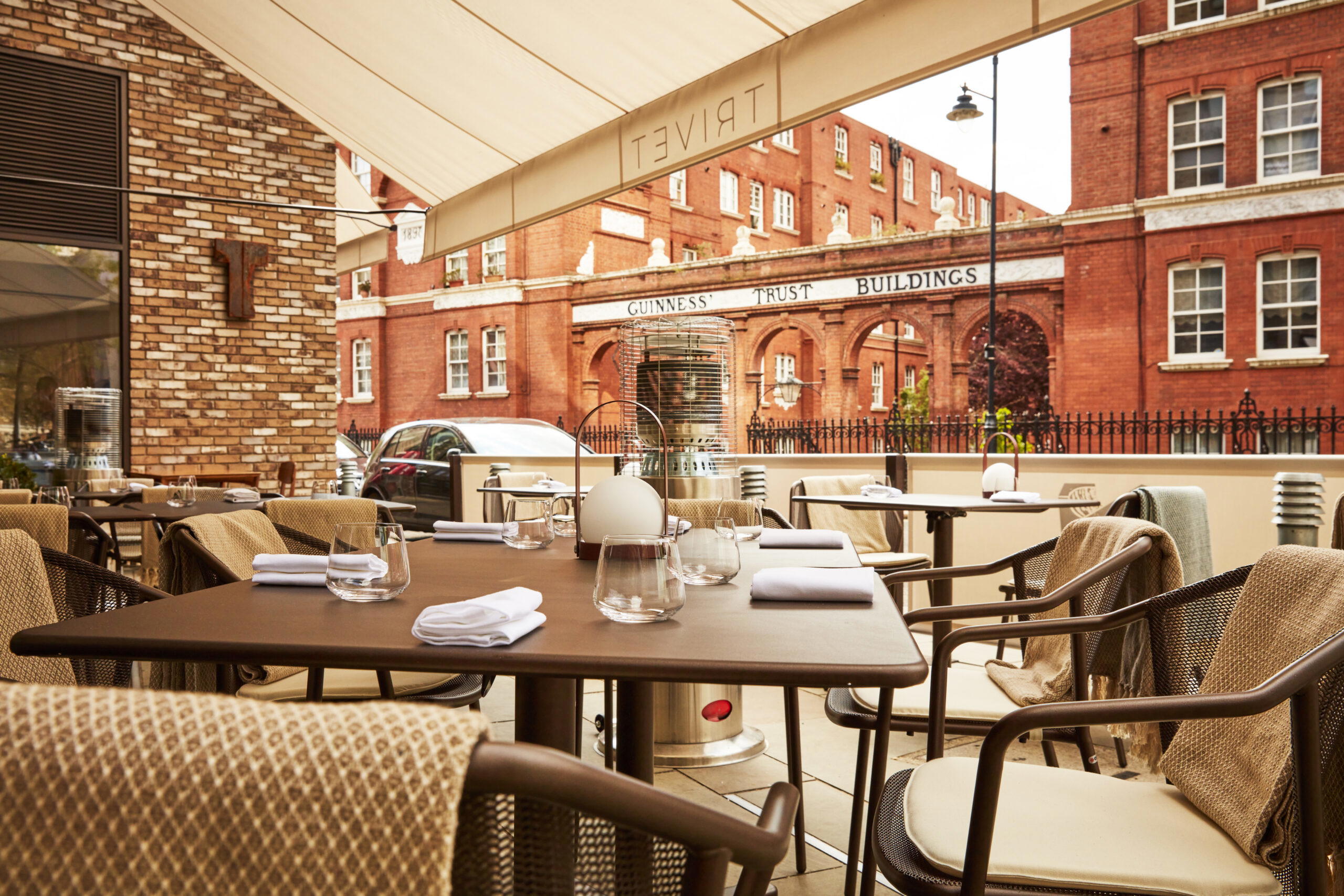
The stretch of Wapping High Street that runs east from the old river stairs carries a particular quality that central London rarely replicates. Former dock warehouses, their loading bays long sealed but their proportions intact, line the road on one side, while the Thames presses close on the other. This is a neighbourhood that accumulated its character across centuries of working river life rather than through deliberate regeneration planning, and that accumulated weight is legible in the fabric of the buildings. Smith's of Wapping, at 22 Wapping High St, sits within this context, occupying a space where the built environment does considerable work before a single plate arrives.
CORE by Clare Smyth, Sketch, The Lecture Room and Library, and Restaurant Gordon Ramsay have held attention. Wapping operates at a remove from that geography, which shapes the experience of arriving here. There is no theatre-district foot traffic, no row of comparable neighbours to compare queues with. The journey east along the river is part of the proposition.
Industrial Heritage as Interior Architecture
Across London, the conversion of industrial buildings into dining spaces has become a well-worn formula, but the results vary enormously depending on how much of the original structure survives the renovation. At one end of the spectrum are the full restorations, where exposed brick, timber beams, and original ironwork remain functional elements of the interior rather than decorative additions. At the other end are spaces that import industrial signifiers, exposed ducting and rough plaster, into buildings that were never warehouses at all.
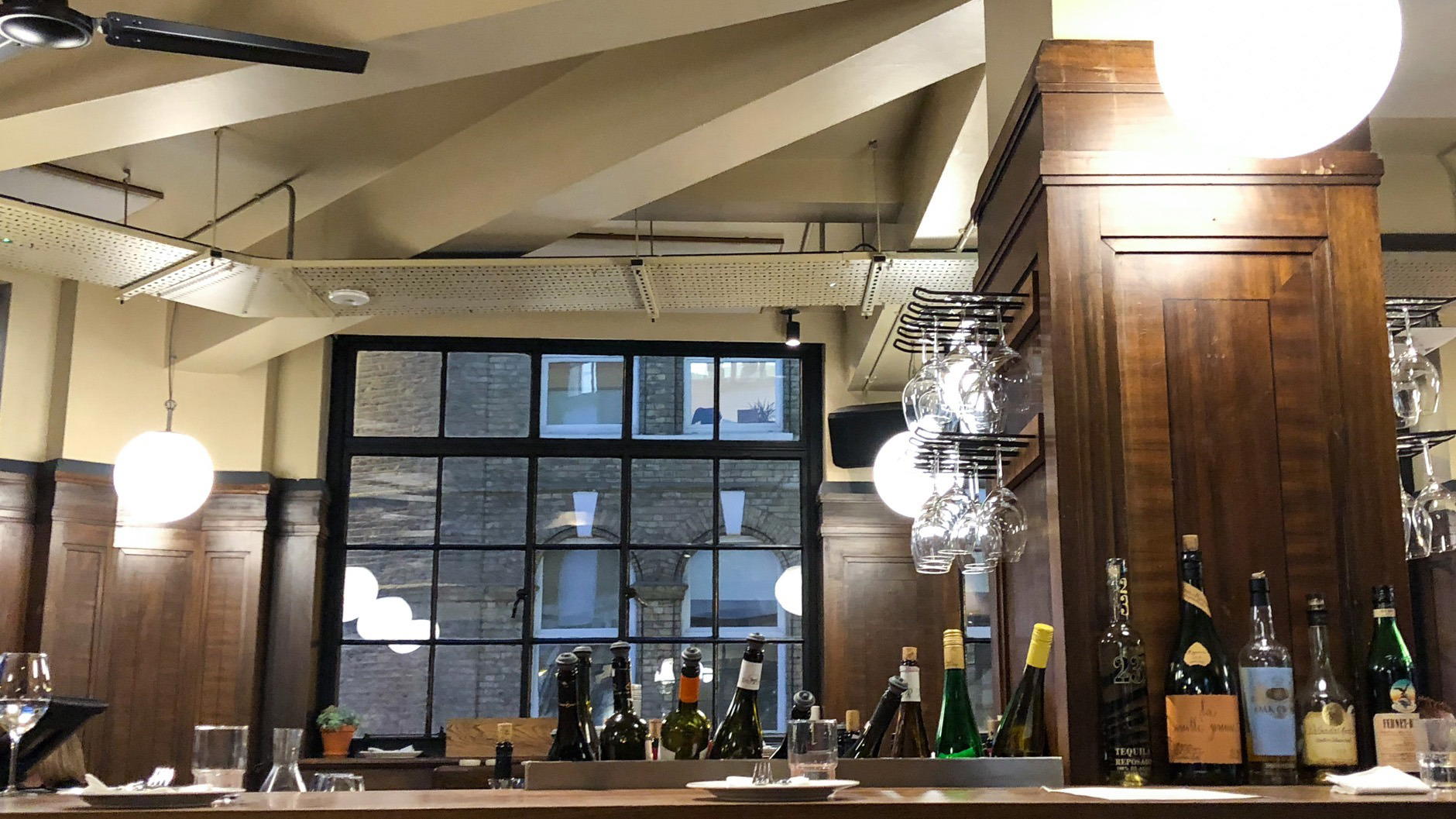
Wapping's architectural stock trends toward the genuine article. The high street's buildings date primarily from the eighteenth and nineteenth centuries, constructed to serve the Legal Quays and the enclosed dock system that followed. The physical language of those buildings, deep-set windows, heavy masonry, compressed proportions at street level opening into broader volumes above, creates interiors that feel earned rather than assembled. A dining room occupying that kind of shell inherits a spatial quality that no amount of décor budget can fully manufacture, and that inheritance shapes how guests move through and settle into the space.
Here, the building is the narrative, and the dining experience exists in dialogue with that fact. For guests who find the carpeted calm of Michelin rooms slightly airless, this East London riverside setting offers a counterpoint: atmosphere derived from permanence rather than from polish.
The Wapping Dining Context
East London's fine and upper-casual dining has developed unevenly, with Shoreditch and Bethnal Green absorbing most of the critical attention over the past decade while Wapping has remained quieter. That relative quiet has two consequences worth noting. First, it means the neighbourhood has not been subject to the rapid saturation and turnover that has characterised parts of Hackney and Bermondsey, where restaurants open, generate coverage, and close within eighteen months. Second, it means that venues which do establish themselves in Wapping tend to serve a more consistent local clientele alongside destination diners, rather than relying almost entirely on out-of-area traffic.
In that respect, Wapping sits closer in operational character to destination restaurants outside the capital than to the central London comparable set. Places like Waterside Inn in Bray or Midsummer House in Cambridge serve both regulars who treat them as neighbourhood institutions and visitors who have made a specific journey. The dynamic at Wapping shares something of that quality: the address requires a decision to go there, which self-selects for guests with a specific intention rather than those who happened to walk past.
Positioning Within the London Scene
London's restaurant map at the summit end of the market is well-charted. The Michelin-starred corridor of Mayfair through Chelsea through Notting Hill accounts for a disproportionate share of critical column inches and award citations. Venues that operate outside that corridor, whether in the East End, south of the river, or in less-mapped neighbourhoods, tend to be assessed on different terms: the quality-to-setting equation, the accessibility of the space, the degree to which the neighbourhood itself adds value to the meal.
The broader UK dining scene adds further context here. Award-holding restaurants in English market towns and rural settings, from Gidleigh Park in Chagford to Hand and Flowers in Marlow to hide and fox in Saltwood, have demonstrated that notable dining is not geographically constrained to major urban centres. Smith's of Wapping makes a comparable argument within London itself: that the river and the warehouse and the distance from the West End are conditions to work with rather than limitations to overcome. In international terms, the gap between venue and neighbourhood that can feel like friction in, say, Le Bernardin in New York City's Midtown setting or Atomix's Murray Hill location operates differently in a city where neighbourhood character shifts block by block and where a ten-minute journey east of the City can feel like a genuine change of register.
For the wider UK context, Opheem in Birmingham and Restaurant Andrew Fairlie in Auchterarder both illustrate how restaurants outside London's main circuit have built distinct identities; Smith's benefits from similar positioning logic within the capital.
Planning Your Visit
Wapping is accessible via Wapping station on the London Overground, a short walk from the high street. The neighbourhood is quieter than central London on most evenings, which affects both the approach experience and the ease of finding the address. Arriving by river taxi from central piers is a practical option that matches the Thames-side character of the area, and the short walk from the pier reinforces the sense of arriving somewhere specific rather than somewhere generic.
Quick reference: 22 Wapping High St, London E1W 1NJ. Nearest station: Wapping (Overground).
Cost and Credentials
Comparable venues nearby, for context on price, style, and recognition.
| Venue | Cuisine | Price | Notes |
|---|---|---|---|
| Smith's of WappingThis venue — the venue you are viewing | Not listed | $$$ | Not listed |
| Melusine | Wapping, Modern Mediterranean Seafood | $$$ | Not listed |
| Burger and Lobster | Mayfair, Burgers and Lobster | $$$ | Not listed |
| Salmontini | Not listed | $$$ | Belgravia, Seafood and Sushi with Smoked Salmon Focus |
| Wright Brothers South Kensington | Not listed | $$$ | South Kensington, Fresh Seafood & Oyster Bar |
| River Restaurant in The Savoy | Strand, Modern British Seafood | $$$$ | Not listed |
Continue exploring
More in London
Restaurants in London
Browse all →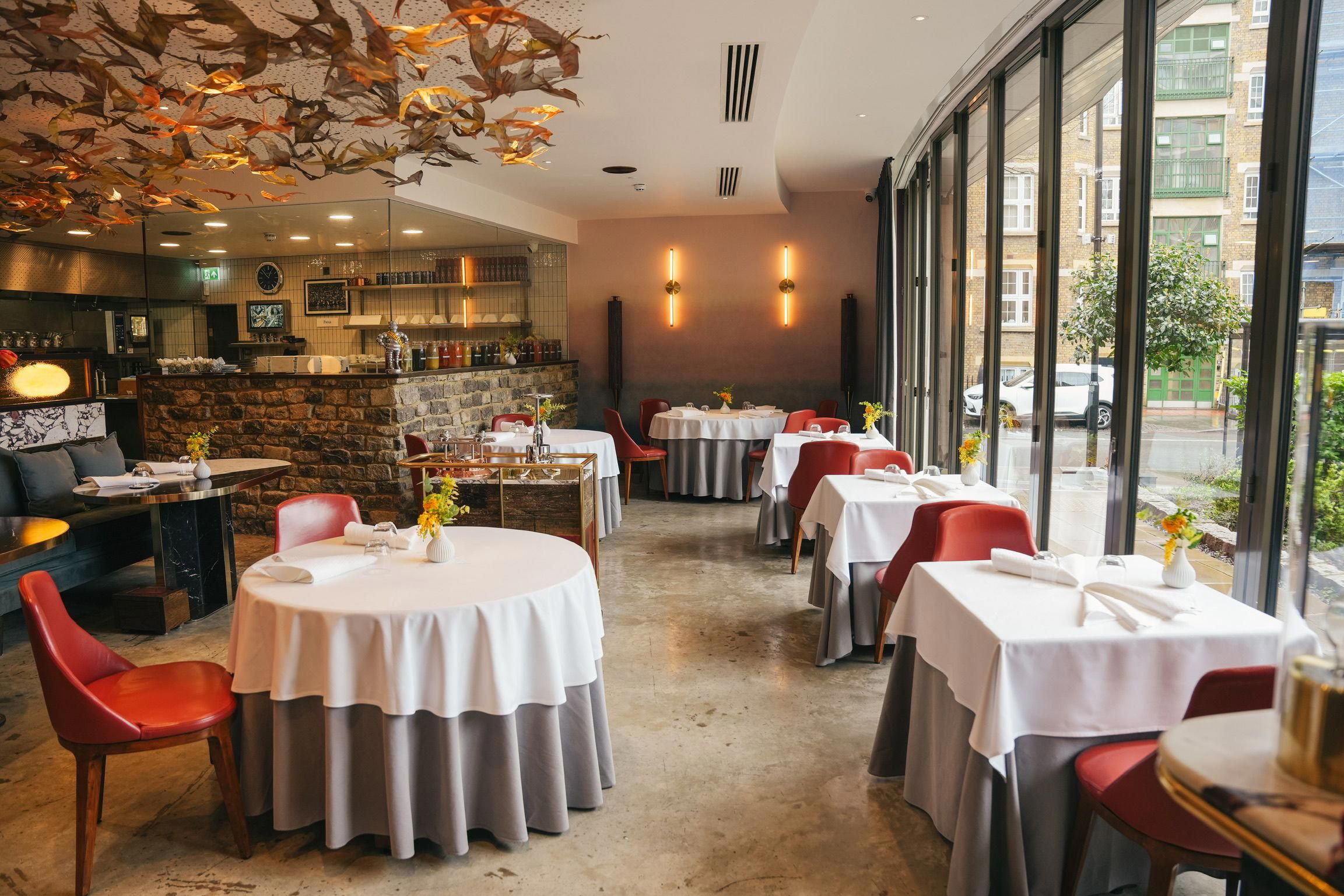
Bars in London
Browse all →
Hotels in London
Browse all →



At a Glance
- Classic
- Elegant
- Lively
- Date Night
- Special Occasion
- Business Dinner
- Waterfront
- Historic Building
- Extensive Wine List
- Sustainable Seafood
- Waterfront
- Skyline
Current opening hours
- Monday
- 12–2:30 PM, 5:30–9 PM
- Tuesday
- 12–2:30 PM, 5:30–9 PM
- Wednesday
- 12–2:30 PM, 5:30–9 PM
- Thursday
- 12–2:30 PM, 5:30–9 PM
- Friday
- 12–2:30 PM, 5:30–9:45 PM
- Saturday
- 12–2:30 PM, 5:30–9:45 PM
- Sunday
- 12–3:30 PM, 6–8:30 PM
Hours can change for holidays and private events. Last verified .
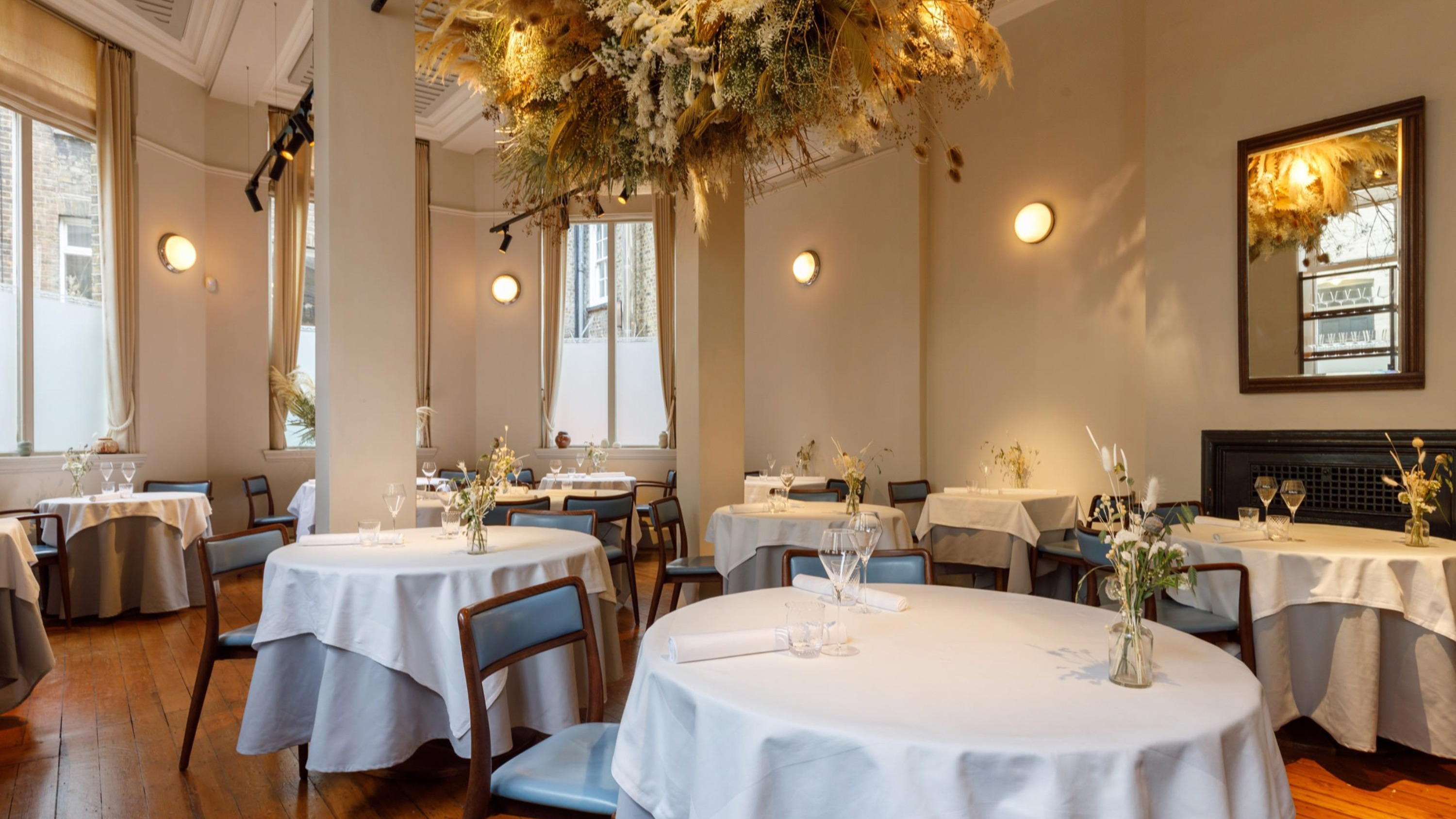
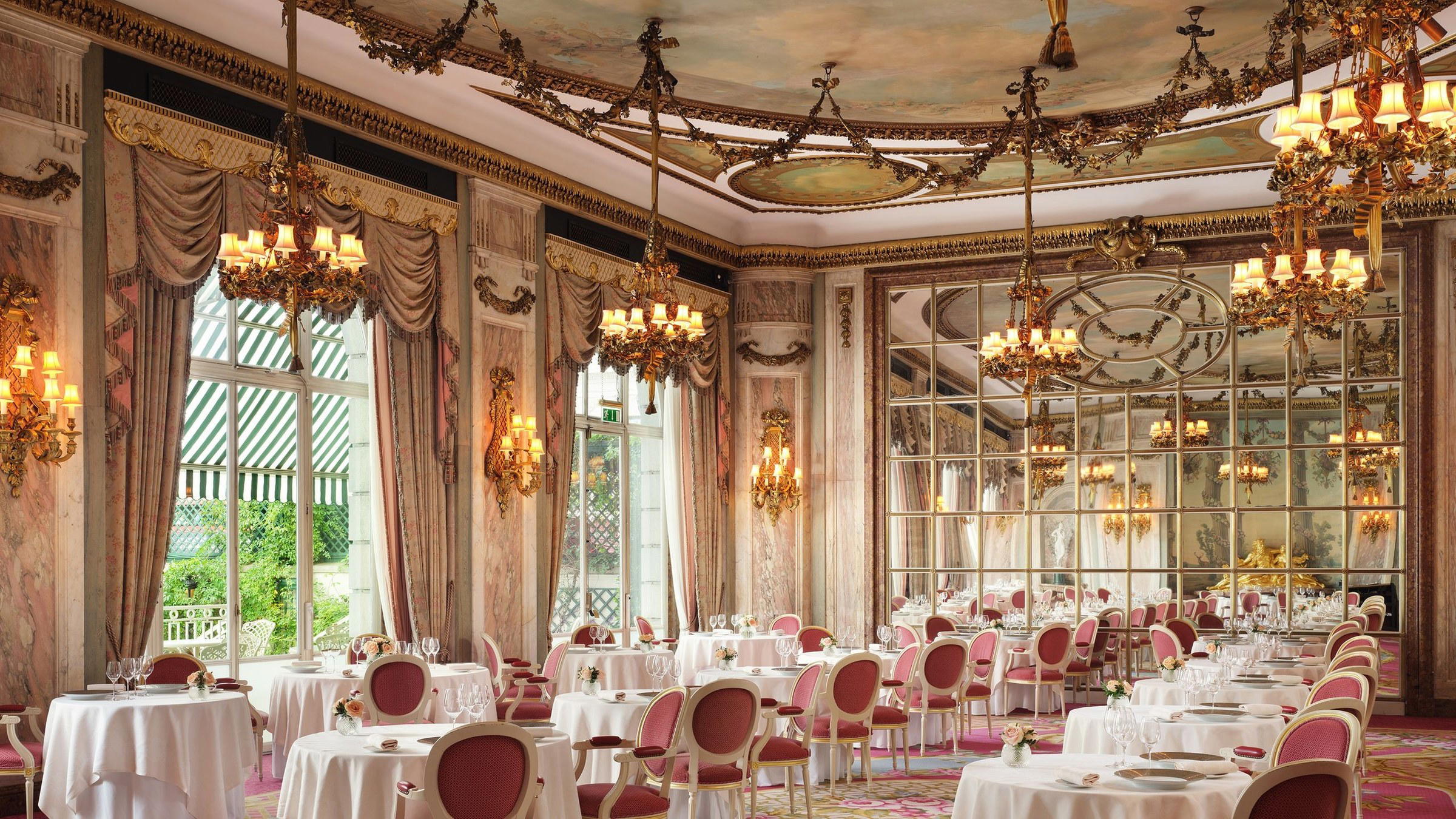
Bright, buzzy atmosphere with white tablecloths, lively energy, and magnificent river views enhancing the elegant dining experience.