Dinner by Heston Blumenthal






Housed inside the Mandarin Oriental Knightsbridge, Dinner by Heston Blumenthal holds two Michelin stars and a sustained presence in the World's 50 Best Restaurants. The menu draws from centuries of British culinary history, then reassembles those references through a contemporary technical lens. Dishes like the Meat Fruit have become shorthand for what modern British cooking can do when it takes its own heritage seriously.
Pearl is the En Primeur Club membership app — saves, bookings, and concierge access live there. Same editors, same standards.
- Address
- 66 Knightsbridge, London SW1X 7LA, United Kingdom
- Phone
- +44 20 7201 3833
- Website
- mandarinoriental.com
- Directions
- Get directions
 Saves & bookings on Pearl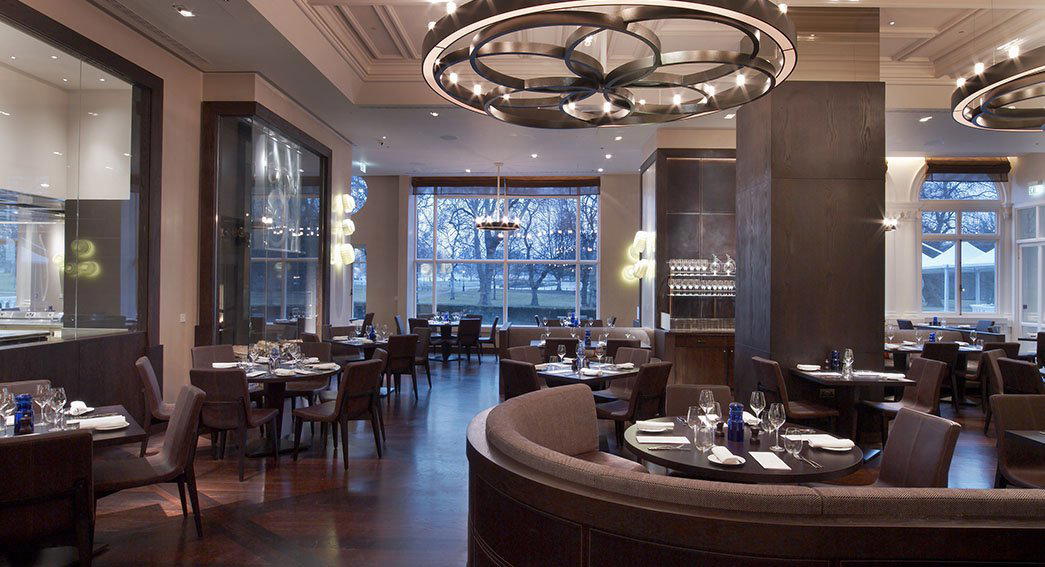
A Chicken Liver Parfait Disguised as a Mandarin
The dish arrives looking precisely like a clementine, skin texture and all, resting on a small branch. It is not a clementine. It is Meat Fruit: a smooth chicken liver parfait encased in a mandarin gel, among the more replicated and discussed presentations in contemporary British dining. That a single starter can carry so much critical weight says something instructive about the broader ambition of this kitchen. The format here is not novelty for its own sake. It is a systematic argument that British culinary history, when excavated properly, can hold its own against any tradition in the world.
Dinner by Heston Blumenthal is a two Michelin star restaurant in London at 66 Knightsbridge, within the Mandarin Oriental Hyde Park. The restaurant sits within a London fine dining tier that includes three-Michelin-starred addresses like CORE by Clare Smyth, Restaurant Gordon Ramsay, Sketch, The Lecture Room and Library, and The Ledbury. At two Michelin stars, Dinner sits in the tier below those addresses on the star count, but its trajectory through the World's 50 Best rankings tells a different story: ranked 5th globally in 2014. Few London restaurants have held that level of sustained international recognition across a fifteen-year span.
What Modern British Identity Actually Means Here
The tension at the heart of British fine dining has always been whether the national culinary tradition carries enough weight to anchor a restaurant at the highest level. For much of the twentieth century, the working answer was: not. French technique, Japanese precision, and Italian ingredient culture all seemed to offer more coherent foundations. What changed was not the ingredients or the geography. It was a willingness to treat historical British recipes as primary sources rather than nostalgia.
The menu at Dinner draws from texts including The Forme of Cury, a fourteenth-century English recipe manuscript compiled for the court of Richard II. Dishes are dated on the menu to reflect their source period, a device that functions simultaneously as provenance and editorial comment. Rice and Flesh, for instance, references medieval English cooking traditions. The Tipsy Cake, served with spit-roasted pineapple visible from the kitchen pass, connects to eighteenth-century British confectionery. The effect is less historical recreation than active dialogue between then and now. Techniques are contemporary; the conceptual scaffolding is centuries old.
This positions the restaurant in a different competitive conversation from a venue like Ikoyi, which applies a global and West African-inflected lens to British produce, or from Michelin three-star addresses where French classical structure remains the primary framework. The closest analogue in ambition, if not in form, might be L'Enclume in Cartmel or Moor Hall in Aughton, both of which use their regional British context as the conceptual anchor rather than the decorative touch. Seen alongside these addresses, Dinner looks less like an outlier and more like a particularly well-resourced expression of a coherent national conversation.
Beyond London, the wider British fine dining circuit includes addresses such as Gidleigh Park in Chagford, Hand and Flowers in Marlow, and hide and fox in Saltwood, each approaching British identity through a different register. None of them make the same argument as loudly or as theatrically as Dinner does. The Fat Duck in Bray, Heston Blumenthal's original three-Michelin-starred restaurant, is the obvious companion piece, though the two kitchens operate with distinct personalities: The Fat Duck is more overtly surreal and autobiographical; Dinner is more historically grounded and formally composed.
The Room and What It Communicates
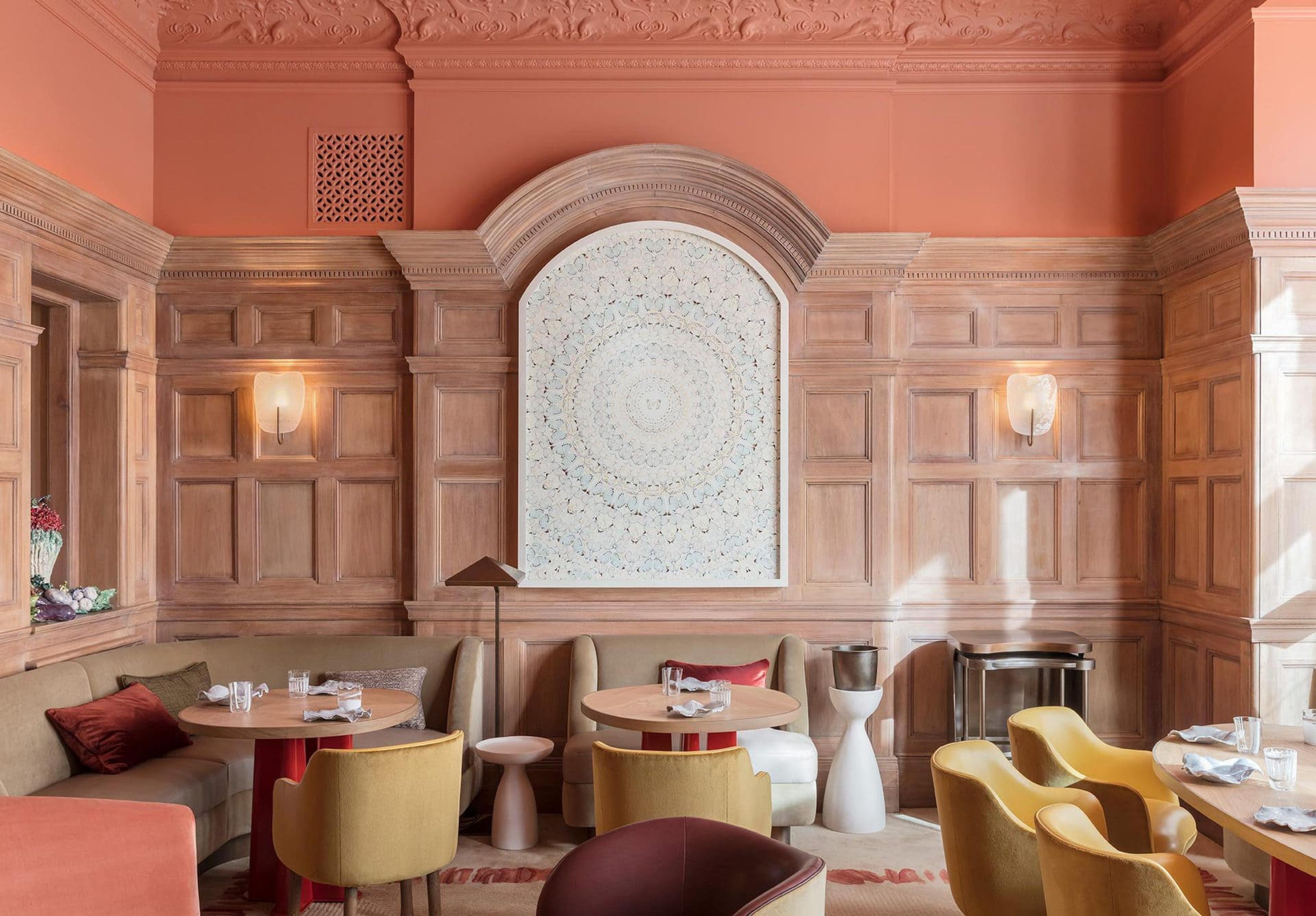
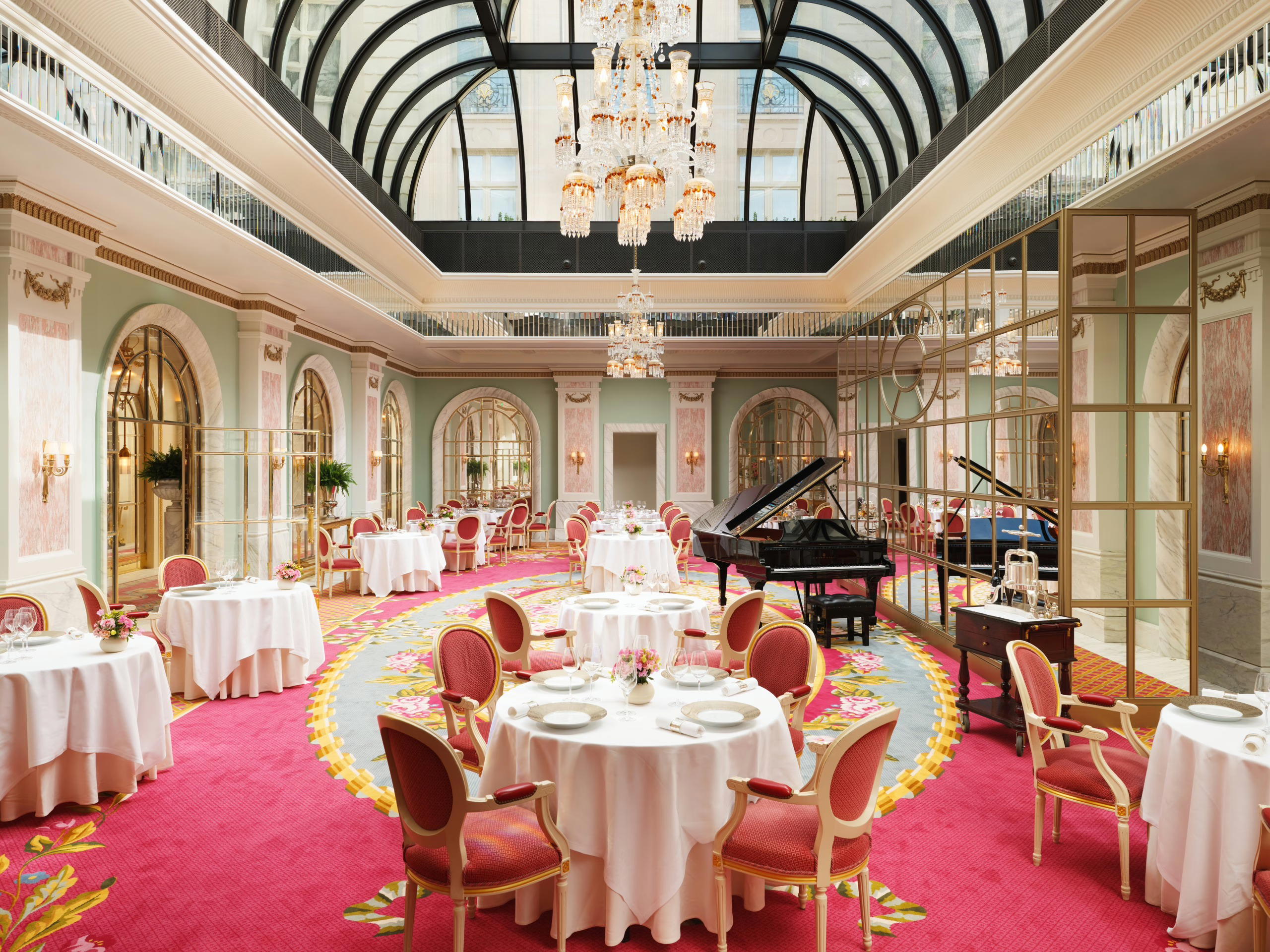
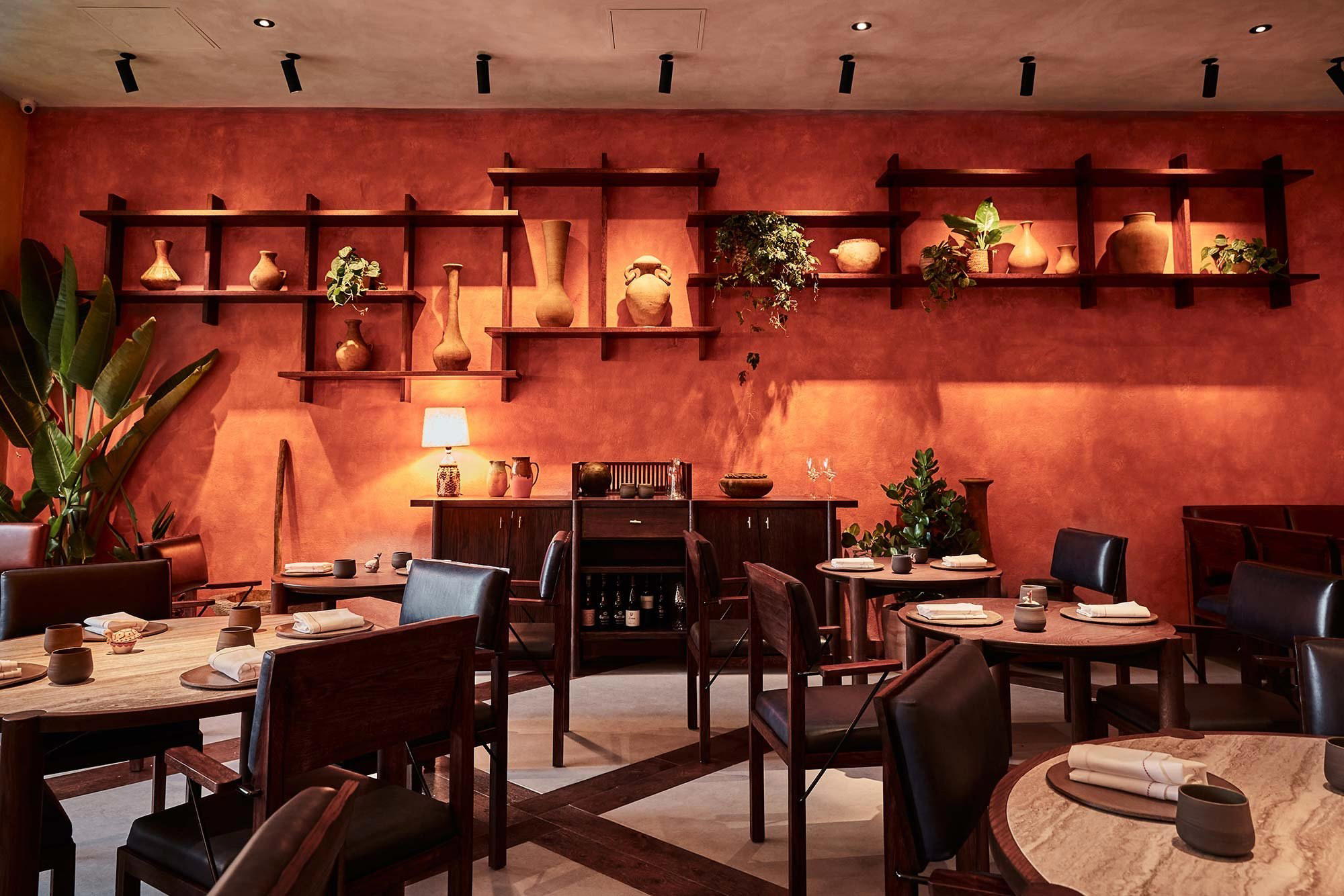
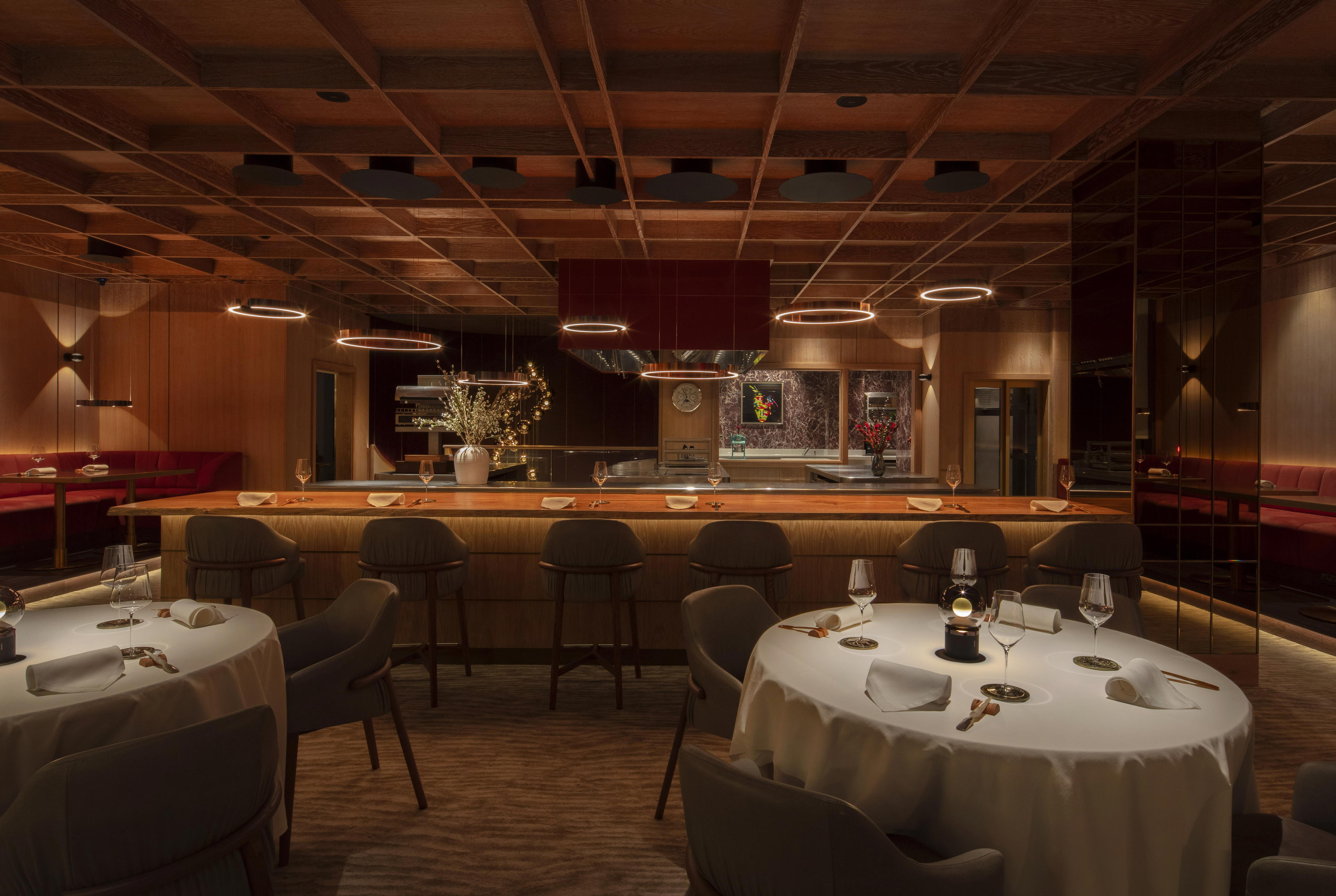
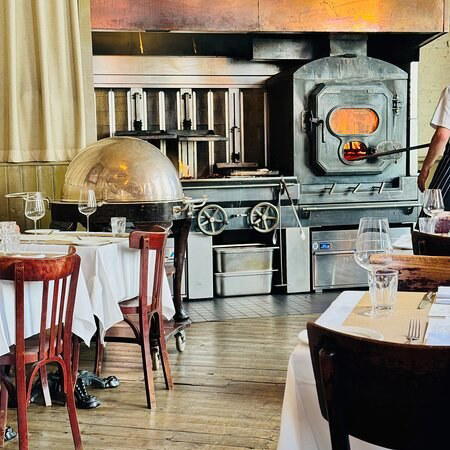
The dining room occupies the first floor of the Mandarin Oriental Hyde Park, with a glass-walled kitchen visible from much of the space. The pineapple spit-roaster is positioned deliberately within sightlines, a reminder that what looks theatrical is also functional. The room is dark and atmospheric without being oppressive, a notable calibration for a hotel restaurant at this price tier, where the tendency toward over-lit formality can flatten the atmosphere that the kitchen is trying to create.
The Hyde Park aspect matters contextually. Knightsbridge fine dining exists in a particular ecosystem: the hotel guest base intersects with a serious local repeat clientele and an international visitor cohort that skews toward dining as a primary travel motivation.406 reviews is meaningful at this price point and format. The score suggests consistent execution across a large sample, not just peak-night performance.
For international visitors arriving via New York's high-end dining circuit, the reference points are different but the register is comparable. Venues like Le Bernardin and Atomix occupy different culinary traditions but the same tier of formal ambition and critical attention. Dinner fits alongside those addresses in a global conversation about what a serious restaurant in a major city owes its guests technically, conceptually, and experientially.
The Current Kitchen and Where the Menu Sits
Executive Chef Jon Miles-Bowring leads the kitchen. In London's formal dining context, the kitchen's continuity of approach matters more than biographical detail. The menu remains anchored in the historical-British framework established at opening. The broader pattern in London's two-star tier suggests that kitchens that maintain a clear conceptual identity over time accumulate a different kind of recognition than those that refresh their concept with each new appointment.
At the ££££ price tier, wine list depth is expected; a first-place ranking from a dedicated specialist publication indicates a program built for a specific kind of collector-grade engagement rather than hotel banquet convenience.
Practical Considerations
Know Before You Go
- Address: 66 Knightsbridge, London SW1X 7LA (inside the Mandarin Oriental Hyde Park)
- Price tier: ££££
- Awards: Two Michelin stars (2024); La Liste 82pts (2025); World's 50 Best Top 10 (2012-2015); Star Wine List #1 (2021)
- Hours: Monday to Thursday 12 to 2pm and 6 to 9pm; Friday and Saturday 12 to 2:30pm and 6 to 9:30pm; Sunday 12 to 2:30pm and 6 to 9:30pm
- Nearest transport: Knightsbridge station (Piccadilly line), a short walk
- Booking: Reservations are strongly advised; the restaurant operates both lunch and dinner services across seven days
- Dress code: Smart dress is the expected standard at this address and price tier
Recognition, Side-by-Side
Comparable venues nearby, for context on price, style, and recognition.
| Venue | Cuisine | Price | Awards | Notes |
|---|---|---|---|---|
| Dinner by Heston BlumenthalThis venue — the venue you are viewing | Historic British Fine Dining | $$$$ | Michelin 2 Star | Not listed |
| CORE by Clare Smyth | Modern British Fine Dining | $$$$ | Michelin 3 Star | Notting Hill |
| The Clove Club | Modern British Fine Dining | $$$$ | Michelin 2 Star | Shoreditch |
| Ikoyi | Modern West African Fine Dining | $$$$ | Michelin 2 Star | Temple |
| The Ledbury | Modern British Fine Dining | $$$$ | Michelin 3 Star | Notting Hill |
| Muse by Tom Aikens | Modern British Fine Dining | $$$$ | Michelin 1 Star | Belgravia |
Recognition history
Dated appearances from independent guides and award organizations, with the underlying list record or original source where available.
AA Rosettes 4 Rosettes
AA Rosettes
Falstaff Restaurant - 96 Falstaff Points
Falstaff
La Liste Top Restaurants
La Liste
Michelin 2 Stars
Michelin
Opinionated About Dining Top Restaurants in Asia Recommended
Opinionated About Dining
Opinionated About Dining Top Restaurants in Europe Ranked #144
Opinionated About Dining
Star Wine List
Star Wine List
La Liste Top Restaurants
La Liste
Michelin 2 Stars
Michelin
Michelin 2 Stars
Michelin
World's Best Wine Lists Awards WBWL 3-Star
World's Best Wine Lists Awards
Star Wine List
Star Wine List
World's 50 Best Best Restaurants #45
World's 50 Best
World's 50 Best Best Restaurants #36
World's 50 Best
World's 50 Best Best Restaurants #45
World's 50 Best
World's 50 Best Best Restaurants #7
World's 50 Best
World's 50 Best Best Restaurants #5
World's 50 Best
World's 50 Best Best Restaurants #7
World's 50 Best
World's 50 Best Best Restaurants #9
World's 50 Best
Continue exploring
More in London
Restaurants in London
Browse all →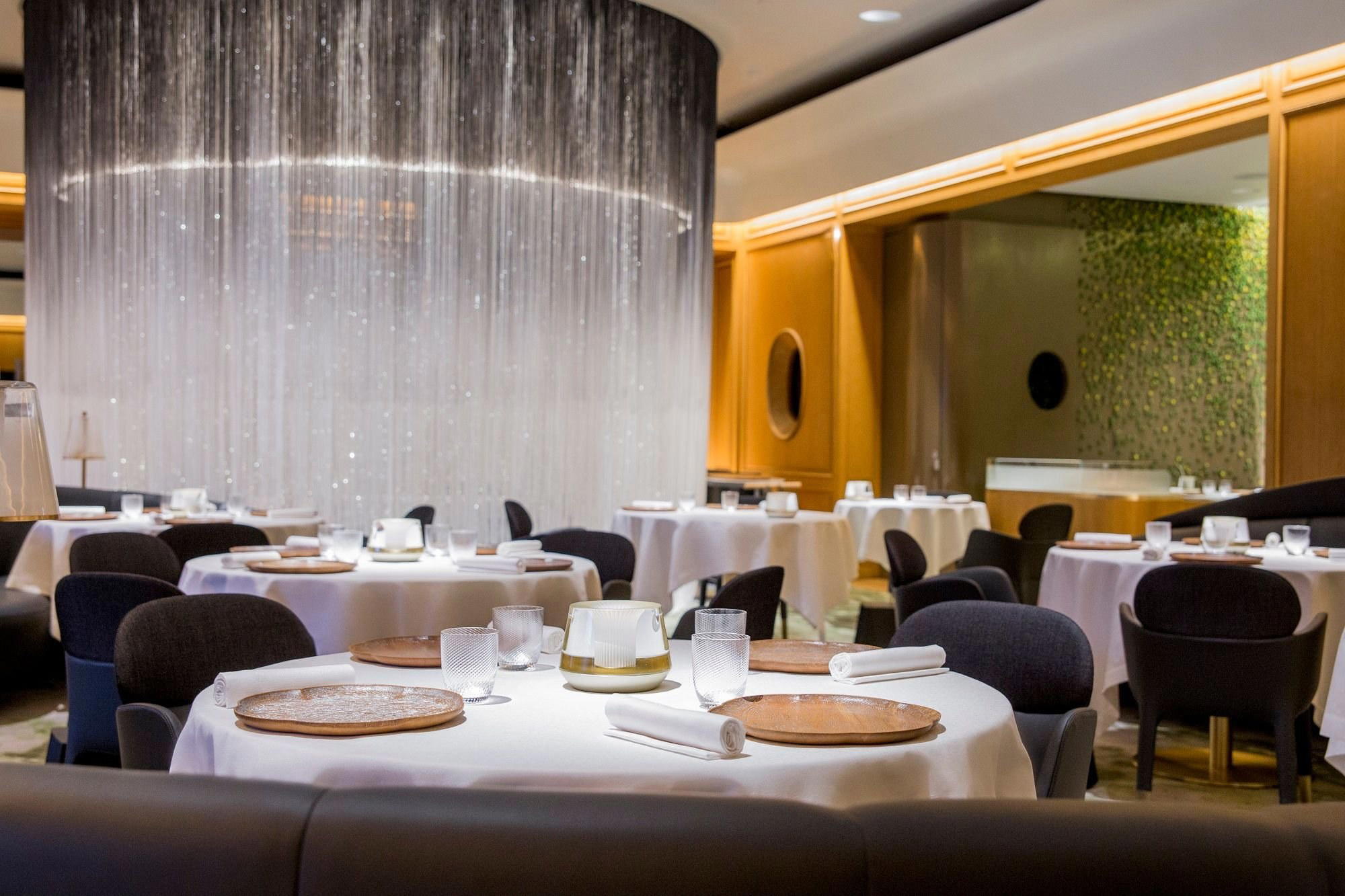
Bars in London
Browse all →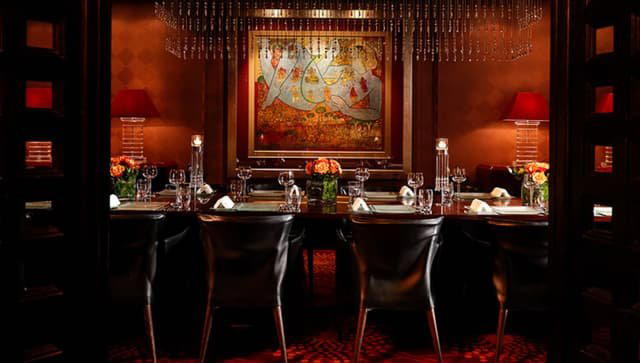
Hotels in London
Browse all →

At a Glance
- Elegant
- Sophisticated
- Well Known
- Celebration
- Special Occasion
- Business Dinner
- Date Night
- Private Dining
- Hotel Restaurant
- Open Kitchen
- Extensive Wine List
- Sommelier Led
- Craft Cocktails
- Local Sourcing
- Sustainable Seafood
Current opening hours
- Monday
- 12–2 PM, 6–9 PM
- Tuesday
- Closed
- Wednesday
- 12–2 PM, 6–9 PM
- Thursday
- 12–2 PM, 6–9 PM
- Friday
- 12–2:30 PM, 6–9:30 PM
- Saturday
- 12–2:30 PM, 6–9:30 PM
- Sunday
- 12–2:30 PM, 6–9:30 PM
Hours can change for holidays and private events. Last verified .
Ornate but somewhat austere dining room with dark wood tables and brown leather chairs; large space with 110 seats creates a somewhat desolate atmosphere despite professional service and refined lighting.