Trivet








Trivet holds two Michelin stars and the top Star Wine List ranking in a deliberately low-key corner of Southwark, where Jonny Lake's à la carte menu of sharply flavoured, technically assured dishes shares the stage with Isa Bal's Middle Eastern-leaning wine list. Mains run between £50–£60; the full package rewards diners prepared to engage seriously with both the food and the cellar.
Pearl is the En Primeur Club membership app — saves, bookings, and concierge access live there. Same editors, same standards.
- Address
- 36 Snowsfields, London SE1 3SU, United Kingdom
- Phone
- +44 20 3141 8670
- Website
- trivetrestaurant.co.uk
- Directions
- Get directions
 Saves & bookings on Pearl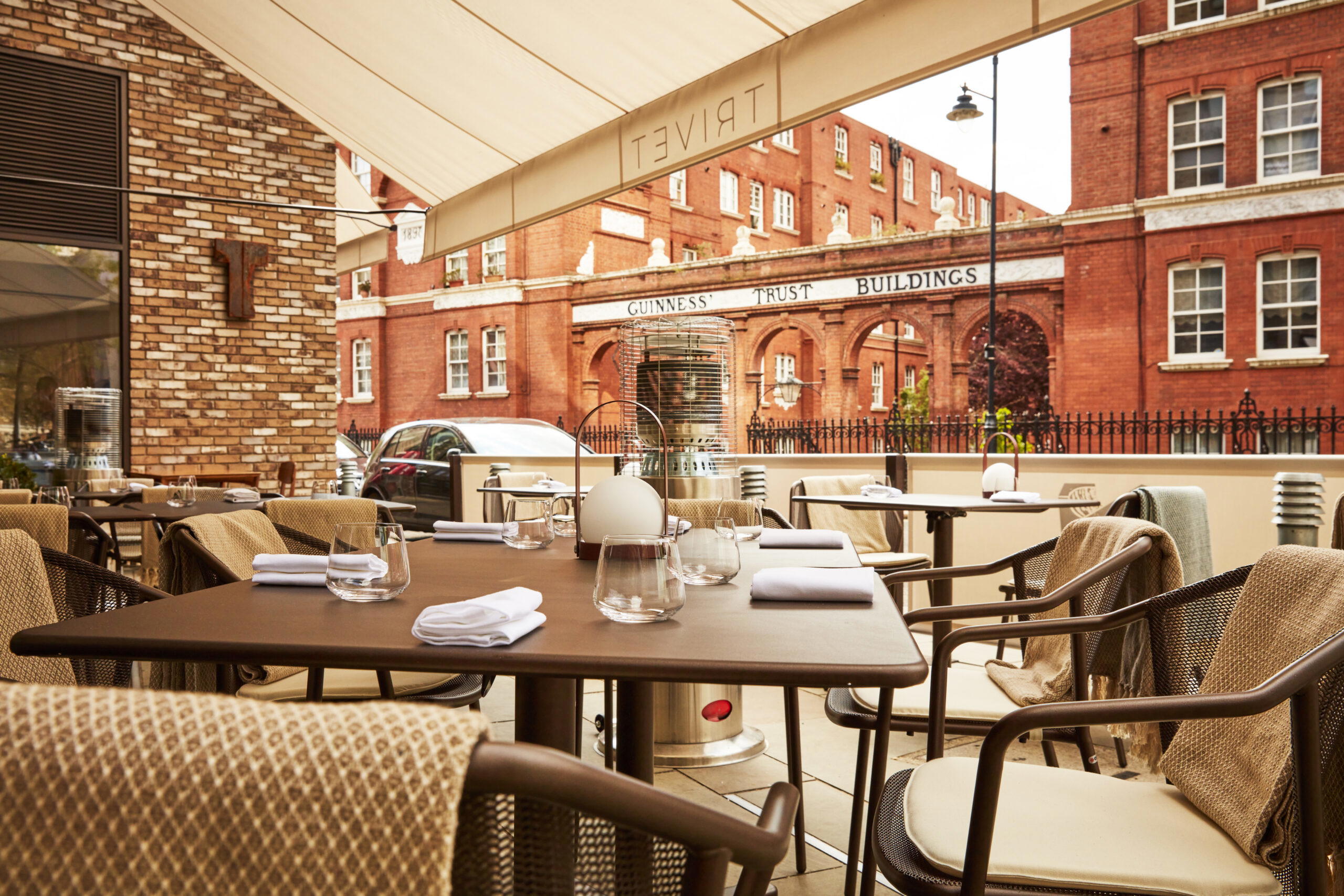
The Case for Going to Southwark
If you do one thing at London's two-star level, do it south of the river. Most of the capital's heaviest-credentialled restaurants cluster in Mayfair, Chelsea, and Notting Hill, which means Trivet's address at 36 Snowsfields, SE1, reads as a deliberate provocation. That corner of Southwark, tucked behind London Bridge station's Victorian railway arches, carries none of the inherited glamour of those western neighbourhoods, and that absence is precisely the point. The restaurant's two Michelin stars, earned in consecutive years and held through 2025, place it squarely in the capital's top tier. Its Star Wine List number-one ranking, held in 2021, 2022, 2023, and again in 2024, positions it in a different conversation from any other two-star in London. The question for a serious diner is not whether Trivet belongs in that tier. It does. The question is whether the full experience justifies the commitment — and on that point, opinion divides sharply.
Space and Atmosphere: A Room Designed to Resist Drama
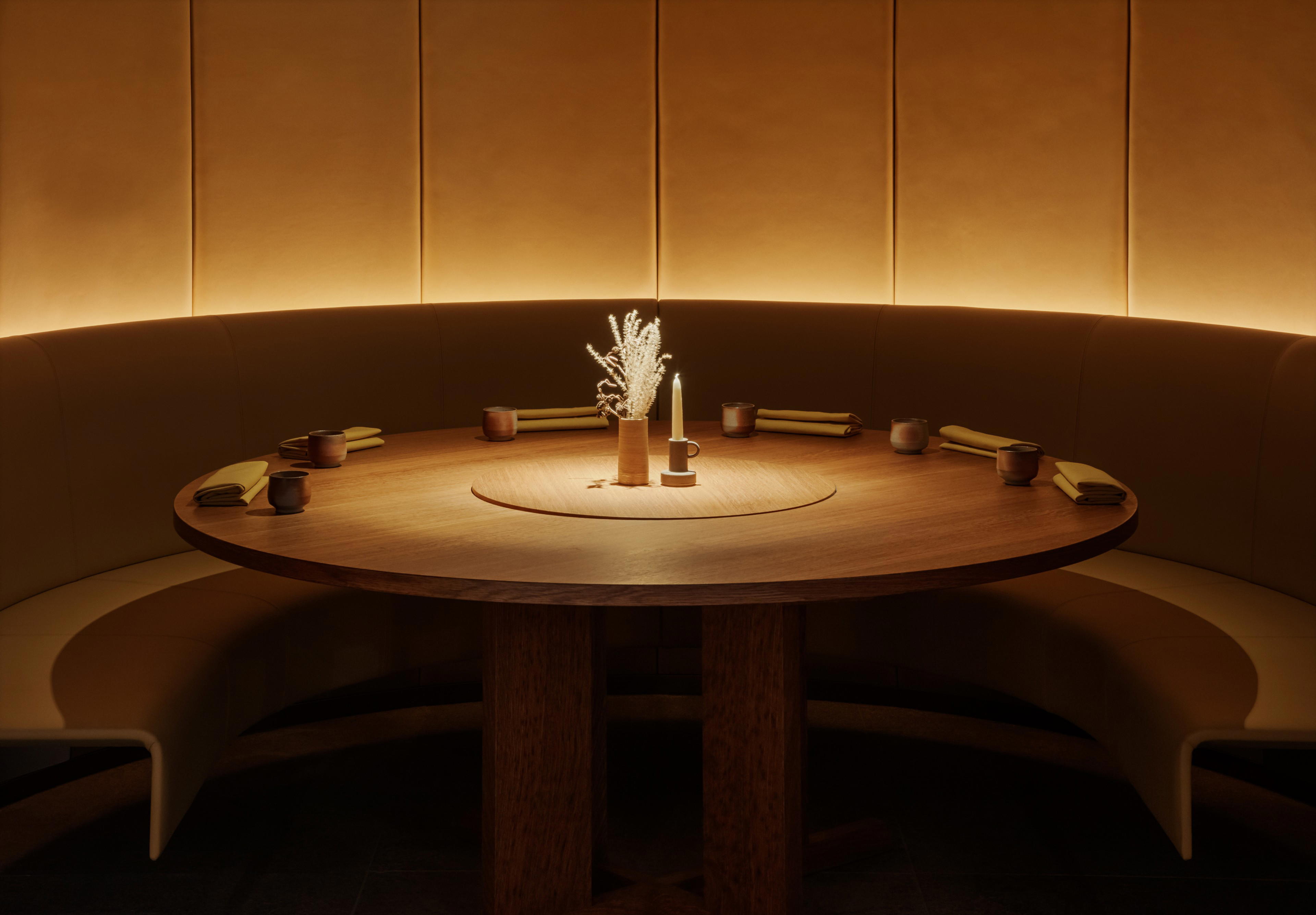
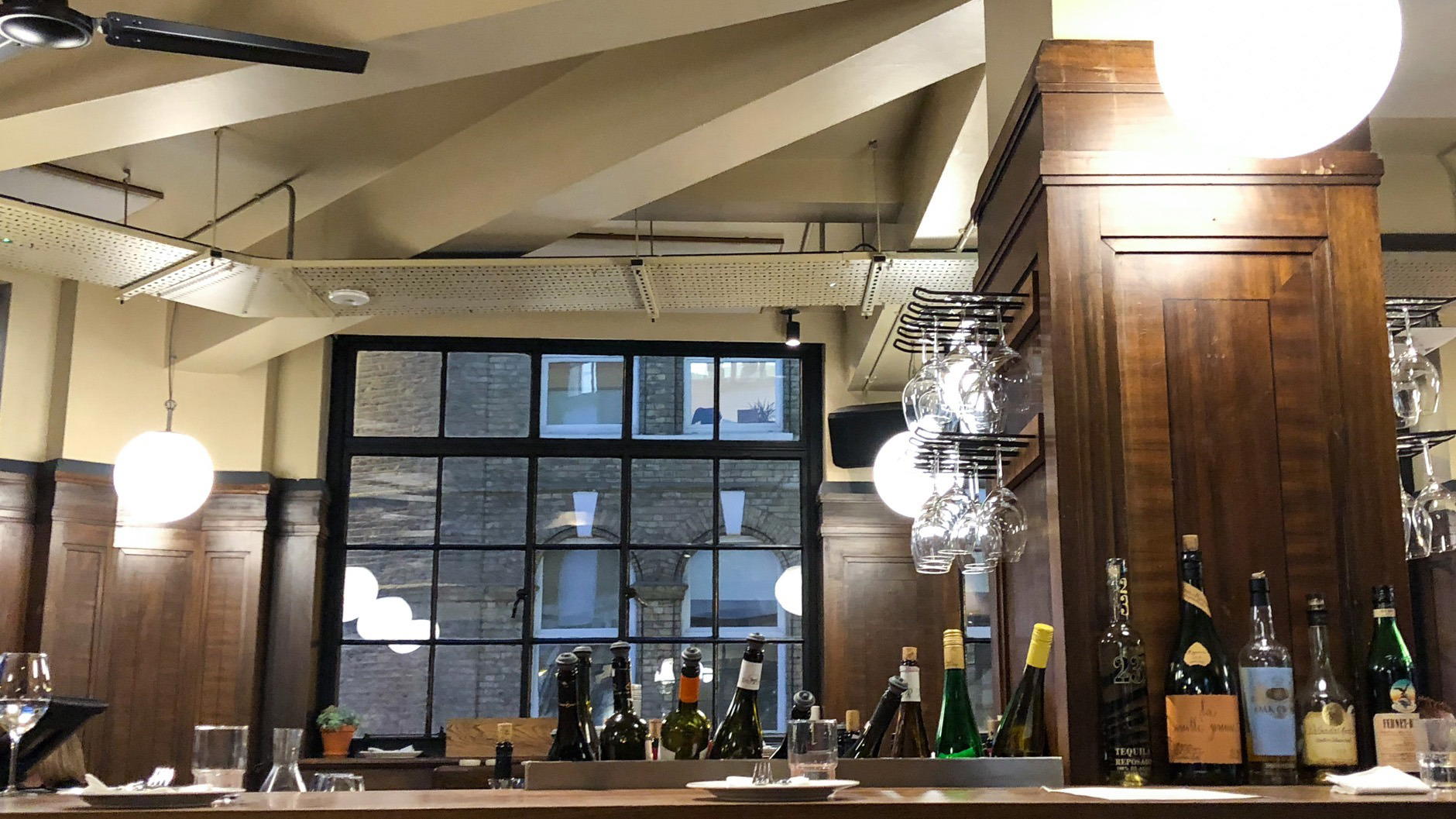
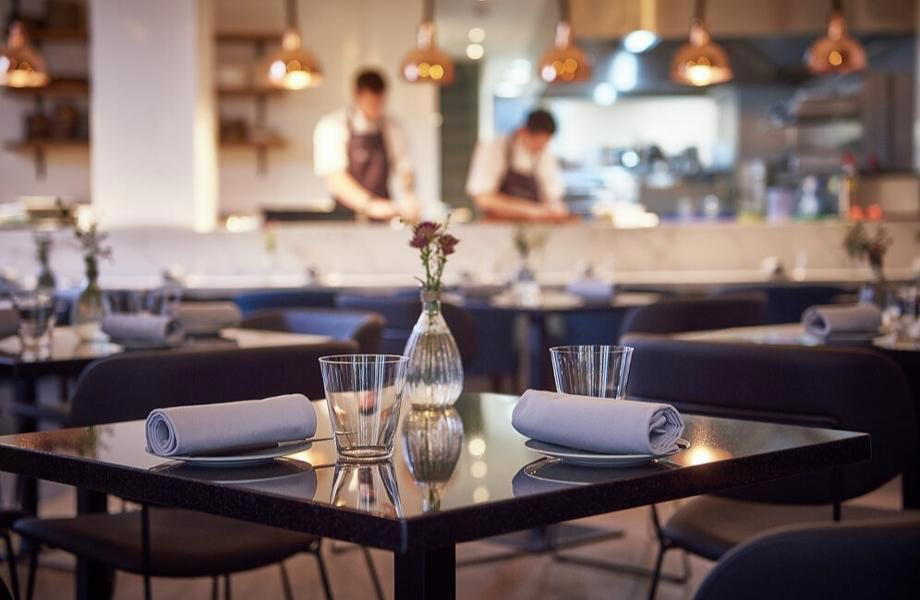
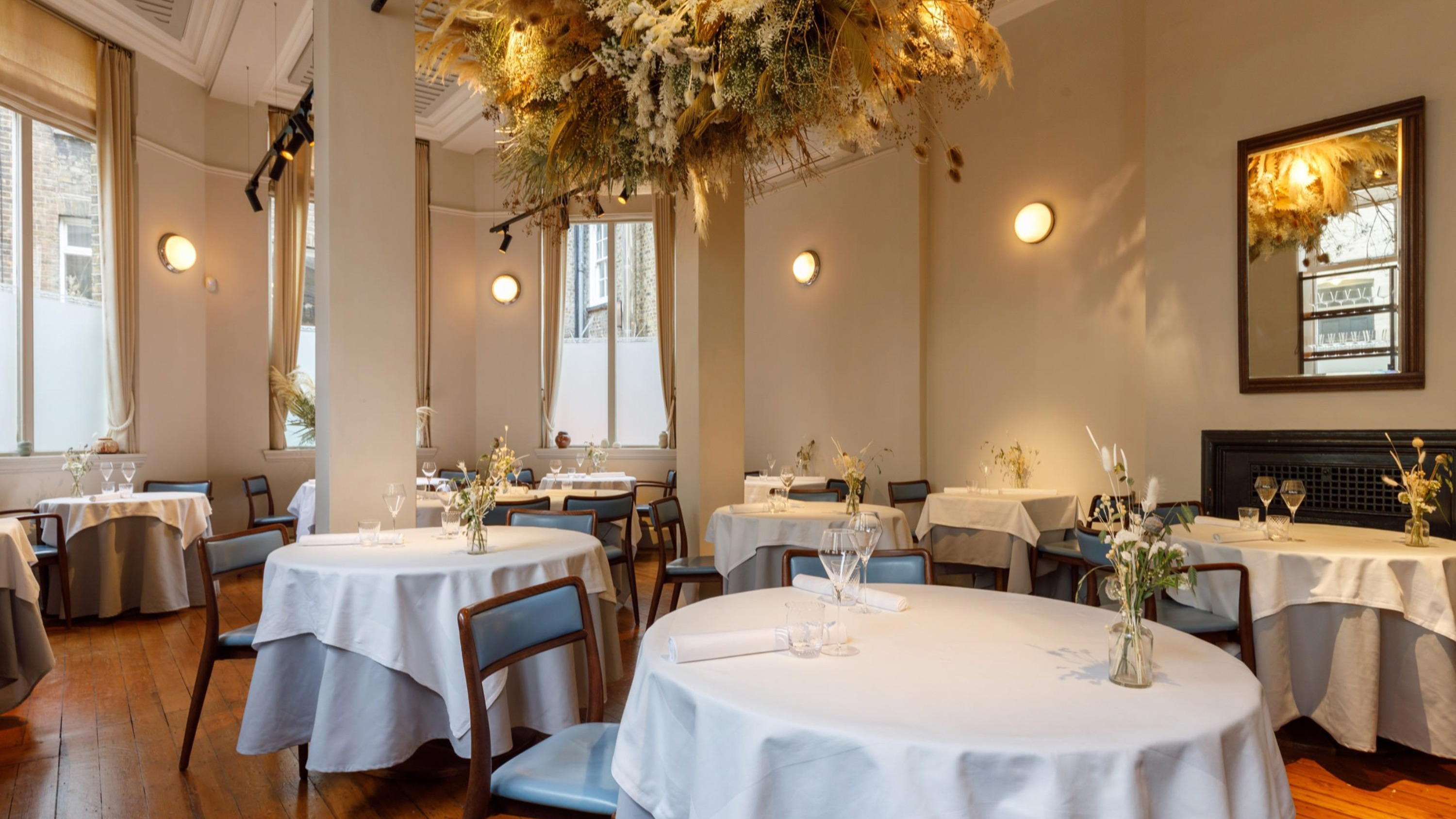
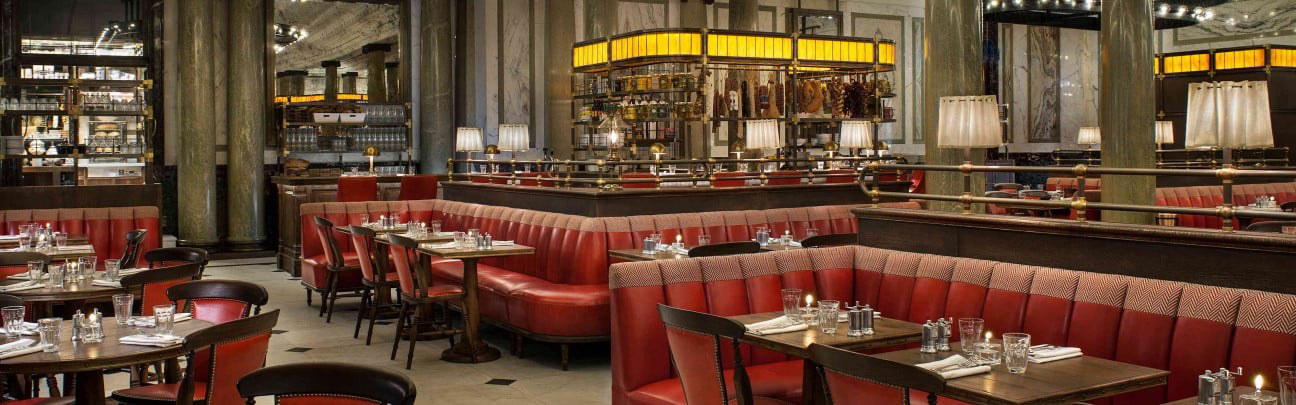
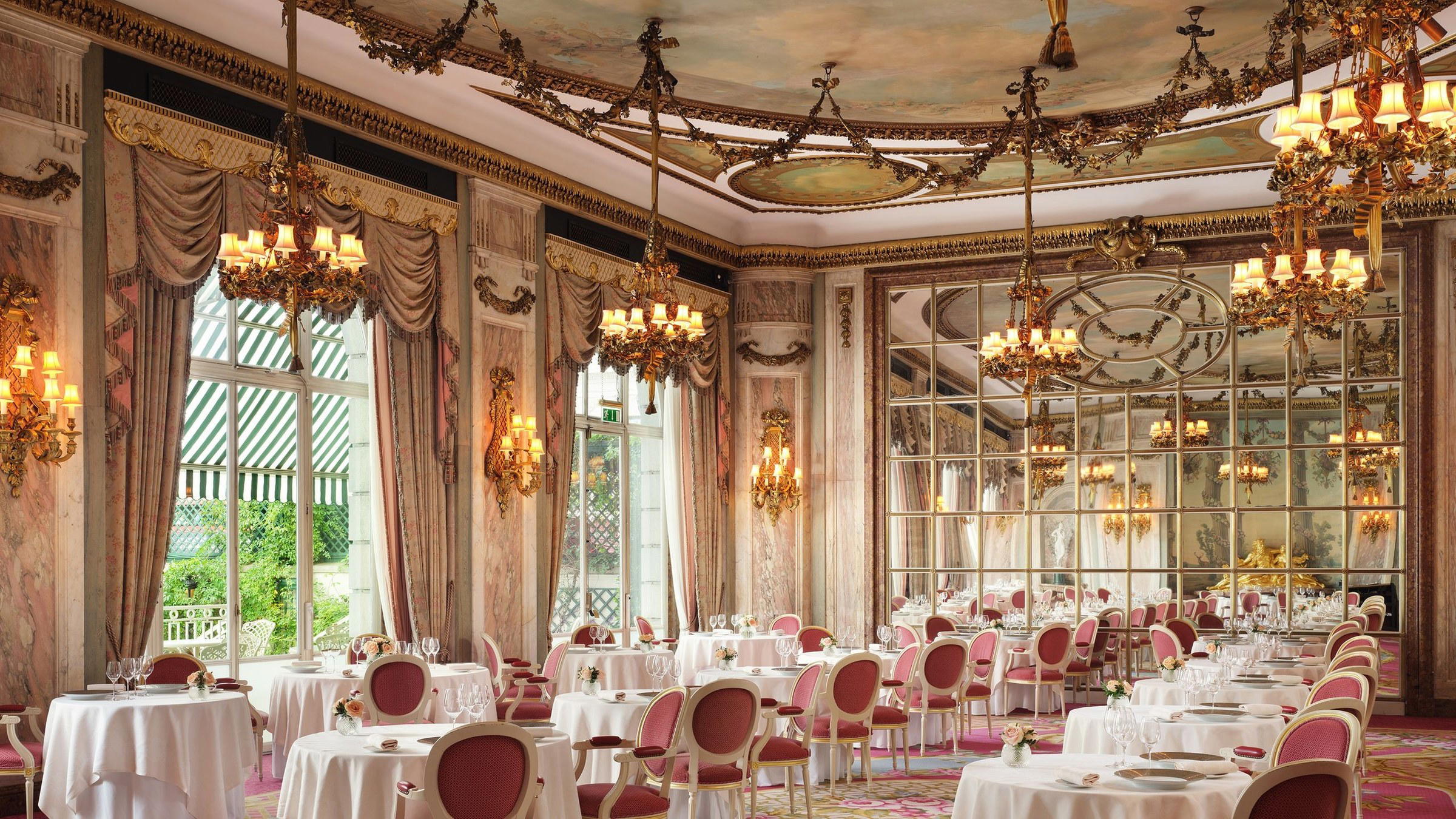
London's two-star dining rooms tend toward one of two registers: either formal grandeur, with high ceilings, white tablecloths, and a pace calibrated to reverence, or the deliberate counter-signal of stripped-back minimalism. Trivet belongs to neither camp. The room reads more like a generously proportioned West Coast American brasserie — spacious, calm, well-lit without being harsh, with tables positioned far enough apart to permit actual conversation at normal volume. An open kitchen runs along one wall, allowing the brigade to function as theatre without being the primary architectural focus. A small outdoor terrace operates in summer with its own dedicated menu, an unusual structural decision that gives the restaurant effectively two identities across the warmer months. The bar, which anchors a separate corner of the space, doubles on Monday evenings as Labombe, a standalone wine bar where Isa Bal's by-the-glass selection and a snack menu operate independently of the main dining room's formality.
This spatial generosity is not accidental. The deliberate informality of the room, no tasting-menu lock-in, no dress code pressure, no theatrical service choreography, creates conditions where the wine program can operate without the distraction of ceremony. When the room is quiet or the jazz sits too high in the mix, that lack of ceremony can read as atmosphere-thin to guests expecting more spectacle for their outlay. Multiple independent reviewers have noted a gap between the technical authority of the cooking and a dining room that, on certain nights, generates very little energy. It is a real tension, not a minor quibble, and it explains why critical response to Trivet has been split since opening, with ardent supporters citing the refreshing informality and detractors finding the experience difficult to reconcile with mains priced at £50–£60.
The Cooking: Sharply Delineated, Technically Assured
Progressive modern cuisine at the two-star level in London divides roughly into two modes: the narrative tasting menu, where dish sequence carries as much weight as individual execution, and the à la carte format, which places the burden on each plate to justify itself without the editorial support of a structured arc. Trivet operates in the second mode, and the cooking holds under that scrutiny. The kitchen favours sharply delineated flavour, pickled elements for acidity, kombu and dashi for saline depth, puffed or crumbed textures for contrast, over complexity for its own sake. A duck course built around fatless breast crusted in puffed rice and cracked peppercorns, served with blood orange, orange-laced carrot purée, and bigarade sauce, demonstrates the approach: classical French structure with ingredients chosen for precision rather than provenance signalling. A vegan artichoke dish dressed in seaweed stock achieves convincing piscine intensity without animal product. Desserts carry the same lateral thinking: a steamed yoghurt sponge coated in sesame seeds, served with black olive caramel and vanilla cream, pulls from Turkish pantry references in a way that feels integrated rather than decorative.
The à la carte format means the menu at any given visit reflects seasonal availability and kitchen focus rather than a fixed script. Jonny Lake trained and rose to executive chef at The Fat Duck in Bray, which places his technical formation in the molecular-gastronomy tradition, but the cooking at Trivet shows none of that tradition's maximalism. The instinct here runs toward restraint and clarity. That restraint is either the right call for a neighbourhood restaurant that wants to be visited weekly or a missed opportunity for a room carrying this level of award recognition, depending on what the diner brings to the table.
CORE by Clare Smyth operates within a more emotionally charged tasting-menu framework. The Ledbury carries substantial formal weight and a different kind of room energy. Sketch, The Lecture Room and Library leans into spectacle as a co-equal attraction alongside food. Restaurant Gordon Ramsay and Dinner by Heston Blumenthal each carry the weight of a larger institutional identity. Trivet competes on different terms from all of them: the wine list is its clearest point of distinction at the two-star level, and the à la carte format provides flexibility those peers rarely offer.
The Wine Program: The Actual Reason to Come
The Star Wine List's number-one ranking, sustained across four consecutive years from 2021 to 2024, reflects something structural rather than incidental about Trivet's identity. The list, developed under Isa Bal MS, who holds Master Sommelier status, concentrates on regions that appear almost nowhere else at this price point in London: Turkish producers, Georgian naturals, Canadian Syrah, and a strong Middle Eastern focus that would read as eccentricity in any other context but here functions as a genuine editorial point of view. The cellar is deep enough to satisfy guests who want Burgundy or Bordeaux, but the recommendation culture around the list actively steers toward the unfamiliar. Independent reviewers have described specific bottles, Turkish Chardonnay among them, as wines they would not have found anywhere else in the city. That is a defensible claim for a London restaurant.
The Monday evening Labombe format is worth noting separately. Opening the bar space as an independent wine venue on the one night the main dining room is dark is both a sound commercial decision and a signal about priorities: the program is substantial enough to anchor a standalone experience, not just support a kitchen. By-the-glass selections curated specifically for that format, alongside snack-level plates, make Labombe accessible at a lower commitment point than the full à la carte.
How Trivet Sits in the Wider British Progressive Scene
London's two-star progressive restaurants share a general aesthetic: seasonal ingredient sourcing, restrained European technique, wine lists that have moved decisively away from the classic French-only model. What differentiates them is emphasis and execution. At the country level, venues like L'Enclume in Cartmel and Moor Hall in Aughton operate within landscapes that contribute meaningfully to what arrives on the plate. Urban two-stars lack that environmental context and must generate all their argument from the room and the menu. Trivet does this primarily through the wine program and the cooking's consistent technical discipline. Comparable progressive venues in other settings, Gidleigh Park in Chagford, Hand and Flowers in Marlow, Le Manoir aux Quat' Saisons in Great Milton, trade on setting as a co-equal feature. Within the progressive category at the city level, Bagá in Jaén and Pine in East Wallhouses illustrate how the same progressive-modern idiom works under very different scale and resource conditions. Trivet's position at the La Liste ranking, 84 points in 2025 and 82 in 2026, places it solidly within Europe's recognised two-star tier without claiming the top-table position. Opinionated About Dining ranked it 253rd in Europe in 2025, a peer-review metric that adds useful texture to what the Michelin stars alone convey.
Planning Your Visit
| Factor | Trivet | The Ledbury | CORE by Clare Smyth | Sketch (Lecture Room) |
|---|---|---|---|---|
| Michelin Stars | 2 | 2 | 3 | 2 |
| Format | À la carte | À la carte / tasting | Tasting menu | Tasting menu |
| Price range | ££££ (mains £50–£60) | ££££ | ££££ | ££££ |
| Location | Southwark, SE1 | Notting Hill, W11 | Notting Hill, W11 | Mayfair, W1 |
| Wine distinction | Star Wine List #1 (2024) | Strong cellar | Curated list | Extensive cellar |
| Sunday service | Closed | Open | Open (Sat/Sun) | Open |
Trivet opens Wednesday through Saturday for lunch from noon, and Tuesday through Saturday for dinner until 11pm. Monday dinner service runs as Labombe wine bar only. The restaurant is closed Sundays. Southwark is well served by London Bridge station, which handles both National Rail and London Underground connections. For a broader picture of the capital's dining options at this level, see our full London restaurants guide. For hotels near the area, our London hotels guide covers the relevant range. Those focusing on the wine program specifically may also want to cross-reference our London bars guide, our London wineries guide, and our London experiences guide.
- Chicken with vinegar sauce
- Pigeon and persimmon
- Turkish breakfast dessert
- Hokkaido potato mille-feuille with sake gelato
- Sweetbread
- Monkfish
- Venison
- Tongue in brioche
Cuisine Lens
Comparable venues nearby, for context on price, style, and recognition.
| Venue | Cuisine | Price | Awards | Notes |
|---|---|---|---|---|
| TrivetThis venue — the venue you are viewing | Modern British Fire-Led Fine Dining | $$$$ | Michelin 2 Star | Not listed |
| Kitchen Table | Modern British Fine Dining | $$$$ | Michelin 2 Star | Fitzrovia |
| The Ivy | British Brasserie | $$$ | World's 50 Best #8 | Blackfriars |
| Da Terra | Modern Brazilian Fine Dining | $$$$ | Michelin 2 Star | Globe Town |
| The Wolseley | Grand European Brasserie | $$$$ | Michelin Plate, World's 50 Best #41 | Mayfair |
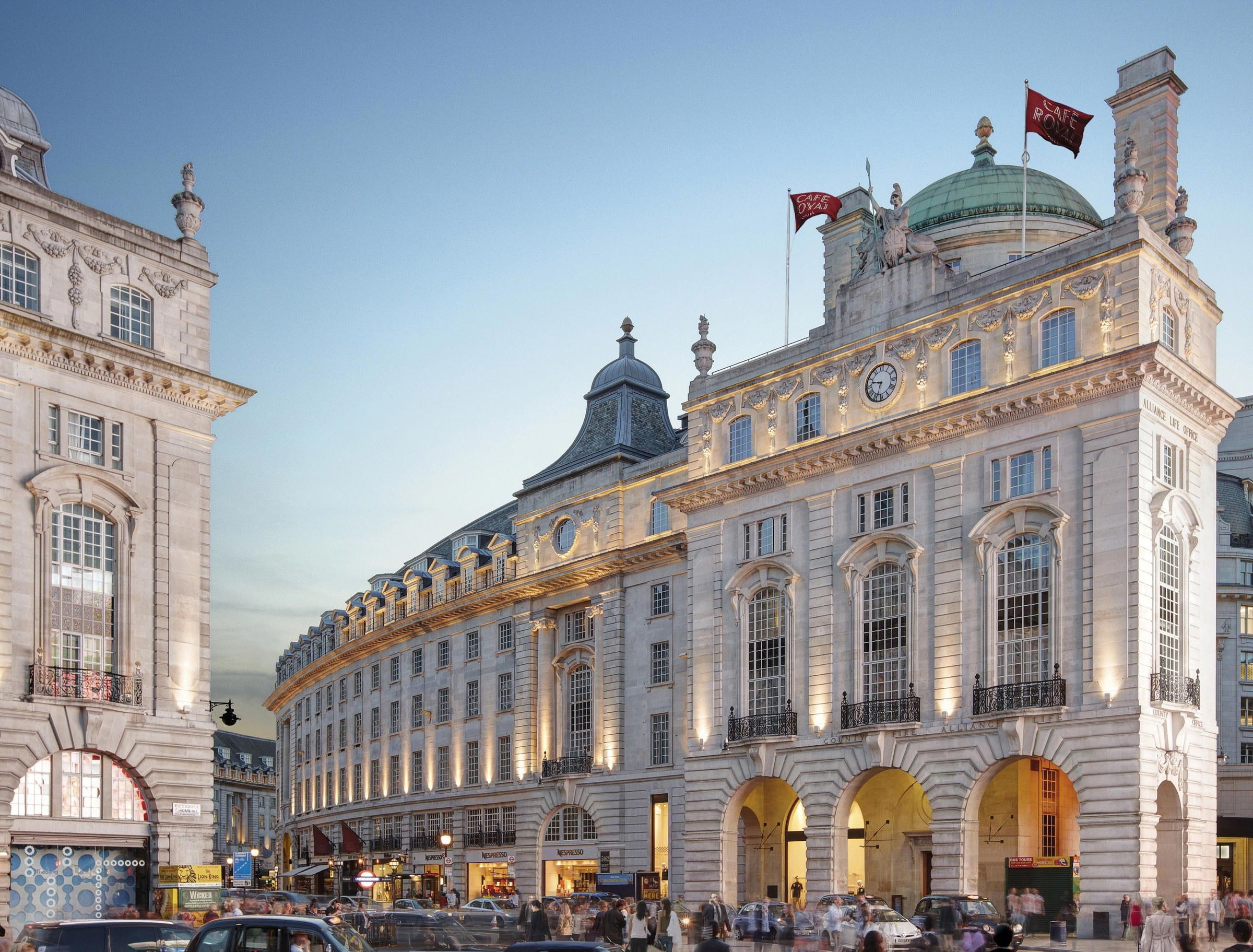
| Alex Dilling at Hotel Café Royal | Modern French Fine Dining | $$$$ | Michelin 2 Star | Piccadilly Circus |
Recognition history
Dated appearances from independent guides and award organizations, with the underlying list record or original source where available.
AA Rosettes 3 Rosettes
AA Rosettes
Falstaff Restaurant - 97 Falstaff Points
Falstaff
Harden's Top 100 UK Restaurants #74
Harden's
La Liste Top Restaurants
La Liste
Michelin 2 Stars
Michelin
National Restaurant Awards Top 100 #92 · No. 92
National Restaurant Awards · 2026 National Restaurant Awards Top 100
Opinionated About Dining Top Restaurants in Europe Recommended
Opinionated About Dining
Star Wine List
Star Wine List
La Liste Top Restaurants
La Liste
Michelin 2 Stars
Michelin
National Restaurant Awards Top 100 #98
National Restaurant Awards
Opinionated About Dining Top Restaurants in Europe Ranked #253
Opinionated About Dining
The Best Chef One Knife
The Best Chef
The Good Food Guide GFG Very Good
The Good Food Guide
Michelin 2 Stars
Michelin
Opinionated About Dining Top Restaurants in Europe Ranked #278
Opinionated About Dining
Star Wine List
Star Wine List
Opinionated About Dining Top New Restaurants in Europe Recommended
Opinionated About Dining
Star Wine List
Star Wine List
Star Wine List
Star Wine List
Star Wine List
Star Wine List
Continue exploring
More in London
Restaurants in London
Browse all →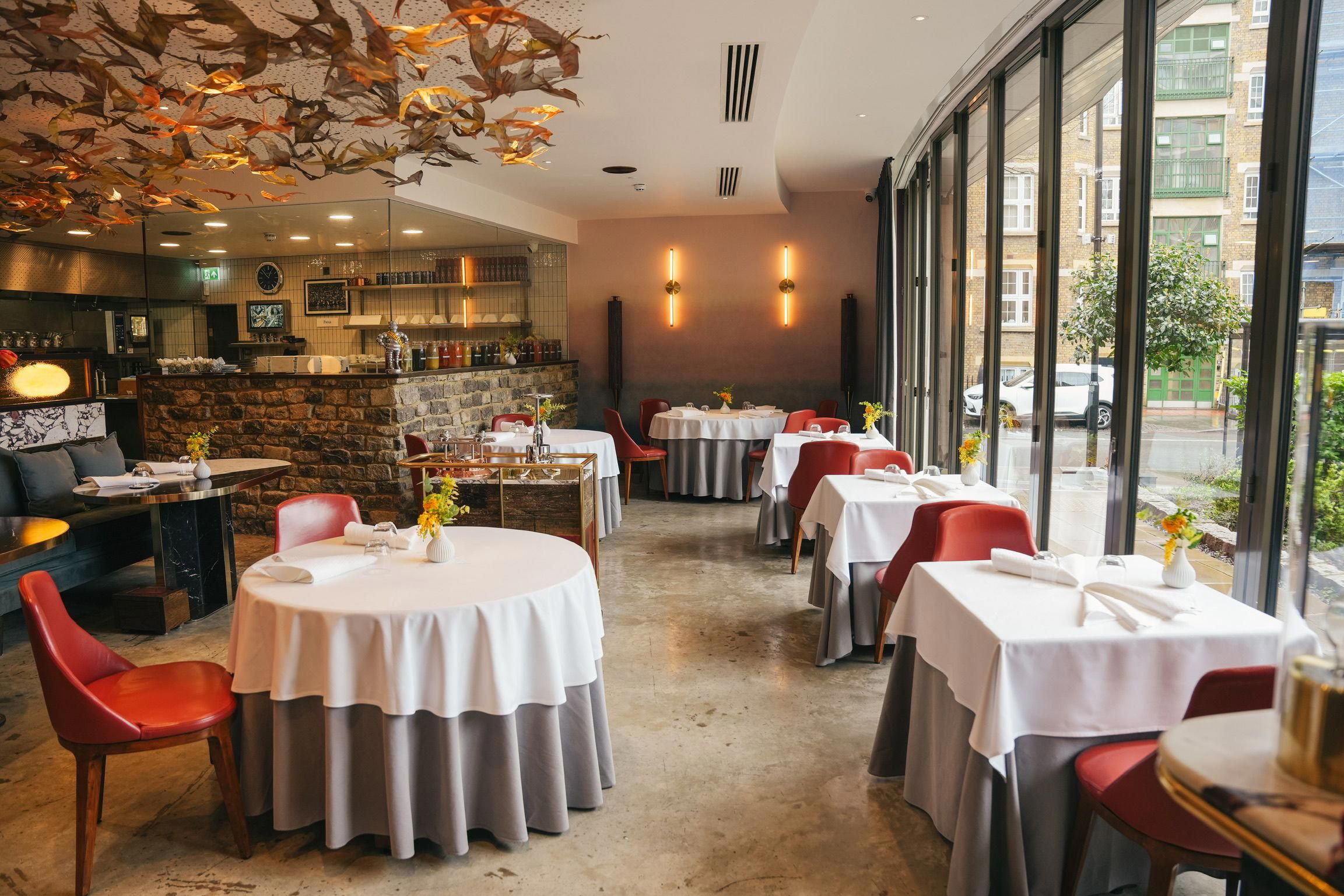
Bars in London
Browse all →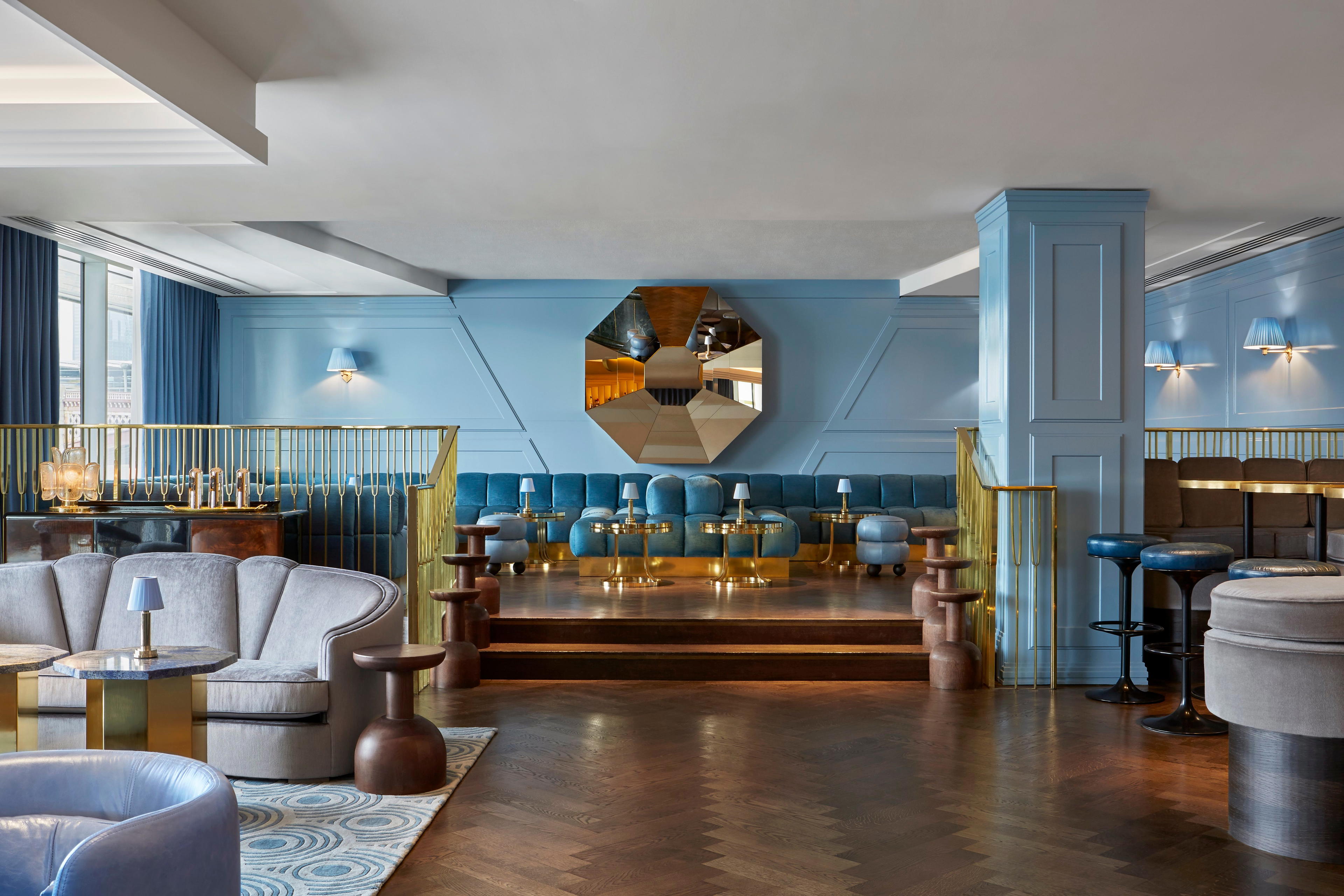
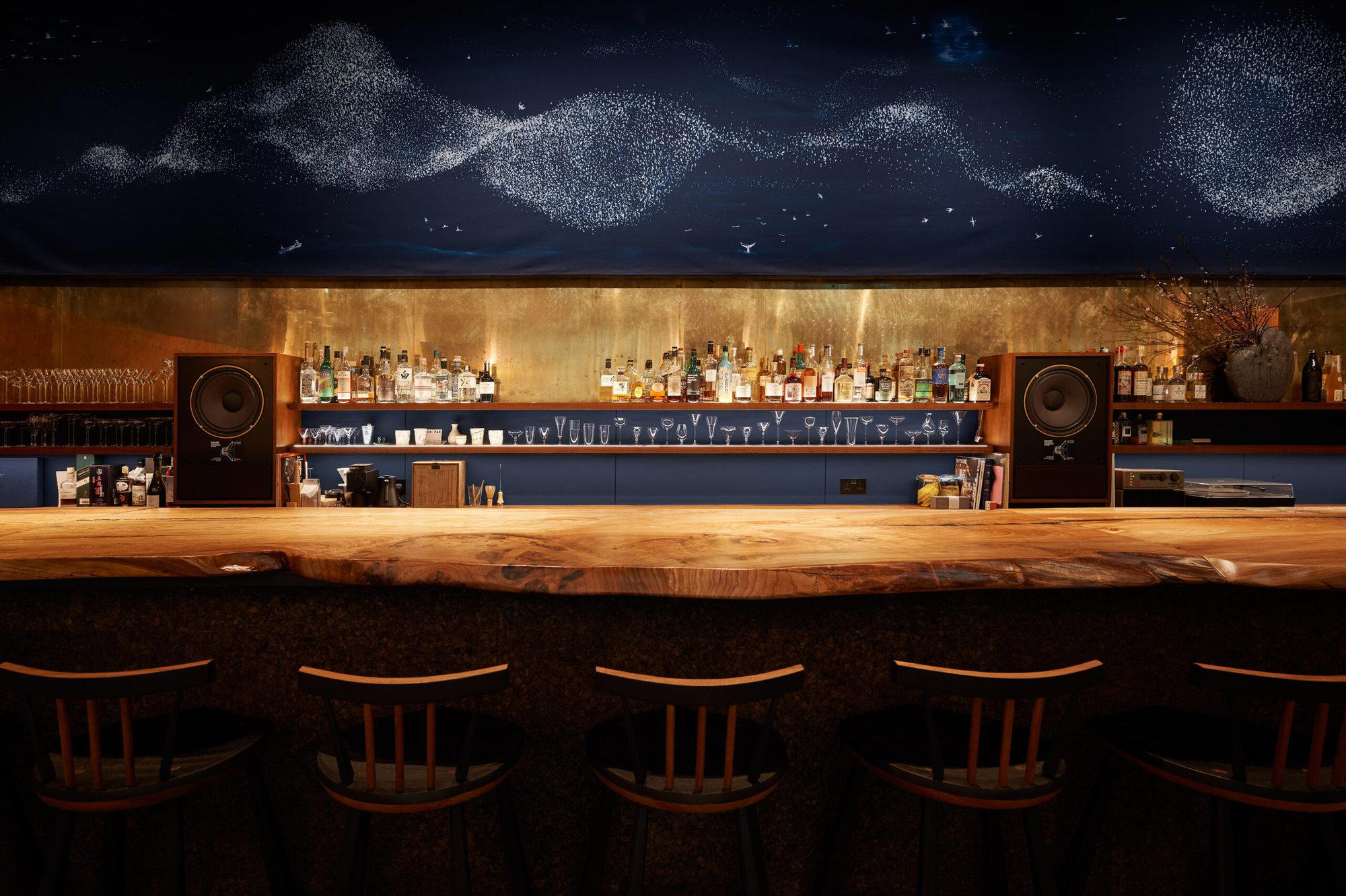
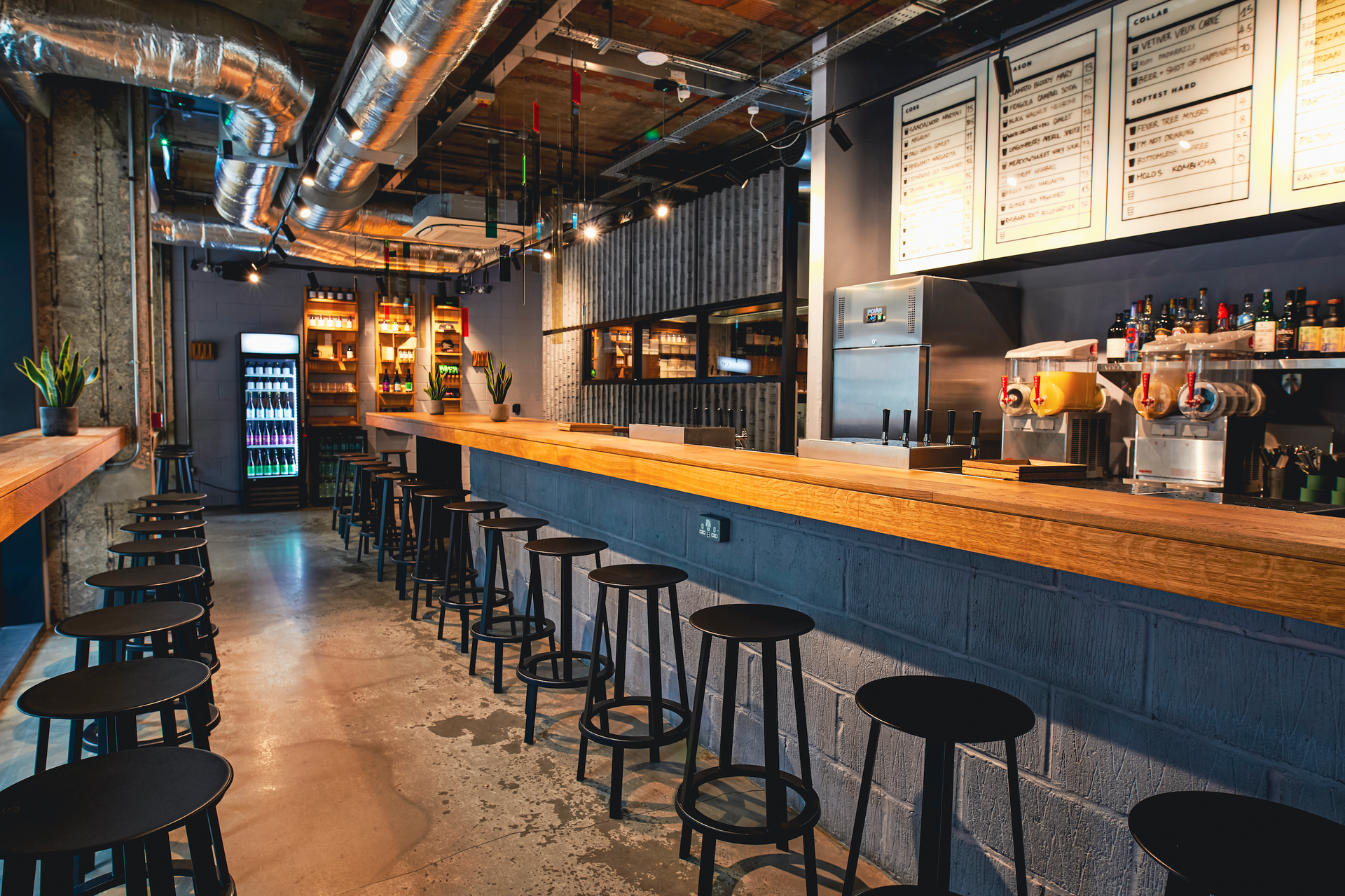
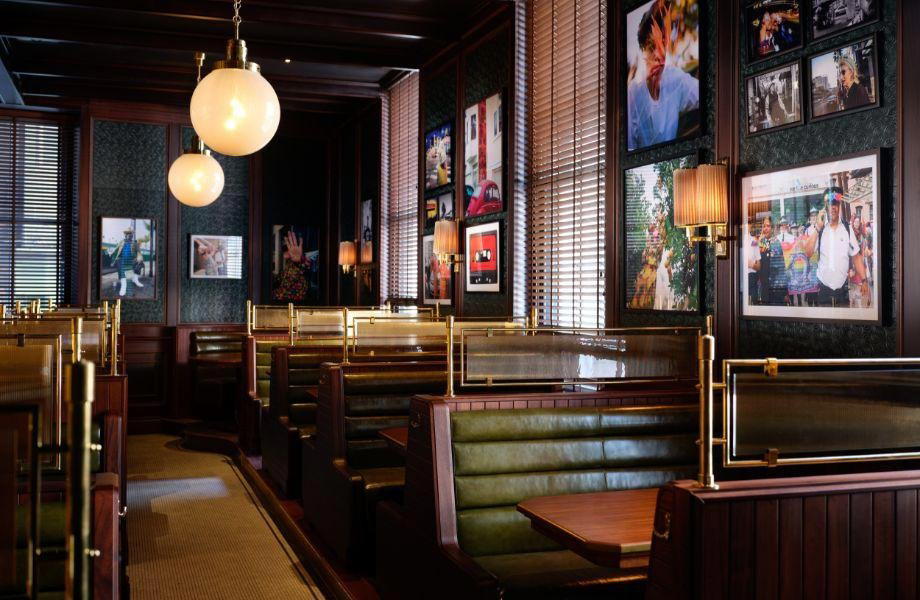
Hotels in London
Browse all →


At a Glance
- Elegant
- Modern
- Sophisticated
- Intimate
- Special Occasion
- Date Night
- Celebration
- Business Dinner
- Open Kitchen
- Standalone
- Extensive Wine List
- Sommelier Led
- Natural Wine
- Local Sourcing
- Farm To Table
Current opening hours
- Monday
- 5–11 PM
- Tuesday
- 6–11 PM
- Wednesday
- 12–11 PM
- Thursday
- 12–11 PM
- Friday
- 12–11 PM
- Saturday
- 12–11 PM
- Sunday
- Closed
Hours can change for holidays and private events. Last verified .
Relaxed and welcoming with an open kitchen, minimal formality despite fine dining caliber, warm lighting, and a comfortable neighborhood feel that contrasts with traditional haute cuisine stuffiness.
Know Before You Go
- Getting there
- 36 Snowsfields, London SE1 3SU, United Kingdom