Lyaness






World's 50 Best #54 · CLASS Bar Awards Front of House Star · Top 50 Cocktail Bars UK #25
Ranked #40 in the Top 500 Bars (2025) and a consistent presence in the World's 50 Best Bars since 2019, Lyaness on London's South Bank operates at the upper tier of ingredient-led cocktail bars.

Pearl is the En Primeur Club membership app — saves, bookings, and concierge access live there. Same editors, same standards.
- Address
- 20 Upper Ground, London SE1 9PD
- Phone
- +44 20 3747 1063
- Website
- lyaness.com
- Directions
- Get directions
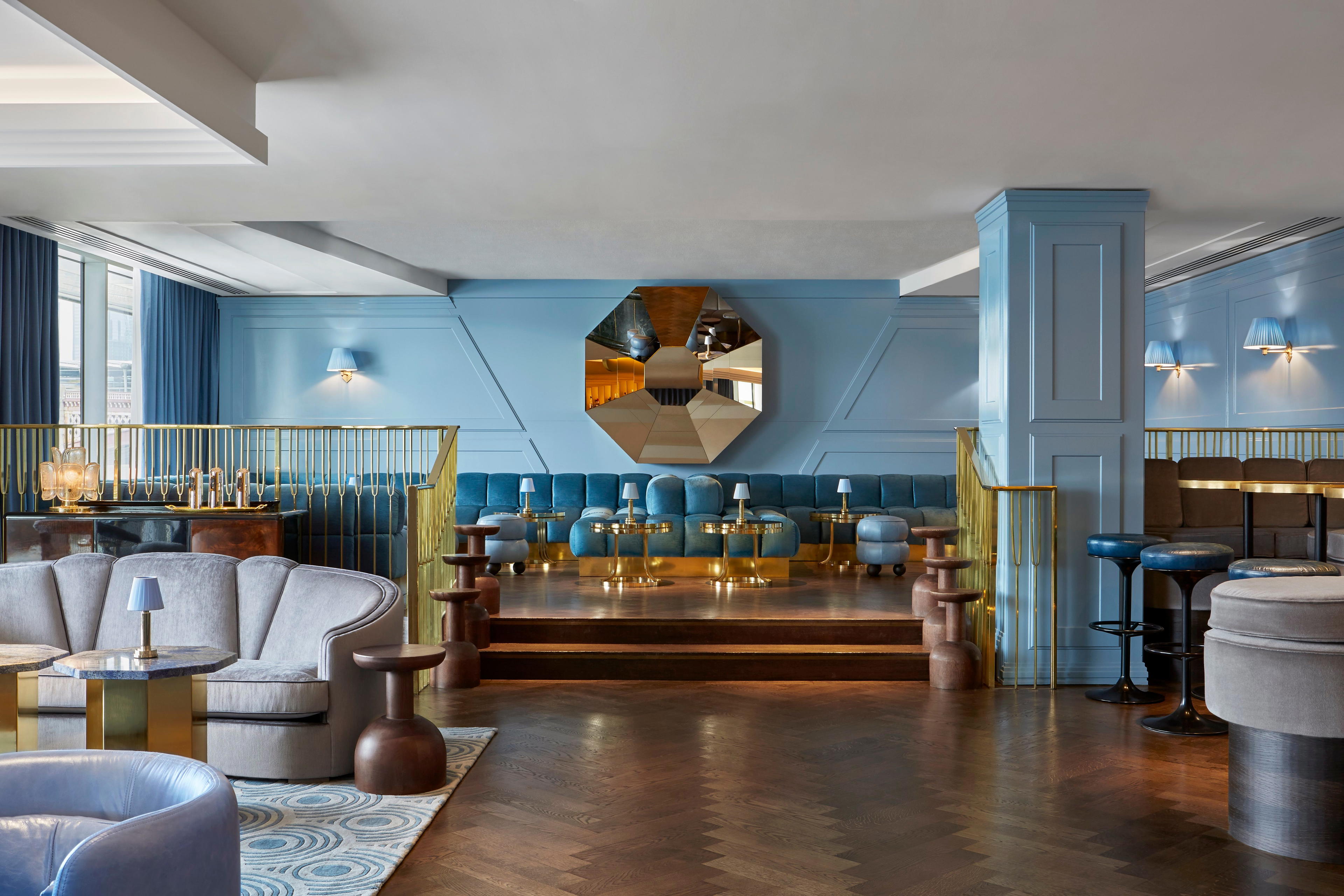
Where the South Bank Slows Down
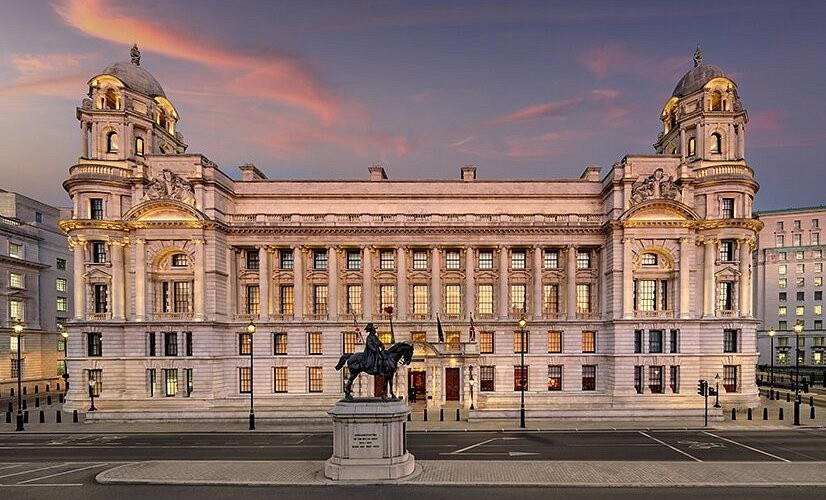
The stretch of Upper Ground between Blackfriars and Waterloo has changed its character considerably over the past decade. What was once a corridor for theatre commuters and hotel bars serving the same tired aperitivos has developed a more considered drinking culture, anchored in part by bars that treat the cocktail menu as a document rather than a price list. Lyaness, sitting at 20 Upper Ground SE1, belongs to that shift. Arriving from the South Bank walkway, the bar occupies river-level space with the Thames visible through large windows — a setting that could easily tip into tourist-trap territory. The discipline of the program is what keeps it from doing so.
Ingredient-Led Programming and What That Actually Means
London's cocktail scene has spent the better part of fifteen years cycling through formats: speakeasy theatrics, fermentation-forward menus, hyper-local sourcing claims, clarified and fat-washed everything. The bars that have sustained ranking across that period tend to be those where the conceptual frame is tight enough to generate genuine curiosity on repeat visits. Lyaness operates through what its awards documentation describes as an ingredient-driven, storytelling menu structure. In practice, this means the menu is organised around specific materials rather than spirit categories — a structuring choice that repositions the drinks list as a guide to the ingredient itself, with multiple expressions across a single source material.
That approach sits inside a broader movement visible at the top tier of bars globally, from Bar Leather Apron in Honolulu to comparable addresses in London itself. The common thread is that the menu teaches something, rather than simply offering a selection. Lyaness has maintained a Top 50 World's Leading Bars position across four separate years (2019, 2020, 2023, and 2025 in the Top 500 iteration), which is evidence of sustained program consistency rather than a single breakthrough moment.
The Lunch vs. Evening Divide on the South Bank
The editorial angle that separates Lyaness from many of its peer-set counterparts is its setting inside a hotel on a stretch of London that functions as both a destination and a transit corridor. That dual identity produces genuinely different experiences depending on when you arrive.
Daytime service at South Bank bars of this tier tends to attract a specific kind of visitor: someone with an afternoon at Tate Modern or the BFI who wants something more considered than a pub round but isn't ready for a full evening program. At that hour, the river light through the windows is flat and generous, the room runs quieter, and the ingredient-led menu functions almost educationally. There is space to ask questions, to take the time the menu demands, and to work through the logic of a particular ingredient flight without the social pressure of a full Saturday evening room.
Evening service shifts the register. By 8pm, Lyaness draws a crowd that knows the bar's ranking position and books accordingly. The room's riverside location, which can feel incidental at lunch, becomes part of the atmosphere after dark. Tables turn more deliberately, and the storytelling dimension of the menu benefits from the slower pace the evening format enforces. For visitors who want to engage with the program at full depth, dinner-hour bookings allow that.
This time-of-day calculus is worth thinking through before booking. London's award-circuit bars divide roughly into those that perform better in the high-energy evening frame and those whose concept demands more contemplative conditions. Lyaness falls into the latter category. The ingredient-led structure rewards attention, and attention is easier to sustain at 5pm than at 10pm.
Placing Lyaness in London's Bar Hierarchy
London's cocktail program has fragmented into identifiable tiers. There is a first tier of globally ranked bars with consistent 50 Best or equivalent recognition, a second tier of critically recognised bars with strong local followings, and a broader ecosystem of technically competent operations. Lyaness sits in the first tier, alongside London addresses like 69 Colebrooke Row and A Bar with Shapes For a Name, both of which carry comparable critical weight. Academy and Amaro occupy the strong second tier, where local credibility is high and the programs are serious without the global ranking footprint.
What separates Lyaness from some of its first-tier peers is geography. Islington, Shoreditch, and Soho anchor most of London's high-end cocktail output. The South Bank has fewer bars operating at this level, which means Lyaness functions as the destination drink for a broader catchment, it draws visitors from the north of the river who might otherwise not cross, and it serves as a measuring stick for what considered drinking looks like south of the Thames.
For context across the UK, the gap between London's first tier and the strongest regional programs has narrowed over the past several years. Schofield's in Manchester, Bramble in Edinburgh, and the Merchant Hotel in Belfast each operate sophisticated programs with their own critical recognition. Horseshoe Bar Glasgow and Mojo Leeds sit in different registers but map the breadth of the UK bar scene. L'Atelier Du Vin in Brighton shows how the wine-adjacent cocktail format travels beyond London. Lyaness remains inside the tier where global ranking is the relevant peer comparison, and where what you're measuring against is a genuinely international standard.
The Hospitality Frame
One detail that appears in Lyaness's awards documentation and is worth addressing directly: the bar's stated ethos positions hospitality as an act of love rather than a service transaction. That framing sounds like marketing copy until you consider what it implies operationally. Bars that run from that premise tend to invest differently in staff tenure and training depth, which shows up in how the menu is communicated rather than just executed. A drinks list organised around ingredient stories requires staff who can articulate those stories accurately and without rehearsed patter. Whether that holds on a given visit is a question the room itself will answer, but the structural commitment to that hospitality model is part of what the awards record reflects.
Know Before You Go
Awards: Top 500 Bars #40 (2025); World's 50 Best Bars #54 (2023); #29 (2020); #39 (2019)
Getting There: Blackfriars station (National Rail and Thameslink) is the closest rail option; Southwark (Jubilee) and Waterloo (multiple lines) are both walkable. The South Bank riverside path connects the bar directly to Tate Modern and the Globe Theatre.
Timing: Late afternoon (5–7pm) offers the quietest conditions for engaging with the menu. Evening bookings from 8pm onward run at higher occupancy.
Further Reading: See our full London restaurants and bars guide for broader context on where Lyaness sits within the city's drinking scene.
The Essentials
Comparable venues nearby, for context on price, style, and recognition.
| Venue | Cuisine | Price | Awards | Notes |
|---|---|---|---|---|
| LyanessThis venue — the venue you are viewing | Not listed | $30–50 | World's 50 Best #54 · CLASS Bar Awards Front of House Star | Not listed |
| Beaufort Bar | Not listed | $50–100 | World's 50 Best #27 · Top 500 Bars Best Bars #316 | Strand, cocktail_bar |
| Scarfes Bar | Cocktail Bar | Not listed | World's 50 Best #47 · Top 500 Bars Best Bars #21 | Lincoln's Inn, cocktail_bar |
| Salvatore at Playboy | Whitehall, Bar | Not listed | World's 50 Best #46 | Not listed |
| The Gibson | St Luke's, Bar | Not listed | World's 50 Best #21 | Not listed |
| The Lonsdale | Notting Hill, Bar | Not listed | World's 50 Best #21 | Not listed |
Recognition history
Dated appearances from independent guides and award organizations, with the underlying list record or original source where available.
World's 50 Best Bars #54
World's 50 Best
CLASS Bar Awards Front of House Star
CLASS Bar Awards · CLASS Bar Awards 2026 Winners - Front of House Star
Falstaff Bar - 94 Falstaff Points
Falstaff
Pinnacle Guide 3 Pins
Pinnacle Guide
Top 50 Cocktail Bars UK #25 · No. 25
Top 50 Cocktail Bars · Top 50 Cocktail Bars UK 2026
Full recognition history (10 entries)
CLASS Bar Awards Cocktail of the Year
CLASS Bar Awards · CLASS Bar Awards 2026 Winners - Cocktail of the Year
CLASS Bar Awards Hotel Bar of the Year
CLASS Bar Awards · CLASS Bar Awards 2026 Winners - Hotel Bar of the Year
Top 500 Bars Best Bars #40
Top 500 Bars
World's 50 Best Bars #29
World's 50 Best
World's 50 Best Bars #39
World's 50 Best
Continue exploring
More in London
Bars in London
Browse all →
Restaurants in London
Browse all →
Hotels in London
Browse all →

Details
- Sophisticated
- Elegant
- Trendy
- Modern
- Date Night
- After Work
- Late Night
- Celebration
- Waterfront
- Design Destination
- Hotel Bar
- Lounge Seating
- Seated Bar
- Craft Cocktails
- Waterfront
- Skyline
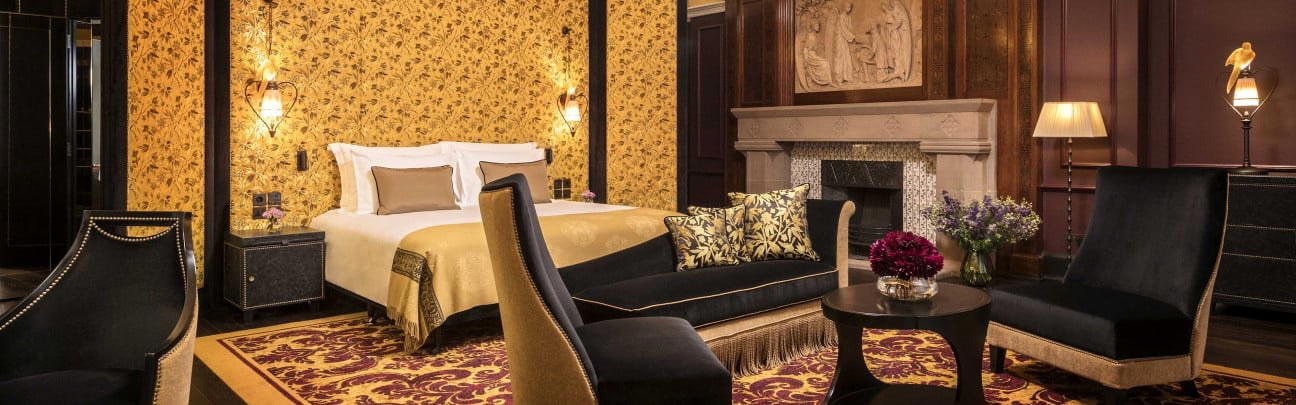
Electric blue interiors with a striking green marble bar, comfortable lounge seating, and warm, lively atmosphere with Thames views.