The Savoy






3 Michelin Keys · World's 50 Best #47 · La Liste Top Hotels
Opened in 1889 on the Strand, The Savoy set the template for London luxury that every grand hotel since has worked against or toward. Now managed by Fairmont, its 268 rooms split between Edwardian and Art Deco interiors, its bars carry century-deep credentials, and its position near the Thames places it at the geographic and historical centre of the city's premium hotel tier. La Liste ranked it 99.5 points in 2026; World's 50 Best Hotels placed it 47th in 2023.

Pearl is the En Primeur Club membership app, where members save venues, book tables and use the concierge.
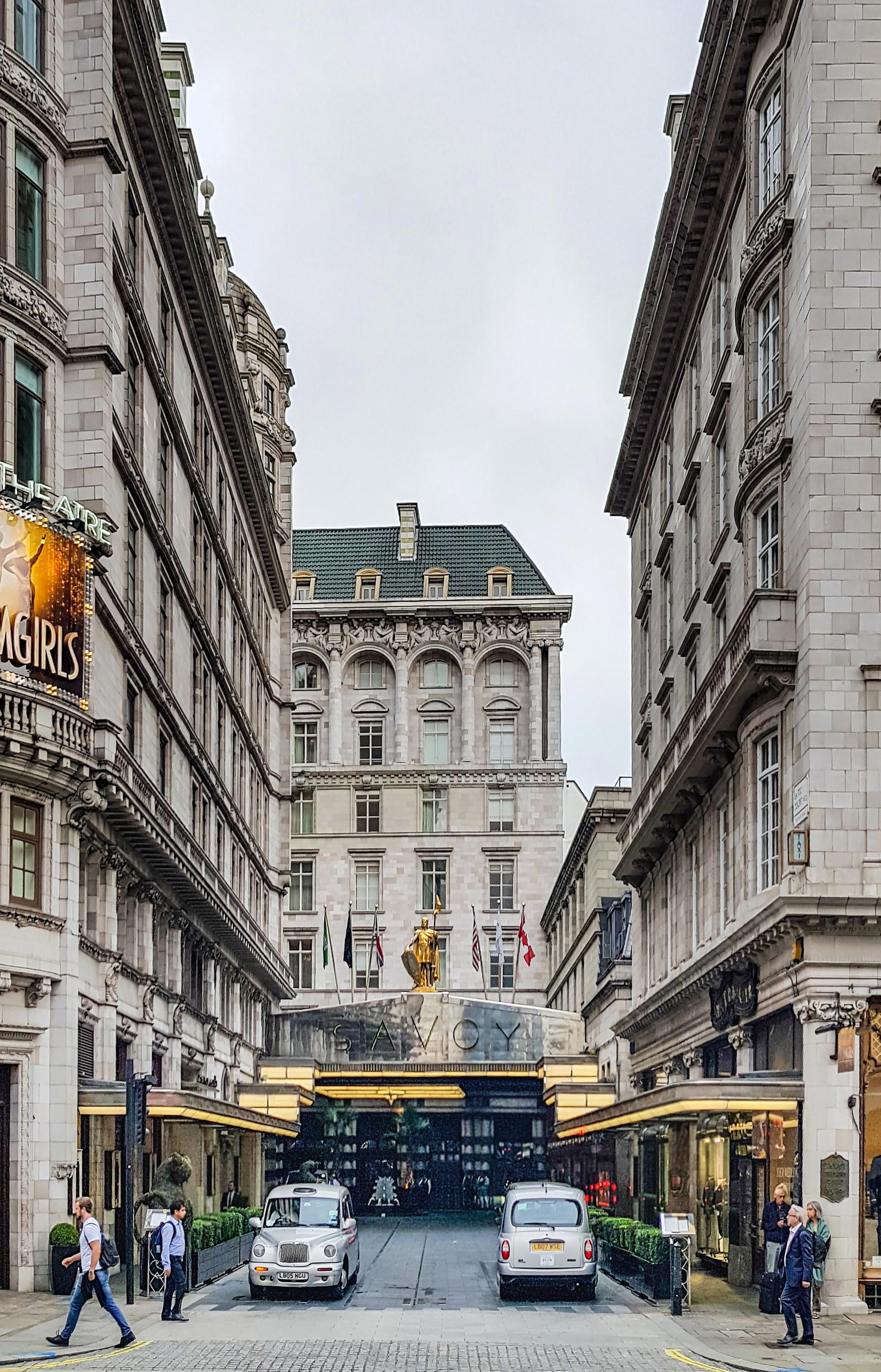
A Hotel Defined by Where It Stands
The Strand is one of London's oldest arterial routes, running from Trafalgar Square toward the City and tracing the northern bank of the Thames. For most of its length it is a working thoroughfare: buses, taxis, office workers moving between the West End and legal London. At the point where it approaches Waterloo Bridge, though, the street briefly opens into something else. The Savoy's forecourt cuts back from the road at a right angle, and because this is the only street in London where vehicles drive on the right-hand side, arrival involves a small perceptual shift before you have even reached the door. It is a minor architectural fact that turns out to function as a threshold, separating the pace of the city from what follows inside.
That positioning, between the cultural gravity of Covent Garden and the river views to the south, is not incidental. The Savoy was purpose-built here in 1889 to serve a city that did not yet have a genuinely high-end hotel in the modern sense. Its first general manager, César Ritz, introduced electric lighting and en-suite bathrooms as standard features at a moment when those were considered innovations. The hotel's influence on what came after, in London and internationally, is traceable in the basic infrastructure of grand hospitality: the assumption that rooms should have private bathrooms, that service should be continuous, that a hotel could anchor a dining culture in its own right. The properties that followed, from Claridge's in Mayfair to The Connaught nearby, each developed their own distinct identity partly in response to the standard The Savoy had already established.
Where the Strand Meets the Thames: Reading the Location
London's premium hotel geography clusters around two poles: Mayfair, which holds the bulk of the capital's grand addresses, and the Strand-to-South Bank corridor, which offers river access and proximity to the cultural institutions of central London. The Savoy belongs entirely to the second. From upper floors and river-facing rooms, the view across the Thames encompasses Waterloo Bridge, the South Bank arts complex, and the shifting light conditions that made this stretch of the river a subject for painters, most famously Claude Monet, who worked from a room here in the 1890s.
For guests whose London itinerary is built around theatre, the National Gallery, Somerset House, or the Courtauld (a short walk along the Embankment), the Strand position is more useful than a Mayfair postcode. The neighbourhood's character is less residential and more institutional, which means the hotel functions as a focal point rather than a local retreat. The comparison with design-led smaller properties, like NoMad London in Covent Garden or The Emory in Knightsbridge, is instructive: those properties offer neighbourhood integration; The Savoy offers something different, a position so freighted with its own history that the hotel becomes the destination rather than a base for another one.
Two Eras Under One Roof
The 268 rooms at The Savoy divide along a clear architectural logic: half are decorated in Edwardian style, referencing the era of the hotel's opening, and half in Art Deco, reflecting the aesthetic that defined the property at the height of its mid-century popularity. The two styles do not compete so much as document the hotel's own timeline. Edwardian rooms favour warm wood tones, patterned textiles, and a quieter formality; Art Deco rooms move toward geometric detail, bolder colour contrasts, and a harder-edged elegance. Both styles use bespoke furnishings throughout, and bathrooms across the property are clad in marble with deep-soaking tubs and rain showers.
Nine Personality Suites take this documentary approach further, with interiors inspired by specific guests from the hotel's history: Noël Coward, Marlene Dietrich, and others whose association with the property is a matter of record rather than marketing. River View suites include dedicated butler service, a feature that aligns with the hotel's longstanding position in London's full-service tier, comparable in format to the butler programs at Raffles London at The OWO or the suite service at 45 Park Lane. Across all categories, rooms are serviced by a 24-hour butler system, and Penhaligon's amenities are standard throughout.
The Dining Rooms as Civic Institutions
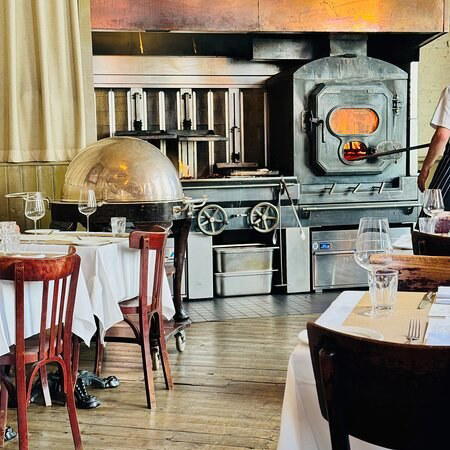
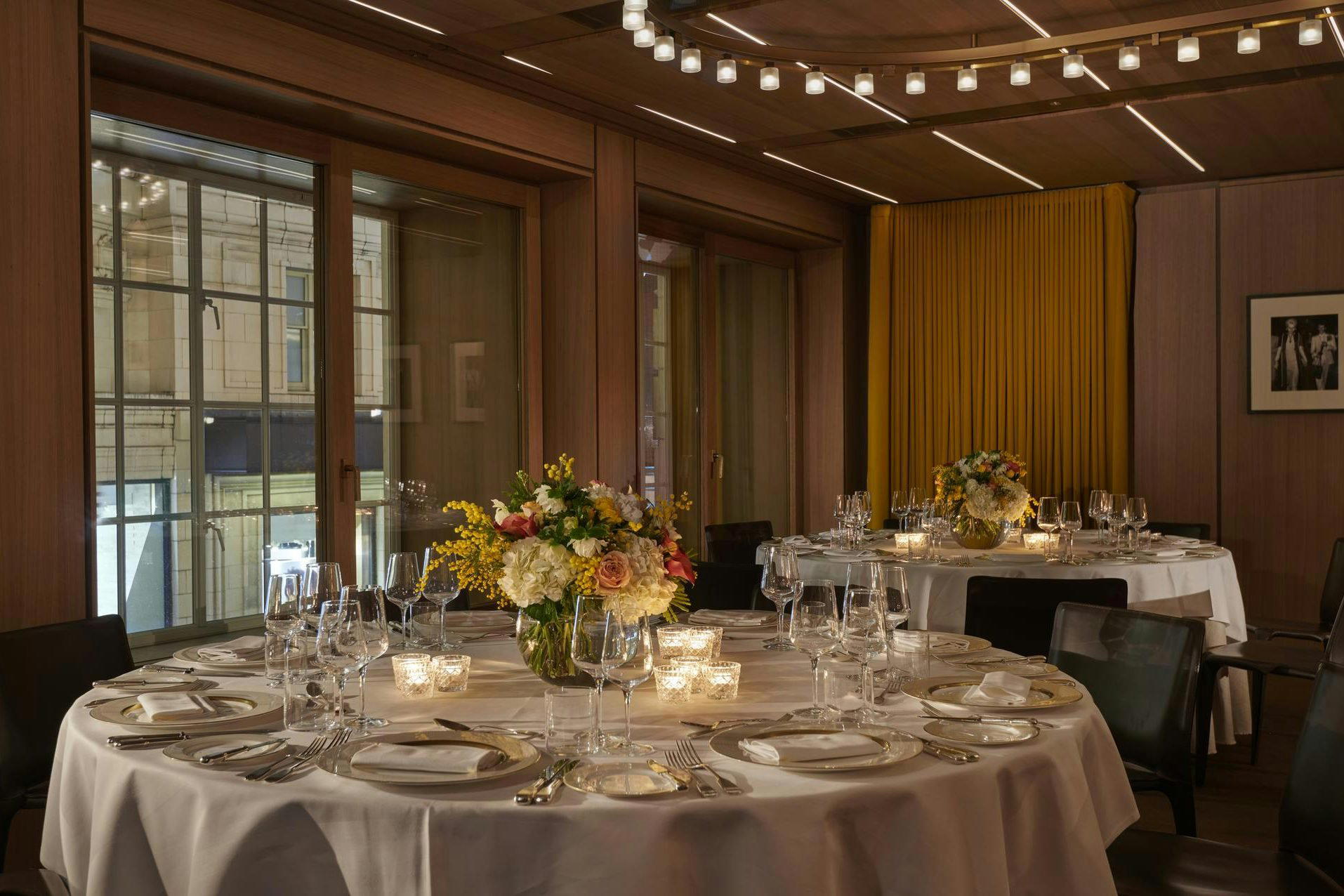
London's grand hotel dining has undergone a prolonged reassessment over the past two decades, with several historic rooms losing their relevance as the city's independent restaurant scene matured. The Savoy's approach has been to anchor its food and beverage program around named partnerships and formats with their own cultural weight. The Savoy Grill operates under Gordon Ramsay's group, as does Restaurant 1890, a more intimate format on the same property. The River Restaurant occupies an Art Deco room with Thames-facing views. Afternoon Tea, served in the Thames Foyer, operates as a separate booking category and draws its own audience, though the hotel notes that afternoons can become congested during peak tea sittings.
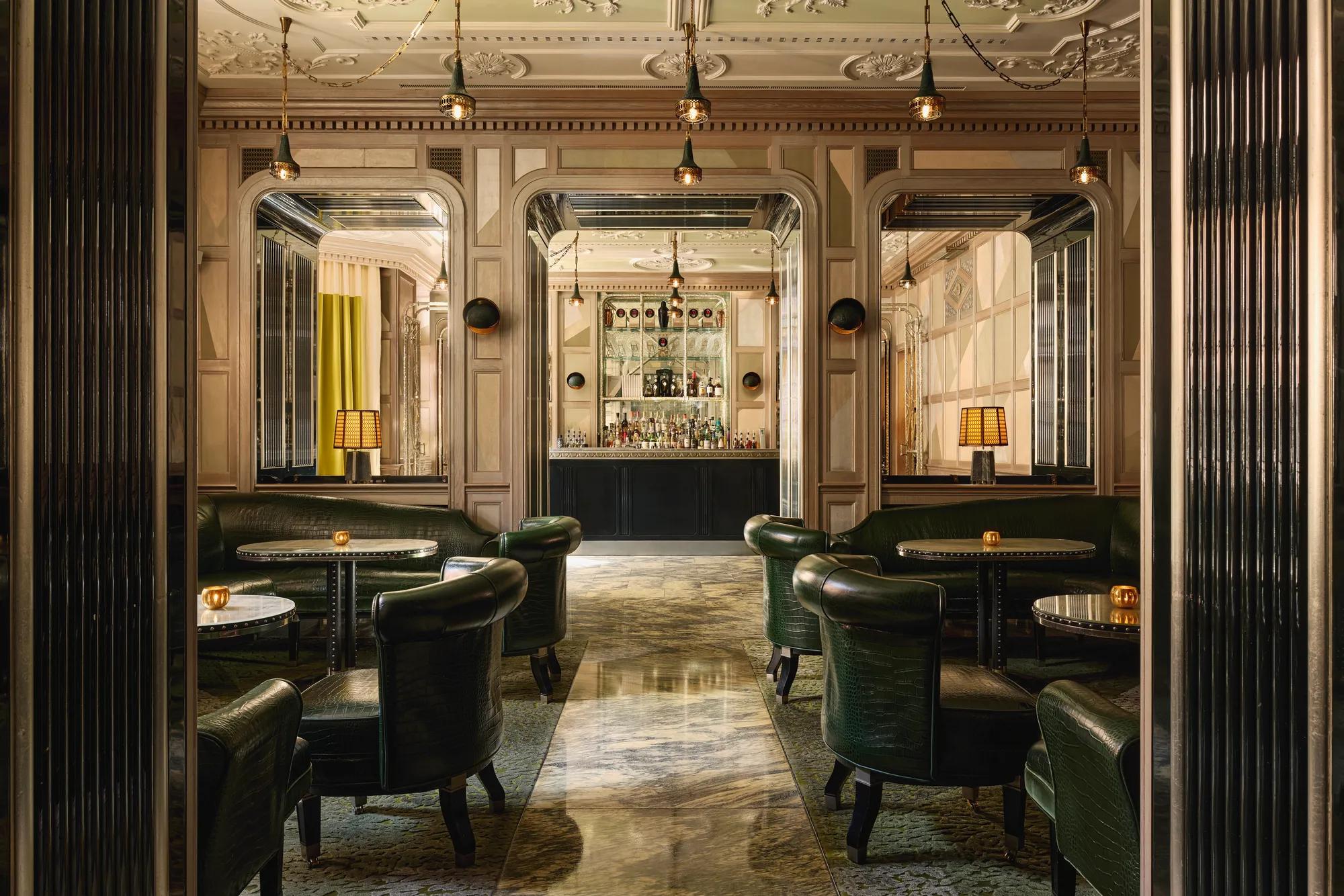
The American Bar is the most historically loaded of the hotel's drinking spaces. Harry Craddock, who worked here in the 1920s and 1930s, produced The Savoy Cocktail Book, a reference text that remains in circulation and is credited with codifying much of the classic cocktail canon for English-speaking bartenders. The bar has since been restored to its precise 1889 configuration, a process that functions less as renovation and more as conservation. The Savoy Cocktail Book gives the space a verifiable credential that most hotel bars cannot claim, and the room's live piano program, which extends through to the Gallery in the afternoon, sets a tone that is consistent across the property's public areas.
Standing and Recognition
The Savoy carries external validation at the top of the London market. Within London's grand hotel peer group, that combination of institutional longevity and current recognition places it alongside Claridge's and The Connaught as properties where history and present-day execution are not in conflict. Properties like 1 Hotel Mayfair and 11 Cadogan Gardens operate on different premises entirely, appealing to guests for whom a hotel's depth of history is secondary to design currency or neighbourhood fit.
Guests who have stayed here include Queen Elizabeth, Claude Monet, Charlie Chaplin, Fred Astaire, Audrey Hepburn, Babe Ruth, and Bob Dylan, whose association with the property extends to a music video filmed behind the hotel. These are documented names, not promotional embellishment, and they function as evidence of the hotel's position across different periods of the 20th century rather than a single era of fashionability.
For a broader view of London's hotel and restaurant options across neighbourhoods and price points, see our full London restaurants guide. Those planning a longer UK itinerary might also consider Gleneagles in Auchterarder, The Newt in Somerset in Castle Cary, Lime Wood in Lyndhurst, or Estelle Manor in North Leigh as counterpoints to a city-centre stay. Scottish options with a different tempo include Langass Lodge, Glen Mhor Hotel & Apartments, Dun Aluinn in Aberfeldy, and Burts Hotel in Melrose. Also worth considering for distinct UK city stays: Hope Street Hotel in Liverpool, King Street Townhouse Hotel in Manchester, Glasgow Grosvenor Hotel, Lifeboat Inn, St Ives, and Muir, A Luxury Collection Hotel, Halifax.
Know Before You Go
- Address: Strand, London WC2R 0EZ
- Rooms: 268 rooms and suites (Edwardian and Art Deco styles)
- Room rate from: $732 per night
- Awards: La Liste Leading Hotels 2026 (99.5pts); World's 50 Best Hotels #47 (2023)
- Dining: Savoy Grill by Gordon Ramsay, Restaurant 1890, River Restaurant, Afternoon Tea (Thames Foyer), American Bar
- Amenities: Swimming pool, sauna, steam room, beauty treatments, fitness centre, 24-hour butler service
- Timing note: Afternoon tea sittings draw significant crowds; the Thames Foyer can become congested on weekend afternoons
- Access note: The Savoy sits at the end of the only street in London where vehicles drive on the right-hand side
- Managed by: Fairmont Hotels & Resorts
The Short List
Comparable venues nearby, for context on price, style, and recognition.
| Venue | Price | Awards | Notes |
|---|---|---|---|
| The SavoyThis venue (the venue you are viewing) | Not listed | 3 Michelin Keys · World's 50 Best #47 | Not listed |
| The Ritz London | $500–750 | 2 Michelin Keys · La Liste Top Hotels | St. James's, Historic palace hotel blending 1906 Edwardian architecture with refined Louis XVI interiors, positioned as one of London's most well-known luxury establishments. |
| The Connaught | $1,000–1,500 | 3 Michelin Keys · World's 50 Best #49 | Mayfair, Timeless Mayfair luxury blending heritage and modernity |
| Claridge’s | Not listed | 3 Michelin Keys · World's 50 Best #13 | Mayfair, Well-known Art Deco luxury hotel with modern updates. |
| The Peninsula London | Not listed | 3 Michelin Keys · La Liste Top Hotels | Belgravia, Classic British luxury with modern technology |
| The Emory | Not listed | 1 Michelin Key · World's 50 Best #32 | Belgravia, All-suite luxury hotel overlooking Hyde Park |
Recognition history
Dated appearances from independent guides and award organizations, with the underlying list record or original source where available.
Michelin 3 Keys
Michelin
World's 50 Best Hotels #47
World's 50 Best
La Liste Top Hotels
La Liste
Forbes 5-Star
Forbes
House & Garden 2026 House & Garden Best Hotels in London
House & Garden
Full recognition history (8 entries)
Virtuoso Luxury Hotel Partner
Virtuoso
Forbes 5-Star
Forbes
Michelin 3 Keys
Michelin
The Savoy
Featured Guides
Continue exploring
More in London
Hotels in London
All hotels in London →
Bars in London
All bars in London →
Restaurants in London
All restaurants in London →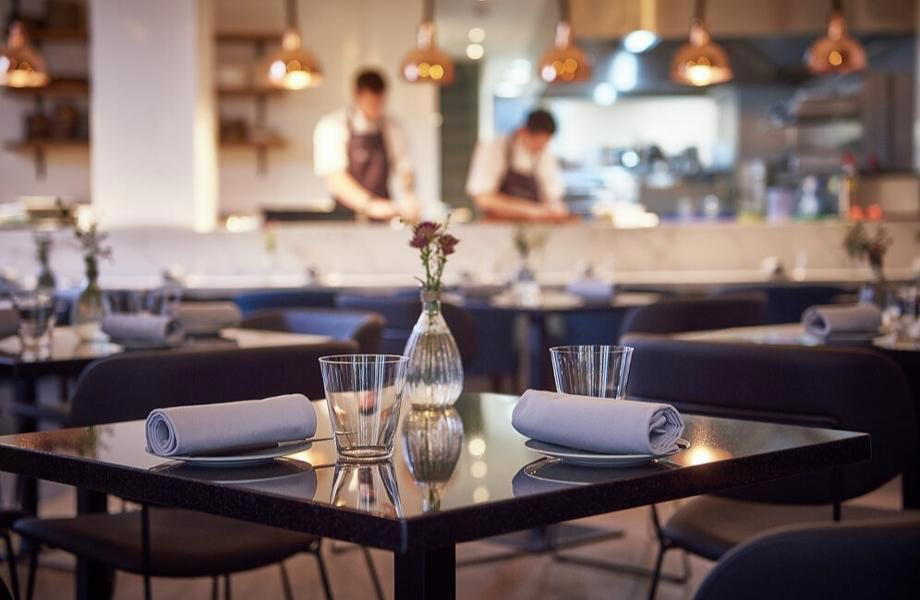

Details
- Classic
- Elegant
- Well Known
- Sophisticated
- Ornate
- Romantic Getaway
- Anniversary
- Honeymoon
- Business Trip
- Celebration
- Historic Building
- Waterfront
- Terrace
- Pool
- Spa
- Fitness Center
- Room Service
- Concierge
- Wi Fi
- Sauna
- Indoor Pool
- Waterfront
- Skyline
- Wheelchair Accessible
- Elevator
- Step Free Entrance
- Accessible Parking
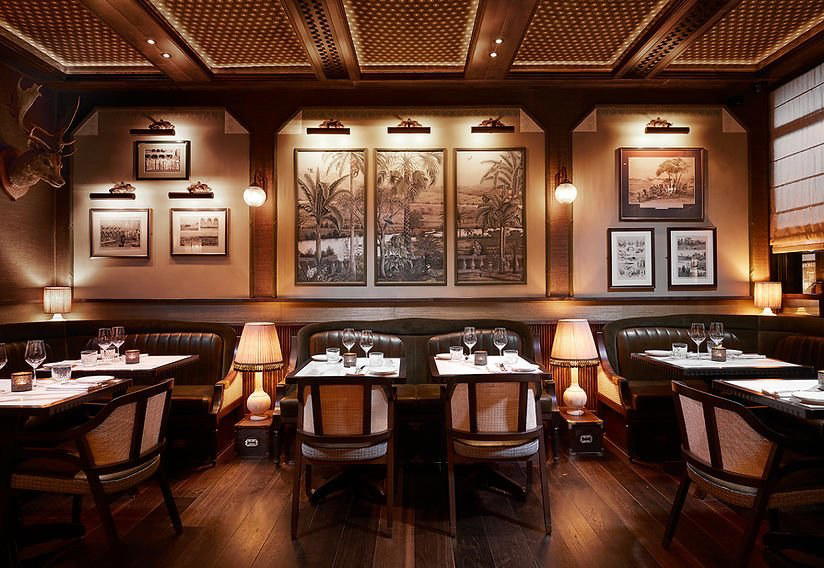
Ornate and elegant atmosphere featuring historic aesthetics, silk wallpaper, chandeliers, and serene lighting in individually designed rooms.