Rosewood London





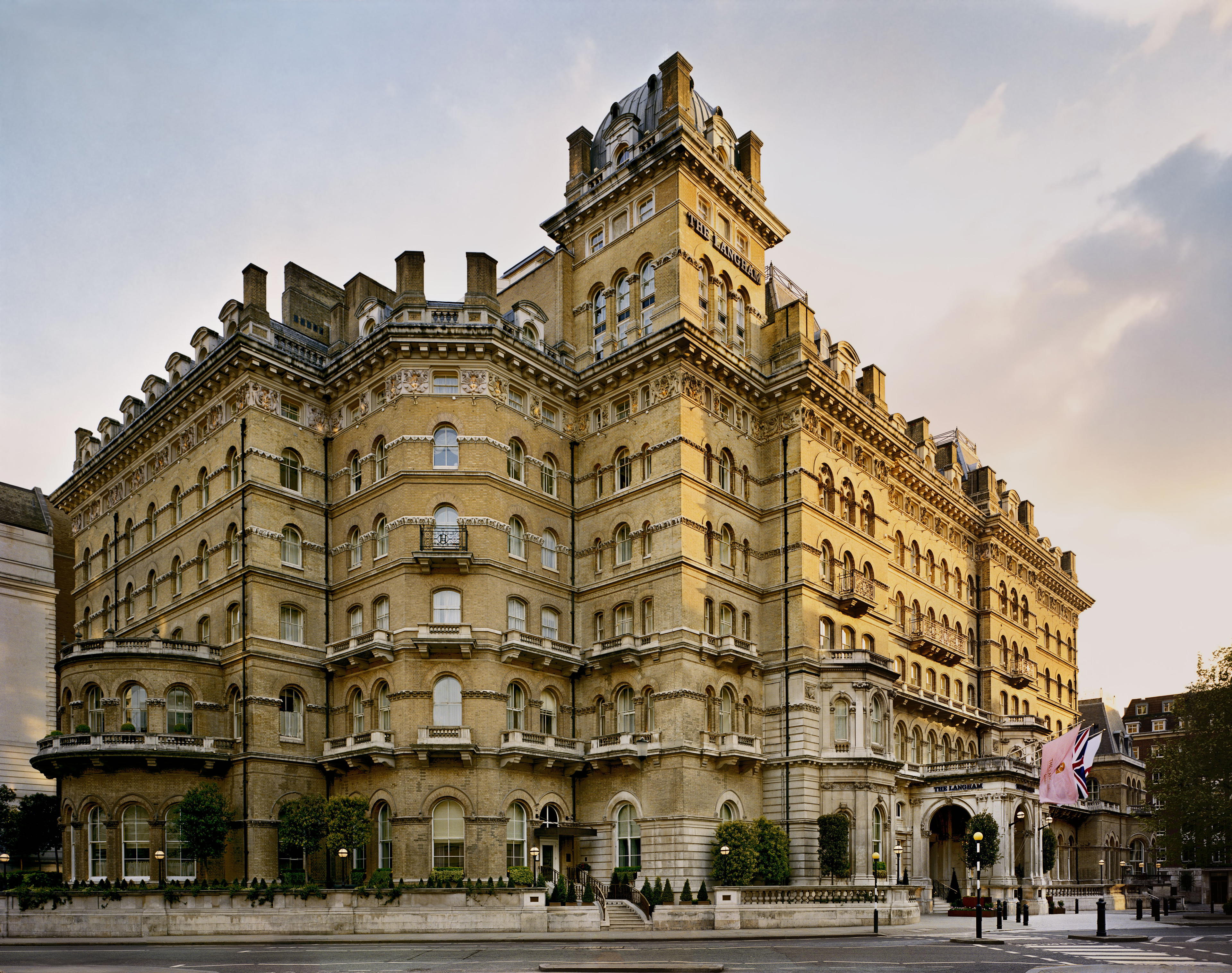
A five-star Edwardian landmark on High Holborn, Rosewood London sits at the geographic divide between the City and the West End, placing guests within walking distance of the British Museum, Covent Garden, and the Inns of Court. Its 306 rooms and 45 suites occupy a former insurance headquarters redesigned by Tony Chi, while the dining programme, anchored by Holborn Dining Room, the Mirror Room, and the celebrated Scarfes Bar, runs seven nights a week. Virtuoso Hotel of the Year 2014, with a La Liste score of 99 points in 2026.
Pearl is the En Primeur Club membership app — saves, bookings, and concierge access live there. Same editors, same standards.
- Address
- 252 High Holborn, London WC1V 7EN
- Phone
- +44 20 7781 8888
- Website
- rosewoodhotels.com
- Directions
- Get directions
 Saves & bookings on Pearl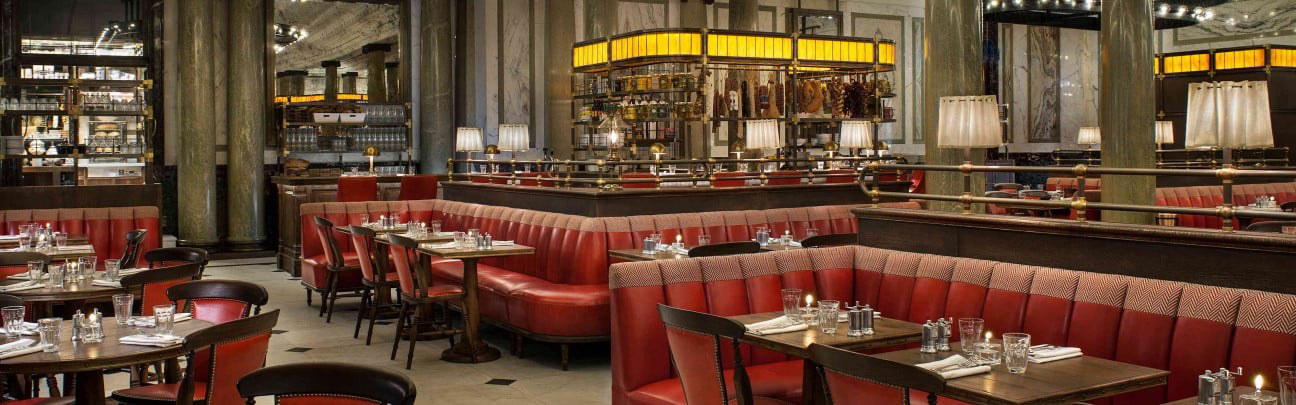
High Holborn's Edwardian Anchor
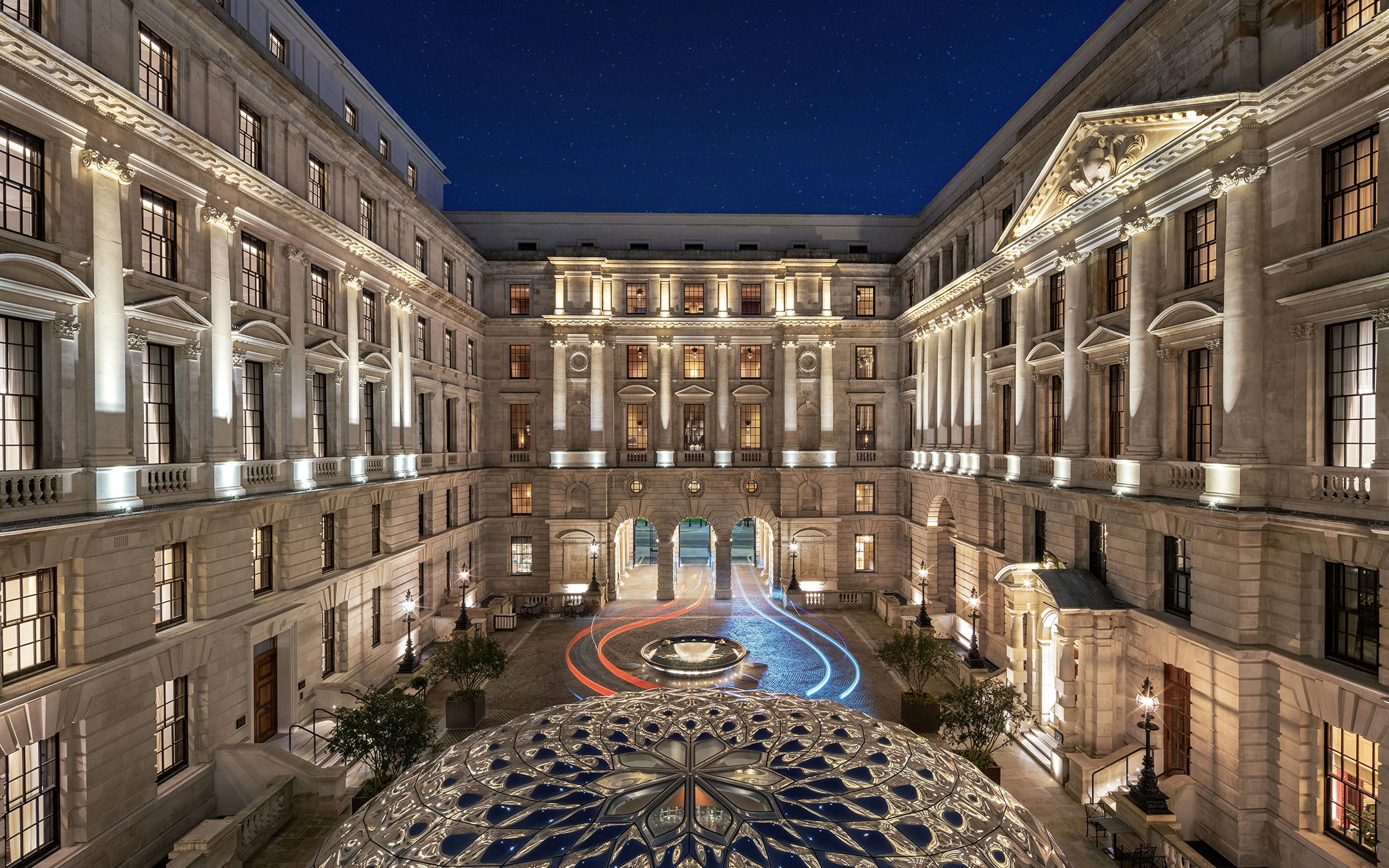
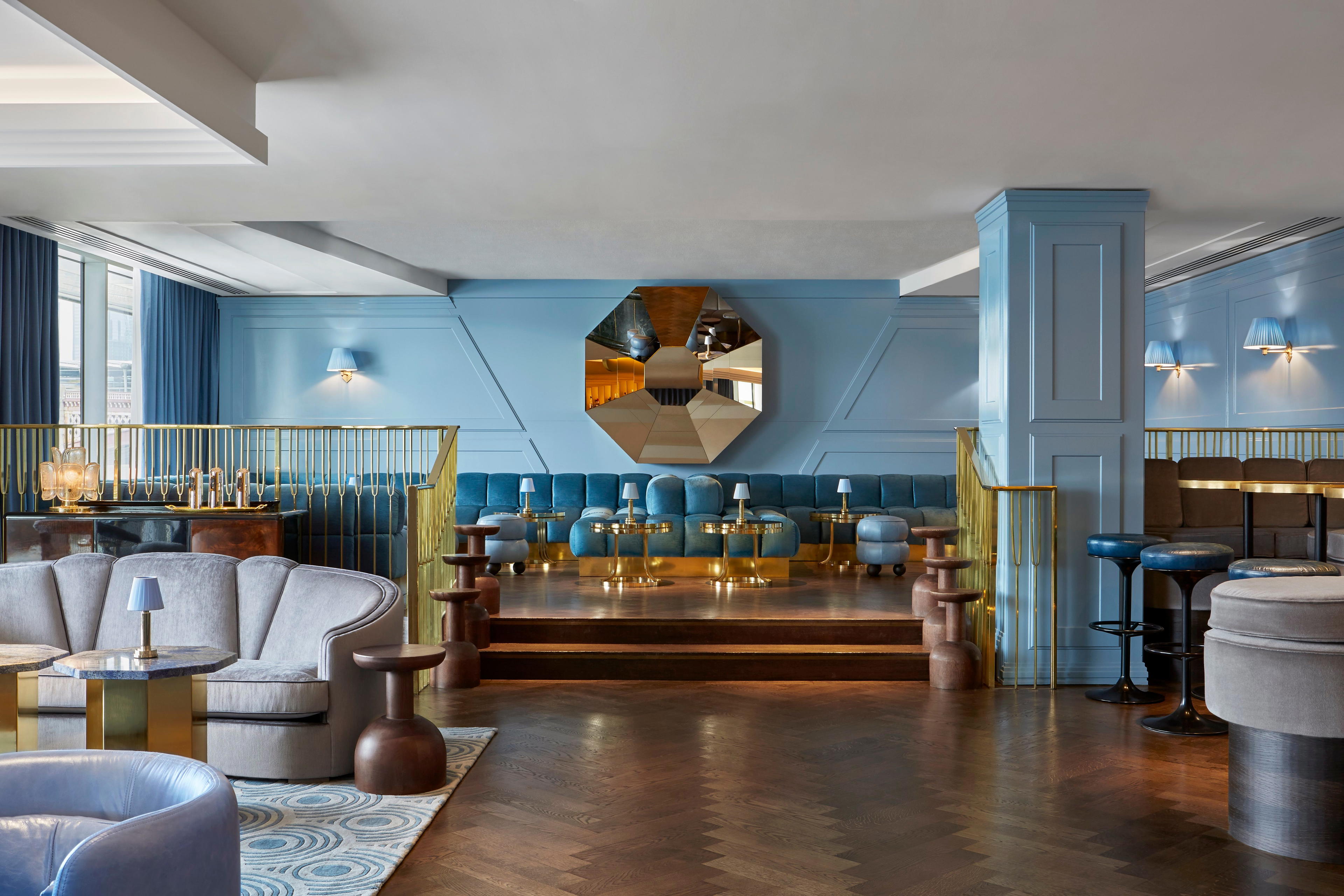
London's luxury hotel market has long divided between two geographic poles: the Mayfair cluster, where Claridge's and The Connaught define one tradition, and a looser category of grand civic buildings repurposed for hospitality. Rosewood London is a 5-star hotel in London with 2 Michelin Keys. The Belle Époque edifice at 252 High Holborn spent most of its life as the headquarters of the Pearl Assurance Company before its conversion to hotel use, and the scale of the original building, its carved stone façade, its wrought-iron gates, its deep internal courtyard, gives the property a civic gravity that newer builds cannot replicate. Step through the arch in that façade and the noise of one of London's busiest thoroughfares drops away with a speed that still surprises. The interior redesign, handled by Tony Chi, whose portfolio runs heavily toward Park Hyatt properties, threads a line between the building's Edwardian bones and a contemporary residential sensibility. Lacquered surfaces, prismatic mirrors, and Italian marble bathrooms share space with thoughtfully placed books, photographs, and objects that keep the atmosphere from tipping into cold formality.
The address itself is strategically useful in a way that pure Mayfair positioning is not. Guests at Rosewood London are equidistant from the City's financial district to the east, the theatres of the West End to the west, and the cultural institutions of Bloomsbury to the north. The British Museum is a short walk. The Royal Opera House and Covent Garden are closer still. The stately Inns of Court, which flank the hotel to the south, add a layer of historical texture that few city-centre addresses can match. For travellers who want proximity to multiple London districts without committing to any single neighbourhood's character, the High Holborn position functions as a genuine advantage rather than a compromise.
The Dining Programme: Three Rooms, Three Registers
Among London's five-star hotels, the quality and breadth of an in-house dining offer has become an increasingly reliable differentiator. Rosewood London's approach is to run three distinct rooms rather than a single flagship restaurant, each calibrated to a different social register and time of day.
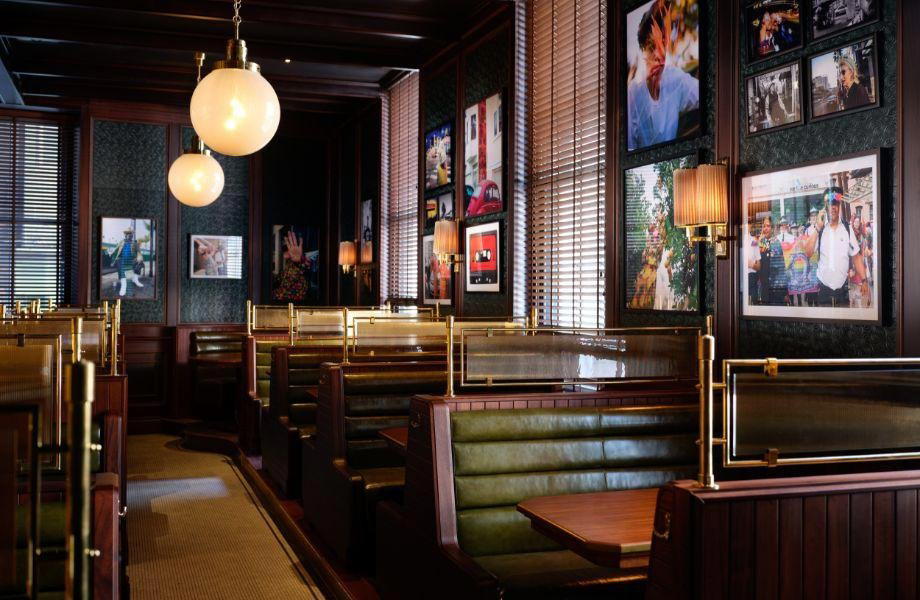
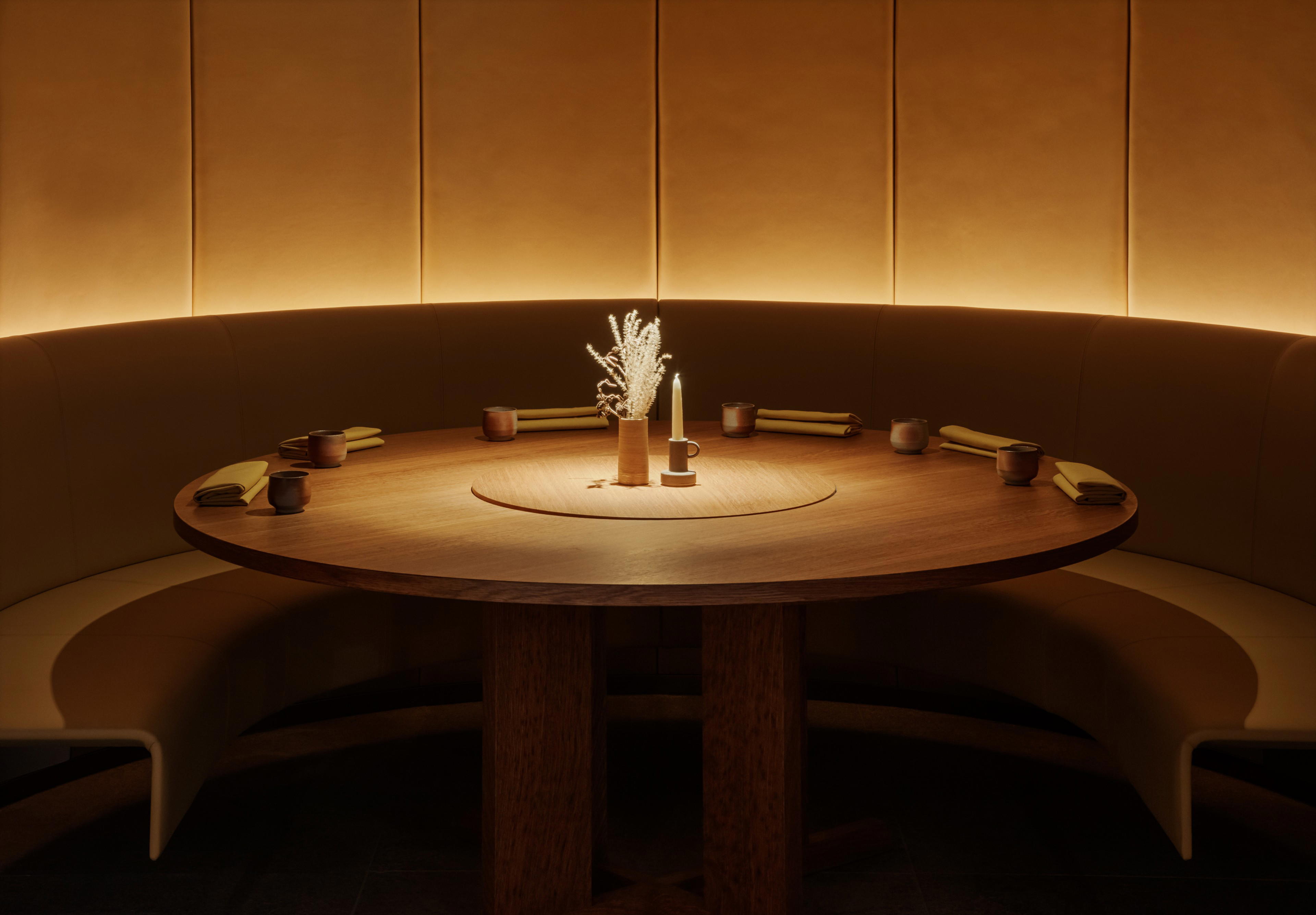
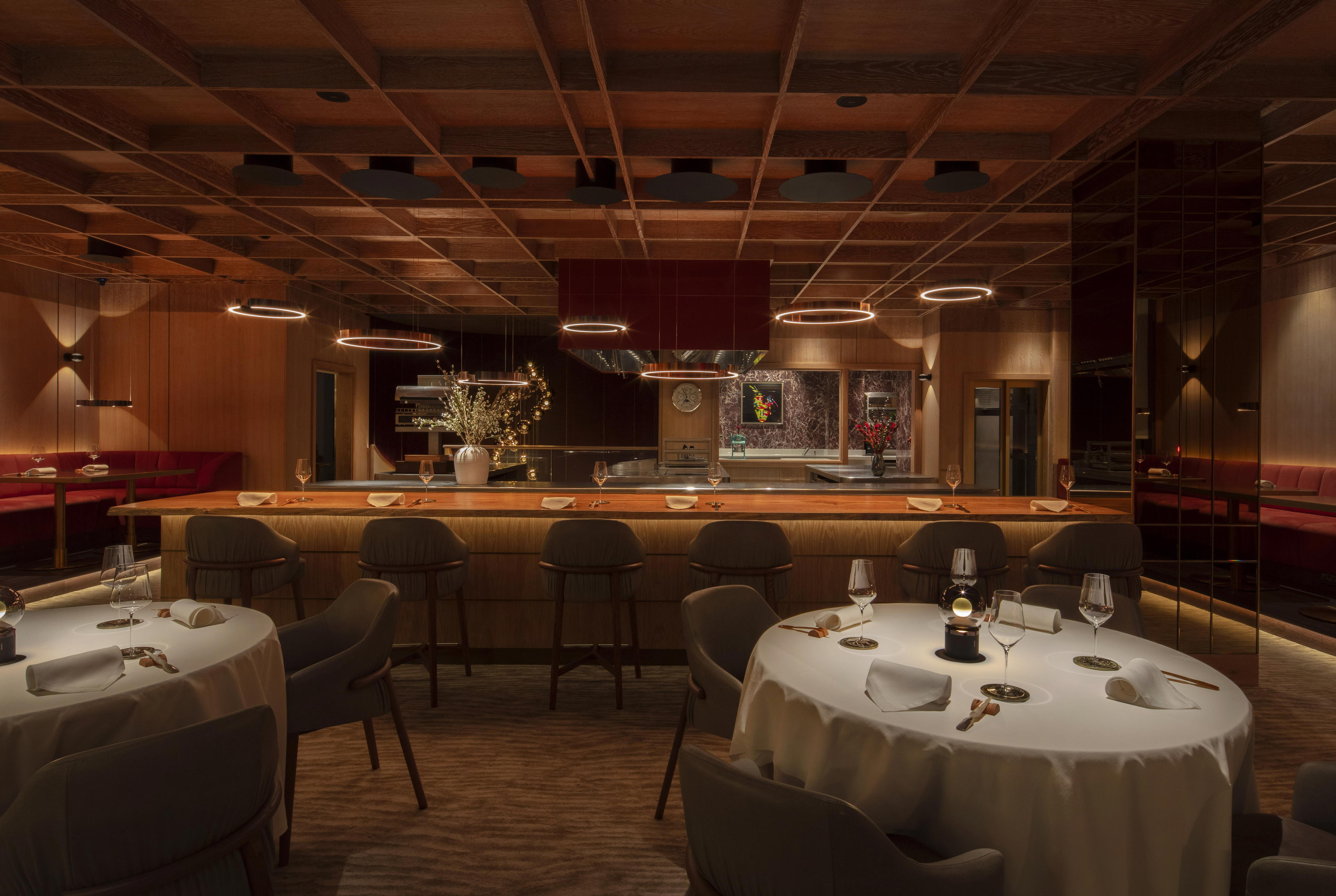
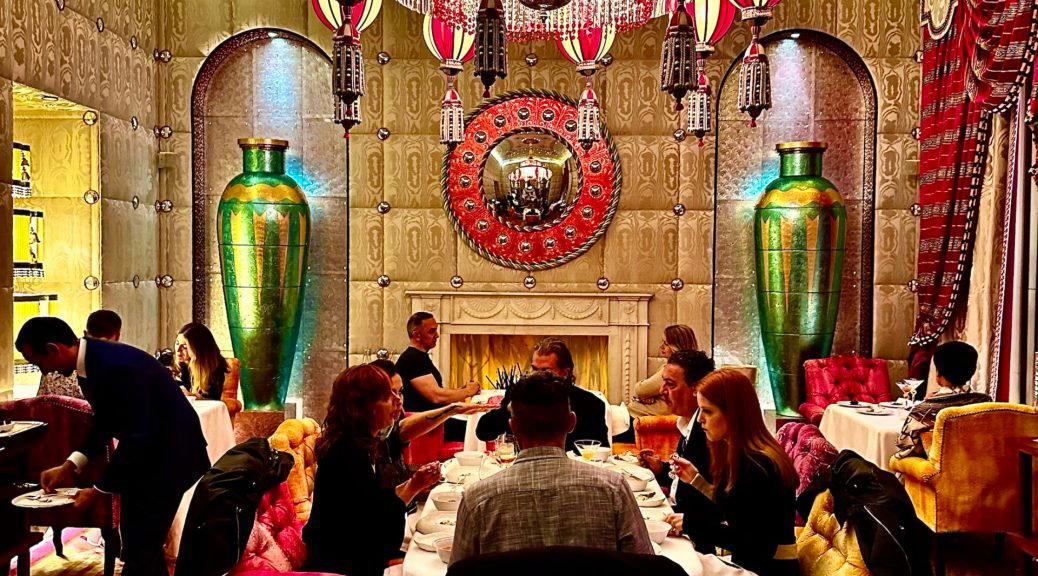
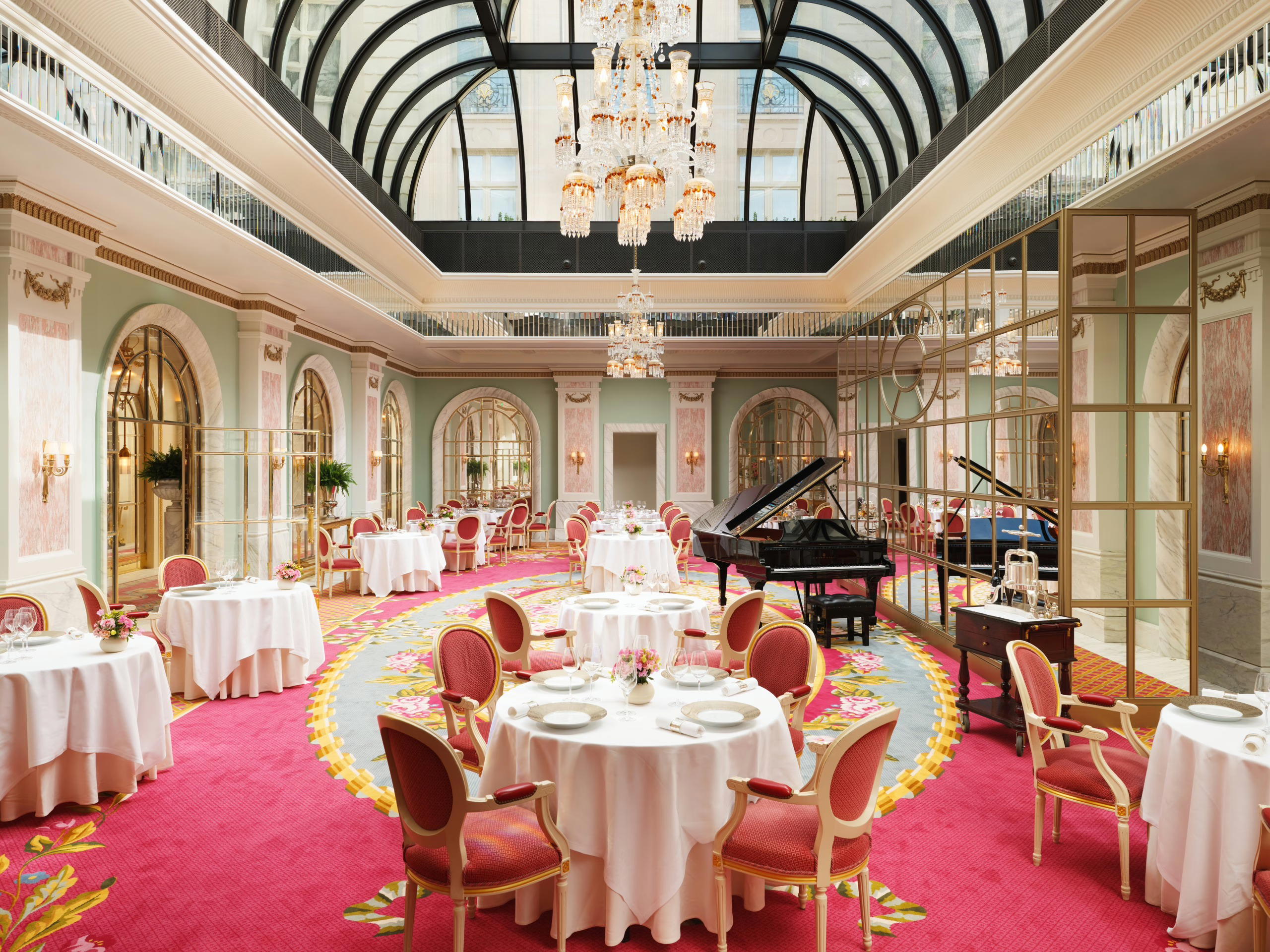
The Holborn Dining Room operates as an all-day modern-British restaurant, the kind of space that serves the neighbourhood as much as the hotel, which in central London tends to be a reliable signal of kitchen confidence. The Mirror Room positions itself in the afternoon-tea tradition, though its Art Afternoon Tea, voted the leading contemporary afternoon tea in the United Kingdom, takes its programme from the city's contemporary art scene rather than from any fixed floral convention. That award gives the afternoon tea offer a credibility marker that places it in a different bracket from the standard hotel tea service.
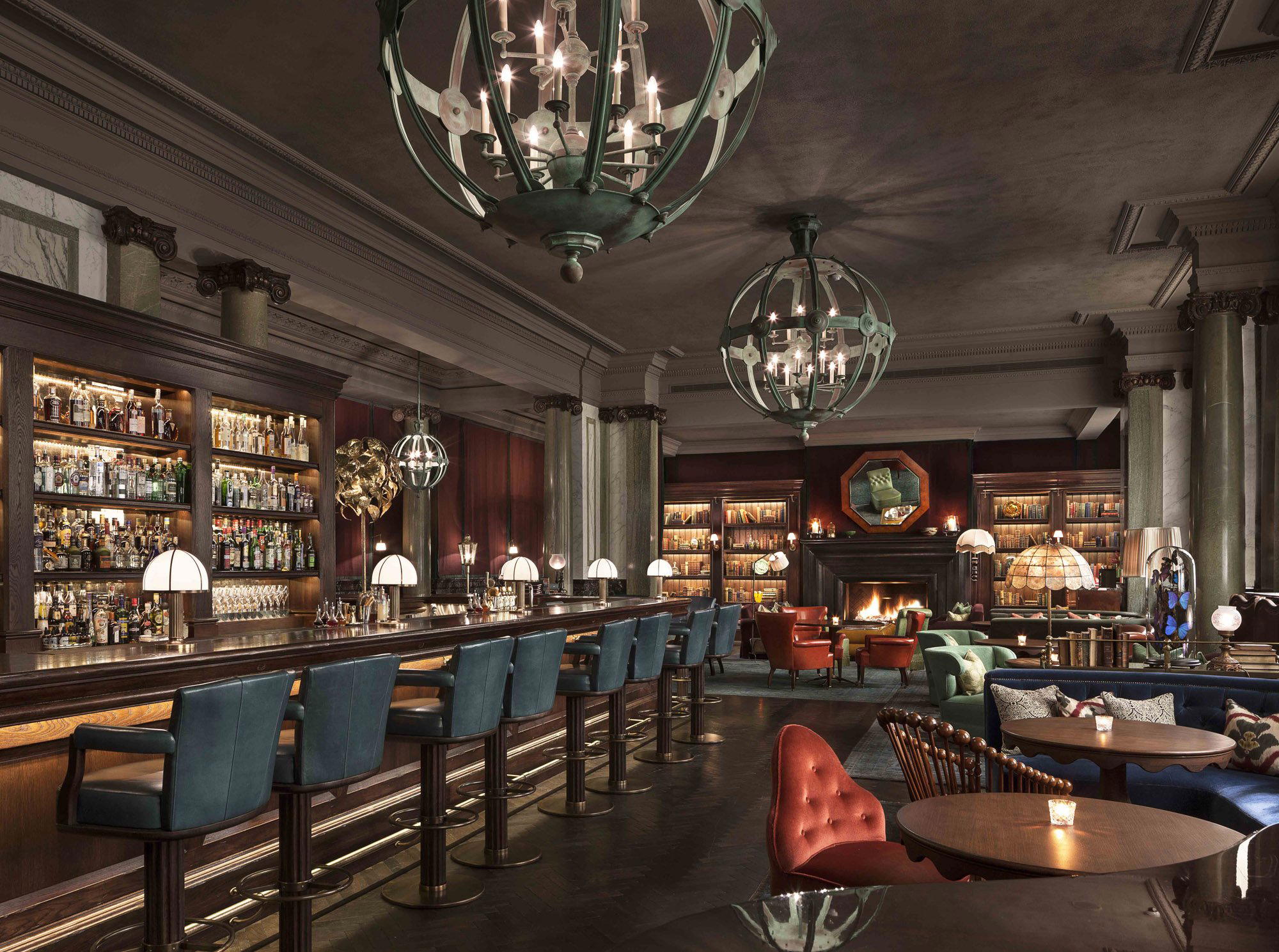
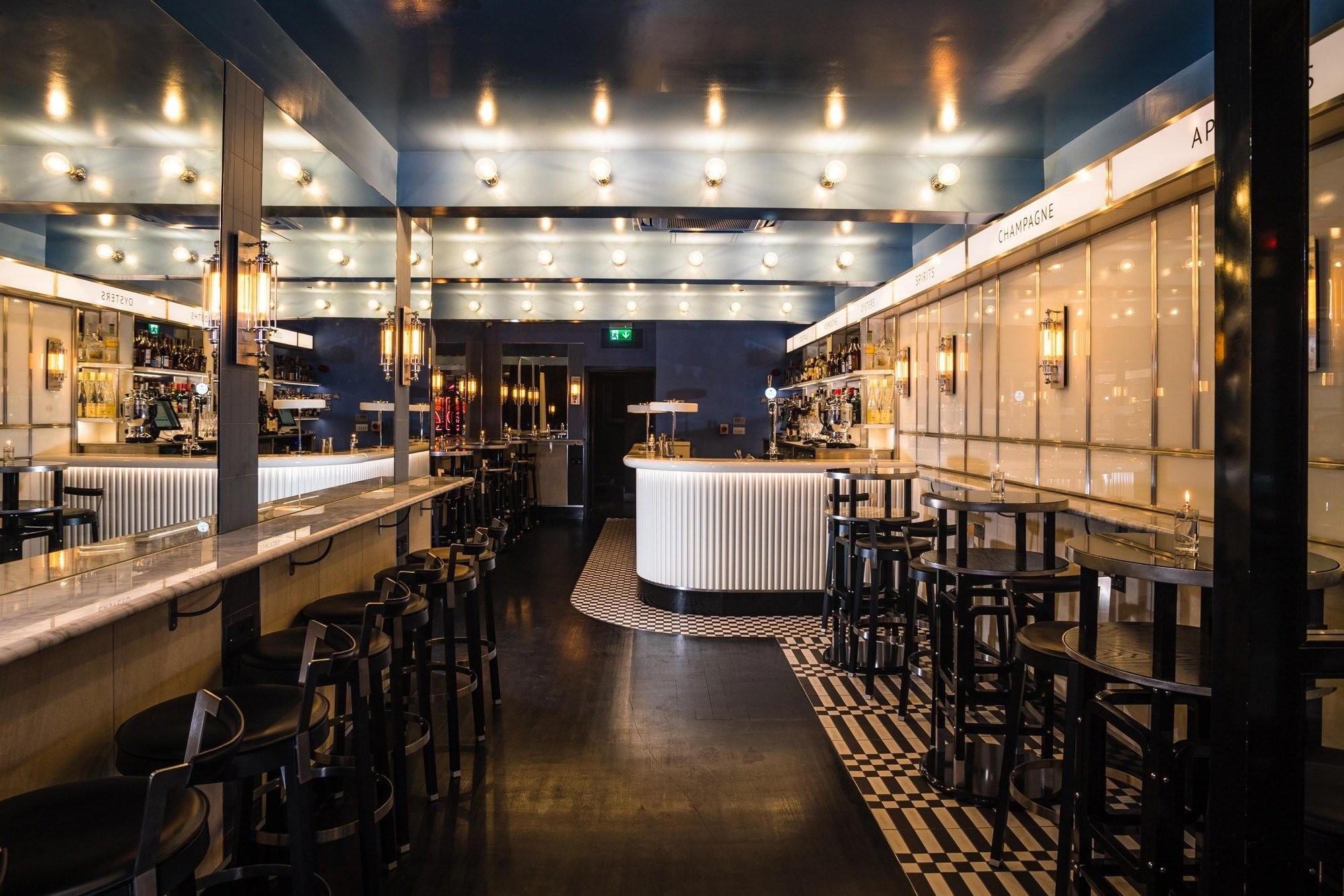
Scarfes Bar functions as the hotel's social anchor and, its most distinctive space. Named for Gerald Scarfe, the illustrator and artist whose work lines the walls, the bar runs a live music programme, jazz, soul, and blues, seven nights a week, placing it among a small number of London hotel bars that maintain a genuine nightly performance schedule rather than occasional programming. The room itself reads as warm and deliberately club-like: velvet armchairs, a single-malt and cocktail list designed for extended stays, and a walls-to-ceiling density of artwork that gives it a character distinct from the wider hotel. For travellers who find most hotel bars interchangeable, Scarfes operates as a point of difference that rewards a deliberate visit rather than a default stop. Comparable hotels like NoMad London and Raffles London at The OWO have built strong bar identities of their own, but nightly live music at this consistency is a more unusual commitment.
Rooms and the Question of Scale
The 308 rooms and suites range from generously sized Deluxe rooms, Italian bedding, in-room electronics, and Italian marble bathrooms, through a suite tier that escalates quickly in both ambition and footprint. At the upper end sits the Grand Manor House Wing: seven bedrooms, three living rooms, a private elevator, a dedicated doorman, and its own postcode, making it, by that measure, the only hotel suite in the world to carry a standalone postal address. That detail has become the property's most-cited piece of trivia, and with good reason, it signals a scale of hospitality infrastructure that few urban hotels anywhere can accommodate, let alone in a city-centre building.
For most guests, the relevant choice sits in the executive room and suite tiers. Some executive rooms carry impressively high ceilings, a product of the original Edwardian construction, and requesting one at booking is worth the effort. Multi-level suites are also available for those who want more separation between living and sleeping spaces without committing to the Manor House Wing's scale.
The Sense Spa and Wider Amenities
The spa, operating as Sense, runs treatments from Sodashi, Maison Caulières, EviDenS de Beauté, and Face Place. Its programming covers a wider-than-average demographic range: couples' treatments, a children's menu for younger guests, and teen-specific treatments for acne-prone skin. For a city-centre hotel spa, that breadth is relatively unusual and positions the property as genuinely family-capable rather than family-tolerant. Baby monitors and room baby-proofing are both available on request, and the hotel's business centre carries Macs, PCs, binding, printing, and lamination for guests in London on working trips.
Where It Sits Among London's Five-Star Hotels
Rosewood London has earned five awards, including Virtuoso's Hotel of the Year in 2014. The hotel's larger-scale operation suits guests who value architectural substance over designed-for-Instagram novelty. The hotel is a sister property to the Carlyle in New York, and that relationship gives some indication of the positioning: quietly confident, historically grounded, oriented toward guests who value architectural substance over designed-for-Instagram novelty.
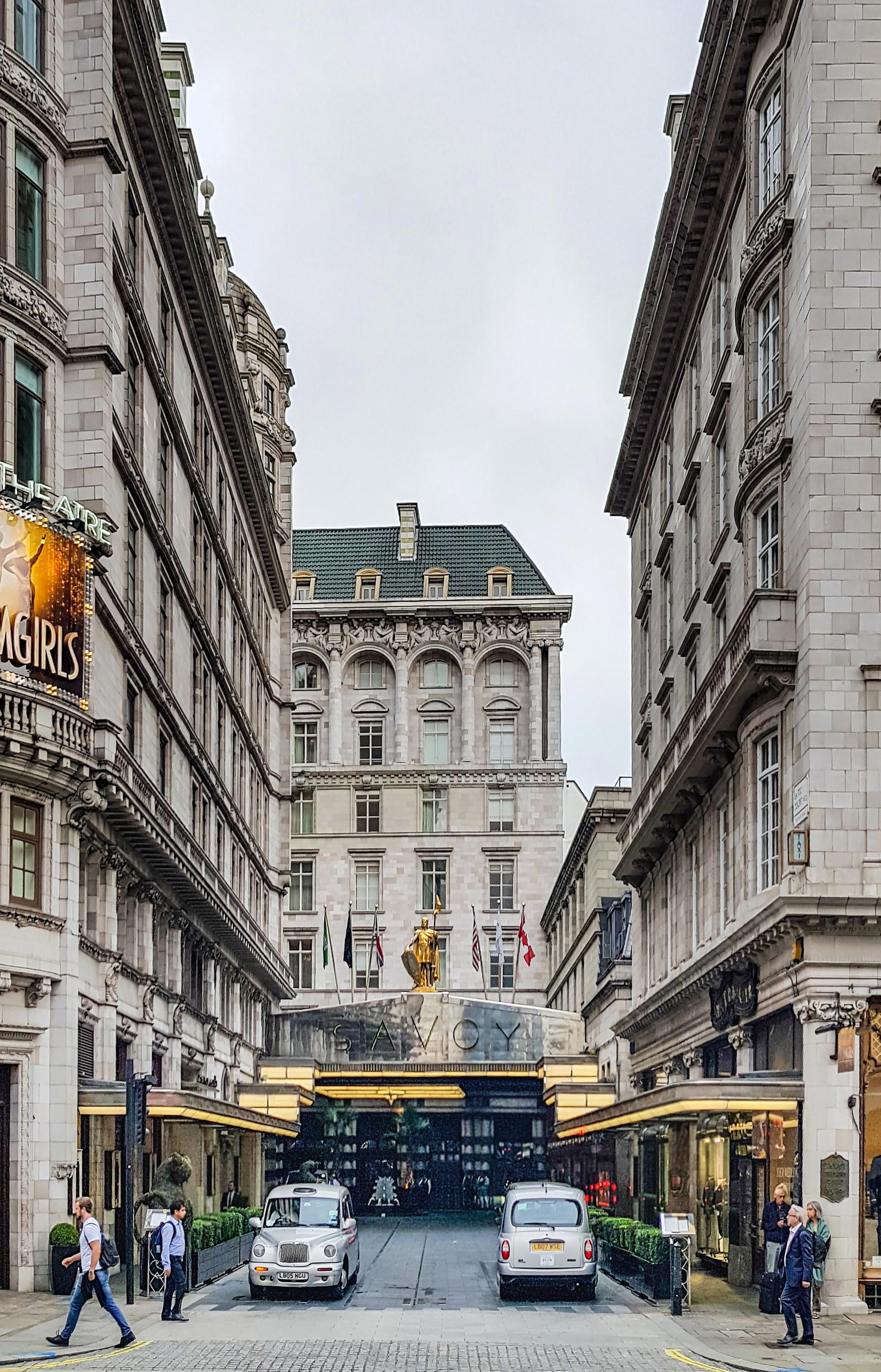
Within London's five-star tier, the peer comparison is instructive. The Savoy and Claridge's carry stronger brand recognition with international leisure travellers; The Emory and 1 Hotel Mayfair represent newer entrants with distinct design identities. The hotel's competitive position rests on the combination of architectural scale, the three-venue dining programme, and a location that serves multiple London itineraries simultaneously. Travellers comparing it against 11 Cadogan Gardens or smaller boutique properties will find a fundamentally different proposition: larger, more formally structured, with a dining and bar offer that operates as a destination rather than a convenience.
For those exploring the broader United Kingdom, the hotel functions as a natural London anchor before or after visits to properties such as Lime Wood in Lyndhurst, Estelle Manor in North Leigh, or The Newt in Somerset. Further afield, Gleneagles in Auchterarder, Glasgow Grosvenor Hotel, Hope Street Hotel in Liverpool, and King Street Townhouse Hotel in Manchester represent strong regional alternatives for travellers building multi-city UK itineraries. Scottish properties including Langass Lodge, Glen Mhor Hotel in Highland, Dun Aluinn in Aberfeldy, and Burts Hotel in Melrose offer contrasting registers. For coastal options, Lifeboat Inn in St Ives is worth considering. International comparisons within the Rosewood Hotels group's broader positioning track toward properties like Aman New York and The Fifth Avenue Hotel in New York, or Aman Venice for European equivalents. For a different take on Northern England, Muir, A Luxury Collection Hotel in Halifax offers an interesting comparison point.
Know Before You Go
- Address: 252 High Holborn, London WC1V 7EN
- Hotel Group: Rosewood Hotels & Resorts
- Rooms: 306 rooms and 45 suites
- Starting Rate: From $759 per night
- Awards: Virtuoso Hotel of the Year 2014; La Liste Leading Hotels 2026 (99 points); Voted Leading Contemporary Afternoon Tea in the UK
- Dining: Holborn Dining Room (all-day); Mirror Room (afternoon tea and dining); Scarfes Bar (live music seven nights a week)
- Spa: Sense Spa with treatments from Sodashi, Maison Caulières, EviDenS de Beauté, and Face Place 7 from 3,308 reviews
- Nearest Landmarks: British Museum, Covent Garden, Royal Opera House, Inns of Court
- Booking: Via the Rosewood Hotels & Resorts reservations system
Budget Reality Check
Comparable venues nearby, for context on price, style, and recognition.
| Venue | Price | Awards | Notes |
|---|---|---|---|
| Rosewood LondonThis venue — the venue you are viewing | $$$$ | Michelin 2 Key | Not listed |
| The Beaumont Mayfair | $$$$ | Michelin 2 Key | Mayfair, Art Deco modernist with boutique attitude |
| Brown's Hotel, a Rocco Forte Hotel | $$$$ | Michelin 2 Key | Mayfair, Unmistakably British heritage luxury with contemporary comfort |
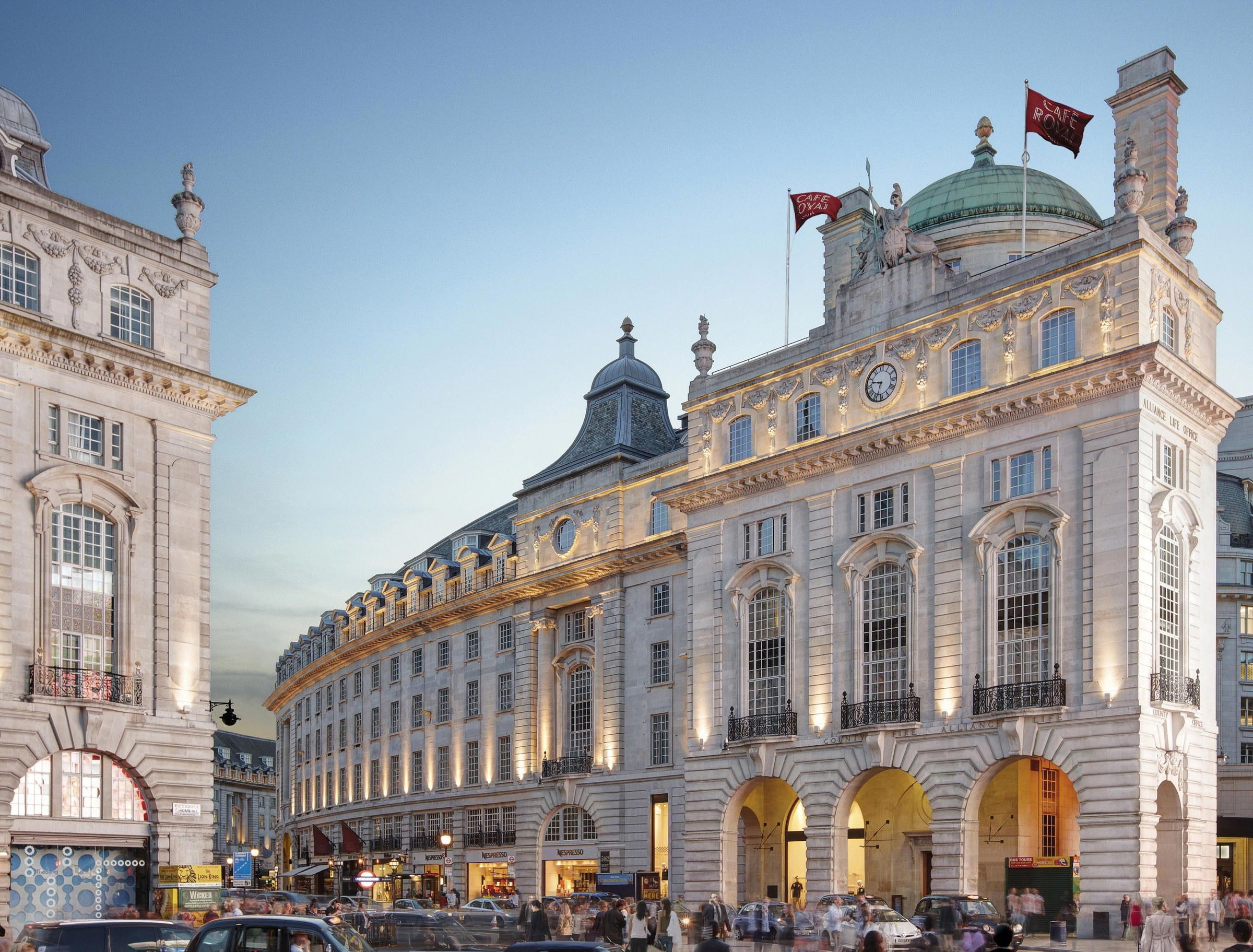
| Hotel Café Royal | $$$$ | Michelin 2 Key | Piccadilly Circus, Historic luxury with modern VIP services |
| The Berkeley | $$$$ | Michelin 2 Key | Belgravia, luxury 5-star hotel blending modern design with timeless elegance |
| The Dorchester | $$$$ | Michelin 2 Key | Mayfair, Well-known luxury palace hotel blending 1930s Art Deco heritage with contemporary sophistication, positioned as London's most prestigious address. |
Recognition history
Dated appearances from independent guides and award organizations, with the underlying list record or original source where available.
Forbes 5-Star
Forbes
House & Garden 2026 House & Garden Best Hotels in London
House & Garden
La Liste Top Hotels
La Liste
Mr & Mrs Smith Smith Seal of Approval
Mr & Mrs Smith
Virtuoso Luxury Hotel Partner
Virtuoso
Forbes 5-Star
Forbes
Michelin 2 Keys
Michelin

At a Glance
- Elegant
- Sophisticated
- Ornate
- Classic
- Romantic Getaway
- Business Trip
- Anniversary
- Historic Building
- Butler Service
- Spa
- Pool
- Fitness Center
- Room Service
- Concierge
- Business Center
- Valet Parking
- Skyline
- Spa
- Pool
- Fitness Center
- Room Service
- Concierge
- Business Center
- Valet Parking
Refined and elegant atmosphere with British heritage influences, featuring art-filled interiors and serene spa spaces.