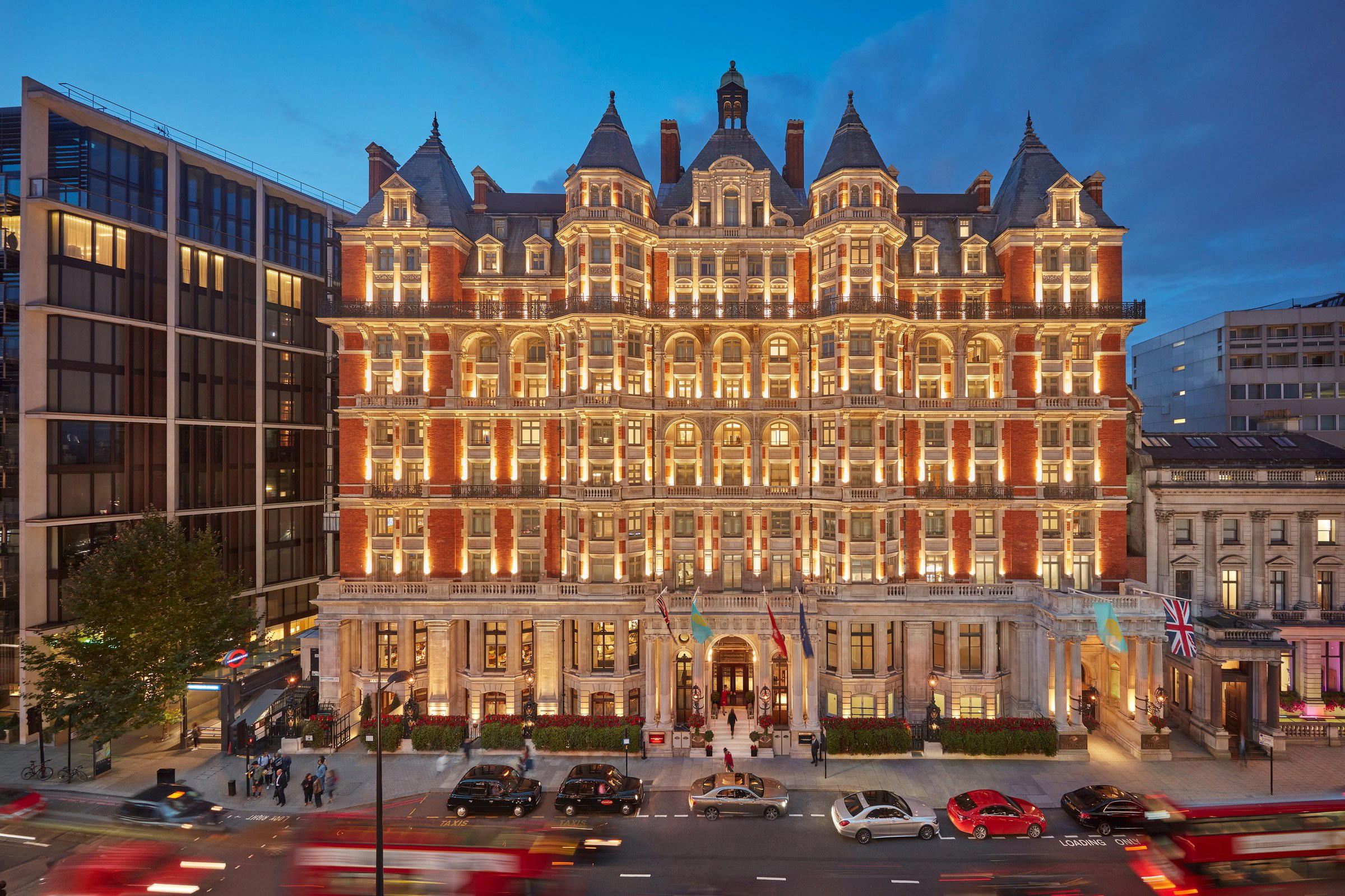
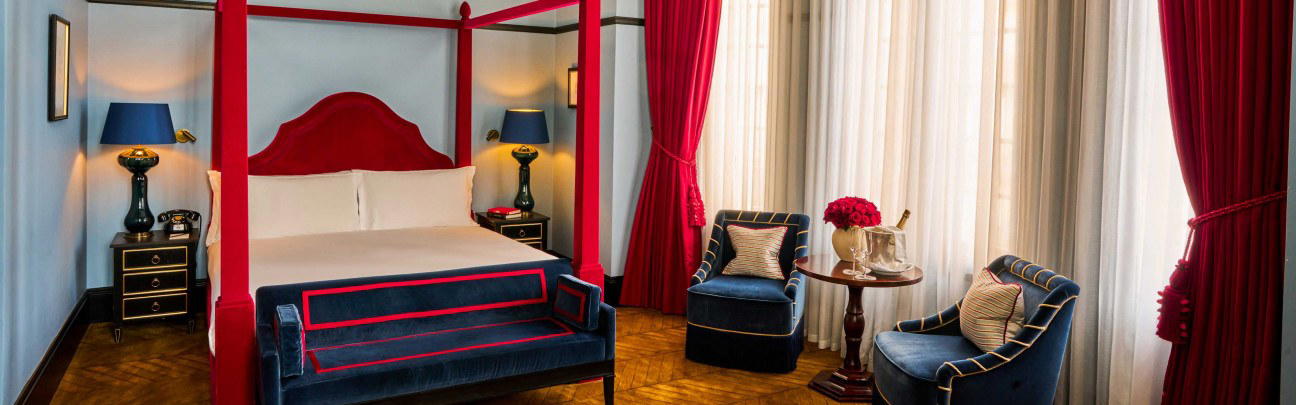
Wright Brothers South Kensington
Our verdict
Wright Brothers on Old Brompton Road puts South Kensington's appetite for good seafood on solid ground, with a format built around oysters, shellfish, and a wine list selected to match. The room draws a neighbourhood crowd that knows what it wants, and the kitchen delivers it with the kind of consistency that keeps regulars returning through every season.

Pearl is the En Primeur Club membership app, where members save venues, book tables and use the concierge.

The menu
What to order
- Oysters
- John Dory
- Fruits de Mer Platters
- Sea Trout with Samphire
Old Brompton Road and the Case for Serious Shellfish
Old Brompton Road occupies a particular register in London dining: not the destination-restaurant corridor of Mayfair or the chef-trophy circuit of Chelsea Embankment, but a street where locals eat well and often, and where a well-run seafood operation finds a natural constituency. Wright Brothers has read that correctly. The South Kensington branch sits at 56 Old Brompton Road, close enough to the museums district to catch international visitors but rooted enough in the neighbourhood to function as a dependable local counter rather than a tourist waypoint.
London's seafood restaurant category has always occupied a different tier from the city's headline tasting-menu addresses. Venues like CORE by Clare Smyth, Restaurant Gordon Ramsay, and Sketch, The Lecture Room and Library operate on ceremony and occasion. Wright Brothers operates on product and frequency. The format rewards repeat visits: a rotating selection of oysters from named British and Irish beds, shellfish treated with discipline rather than decoration, and a wine programme calibrated to accompany all of it without getting in the way.
The Wine List as the Organizing Principle
At a shellfish-focused restaurant, the wine list is not an afterthought bolted onto the food programme. It is, in practice, the second menu, and at Wright Brothers it carries that weight. The logic of pairing oysters and shellfish with wine is ancient and specific: high-acid whites cut through brine, mineral-driven wines echo the salinity of a freshly shucked rock oyster, and the leading Muscadet or Chablis at a seafood counter does more structural work than any sauce. That curatorial intelligence, applied consistently across a wine list, is what separates a seafood restaurant from a fish-and-chips operation with a drinks licence.
London's better seafood wine lists tend to skew heavily French, and for good reason. The Loire and Burgundy traditions were built, in part, around the assumption that oysters and white wine were the same meal. A Muscadet Sèvre et Maine sur Lie, with its extended lees contact and saline edge, or a Chablis Premier Cru from a limestone-heavy parcel, represents a case where geography and gastronomy solved the same problem independently and arrived at the same answer. The question for any serious seafood wine programme is whether it goes beyond the obvious references to include producers who push those traditions rather than simply reproduce them.
For visitors planning around the wine list specifically, the advice is to arrive with time to read it properly rather than defaulting to the first familiar producer name. The value in a well-assembled shellfish wine list is often in the secondary labels and regional alternatives, not in the marquee bottles. A Picpoul de Pinet from a small cooperative or a well-chosen Albariño from Rías Baixas can outperform a more prestigious label when the match is right. That kind of selection requires a buyer who has thought about the food first and the prestige hierarchy second.
Oysters, Seasonality, and the British Shellfish Calendar
The British and Irish oyster calendar still largely follows the old rule: native oysters from September through April, rock oysters year-round. That distinction matters at a restaurant that sources from named beds rather than anonymous wholesale supply. Native oysters from Colchester, Mersea, or the Helford River carry flavour profiles that shift across the season, becoming richer and more mineral as the water cools. Rock oysters from the west coast of Ireland or Loch Fyne in Scotland bring a different salinity and a firmer texture that holds up differently on the palate.
South Kensington in late autumn and winter is, arguably, the right time to sit at an oyster counter in London. The native season is at its most active, the city has moved past the summer tourist peak, and the room settles into a rhythm that suits the format. Spring and early summer shift the focus toward rock oysters and the broader shellfish menu, including crab, langoustine, and whatever the season is producing from British waters. The kitchen's job in that model is curation and sourcing discipline, not transformation. The fish arrives at its finest or it does not arrive.
South Kensington in Context
The neighbourhood contains a mix of long-established French bistros, a handful of wine bars, and the kind of reliable neighbourhood restaurants that serve the museum-worker and residential population that lives and works between Gloucester Road and South Kensington stations. It is not a destination dining neighbourhood in the way that Notting Hill (home to The Ledbury) functions, nor does it carry the institutional weight of the Knightsbridge stretch where Dinner by Heston Blumenthal operates inside the Mandarin Oriental. It is, instead, a neighbourhood where a well-run seafood restaurant with a considered wine list fills a genuine gap.
For visitors already navigating London's wider dining geography, the broader EP Club network covers the full spectrum. The tasting-menu tier in the UK extends well beyond London, from Waterside Inn in Bray and Le Manoir aux Quat'Saisons in Oxford to L'Enclume in Cartmel, Moor Hall in Aughton, Gidleigh Park in Chagford, and Hand and Flowers in Marlow. Regional excellence of a different register is found at hide and fox in Saltwood, Midsummer House in Cambridge, Opheem in Birmingham, and Restaurant Andrew Fairlie in Auchterarder. For seafood at the fine-dining level internationally, the comparison points shift: Le Bernardin in New York City represents the formal end of that spectrum, while Atomix in New York City illustrates how seafood can be integrated into a tasting format at the highest technical level. The full London restaurants guide maps the city's dining options by neighbourhood and price tier for visitors planning a longer itinerary.
Planning a Visit
South Kensington station (District and Circle lines) puts the restaurant within a short walk on Old Brompton Road. The format suits both lunch and dinner; midweek evenings tend to be quieter than weekends, when the neighbourhood draws a fuller crowd. For those whose primary interest is the wine list, it is worth contacting the restaurant in advance to understand the current selection, particularly if the visit is timed to a specific oyster season. Wright Brothers operates multiple London sites, so confirming the South Kensington address at 56 Old Brompton Road before booking avoids the common error of arriving at the wrong branch.
Frequently asked questions
What's the address for Wright Brothers South Kensington?
Wright Brothers South Kensington is located at 56 Old Brompton Rd, South Kensington, London SW7 3DY, United Kingdom, London.
How does Wright Brothers South Kensington compare to other London oyster bars?
Wright Brothers operates several London sites, and the South Kensington address on Old Brompton Road sits in a neighbourhood better known for French bistros and wine bars than destination seafood. That context matters: the venue functions as the area's serious shellfish option in a part of SW7 where the competition is generalist rather than specialist. The chain's broader reputation rests on direct sourcing relationships with British and Irish shellfish producers, a model that distinguishes it from hotel seafood counters and gastropubs offering oysters as a side programme.
What should I order at Wright Brothers South Kensington?
The shellfish programme is the organizing principle of the menu, with oysters the natural starting point. Wright Brothers built its reputation on British and Irish sourcing, so native oysters (available September through April) and rock oysters (year-round) are the reference dishes against which everything else is measured. The wine list is constructed to pair with shellfish rather than as a general-purpose selection, so taking guidance from the floor on a glass alongside your oysters is the practical move.
Is Wright Brothers South Kensington reservation-only?
Wright Brothers at 56 Old Brompton Road suits both lunch and dinner formats, and the Old Brompton Road location draws a neighbourhood crowd alongside visitors from the nearby museums. Booking ahead is advisable for dinner, particularly on weekends, though the venue's format as a shellfish bar means counter or walk-in seating may be available for smaller parties. Checking directly with the restaurant is the reliable method given that availability varies by day and season.
Comparable Options
Comparable venues nearby, for context on price, style, and recognition.
| Venue | Cuisine | Price | Awards | Notes |
|---|---|---|---|---|
| Wright Brothers South KensingtonThis venue (the venue you are viewing) | Fresh Seafood & Oyster Bar | $50–100 | Not listed | Not listed |
| Faber | British Seafood | $50–100 | Not listed | Brook Green |
| Wright Brothers Borough Market | British Seafood & Oyster Bar | $50–100 | The Good Food Guide GFG Good | Borough |
| Lilibets | Luxury Seafood Fine Dining | $100–150 | Michelin Plate · National Restaurant Awards Top 100 #57 | Mayfair |
| Gina | Modern British-Italian Chophouse | $50–100 | Not listed | Chingford |
| Zheng | Modern Malaysian-Chinese Fusion | $50–100 | Not listed | Chelsea |