Our verdict
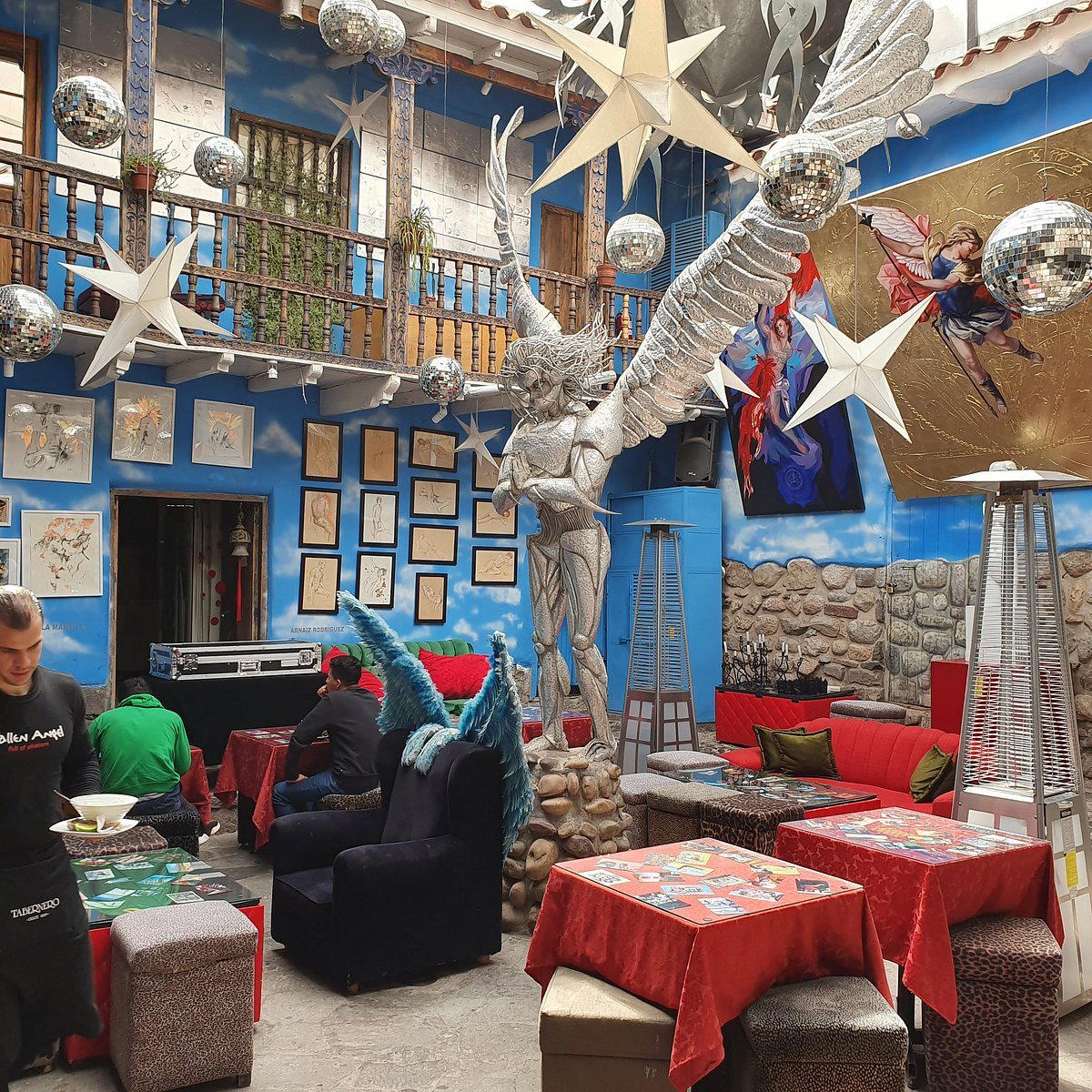
Fallen Angel sits on Nazarenas street in Cusco's San Blas quarter, where colonial architecture meets an interior design sensibility that has made the space one of the city's most-discussed dining rooms. The restaurant occupies a tier that operates somewhere between art installation and dinner venue, drawing travellers who treat the meal as much as a cultural encounter as a dining choice.
The menu
What to order
- Beef tenderloin
- Ceviche
Where Cusco's Colonial Frame Gets Reinterpreted
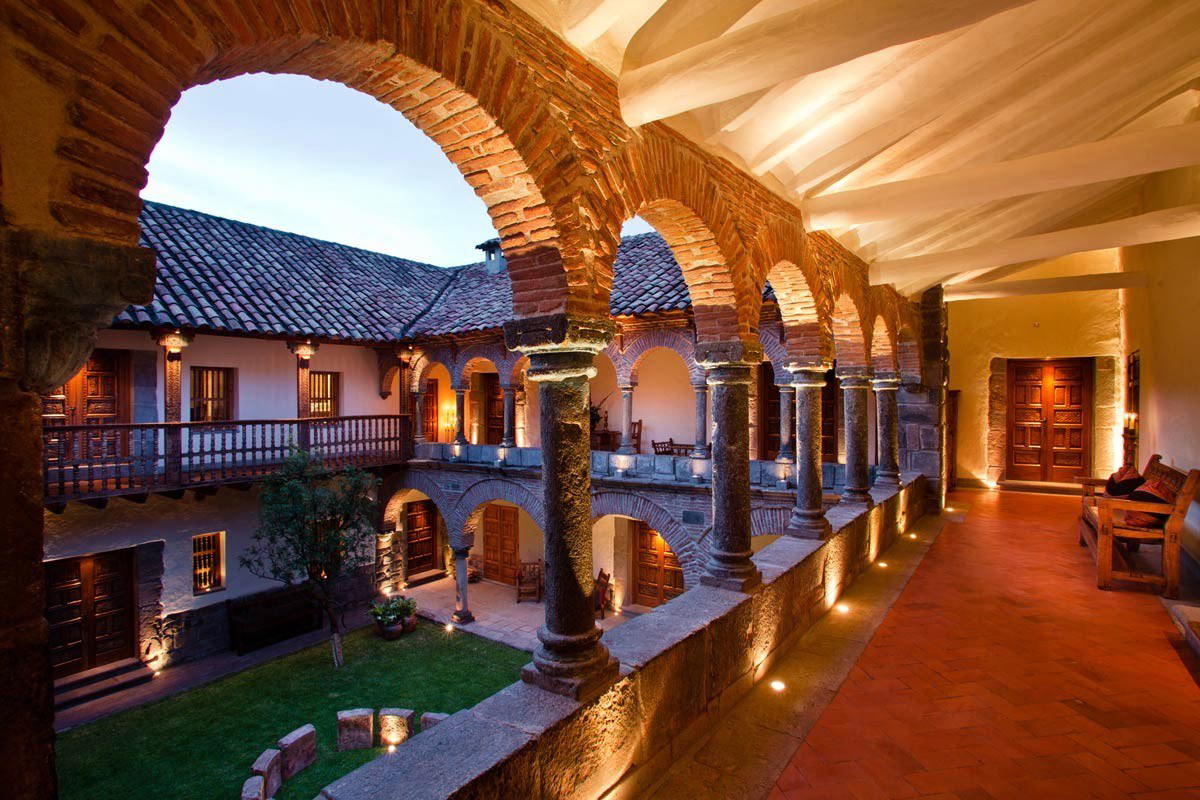
The streets above Cusco's Plaza de Armas narrow into the San Blas neighbourhood, where colonial-era stonework and artisan workshops have defined the city's cultural upper quarter for centuries. On Calle Nazarenas, a short walk from the plaza, Fallen Angel occupies a space that refuses the usual Andean restaurant grammar. In a city where dozens of dining rooms deploy exposed Inca stonework and woven textiles as decor shorthand, this address has built a reputation around a different visual logic entirely: surrealist interiors, bathtub tables, and a design register closer to a European art space than a traditional Cusqueño dining room. That contrast is the editorial point. Cusco's restaurant scene has, for the past decade, sorted itself into two broad camps: kitchens using elevation and heritage ingredients to make the case for modern Andean cuisine, and spaces that use architecture and atmosphere to position themselves as destination dining rooms independent of any single culinary tradition. Fallen Angel belongs to the second category, and within that category it has held its ground longer than most.
The City's Dining Split and Where This Fits
To understand Fallen Angel's position, it helps to map the broader Cusco dining context. The city's most discussed kitchens currently divide between the heritage-formal tier, represented by places like Inkaterra La Casona, which frames Peruvian fusion within a colonial mansion setting, and the chef-driven modern Andean tier, where Chicha por Gaston Acurio carries the most recognisable name credential in Peruvian gastronomy. A third strand runs through neighbourhood spots like Cicciolina, which has operated on Triunfo street long enough to function as a reference point for long-stay visitors. Then there is a smaller group of venues whose primary argument is atmosphere and concept as much as plate. Fallen Angel sits in that last tier, and at Nazarenas 221, the address itself signals something: this block attracts visitors who are already filtering for San Blas's more curated, less tourist-circuit character.
For context across Peru's wider dining conversation, the ingredient-first, terroir-led approach that has defined the country's international reputation since Astrid & Gastón in Lima placed on the World's 50 Best list runs through almost every serious kitchen in the country. Mil Centro in Moray, a forty-minute drive from Cusco in the Sacred Valley, represents the extreme end of that philosophy: single-origin Andean produce, altitude as argument. Fallen Angel does not compete in that conversation. Its positioning is orthogonal to the ingredient-provenance debate, which is precisely what makes it an interesting data point in the city's scene.
The Cultural Roots of Cusco's Dining Identity
Cusco's relationship with food is inseparable from its altitude, its agricultural history, and the Inca civilisation that made this city the centre of an empire stretching from present-day Colombia to Chile. The central market at San Pedro still trades in ingredients that predate the Spanish arrival: chuno (freeze-dried potato), various corn varieties, quinoa in colours that supermarket versions have flattened into one. The city's most culturally grounded restaurants work from this pantry. That tradition runs deep enough that even newer addresses feel pressure to reference it. Fallen Angel's interest lies in how it operates largely outside that pressure, creating a space where the cultural signal is architectural and conceptual rather than agricultural.
This is not a critique. In cities with strong culinary heritage, there has always been space for dining rooms that treat the meal as a social and aesthetic event rather than a strictly ingredient-led argument. In Lima, Osaka Nikkei in San Isidro occupies a similarly atmosphere-forward position in its city's dining map. In Cusco, Fallen Angel has held that role for long enough that its name comes up reliably in conversations about the city's restaurant character, even among visitors whose primary interest is the food.
Atmosphere as the Primary Argument
The interior design at Fallen Angel has been documented across enough travel publications that it functions as a recognisable signal even for visitors who have not yet arrived. The bathtub-as-table format, the general surrealist visual register, and the contrast with Cusco's colonial surroundings are the main reason the address carries the conversation weight that it does. Dining rooms that build a reputation on this kind of concept tend to face one particular test over time: whether the kitchen can sustain the argument the room makes. For venues in the same conceptual category, like Lazy Bear in San Francisco or Le Bernardin in New York City (though operating in entirely different registers), the room and the food must cohere. At Fallen Angel, the coherence is tonal rather than culinary: the visual language and the overall sensibility work together, even if the kitchen's specific output is less documented in the public record than the decor.
Visitors who prioritise plate-first dining and are specifically looking for ingredient-driven modern Andean work would be better directed toward Chicha or, for a vegetarian-forward option, Green Point. Those looking for something in between the heritage-formal and the concept-led might find Cantina Vino Italiano a useful point of comparison for atmosphere-to-food ratio.
Planning a Visit
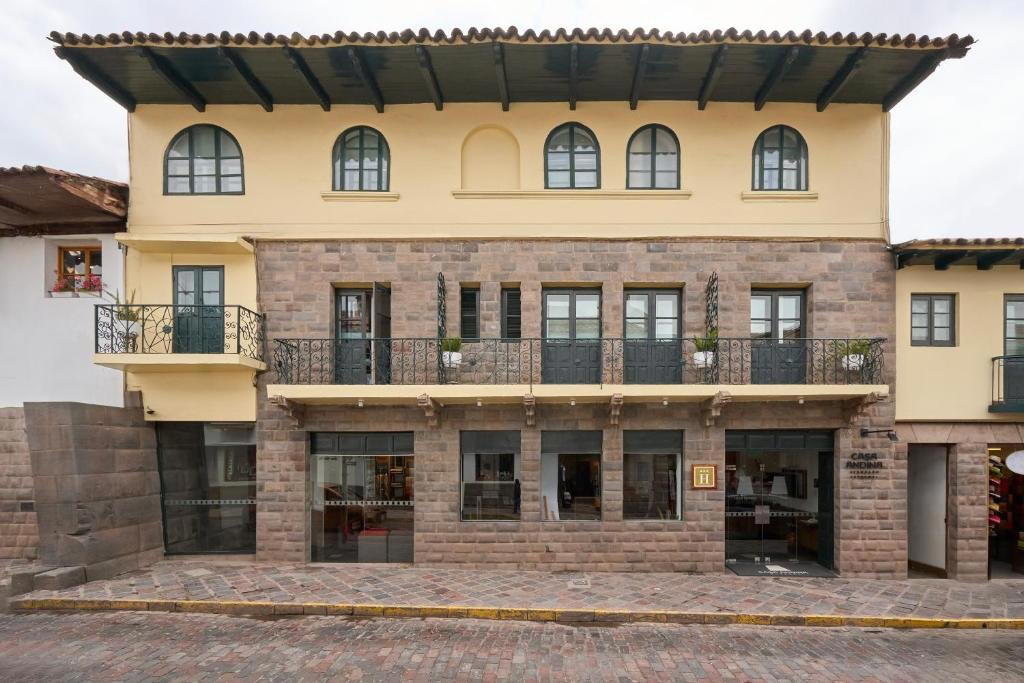
Fallen Angel is located at Nazarenas 221 in Cusco's historic centre, walking distance from the Plaza de Armas and within easy reach of the San Blas artisan quarter. The address is on a relatively quiet colonial street, which means the contrast between exterior and interior registers more sharply than it would on a busier thoroughfare. Given the venue's consistent presence in Cusco travel coverage, booking in advance is the sensible approach, particularly during the May-to-October high season when the city's overall visitor numbers compress availability across all mid-to-upper tier dining. Dress code is not formally documented, but the interior's design-conscious atmosphere generally attracts visitors dressed above casual tourist standard.
For broader orientation across Peru's dining scene beyond Cusco, EP Club covers Cirqa in Arequipa, Costanera 700 in Miraflores, and Delfin Amazon Cruises in Iquitos for those moving across the country. Within the Sacred Valley region, Mapacho Craft Beer Restaurant in Urubamba offers a more casual reference point for the valley's emerging food scene. Our full Cusco restaurants guide maps the city's dining options across all price tiers and culinary traditions.
Frequently asked questions
Where is Fallen Angel - "The" Restaurant located?
Fallen Angel - "The" Restaurant is located at Nazarenas 221, Cusco 08000, Peru, Cusco.
What makes Fallen Angel - "The" Restaurant different from other Cusco restaurants near Plaza de Armas?
Fallen Angel has been recognised across travel publications primarily for its interior design, which functions as a deliberate artistic statement rather than a backdrop. Located at Nazarenas 221 in Cusco's historic centre, it occupies colonial stonework typical of the neighbourhood but reinterprets it through an approach that has made the room itself a recurring subject in editorial coverage of the city. Most Cusco restaurants in this bracket compete on cuisine credentials; Fallen Angel's atmosphere is its primary distinguishing argument.
What should I eat at Fallen Angel - "The" Restaurant?
Dishes rooted in altitude-grown produce and regional traditions tend to anchor the experience. Given the restaurant's position near Nazarenas 221 in the historic centre, the room itself is as much a reason to visit as any single plate.
Do I need a reservation for Fallen Angel - "The" Restaurant?
Reservations are advisable. Fallen Angel at Nazarenas 221 has been documented across international travel publications, which means visitor footfall from the Plaza de Armas area is steady and the dining room fills. Walk-ins during Cusco's high season, roughly May through October, carry real risk of no availability. check the venue's official channels to confirm current booking options.
Price and Recognition
| Venue | Cuisine | Price | Awards |
|---|---|---|---|
| Fallen Angel - "The" RestaurantThis venue (the venue you are viewing) | Peruvian Fusion | Not listed | Not listed |
| Cicciolina | Italian-Peruvian Fusion | $30–50 | Not listed |
| Chicha por Gaston Acurio | Modern Peruvian | $20–30 | Not listed |
| Inkaterra La Casona | Traditional Peruvian Fine Dining | Not listed | Relais Chateaux Award |
| Mauka | Modern Peruvian Fine Dining | $50–100 | Not listed |
| Green Point | Modern Vegan Peruvian | $20–30 | We're Smart World 3 Radishes |
Continue exploring
More in Cusco
Restaurants in Cusco
All restaurants in Cusco →
Bars in Cusco
Browse all →
Details
- Trendy
- Whimsical
- Modern
- Intimate
- Date Night
- Special Occasion
- Historic Building
- Local Sourcing
- A La Carte
- Vegetarian Friendly
- Vegan Options
- Gluten Free Options
Sensation-filled with daring, funky, and slightly crazy artistic decor, disco ball bar, and hipster vibe.